
Project information
Project aim
Human activity in Antarctica is intensifying, and Antarctic ecosystems are increasingly threatened by fuels, heavy metals and emerging contaminants. Past waste disposal practices, infrastructure failures and human error have all contributed to contamination of the Antarctic environment. Fuel and metal contamination has been shown to be persistent and toxic to these unique areas, and intervention is often required to minimise environmental damage. Earlier AAP projects have delivered a solid body of impactful, robust scientific research on polar remediation. This project applies that research to real-world contaminated land problems. It will complete the implementation, risk assessment and monitoring of three remediation operations at Casey Station, and enable recommendations on appropriate remediation techniques at other AAD sites (Davis, Mawson, Heard Island). An integrated strategy for the assessment and remediation of priority contaminated sites will be developed.
Project milestones
Summary of the season 2024/25
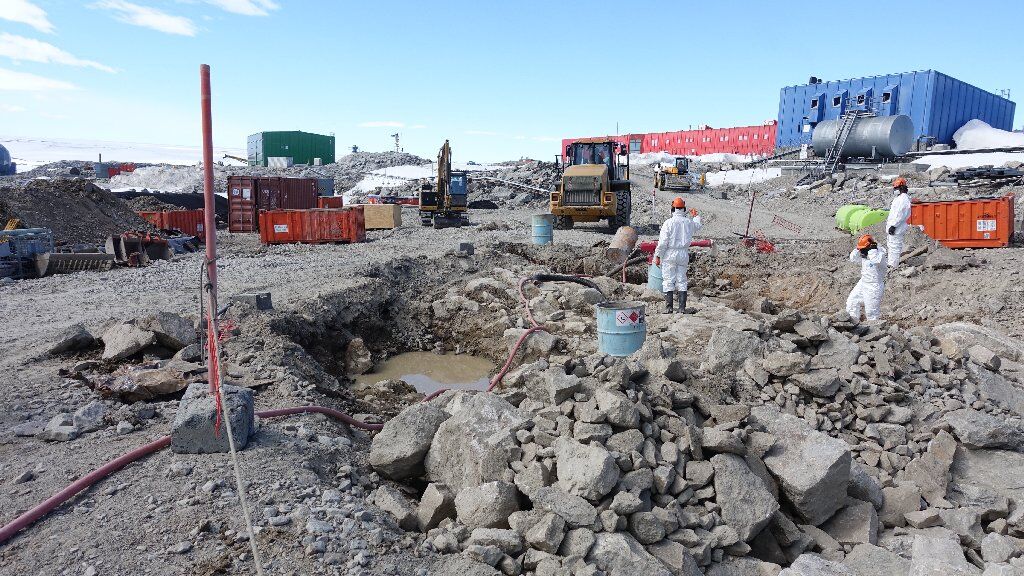
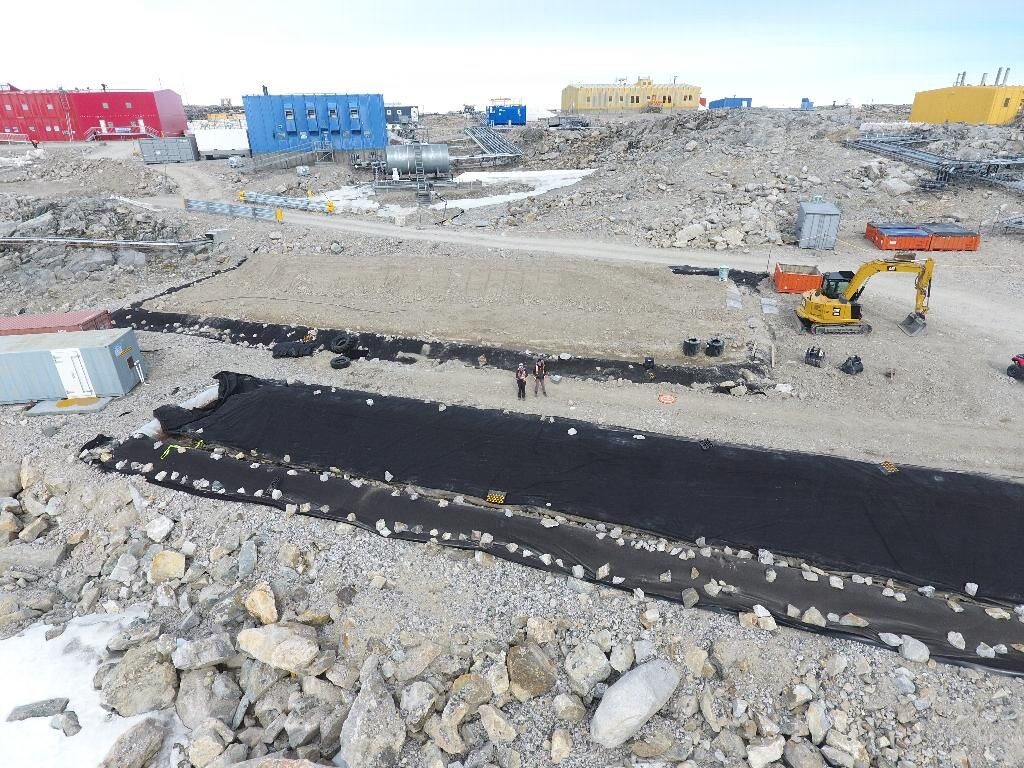
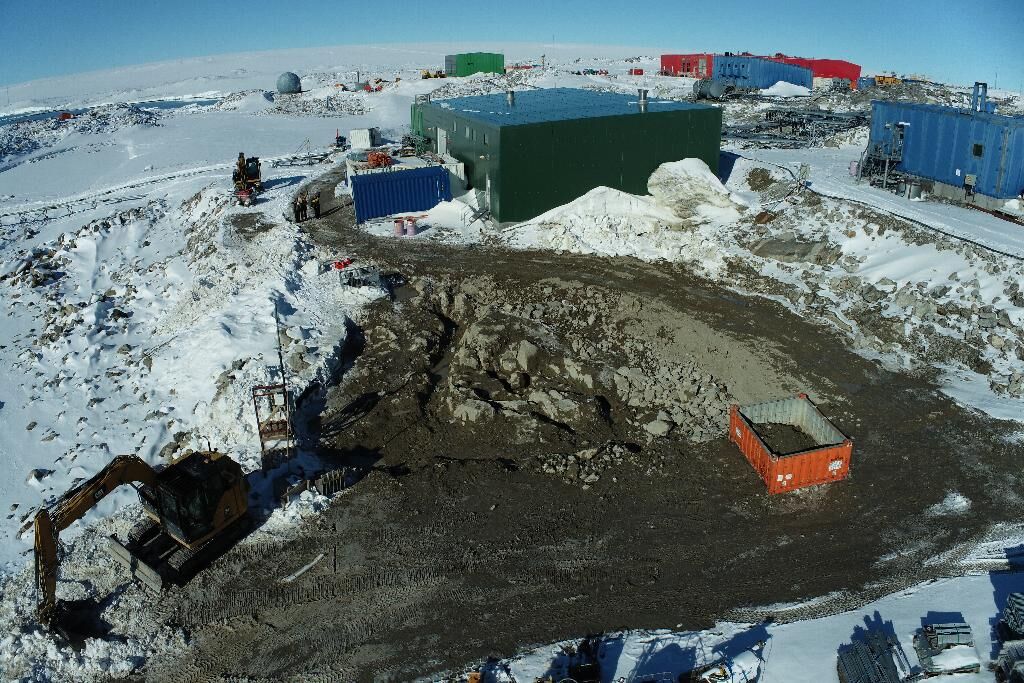
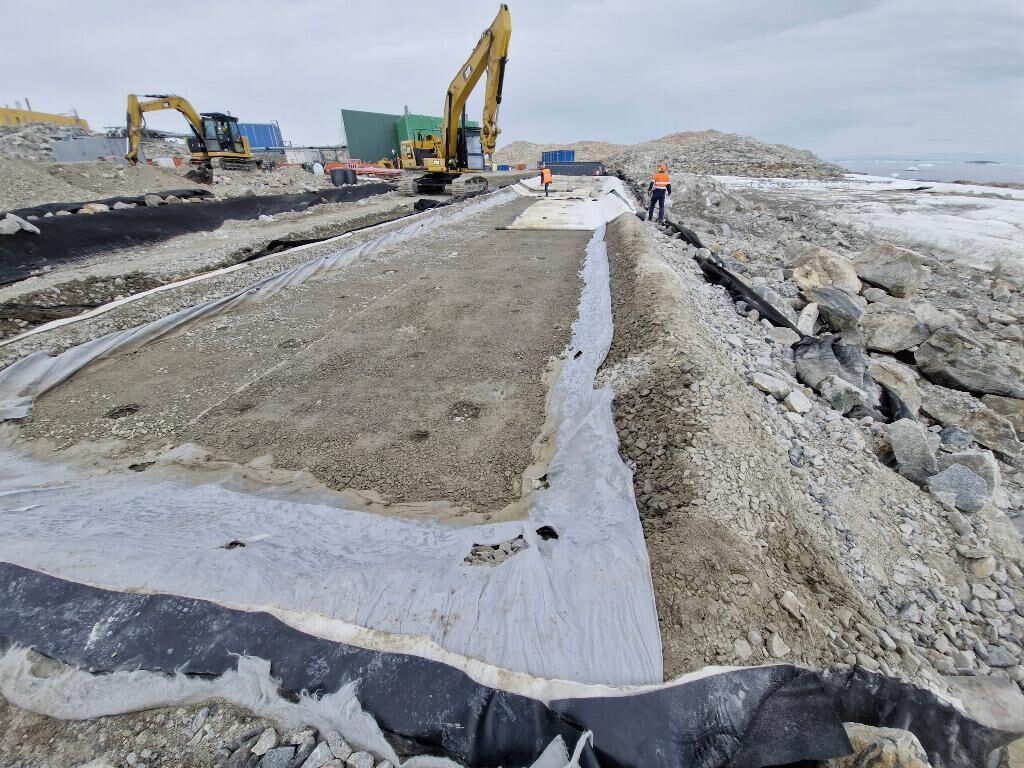
The project continues to assess, monitor and manage the remediation of several fuel spills and contaminated sites at Casey Station. The 24/25 field activities included sampling and monitoring of the efficacy of contaminated soil bioremediation using "biopiles", sampling, monitoring and management of contaminated water and leachate, and sampling and monitoring potential receptors and background locations for evidence of contaminant migration or to obtain baseline contaminant concentrations. The multi-season bioremediation research has led to improved efficiency of the biopile treatment in reducing hydrocarbon contamination in Antarctic soil. Furthermore, a multi-year leachate experiment that aims to better understand the leaching properties of remediated soil under Antarctic environmental conditions was continued. Chemical analysis and ecotoxicology studies using leachate samples collected this season, coupled with background samples collected from the Casey and Windmill Islands areas, will inform how and where remediated soil is returned to the Antarctic environment as the project's remediation activities conclude.
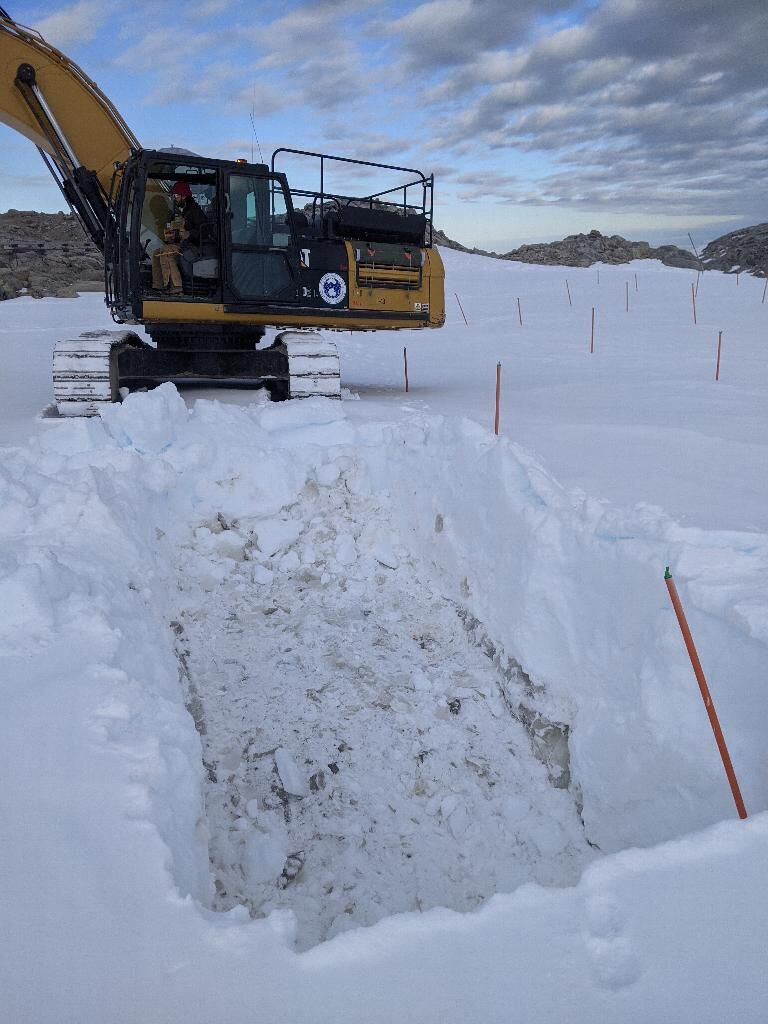
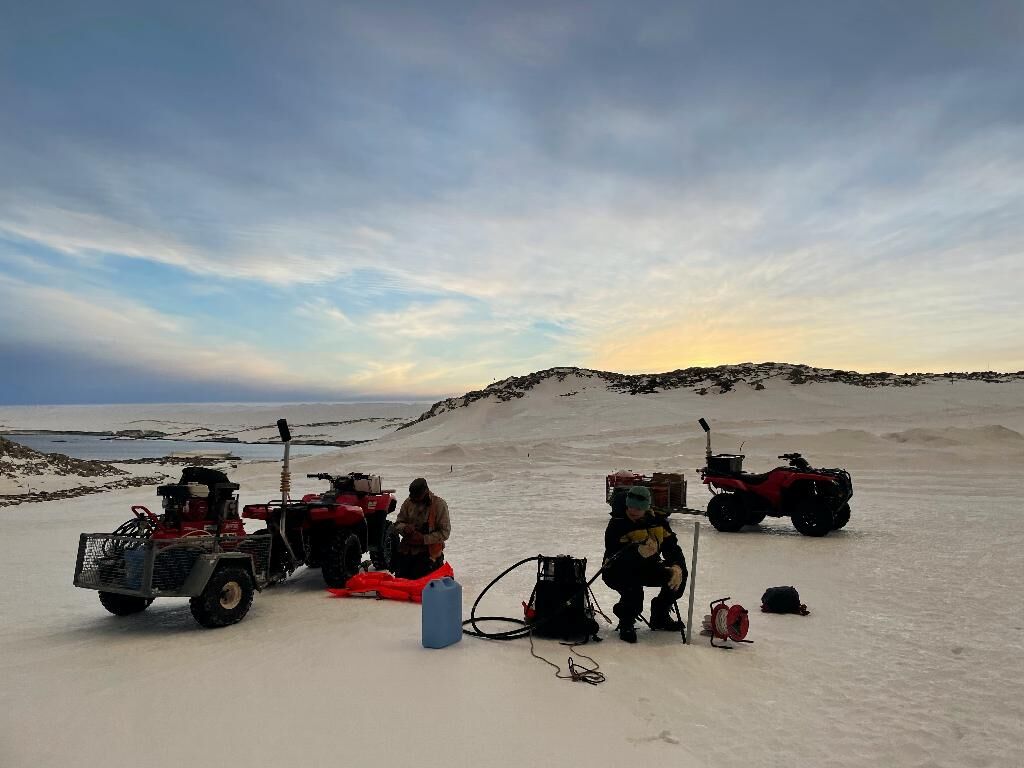
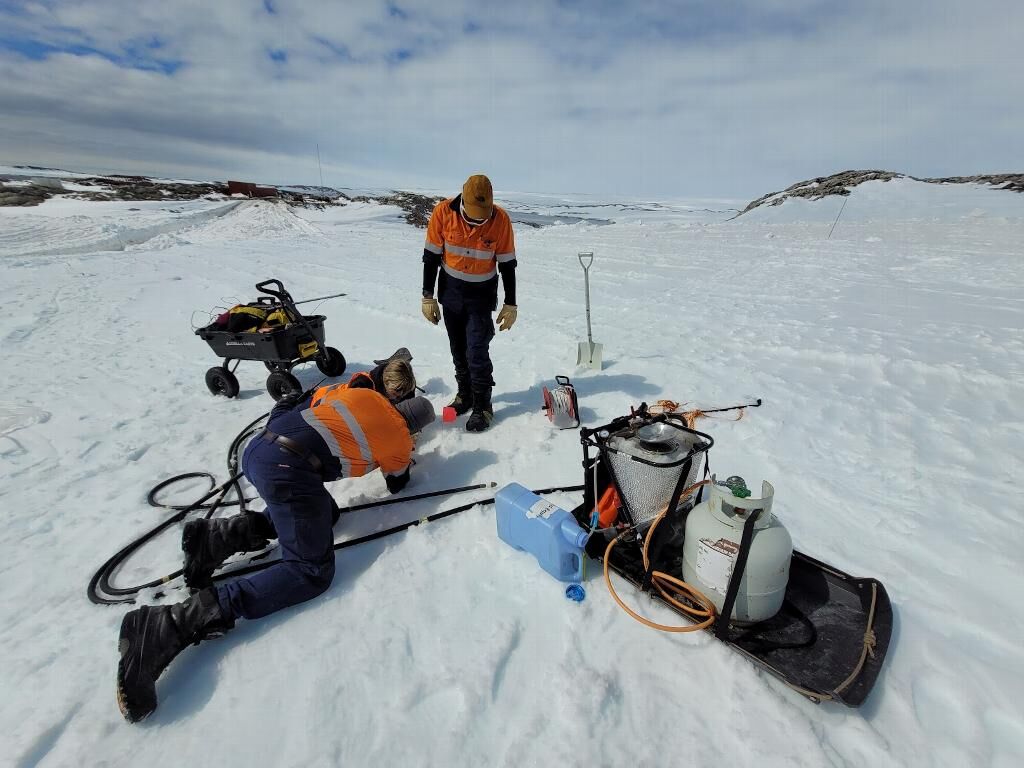
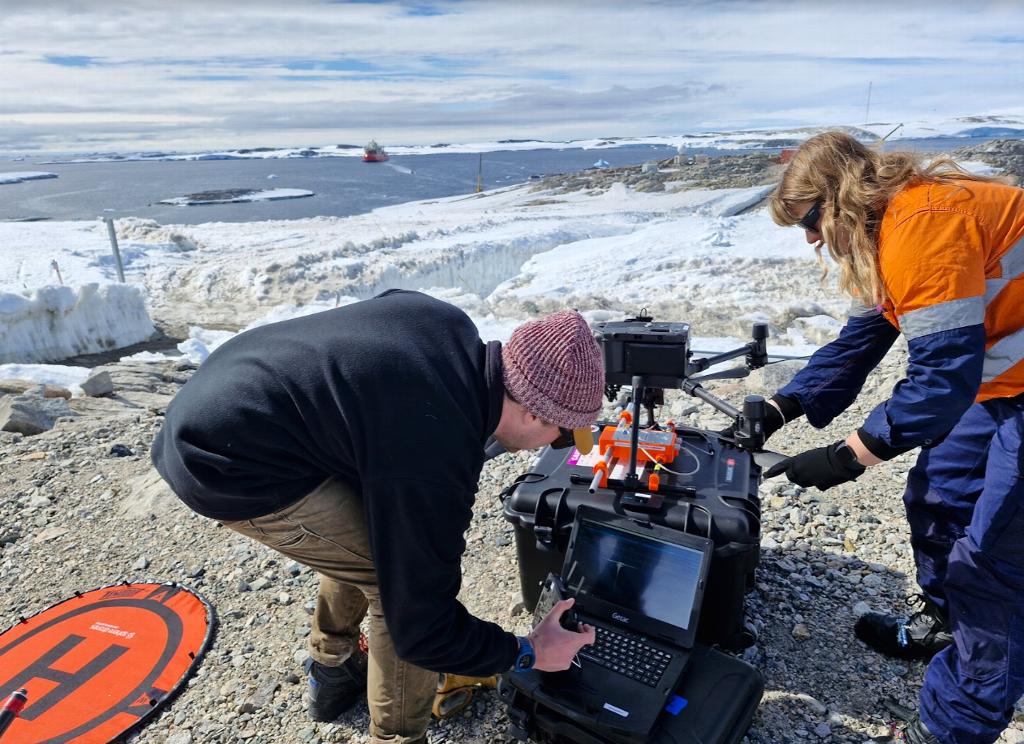
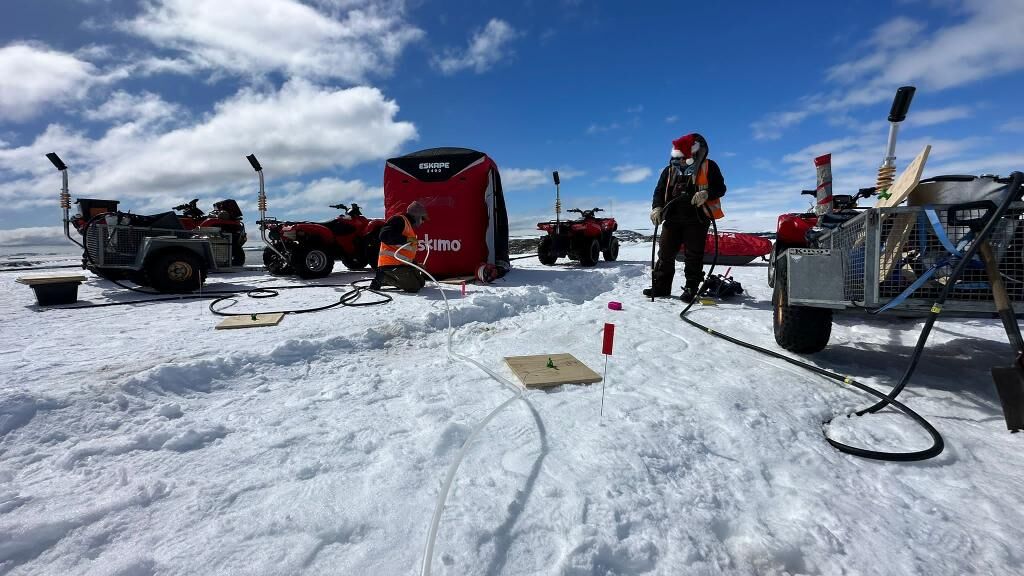
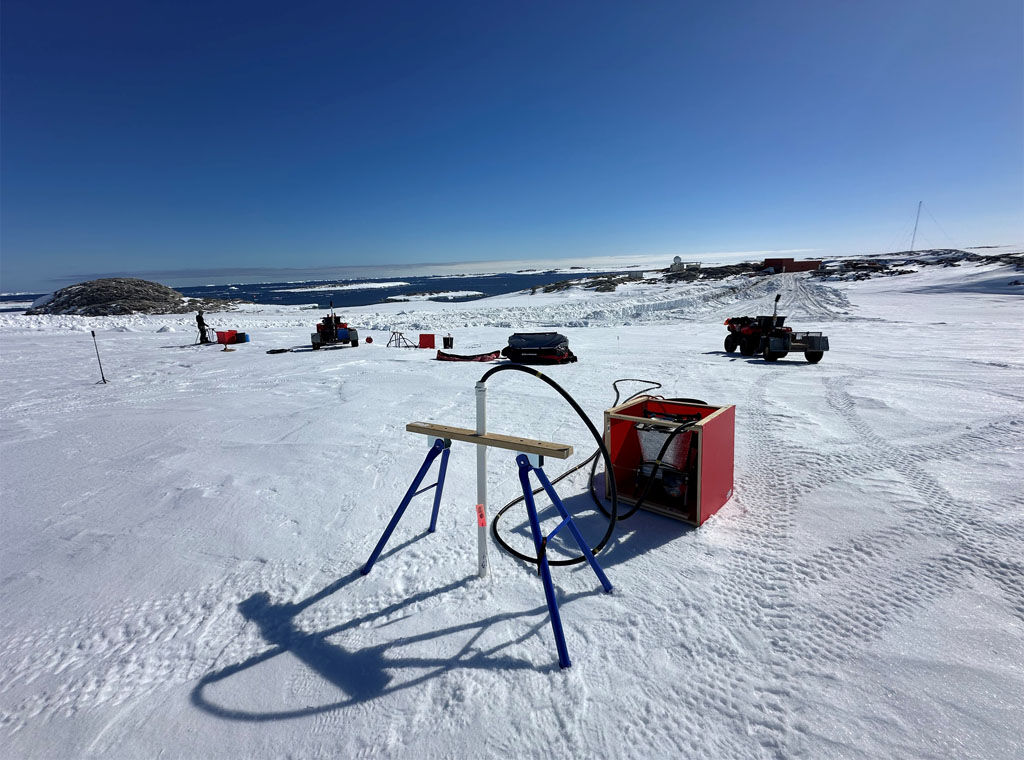
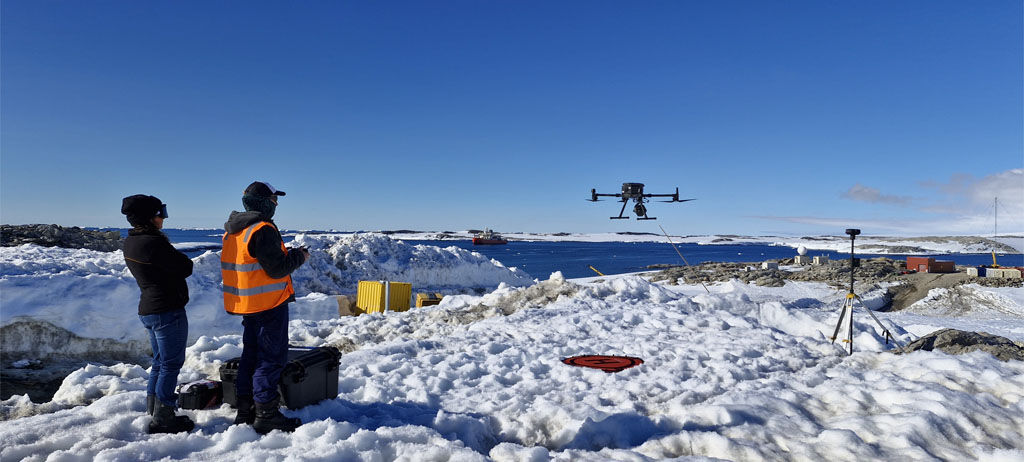
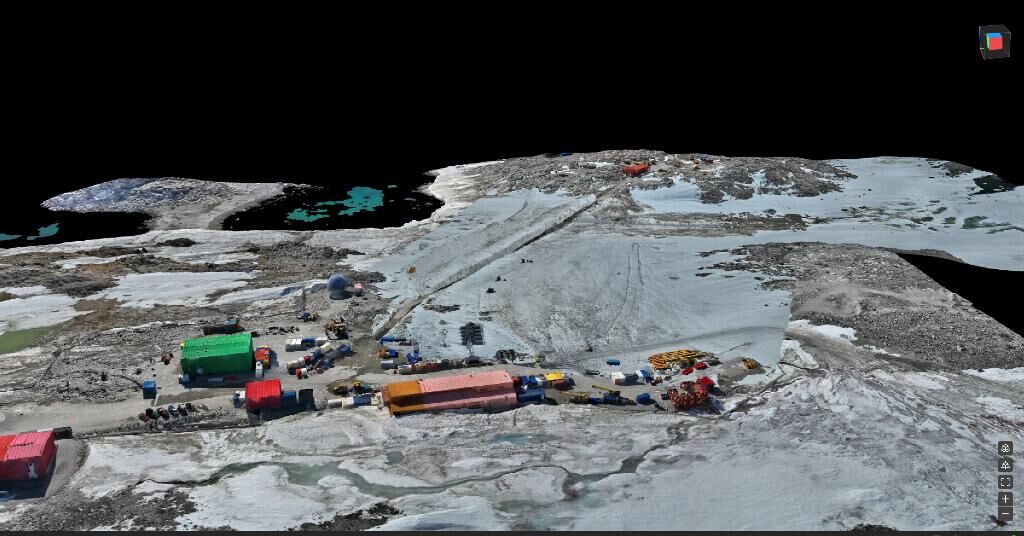
At the Casey Upper Fuel Farm (CUFF), where a fuel spill occurred in 2018, passive soil gas samplers were deployed through the perennial snowpack and permanent ice to better understand the migration of fuel from the spill location. Delineation of extent (and rate of migration) of the fuel contamination will be used to develop a site-specific remediation/management plan. Lastly, remotely Piloted Aircraft Systems (RPAS/Drone) operations were conducted over the Casey Station area, Wilkes Station and the Bunger Hills region to map ice and snow distribution, exposed soil and bedrock, infrastructure and vegetation in support of the Reducing Environmental Impacts at Contaminated Sites in Antarctica project work and the AAD's broader Environmental Stewardship goals.
Summary of the season 2023/24
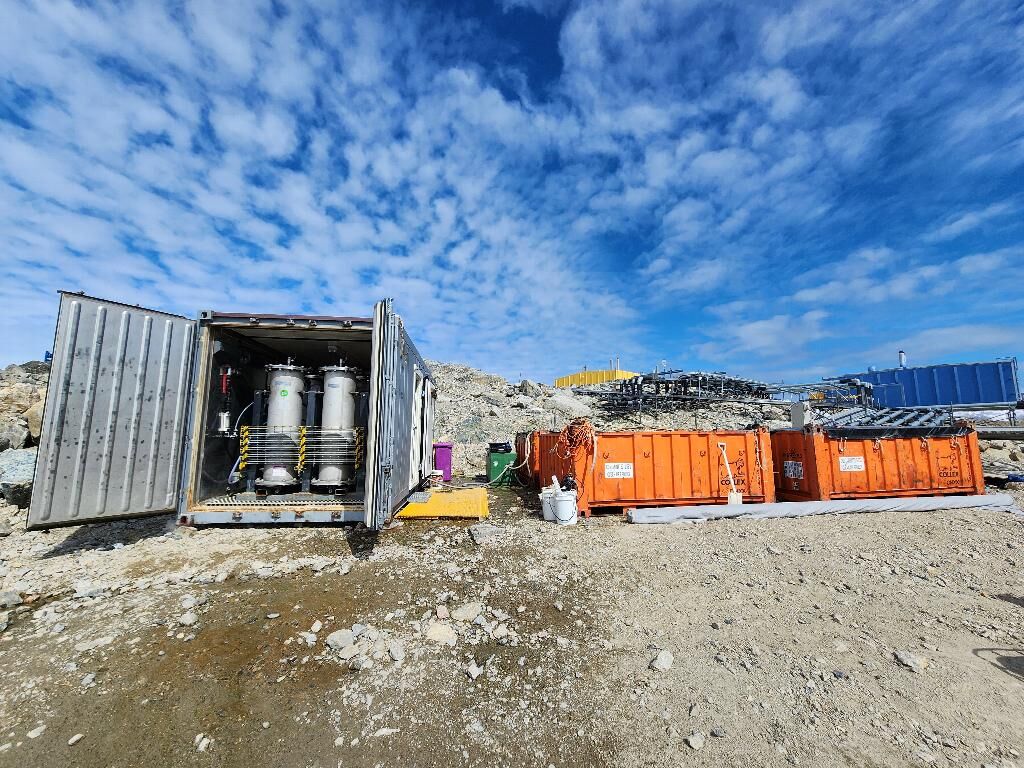
AAS 4503 continues to assess, monitor and manage the remediation of several fuel spills and contaminated sites at Casey Station. The 23/24 season activities included active bioremediation (using "biopiles", biopile management, operation of an onsite water treatment container (WTC), excavation of remnant impacted soils from a 2015 fuel spill as well as leachate and water quality monitoring. At the Casey Upper Fuel Farm (CUFF), 56 passive soil gas samplers were deployed tracking the fuel migration from the spill source down to Thala Valley. The multi-season biopile turning experiment and long term biopiles research has led to improved efficiency of the biopile treatment in reducing hydrocarbon contamination in the soil from an initial 5-7 seasons of operations to 2 seasons and a better understating of biodegradation and volatilisation. The leachate sink experiment and direct toxicity assessments were conducted to better understand the leaching properties of remediated soils and to inform future soil reuse targets using chemical analysis and ecotoxicology. Remotely piloted aircraft system (RPAS) operations included photogrammetry, Ground Penetrating Radar (GPR) and multispectral band missions that identify fuel pathways below the ice, soil/bedrock below the ice and vegetation sites.
Summary of the season 2022/23
AAS 4503 builds on the work of AAS 4036 and continues to assess, monitor and manage the remediation of several fuel spills at Casey Station. Key tasks in the 22/23 season included active biopile management, the upgrade and operation of the onsite water treatment container and water quality monitoring (leachates, treatment discharge surrounding waterways). At the Casey Upper Fuel Farm (CUFF) spill site, passive soil gas samples were deployed and excavation of soils was planned however 3m of additional snow pack prevented advancement. Instead, targeted snow excavation and water sampling was undertaken. Experiments continue that will inform remediation techniques and soil reuse targets, including the multi-season biopile turning experiment investigating biodegradation and volatilisation processes, soil washing for nutrient removal and the soil leaching experiment using natural soils and soils at various stages of the remediation process. RPAS operations included 14 photogrammetry missions.
Summary of the season 2021/22
Project AAS 4503 builds on the work of AAS 4036 and continues to assess, monitor and actively manage the remediation of a number of fuel spills at Casey Station, Antarctica. This season's main tasks included: completing excavation of contaminated soils from the 2012 EPH fuel spill, active management of biopile soils; onsite treatment of 170,000L of contaminated water; monitoring water quality of discharge and biopiles; decommissioning two PRBs that passively treated groundwater; CUFF fuel spill site characterisation using steam drilling to obtain gas/water samples below ice. New experiments were run to assess remediation efficacy (soil evaporation/degradation/turning), inform remediation end points and reuse targets (soil leaching) and off-station "background" soil sampling to understand nutrient and micro-invertebrate levels in soils unaffected by human activity. 25 UAV flights were undertaken for aerial photos and detailed surface imagery for investigations and reporting.
Summary of the season 2020/21
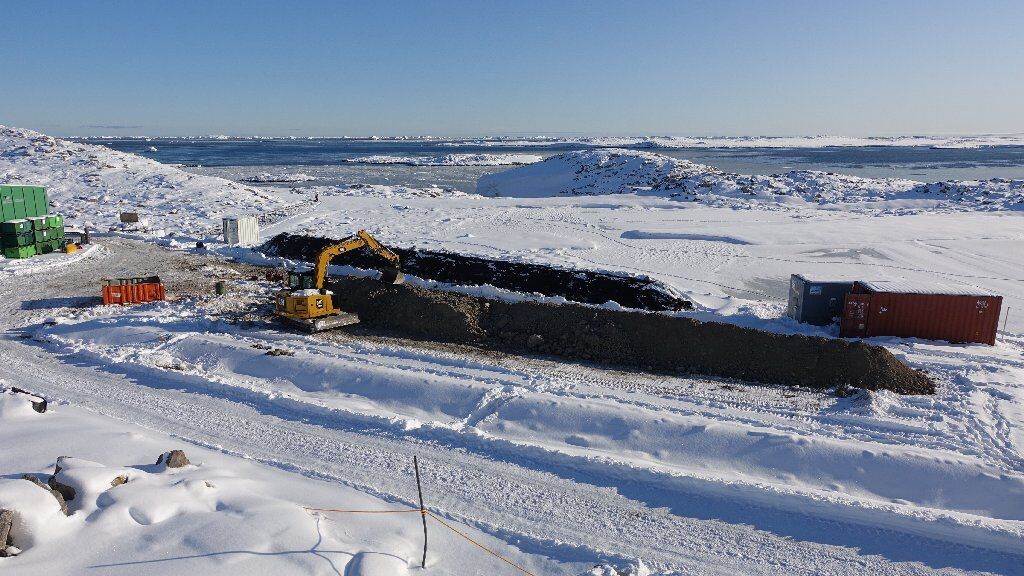
Project AAS 4503 builds on the work conducted by the AAS 4036 and continues to assess, monitor and actively manage the remediation of a number of fuel spills at Casey Station, Antarctica. This season was a limited sustainment season due to Covid restrictions which limited project personnel on station. Priorities for the 2020/21 season therefore focused on managing environmental risk, maintaining active remediation and monitoring, and, where possible, staging for future seasons. Main tasks included: placing fuel impacted soil, which had been previously excavated and stored in 1/4 height containers, into the large containment cell which was constructed in the 2019/20 season (termed "Biopile X") to commence active soil remediation and managing and treating leachate accumulation in the biopiles. Vapour sampling conduit, utilized for vapour assessment last season, from the Casey Upper Fuel Farm (CUFF) area, was also removed. Rock from the quarry was also moved to a stockpiled area on station for sorting and crushing. This rock is to be used next season to backfill a planned excavation of fuel contaminated soils to the west of the Casey Utility Building and associated with a 2012 fuel spill. A number of unmanned aerial vehicle (UAV) flights were undertaken across station to obtain aerial photos and detailed surface imagery for project planning and reporting.
Summary of the season 2019/20
Project AAS 4503 builds on the work conducted by the AAS 4036 and continues to assess, monitor and actively manage the remediation of a number of fuel spills at Casey Station, Antarctica. This season we supported the assessment and response of a diesel spill from the fuel tank bund at Mawson Station. The team deployed vapour samplers for the first time in Antarctica by installing them beneath more than 4m of compacted snow and ice to delineate the fuel migration pathway of the Casey Fuel Farm (CUFF) spill site. The team also completed construction of Antarctica's largest ever biopile (Biopile X).
Related publications
-
Nitrogen cycle complications in diesel contaminated soil Scientific Committee on Antarctic Research Biology Conference, 2023
(Ref: 17198)
Authors:Category 3: Verbal presentation
-
Where science meets policy: The Antarctic Clean-up Manual as a case study in protecting the Antarctic environment Scientific Committee on Antarctic Research Biology Conference, 2023
(Ref: 17199)
Category 3: Verbal presentation
-
Australian Antarctic Division Environmental remediation and research addressing fuel spills and improved environmental protection at Casey Station New Zealand – Australia Antarctic Science Conference, 2023
(Ref: 17193)
Category 3: Verbal presentation
-
Where science meets policy: The Antarctic Clean-up Manual as a case study in protecting the Antarctic environment New Zealand – Australia Antarctic Science Conference, 2023
(Ref: 17194)
Category 3: Poster
-
Nitrogen cycle complications in diesel contaminated soil New Zealand – Australia Antarctic Science Conference, 2023
(Ref: 17195)
Authors:Category 3: Poster