
Project information
Project aim
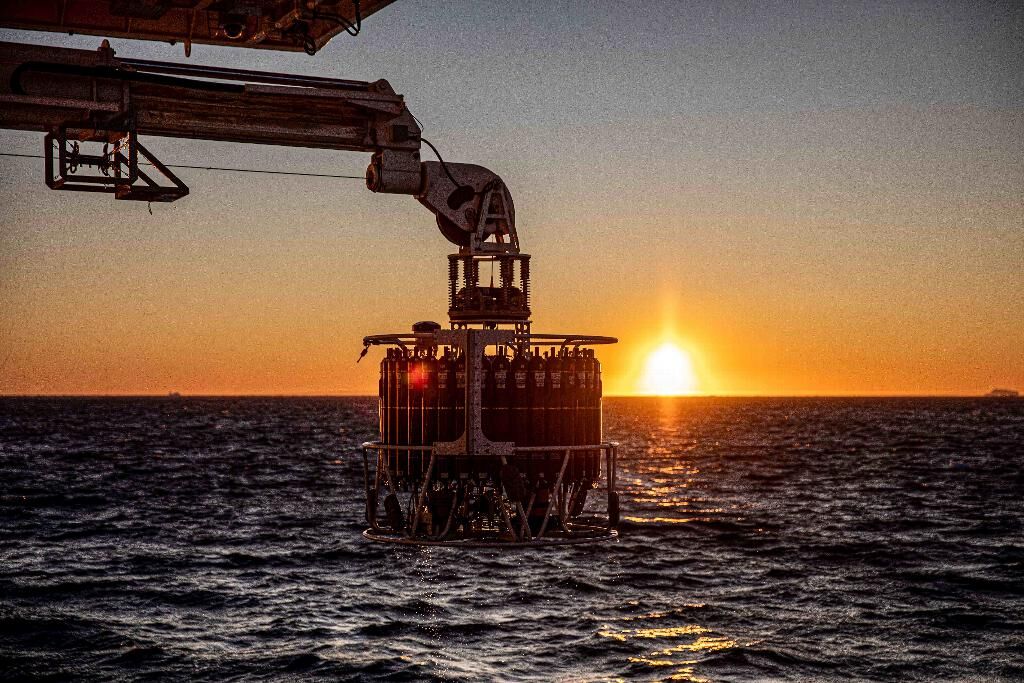
The Southern Ocean helps to slow the rate of climate change by absorbing heat and carbon dioxide. But as the earth warms, the ability of the Southern Ocean to provide this service will likely decrease, accelerating the pace of change. To understand how and why the Southern Ocean is changing, sustained observations are needed. This project supports the ongoing collection of ocean temperature and salinity measurements from profiling floats and expendable instruments. These observations will be used to assess changes in ocean heat content, sea level rise, ocean circulation, and ocean - ice interaction. The insights gained will help improve our understanding of the role of the Southern Ocean in the earth's climate system, as well as the consequences of Southern Ocean change for ecosystems and the cryosphere (sea ice and ice shelves).
Project milestones
Summary of the season 2024/25
Project 4479 completed observations as planned, extending one of the longest and most complete time series in the Southern Ocean. The data will be used to assess how and why the Southern Ocean is changing and the consequences of Southern Ocean change.
Activities undertaken during the 24/25 season included:
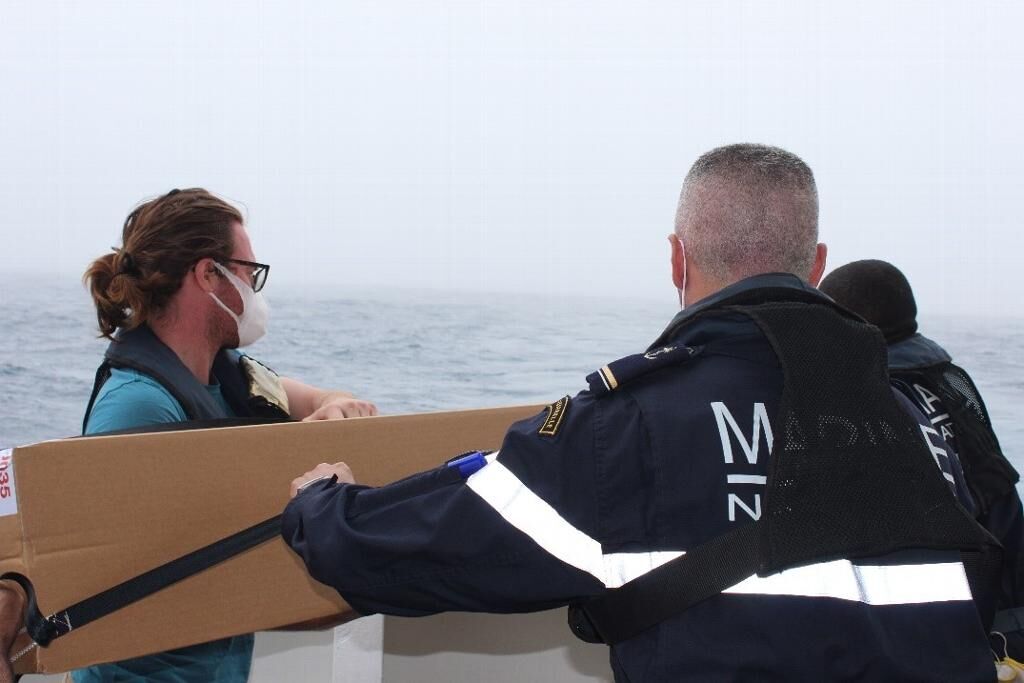
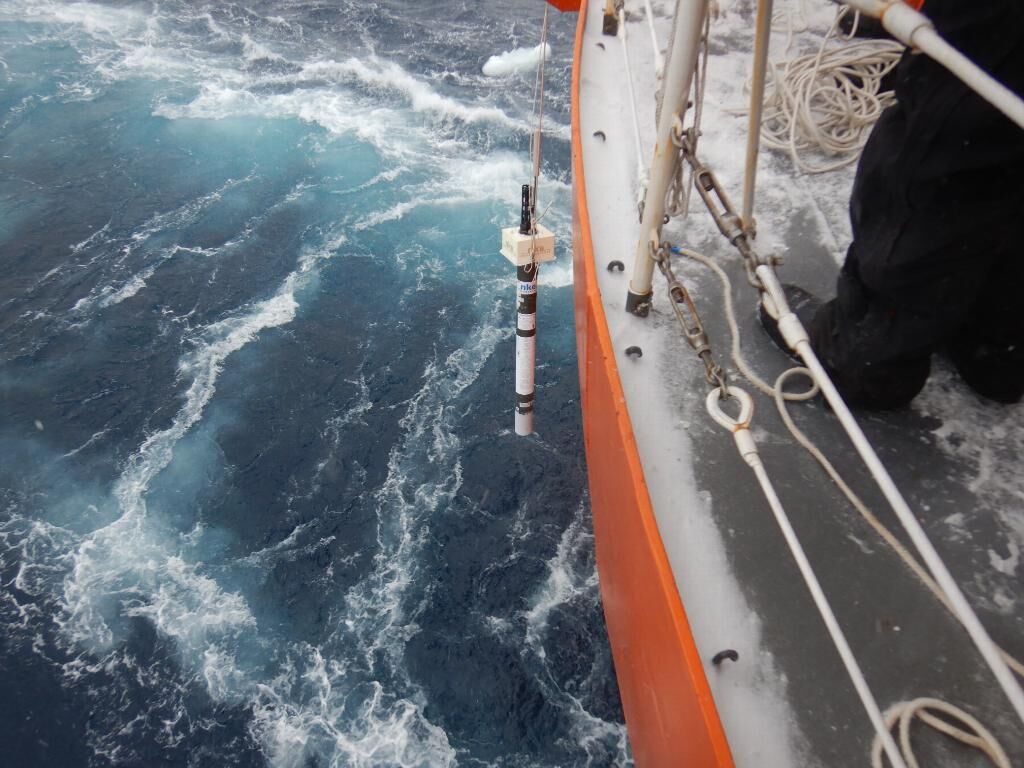
- Expendable bathythermograph (XBT) instruments were deployed along 6 transects between Hobart and Dumont d'Urville, from L'Astrolabe. Such measurements have been made every year since 1993, in partnership with France. The data are used to track changes in temperature of the upper 700 m and surface salinity in the Southern Ocean.
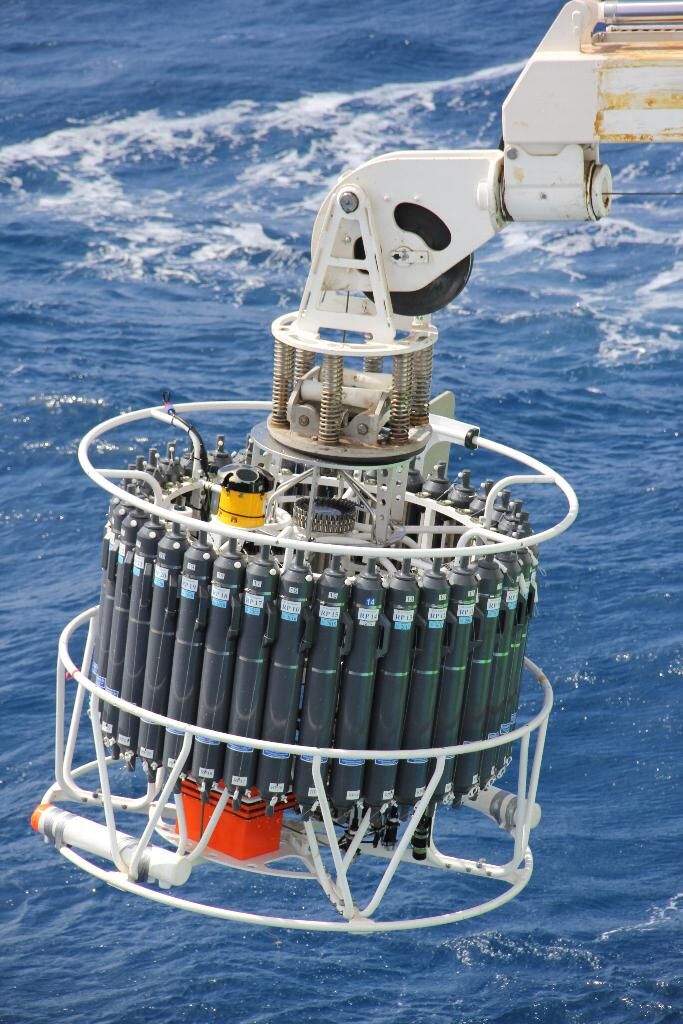
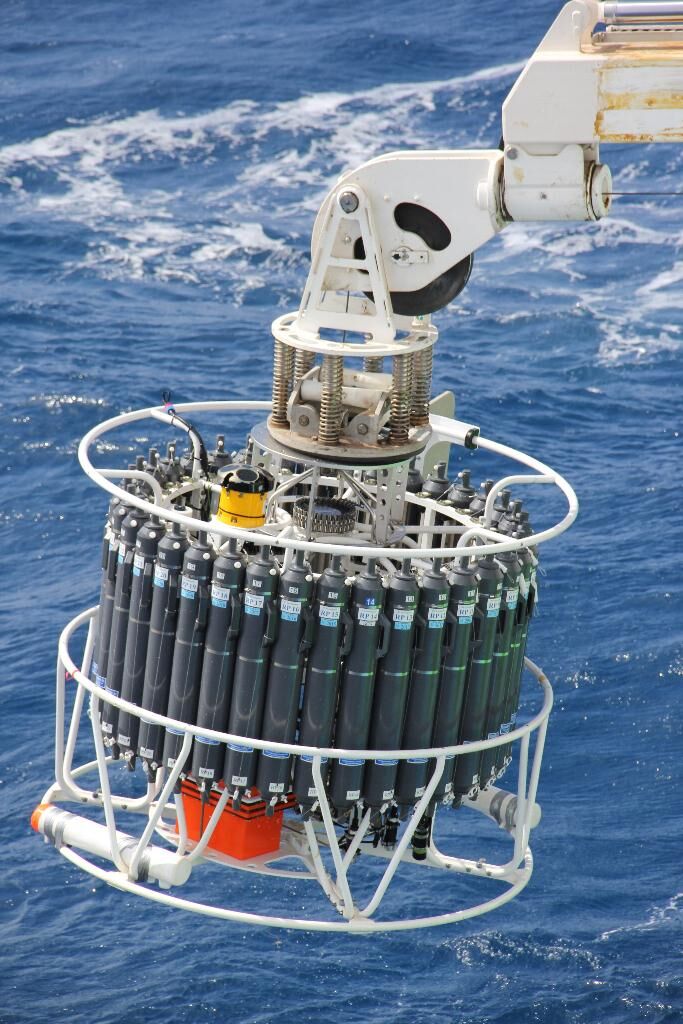
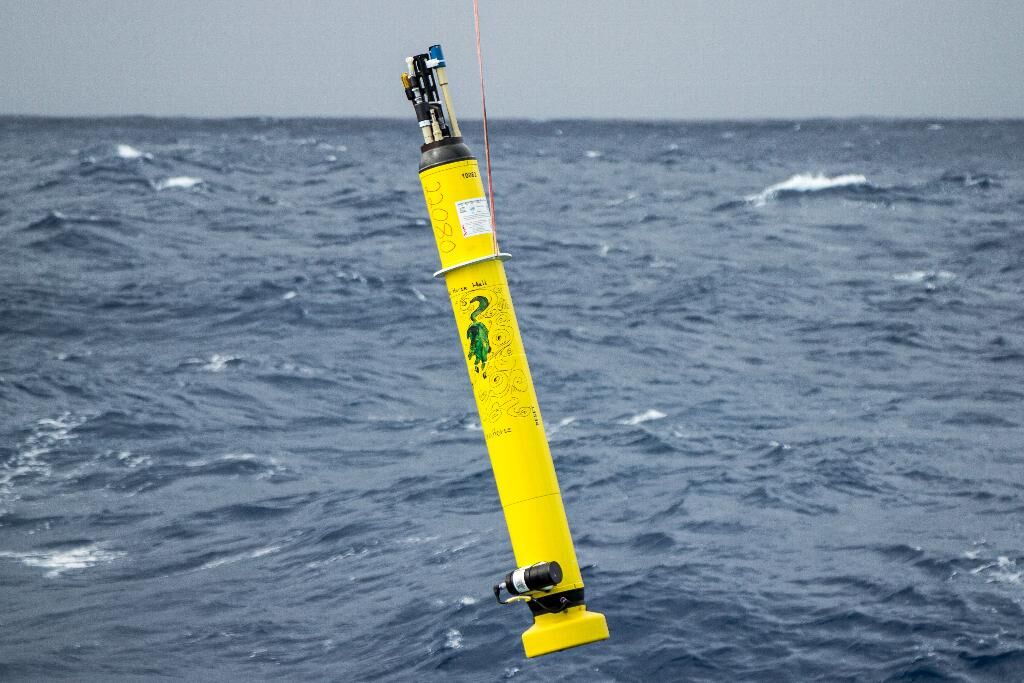
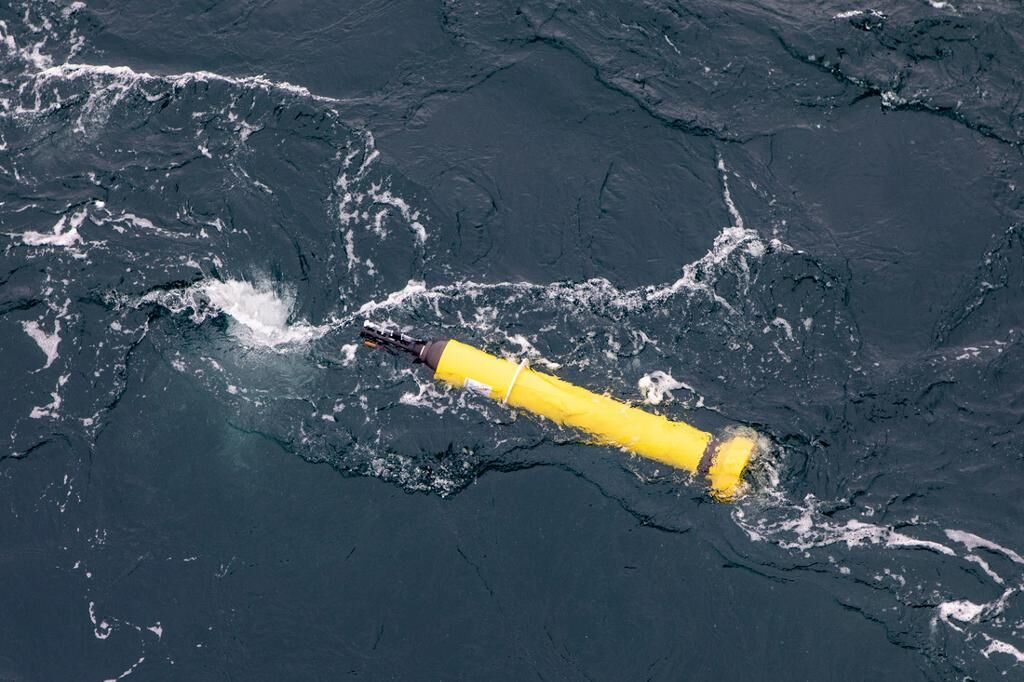
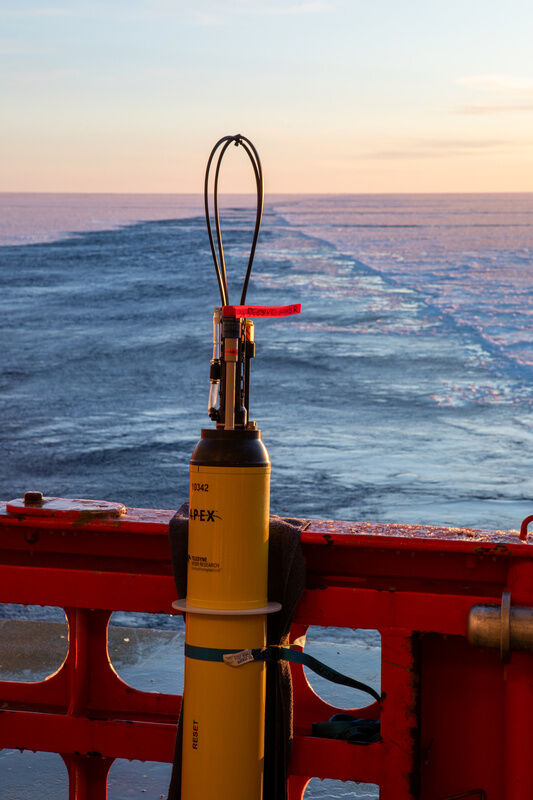
- Free-drifting profiling floats were deployed in the Australian sector of the Southern Ocean (5 Argo floats were deployed by this project south of 60S in the 2024-2025 field season). These floats contribute to the global Argo program, which is collecting sustained observations of the upper 2000 m of the global ocean. As the oceans have taken up more than 90% of the extra heat stored by the planet over the past 50 years, the global-scale continuous temperature measurements collected by Argo provide the best planetary thermometer we have to track warming of the Earth.
Eight papers were published in 2024/2025 relevant to project 4479.
Summary of the season 2022/23
A total of 14 Argo floats were deployed south of 60S as part of this project. Observers collected ocean temperature observations along 6 occupations of a line between Hobart and the French base Dumont D'Urville. Together these ocean measurements are being used to track change in the ocean south of Australia.
Summary of the season 2017/18
We completed a voyage on the RV Investigator in the 2017/18 season. The goal of the voyage was to document how and why the Southern Ocean is changing. We completed 108 full-depth oceanographic profiles along 4 repeat transects that will be compared to earlier measurements in the same locations to document changes in temperature, salinity, oxygen and chlorofluorocarbons. We deployed 29 floats and drifters, including the first Antarctic deployments of floats capable of profiling through the full ocean depth. Studies of the distribution of trace elements like iron and of Southern Ocean clouds were also carried out on the voyage.
Related publications
-
Oceanic Regime Shift to a Warmer Continental Shelf Adjacent to the Shackleton Ice Shelf, East Antarctica Journal of Geophysical Research: Oceans, 2023
(Ref: 17460)
Category 1: Peer-reviewed literature
The long-held view that the East Antarctic margin is isolated from warm offshore waters has been challenged by recent observations showing incursions of warm modified Circumpolar Deep Water (mCDW) reaching several East Antarctic ice shelves. However…
-
The impact of an Antarctic Circumpolar Current meander on air-sea interaction and water subduction Journal of Geophysical Research: Oceans, 2024
(Ref: 17350)
Category 1: Peer-reviewed literature
Standing meanders along the Antarctic Circumpolar Current (ACC) have been shown to be regions of elevated eddy variability, meridional heat transport, and vertical exchange. In this study, we investigate the influence of a standing meander south of Australia on air-sea heat fluxes…
-
Maintenance of the zonal momentum balance of the Antarctic Circumpolar Current by barotropic dynamics Journal of Physical Oceanography, 2024
(Ref: 17352)
Category 1: Peer-reviewed literature
The vertically integrated zonal momentum balance of the Antarctic Circumpolar Current (ACC) is dominated by wind stress at the surface and topographic form stress (TFS) at the bottom. It has been argued that wind stress is transferred from the surface to the bottom by transient baroclinic eddies…
-
Abyssal ocean overturning slowdown and warming driven by Antarctic meltwater Nature, 2023
(Ref: 16878)
Category 1: Peer-reviewed literature
-
Generation of the internal pycnocline in the subpolar Southern Ocean by wintertime sea ice melting Journal of Geophysical Research - Oceans, 2023
(Ref: 16877)
Category 1: Peer-reviewed literature