
Project information
Project aim
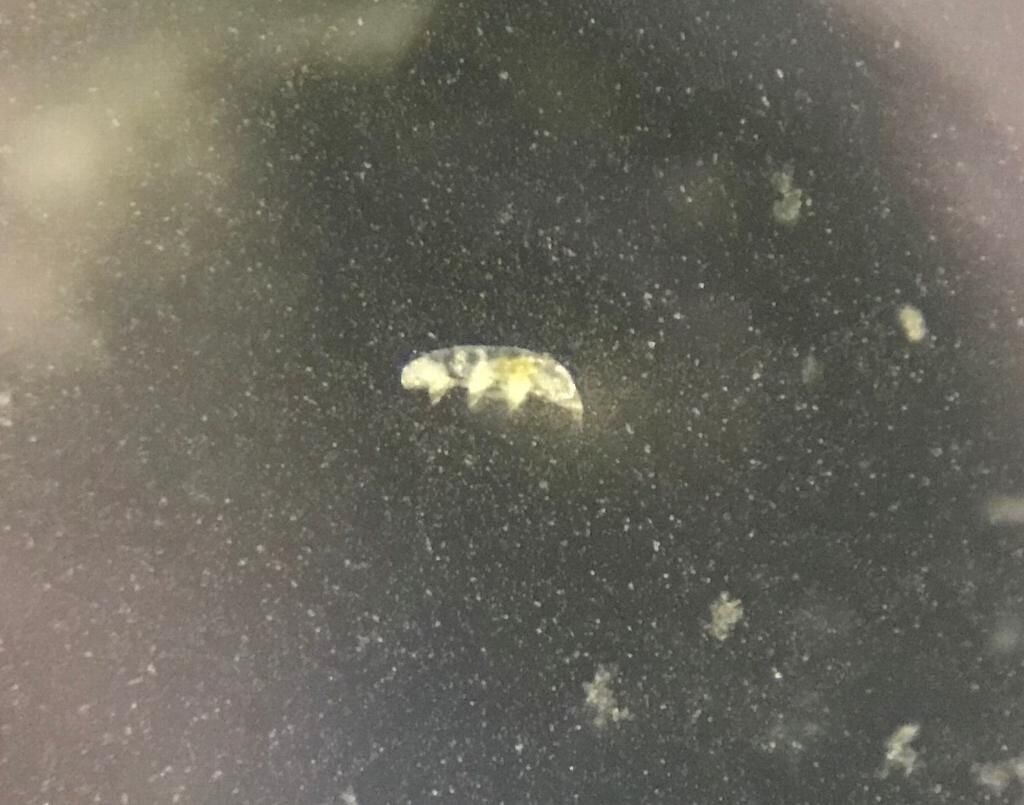
Past waste disposal practices and current human activities in Antarctica have resulted in a number of contaminated and biologically degraded sites. To assess, mitigate and remediate these sites an understanding of how native organisms respond to contamination is required. Terrestrial micro-invertebrates play key roles in ecosystem processes (e.g. nutrient cycling) but little is known about the response of Antarctic species to pollutants. This project will assess the responses of key micro-invertebrates from East Antarctica (e.g. nematodes, rotifers, tardigrades) to hydrocarbon and metal pollution in soils. It will be the first Antarctic project to assess the impact of soil characteristics and freeze-thaw cycles on contaminant toxicity and the effectiveness of using Total Petroleum Hydrocarbon analysis to measure toxicity. Data from this work will contribute to development of guidelines for site assessment, management and remediation, aimed at protecting Australia's Antarctic Territory.
Project milestones
Summary of the project achievements 2022/23
Past waste disposal practices and current human activities in Antarctica have resulted in a number of
contaminated and biologically degraded sites. This project developed methods to culture key Antarctic micro-invertebrates (rotifers and tardigrades) in the laboratory so their responses to soil contaminants could be tested. The tolerances of Antarctic rotifers and tardigrades to priority soil contaminants, including metals and hydrocarbons, were assessed. New approaches were developed and implemented to assess hydrocarbon contamination of soil in the field in Antarctica. Knowledge from this research program is contributing to the development of guidelines for site assessment, management and remediation, aimed at protecting Australia's Antarctic Territory.
Summary of the season 2022/23
During 2022 the team returned to full laboratory access after Covid-related restrictions and more progress was made towards project milestones. Research was completed on the metal toxicity components of the project and progress was made on 4 papers for submission to journals. Jordan McCarthy (PhD student) submitted his PhD thesis in September 2022 and was passed in April 2023. Katie Plaisted finished her Masters study and submitted her research thesis in late 2022. Stephanie Wallace-Polley (PhD student) began her hydrocarbon toxicity experiments during 2022. The project was granted an extension until December 2023 in response to delays due to illness in the project team.
Summary of the season 2019/20
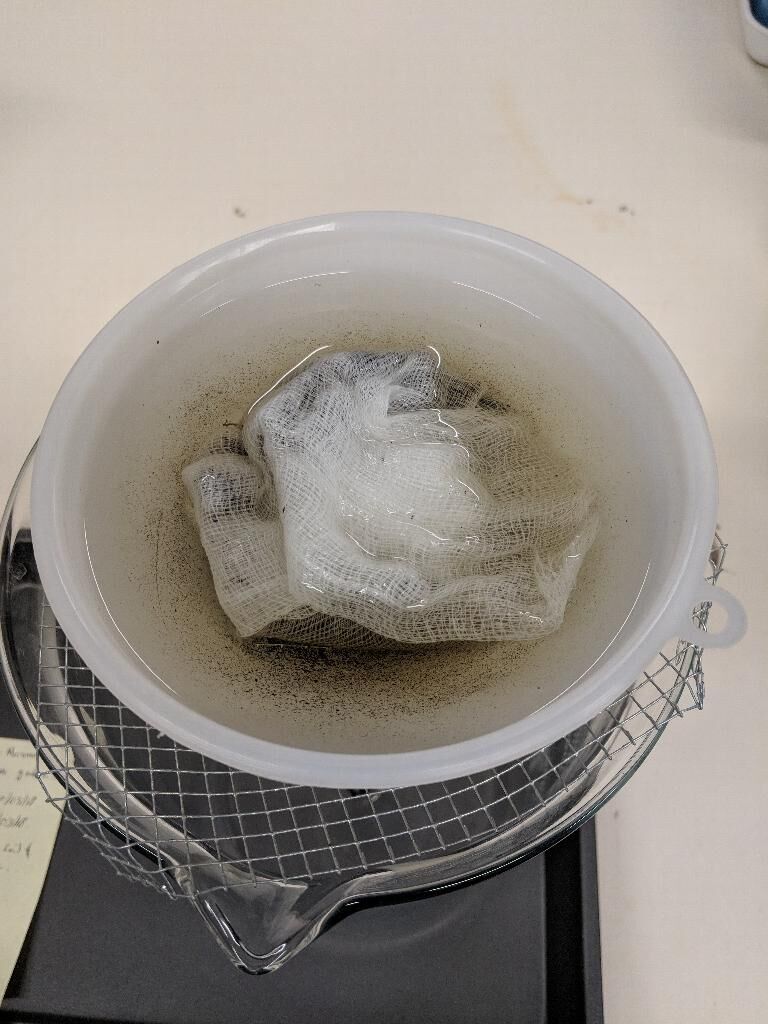
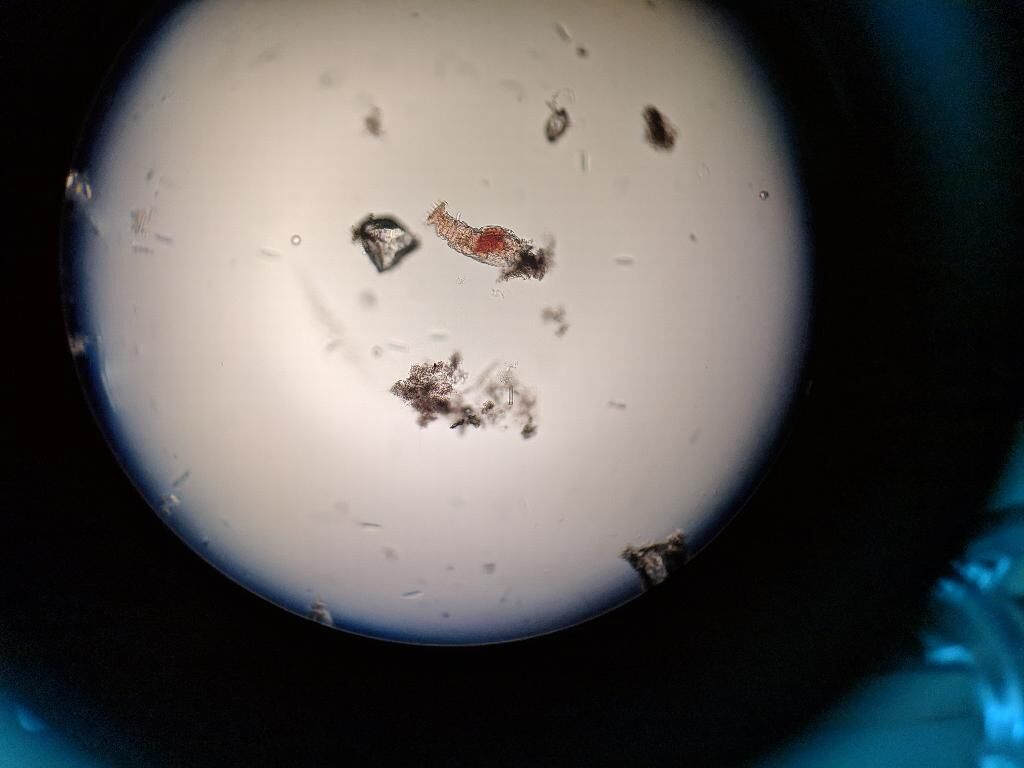
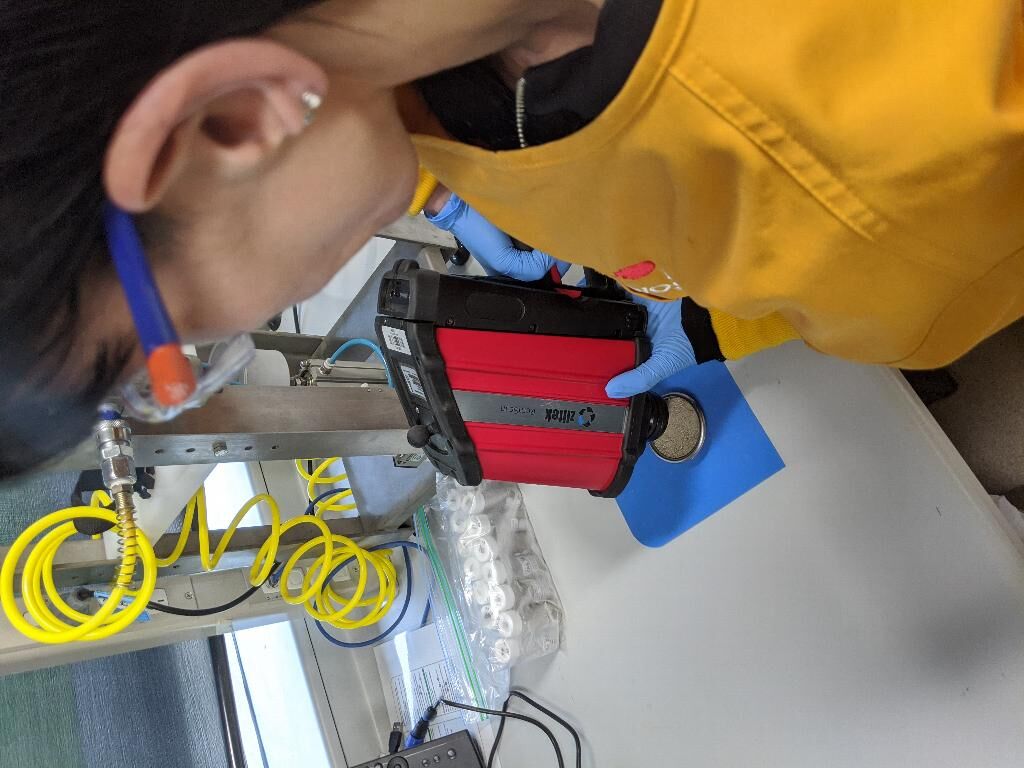
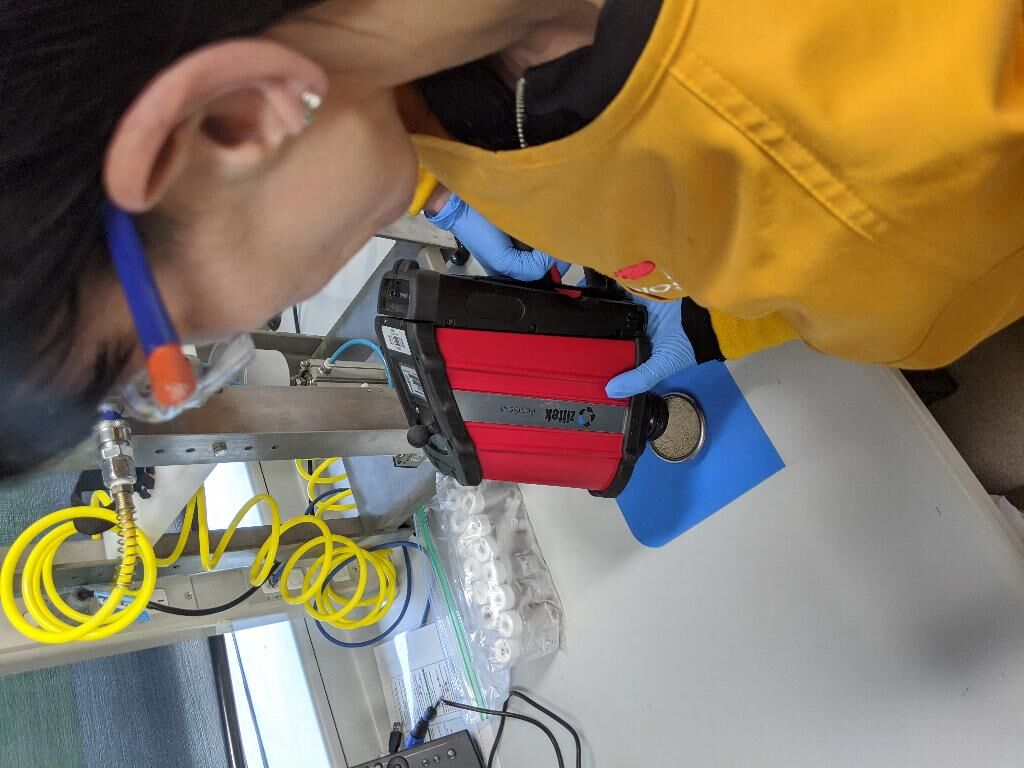
During 2019-2020 we have been undertaking research in our quarantine laboratory at RMIT University. We have isolated and cultured rotifers and tardigrades from soil and moss samples and measured baseline chemical and physical information from soils collected from Clark Peninsula, Mitchell Peninsula, Robinson Ridge and Browning Peninsula during the 2018/2019 Antarctic summer season at Casey Station. We have utilised testing protocols that use fewer organisms than traditional toxicity tests to investigate the toxicity of copper on Antarctic soil micro-invertebrates (rotifers) and have developed and confirmed in the laboratory a field testing method for petroleum hydrocarbons in Antarctic soil.
Summary of the season 2018/19
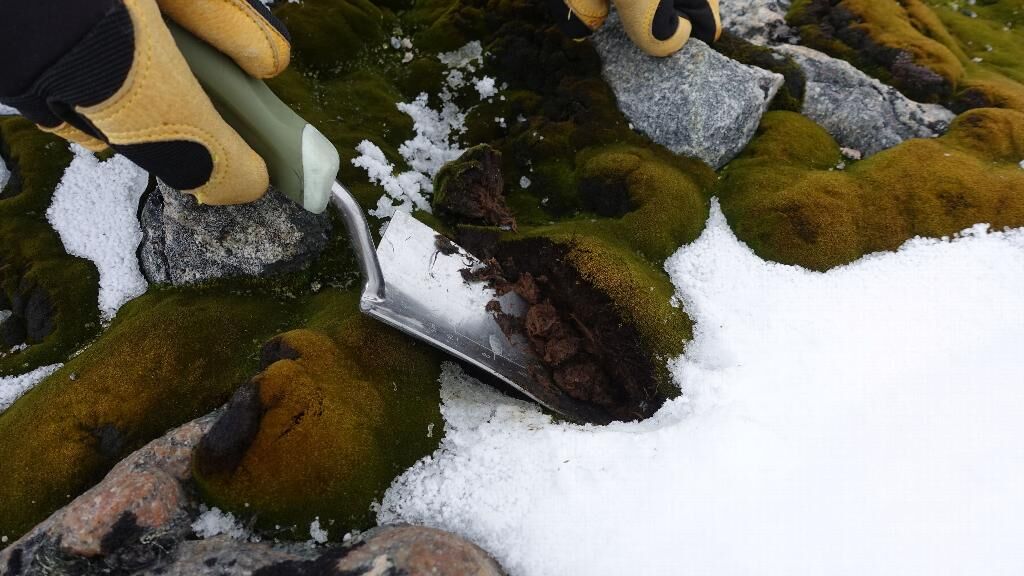
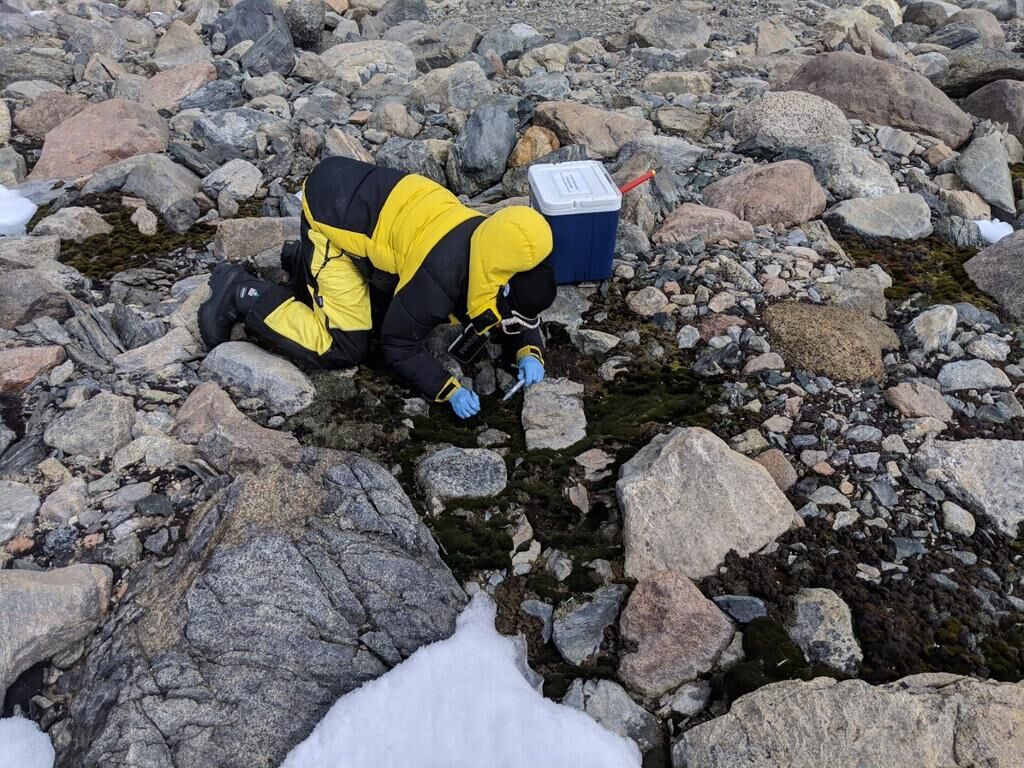
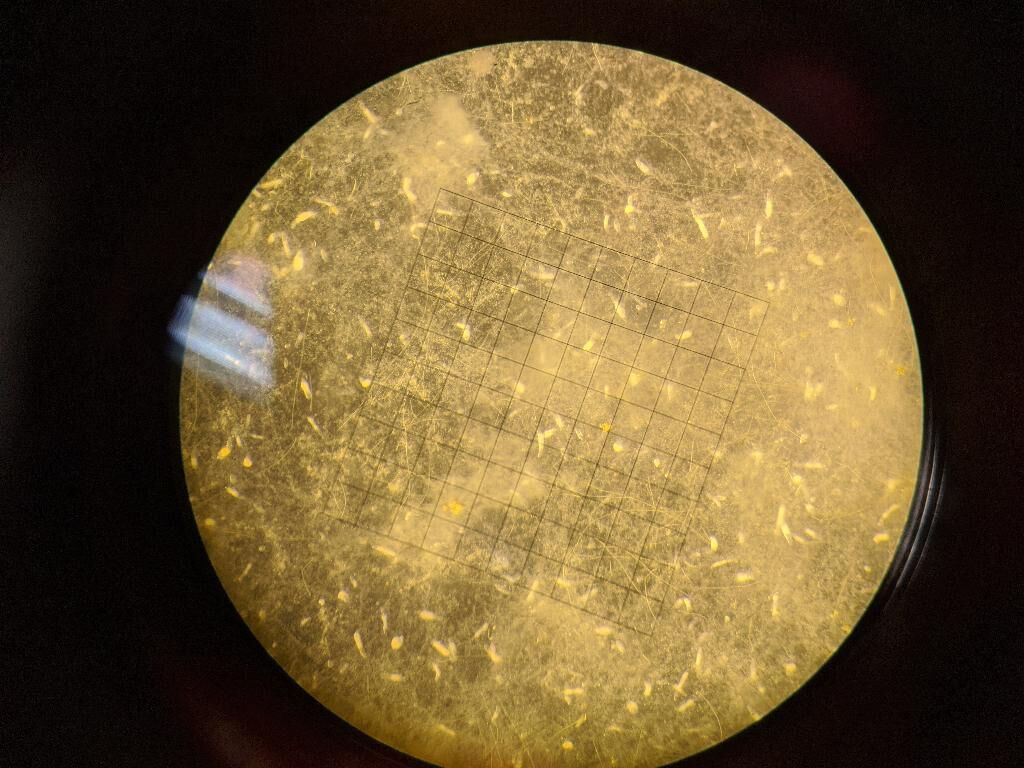
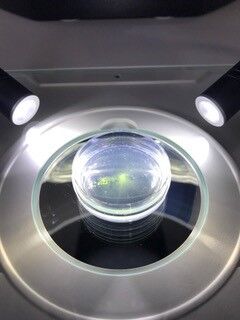
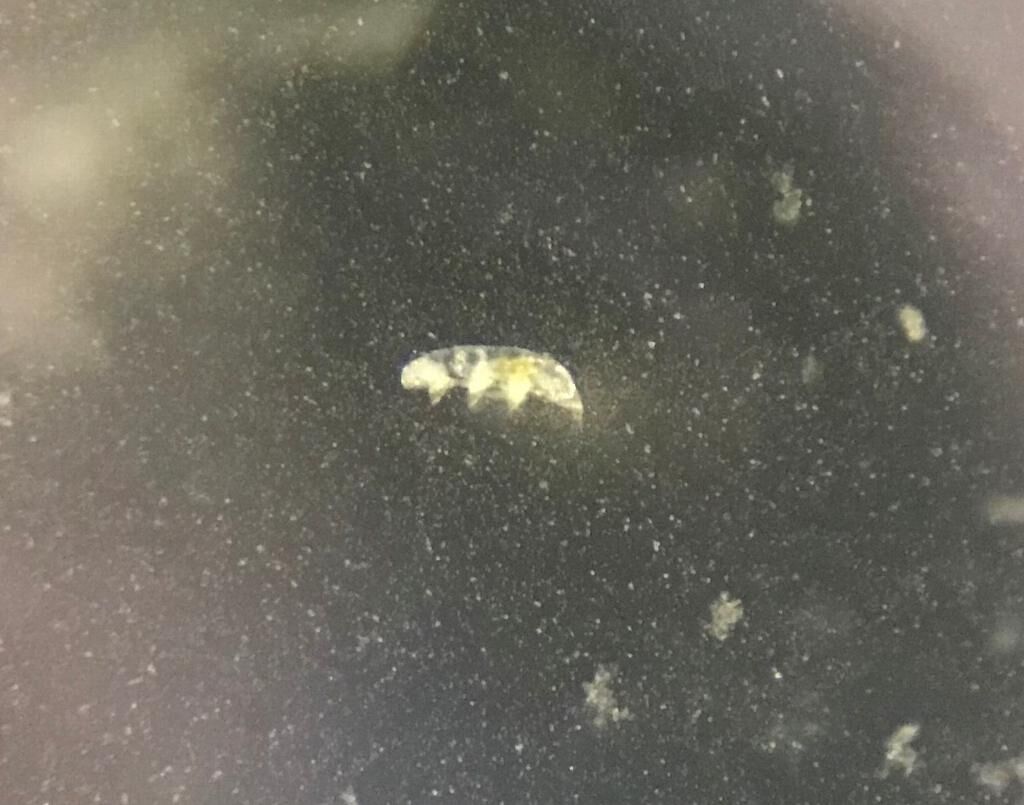
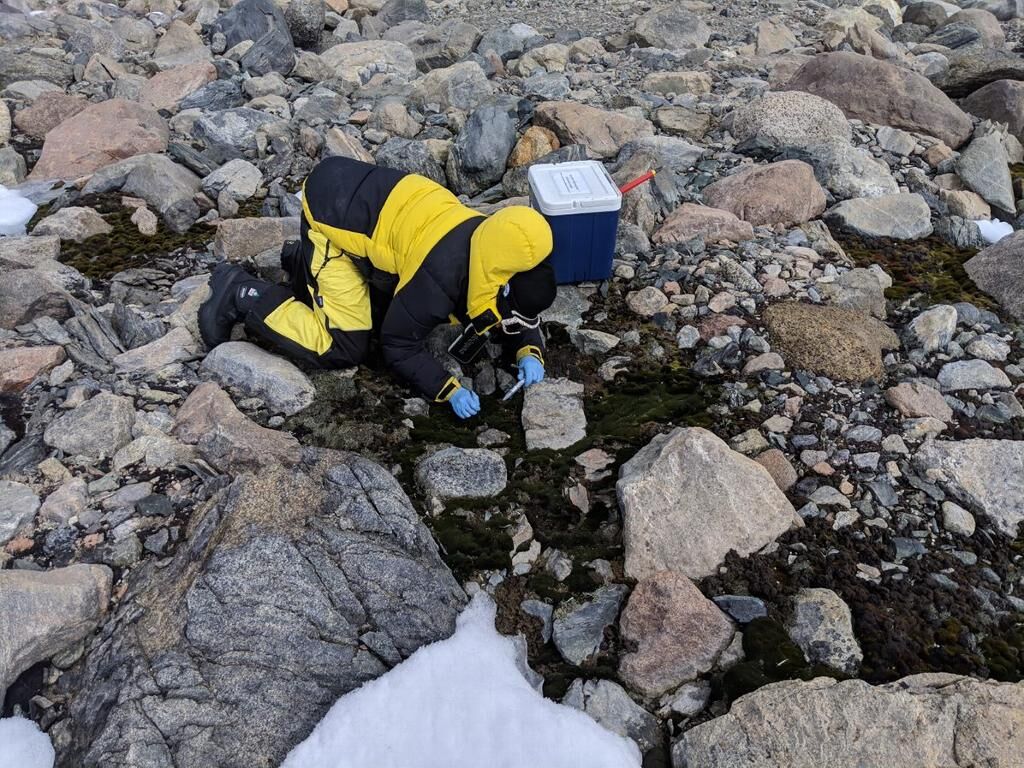
During 2018/2019 we undertook a summer field season at Casey Station in Antarctica from December 2018 to February 2019. We collected soil and moss samples from around Clark Peninsula, Mitchell Peninsula, Robinson Ridge and Browning Peninsula. The samples arrived at RMIT University on 25th March 2019. We have commenced isolating micro-invertebrates including tardigrades, rotifers and nematodes from the soil and moss samples for culturing and toxicity testing. PhD student Jordan McCarthy has been developing culturing and handling methods, and toxicity testing protocols for tardigrades and rotifers. Jordan has completed an initial experiment investigating the impacts of copper on a rotifer species. We welcomed Stephanie Wallace-Polley to the project in March 2019. Steph is undertaking a PhD on the assessment of hydrocarbon fuel contamination in Antarctic soils including the effectiveness of using standard scientific methods for Total Recoverable Hydrocarbon concentration to measure soil toxicity and the effects of soil physico-chemical characteristics and freeze- dry/thaw cycles on the bioavailability and toxicity of 'aged' and 'newer' soil contaminants.
Summary of the season 2017/18
We have commenced developing culturing and extraction protocols using temperate soil micro-invertebrates. The aim is to use similar protocols for Antarctic species. A PhD student has been recruited on the project. Unfortunately our planned Antarctic field season in the summer of 2017/18 did not go ahead due to logistical constraints. Limited samples of Antarctic soil and moss were collected through related projects investigating the effects of contaminants on Antarctic ecosystems (AAS 4036 and 4326). Preliminary analysis of the soil and moss samples has shown limited soil micro-invertebrates present.
Related publications
-
Population growth of two limno-terrestrial Antarctic microinvertebrates in different aqueous soil media Environmental Science and Pollution Research, 2024
(Ref: 17071)
Category 1: Peer-reviewed literature
-
Preliminary investigation of effects of copper on a terrestrial population of the antarctic rotifer Philodina sp. Chemosphere, 2022
(Ref: 16628)
Category 1: Peer-reviewed literature