
Project information
Project aim
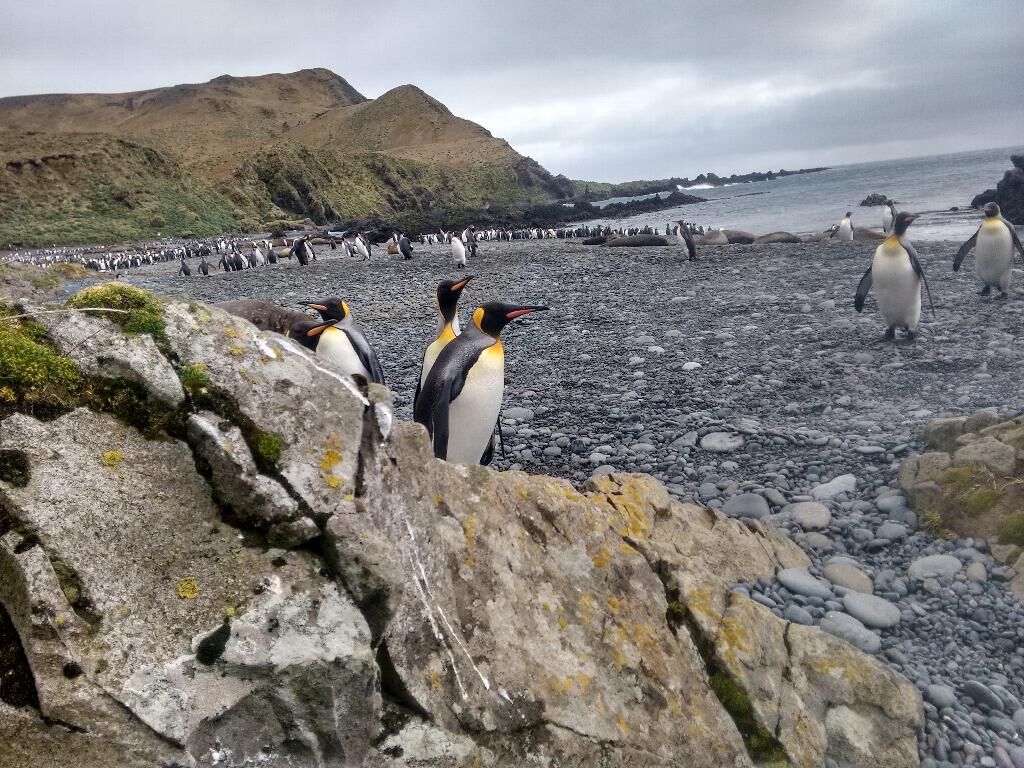
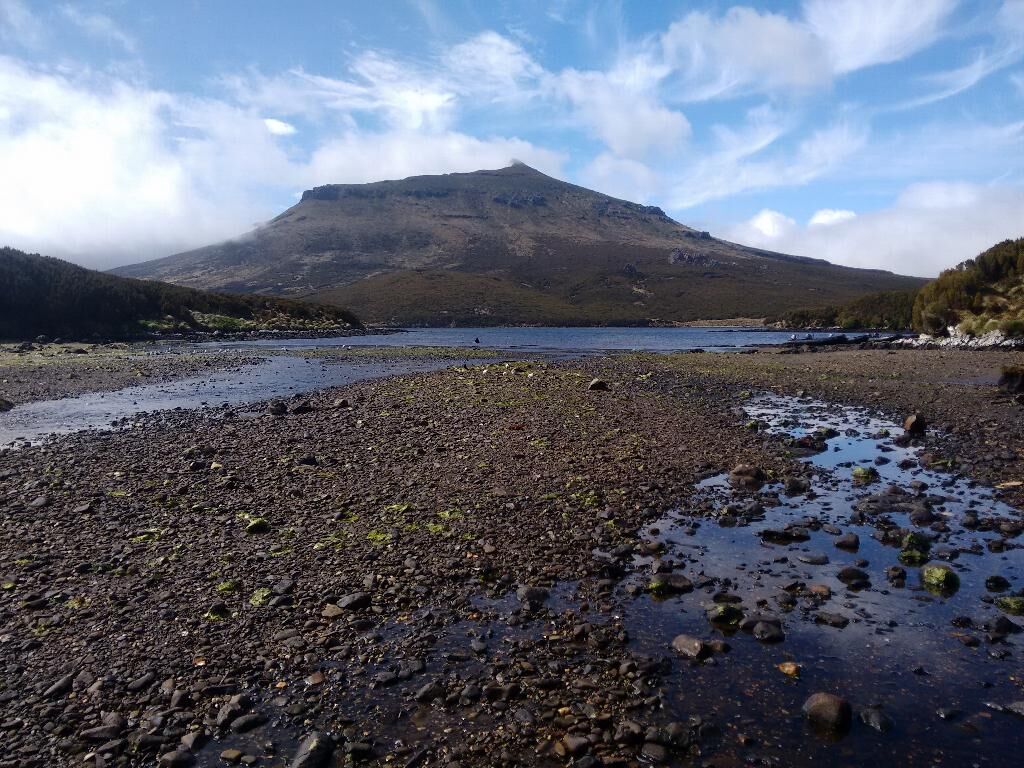
Located ~1500 km southeast of Tasmania, Macquarie Island is the only place on Earth where oceanic crust and mantle are preserved and undeformed above sea level. This unique setting earned Macquarie Island World Heritage status in 1997. Macquarie Island is the only emerged part of the much larger submarine Macquarie Ridge Complex that began forming 40 million years ago along the dynamic Australian–Pacific plate boundary. Changes in plate dynamics are geologically relatively rapid (few tens of million years) and still happening today. These plate motion changes left a record within the volcanic and mantle rocks that can be accessed and studied. The aim of this project is to better understand the nature and origin of the rocks exposed at Macquarie Island and from the submarine Macquarie Ridge Complex. These rocks offer the unique opportunity to study geological processes whilst these types of records have been erased elsewhere by plate subductions and continental collisions.
Project milestones
Summary of the season 2017/18
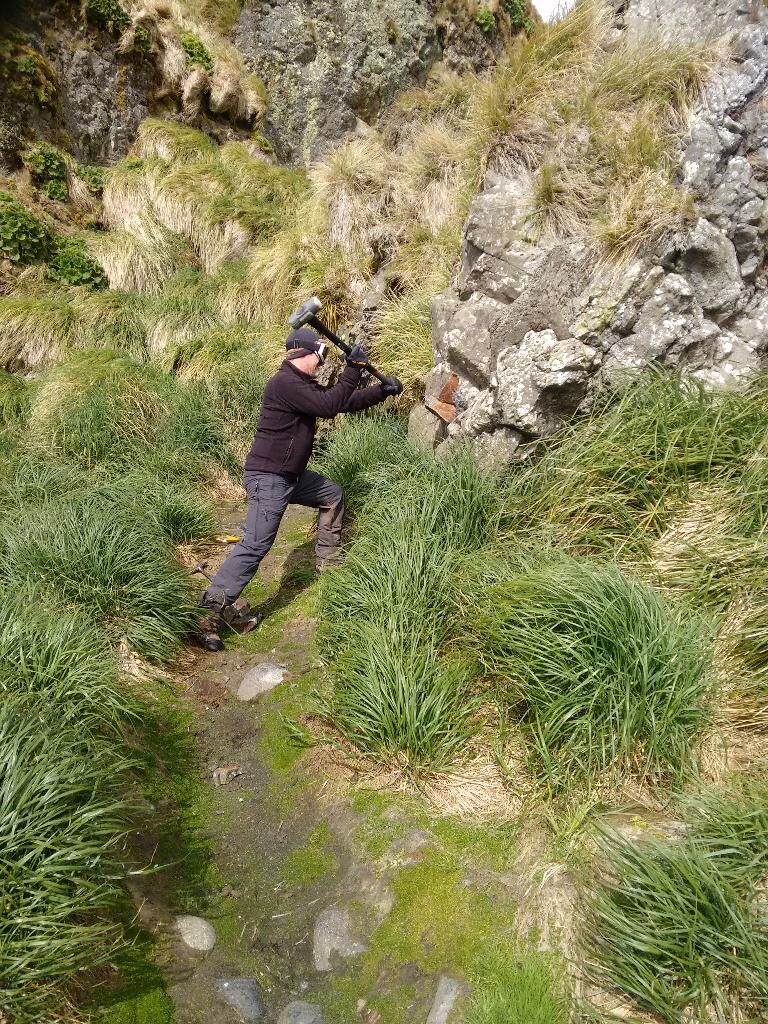
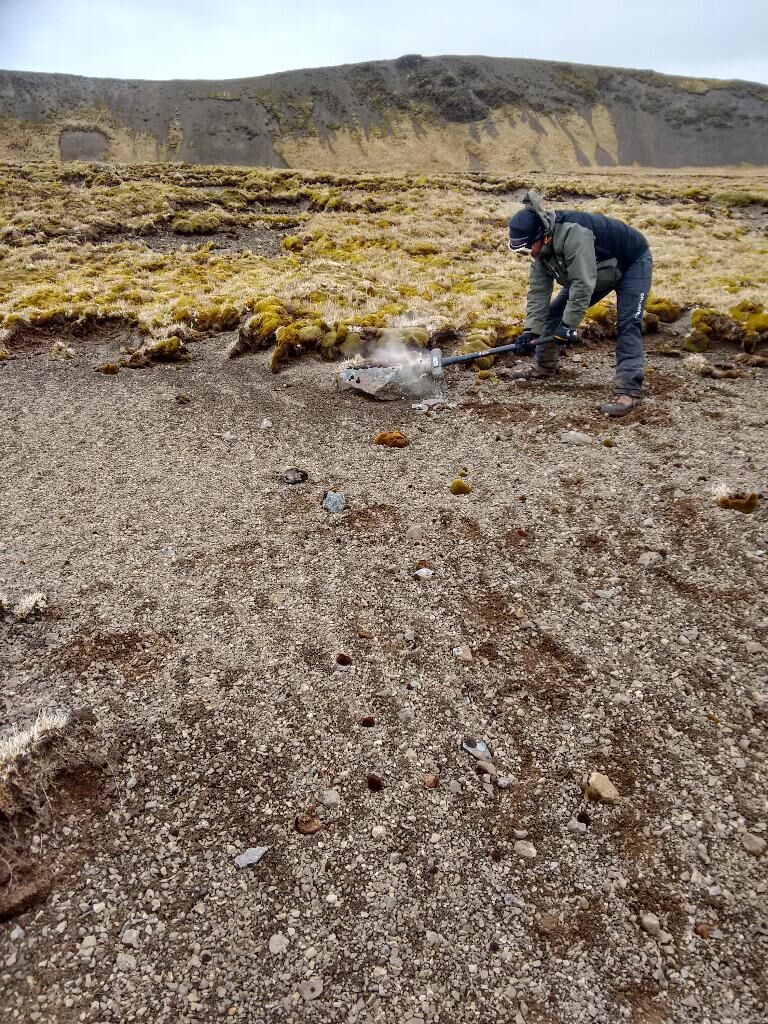
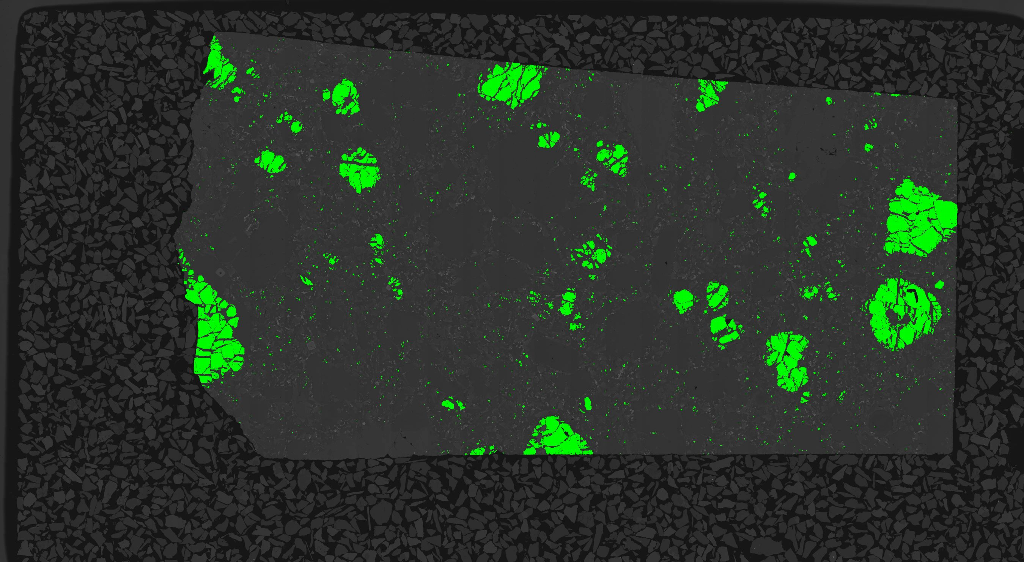
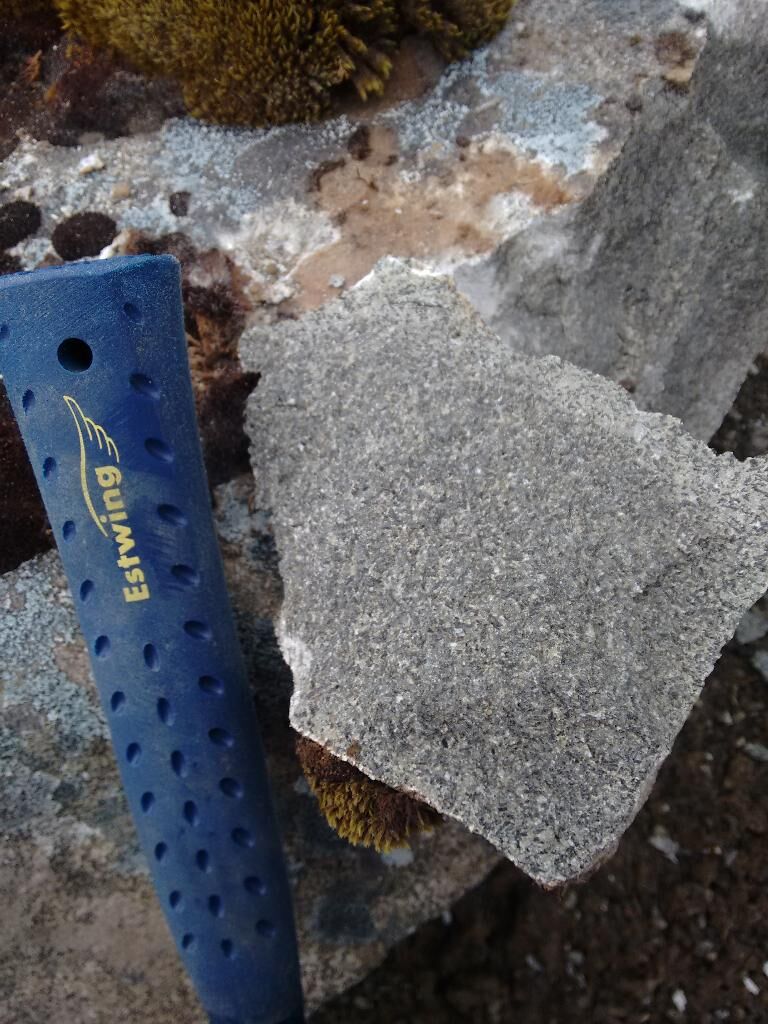
Our team started working on the project in September 2017. To help us in our task, we have recruited a PhD student whose thesis focuses on a better understanding of sub-Antarctic volcanism. We first obtained dredge rocks of ten submarine volcanoes from the Macquarie ridge complex that were sampled during previous dredge missions. We had thin sections made for each volcanic rock (several dredge rocks per seamount), which allowed us to observed fine details of the rocks under the microscope. Based on our observations, we have selected and have conducted sample preparation on a total of 21 samples fresh enough for age determination. Nine of them were analyzed using a noble gas mass spectrometer in April-May 2018 while the remaining 12 will be analyzed in the second half of 2018. All the 24 samples will be send for chemical composition analyses mid-2018. Our initial age results are interesting and show that the seamounts are less than 20 million years old and not part of hot spot system which, we initially thought, would have been rooted deep inside the Earth like the classical example of Hawaii. Instead, the seamounts are more likely part of a giant fault system where magmas produced in the shallower most part of Earth mantle would have leaked along the fault planes, producing submarine volcanoes in the process. In parallel, we successfully sent a team of researchers to the Australian subantarctic island of Macquarie, in November 2017 where they spent two weeks to collect 24 samples in a picturesque landscape, yet sometimes facing harsh weather conditions. These samples were stored on Macquarie island and were sent to us in April 2018. They are currently being prepared for thin sections.