
Project information
Project aim
Concentrations of aerosols in the polar front atmosphere above the Antarctic sea-ice differ significantly from those in the adjacent regions of the Antarctic continent and the Southern Ocean. Concentrations are unexpectedly high in spring, while summer measurements indicate lower concentrations compared to further north. As aerosols act as cloud condensation nuclei, the radiative and climate impacts of this unique aerosol population are of great interest to the international climate modelling community and for the Australian climate more generally. We propose to conduct the most comprehensive set of observations of atmospheric composition ever to be made in the East Antarctic sea-ice region. A key component of the interpretation of these measurements is to employ fine scale transport and atmospheric modelling to disentangle the roles of local chemical processes and transport. This is an innovative approach that has not been utilised before in this region of the world.

Project milestones
Summary of the project achievements 2021/22
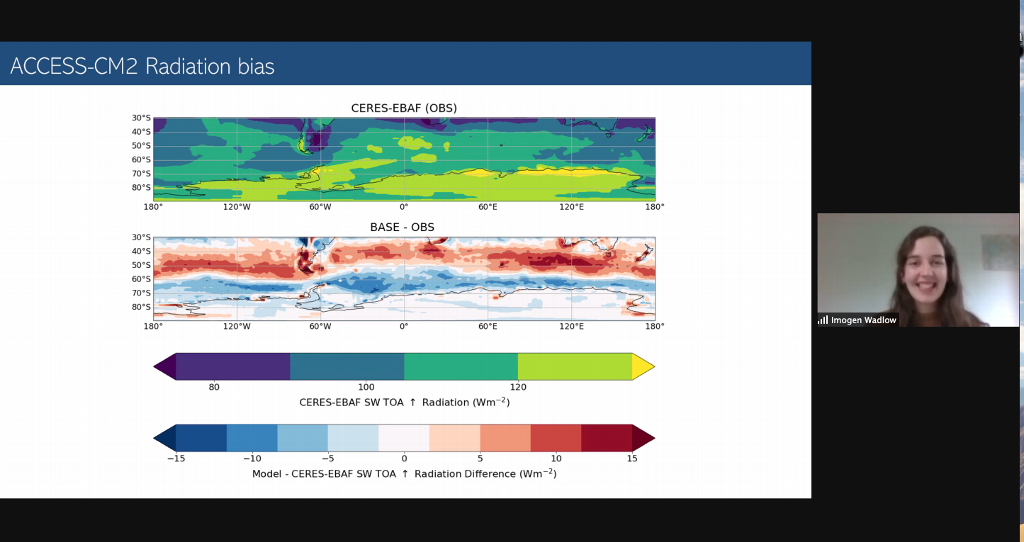
This project succeeded in making very detailed measurements of the chemical composition of the atmosphere in the remote Southern Ocean and Antarctic regions during the 2017–2018 and 2018–2019 resupply voyages to Australian Antarctic stations. The measurements were designed to improve our understanding of the formation of small particles in the atmosphere and how they impact cloud formation. The findings from this project are helping scientists model how these processes influence the climate and hence, improve the accuracy of future climate models.
Summary of the season 2020/21
COVID19 disruptions to travel, normal working arrangements/responsibilities have taken a significant toll on the teams work. There have been many disruptions to higher education system - including, but not limited to, pivoting to online teaching, having to take long-service leave, restructures, voluntary/involuntary redundancies and retirements. For the aerosol measurement community we have pivoted to assist our medical colleagues in understanding and mitigating airborne transmission of COVID19 in the indoor environment.
Summary of the season 2019/20
We have continued with the project plan of preparing the data, performing QA and QC. Instrumental maintenance and calibrations at conclusion of the field season have taken considerable time in the last year. We presented our work at several workshops and worked with the MARCUS project team on 2018/2019 data. The MAXDOAS data and mercury data have been finalised for further study. Model simulations over the Southern Ocean have been conducted, though the shift to new NCI supercomputer (Gadi) has impacted WRF-Chem and ACCESS simulations (2020). Our team has been significantly impacted since the beginning of January with both the summer's megafires and COVID19 changes to work focus and time allocations (due to our expertise in both bushfire aerosols, respiratory aerosols or working from home arrangements).
Summary of the season 2018/19
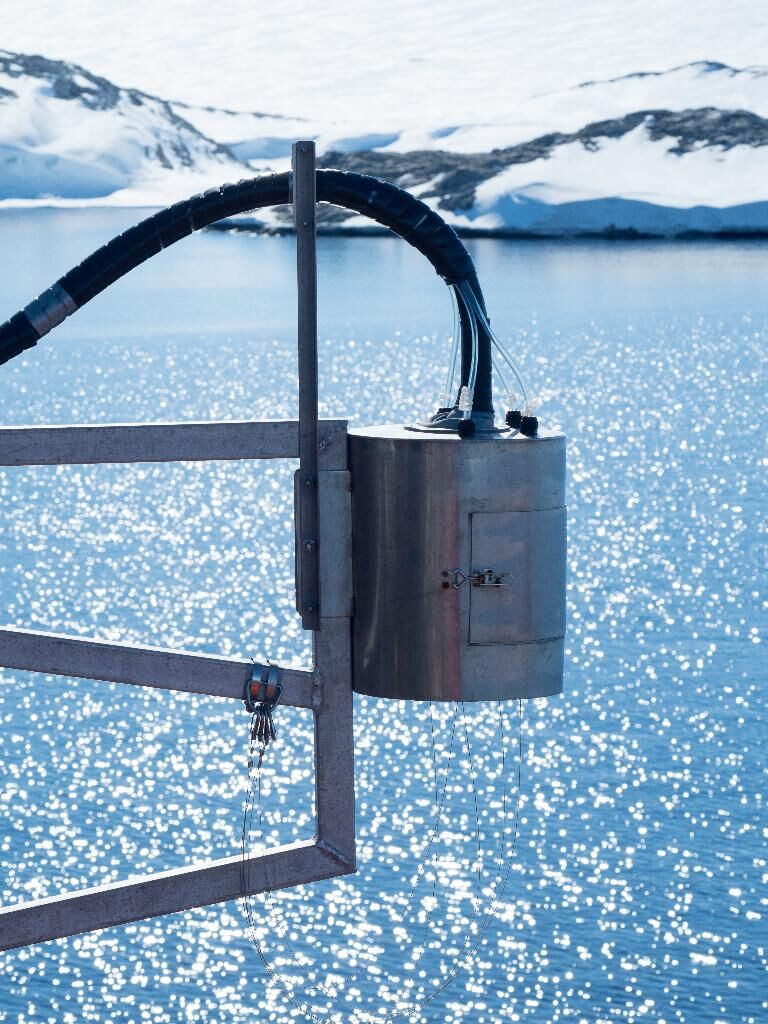
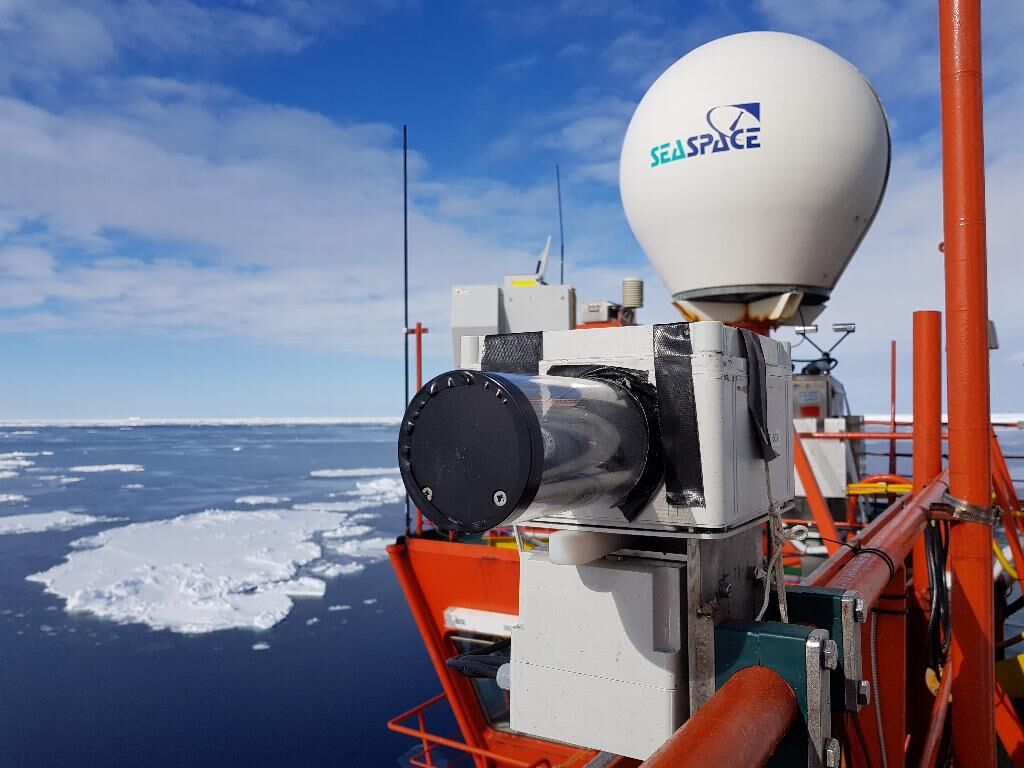
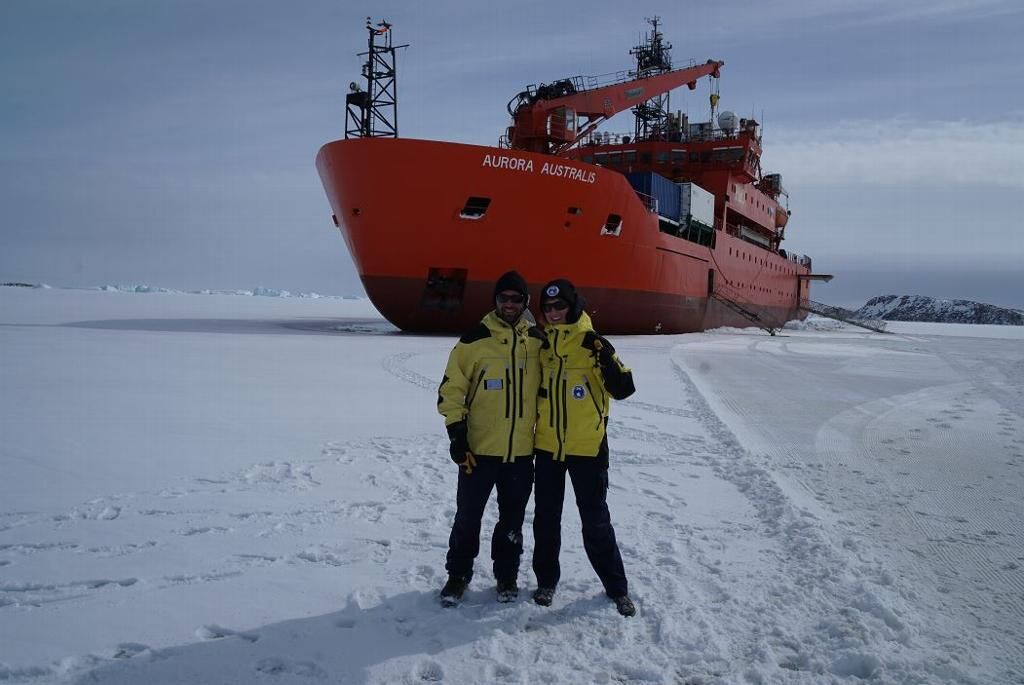
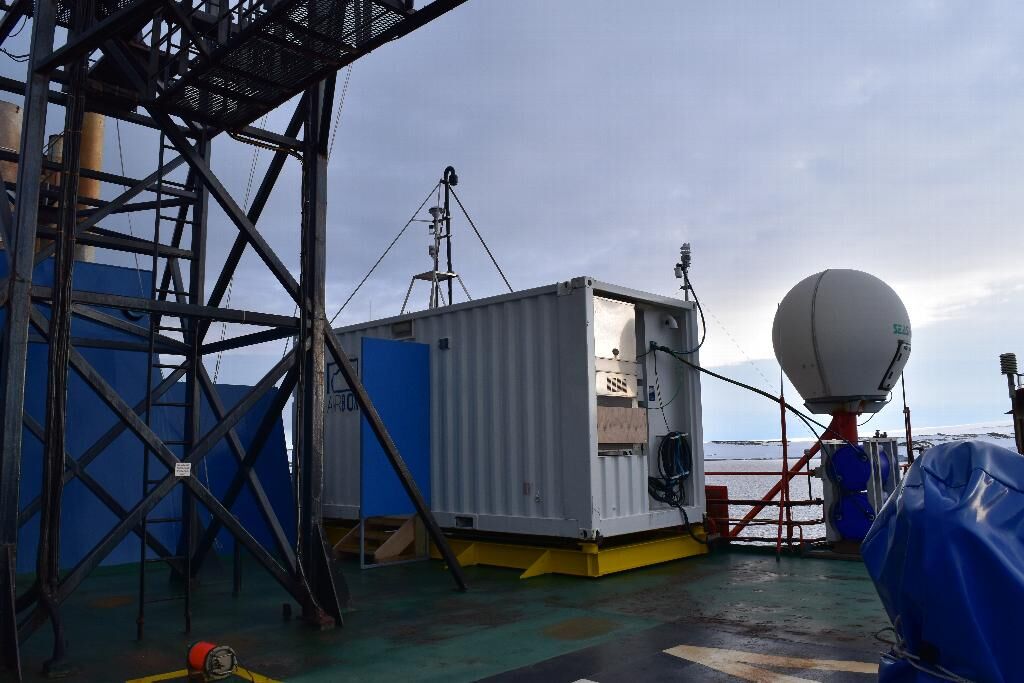
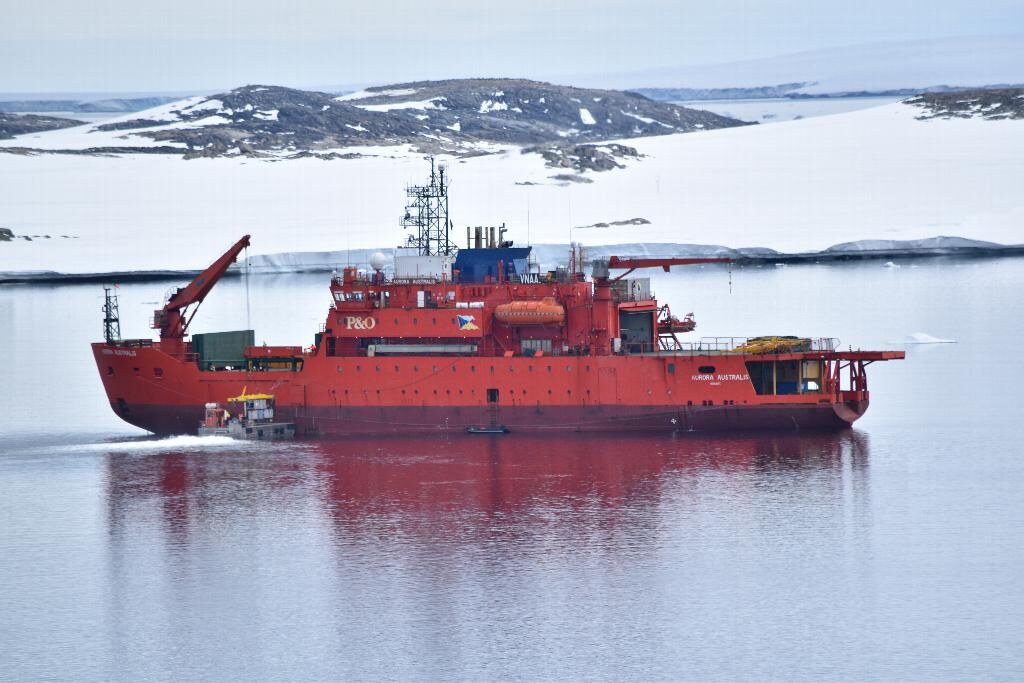
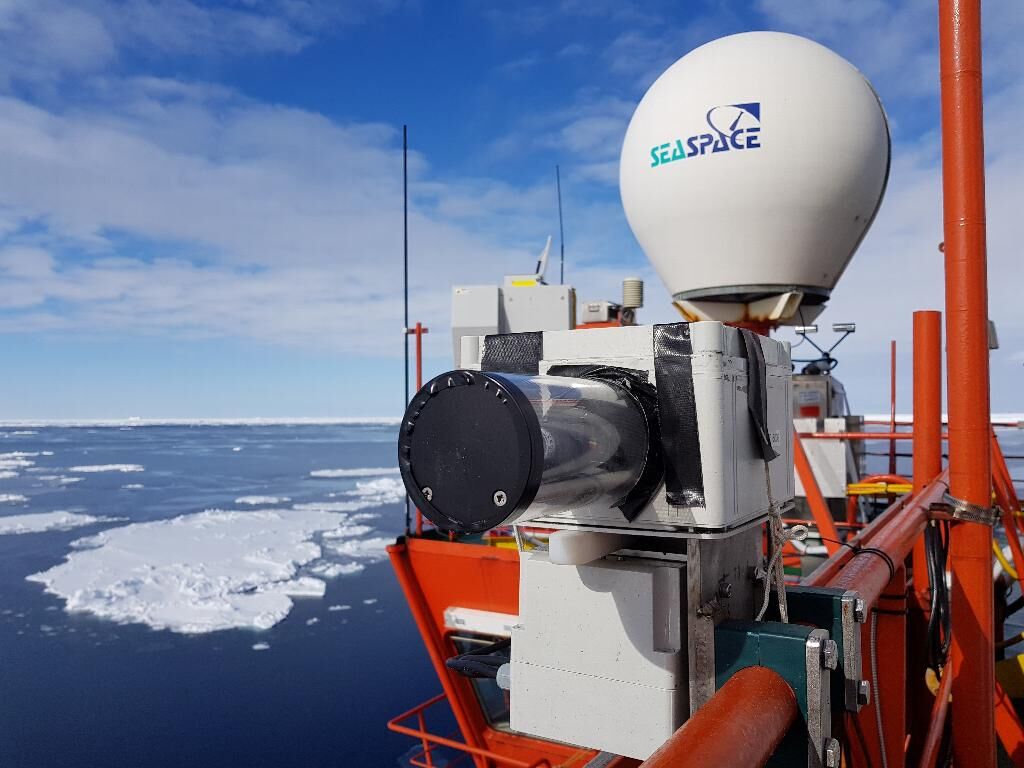
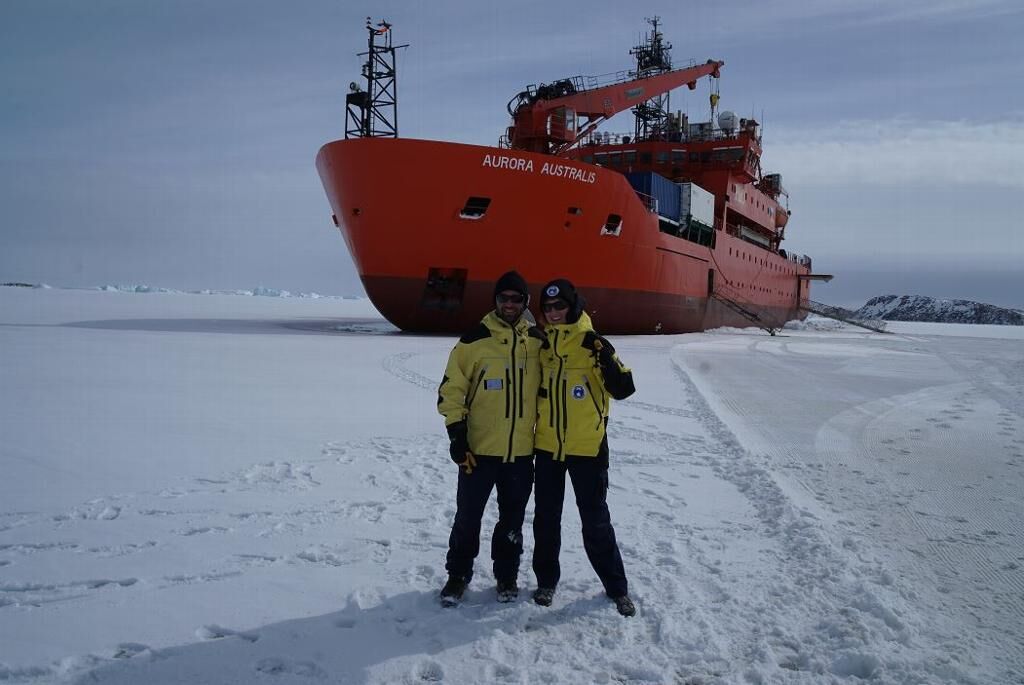
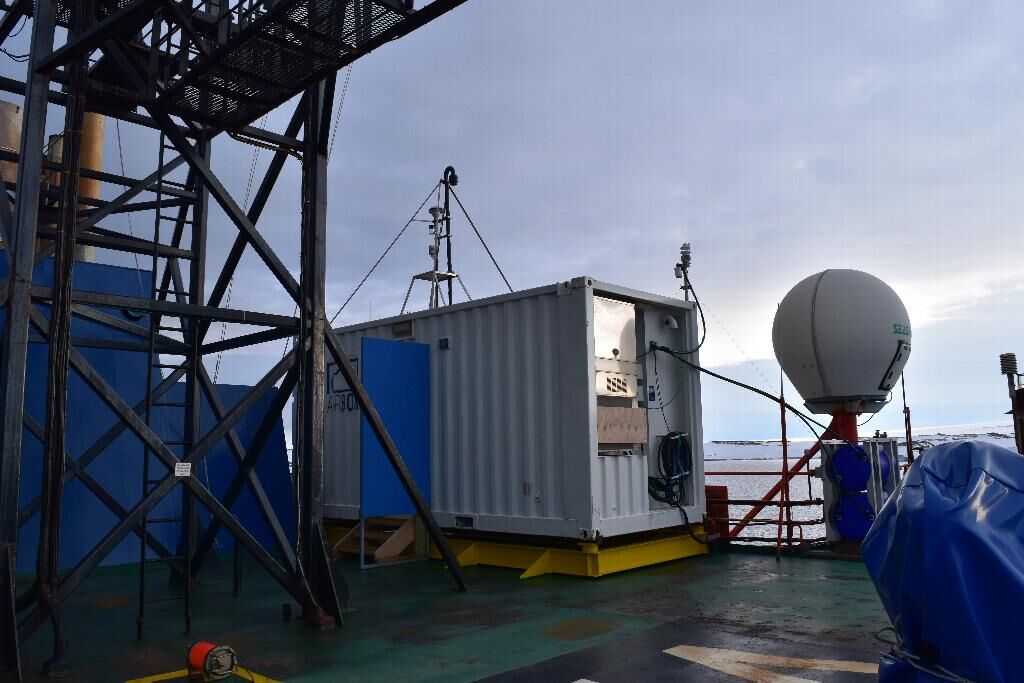
AIRBOX was successfully deployed on the Monkey deck of the Aurora Australis for the entirety of the resupply season. Several investigators were involved in the install of instrumentation before VTrials, then two expeditioners on each voyage ensured the data collection, and daily instrumental calibrations/maintenance throughout the season. Comprehensive reactive, toxic and climate relevant trace gases, aerosol size, number and composition, cloud condensation nuclei, temperature and moisture flux, and sea-state/ice-state observations were made.
Summary of the season 2017/18
During 2017/2018 CAMMPCAN commenced and successfully conducted mercury and atmospheric trace-gas measurement on the Aurora Australis. These atmospheric composition measurements were conducted to complement the ACRE/ARM facility radiation and aerosol measurements also on board the Aurora Australis for the entire resupply season. We commenced chemical modelling for the Southern Ocean region for the SIPEX II test case, and first results found significant improvements between simulations and observations when the ozone deposition loss rate to the ocean was updated.