
Project information
Project aim
Understanding how, where and why ice sheets lose mass is an international scientific priority to meet the challenges of global change. The Totten Glacier is a major outlet glacier draining a large area of East Antarctica. It has some of the fastest thinning rates and the potential to contribute ~3.5 metres to global sea level rise. Recent evidence suggests that this unprecedented melting is partly due to incursion of warm water at its base, however the processes governing this rapid melting are poorly constrained. This project aims to better understand the interaction between the ocean and Totten ice shelf during climate warming, by examining past warming events in marine sediment cores. Mineralogical and geochemical assessment of the sediments will provide key information about ice sheet and ocean circulation dynamics. Study of the sediment transported to the ocean by the Totten Glacier will also allow us to probe the geological characteristics of the ice covered rocks in Wilkes Land.
Project milestones
Summary of the season 2021/22
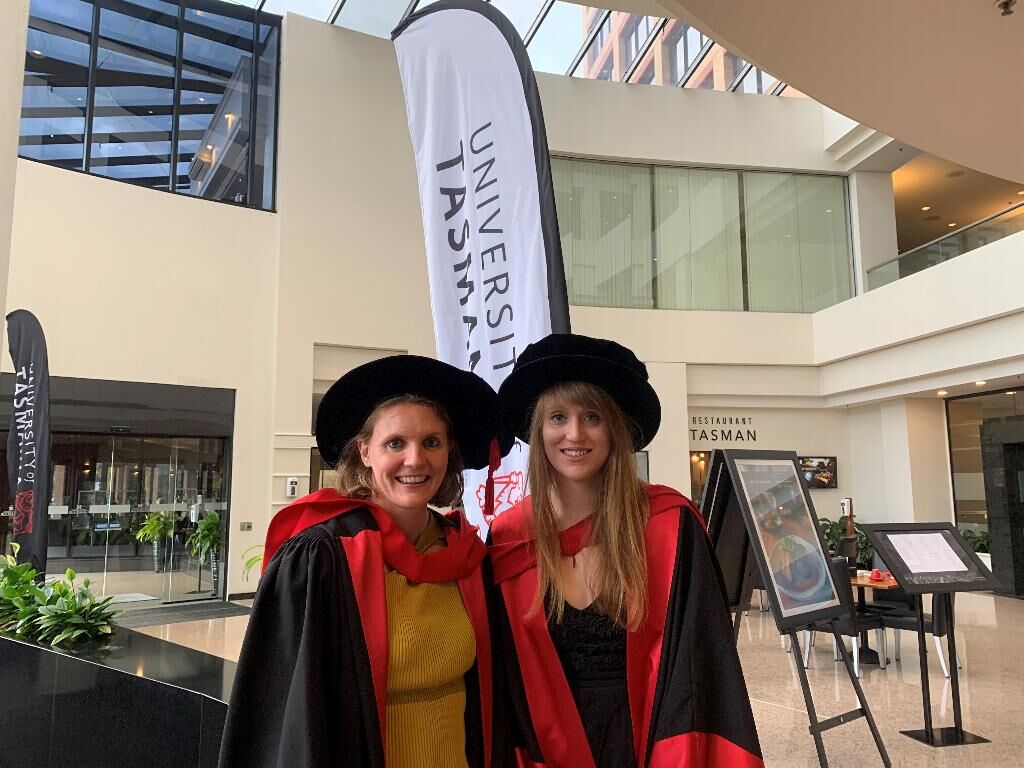
This project explored the response of the ice sheet to climate change over the last glacial-interglacial transition and the timing of the onset of deglaciation. Multiple geochemical proxies were measured on four sediment cores covering the continental rise of the Sabrina margin, East Antarctica by PhD student Sian Tooze, who in 21-22 season submitted and graduated with her PhD. She developed age models from 14C dating of acid-insoluble organic matter. The results showed physical changes related to the retreat of the ice sheet and enhanced bottom current activity that initiated early - between 22.0 ± 3.2 and 19.2 ± 0.6 thousand years ago.
The second main result of this project used the Nd-Sr isotopic signatures from all four cores to establish the isotopic fingerprint of sediment delivered to the continental margin. The εNd signature was spatially consistent, suggesting similar sediment provenance across the continental rise of central Wilkes Land. The 87Sr/86Sr ratios track changes in the grain size distribution in each of the cores, providing insight into the recent history bottom current and ice sheet change over the deglaciation.
The final result of the project relates to geochemical proxy development. Nd isotopes have been used as tracer to reconstruct past water mass mixing, and changes in global ocean circulation. However, this approach has not been successful on the Antarctic margin. PhD student Layla Creac'h investigated the Nd isotopic composition of co-located seawater and surface sediments. Her results show that sediment leaching does not record the Nd isotopic composition of seawater and investigates the potenial proceses controlling the composition of the leach. Layla Creac'h has now completed all her data collection and is in the process of writing up her thesis.
Summary of the season 2020/21
In the last year, this project has provided new knowledge (including publically accessible data) on the subglacial geology of the East Antarctic Ice Sheet, and sediment dynamics associated with large-scale retreat of the ice sheet. The geological characteristics of sediment transported by the glaciers along the Sabrina Coast and deposited into the ocean were used to determine the composition of rocks beneath the ice. During the last cold glacial period, the ice sheet expanded onto the continental shelf causing sediment to be bulldozed from the shelf and deposited into the deep ocean. As the ice sheet began to retreat south and melt as the climate warmed, meltwater fluxes carrying fine sediment eroded by the glaciers were largely supplied by Totten Glacier. These data provide the first substantial evidence of the sediment transport processes and rock composition transported by glaciers in this region.
Summary of the season 2018/19
Over the past year we have completed a study using large samples of marine mud, eroded from the Antarctic continent and transported by ice and ocean currents, to isolate minerals that provide information about the geology of the Sabrina Subglacial Basin. Previous research investigating the geology beneath the ice have used airborne geophysical data, rock samples from rare coastal outcrops, and geological information from the corresponding South Australian margin, to investigate the geological characteristics of Wilkes Land. The age of minerals such as zircon, apatite and titanite found in the marine sediment, and calculated using the uranium-lead isotope system, reveal age signatures of sediment sourced from the Albany-Fraser-Wilkes mountain building event (around 1100-1300 million years ago), Madura-Nuyina Province (1400 million years old) and Coompana-Banzare Province (1600 million years ago). The age signature of these sediment sources appears to be consistent through time with no significant difference in the source of sediment as the extended ice sheet of the last glacial period retreated to its current state. A surprising observation of younger zircon ages aged between 500-700 million years old and ~900 million years old, and apatite and titanite ages between 800-900 million years old, points to a detritus source from Indo-Antarctic sediments located further west of the Sabrina Subglacial Basins, and likely transported via currents. To date, the study provides an integrated record of the onshore erosion and transport during a retreat phase and can be used to test the validity of ice sheet models for changes in the Totten Glacier.
Summary of the season 2017/18
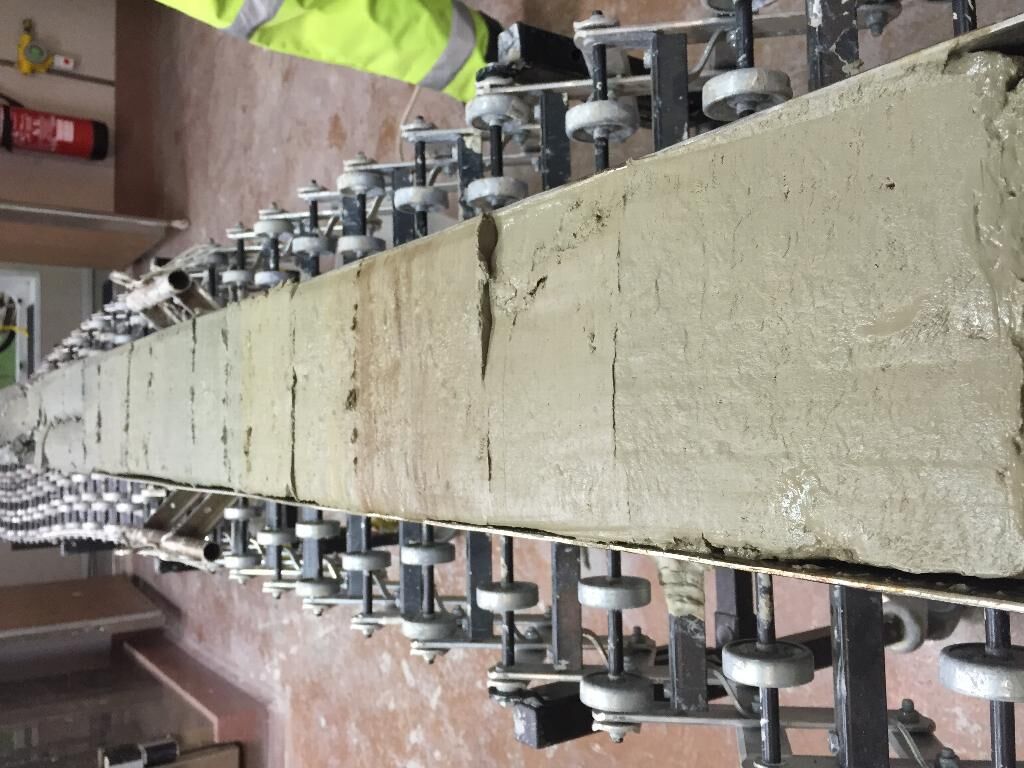
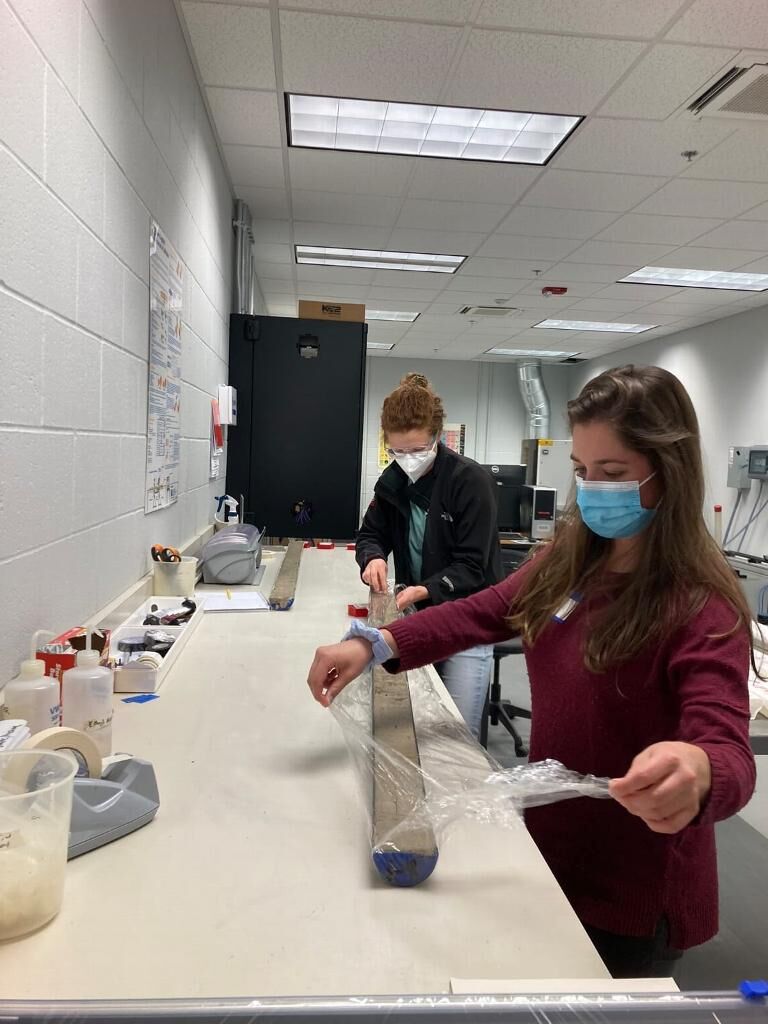
The project has got off to an excellent start with an extremely successful expedition south, to the Sabrina Coast on the RV Investigator (Jan-Mar 2017) (PI L. Armand; AASP 4333). Kasten cores, short multi-cores and numerous seawater samples were collected to meet the scientific objectives of this project. The temporal transition from last glaciation to the Holocene is observed in the 2-3 metre-long Kasten cores. The glacial units are dominated by silty clay sediments, with some fine scale laminations and occasional iceberg rafted debris evident. The transition to warm Holocene conditions is marked by an increase in the proportion of diatoms culminating in a clay-rich diatom ooze indicating ice free conditions along the coast during this time. These sediment cores will allow us to understand how this portion of the East Antarctica ice sheet responded to warming during the last deglaciation.
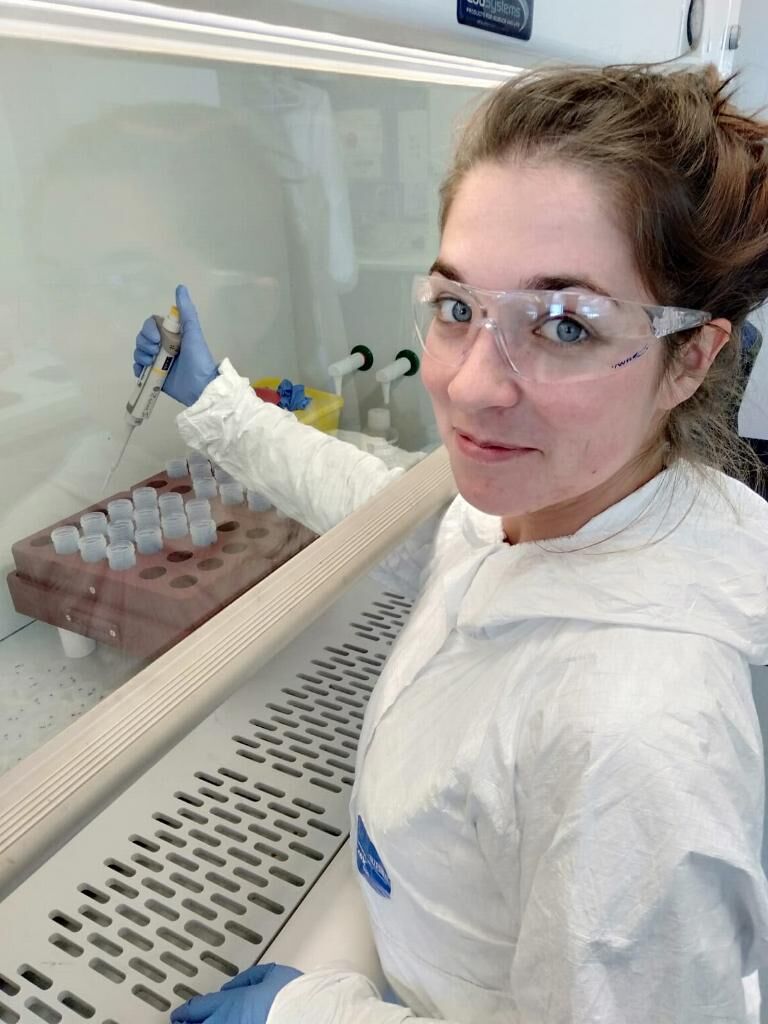
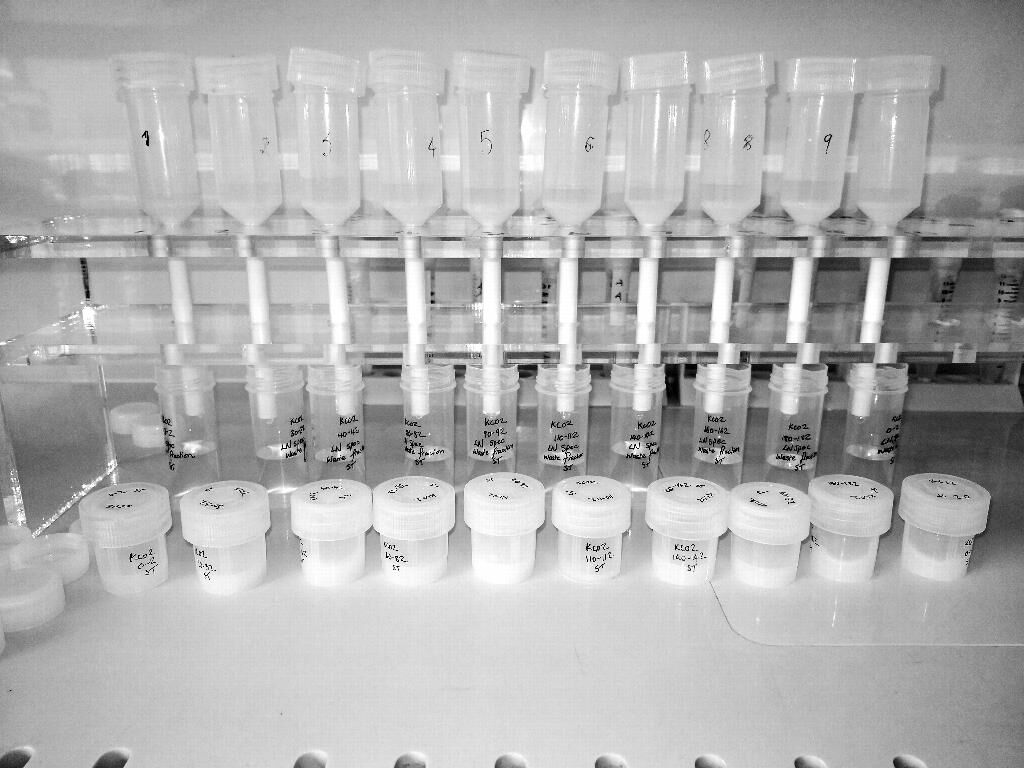
A selection of seawater samples taken on the continental shelf and slope have been processed to isolate and measure the dissolved neodymium isotopic composition. Neodymium isotopes are a trace of water mass source and circulation. The data show that the shelf waters and Circumpolar Deep Water on the slope are affected by exchange between Nd in the sediment and seawater, which tags the seawater with a unique isotopic composition that is controlled by the composition of ancient continental inputs. Multi-cores, which are short records (20-30 cm) of recent sediment deposition will be paired with nearby seawater samples to study recent biogeochemical cycling, in this poorly studied region of the ocean.
A PhD student was appointed to work on the project: Ms Sian Tooze has made good progress working on the sediment cores, and is currently working up U-Pb isotope data to determine the age and provenance of heavy minerals transported by the ice into the ocean. This dataset will provide unique information about the geological characteristics beneath the ice in Sabrina subglacial.