
Project information
Project aim
Sea ice plays a key role in Southern Ocean physics and biogeochemical cycles, and is a major driver of Antarctic marine ecosystem processes. In terms of supporting marine food webs, sea ice provides a substrate for ice algae which serve as food source for pelagic herbivores. The under-ice environment also provides a spatially complex refuge from predators. This project will improve understanding of, and measurement capability for, Antarctic ice-algal biomass distribution and under-ice habitat characteristics. By conducting field experiments in two contrasting areas and during different seasons, this project aims to identify the physical drivers of the spatial and temporal variability of ice-algal biomass and under-ice environments. Project results will enhance the understanding of sea ice in Southern Ocean ecosystem processes and will be utilised to inform and evaluate sea-ice ecosystem models to assess the vulnerability of Antarctic marine ecosystems to changing sea-ice conditions.
Project milestones
Summary of the project achievements 2019/20
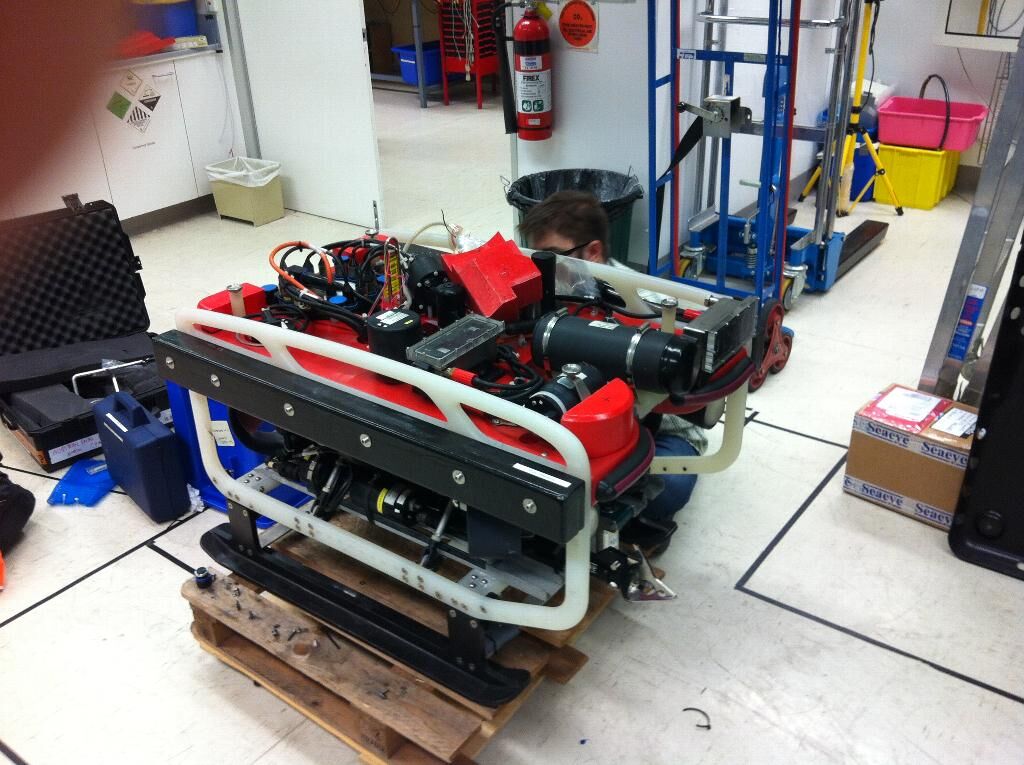
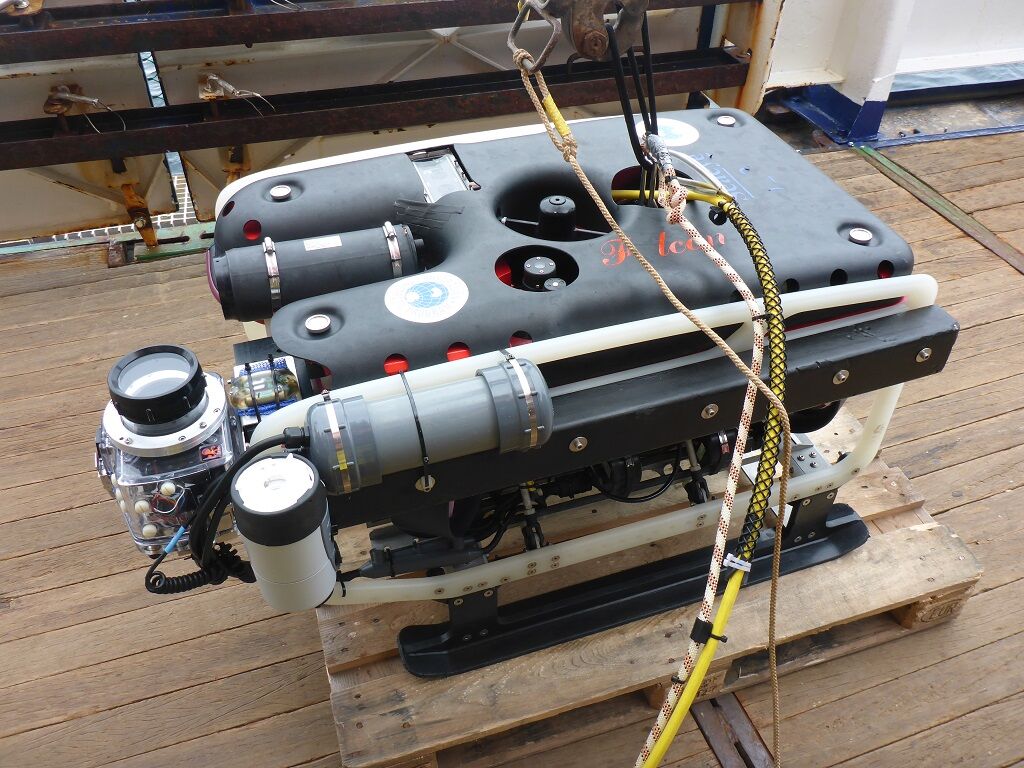
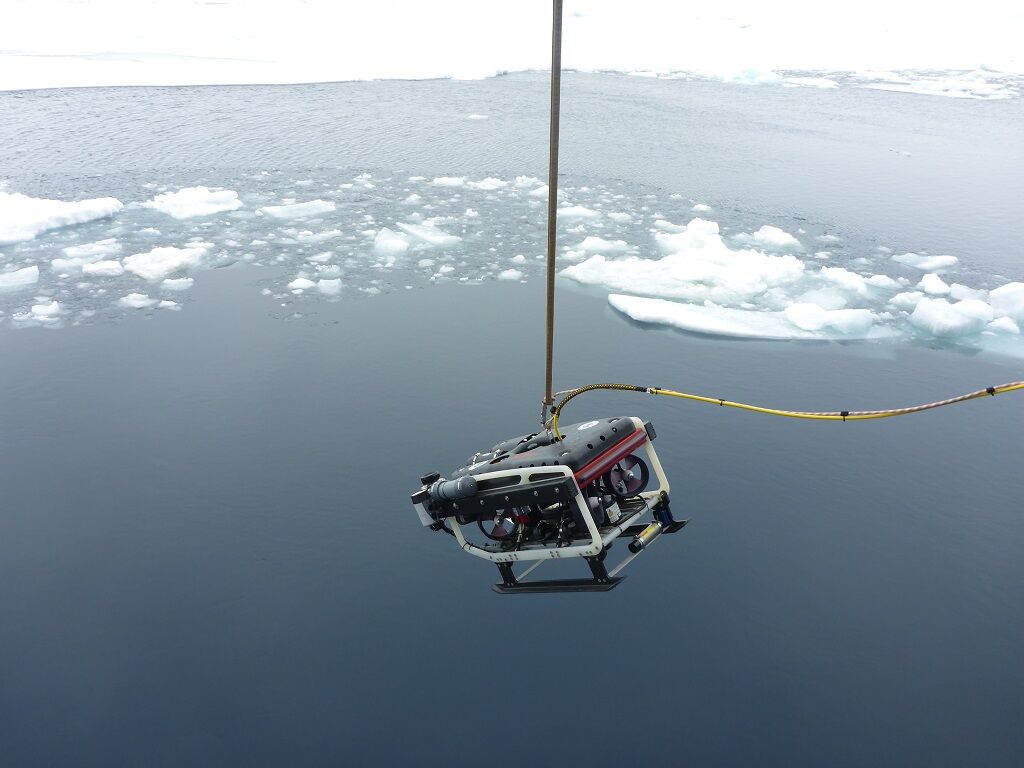
Sea ice is a structuring component in Antarctic marine ecosystems and plays a key role in Southern Ocean biogeochemical cycles. In terms of supporting marine food webs, sea ice provides a substrate for ice-associated microalgae which serve as food source for pelagic herbivores, e.g., Antarctic krill (Euphausia superba). The spatially complex under-ice environment also provides a refuge from predators. As part of this project, an international team analysed a unique cross-disciplinary sea ice – ice algae – krill dataset collected during a German-led marine science voyage (2018/2019 season) to the marginal ice zone of the Weddell Sea. For the analyses, an AAD-led team integrated data from ice-coring surveys with under-ice observations from an instrumented Remotely Operated Vehicle (ROV). The researchers determined the spatial variability of sea-ice physical parameters, ice-algal biomass and under-ice grazers, and developed and tested novel algorithms to estimate ice algal biomass from transmitted under-ice light spectra. Outcomes from this project include enhanced measurement capabilities for coupled physical-biological processes in the Antarctic sea-ice zone, and an improved understanding of the role of sea ice in Southern Ocean ecosystem processes. Results from this project have highlighted the importance of sea-ice physical parameters such as ice thickness, under-ice roughness and the extent of the marginal ice zone for Southern Ocean ecosystem function. Results from this project have been used to inform the development of statistical ecosystem models that help to assess the vulnerability of Antarctic marine ecosystems to changing sea-ice conditions.
Summary of the season 2019/20
Sea ice is a key driver in Southern Ocean marine biogeochemical cycles and serves as a structuring component in Antarctic marine ecosystems. In terms of supporting marine food webs, sea ice provides a substrate for ice algae which serve as food source for pelagic herbivores, e.g., Antarctic krill (Euphausia superba). The under-ice environment also provides a spatially complex refuge from predators. During the last year, the project team analysed a unique cross-disciplinary sea ice – krill dataset collected during a German-led marine science voyage (2018/2019 season) to the marginal ice zone of the Weddell Sea. For the analyses the team integrated data from ice-coring surveys with under-ice observational data from an instrumented Remotely Operated Vehicle (ROV) to determine the spatial variability of ice-algal biomass and under-ice grazers, and developed and tested novel algorithms to estimate ice algal biomass from transmitted under-ice light spectra. Results have been presented at an international conference and workshops, and are currently prepared for publication in peer-reviewed journals. Results from this project will enhance i) our measurement capability for coupled physical-biological processes in the Antarctic sea-ice zone, and ii) the understanding of sea ice in Southern Ocean ecosystem processes. Results from this project have also been used to inform the development of ecosystem models that help to assess the vulnerability of Antarctic marine ecosystems to changing sea-ice conditions.
Summary of the season 2018/19
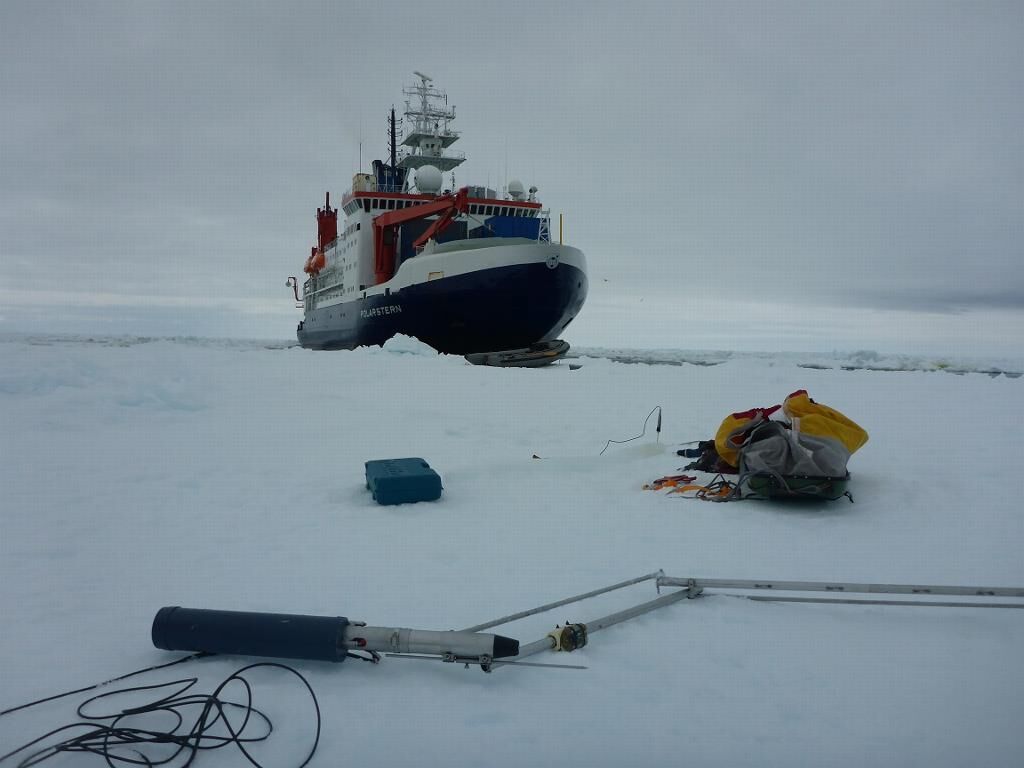
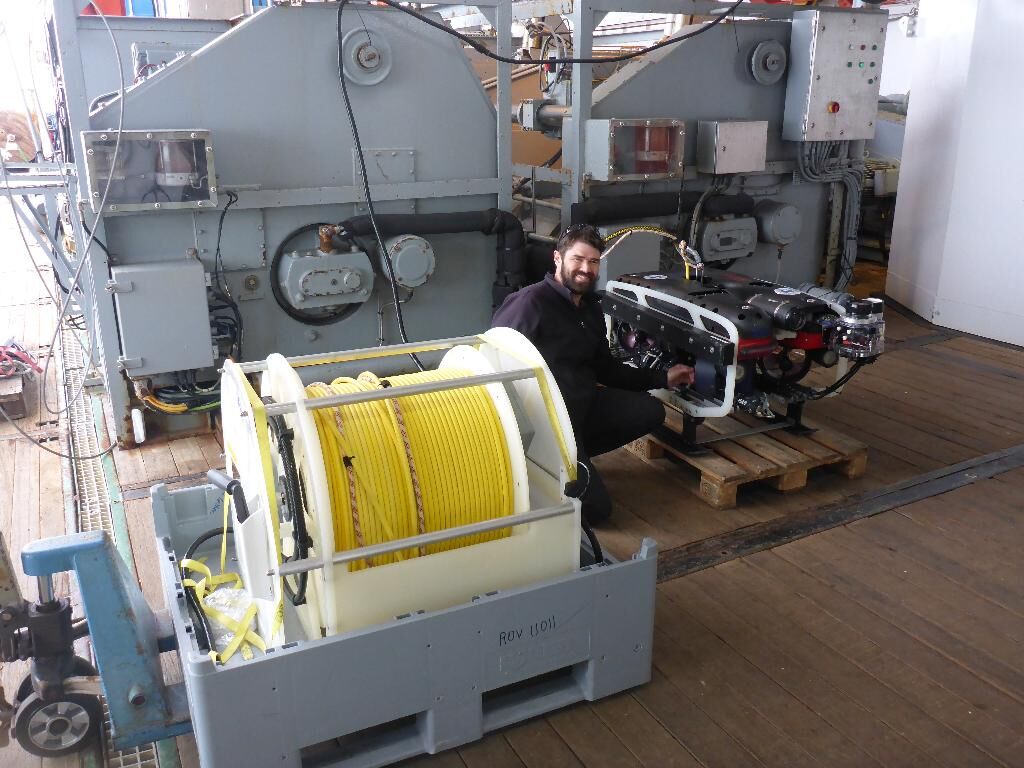
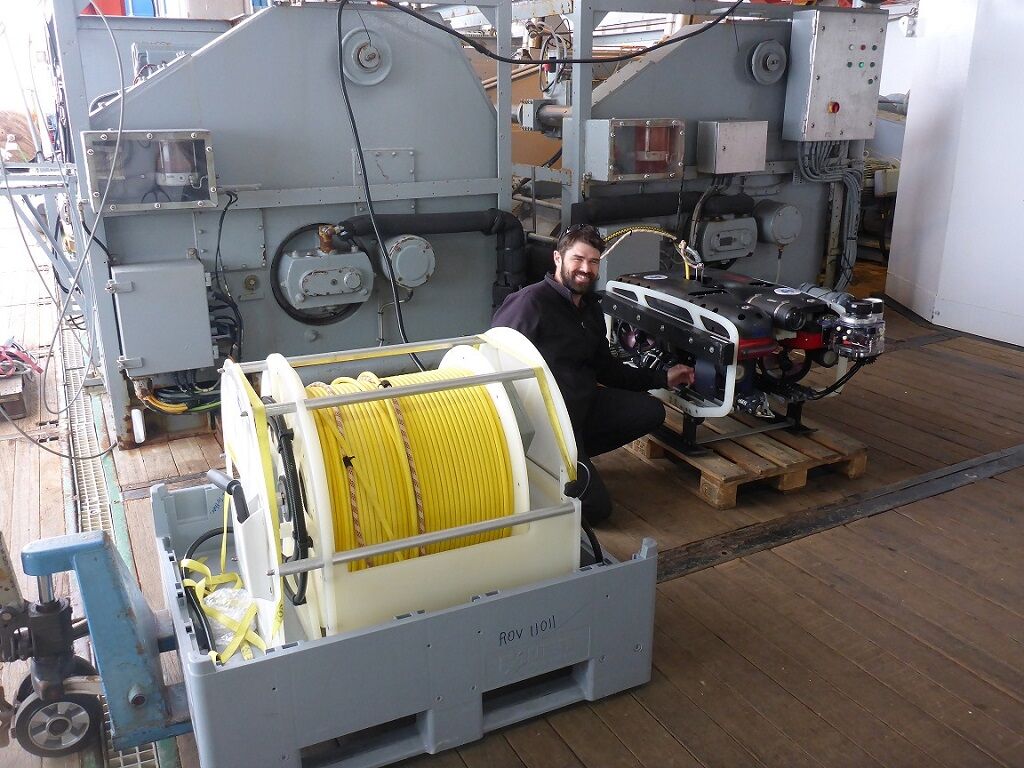
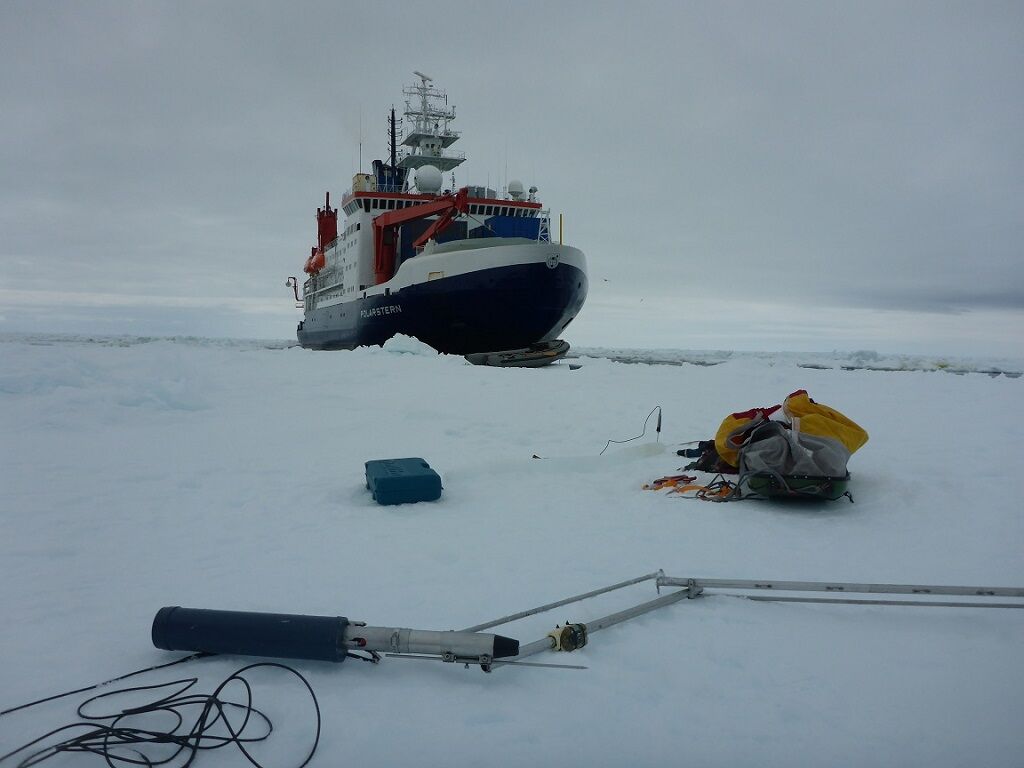
Sea ice is a structuring component of Antarctic marine ecosystems and a key driver in Southern Ocean biogeochemical cycles. In terms of supporting marine food webs, sea ice provides a substrate for ice algae which serve as food source for pelagic herbivores. The under-ice environment also provides a spatially complex refuge from predators. During December 2018 to February 2019, an Australian Antarctic Division research team participated in, and contributed to, a German-led marine science voyage conducting sea-ice research in the marginal ice zone of the Weddell Sea. The team conducted ice-coring surveys and under-ice observations with an instrumented Remotely Operated Vehicle (ROV) to determine the spatial variability of ice-algal biomass and under-ice grazers (e.g., Antarctic krill (Euphausia superba)). In addition, the team tested newly-developed under-ice remote sensing methods to estimate ice algal biomass from transmitted under-ice light spectra. Data sets from this research voyage are currently being analysed. Results from this project will enhance i) our measurement capability for coupled physical-biological processes in the Antarctic sea-ice zone, and ii) the understanding of sea ice in Southern Ocean ecosystem processes. Outputs from this project will be utilised to inform and evaluate sea-ice ecosystem models that will help to assess the vulnerability of Antarctic marine ecosystems to changing sea-ice conditions.
Summary of the season 2017/18
Sea ice plays a key role in Southern Ocean physics and biogeochemical cycles, and is a major driver of Antarctic marine ecosystem processes. In terms of supporting marine food webs, sea ice provides a substrate for ice algae which serve as food source for pelagic herbivores. The under-ice environment also provides a spatially complex refuge from predators. This project is aimed at improving our understanding of, and measurement capability for, Antarctic ice-algal biomass distribution and under-ice habitat characteristics. By conducting field experiments in the Antarctic pack-ice zone this project will identify the physical drivers of the spatial and temporal variability of ice-algal biomass and under-ice environments. Project results will enhance the understanding of sea ice in Southern Ocean ecosystem processes and will be utilised to inform and evaluate sea-ice ecosystem models to assess the vulnerability of Antarctic marine ecosystems to changing sea-ice conditions.
Due to logistical constraints we have been unable to conduct ship-based field work in the previous seasons. We are currently preparing for participation in a German-led voyage to the Weddell Sea ice zone from December 2018 to February 2019, pending approval of our project variation request. During the planned voyage we will deploy an instrumented Remotely Operated Vehicle (ROV) to measure ice algal biomass and under-ice krill distribution along the Greenwich meridian. The Australian-led ROV work will be embedded into a larger sea-ice and krill project led by our German partners. This collaboration provides a cost-effective way to test and implement novel under-ice remote sensing technologies developed by the Australian Antarctic Division. The project promises a step-change in our understanding of the role of different sea-ice types in supporting Antarctic marine herbivores, with a particular focus on Antarctic krill.