
Project information
Project aim
The high costs associated with collection of ice-cores from Antarctica demand scientists extract the absolute maximum data from these precious commodities. Traditional analytical techniques are neither optimised or indeed able to meet the demands of delivering high value multi-species data from sub-mL sample volumes, to provide higher temporal resolution in subsequent paleoclimatic records. To extract the most information from analytical data derived from these valuable ice cores, and/or low accumulation sites, the amount of sample required for each analysis must be drastically reduced by between 10 and 100 fold. Capillary ion chromatography (cap-IC) presents a new analytical capability to provide quantification of inorganic and organic ions based upon such sample volumes, and improve temporal resolution in ice-core records by 10-20 times. This new technology, using methods developed in a recent pilot study, will be applied to existing ice cores from Law Dome and other Antarctic sites.
Project milestones
Summary of the project achievements 2018/19
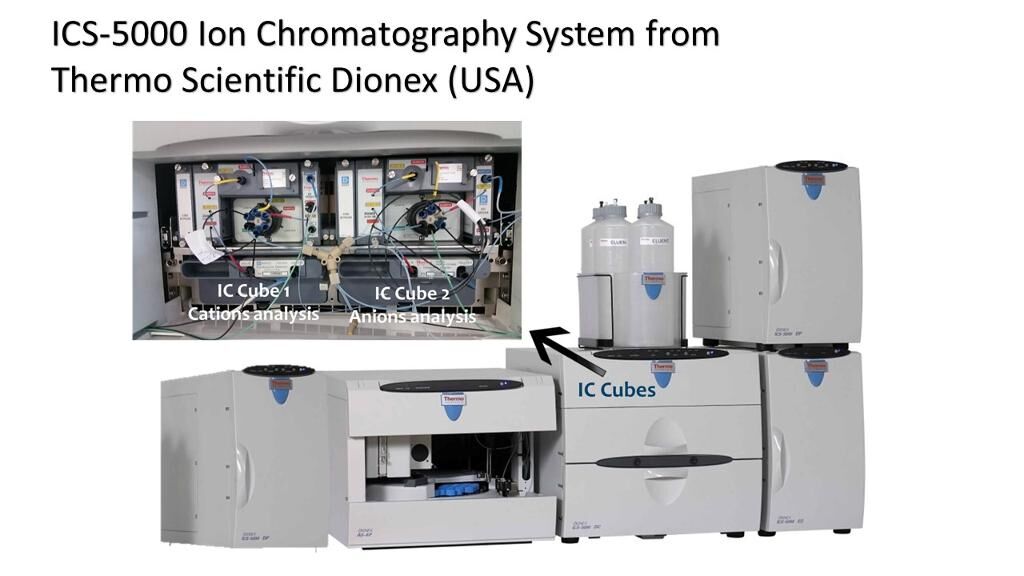
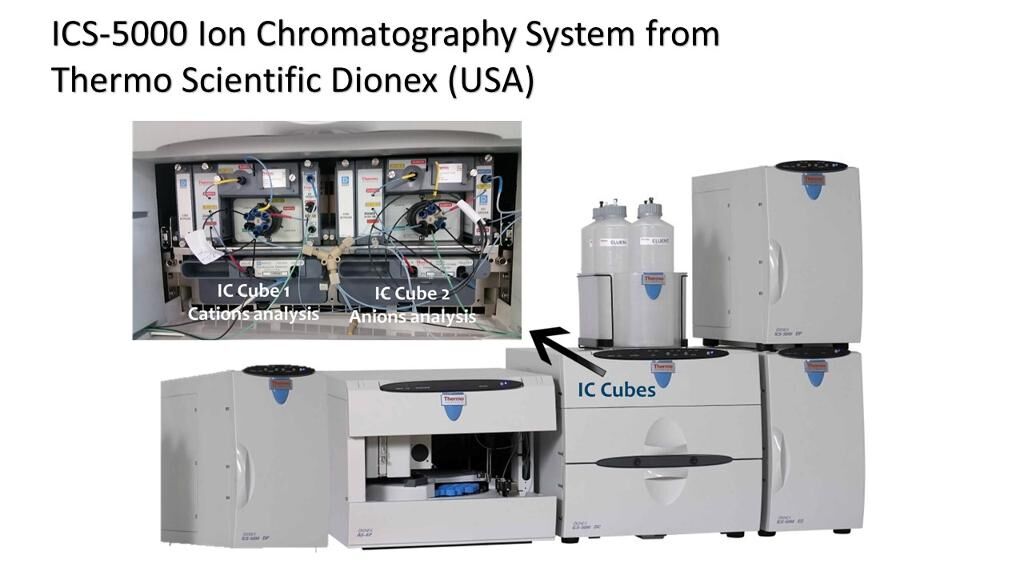
Traditional analytical techniques used for ice core analysis are neither optimized or indeed able to meet the demands of delivering high-value multi-species data but requiring sub-mL sample volumes. Capillary ion chromatography (Cap-IC) presents a new analytical capability to provide quantification of inorganic and organic ions based upon such sample volumes and to improve temporal resolution in ice core records. Originating as an extension of the analytical methodology developed by E. Sanz Rodriguez et al. in 2015, established for analysis of inorganic and organic anions in ice core samples using Cap-IC, the first aim of this project was the development and optimization of a dual Cap-IC method to allow the simultaneous analysis of cations and anions. Once the Cap-IC system was validated within the Australian Centre for Research on Separation Science (ACROSS) at the University of Tasmania, the system was relocated within the chemistry laboratory of the Institute for Marine and Antarctic Studies (IMAS), which provided a clean and quarantine ready facility. The method was then further optimized and its analytical performance determined. The method was tested via a comparative analysis of 530 snow pit and ice core samples previously analyzed by standard IC. The new method provides a reliable and robust analytical protocol for the simultaneous determination of thirteen of the most noticeable cations and anions, baseline separated from four of the most common ions found as impurities in ice core analysis. The total amount of sample required for this analysis was reduced to 190 µL, 30 times lower than the amount required by the standard IC methods. Additionally, a method improvement was carried out later by using a new high-resolution column for cation separation, allowing to achieve more accurate peak integration and to reach lower LODs. The former method was applied to the analysis of 720 ice core samples from Aurora Basin North (ABN), Mount Brown South (MBS)and Dome summit South (DSS)sites in Antarctica covering the 1991 eruptions of Mount Pinatubo and Cerro Hudson. Further analysis was conducted on ABN to investigate a series of large 13th-century eruptions and how they impacted the fluoride record. A total of 1250 samples from Antarctica were analyzed through this project establishing a new strategic capability with demonstrated experience in routine measurements of this low volume technique, which could be used in Australia's million-year ice core projec
Summary of the season 2017/18
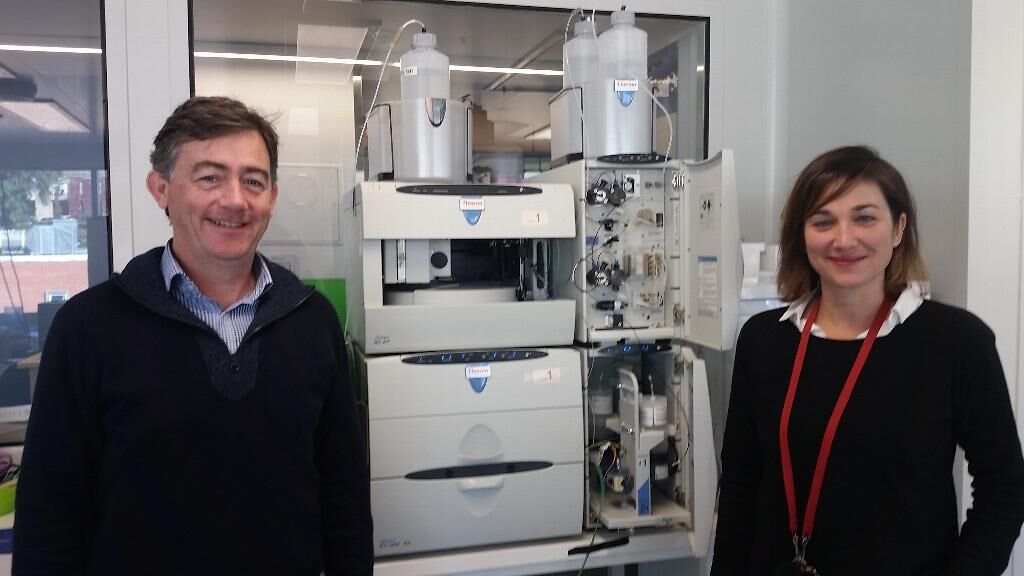
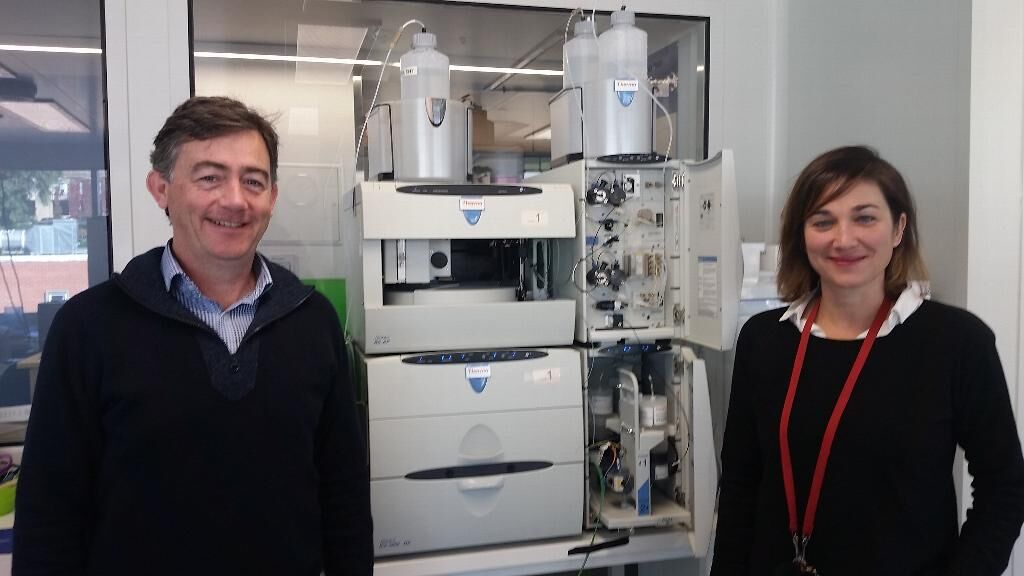
Starting in August 2017, this project has progressed according to the original work plan. Originating as an extension of the analytical methodology developed by E. Sanz Rodriguez et al. in 2015, established for the quantitative analysis of inorganic and organic anions in ice core samples using the technique of capillary ion chromatography (Cap-IC), the aim of this project was to develop a dual Cap-IC technique to allow the simultaneous analysis of cations and anions (both organic and inorganic) within approximately 1500 samples taken from ice-cores originating from the Aurora Basin (ABN) and Law Dome. The new method should require only very small sample volumes compared to current IC methods, and thus be capable of providing an order of magnitude or greater improvement in data resolution within these ice core records. The first step of this project was the development and optimisation of this new dual Cap-IC method. In a preliminary evaluation, the system was validated within the Australian Centre for Research on Separation Science (ACROSS) at the University of Tasmania, in terms of system installation, testing and and optimal configuration. Once the system was ready to carry out the analysis, the system was relocated within the chemistry laboratory of the Institute for Marine and Antarctic Studies (IMAS), which provided a clean and quarantine ready facility (see picture 2 attached). The method was then further optimised and its analytical performance, i.e. limits of detection, repeatability, linearity, etc. determined. The method was tested via a comparative analysis of a set of snowpit samples previously analysed by standard IC. At this stage we can conclude that the new method provides a reliable and robust analytical protocol for the simultaneous determination of fourteen of the most common cations and anions. The total amount of sample required for this analysis has been reduced to 190 µL, 30 times lower than the amount required by the standard IC methods.