
Project information
Project aim
A thorough knowledge of global precipitation is an indispensable pre-requisite for the understanding of the water cycle in the global climate system. Yet surface-based observations of precipitation in the high southern latitudes are very sparse, particularly over the ocean due to instrumental limitations, and satellite products are yet to be validated. We propose to use specialised instruments on ships to characterise precipitation across the Southern Ocean and subsequently at various points on the Antarctic continent. The results will be used to quantify and understand high-latitude precipitation processes, validate satellite retrievals, evaluate weather forecasting and climate models and aid in improving the representation of precipitation in these models.
Project milestones
Summary of the project achievements 2020/21
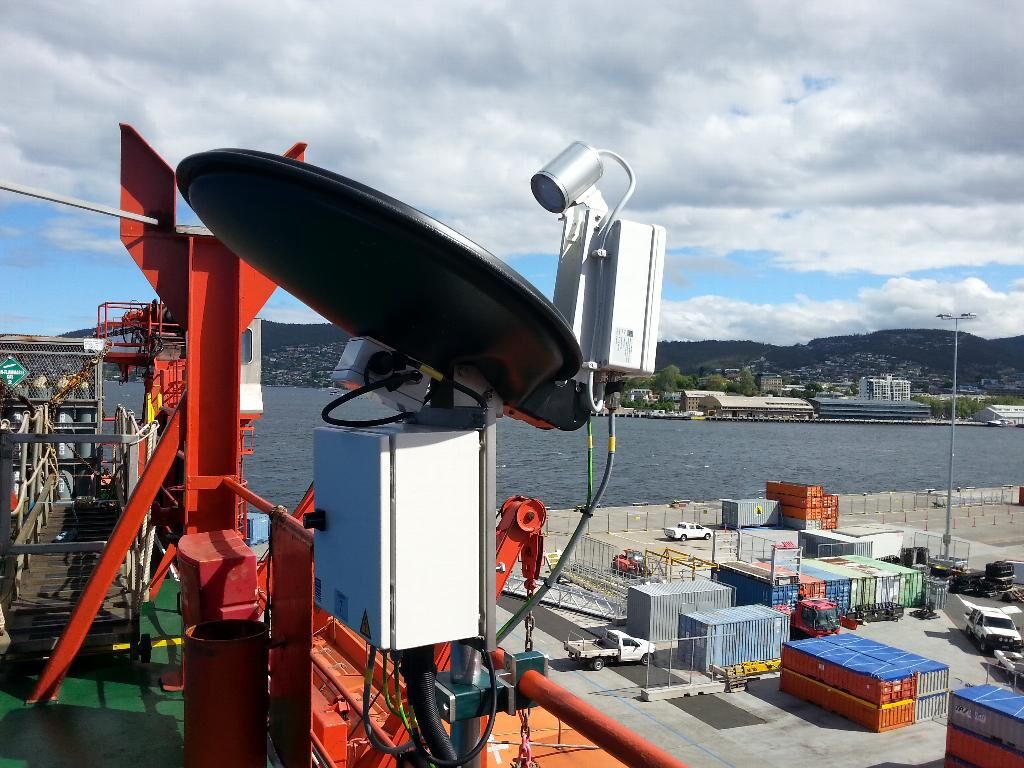
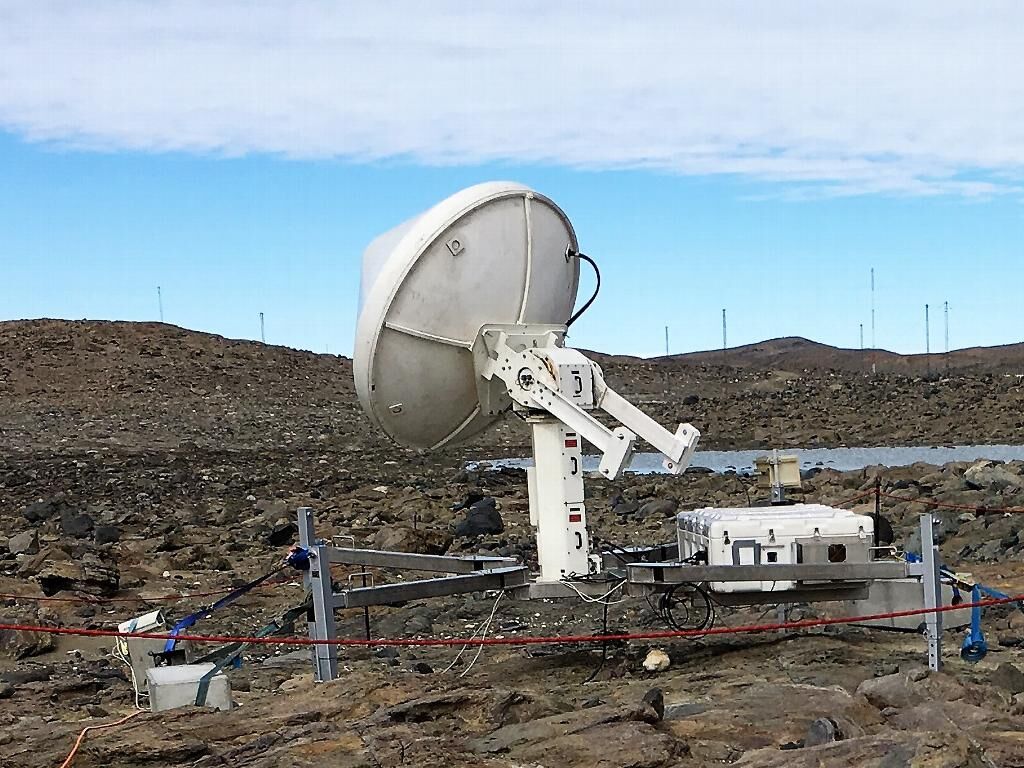
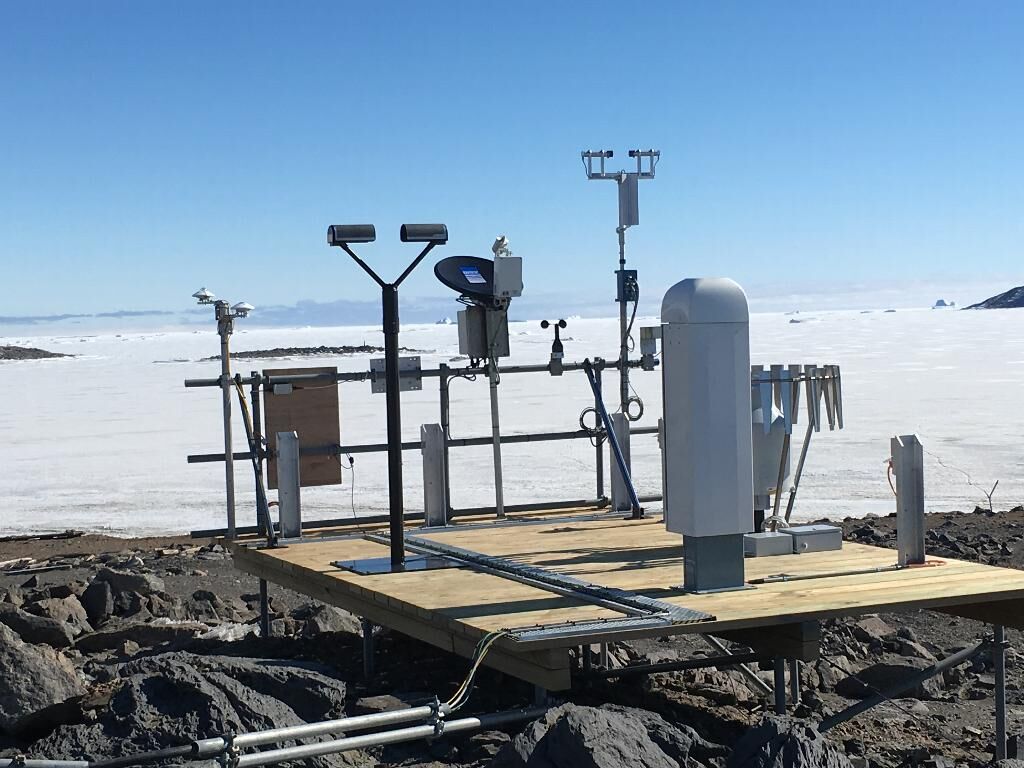
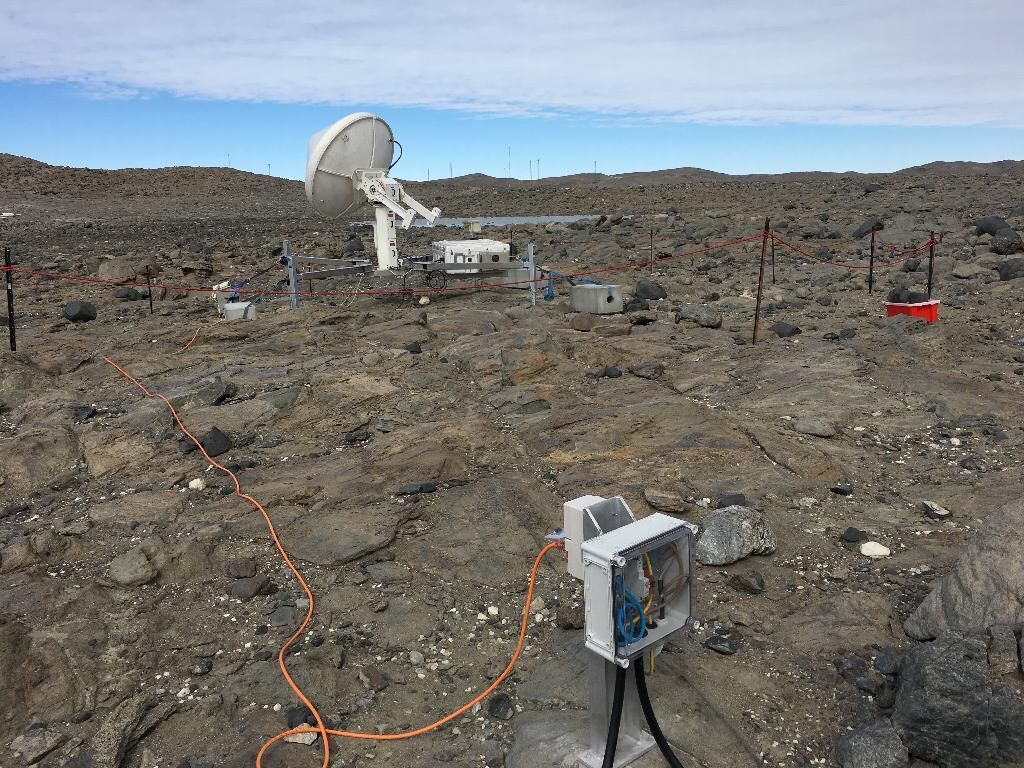
The Precipitation over Land And the souThern Ocean (PLATO) experiment was led by the AAD and brought together key national and international researchers in a focussed effort to quantify and understand precipitation processes at high southern latitudes. The central field campaign of PLATO was the summer 2018/19 deployment of precipitation instruments to Davis. These included an X-Band radar and pluviometer (from EPFL, Lausanne, Switzerland), a cloud radar and lidar (Bureau of Meterology), micro rain radar and disdrometers (AAD). Further deployments of the AAD PLATO instrumentation occurred on the Aurora Australis (2017/18 Voyage 1 and Voyage 4) and RV Investigator (Jan-Feb 2018 and summer 2020-21).
While data analyses and journal article preparations are ongoing, some of the highlights to data from PLATO include:
1) Latitudinal quantification of microphysical properties of oceanic precipitation, and in particular the unique Southern Ocean environment
2) Detailed observational and modelling of an atmospheric river event at Davis, including the low surface precipitation
3) Increased understanding of cloud-aerosol-precipitation interactions in the waters near Antarctica, and over coastal Antarctica itself
The PLATO datasets are still being used across multiple institutions, including the AAPP for research, thus we expect continued outputs over the next few years.
Summary of the season 2019/20
We have spent this FY processing the data collected at Davis between November 2018 - November 2019 (focusing on the summer period) and have commenced case study analyses of large precipitation events over the summer. We have completed our oceanic precipitation work (using ship-based observations to inform the next-generation satellite retrievals), which resulted in two publications.
Summary of the season 2018/19
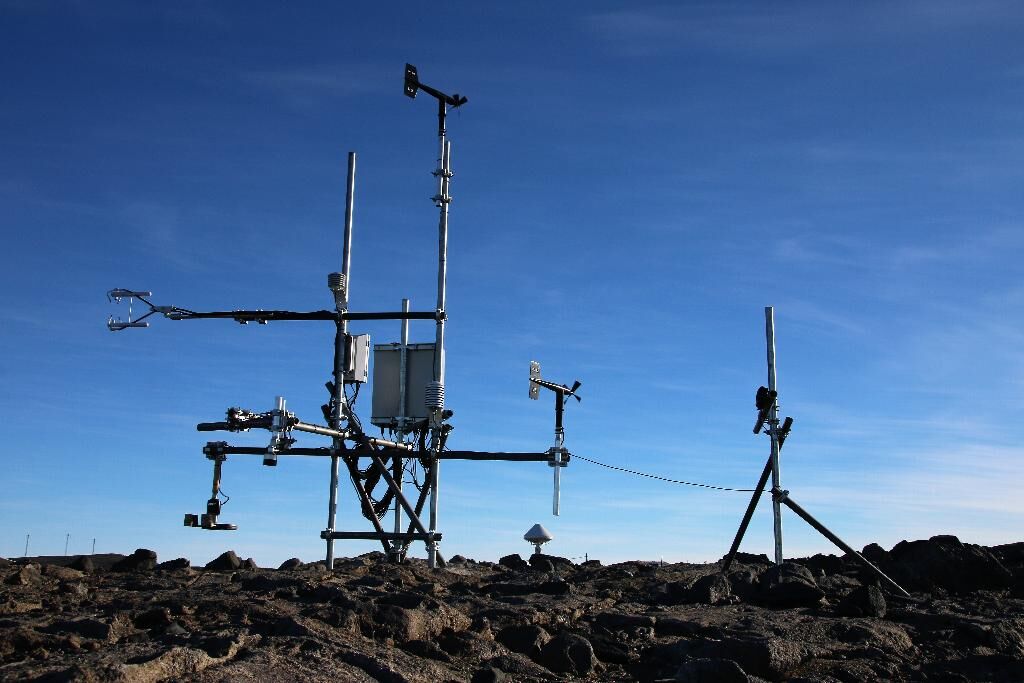
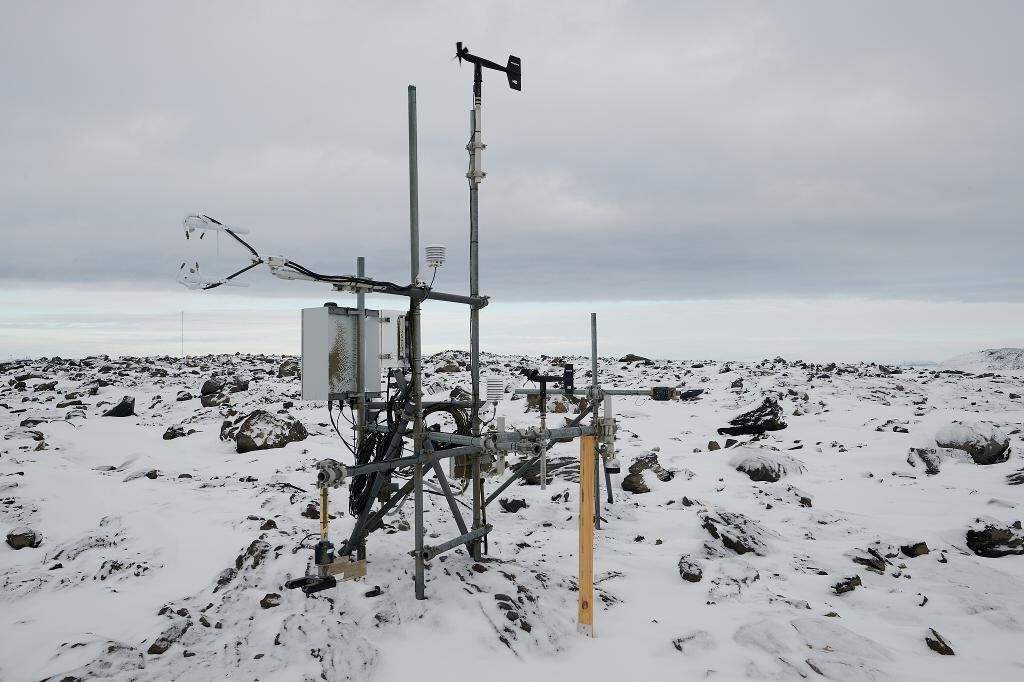
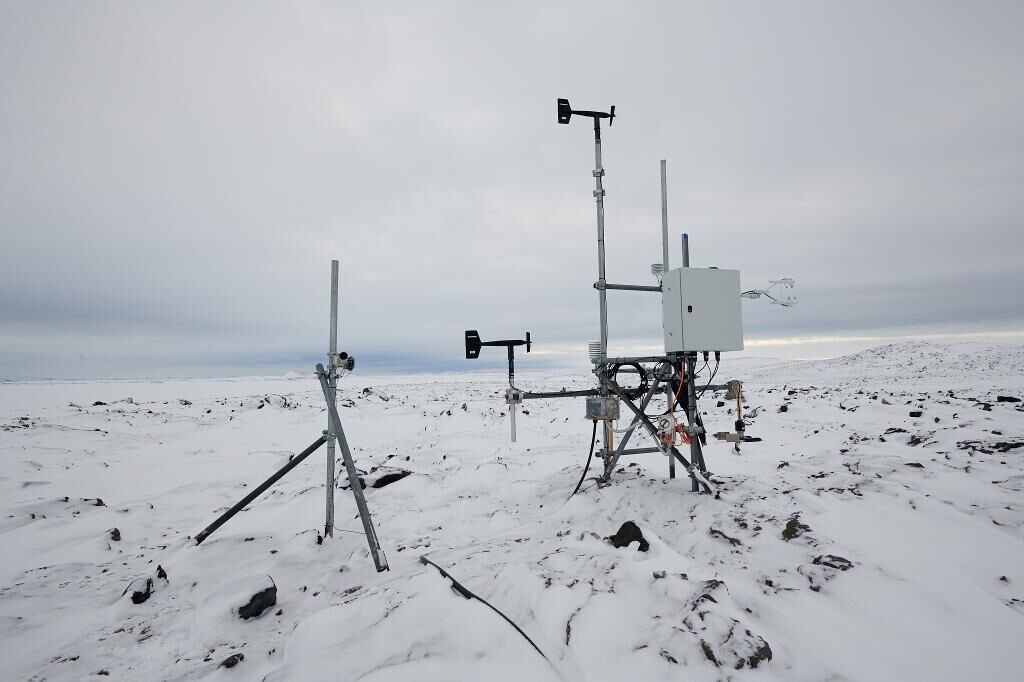
A complex field campaign took place this summer 2018/19 at Davis station to study cloud and precipitation processes. We deployed several instruments to measure different snowfall properties, including disdrometers, a rain radar, a pluviometer, a stereo camera (to photograph individual snowflakes), a snow flux station and a scanning X-Band radar. This scanning radar observed the precipitating cloud systems out to 30km from Davis station, allowing us to track the evolution of the snowfall regionally.
We have commenced data analysis using the precipitation data collected aboard ships in the Southern Ocean during the preceding summer 2017/18. Initially, we are focussed on quantified oceanic precipitation to understand why satellite retrievals fail at southern high latitudes.
Summary of the season 2017/18
Marine surface precipitation is notoriously difficult to measure due to sea spray and local wind effects from the ship's superstructure. Yet, an extensive dataset of precipitation has been collected across the Southern Ocean latitudes during summer 2017-18. A micro rain radar provided vertical profiles of rainfall and snowfall, while a marine disdrometer provided surface rainfall and snowfall data. When combined with datastreams made by co-located cloud-sensing instruments, a clear understanding of precipitation processes and quantity will emerge over the Southern Ocean.