
Project information
Project aim
There is convincing evidence that many Antarctic species have been on the continent for millions of years, but less than 20,000 years ago, during the last Ice Age, Antarctica was heavily blanketed in glaciers. How could species that need ice-free land to live, such as mosses and invertebrate animals, have survived glacial periods on a continent almost entirely covered by ice? Volcanoes and other geothermal areas could hold the key. This research will use genetic techniques to test whether Antarctic plants and animals survived ice ages on ice-free land near volcanoes and on rocks heated by radiogenic decay. Capitalising on the unique physical setting of Antarctica, the research will give important insights into the role of volcanoes in promoting biodiversity in cold regions. Furthermore, results will help to reveal genetic diversity 'hotspots' in Antarctica - information that will help to inform management and conservation strategies.
Project milestones
Summary of the project achievements 2020/21
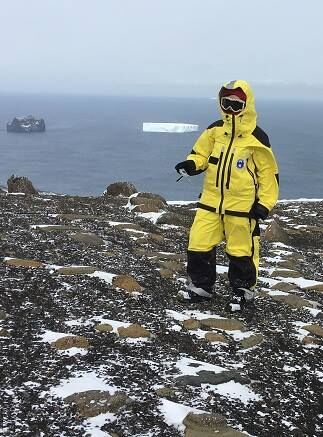
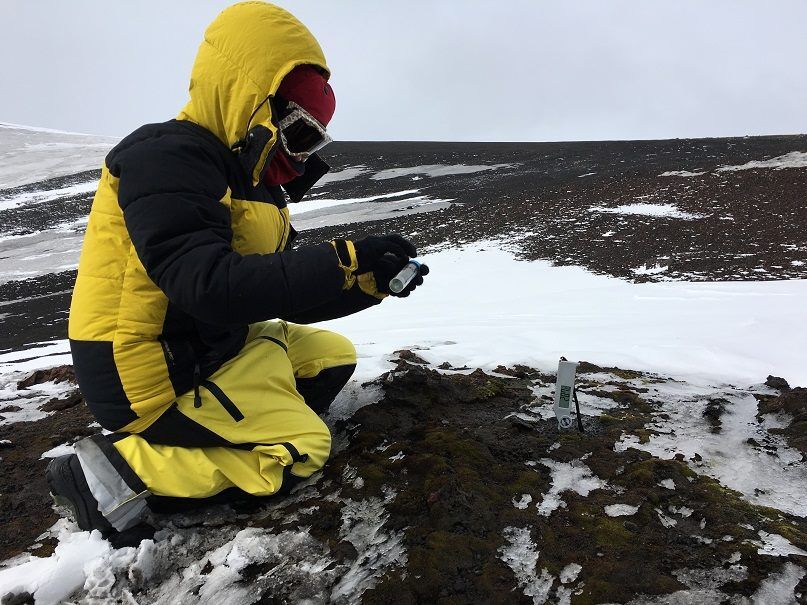
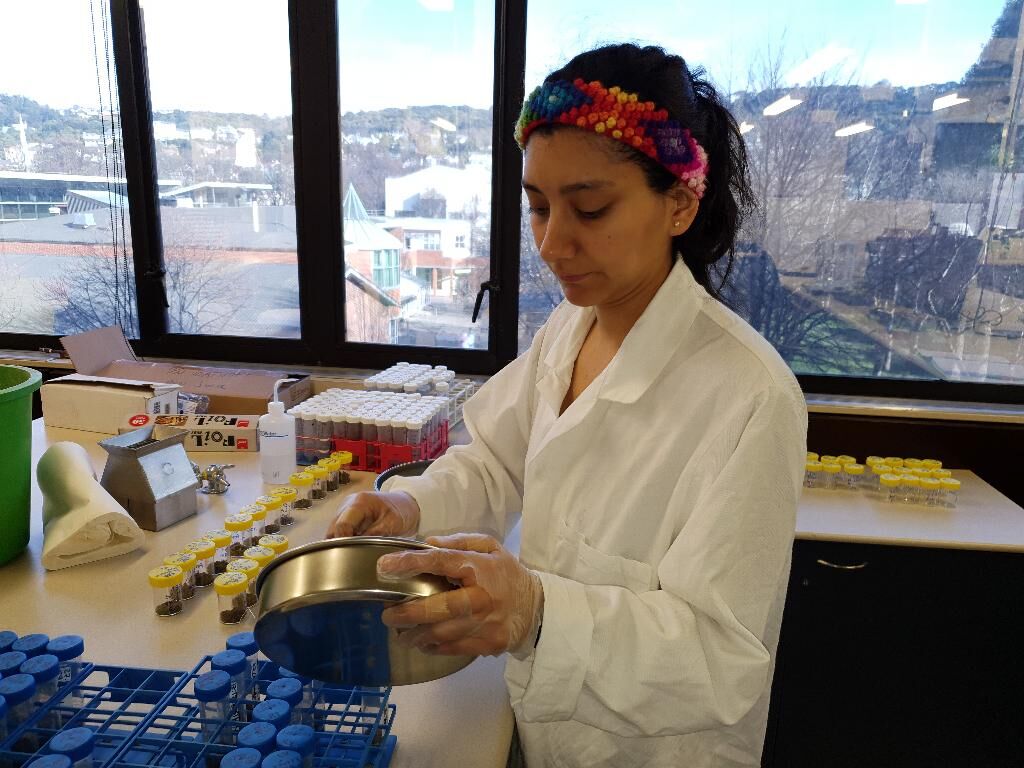
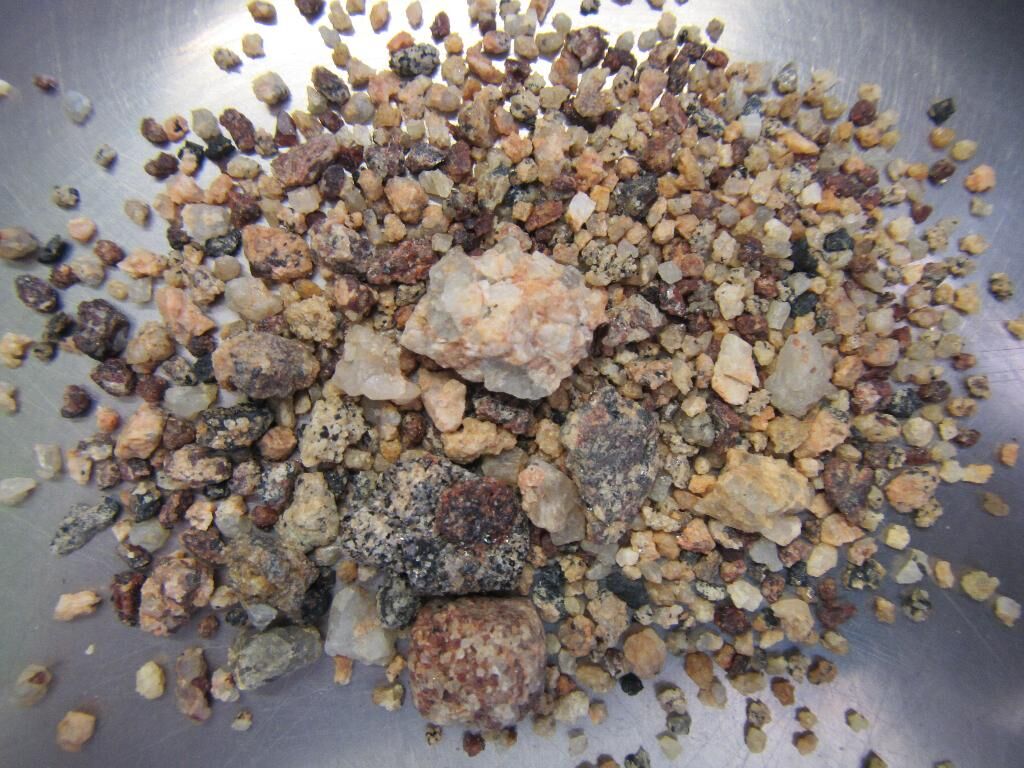
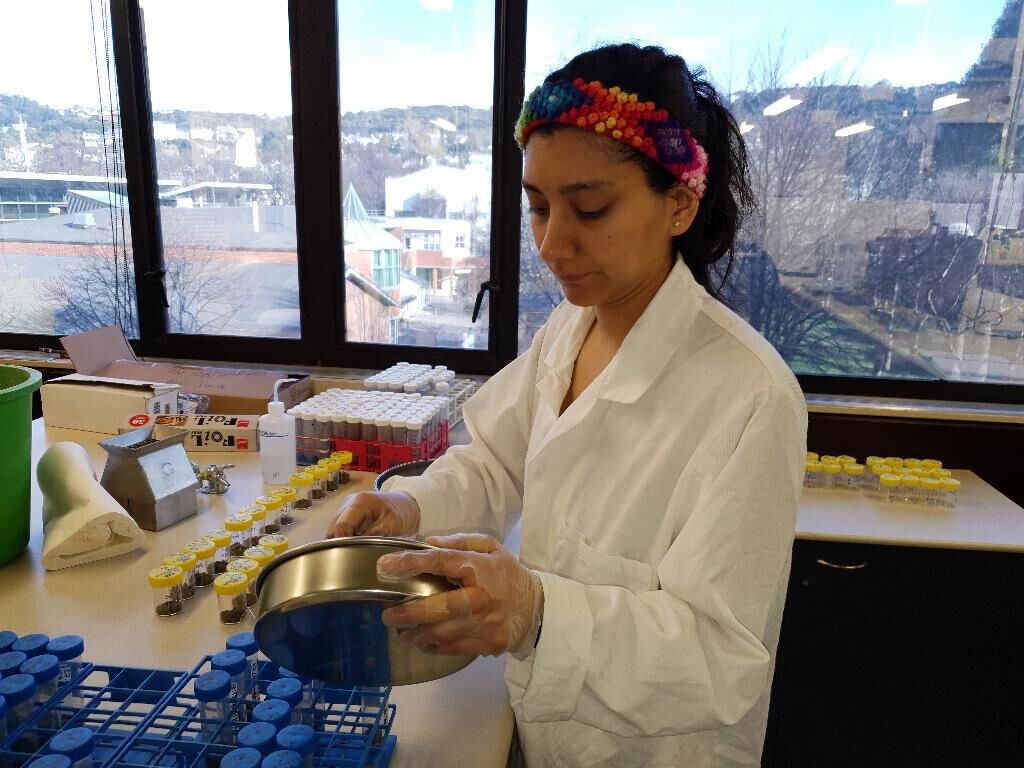
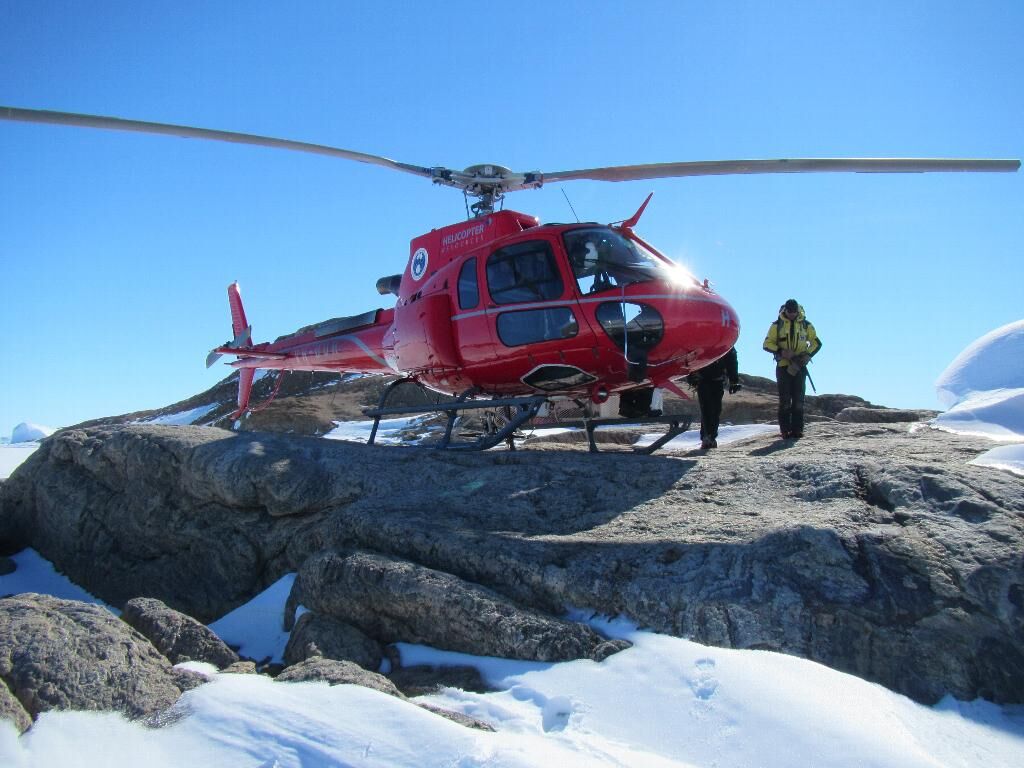
Volcanoes are often seen as destructive to life, but in cold places like Antarctica they could act as relatively warm oases that help support diverse life in otherwise inhospitable environments. Following initial research that revealed that species richness appears to be highest close to geothermal areas in Antarctica, this project aimed to use genetic methods to look in more detail at how biodiversity is influenced by volcanoes on the icy continent. Although the project has been delayed repeatedly by unforeseen circumstances, including most notably the global pandemic, exciting data sets have now been generated and are in the final stages of being analysed, and some early research has been published, with more to come. Field work supported by the Australian Antarctic Division enabled collection of biological samples from East Antarctica, which have been processed in the laboratory to generate environmental DNA (eDNA) of soils and exon-capture genomic data from mosses. The AAD also assisted researchers to take part in a field trip to volcanic Deception Island through the Spanish Polar Programme in early 2016, by supplying some field gear to project personnel for the work.
The broad research programme was primarily funded by the Australian Research Council through a Discovery Early Career Award to Dr Ceridwen Fraser, but the AAD's support of the field work components enabled collection of new samples that are augmenting samples from existing collections and providing valuable data for the work.
The project outcomes have been, and continue to be, communicated to other scientists through peer-reviewed papers and conference presentations, and to the general public through school outreach, public seminars and media releases where appropriate.
Summary of the season 2018/19
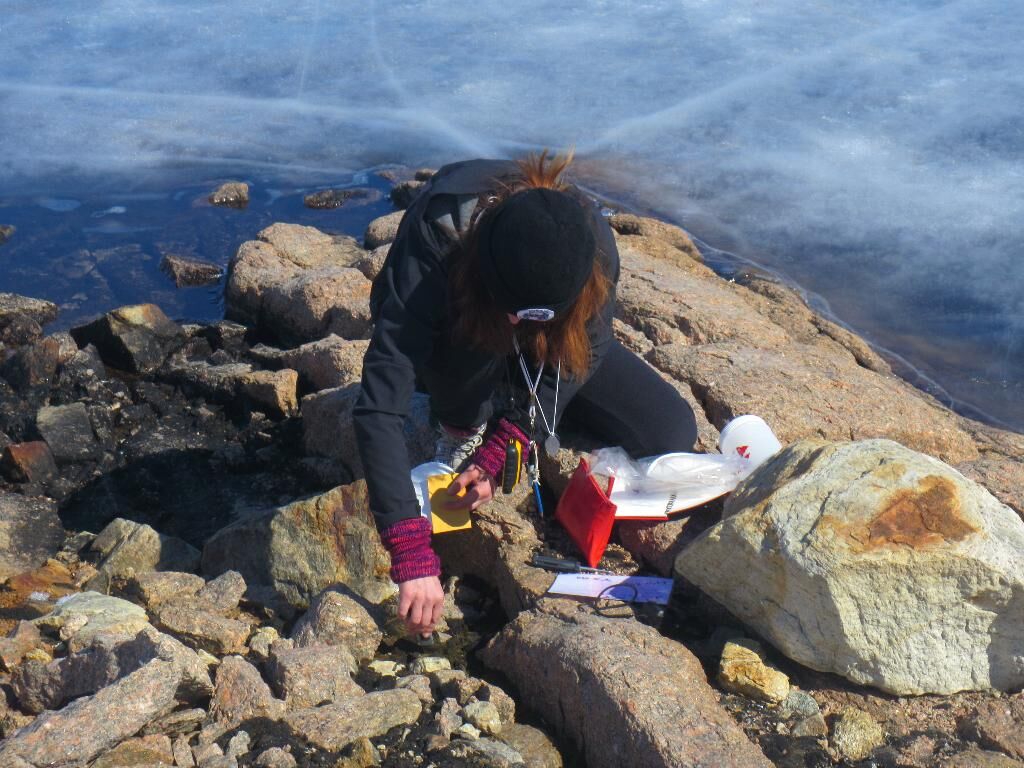
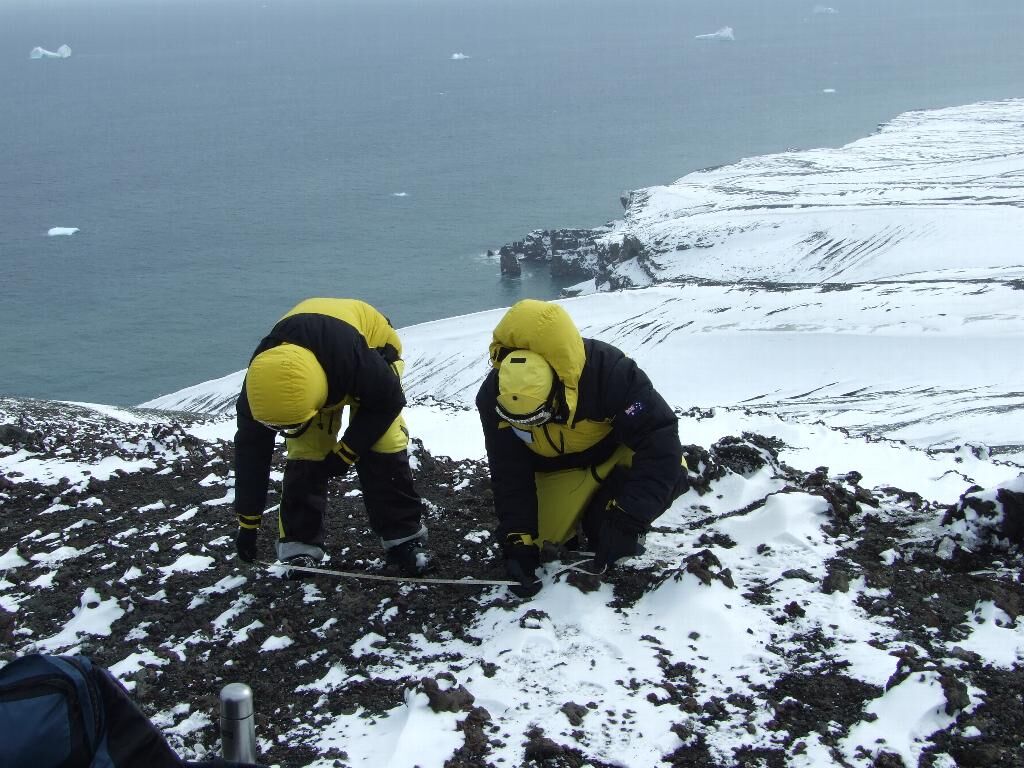
During the 2018-2019 summer field season, more than 1000 samples that will be critical for testing the hypothesis that geothermal areas promote diversity in Antarctica were collected for this project. Collections were made by two field personnel in November and December, and comprised small amounts of surface soils, and moss fronds, that will be used for genetic analyses. A new PhD student, Pamela Olmedo Rojas, was one of the two people to collect samples this past season, and the geothermal diversity analyses will form the basis of much of her research.
Summary of the season 2016/17
The broad project, funded by the ARC, has progressed significantly in the last year, with field, laboratory and analytical components now largely completed. The logistical part of the project to be supported by the AAD (field work near the Larsemann Hills, Antarctica) has been deferred until the 2016-2017 season.
Summary of the season 2015/16
Samples were collected, over the 2015/16 summer, from Deception Island, Antarctica, with the logistical support of the Spanish Polar Programme. Biological and soil samples will now be analysed to assess patterns of genetic diversity in relation to volcanically-warm areas in Antarctica.