
Project information
Project aim
In long-lived convergent continental margins, such as that which existed along the eastern margin of Gondwana during the Palaeozoic, the arrival of buoyant continental crust, by virtue of being unsubductible, has a profound impact on the evolution of the margin. The “Selwyn Block” is such a block of continental crust. It underlies southern Victoria and western Tasmania and cryptic evidence suggests these rocks may also extend along strike and underlie parts of Victoria Land, Antarctica. Combining targeted fieldwork with the collection of new geochronological and geochemistical datasets from sedimentary and igneous rocks of the Robertson Bay Terrane, this study will map the exposed and unexposed extent of the Selwyn Block in Antarctica, and determine the influence this exotic continental block had on the spatial and temporal distribution of Palaeozoic sedimentation, deformation and plutonism along the eastern margin of Gondwana.
Project milestones
Summary of the project achievements 2017/18
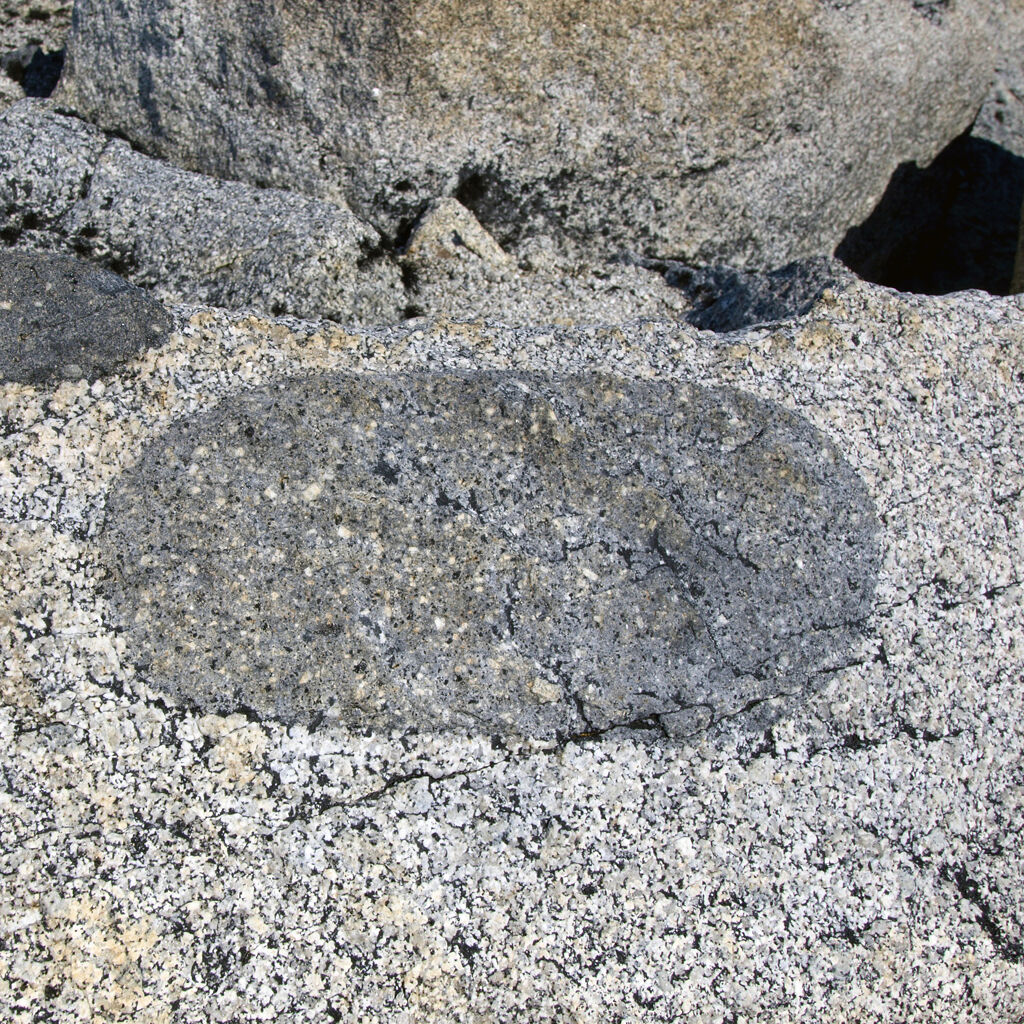
The project aimed to test if the "Selwyn Block" continues from southern Australia across the Gondwana rifted margin and Victoria Land, east Antarctica. The Selwyn Block, a Precambrian aged (1000–750 Ma) micro-continent, played a pivotal role in the Phanerozoic (<540 Ma) formation of south-eastern Australia and, if also present in Antarctica, likely played a similarly crucial role in the tectonic development of this region. Rocks of the Selwyn Block are not exposed in Antarctica and their sub-surface extent was tested via the collection of U-Pb zircon age and Sr-Nd whole rock isotopic data from the Admiralty/Gallipoli Suite. These rocks are exposed widely and represent young intrusive and volcanic rocks that, by virtue of being melts derived from depth, carry with them evidence of the composition & age of the rocks from why they were derived.
The U-Pb data set collected from the Admiralty/Gallipoli Suite provided new constraints on the timing of formation and emplacement of these rocks (375–345 Ma). These rocks did not however contain many inherited zircon grains, the tracer required to look for the presence of Selwyn-type crust at depth. Sr-Nd whole rock isotopic data collected from these rocks were however more successful at mapping the sub-surface geology. Our dataset showed a range of initial 87Sr/86Sr (0. 0.70313– 0.718894) and initial εNd (-8.2 to +0.5) values that suggest components of the Admiralty/Gallipoli Suite were melted from predominantly older continental crust, while a second component was melted and a more juvenile source derived from a mix of mantle and crustal reservoirs. The rocks derived from the most evolved continental source abut Yule Bay & Surgeon Island, where Selwyn-type crust is exposed at the surface and define a 300 km long and 200 km wide region that extends to the south & underlies a large proportion of northern and eastern Victoria Land. We interpret this region to define the sub-surface extent of the Selwyn Block in east Antarctica.
Summary of the season 2016/17
The rock samples collected during the 2015-2016 field season were returned to the Bundesanstalt für Geowissenschaften und Rohstoffe (BGR – the scientific partner in this project). The CI visited the BGR office in early 2017 and the rock samples cut into blocks for both petrographic thin-sectioning and whole rock, trace and rare earth element and Sr-Nd-Pb isotopic analysis. A subset of samples were also selected for the first round of U-Pb zircon geochrononolgy. The selected samples were returned to Australia and sample preparation for analysis continues.
Summary of the season 2015/16
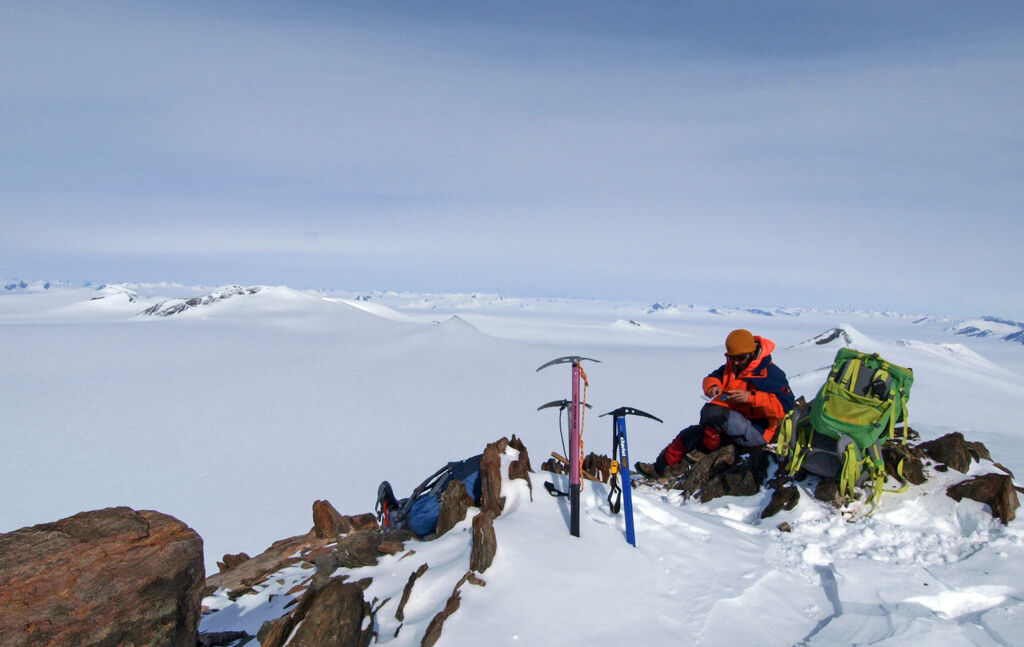
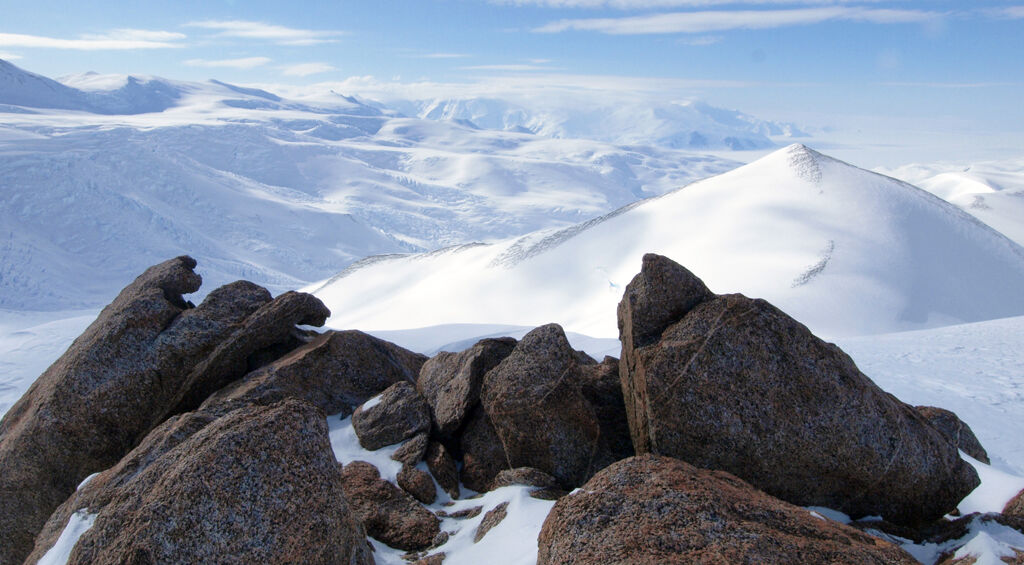
The CI joined the Bundesanstalt für Geowissenschaften und Rohstoffe (BGR) GANOVEX XI Expedition to northern Victoria Land, East Antarctica. The expedition took place between December 2015 and February 2016 and was based out of a remote field camp located in the Helliwell Hills. Five weeks of fieldwork were undertaken and, with helicopter support, a wide area in northern Victoria Land was investigated. Rock samples from a range of lithologies were collected to address the research questions: (1) does the Selwyn Block, an old and exotic geologic terrane which is known from southern Victoria and western Tasmania, continue unexposed into Antarctica and (2) if so, what roll did this block play in the tectonic evolution of eastern Australia and the corresponding sector of Antarctica? Sample preparation for geochemical and isotopic analysis is planned for the second half of 2016, with analysis foreshadowed for late 2016 or early 2017.