
Project information
Project aim
Mesopelagic fish are the most abundant vertebrate in the biosphere, accounting for more biomass than any other group of fish. In the Southern Ocean, mesopelagic fish and squid play a key role transferring energy from zooplankton to higher predators, and several species of fish are of commercial importance. However, the sensitivity of mesopelagic fish and squid to the combined impacts of fishing and climate change is poorly understood. Model representations of these groups – which will inform our understanding of their current status and potential future trends – are currently lacking. This project will develop size-based (or size spectrum) models to fill this gap. Size based models provide a powerful means to understand how marine communities are organised and how they respond to fishing and climate change. This project will advance our understanding of the role of mesopelagic species in Southern Ocean ecosystems and inform the development of indicators for ecological change.
Project milestones
Summary of the project achievements 2016/17
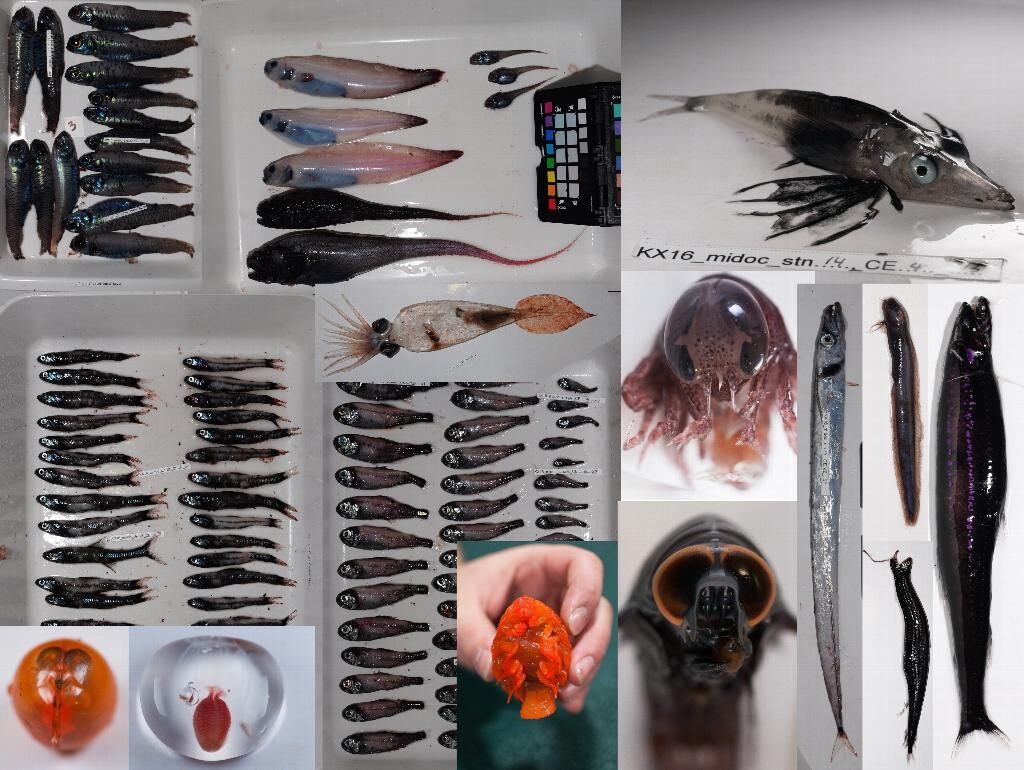
Mesopelagic fishes are the most abundant vertebrates in the biosphere, accounting for more biomass than any other group of fish. In the Southern Ocean, mesopelagic fishes and squids play a key role transferring energy from zooplankton to higher predators. However, model representations of these groups - which will inform our understanding of their current status and potential future trends - are currently lacking. This lack of model representation has, in large part, been due to the fact that the mesopelagic zone is extremely difficult to observe and sample, meaning that much of the information required for traditional modelling approaches is not available. This project has made important progress toward filling this gap by developing size-based (or size spectrum) models to advance our understanding of how mesopelagic fish and squid fit in to Southern Ocean food webs. Size-based models are useful in this context because they have less intensive data requirements than traditional approaches.
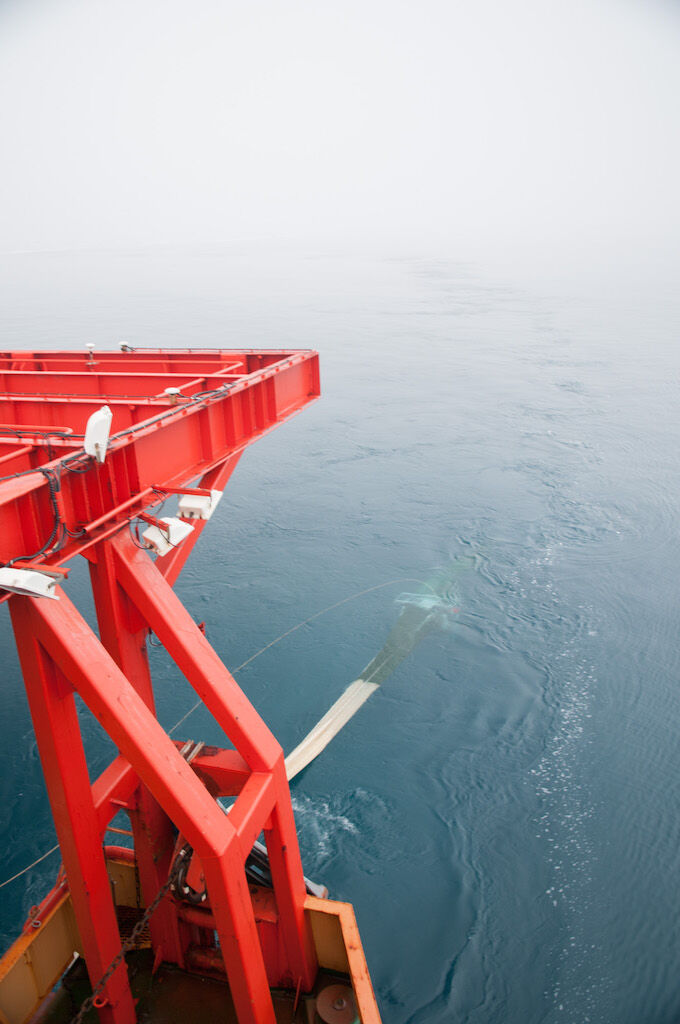
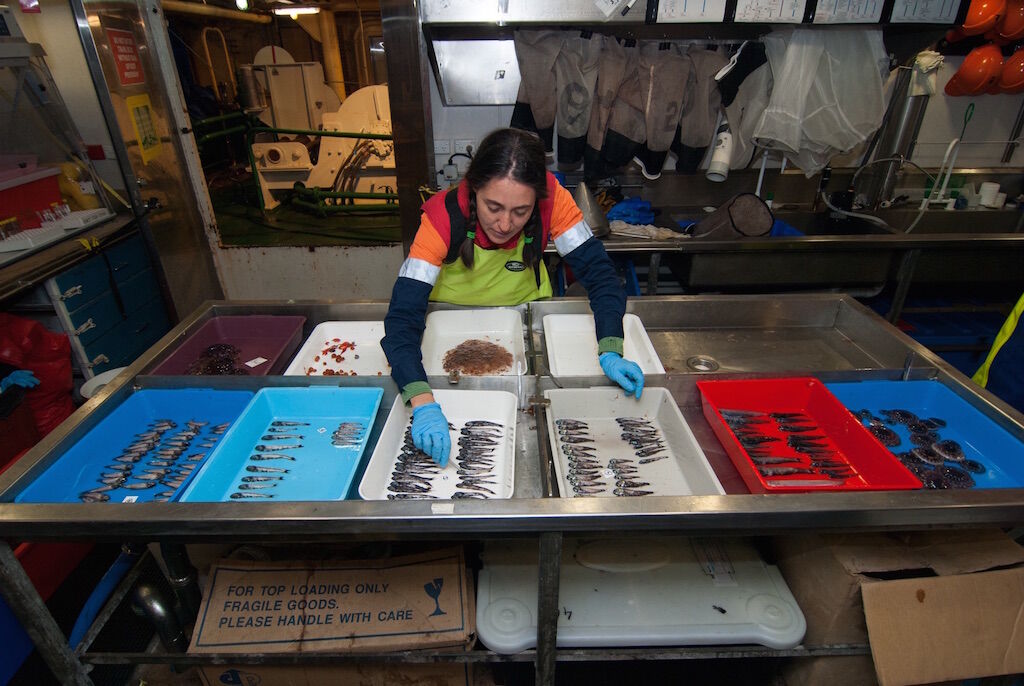
Over the two years of this project, the Hawke Fellow and project team have: (i) developed a new database synthesising the information required to represent mesopelagic fish and squids, along with key zooplankton and higher-predators in the first size-based ecosystem models of the Southern Ocean; (ii) collected new primary data of unprecedented detail on the mesopelagic communities of the Southern Kerguelen plateau region through involvement in the Kerguelen Axis integrated ecosystem study (on which the Hawke Fellow co-led mesopelagic sampling at sea); (iii) progressed development of size spectrum models as part of an integrated ensemble of ecosystem models in the Antarctic Climate Ecosystems CRC. Model development is on track for completion in the near future and models will then be used to assess how future climate change and potential fisheries are likely to affect mesopelagic communities and the role they play supporting Southern Ocean Food webs.
Summary of the season 2015/16
Over the past year the Hawke Fellow took a leading role in planning and executing the sampling of mesopelagic communities on the Southern Kerguelen Plateau on the Kerguelen Axis voyage. This voyage provided the opportunity for the collection of new primary data on mesopelagic fish and squid communities of unprecedented detail that will be invaluable to model development over the second year of the project. The Hawke Fellow is also working with the Gateway Mesopelagic Ecologist to consolidate existing published datasets and has developed key international collaborations that will enable access to unpublished datasets. In addition to data collation, the Hawke Fellow co-authored one recently submitted publication, and another soon to be submitted, that synthesise existing work on size-spectrum modelling, identify key avenues for future work, and provide a new framework for incorporating stable isotope data into the ecosystem modelling process. The Hawke Fellow was awarded the inaugural Prince Albert of Monaco II Biodiversity fellowship by SCAR (the Scientific Committee for Antarctic research) in 2015 to travel to France to work with key international collaborators on model development and he is currently undertaking the fellowship visit.