
Project information
Project aim
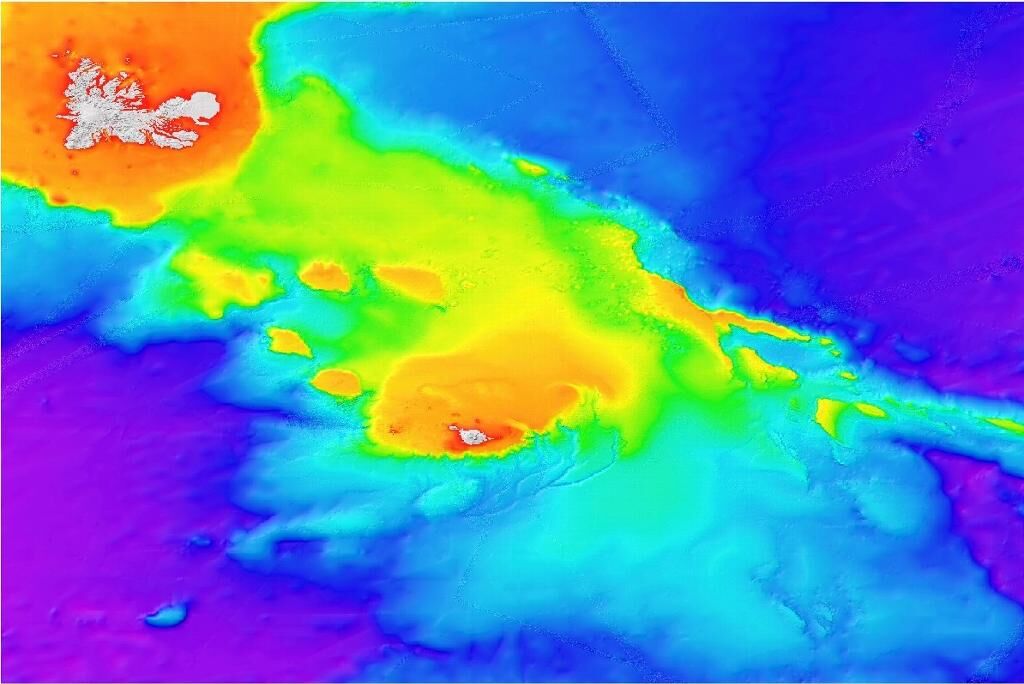
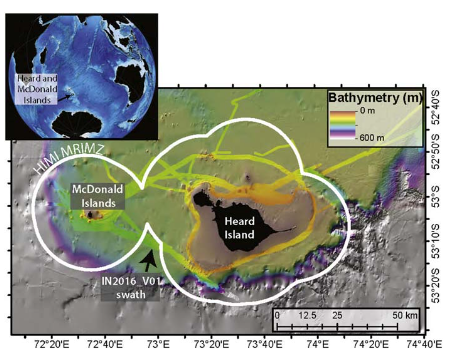
The scarcity of iron limits biological productivity and carbon uptake in the nutrient rich waters of the Southern Ocean. This project will explore for the first time the role of undersea "hotspot" volcanoes in supplying iron to surface waters, thus linking the solid earth and the biosphere. Existing data indicate that fields of submarine volcanoes extend for several hundred kilometers from Heard and McDonald islands, among the world's most active hotspot volcanoes. We will produce a three-dimensional, high-resolution bathymetric and backscatter map of the seafloor surrounding the islands. We will map the watercolumn for chemical signatures of hydrothermal activity. From this mapping we will identify and sample candidate active submarine volcanoes, a first for this region. We will measure iron abundance, and reactivity in buoyant plumes over and downstream of these volcanoes, and evaluate physical mixing processes that might deliver this iron to surface waters.
Project milestones
Summary of the project achievements 2018/19
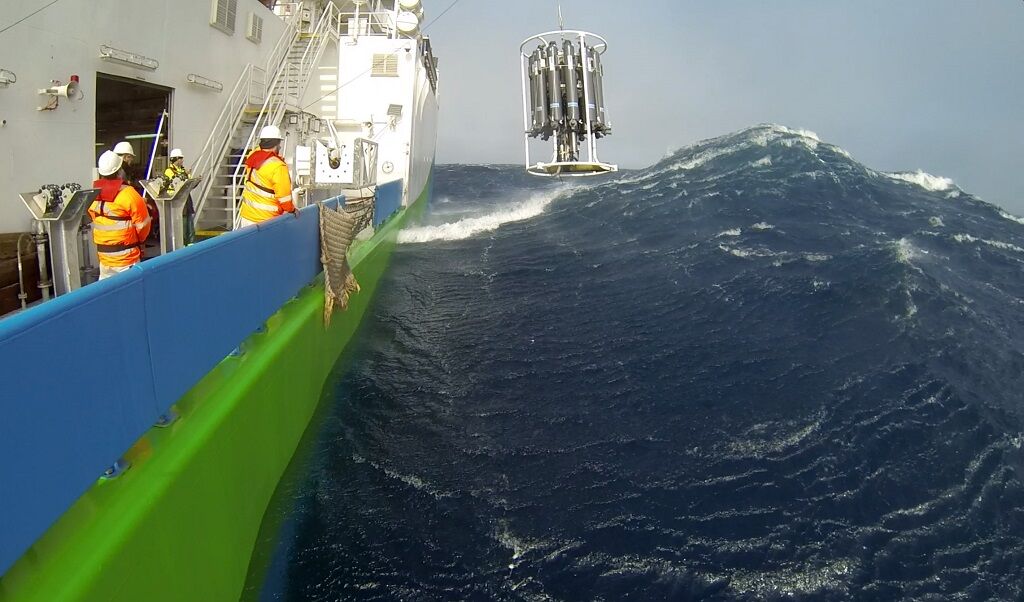
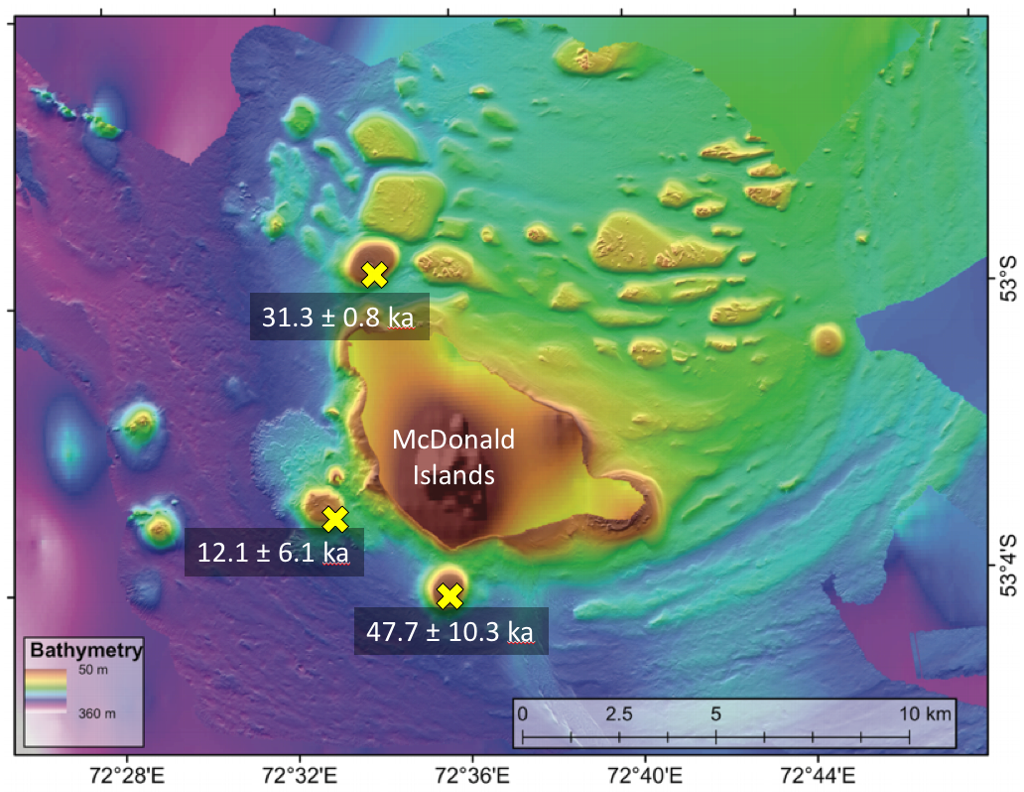
Australia's Marine National Facility, RV Investigator, completed a 51-day voyage to the Heard and McDonald islands (HIMI) region in early 2016. The voyage aimed to investigate the hypothesis that iron, mobilised by hydrothermal systems cooling active undersea volcanoes, nourishes phytoplankton over the Kerguelen Plateau in the anemic Southern Ocean. The achievements of this ambitious and challenging multidisciplinary research endeavour are manifold. Spanning geoscience, biogeochemistry, physical oceanography, and ecology, data acquired during the voyage are continuing to yield significant insights into relationships between active volcanism on the Central Kerguelen Plateau and phytoplankton productivity down-current of this volcanism. We have learned that 1) HIMI, and potentially active submarine volcanoes in their vicinity, constitute a major source of both glacial and hydrothermal iron; 2) HIMI are surrounded by at least 59 newly-discovered submarine volcanoes; 3) excess 3He, iron speciation, the ratio of dissolved manganese to dissolved iron, and discoloured water confirm diffuse submarine hydrothermalism around the McDonald Islands physically manifested as acoustic flares; 4) submarine phonolitic volcanism around the McDonald Islands has yielded radiometric ages of 12,100 to 47,700 years; 5) submarine basaltic volcanism north of Heard Island has yielded an age of 7,400 years; 6) a sector collapse of Big Ben on Heard Island likely induced a tsunami; 7) glaciation, deglaciation, and sea level fluctuations have strongly modified volcanic, erosional, and depositional environments around HIMI, causing them to oscillate among submarine, subaerial, and sub-glacial; 8) methane is being emitted at seafloor cold seeps northeast of Heard Island; 9) waters around Heard have significantly more labile particulate iron than those around McDonald; 10) dissolved iron in waters around HIMI drives major nutrient uptake, leading to significant nutrient drawdown; 11) lack of biomass accumulation is attributed to low light availability due to deep mixing and shading by re-suspended sediment particles and augmented by dilution with surrounding low chlorophyll waters in the Antarctic Circumpolar Current; and 12) persistent eastward flowing currents and retreating glaciers drive patterns of sediment distribution, and bedform morphology likely mirrors the eastward flowing Antarctic Circumpolar Current and oscillating east-west tidal currents.
Summary of the season 2018/19
N/A
Summary of the season 2017/18
Australia's Marine National Facility, RV Investigator, completed a 51-day voyage to the Heard and McDonald islands (HIMI) region in early 2016. The voyage aimed to investigate the hypothesis that iron, mobilised by hydrothermal systems cooling active undersea volcanoes, nourishes phytoplankton over the Kerguelen Plateau in the anemic Southern Ocean. The achievements of this ambitious and challenging multidisciplinary research endeavour are manifold. Spanning geoscience, biogeochemistry, physical oceanography, and ecology, data acquired during the voyage continue to yield significant insights into relationships between active volcanism on the Central Kerguelen Plateau and phytoplankton productivity down-current of this volcanism. We have learned that 1) HIMI, and potentially active submarine volcanoes in their vicinity, constitute a major source of both glacial and hydrothermal iron; 2) HIMI are surrounded by at least 59 newly-discovered submarine volcanoes; 3) excess 3He, iron speciation, the ratio of dissolved manganese to dissolved iron, and discoloured water confirm diffuse submarine hydrothermalism around the McDonald Islands physically manifested as acoustic flares; 4) submarine phonolitic volcanism around the McDonald Islands has yielded radiometric ages of 12,100 to 47,700 years; 5) submarine basaltic volcanism north of Heard Island has yielded an age of 7,400 years; 6) glaciation, deglaciation, and sea level fluctuations have strongly modified volcanic, erosional, and depositional environments around HIMI, causing them to oscillate among submarine, subaerial, and sub-glacial; 7) methane is being emitted at seafloor cold seeps northeast of Heard Island; 8) waters around Heard have significantly more labile particulate iron than those around McDonald; 9) dissolved iron in waters around HIMI drives major nutrient uptake, leading to significant nutrient drawdown; and 10) lack of biomass accumulation is either an ecological or a residence time feature.
Summary of the season 2016/17
Australia's Marine National Facility, the research vessel Investigator, completed a 51-day voyage to the Heard and McDonald islands region in January/February 2016. The purpose of the voyage was to investigate the hypothesis that iron, mobilised by hydrothermal systems cooling undersea active volcanoes, nourishes phytoplankton in the Kerguelen Plateau region of the anemic Southern Ocean. The scientific achievements of this ambitious and challenging multidisciplinary research endeavour are manifold. Spanning geoscience, biogeochemistry, physical oceanography, and ecology, the data acquired during the voyage are yielding significant insights into relationships between active volcanism on the Central Kerguelen Plateau and phytoplankton productivity down-current of this volcanism. We have learned that Heard and McDonald islands, and potentially active submarine volcanoes in their vicinity, constitute a major source of iron in the Southern Ocean, and that phytoplankton production around the islands is high.
Summary of the season 2015/16
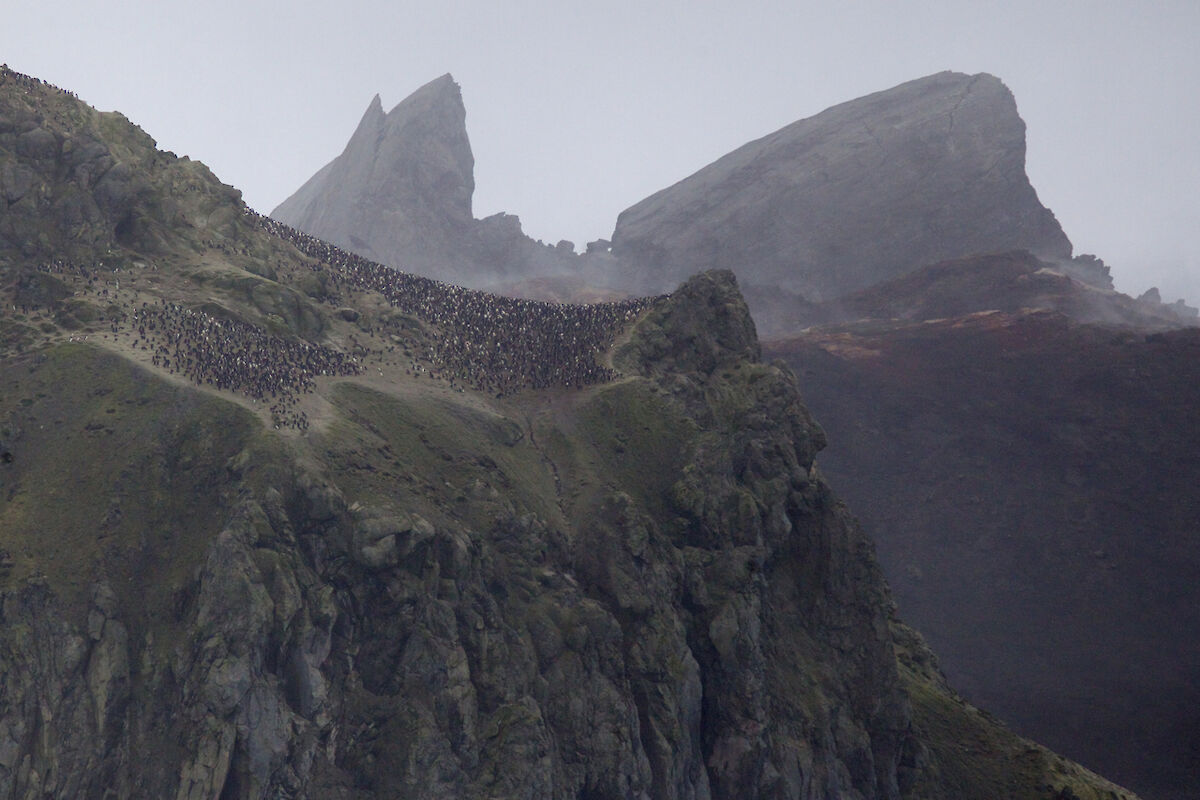
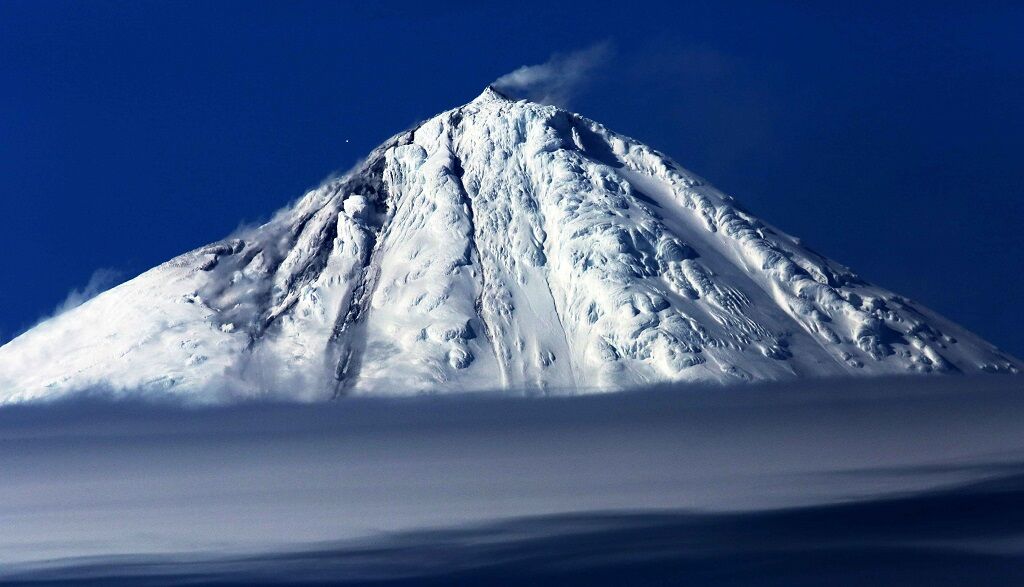
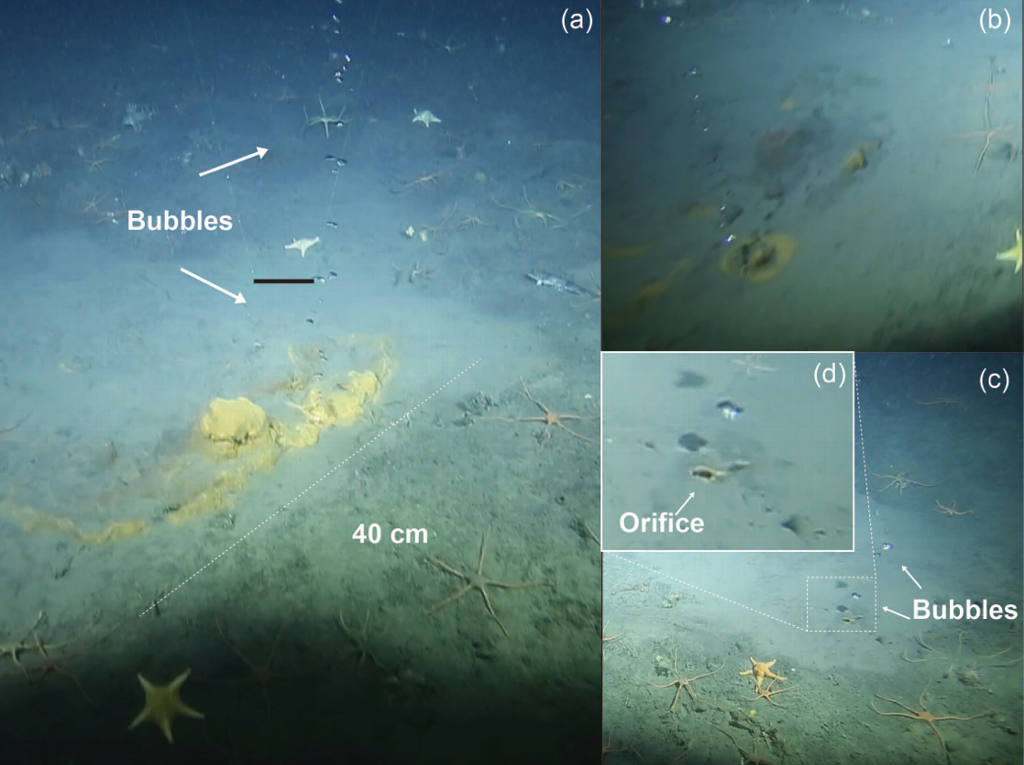
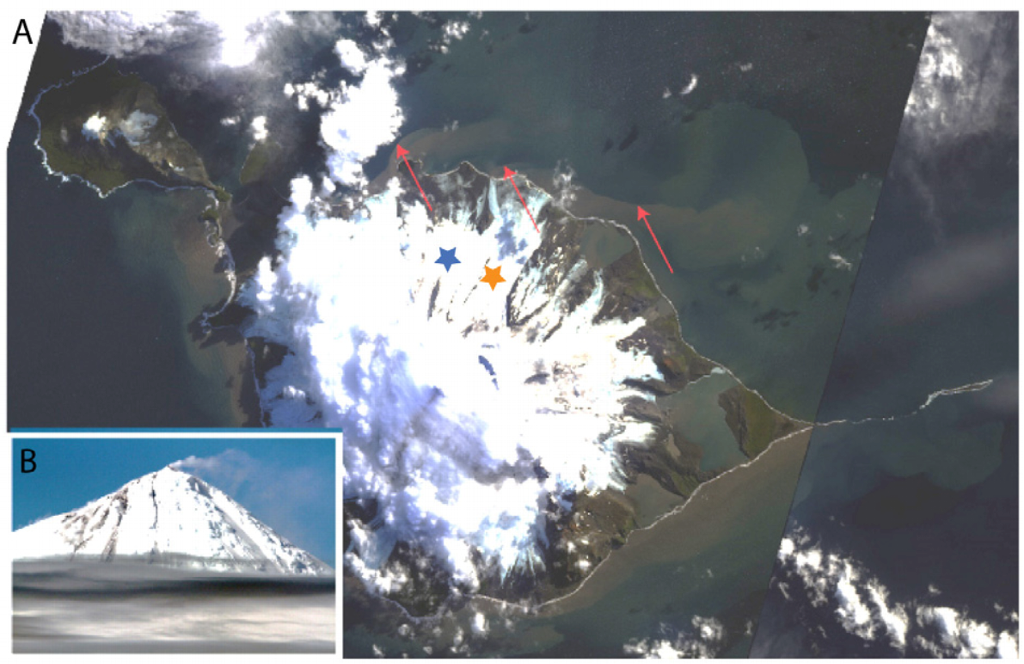
Australia's Marine National Facility, the research vessel Investigator, completed a 51-day voyage to the Heard and McDonald islands region in January/February 2016. The purpose of the voyage was to investigate the hypothesis that iron, mobilised by hydrothermal systems cooling undersea active volcanoes, nourishes phytoplankton in the Kerguelen Plateau region of the Southern Ocean. During the voyage, we observed an active eruption of the Big Ben volcanic massif on Heard Island, and fumaroles indicating active hydrothermal activity associated with volcanism on the McDonald Islands. The seafloor around the islands contains numerous young volcanic features, dominantly phonolitic and basaltic in composition, respectively. In this region we observed >300 acoustic plumes emanating from this seafloor. We interpret the acoustic plumes around the McDonald Islands to be caused by hydrothermal activity associated with active subsea volcanism, and at least some of those around Heard Island to be caused by biogenic production and release of methane. We observed bubbles emanating from seafloor underlain by blank zones in sub-bottom profiler data at >30 locations north of Heard Island. Shipboard iron data document that dissolved iron levels are depleted in surface waters and enriched in near-bottom waters over the Central Kerguelen Plateau. Near the islands, dissolved iron levels are elevated throughout the well-mixed water column in water depths <200 m. Around the McDonald Islands, lower redox iron (II) levels are elevated in the vicinity of acoustic plumes, accounting for approximately 30% of dissolved iron. Ocean circulation around the islands is dominantly tidal, with a small northward component. Waters around the islands had elevated nutrient levels, but not silica. Ecologists recorded >30 species of seabirds during the voyage, large colonies of macaroni and king penguins on the McDonald Islands, five species of whales, three species of dolphins, and numerous seals.