

Project information
Project aim
The Southern Ocean is undergoing significant environmental change and is also being subjected to increasing anthropogenic demands in terms of fishing for krill and various fish species. Yet our knowledge of the system remains scant and hence the impacts of harvesting and the long-term future for Southern Ocean ecosystems remain uncertain. We will address this knowledge gap by assessing the linkages and grazing dynamics of planktonic food webs over a latitudinal gradient, particularly focussing on drivers and boundaries of krill-based versus copepod-fish dominated systems. Developing an understanding of this fundamental dichotomy in food web structure, through field observations and ecosystem modelling, lies at the heart of being able to make informed decisions about how environmental change and harvesting may influence Southern Ocean ecosystems and will therefore underpin the developments of evidence based management decisions.
Project milestones
Summary of the project achievements 2019/20
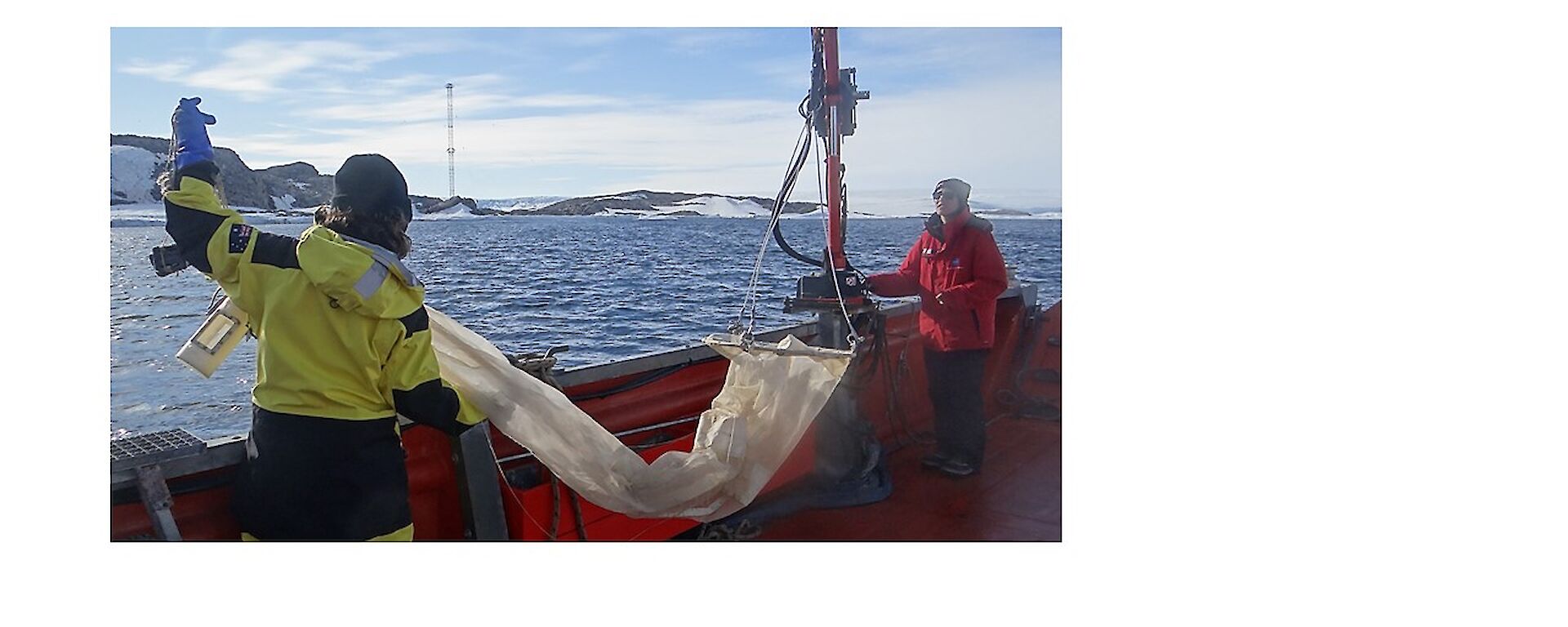
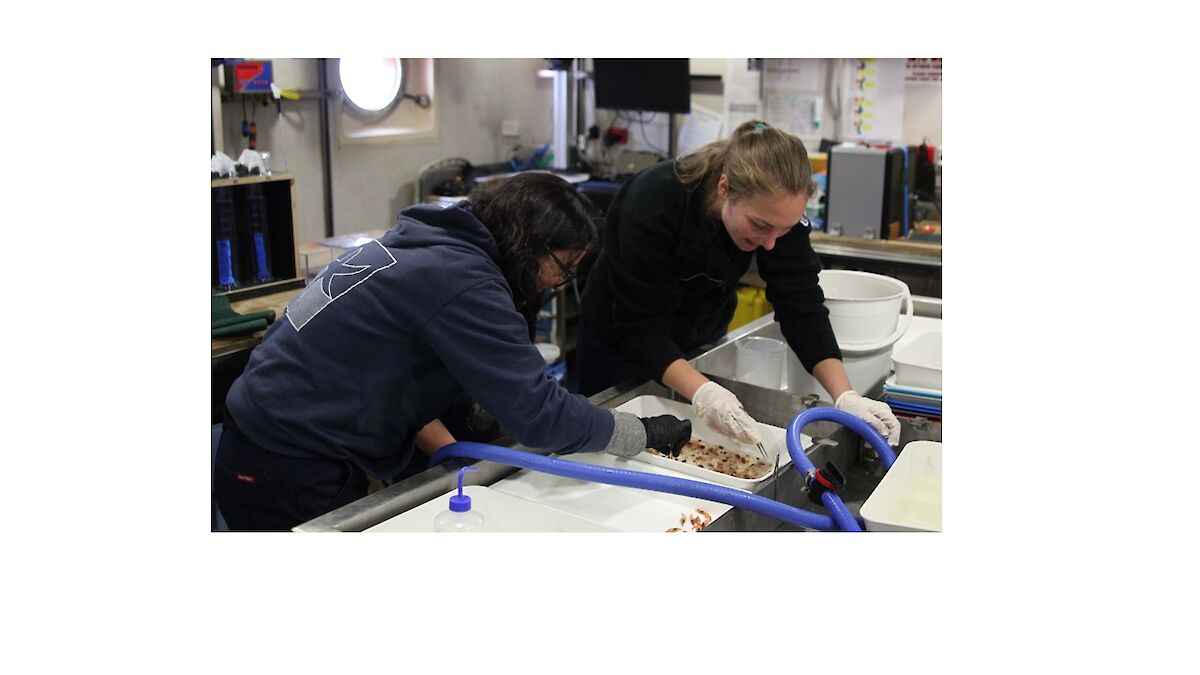
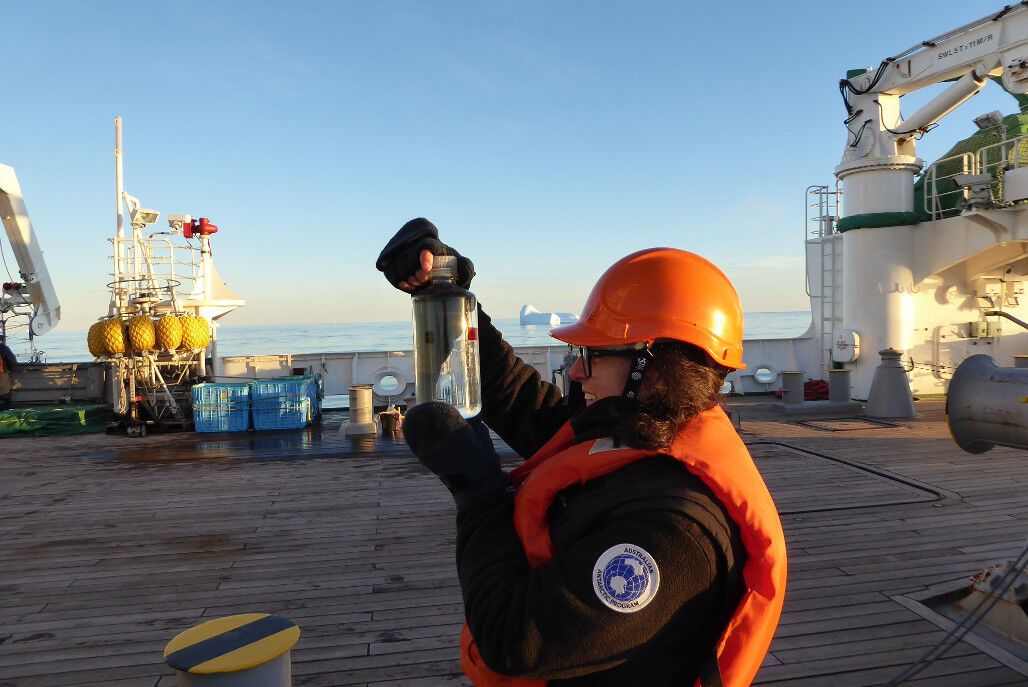
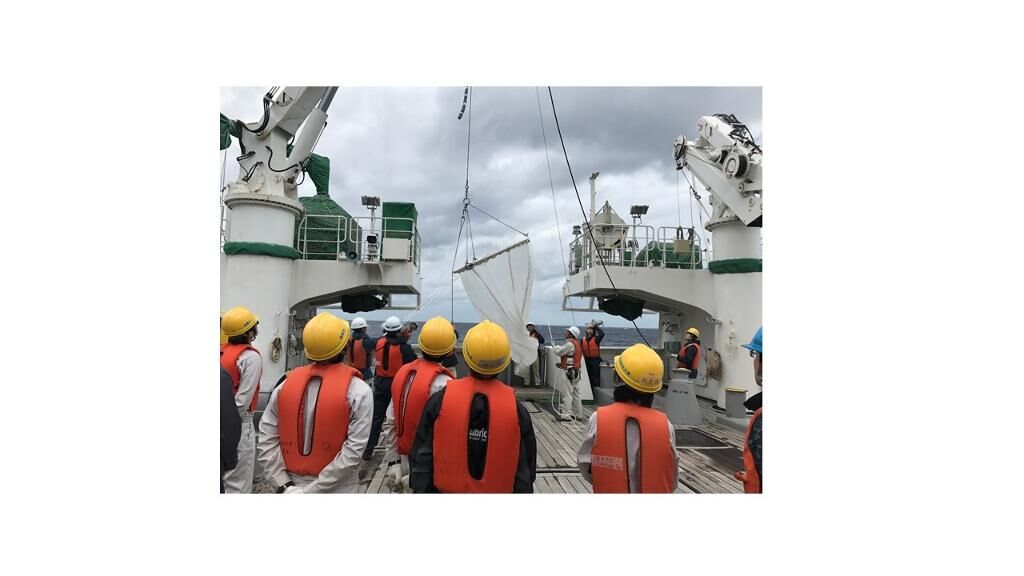
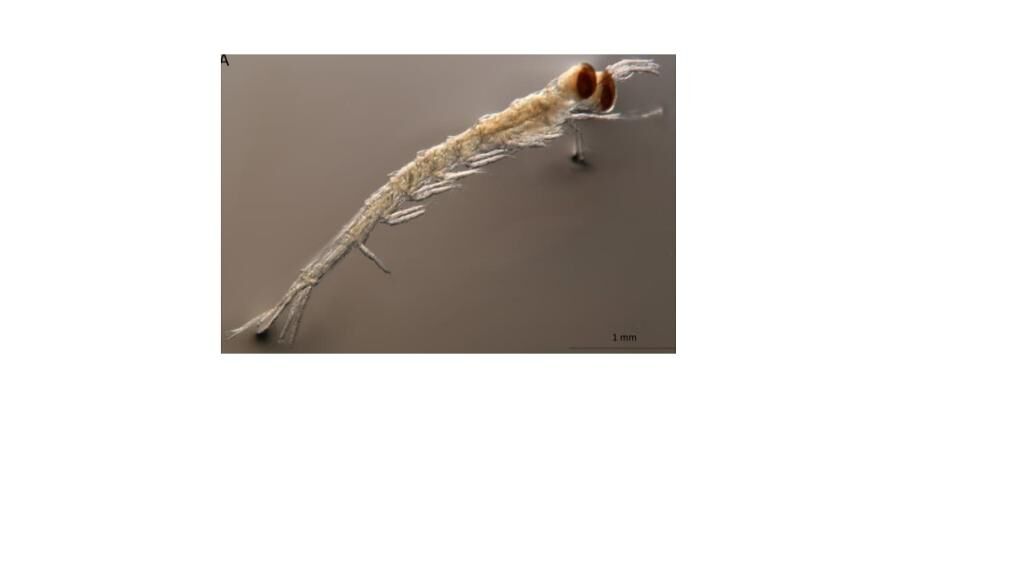
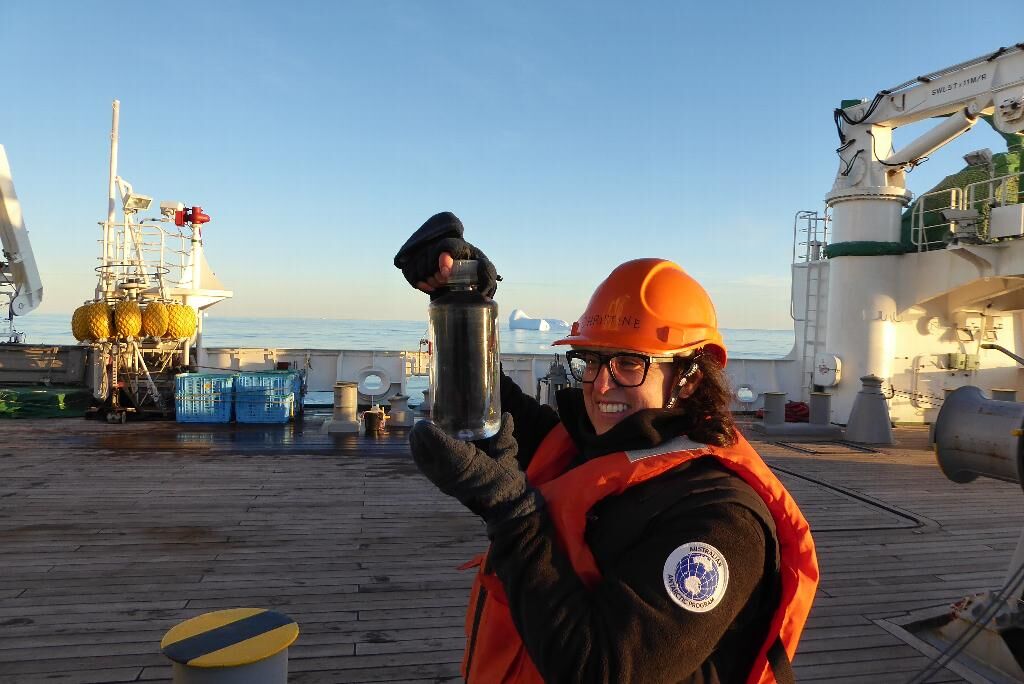
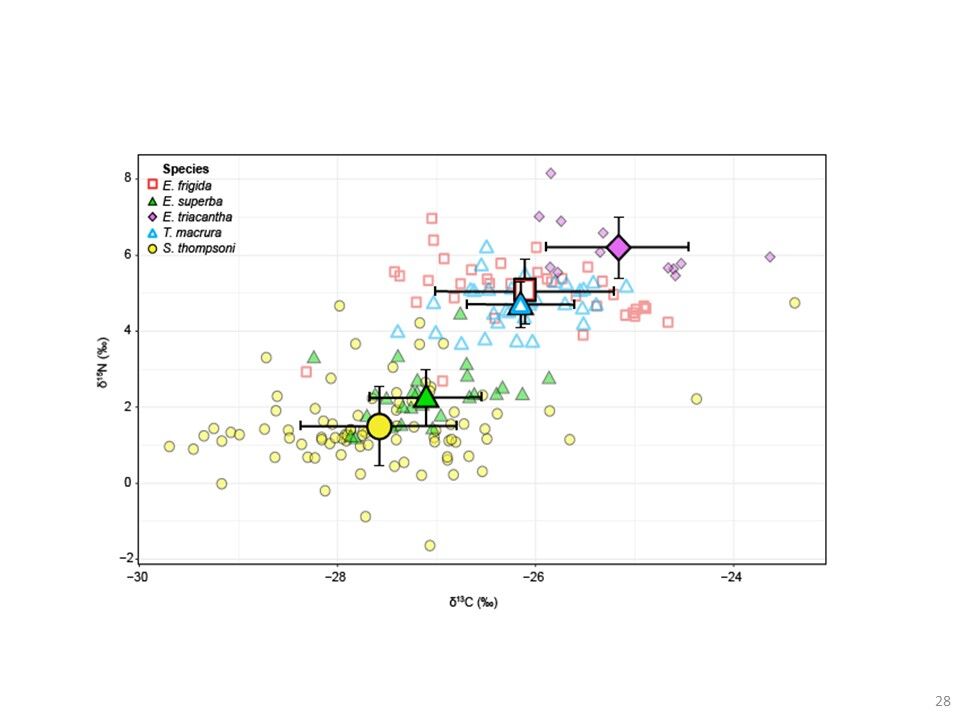
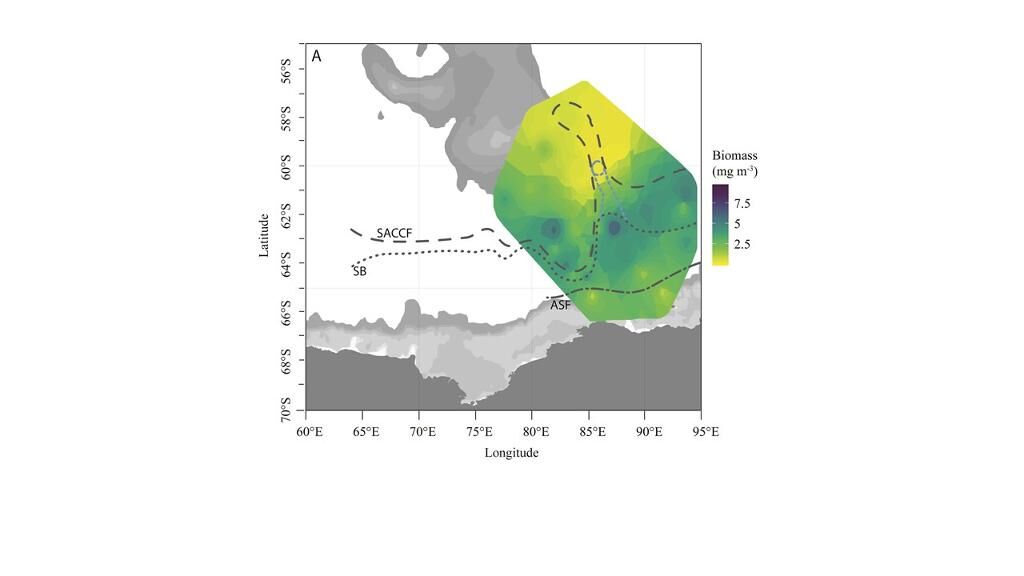
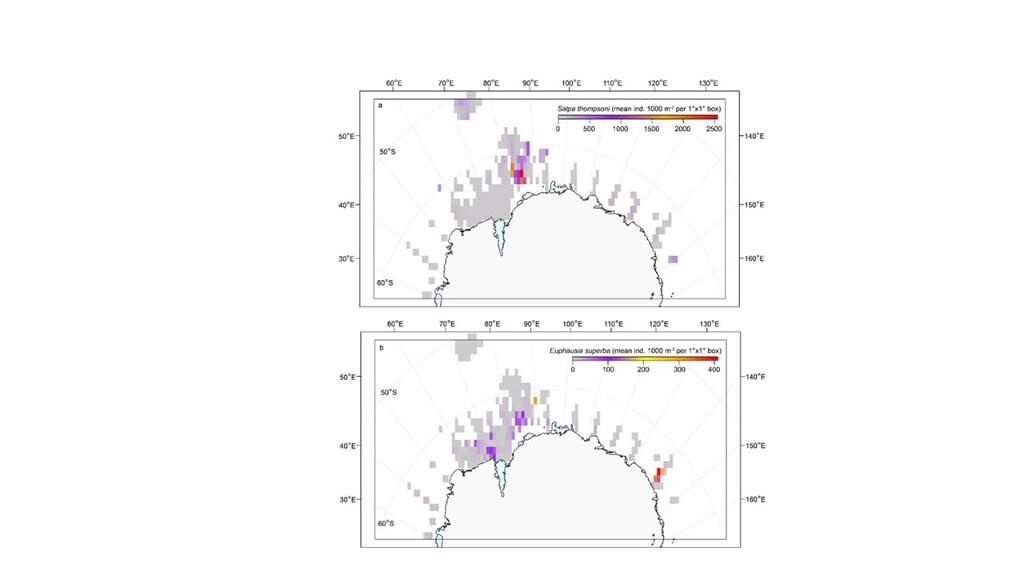
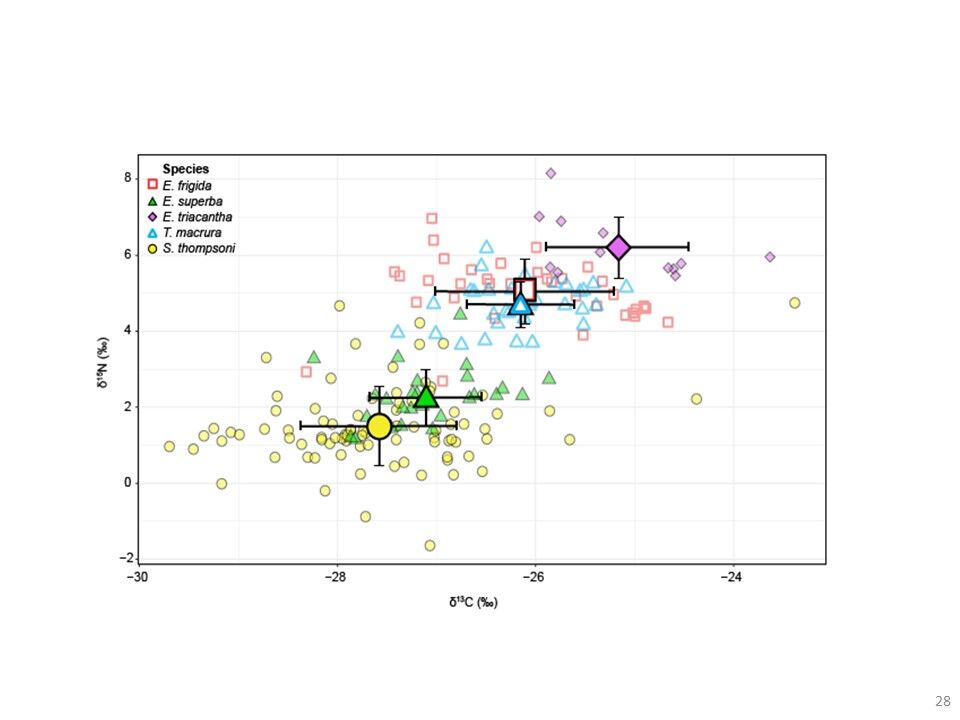
Zooplankton form a pivotal link in Southern Ocean ecosystems, linking primary producers with higher trophic levels, modulating the fate of biogenic carbon and ultimately influencing whether the ocean acts as a source or sink of greenhouse gases like CO2. In the Indian sector of the Southern Ocean, where Australia focusses its research, we know little about the composition of the food webs and, in particular, we lack knowledge about species other than Antarctic krill and their role in food chains. This project has improved the understanding of food web interactions and highlighted the roles and importance of other planktonic species. Through collaborative research between Australia, Japan and France we have developed a picture of the planktonic food web of the Indian sector of the Southern Ocean from the subantarctic to the ice zone. The project has highlighted the key roles played in food webs by species other than Antarctic krill, showing that groups such as copepods, salps and other euphausiids represent considerable biomass and viable alternative pathways for energy flow. The team combined classical microscopy with biochemical analyses and controlled experiments at sea to describe diets and grazing impacts of the zooplankton on Southern Ocean phytoplankton. The project also examined key environmental requirements of zooplankton and explored how changes in temperature and other parameters could affect their distributions in future.
Summary of the season 2017/18
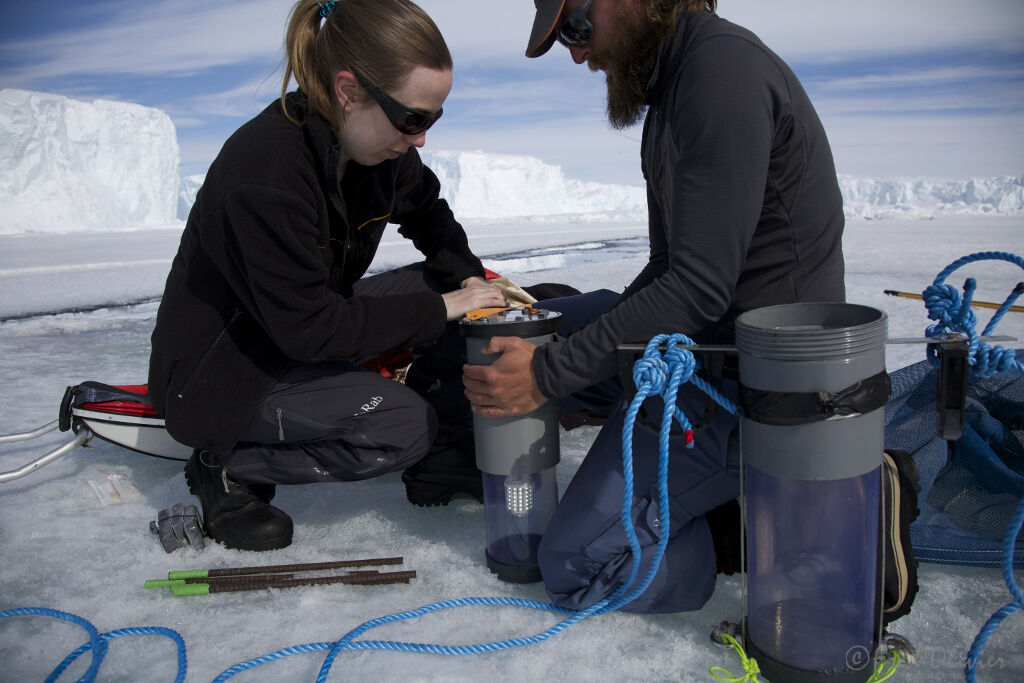
The Southern Ocean is undergoing significant environmental change and is subjected to increasing anthropogenic demands from fishing for krill and several fish species. The aim of this project is to understand links in the planktonic food web and assess how environmental variability influences the lower trophic levels. In January 2018 we completed the third joint Australia-Japan program that focusses on repeat transects the along 110 oE meridian from Fremantle to the ice edge. We undertook grazing experiments in the marginal ice zone to assess the relative importance of krill, salp and copepod –based food webs. The project team is using classical methods (microscopy) and biochemical assays to understand the diets of key species, their feeding rates, and how their life cycles are tied to seasonal change in the Southern Ocean.
Summary of the season 2016/17
The Southern Ocean is undergoing significant environmental change and is subjected to increasing anthropogenic demands from fishing for krill and several fish species. The aim of this project is to understand links in the planktonic food web and assess how environmental change might impact on the lower trophic levels. In 2017 we completed the second joint Australia-Japan program that focusses on repeat transects along 110 oE meridian from Fremantle to the ice edge. We are developing a picture of how the food web changes across a latitudinal gradient and the relative importance of krill, salp and copepod –based food webs. The project team is using classical methods (microscopy) and biochemical assays to understand the diets of key species, their feeding rates, and how their life cycles are tied to seasonal change in the Southern Ocean.
Summary of the season 2015/16
The Southern Ocean is undergoing significant environmental change and is also being subjected to increasing anthropogenic demands in terms of fishing for krill and various fish species. Yet our knowledge of the system remains scant and hence the impacts of harvesting and the long-term future for Southern Ocean ecosystems remain uncertain. We will address this knowledge gap by assessing the linkages and grazing dynamics of planktonic food webs over a latitudinal gradient, particularly focussing on drivers and boundaries of krill-based versus copepod-fish dominated systems. Developing an understanding of this fundamental dichotomy in food web structure, through field observations and ecosystem modelling, lies at the heart of being able to make informed decisions about how environmental change and harvesting may influence Southern Ocean ecosystems and will therefore underpin the developments of evidence based management decisions.
Related publications
-
Thysanoessa macrura in the southern Kerguelen region: population dynamics and biomass Deep-Sea Research II, 2019
(Ref: 16382)
Category 1: Peer-reviewed literature
-
Salpa thompsoni in the Indian Sector of the Southern Ocean environmental drivers and life history parameters Deep Sea Research II, 2020
(Ref: 16380)
Category 1: Peer-reviewed literature
-
Zooplankton community structure and dominant copepod population structure on the southern Kerguelen Plateau during summer 2016. Deep Sea Research II, 2020
(Ref: 16379)
Category 1: Peer-reviewed literature
-
Distribution of zooplankton in frontal systems of the Indian Ocean sector of the Southern Ocean Antarctic Science, 2020
(Ref: 16381)
Authors:Category 1: Peer-reviewed literature