
Project information
Project aim
A new tool for rapidly assessing the risk of toxicity in metal contaminated environments will be developed and evaluated for use in polar ecosystems, with a goal of providing a surrogate tool for biological testing. The tool, Diffusive Gradients in Thin films (DGT) is widely used as rapid, in situ measure of metal contamination. This project will investigate the toxicity of metal contamination on Antarctic marine and terrestrial microalgal, and will explore the effects of extreme temperatures on the performance of DGT to confirm its suitability in field and lab based applications. Once validated, this tool will assist Antarctic operators and regulators with decisions on hazard and risk assessments of contaminated sites. The tool will represent a first-stage assessment device to identify sites with contamination above a defined toxicity threshold value. Sites exceeding the threshold would trigger a full site assessment, and potentially a remediation or clean up strategy.
Project milestones
Summary of the project achievements 2018/19
A collaborative research team from the University of Wollongong, the Australian Antarctic Division and CSIRO have successfully completed a four-year project focused on predicting contaminant toxicity and risk in polar systems. By utilising expertise in environmental chemistry, ecotoxicology and ecology, this project has validated the use of a new tool, DGT (diffusive gradients in thin films), that enables environmental managers to better assess the risk of metal contaminants in the Antarctic nearshore environment. DGT provide a better measurement of metal pollution that can cause harm than traditional techniques like assessing total metal concentrations. By doing so, it moves past assessing just the presence of pollution to understanding whether that pollution is likely to cause harm to the ecosystem.
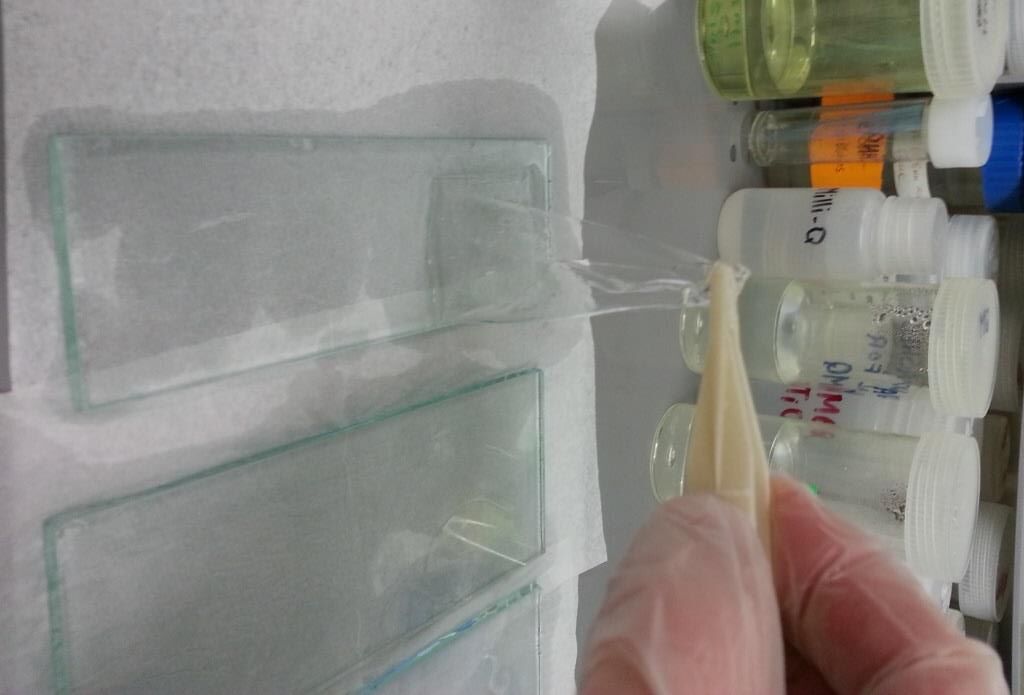
DGT were shown to simplify environmental analyses by preconcentrating pollution to a binding resin that makes it easier to analyse in the laboratory and provides an in-situ time-averaged concentration which better reflects the exposures of contamination to Antarctic organisms.
Other benefits from this project include new ecotoxicology data that will contribute to the development of Antarctic-specific water quality guidelines and information on factors that are known to affect contaminant risk, like mixtures of contaminants and the accumulation of contaminants in microalgae which are the base of the food chain in Antarctica.
This project will ultimately help the Australian Antarctic Division and other international agencies in meeting their obligations under the Protocol on Environmental Protection, allow for more robust environmental assessments, and inform decision making around the need for clean-up activities at potentially polluted sites. The DGT method and protocols published from this grant should also be shared widely with the greater Antarctic (CONMAP and CEP) communities and be included in the Committee for Environmental Protection (CEP) "Clean-up Manual".
Summary of the season 2017/18
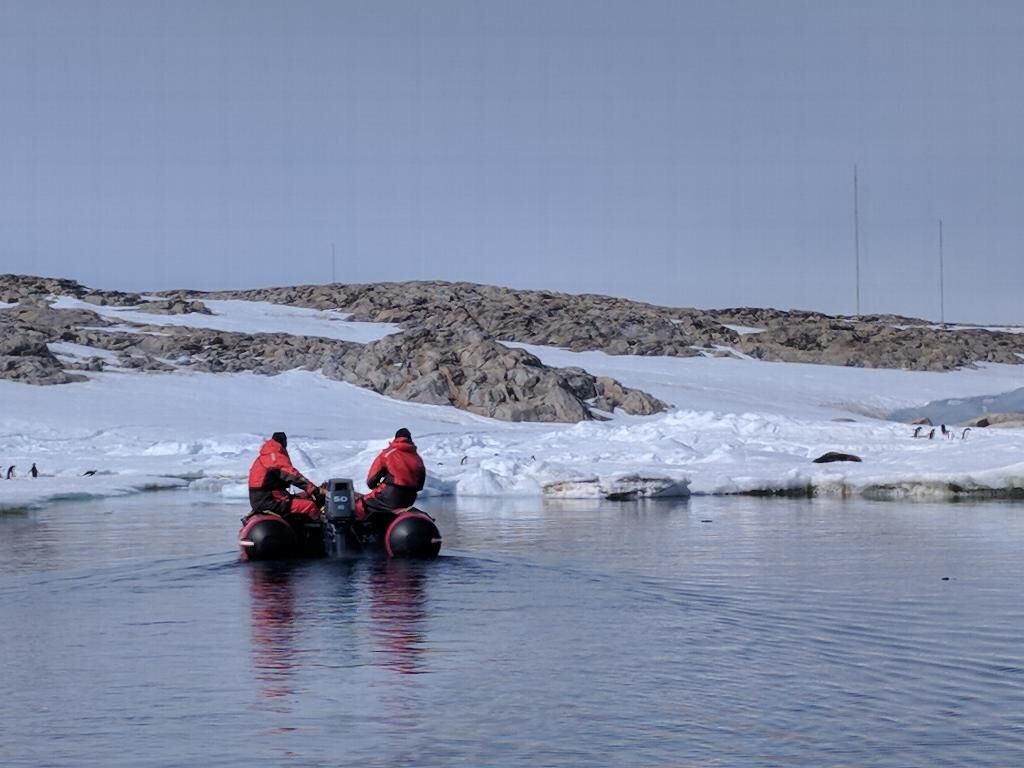
A device that measures metal contaminants in the environment, could help scientists to better assess the risks that metals pose to Antarctic organisms. The device, known as DGT (Diffusive Gradients in Thin films), has previously been used to measure contaminants in Antarctica, as well as tropical and temperate environments. At Casey research station last summer, we aimed to test the device in the Antarctic environment for the first time, with a goal to correlate metal concentrations measured by the device with toxicity to Antarctic organisms.
There are some sites in Antarctica where historical human activities have left a legacy of metal and other contaminants, and we want to understand the levels that are bioavailable and what effect they are having on the environment. Metals may be locked up in soil in mineral form and unavailable to organisms, or they may occur as ions that are free to interact with the environment. If we know how much of the metal being released from historic waste is freely available to interact with soils, sediments and waters, we may be able to predict how toxic it is to organisms living in those environments. This information would allow contaminant concentration thresholds to be established which, if exceeded, would trigger decisions on whether a site should be remediated. We are specifically looking at five metals (copper, cadmium, nickel, lead and zinc) which occur in fuels, general tip waste, old laboratory and photography chemicals, and batteries.
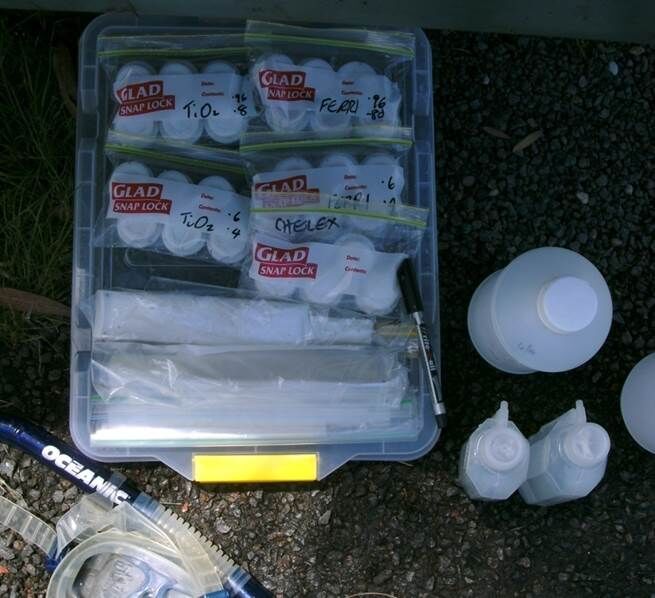
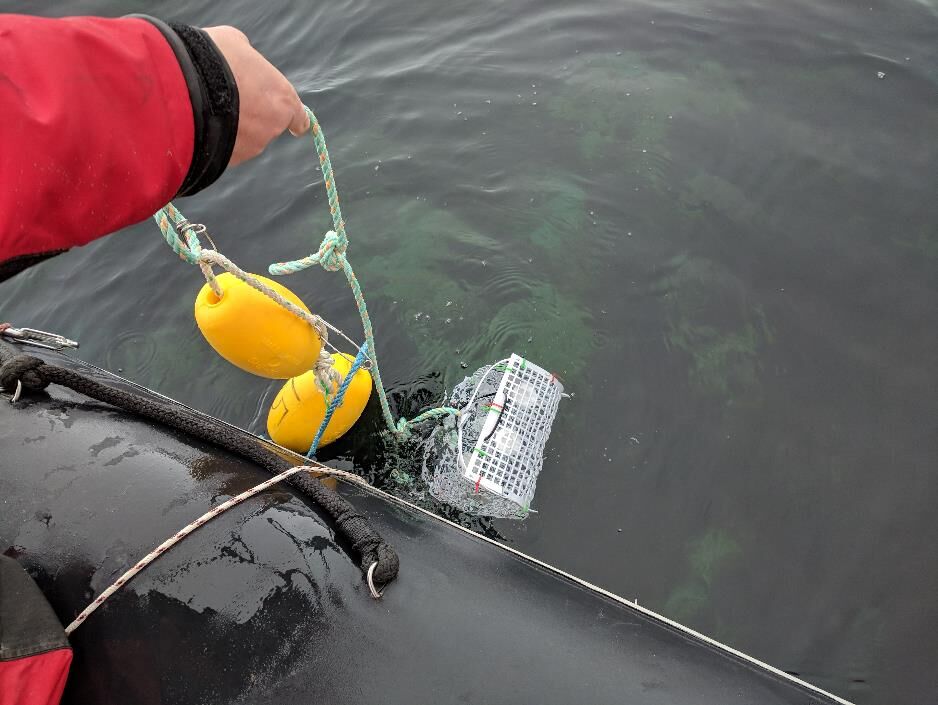
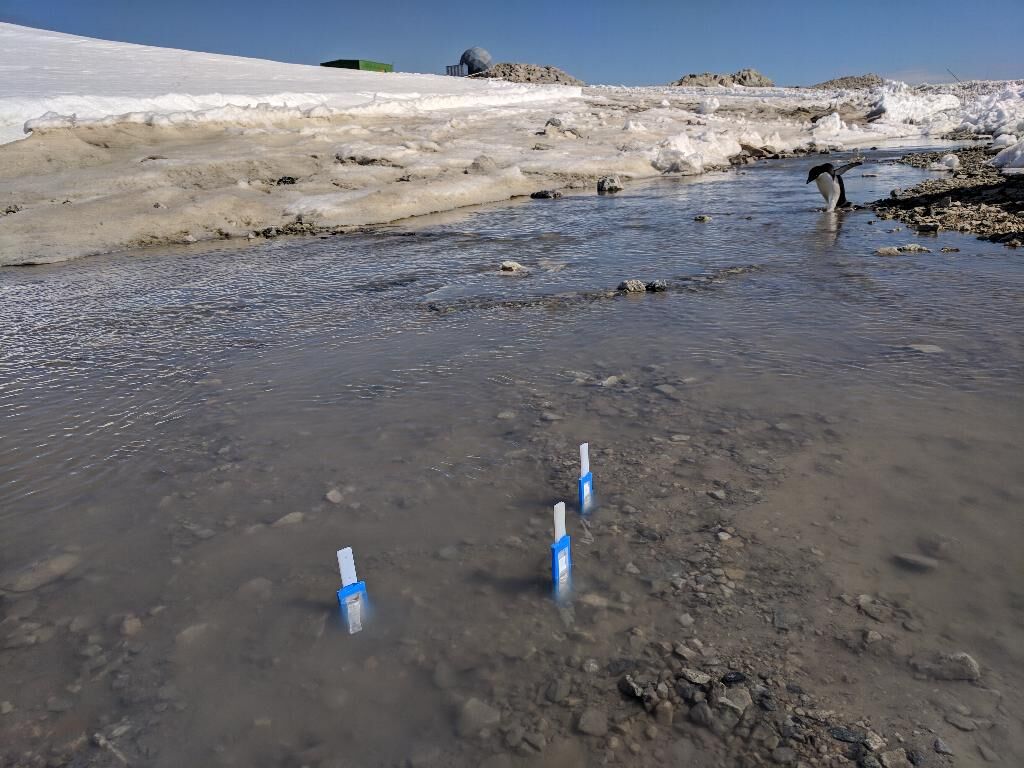
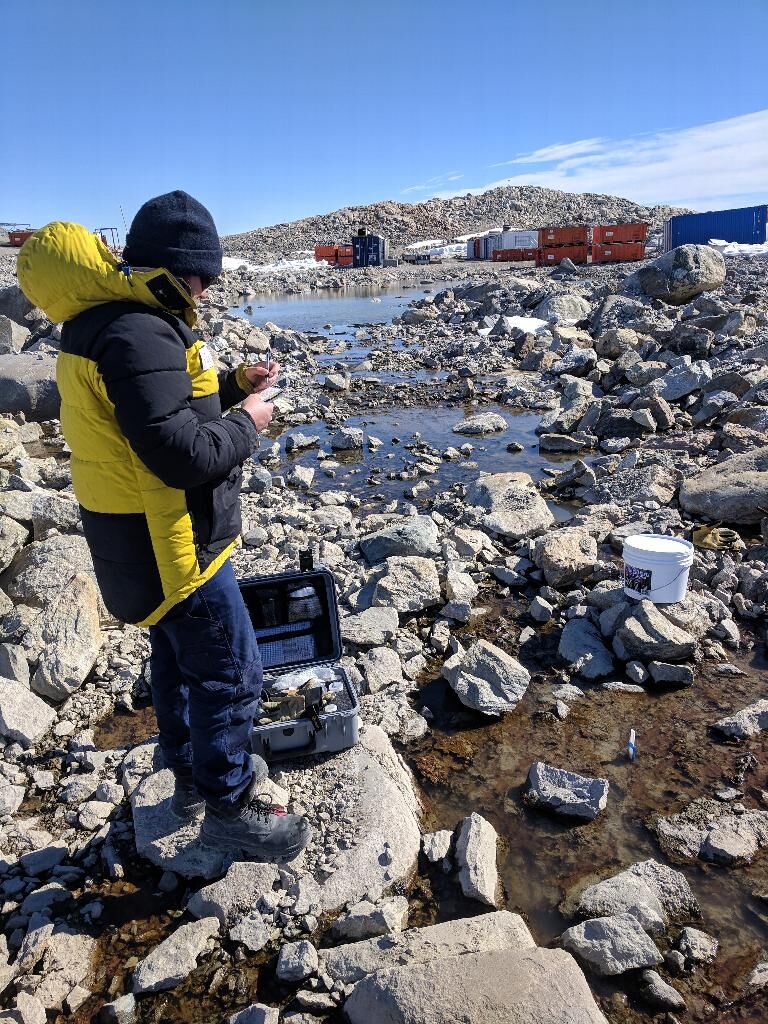
We did bioassays and deployed DGTs in nearshore waters and freshwater melt streams, and collected soils and sediments for testing in the laboratory. Testing sites were selected from contaminated, partially remediated and pristine areas, to reflect the broad range of site conditions and potential metal concentrations. If the DGTs function well in Antarctic conditions, the team will be able to compare the results with research on toxicity thresholds for a range of Antarctic organisms.
Summary of the season 2016/17
The second year of this project has been extremely successful.
We have successfully obtained information on the sensitivity of two important species of Antarctic microalgal to single and multiple metal exposures. A journal article has been submitted to 'Environmental Pollution' on this discovery, and it provides toxicity test protocol to enable government and industry stakeholders to investigate the toxicities of metals in marine Antarctic waters.
Our research aims to functionalise DGT as a rapid, in situ tool for measuring bioavailable toxic metals in polar systems, and to recommend protocols to enable the use of this technology in sediment and water quality assessments in Antarctica. We have successfully established the kinetics of this device for use in polar marine conditions, and are exploring the ability for the device to identify the exposure thresholds that induce adverse biological effects in the presence of toxic metals.
This program is expanding our national research capacity through the training of honours and PhD research students. These students have produced exceptional results, which has enabled them to present this work at the SCAR (Scientific Committee on Antarctic Research) conference in Malaysia (August 2016); the Society of Environmental Toxicology and Chemistry - Australasia(SETAC-AU) conference in Hobart (October 2016), and the ECO-Antarctica Symposium at UOW in August 2016.
Summary of the season 2015/16
The first 12 months of this project have been extremely successful. We have successfully recruited a high caliber graduate into a PhD program, and they have completed site inductions, received all the relevant skills training, and completed a thorough review of the published literature associated with the project.
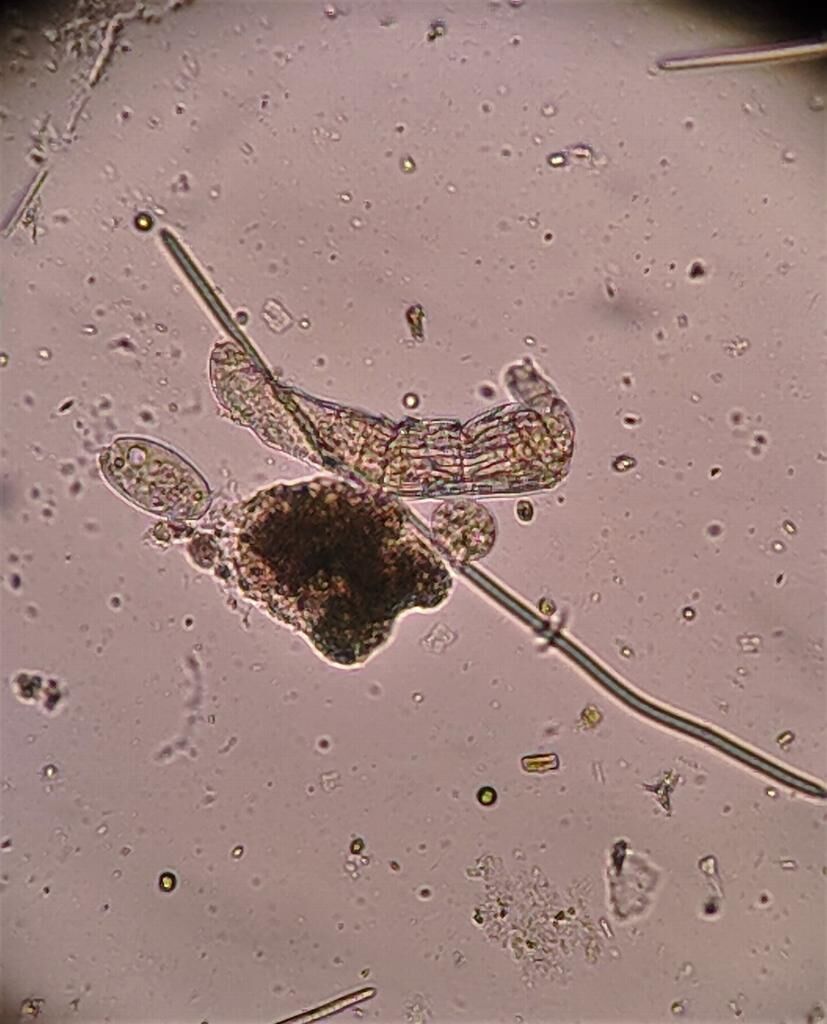
In addition to this, the research team has made exciting advances in assessing the risk of metal contamination in Antarctic marine waters. Microalgae are critical to aquatic foodwebs, and we have recently identified that the Antarctic alga (Cryothecomonas armigera) is ideally suited to evaluate the effect of metal contaminated polar waters. Cryothecomonas armigera is a heterotrophic protist found associated with the Arctic and Antarctic sea ice environments, and our recent results have identified that the alga is sensitive to copper, and relatively tolerant to cadmium, zinc, lead and nickel under polar conditions. Experimental work to identify the effects of metal mixtures (commonly found at contaminated sites in Antarctica) on the population growth and metal accumulation is in progress.
We have also made significant progress optimising the diffusive gradients in thin films (DGT) device for multi element exposures in polar conditions. The performance, capacity and deployment duration have been identified, and the device is now being optimised for use in combination with algal in metal toxicity assessments in conditions relevant to Antarctic waters.
Related publications
-
Metal lability, sea ice cover, and physicochemical properties of sediments as predictors of benthic communities in Antarctic coastal environments Environmental Pollution, 2025
(Ref: 17305)
Authors:Category 1: Peer-reviewed literature
Metals are important nutrients to marine life but may cause toxicity at elevated concentrations. There is uncertainty about how sediment metal concentrations influence benthic biodiversity, in part because metal bioavailability depends on sediment properties.
-
High Sensitivity of the Antarctic Rotifer Adineta editae to Metals and Ecological Relevance in Contaminated Site Risk Assessments Environmental Toxicology and Chemistry, 2023
(Ref: 16833)
Category 1: Peer-reviewed literature
-
The microalga Phaeocystis antarctica is tolerant to salinity and metal mixture toxicity interactions Environmental Science: Processes & Impacts, 2021
(Ref: 16629)
Category 1: Peer-reviewed literature
-
Metal lability and environmental risk in anthropogenically disturbed Antarctic melt streams Environmental Pollution 287, 2021
(Ref: 16420)
Category 1: Peer-reviewed literature
-
Assessing metal contaminants in Antarctic soils using diffusive gradients in thin-films Chemosphere 269, 2021
(Ref: 16419)
Category 1: Peer-reviewed literature