

Project information
Project aim
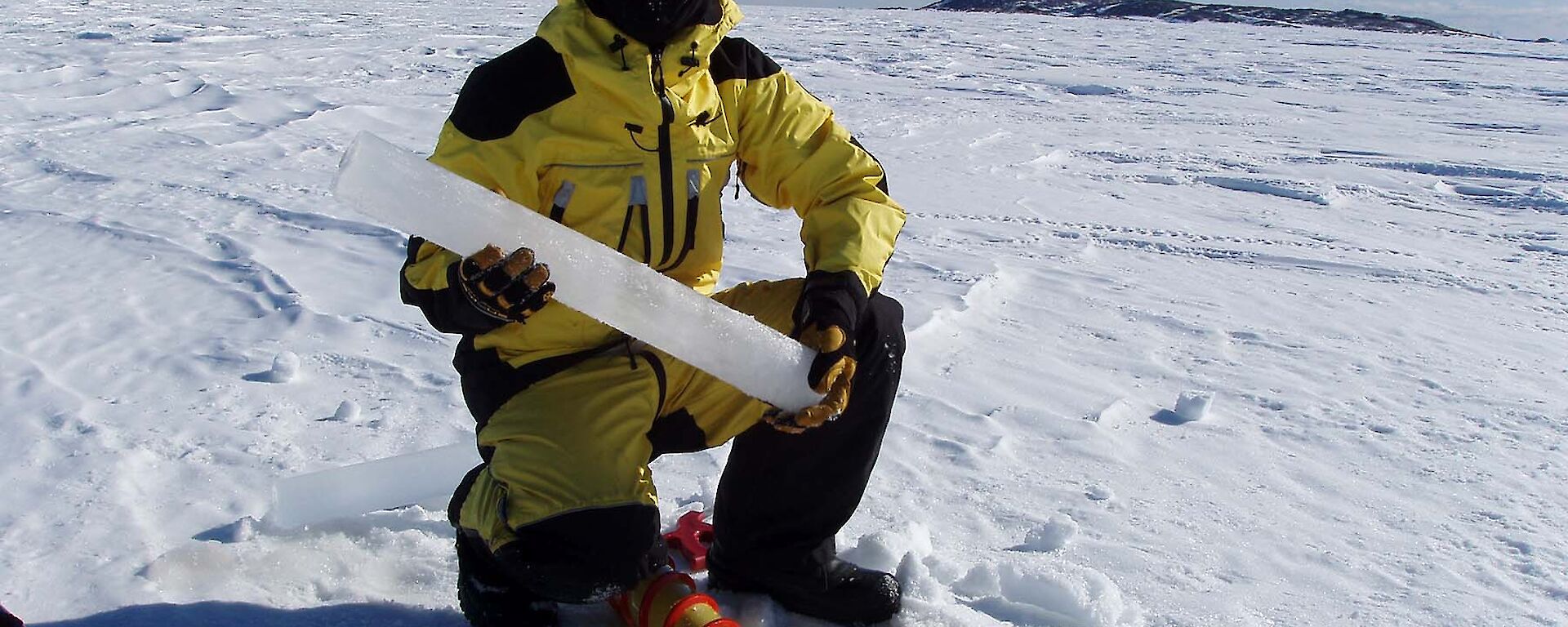
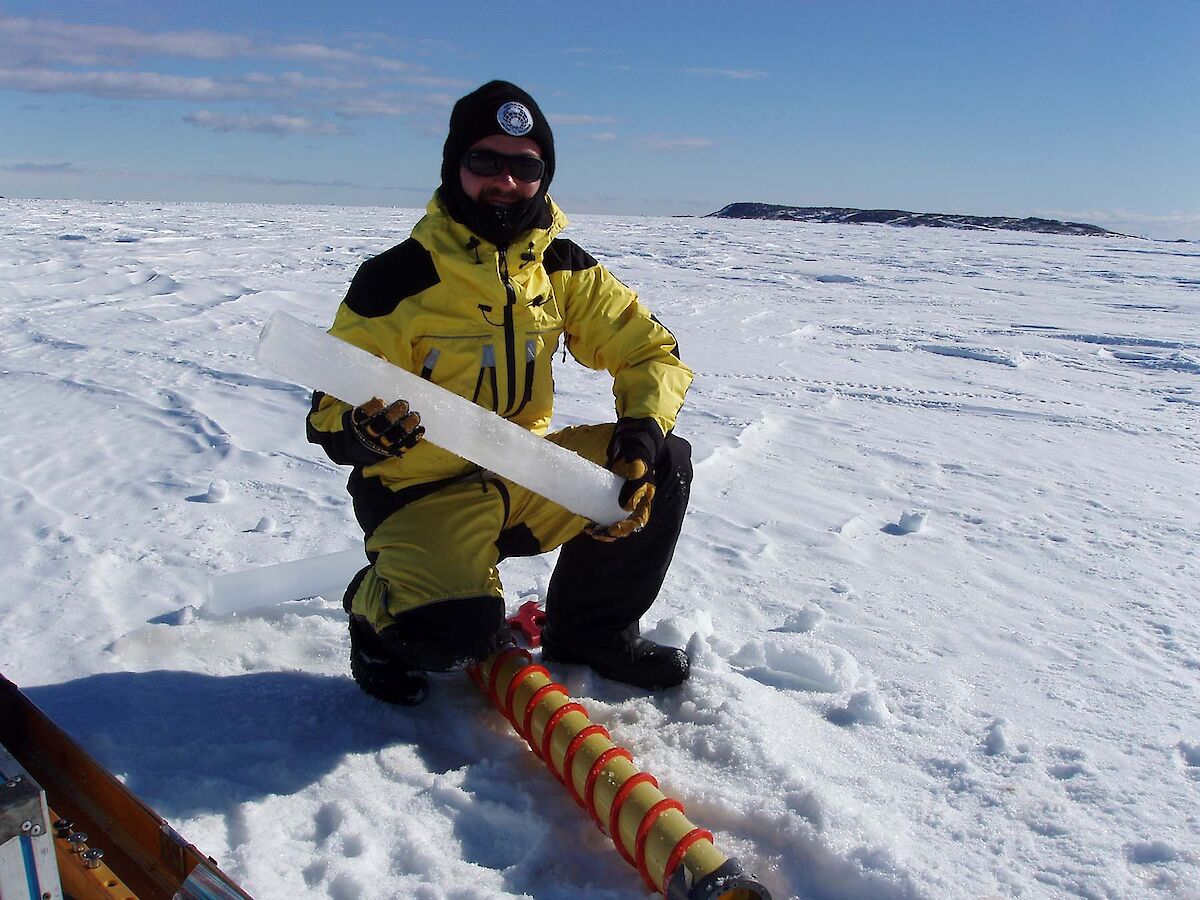
Sea ice algal photosynthesis and productivity is simultaneously affected by factors such as light, nutrients, micronutrients (e.g. iron), salinity and temperature. Using lab-based artificial sea ice tanks we will examine the combined effect of several co-stressors during ice formation and ice melting. In particular we will examine the effects of low iron, elevated CO2 and high and low salinity. This will characterise the effects of ice formation and melt processes in a higher CO2 environment
Project milestones
Summary of the project achievements 2017/18
We managed to successfully complete long term incubations of ice algae, in sea ice, under iron limiting conditions for the first time. The work enabled us to demonstrate that iron concentrations in sea ice determine both the health and photosynthetic performance of ice algae, particularly during freezing and thawing. It also demonstrated that these ecosystems are vulnerable to high light exposure at low iron concentrations, a condition likely to increase with climate change. Our results further suggest that Fe-starved cells are unable to regulate their photosynthetic plasticity to the environmental changes during ice melting, and so would contribute little to ice-edge blooms.
Summary of the season 2016/17
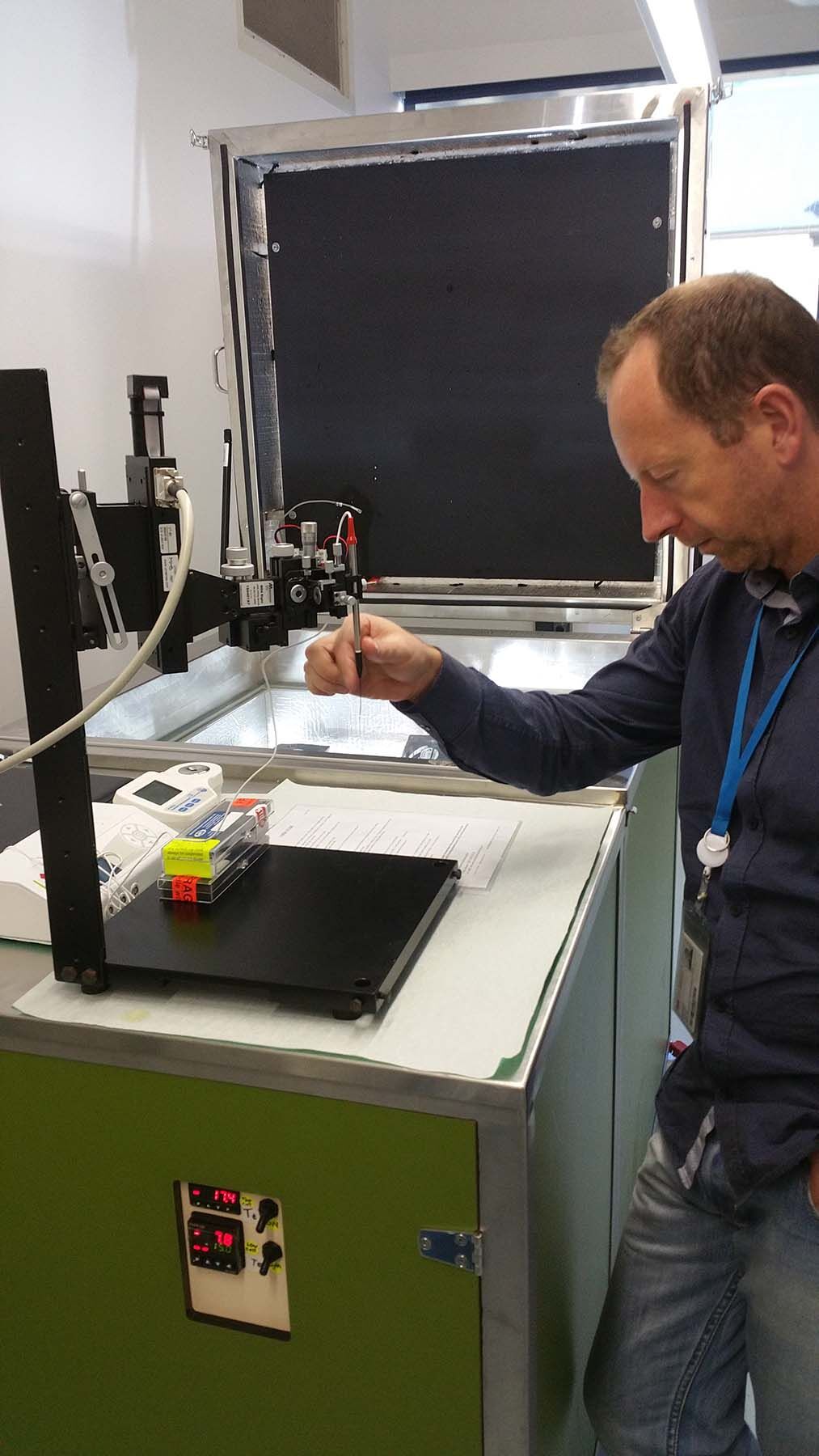
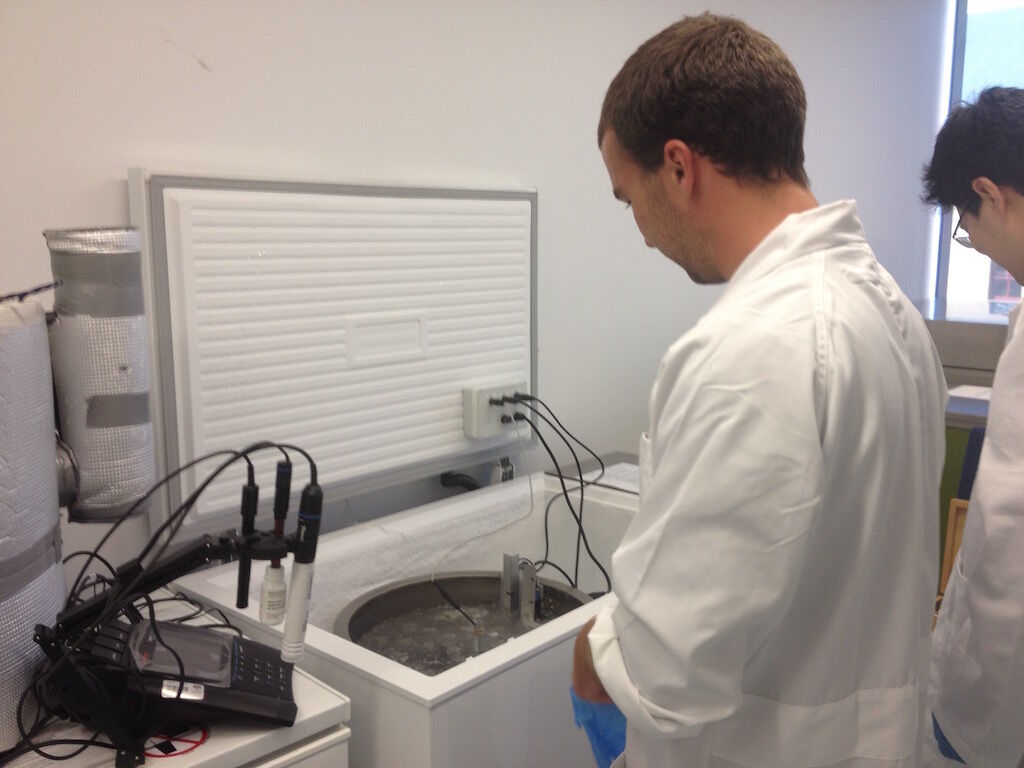
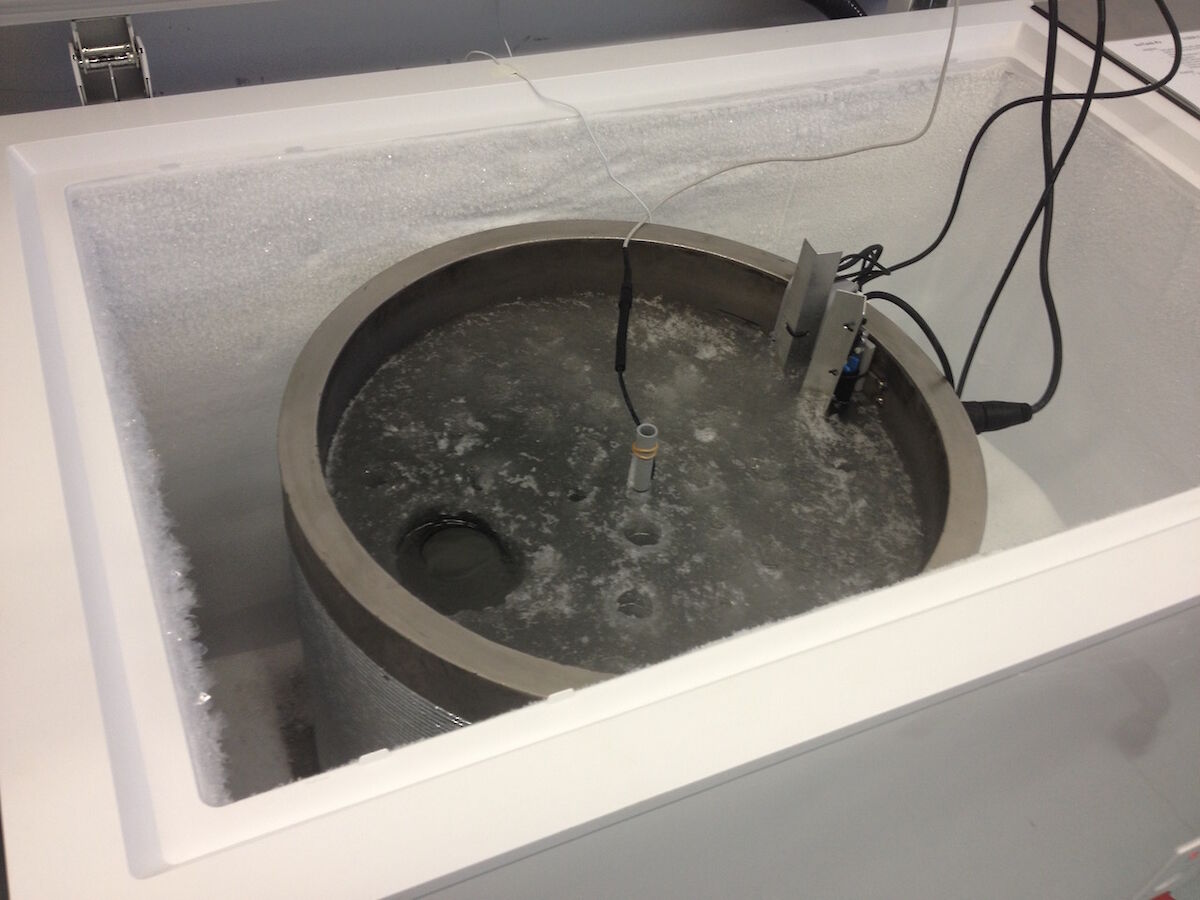
Low iron concentrations effect the growth of phytoplankton and sea ice in the Southern Ocean. Combined with other climate change drivers, it will produce uncertain consequences for microbial life. After testing the operation of the new low iron ice tank (made of titanium), experimentation began in November 2016. In parallel with the ice tank experiments we have also been undertaking culturing experiments on sea ice algae, in particular Fragilariaopsis cylindrus. We have been examining the effects of low iron concentration on sea ice algal growth, photosynthesis and export of extracellular polysaccharides.
This year, Andreas Seger joined the project as a research assistant and Kazuhiro Yoshida as a cotutelle PhD student (with University of Hokkaido)
Summary of the season 2015/16
Early preparatory laboratory work commenced in the first year of the project. New strains of phytoplankton were collected on V1 and these are growing well and will be used for all subsequent experiments. Initial experiments began on the effects of prolonged darkness on phytoplankton health and survival. Initial results show that most species are remarkably resilient to this stress.