

Project information
Project aim
Marine ecological research is dependent on understanding the temporal and spatial dynamics of pelagic communities and their constituent species. This understanding depends on being able to identify the relevant species, from phytoplankton which form the foundation of all oceanic food webs to the highly diverse pelagic animal communities. In this project we will develop fast, accurate and cost effective methods for identification of Southern Ocean pelagic taxa using new high-throughput DNA sequencing methods. We will analyse samples collected using the continuous plankton recorder (CPR) and other samples collected in underway ship-based surveys. We will also apply the methods to investigate whether there is a significant bycatch of fish or invertebrates in the Antarctic krill fishery. This new capacity for species identification will enable expanded future data collection of key biological parameters over broad spatial scales required to monitor Southern Ocean ecosystem change.
Project milestones
Summary of the project achievements 2018/19
In this project we investigated using DNA metabarcoding (an approach which combines high-throughput sequencing with DNA barcoding) to document and monitor biodiversity in the Southern Ocean. The project produced outcomes and a series of scientific papers on the following topics:
(1) Evaluating the use of DNA metabarcoding and underway ship-based sampling as an approach for long-term DNA-based monitoring. We directly compared the genetic approach to conventional plankton surveys using the continuous plankton recorder (CPR).
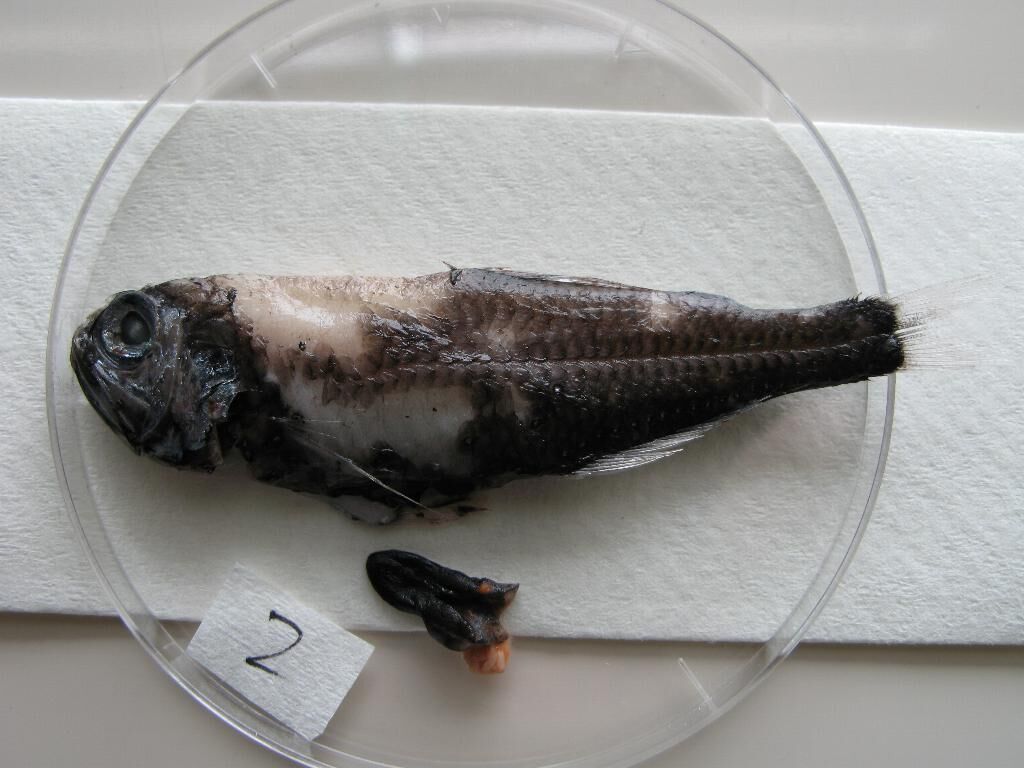
(2) Applying DNA metabarcoding to study eukaryote communities, mesopelagic fish diet and krill microbiomes as part of a larger ecosystem research program in the southern region of the Kerguelen Plateau carried out during an Australian marine science voyage in 2016.
(3) We carried out a study to examine the accuracy of juvenile fish taxonomy as reported by observers in the Antarctic krill fishery. We used DNA barcoding to provide independent identification of a subset of samples from those identified by observers on 4 voyages over two krill fishing seasons. Results were reported to CCAMLR to help improve the fisheries observer program.
(4) We have continued to keep the Australian Antarctic Division at the forefront of research in approaches for biodiversity assessment using genetic approaches.
During the project we have highlighted the power and continually increasing efficiency of DNA metabarcoding. This approach has now been adopted for future biodiversity research within the Australian Antarctic Program and will almost certainly play an important role in future plankton monitoring in the Southern Ocean ecosystem.
Summary of the season 2017/18
Activities in this project primarily involved analysing previously collected plankton samples, working towards publishing the resultant datasets and highlighting the information to relevant end users. New collections were also made on Macquarie Island re-supply voyage (March 2018).
The focus of our work has been:
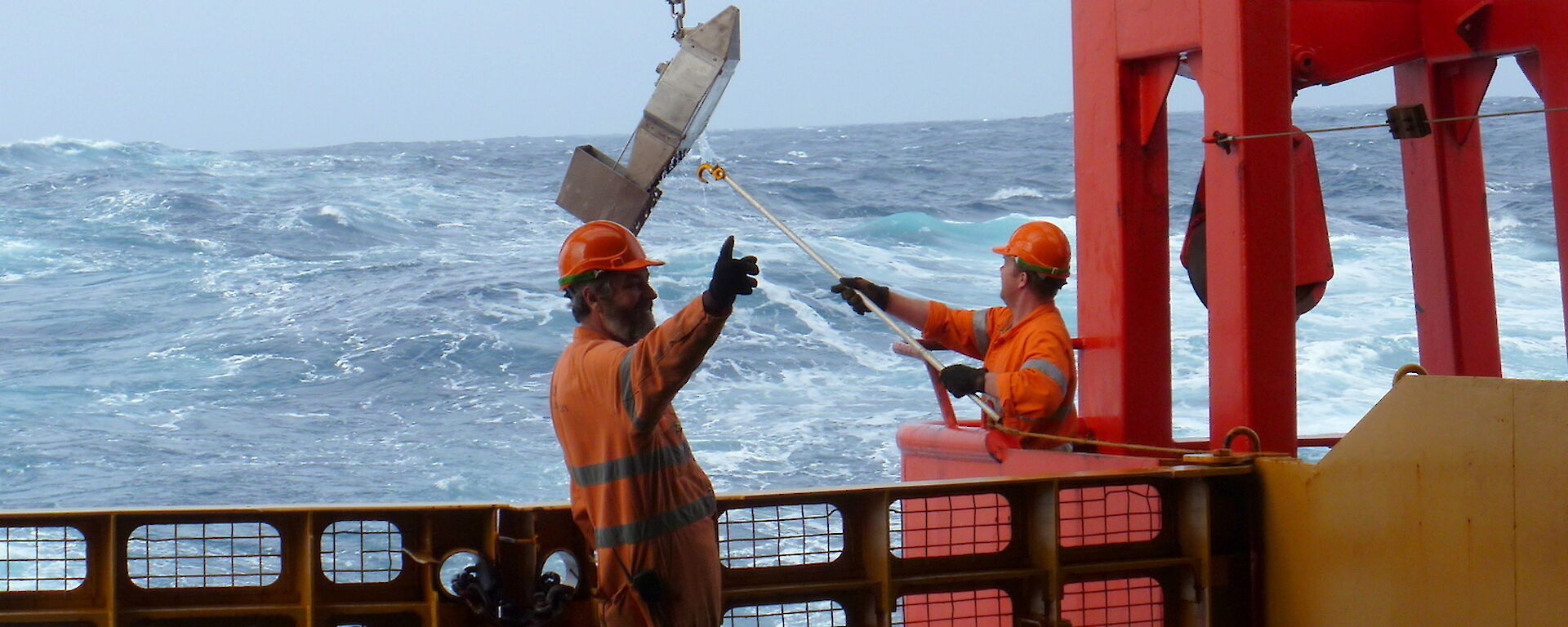
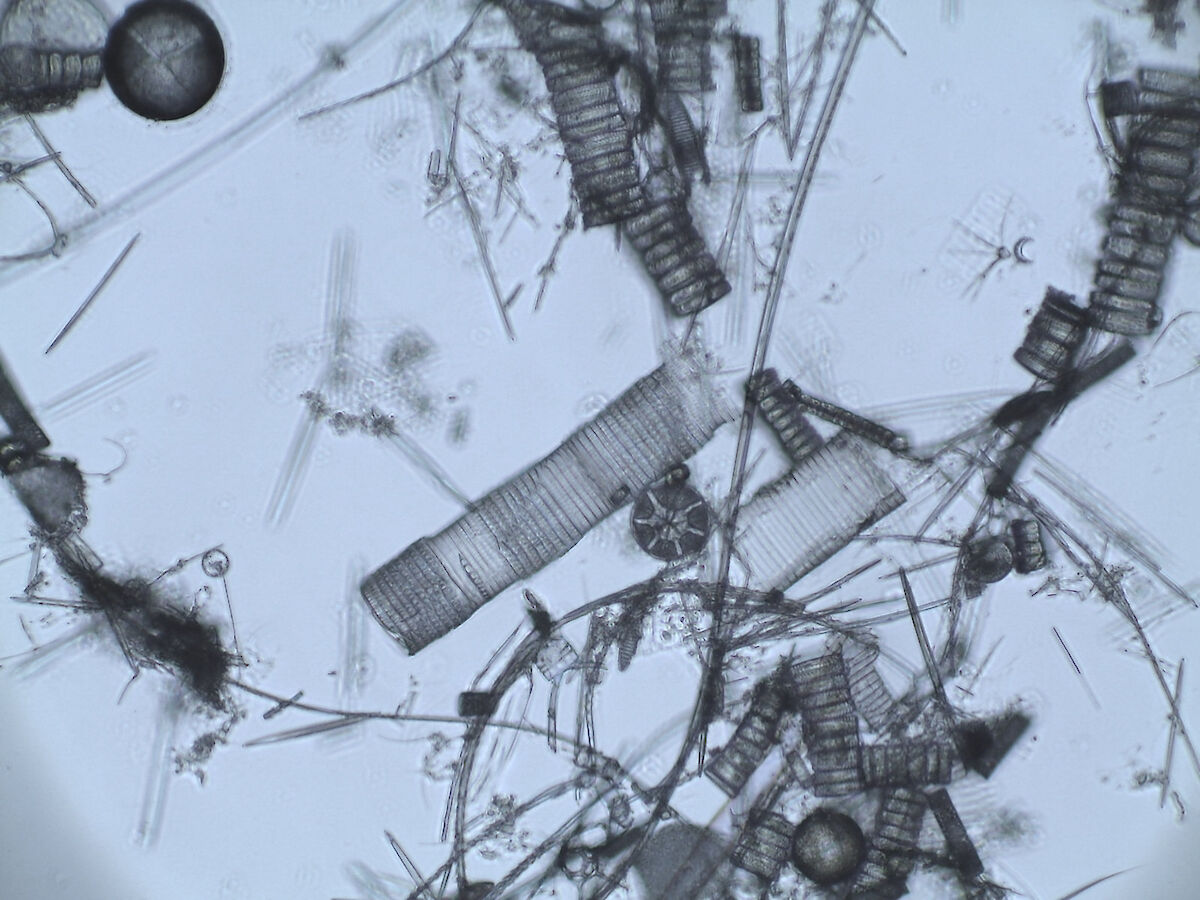
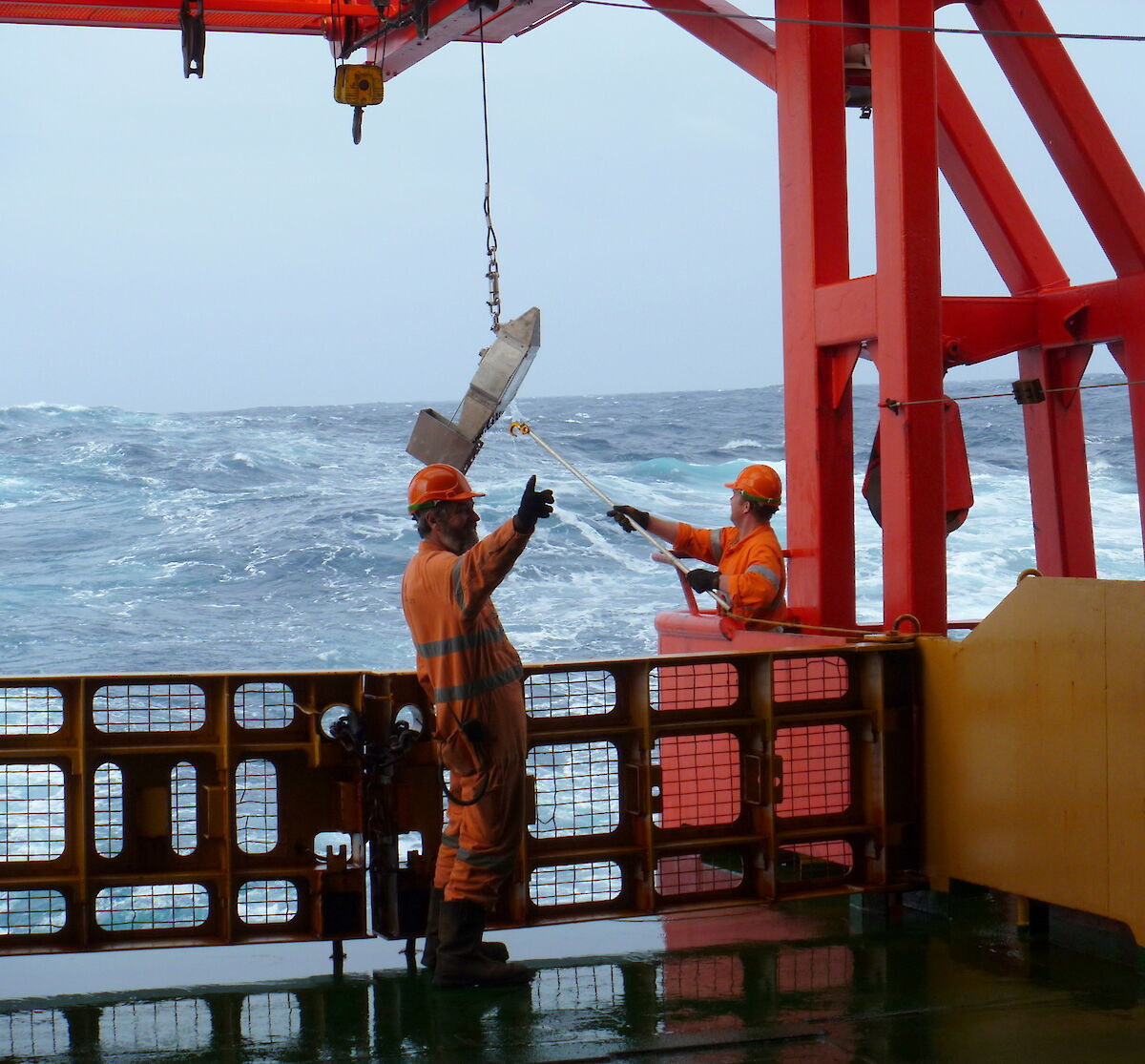
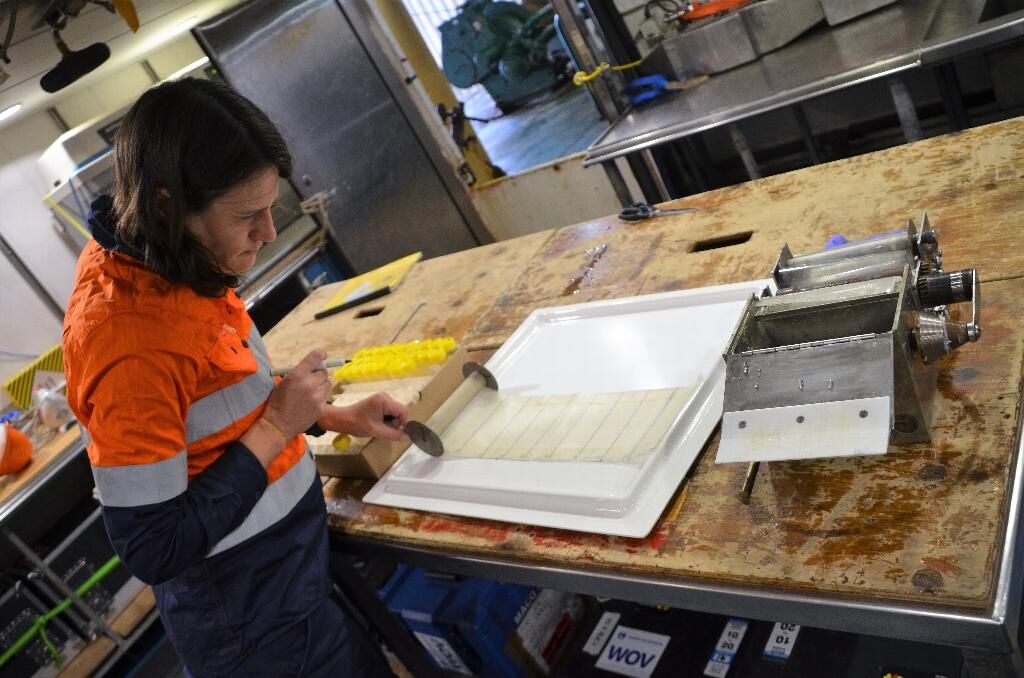
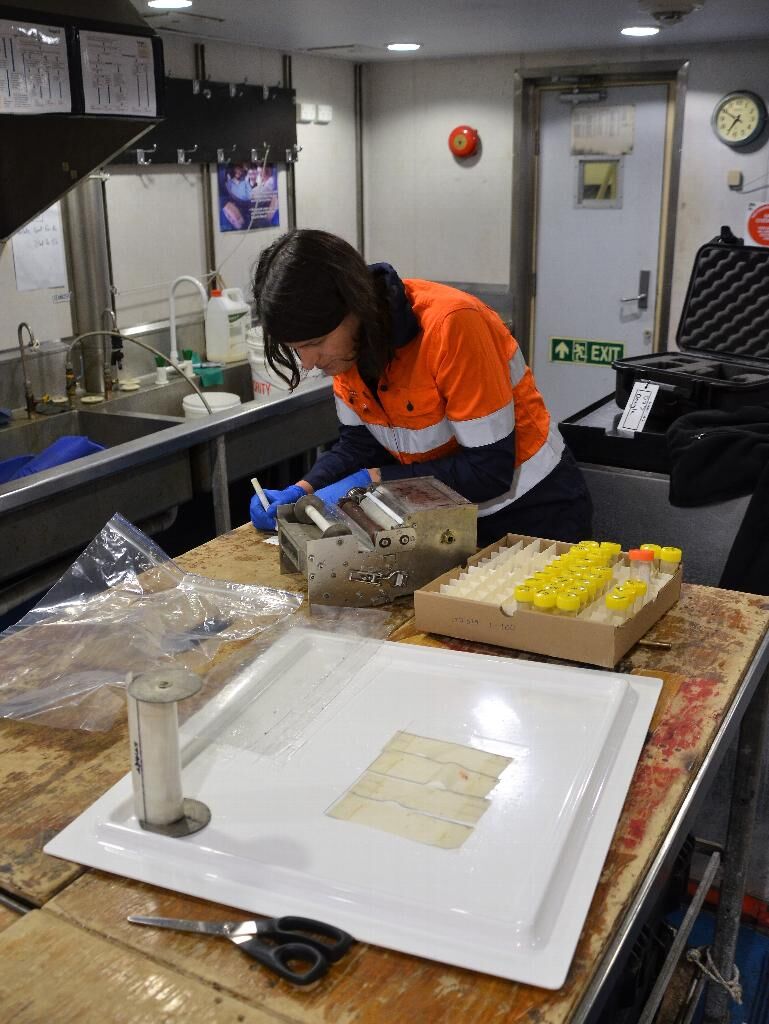
1. We carried out a detailed genetic analysis of zooplankton collected using the Continuous Plankton Recorder. This device is towed behind ships to collect Southern Ocean zooplankton - the specimens are typically identified using a microscope. We trialled a DNA sequencing approach, this increased the number of species identified and provided high resolution taxonomy of some problematic groups (e.g. larval forms and jellyfish).
2. A number of studies have been led by Laurence Clarke on samples from the Kerguelen Axis voyage (January-March 2016). This includes one providing a detailed picture of the phytoplankton and small zooplankton in this region - as seen from a genetic perspective. One interesting finding was the prevalence of DNA from a parasite that infects small phytoplankton and kills the host cells. This previously under-appreciated component of the Southern Ocean ecosystem may play a key role. We also looked at diet of mesopelagic fish using DNA-based identification methods to give a better understanding of the food-webs in this ecosystem.
3. Andrea Polanowski and I have been using DNA barcoding to identify larval fish caught in the South Atlantic Antarctic krill fishery. Fisheries observers collected and identified larval fish bycatch samples throughout the 2015 and 2016 seasons. We have looked at the accuracy of their identifications by DNA barcoding ~300 representative samples. Most of the observers taxonomy is accurate, but some mis-classifications are evident particularly in some groups. This work will be submitted to CCAMLR meeting with the aim of improving the quality of future observer data collection.
Summary of the season 2015/16
This was the first complete season for project 4313 in which we are developing and applying DNA barcoding approaches to efficiently characterise Southern Ocean plankton communities. DNA barcodes are short segments of DNA unique to different species that can be used to identify species present in complex mixtures (e.g. the dozens of different tiny organisms found in a few litres of seawater). During the first complete season we recruited ACE-CRC post doctoral fellow (Lawrence Clarke) to work on the project. Since then work has focussed on developing laboratory methods and collecting samples on two Southern Ocean voyages. A brief summary of work done to date:
- We carried out an assessment of which DNA barcode markers are best for identification of zooplankton. For this work we collected plankton in bongo net samples locally in Tasmania, then tested three different potential barcode markers and compared these data with results from traditional morphological analysis. These results have been submitted for publication.
- Sampling voyage 1: On a round-trip to Macquarie Island on the Aurora Australis (April 2015) we collected continuous plankton recorder samples. These were collected using a modified procedure to that allowed both genetic analysis and morphological identification of sampled plankton. DNA barcode and morphological datasets have been obtained for this experiment and we are currently comparing the two approaches.
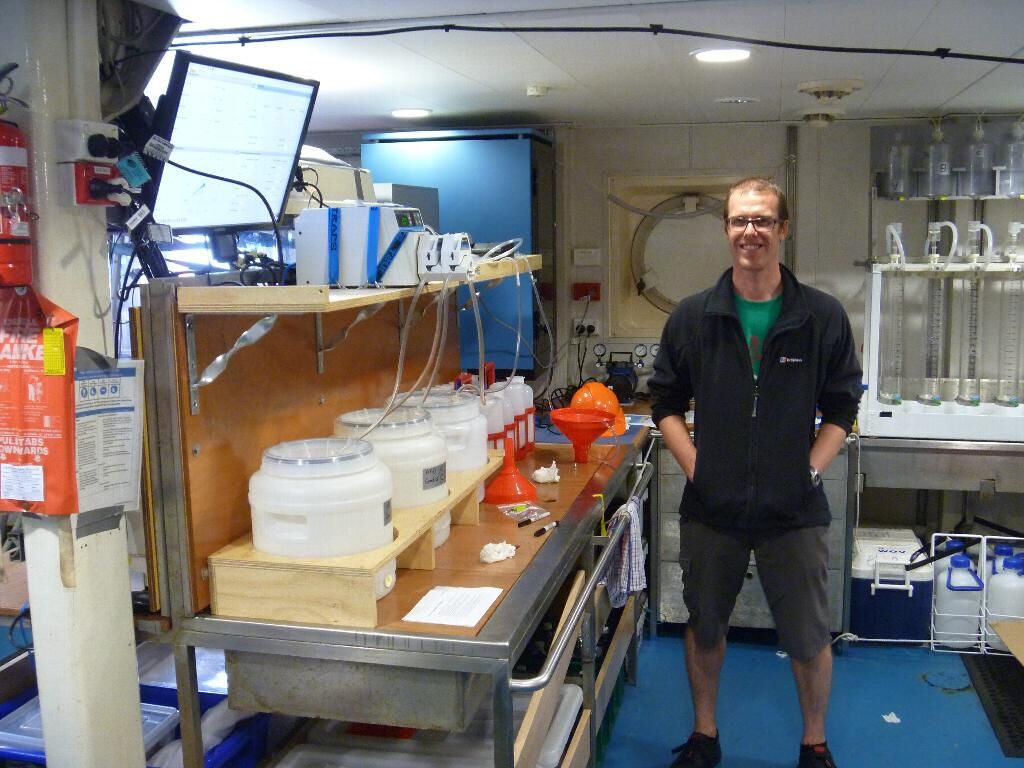
- Sampling voyage 2: We took part in was the Kerguelen Axis marine science voyage (Aurora Australis, January-March 2016) we collection of several hundred size-fractionated plankton samples. These will be used to produce a genetic assessment of protist diversity in this Southern Ocean region and compared with other dataset produced during the voyage.
- During the past year we also obtained larval fish samples from the South Atlantic Antarctic krill fishery to be identified using DNA barcoding.
Related publications
-
Bacterial epibiont communities of panmictic Antarctic krill are spatially structured CCAMLR Working Group on Ecosystem Monitoring and Management - Virtual Meeting 4 to 11 July 2022, 2022
(Ref: 17016)
Category 2: International meeting papers
Antarctic krill (Euphausia superba) are amongst the most abundant animals on Earth, with a circumpolar distribution in the Southern Ocean. Genetic and genomic studies have failed to detect any population structure for the species, suggesting a single panmictic population. However…
-
Bacterial epibiont communities of panmictic Antarctic krill are spatially structured Molecular Ecology, 2020
(Ref: 16729)
Category 1: Peer-reviewed literature
-
Genetic monitoring of open ocean biodiversity: an evaluation of DNA metabarcoding for processing continuous plankton recorder samples Molecular Ecology Resources, 2018
(Ref: 16285)
Category 1: Peer-reviewed literature
-
Metabarcoding of zooplankton from CPR silk Verbal presentation at Partnership for the Observation of the Global Ocean (POGO) workshop on DNA sampling tools for the global CPR Survey. Hobart, Tasmania, 2019
(Ref: 16292)
Category 3: Verbal presentation
-
Sampling metazoan diversity in the Southern Ocean: how does eDNA compare to CPR Partnership for the Observation of the Global Ocean (POGO) workshop on DNA sampling tools for the global CPR Survey. Hobart, Tasmania, 2019
(Ref: 16291)
Category 3: Verbal presentation