
Project information
Project aim
The largest multi-species vertebrate eradication to-date has recently been declared successful on Australia's World Heritage Macquarie Island. Currently, there is no integrated approach to evaluate the effectiveness of this project in restoring ecosystem structure and function. This proposal will utilise existing long-term datasets, identify a robust suite of bioindicators, collect new field data and select sites, species and environmental parameters for tracking ecosystem change into the future. We will use existing information and expert elicitation to construct qualitative models of ecosystems interactions to identify where ecosystem restructuring may occur. All of these elements will assist in the development of an optimal long-term monitoring strategy for the island. Furthermore, this project will quantify the conservation return on investment for the $24.8 million spent on the eradication, and assist in decision making around island eradications globally.
Project milestones
Summary of the project achievements 2020/21
Sub-Antarctic Macquarie island has been the object of Australia's most ambitious and expensive eradication program, with cats, rats, mice and rabbits declared successfully eradicated in 2014. This project examined different aspects of species and ecosystem recovery on the island following the eradications, including vegetation, invertebrates, threatened burrowing petrels and a native predator, the brown skua.
The impact of invasive predators (cats, rats, mice) and the vegetation degradation caused by rabbits was severe on the island. Many native seabirds, invertebrates and plant species were threatened by the invasive species. The island currently supports 12 species listed as threatened under the EPBC Act. The expectation was that the island's biodiversity would bounce back, yet it was unknown how this would occur for individual species and for the island ecosystem as a whole. We aimed to monitoring the ecosystem response to eradication to inform the future management of Macquarie Island and other islands globally.
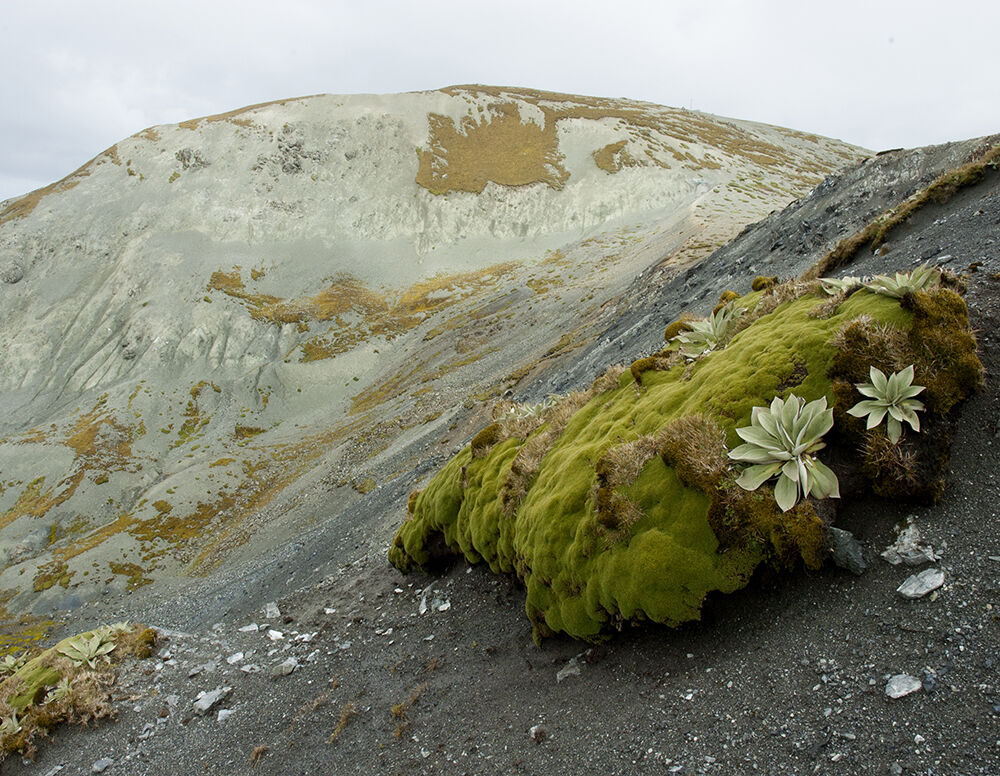
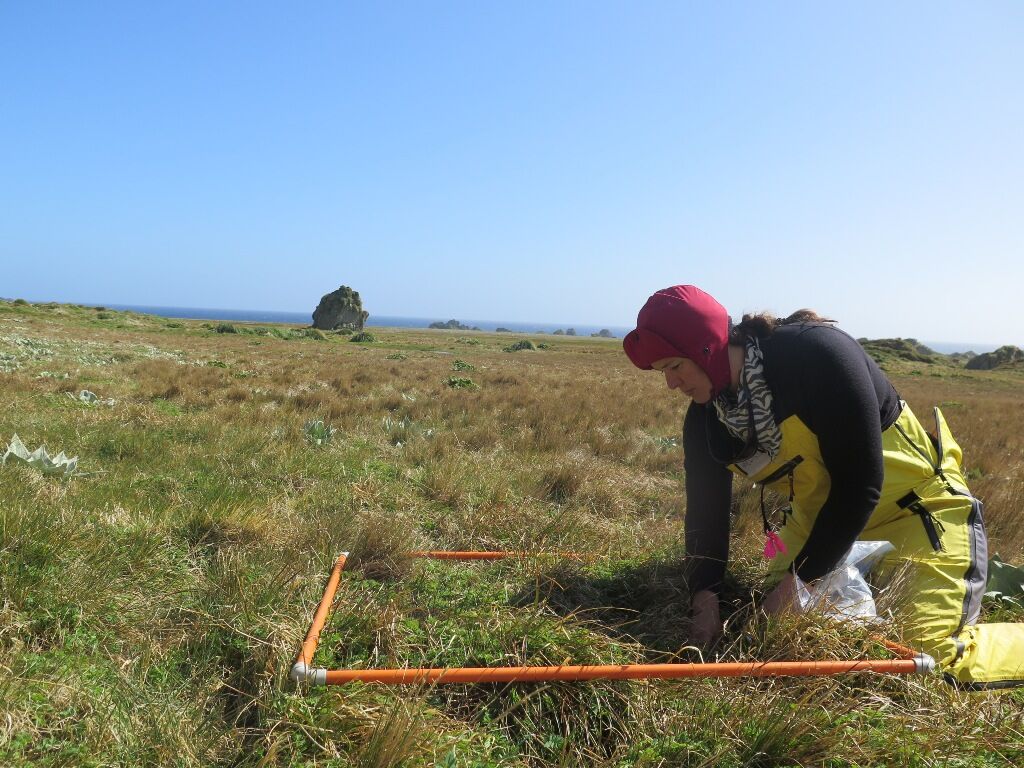
We show how invertebrates give insights into restoration of island habitats at the landscape scale. We established baselines for invertebrate communities. Native spiders, flies and snails benefited from eradication. We discovered that different species recover at different rates, with different vegetation communities are recovering at different rates across the island. Which influences invertebrate recovery.
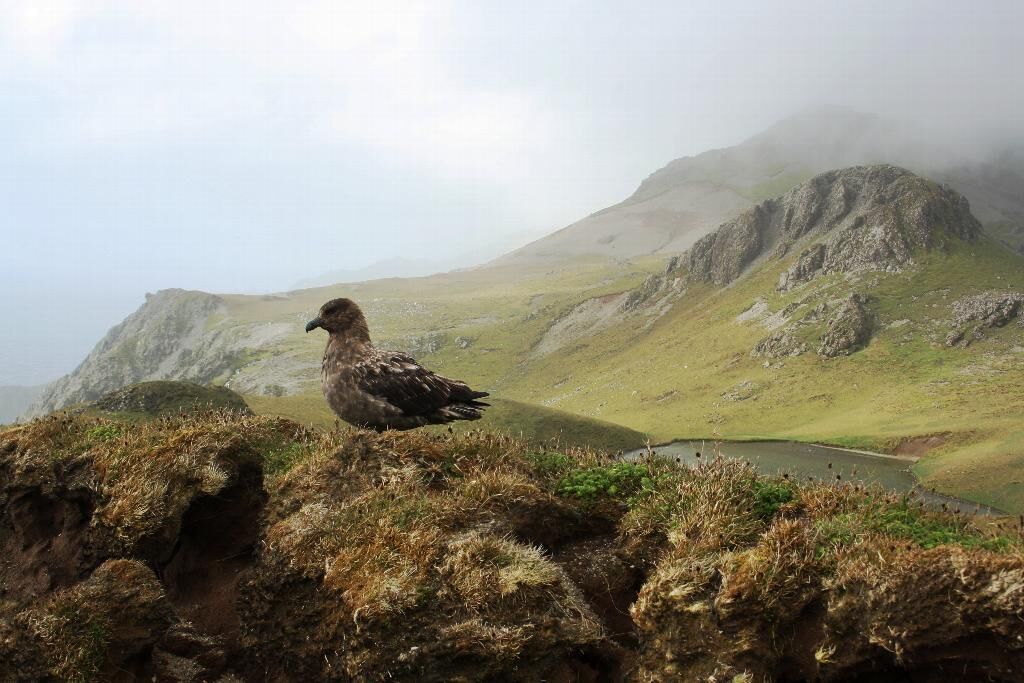
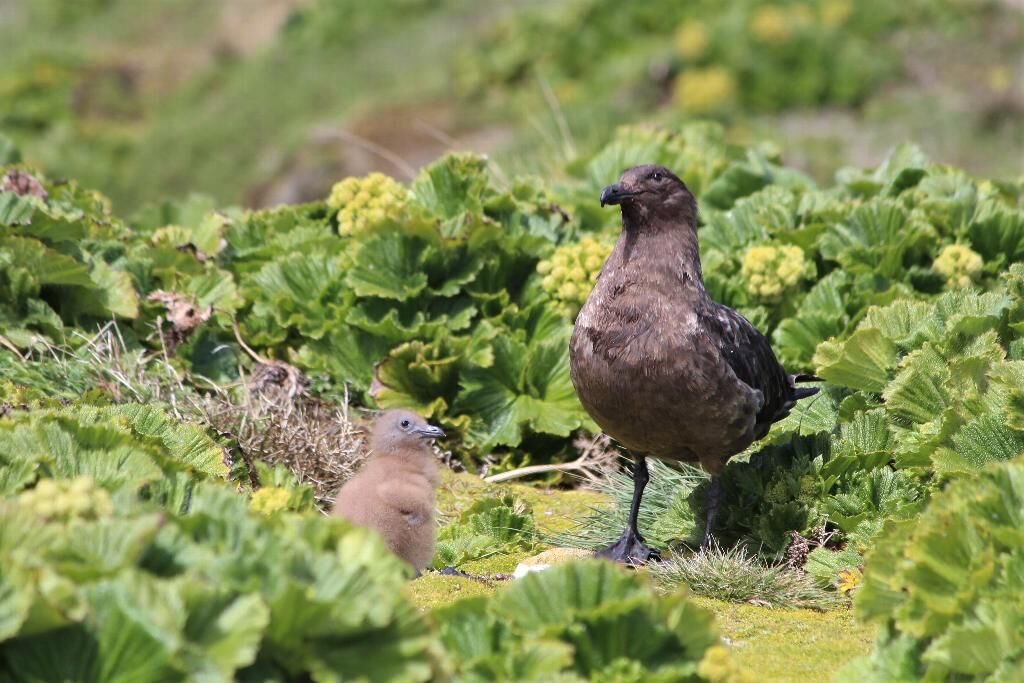
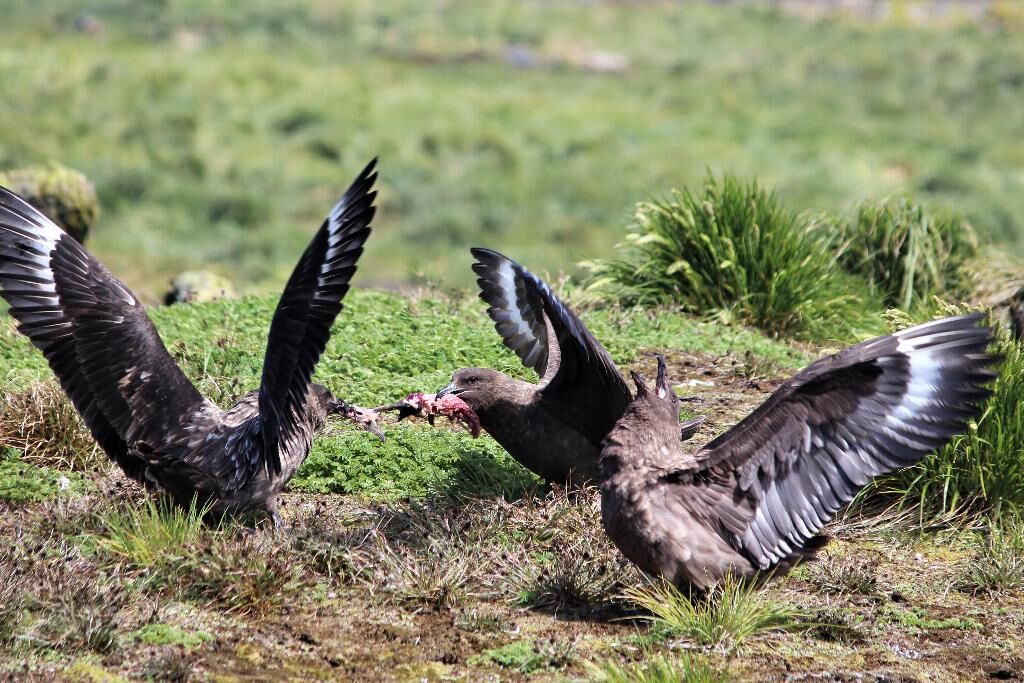
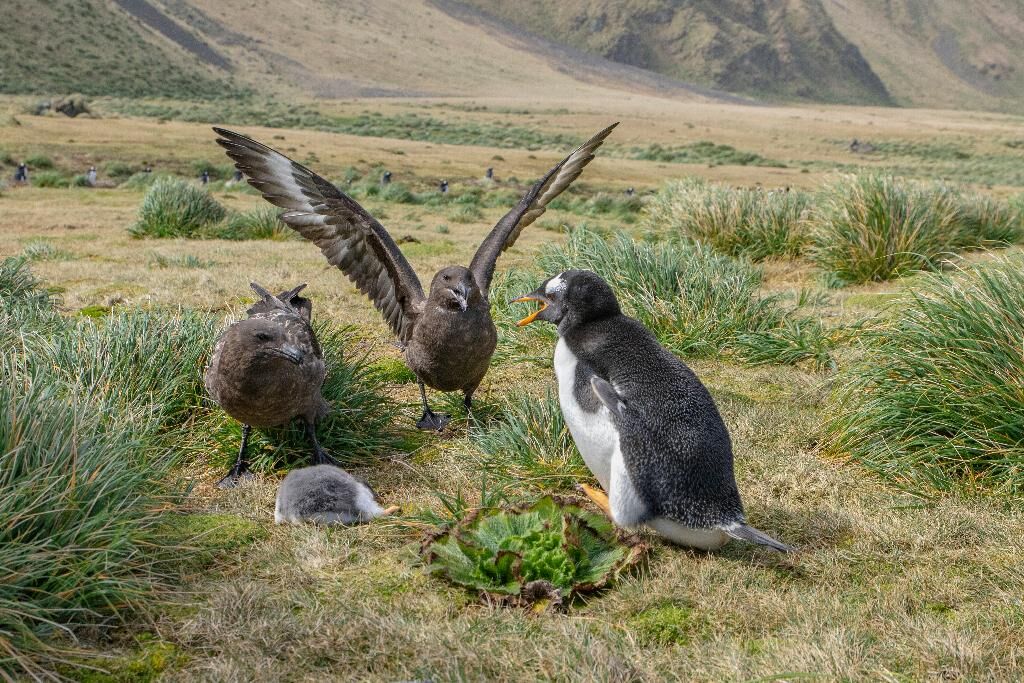
The population of skuas on Macquarie Island was significantly and negatively impacted by the eradication program, both due to the loss of rabbits which they preyed on and due to secondary poisonings associated with feeding on poisoned rabbit carcasses. However, the skua population is now showing signs of recovery, as they are largely supported by the hundreds of thousands of penguins on the island.
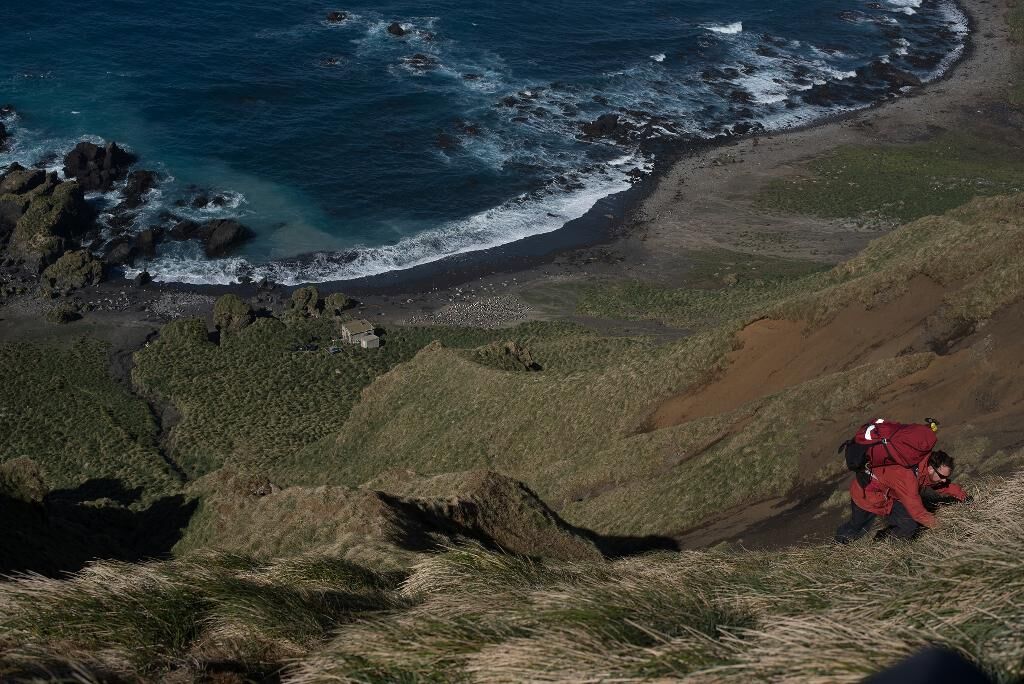
Since the eradication of cats, four species of burrowing petrel have increased their populations. Their rates and patterns of response have varied. We estimated that the populations of the two species that survived invasive predators to be now approximately 160,000 breeding pairs of Antarctic prions and 12,500 breeding pairs of white-headed petrels.
Our work highlights the importance of monitoring before and after an eradication. The lessons we learned through our research about conservation science and sub-Antarctic island ecology go on to inform many other scientists and land managers around the world. Through this research we've learned new information about species, their distribution, behavior, feeding and breeding, and how different species responded to invasive species removal. We show that several threatened species impacted by invasive species for over a hundred years are now in recovery. The island ecosystem has benefited from eradication.
Summary of the season 2018/19
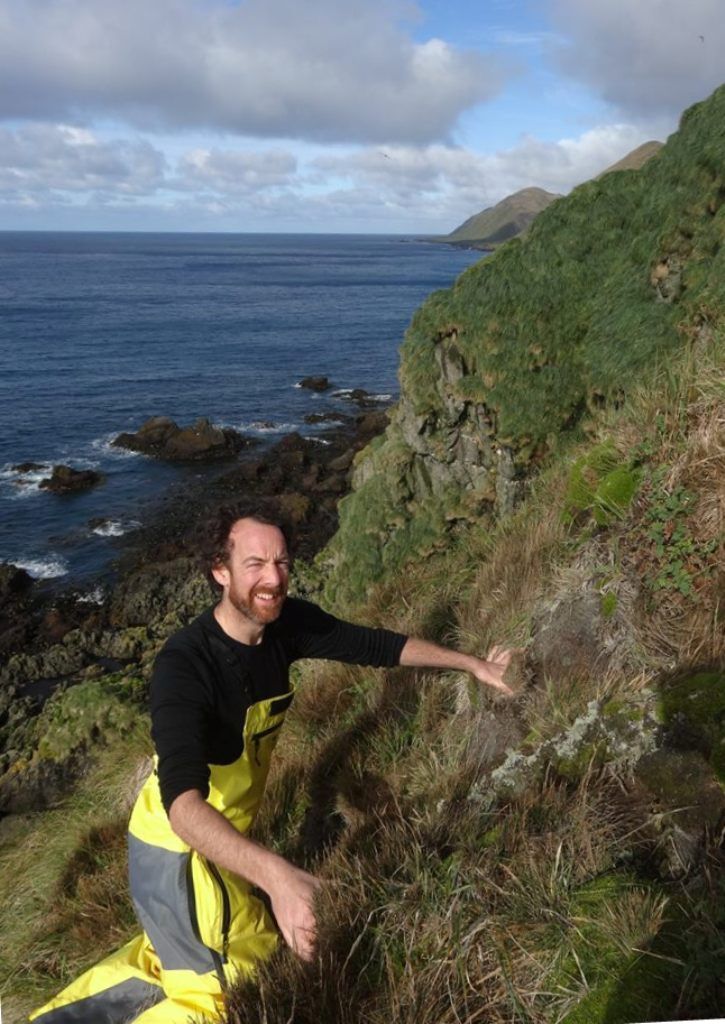
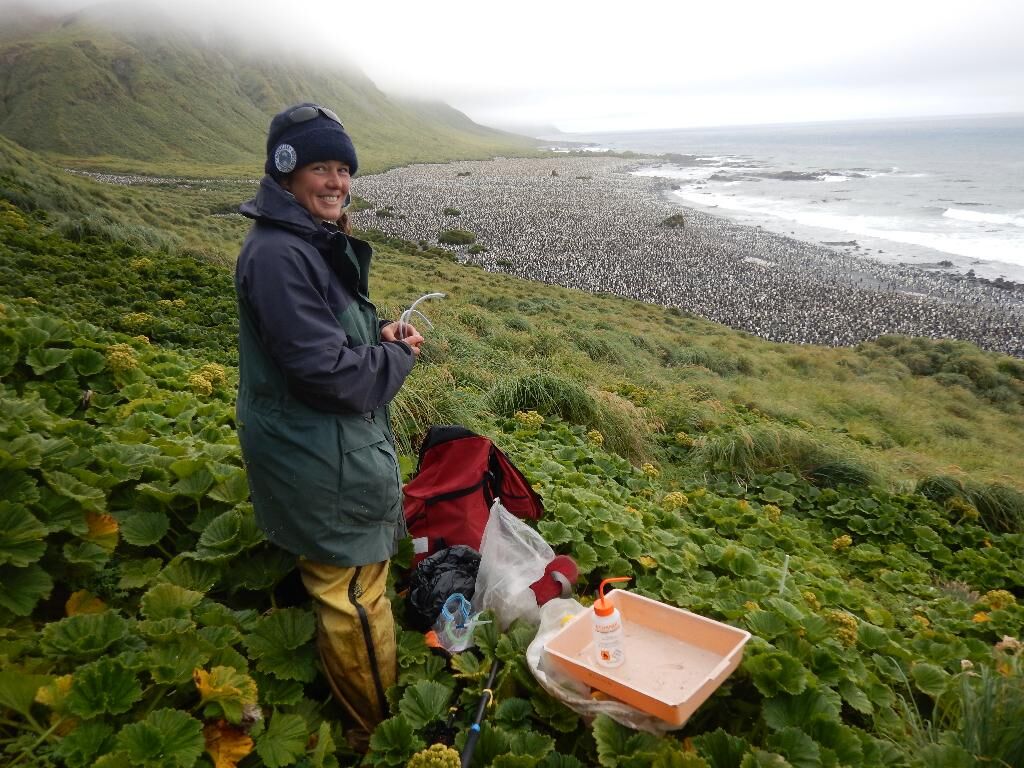
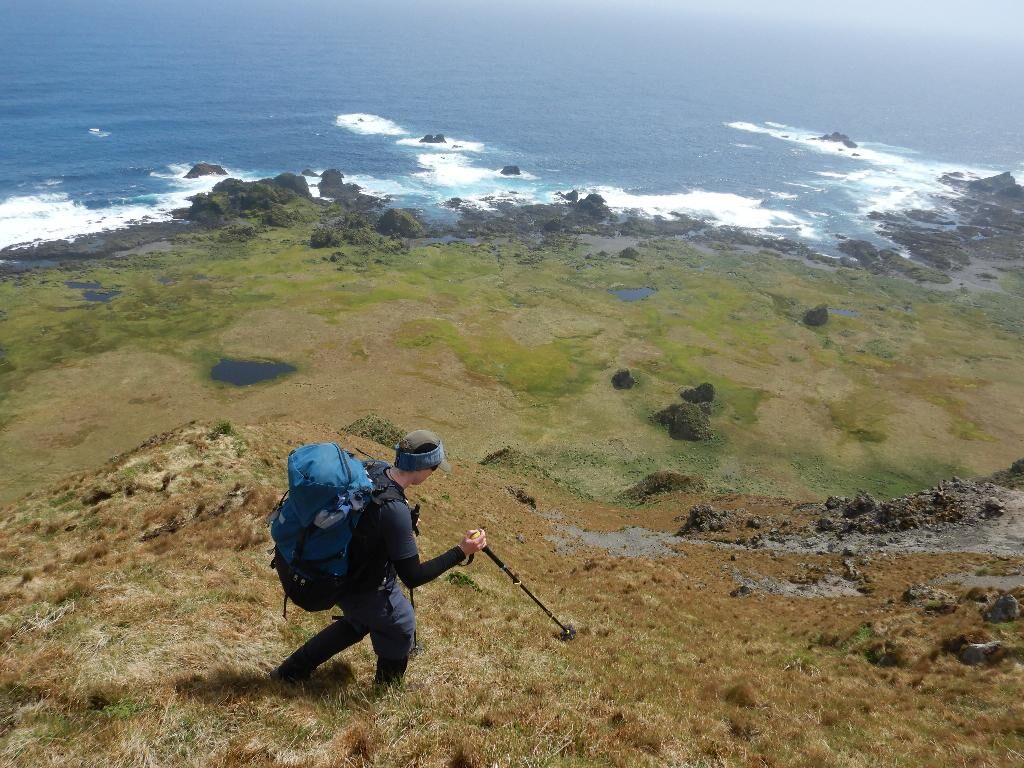
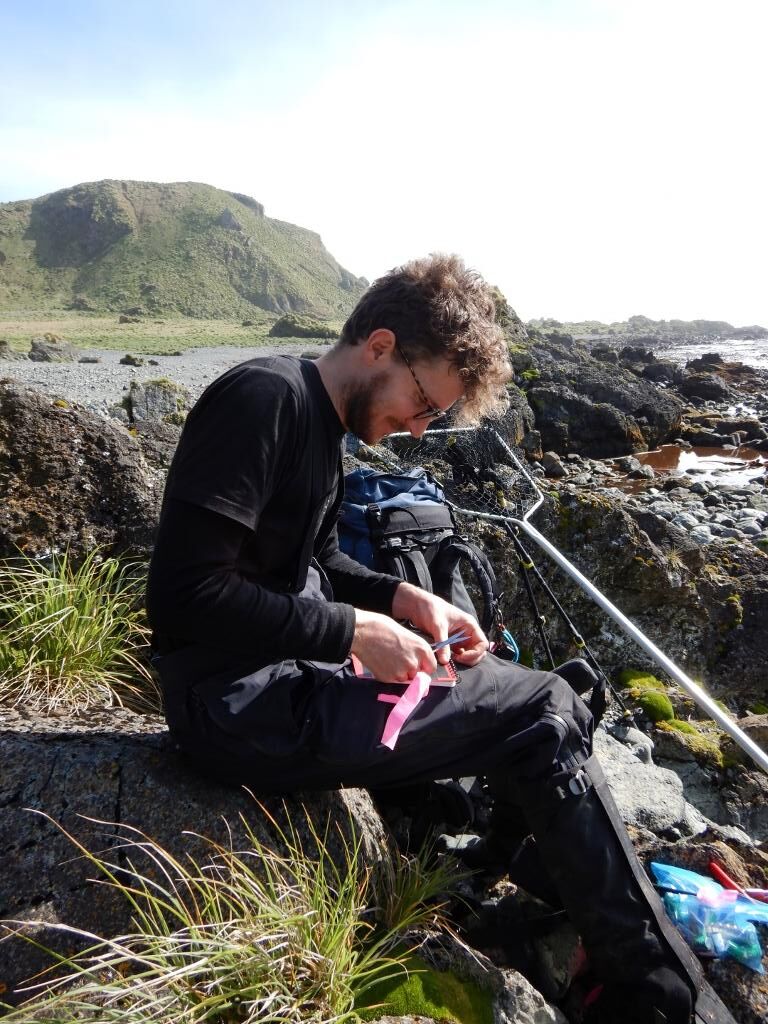
AAS 4305 is uncovering ecosystem responses to pest eradication. Our multi-disciplinary team utilises, field ecology, animal tracking, molecular analysis, habitat modelling, acoustic monitoring and decision science to understand ecosystem change. Following 2 years of cumulative field work on Macquarie Island by our team of 6 field researchers, and considerably more time with additional researchers, processing samples and analysing these data, our research is uncovering how the 12 9000 ha island ecosystem responds to the removal to feral animals. We've detected diving petrels breeding on Macquarie for the first time, large increases in Blue Petrels and Grey Petrels following eradication. Our research has shown how skuas (native predatory birds) were impacted by poisoning and loss of rabbits as prey, and how the population is now responding. We detected the spread of invasion insects over time. Our study is informed by historical datasets on birds, invertebrates and vegetation, with our team returning to sites that were sampled in the 1980s, 1990s, 2000s when cats, rabbits, rats and mice were abundant on the island.
Through this project we are seeing that different ecosystem components; vegetation, invertebrates, burrowing petrels, skuas and their prey are changing in response to eradication. Our work has uncovered how best to detect change, and predicts what the island may look like in the future. And for the final chapter of Macquarie Island restoration we have proposed where the best source population is for establishing a sister population of the now extinct Macquarie Island Red Crowned Parakeet to this World Heritage island.
Summary of the season 2017/18
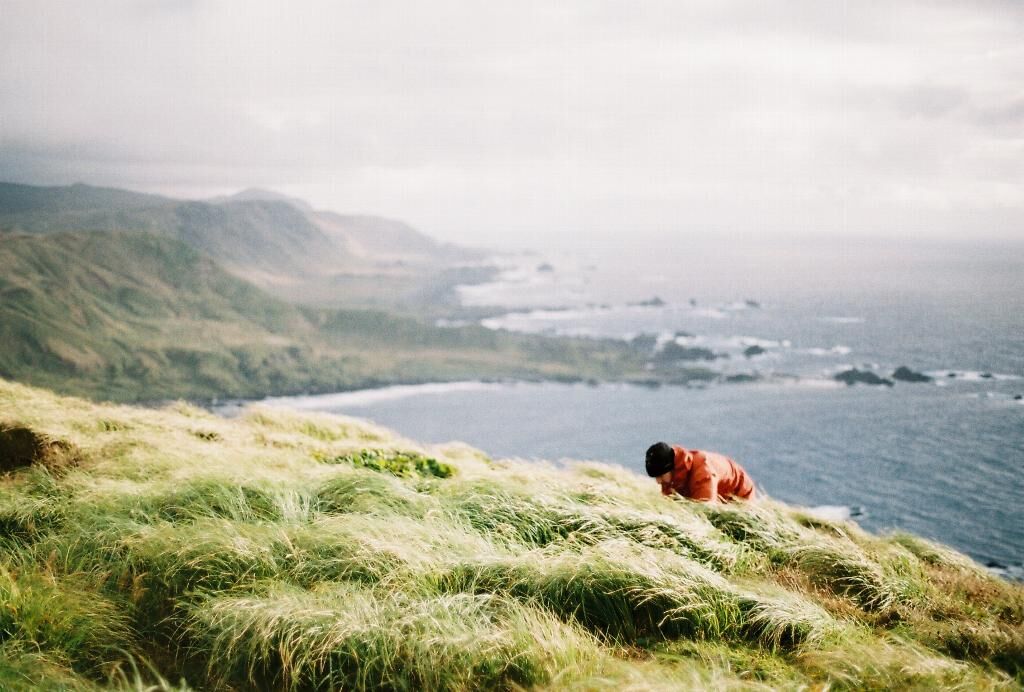
The largest multi-species vertebrate eradication to-date was declared a success on Australia's World Heritage Macquarie Island in 2014. Our research team has been investigating how the island ecosystem is responding following the removal of rabbits, rats and mice. We are monitoring species that were affected by rabbit grazing and rodents, such as threatened seabirds, unique vegetation communities and invertebrates. Burrowing petrels populations are increasing. We have documented more Grey Petrels than has ever been recorded on the island. Through the trialling of modern technology such as acoustic recorders and camera traps were are learning alot about the abundance of different burrowing petrel species across the 12 900 ha island. Skuas, a native predatory bird were impacted by the removal of major food source, rabbits. They are slowly increasing but are not yet at pre-eradication level. As vegetation changes and the predation pressure of rodents has been removed invertebrate diversity is also altering. Different invertebrates occur at different sites. We are seeing changes in the presence and abundance of caterpillars and spiders – both of which were eaten by mice. Long term photo monitoring is revealing how the vegetation changed with changes in rabbit abundance and we are now measuring areas that were heavily grazed by rabbits, returning to tussock grasslands and supporting Macquarie Island cabbage, two major plant species which provide habitat for many other species on the island.
Summary of the season 2016/17
The largest multi-species vertebrate eradication to-date was declared successful on Australia's World Heritage Macquarie Island in 2014. The island is home to numerous threatened species, seabirds, endemic plants and invertebrates. Through this project we have collated historic datasets, collected contemporary field data and established new monitoring sites. We have identified a robust suite of bioindicators and environmental parameters for tracking ecosystem change into the future. The project aims to provide on advice on an optimal long-term monitoring strategy for tracking ecosystem change. Ultimately the project will quantify the conservation return on investment for the $24.8 million spent on the eradication, and assist in decision making around island eradications globally.
Three PhD students have commenced working on this project. Surveys have been undertaken at historic invertebrate sites and new invertebrate monitoring sites have been established. We have detected that moths and spiders, which were known to be predated on by feral mice, are more abundant and have expanded their ranges, following mouse eradication. Vegetation at key burrowing petrel sites is recovering. We have partnered with other researchers involved in island eradications and are working towards a broader understanding of how ecosystems respond to removal of vertebrate pests.
Summary of the season 2015/16
The largest multi-species vertebrate eradication has recently been declared successful on Australia's World Heritage Macquarie Island. To date there has been no integrated approach to evaluate the effectiveness of this project in restoring ecosystem structure and function. This projects has collated existing long-term datasets, and aims to identify a robust suite of bioindicators. New field data has been collected, and more is proposed in years to come, with the goal of tracking ecosystem change into the future. We will use the collated biodiversity data, which is taxonomically diverse and spans many temporal and spatial scales and expert elicitation to construct qualitative models of ecosystems interactions. These will be used to identify where ecosystem restructuring may occur. All of these elements will assist in the development of an optimal long-term monitoring strategy for the island. Furthermore, this project will quantify the conservation return on investment for the $24.8 million spent on the eradication, and assist in decision making around island eradications globally.