

Project information
Project aim
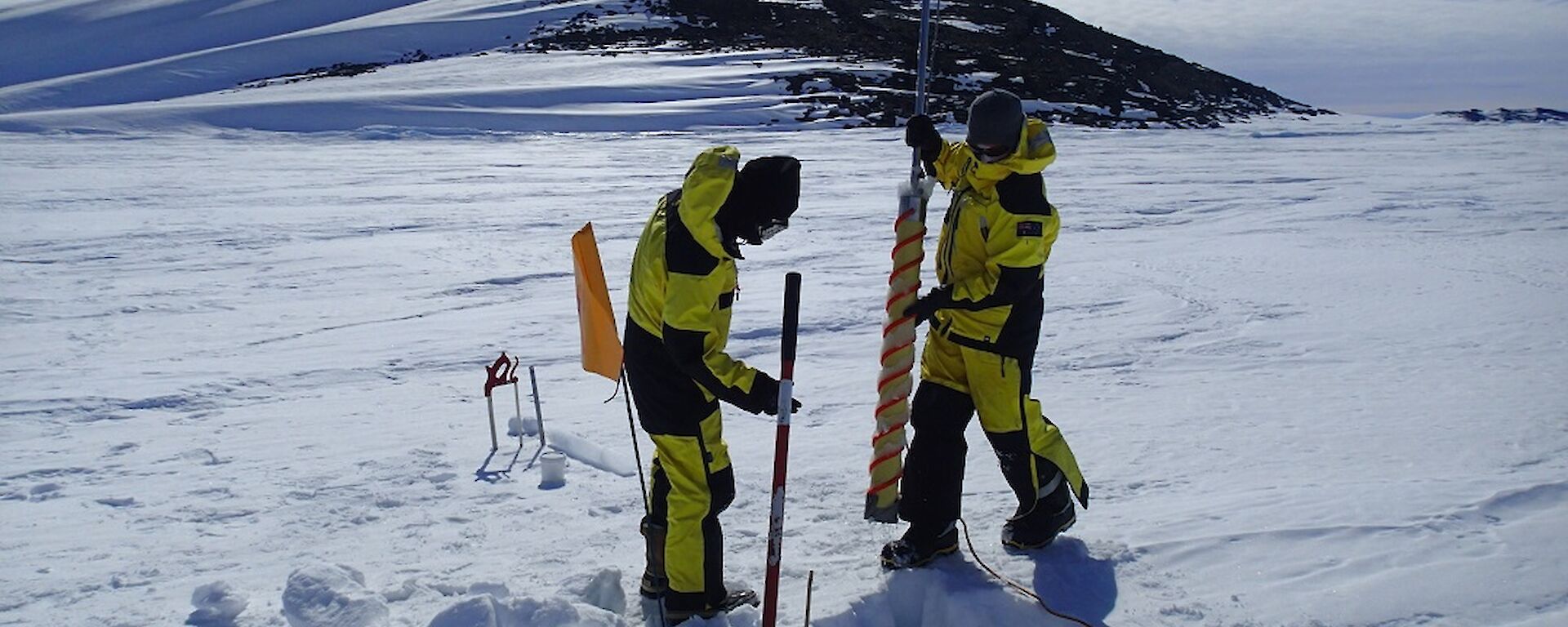
Land-fast sea ice (fast ice) is a preeminent feature of the Antarctic coastal zone, is a sensitive indicator and modulator of Antarctic climate processes, and serves as a structuring component of Antarctic marine ecosystems. This joint Australia - New Zealand multi-disciplinary project will improve understanding of, and measurement capability for, coupled physical-biological processes in Antarctic fast ice. By combining field experiments, the use of automated observatories, historical data collation, satellite observations and statistical modelling, the project will provide new data on local-to-circum-Antarctic scales. A key output of the project will be a physically-informed model of the seasonal development and fate of Antarctic fast-ice associated algal biomass. Furthermore, analyses will enhance the understanding of sea ice in Antarctic climate processes and will be utilised to improve parameterisation and evaluation of sea ice physical models.
Project milestones
Summary of the project achievements 2017/18
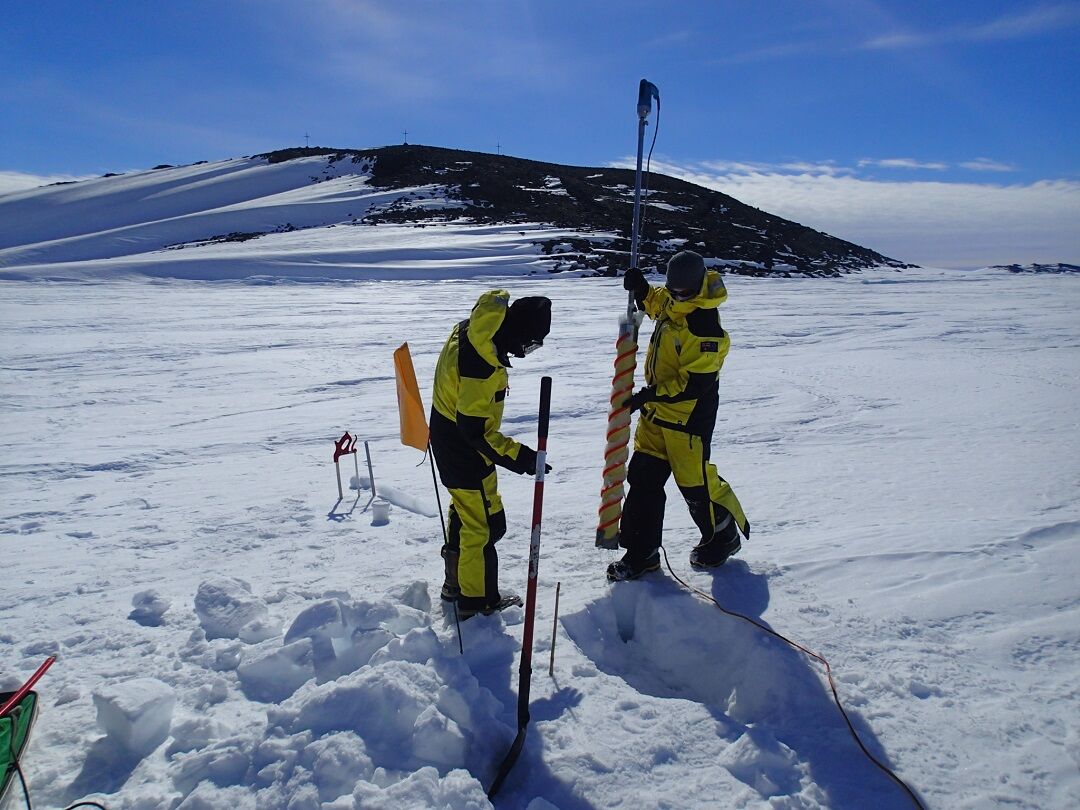
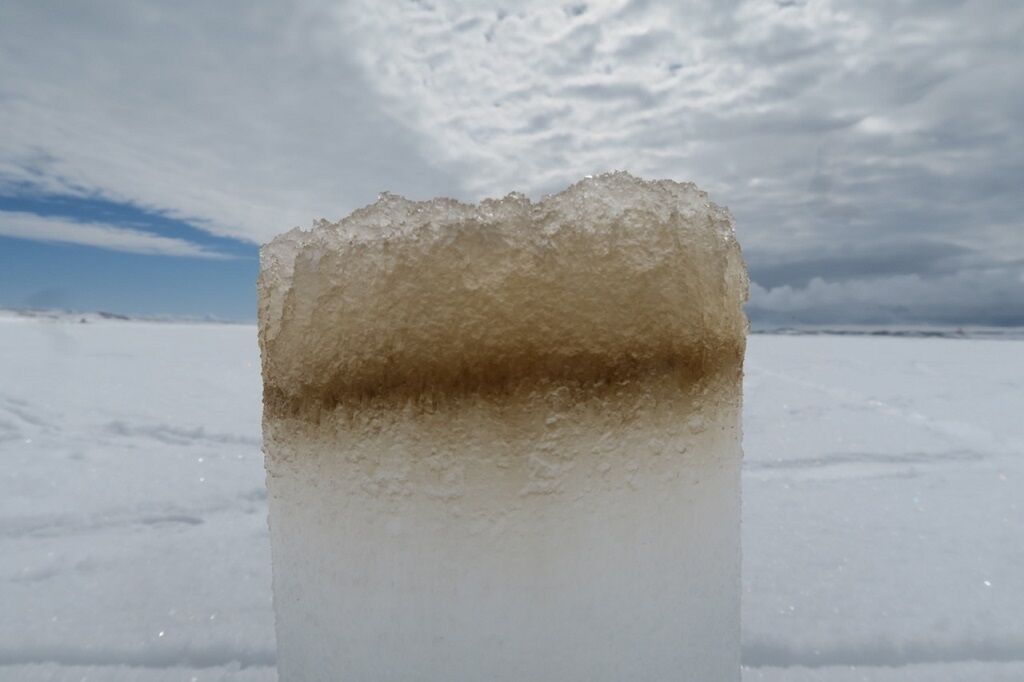
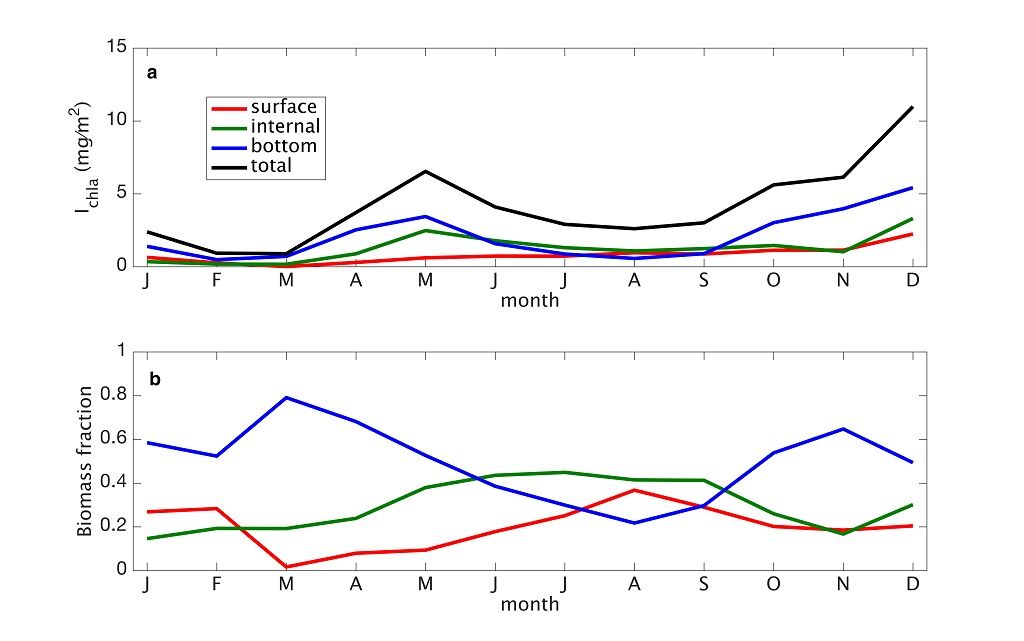
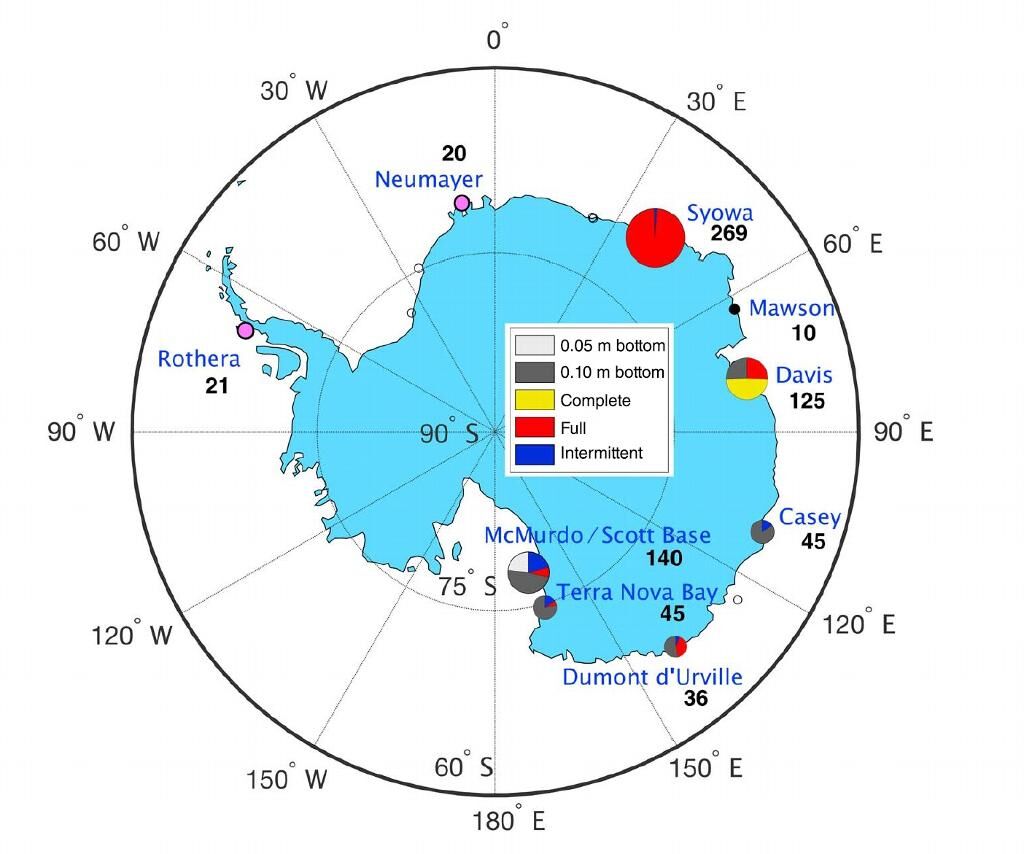
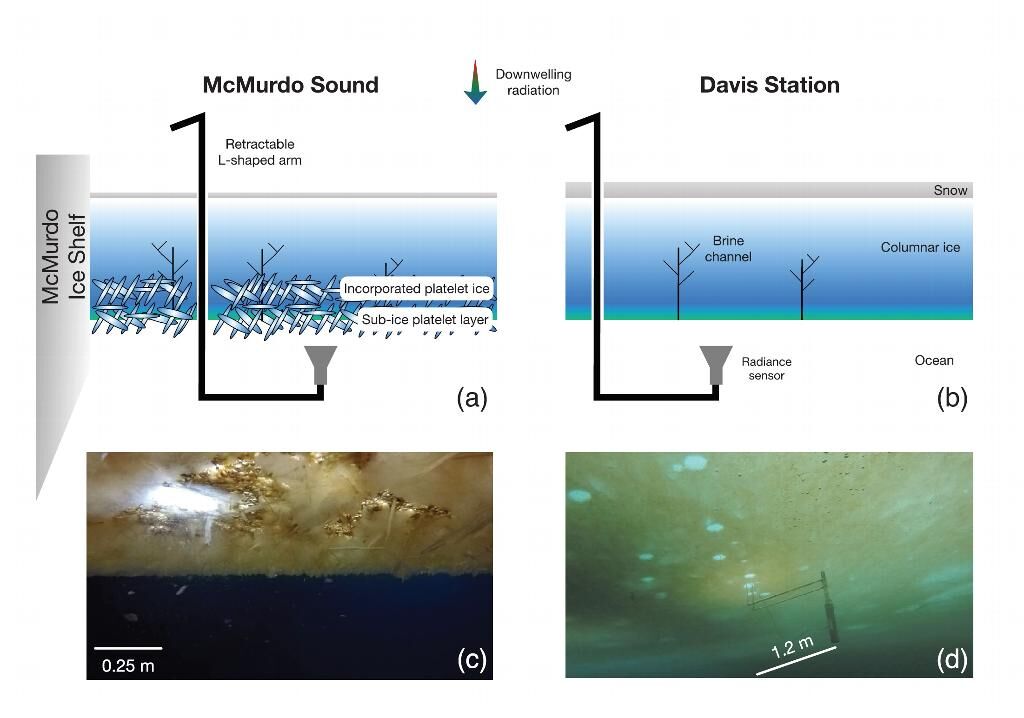
Land-fast sea ice (fast ice) contributes between 5% (winter) and 30% (summer) to the total ice cover around Antarctica and is a key feature of the East Antarctic coastal zone. It is a sensitive indicator and modulator of Antarctic climate processes, and serves as a structuring component in Antarctic marine ecosystems. This project has significantly improved the understanding of, and measurement capability for, coupled physical-biological processes in Antarctic fast ice. During the 2015/16 season a joint Australian - New Zealand research team carried out extensive field experiments at Davis Station. The team used classical (ice coring, snow pit measurements) methods and implemented newly-developed non-invasive bio-optical approaches to concomitantly measure physical and biological sea-ice properties in Antarctic fast ice. Leading an international effort in collating historical fast-ice information, the project team also assimilated a large circum-Antarctic database of sea-ice core chlorophyll data. This "Antarctic Fast Ice Algae Chlorophyll-a (AFIAC)" dataset has been made publicly available and provides a key and gap-filling resource for sea ice biogeochemical model parameterisation and evaluation to further enhance the understanding of sea ice in Antarctic climate processes and ecosystem function.
Summary of the season 2016/17
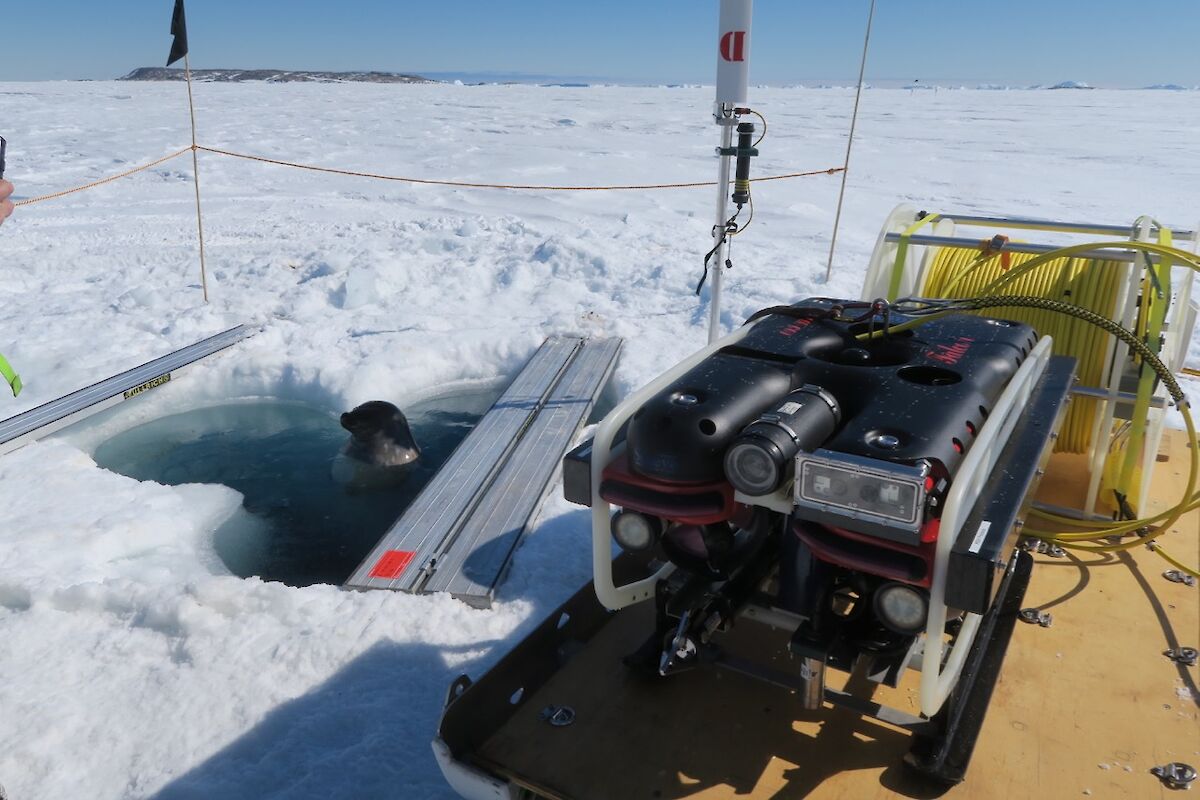
Land-fast sea ice (fast ice) contributes between 5% (winter) and 30% (summer) to the total ice cover around Antarctica and is an important structuring component of coastal Antarctic marine ecosystems. The aim of this project is to improve understanding of, and measurement capability for, coupled physical-biological processes in Antarctic fast ice. During the 2015/16 season a joint Australian - New Zealand research team carried out extensive field experiments at Davis station. The team used a combination of classical (ice coring, snow pit measurements) and state-of-the-art (an instrumented Remotely Operated Vehicle) methods to simultaneously measure physical and biological sea-ice properties in Antarctic fast ice. During the last year (2016/17) these efforts were combined with historical data collations which will inform the development of a model of the seasonal development and fate of Antarctic fast-ice associated algal biomass. These new data have been made publicly available and are currently being utilised to improve parameterisation and evaluation of sea-ice biogeochemical models to further enhance the understanding of sea ice in Antarctic climate processes and ecosystem function.
Summary of the season 2015/16
Land-fast sea ice (fast ice) is a preeminent feature of the Antarctic coastal zone, is a sensitive indicator and modulator of Antarctic climate processes, and serves as a structuring component of Antarctic marine ecosystems. The aim of this project is to improve understanding of, and measurement capability for, coupled physical-biological processes in Antarctic fast ice. During the 2015/16 season a joint Australian - New Zealand research team carried out extensive field experiments at Davis station. The team used a combination of classical (ice coring, snow pit measurements) and state-of-the-art methods (an instrumented Remotely Operated Vehicle) to simultaneously measure physical and biological sea-ice properties in Antarctic fast ice. These efforts were combined with historical data collations which will inform the development of a model of the seasonal development and fate of Antarctic fast-ice associated algal biomass. The new data analyses and products will also be utilised to improve parameterisation and evaluation of sea-ice physical models to further enhance the understanding of sea ice in Antarctic climate processes.