
Project information
Project aim
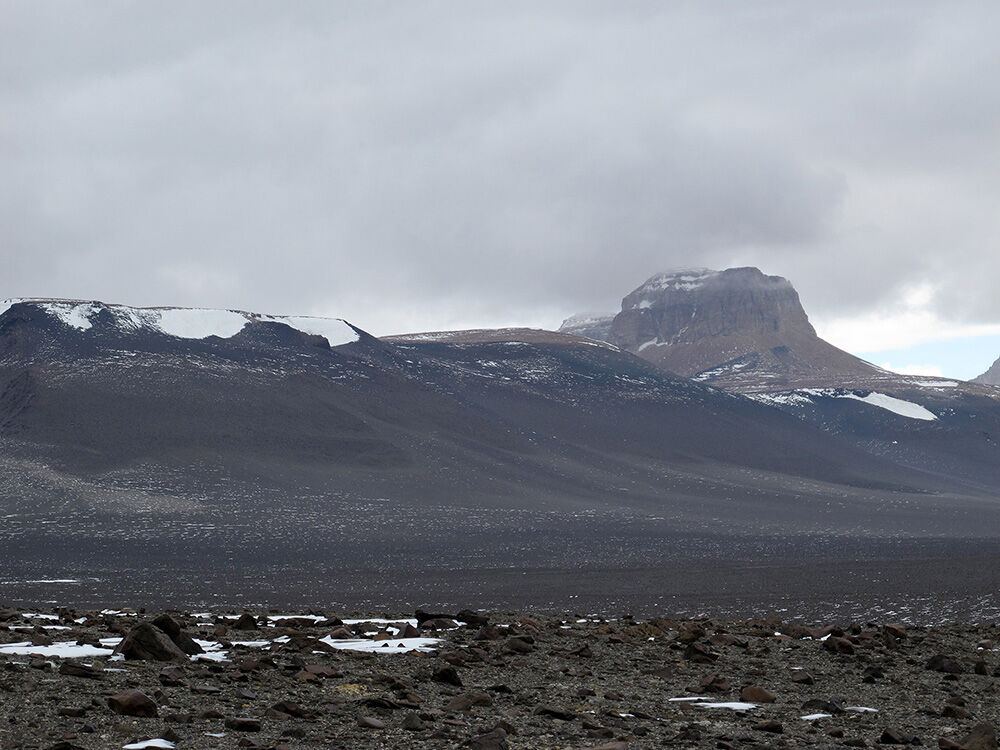
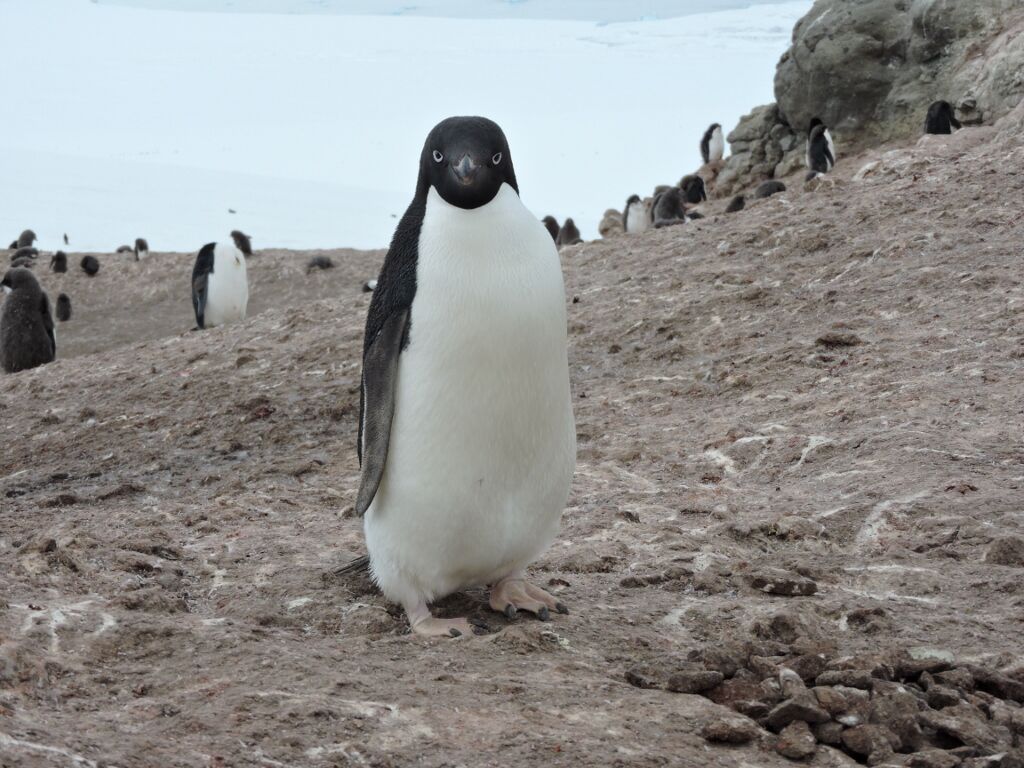
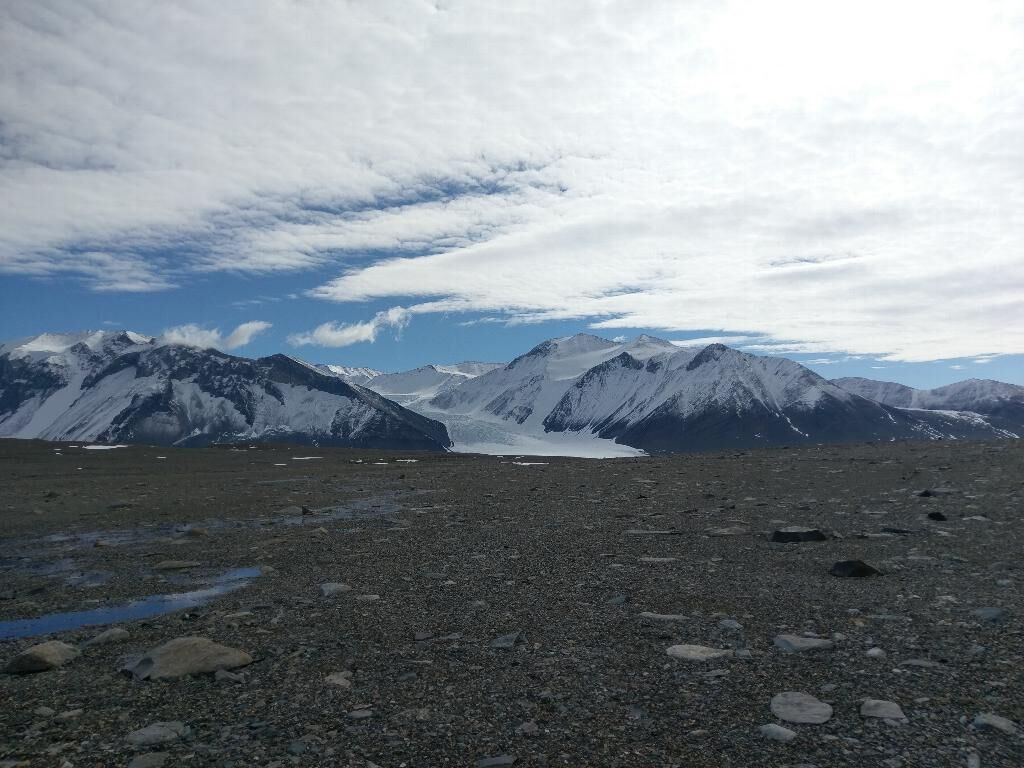
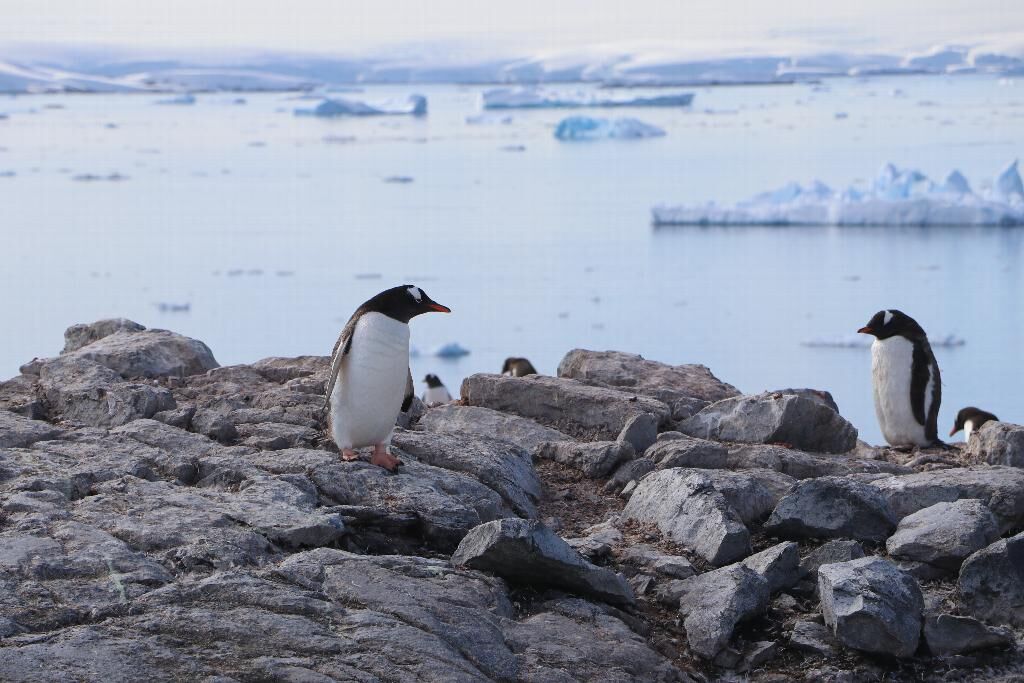
Across much of the planet, climate change is causing species' distributions to decline and fragment. However, Antarctica's ice-free regions may coalesce as the world's climate warms, facilitating dispersal and gene-flow between regions that have maintained genetic and evolutionary distinction for up to 60 million years. Antarctic ice-free areas constitute only 0.3% of the surveyed continent, yet are home to a large number of species, including plants, invertebrates and microbes, many of which are endemic. This project will predict the distribution of an extensive range of taxa, ranging from microbes to mammals, based on a number of climatic and environmental parameters. These predictions will then be used to assess the impacts of climate change and other environmental stressors in the context of existing and future threats and inform conservation planning, particularly with regard to the designation of new protected areas.
Project milestones
Summary of the project achievements 2017/18
Project 4297 produced novel analyses of processes threatening Antarctic terrestrial biodiversity and undertook a prioritisation of conservation actions to identify those actions that are likely to provide the greatest benefit to different regions and taxonomic groups. Specifically, the project undertook projections of ice-free area into the future under different climate change scenarios, assessed the impact of sea-level change on different regions and associated biodiversity and human activities, projected the distribution of tourist landing sites into the future, and prioritised cost-effective conservation actions for all terrestrial Antarctic biodiversity across the continent. The outputs of this projects are of interest to policy makers and can be used to aid conservation planning and management in the region.
Summary of the season 2016/17
The second year of the project has seen substantial progress in several key areas. Significantly, the ice-free area expansion work has been accepted for publication in the scientific journal Nature. In this study, which represents a major milestone of the project, we projected the effects of climate change on Antarctic ice-free areas, finding that the Antarctic Peninsula will be greatly impacted. We also highlighted that increasing connectivity and coalescence of ice-free areas will provide new opportunities for the dispersal and expansion of native and non-native species.
Analyses to inform our understanding of the vulnerability of terrestrial Antarctic species to climate change are well underway, where we are using a combination of life-history traits and projected changes in climate to determine which species groups are vulnerable and where they occur. Finally, we have also been busy preparing for an expert elicitation workshop, which will occur just prior to the Antarctic Biology Symposium in Belgium, July 2017. This workshop will bring together over 25 Antarctic biodiversity experts and managers to prioritise conservation actions for terrestrial Antarctic biodiversity.
Summary of the season 2015/16
In the first year of this project we investigated how Antarctic ice-free areas are likely to be impacted by global climate change. Ice-free areas are small patches of rock or soil habitat in a sea of ice. Although these areas make up an extremely small proportion of the Antarctic continent, they are home to over 99% of the biodiversity. Our research found that under climate change, ice-free areas may experience an expansion of over 18,000km2, representing a 25% increase over the current area. Most of this expansion will be on the Antarctic Peninsula, a region already identified at high risk of invasion by non-native species. For biodiversity ice-free expansion might mean species that have been isolated (in small ice-free areas) for thousands to millions of years are suddenly connected. Increasing connectivity means increased dispersal opportunities, increased competition between species and increased opportunities for invasive species. The next stage of this project will look at climate change impacts on different Antarctic taxonomic groups and how their distributions might be impacted by climate change and an expansion of potential habitat.