

Project information
Project aim
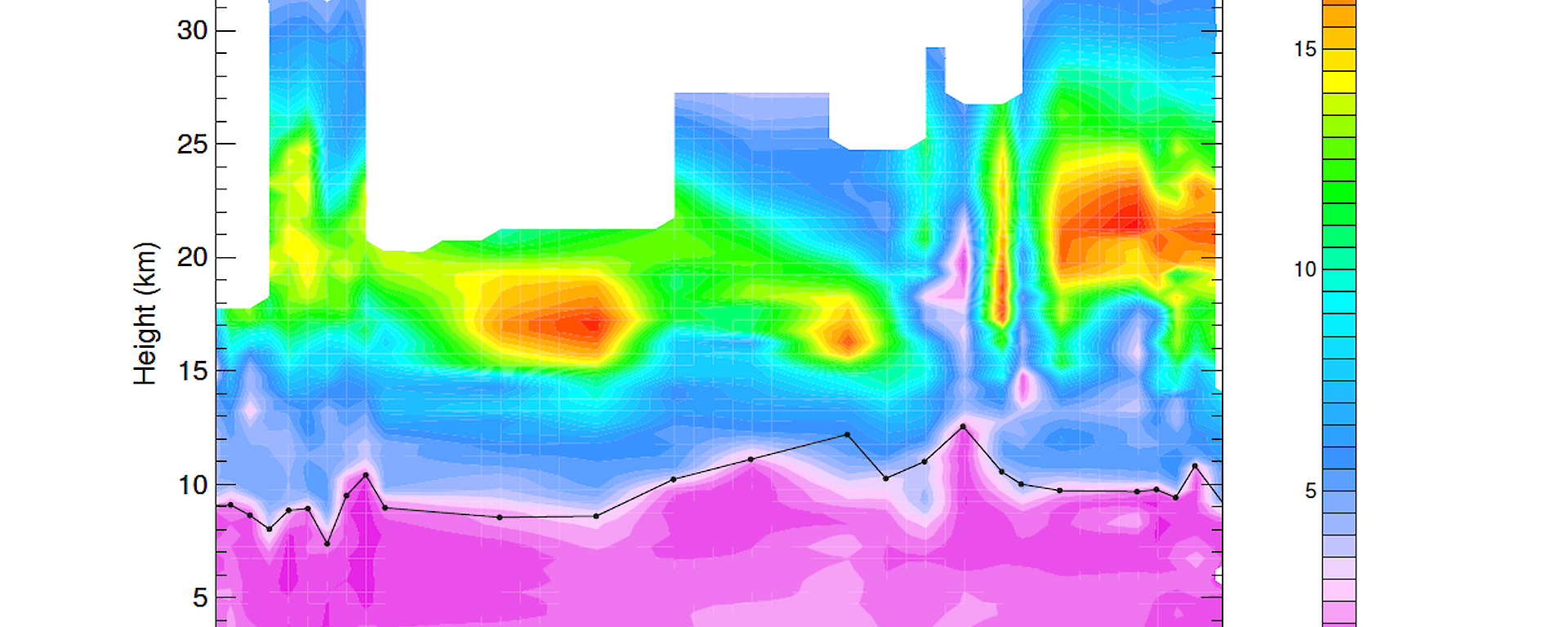
We will extend the detailed measurement record of atmospheric ozone in the vicinity of Davis station in East Antarctica using routinely launched balloon-borne ozone sensors. These measurements will contribute to global monitoring of the long-term behaviour of ozone in the troposphere and lower stratosphere. Research activities associated with our project will continue the assessment of ozone variability associated with the Antarctic ozone hole and human-caused ozone depletion, and the influence of climate change, pollution and natural processes on the chemistry of the lower atmosphere. Information from the project will assist in the validation of satellite sensors and the evaluation of global and regional climate models, and provide data for on-going analyses of global atmospheric composition.
Project milestones
Summary of the season 2021/22
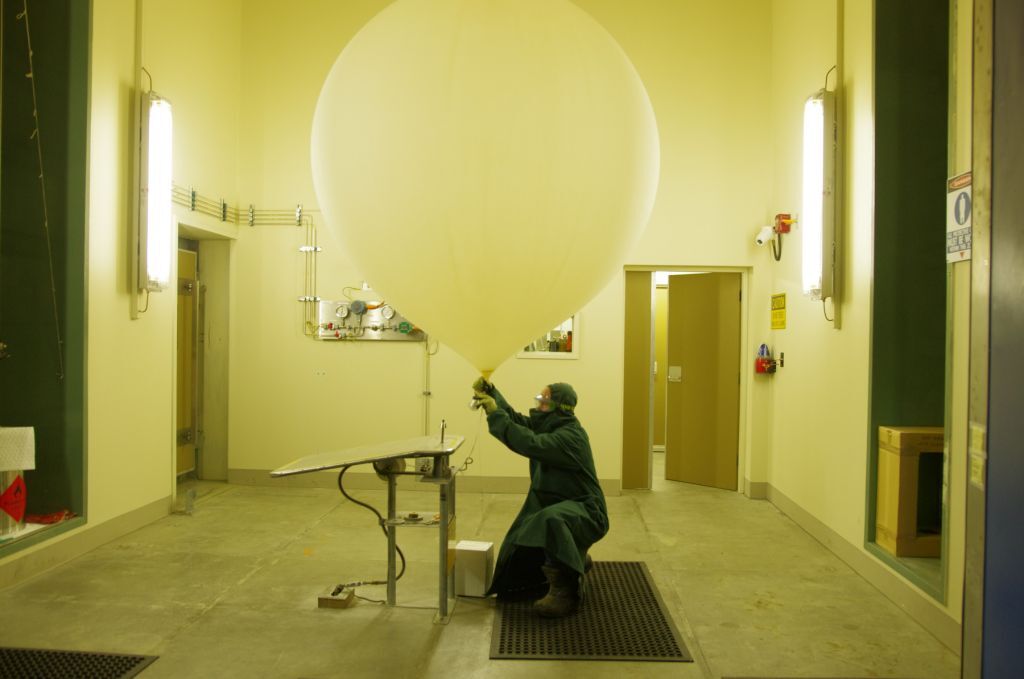
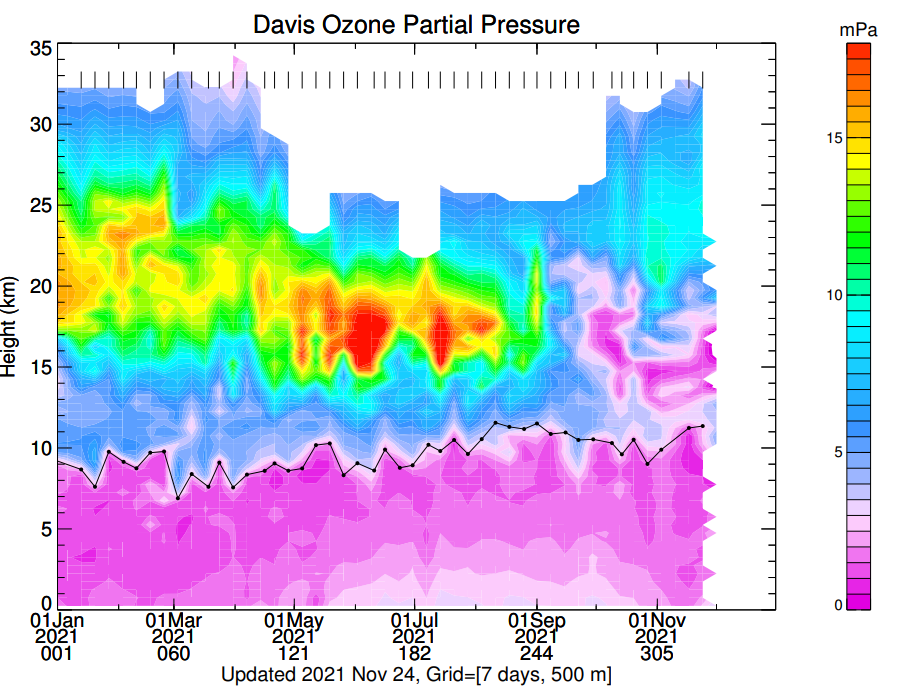
Measurements of the atmospheric concentration of ozone as a function of height from the ground up to about 35 km were made at weekly intervals at Davis Research Station throughout the 2021/22 season. The measurements, which were obtained with balloon-borne ozonesondes, provided data for the continued long-term monitoring and investigation of the Antarctic ozone hole. During the spring of 2021, ozone concentrations in the lower stratosphere (14-22 km altitude) above Davis were below the long-term average, and similar to conditions in 2020. A key factor promoting strong ozone depletion in 2020 was the relative stability and strength of the atmospheric circulation over Antarctica, which allowed low temperatures to enhance ozone depletion reactions in relative isolation from the rest of the global atmosphere. These conditions were favoured by the prevailing large-scale climate modes, particularly the continuing La Niña phase of the El Niño Southern Oscillation.
Summary of the project achievements 2020/21
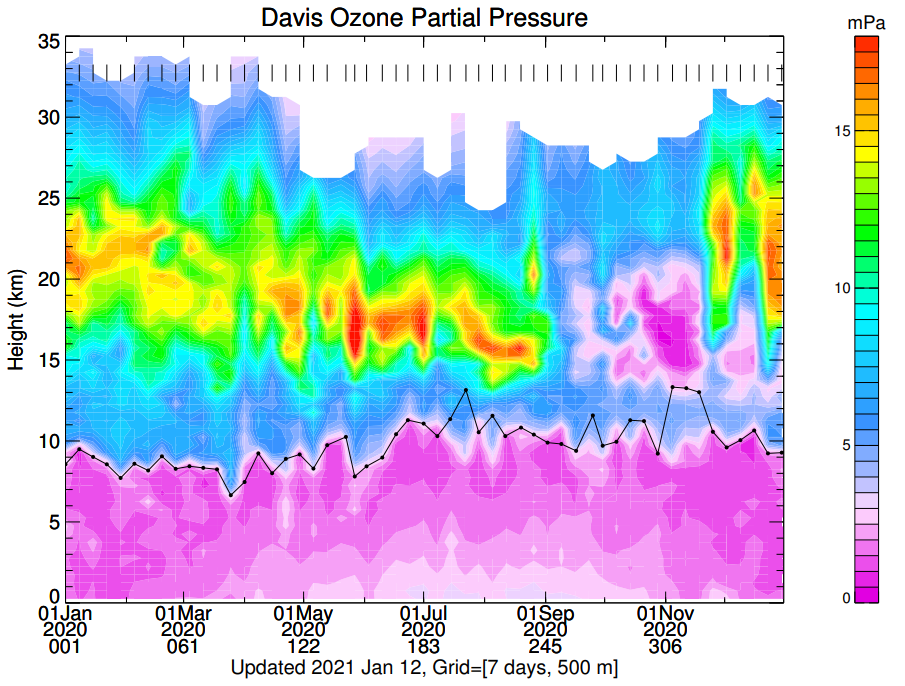
Measurements of the atmospheric concentration of ozone as a function of height from the ground up to about 35 km were made at weekly intervals at Davis Research Station throughout the 2020/21 season. The measurements, which were obtained with balloon-borne ozonesondes, provided data for the continued long-term monitoring and investigation of the Antarctic ozone hole. During the spring of 2020, ozone concentrations in the lower stratosphere (14-22 km altitude) above Davis were below the long-term average. Some measurements from late-October to mid-December were the smallest observed since measurements began in 2003. These low ozone concentrations were the result of the 2020 ozone hole being relatively large, particularly in late-spring to early-summer when new records were set for observed ozone depletion. This strongly contrasted with the situation in 2019 when the ozone hole was one of the smallest observed. A key factor in 2020 was the relative stability and strength of the atmospheric circulation over Antarctica, which allowed low temperatures to enhance ozone depletion reactions in relative isolation from the rest of the global atmosphere. These conditions were favoured by the prevailing large-scale climate modes, particularly the emerging La Niña phase of the El Niño Southern Oscillation. While 2020 was unusual in comparison to recent years, we expect that, on a multi-year timescale, there will be a continued future increase in spring ozone levels over Davis. This is expected based on the observed declining levels of ozone depleting substances in the atmosphere as a direct result of the Montreal protocol. However, we expect that there will continue to be variability in ozone levels from year to year, such as that seen in 2020, due to meteorological factors.
Summary of the season 2019/20
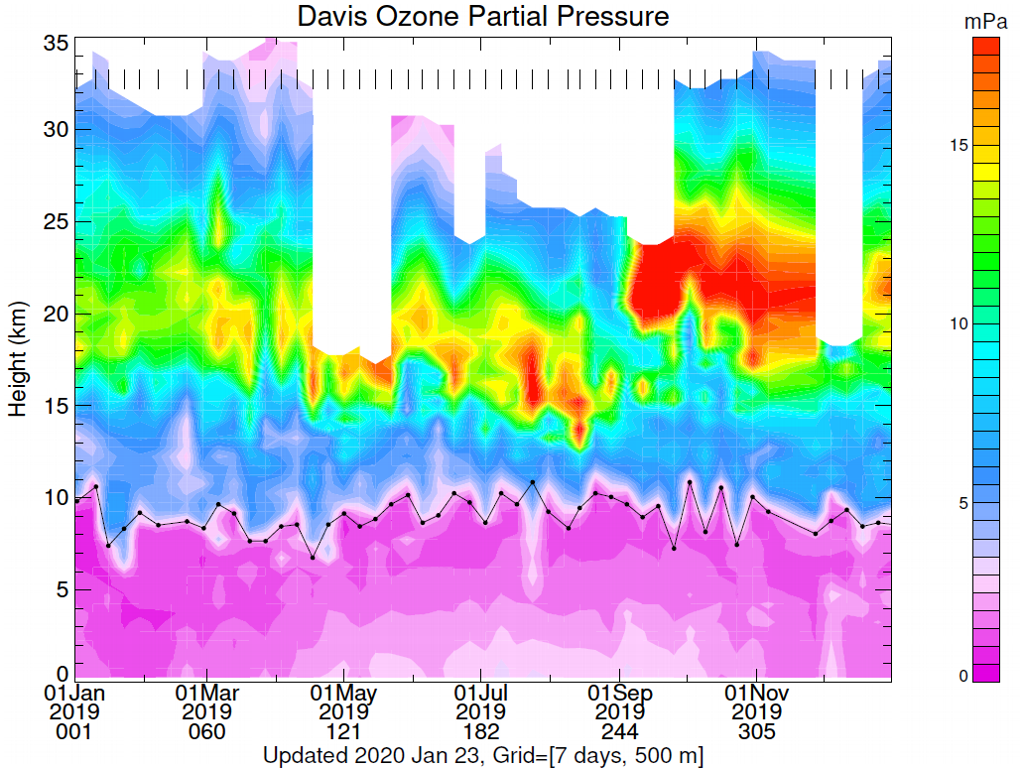
Measurements of the atmospheric concentration of ozone as a function of height from the ground up to about 35 km were made at weekly intervals at Davis Research Station throughout the 2019/20 season. The measurements, which were obtained with balloon-borne ozonesondes, provided data for the continued long-term monitoring and investigation of the Antarctic ozone hole. During the spring of 2019, ozone concentrations in the lower stratosphere (12-30 km altitude) above Davis were high in comparison with recent years, with only a relatively small influence from the Antarctic ozone hole during the spring months. This was because of two related factors; (1) the overall size of the ozone hole in 2019 was one of the smallest observed since the 1980s because of strong meteorological warming of the Antarctic atmosphere in September and October; (2) the ozone hole was situated generally more poleward from Davis than usual as a result of the warming, allowing ozone-rich air from mid-latitudes to move over the site. Overall, the relatively high ozone concentrations over Davis in the spring of 2019 were primarily the result of meteorological processes rather than on-going international controls on ozone depleting chemicals. Research being prepared for peer-review shows that over 2003-2018 there was a statistically significant positive trend in spring ozone levels over a limited height range (near 20 km) above Davis, in line with other areas of Antarctica. We expect that, on a multi-year timescale, there will be a continued future increase in spring ozone levels over Davis as concentrations of human-produced ozone depleting chemicals in the Antarctic stratosphere continue to decline, although there will continue to be variability in ozone levels from year to year, such as that seen in 2019, due to meteorological factors.
Summary of the season 2018/19
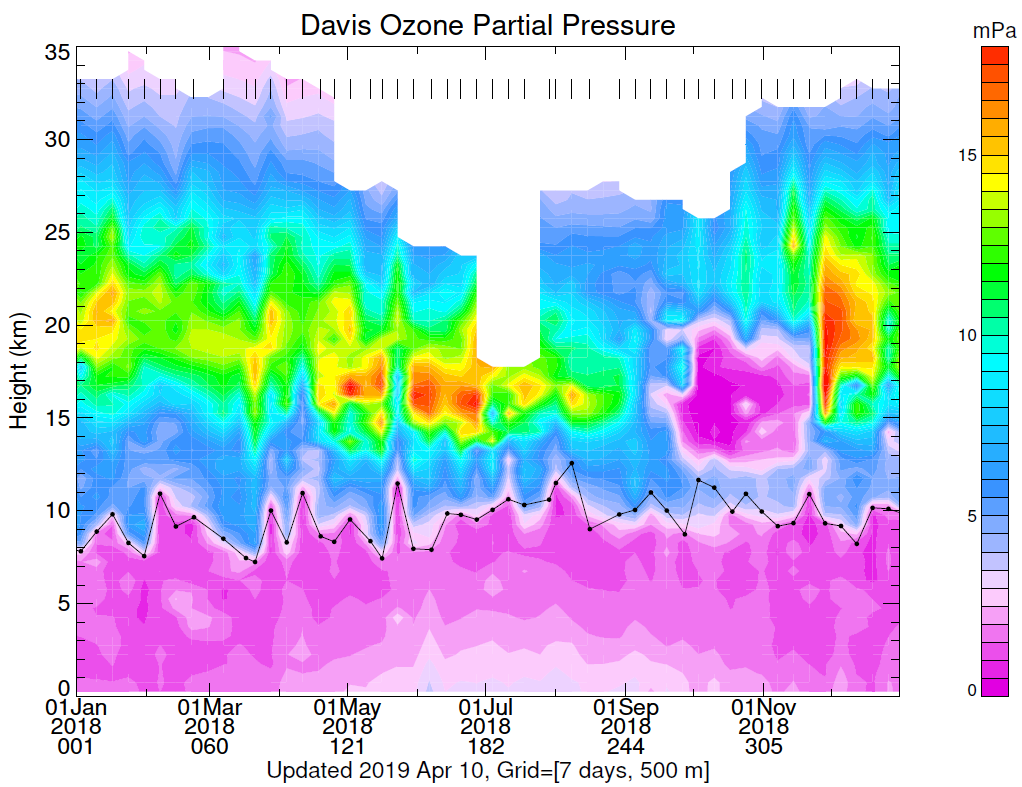
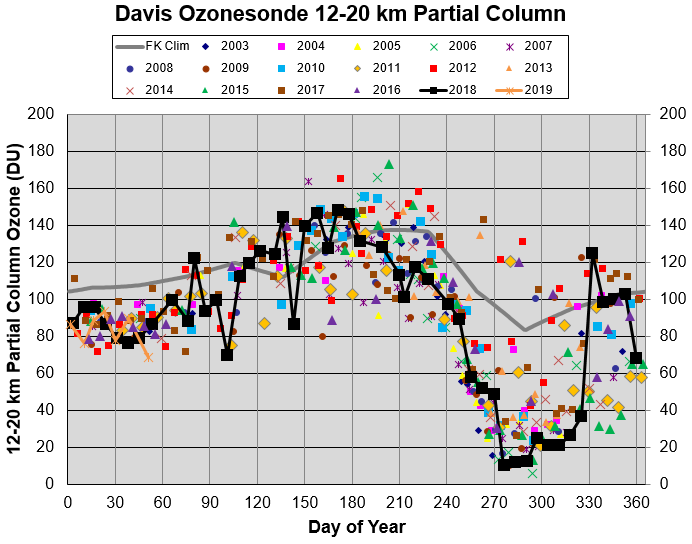
Measurements of the atmospheric concentration of ozone as a function of height from the ground up to about 35 km were made at weekly intervals at Davis Research Station throughout the 2018/19 season. The measurements, which were obtained with balloon-borne ozonesondes, provided data for the continued long-term monitoring and investigation of the Antarctic ozone hole. During the spring of 2018, the ozone hole above Davis was relatively large in comparison with recent years, and ozone levels in between 12 km and 20 km height in September and October were amongst the lowest observed since records began in 2003. Initial research indicates that this was primarily due to cold and stable meteorological conditions in the lower stratosphere that aided the overall level of ozone destruction. Other research investigating the long-terms trend in ozone shows that there are unambiguous signs of a recovery in spring ozone levels above Davis over a limited height range (near 20 km), in line with other areas of Antarctica. We expect, on average, a continued increase in spring ozone levels over Davis over coming years as concentrations of human-produced ozone depleting chemicals in the Antarctic stratosphere continue to decline, although there will continue to be variability in ozone levels from year to year due to meteorological factors.
Summary of the season 2017/18
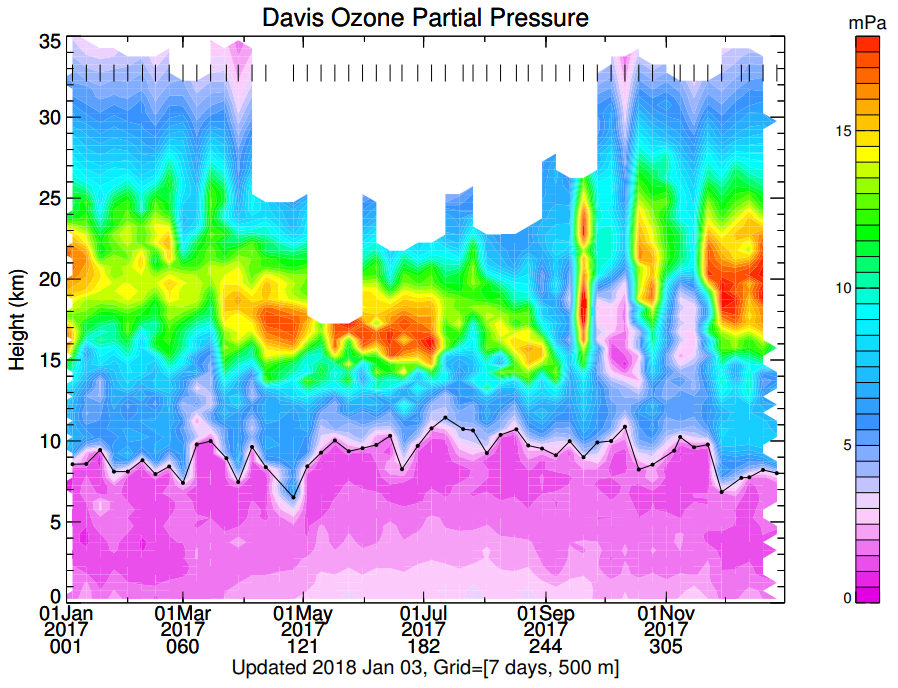
Measurements of the atmospheric concentration of ozone as a function of height from the ground to about 35 km were made at weekly intervals at Davis Research Station throughout the 2017/18 season. The measurements, which were obtained with balloon-borne ozonesondes, provided data for the continued long-term monitoring and investigation of the Antarctic ozone hole. During the spring of 2017, the ozone hole above Davis was the weakest observed since measurements began at the site in 2003. Initial research indicates that this was primarily due to relatively warm and disturbed meteorological conditions in the lower stratosphere that mitigated the overall level of ozone destruction. Other research investigating the long-terms trend in ozone indicates that it is still not yet possible to detect the unambiguous sign of a recovery in spring ozone levels above Davis, although recovery apparent more widely over Antarctica. This is because the Davis observational record is relatively short (15 years) and the influence of inter-annual meteorological variability at the site is relatively large. We expect an increase in spring ozone levels over Davis to become apparent in the next few years as concentrations of human-produced ozone depleting chemicals in the Antarctic stratosphere continue to decline.
Summary of the season 2016/17
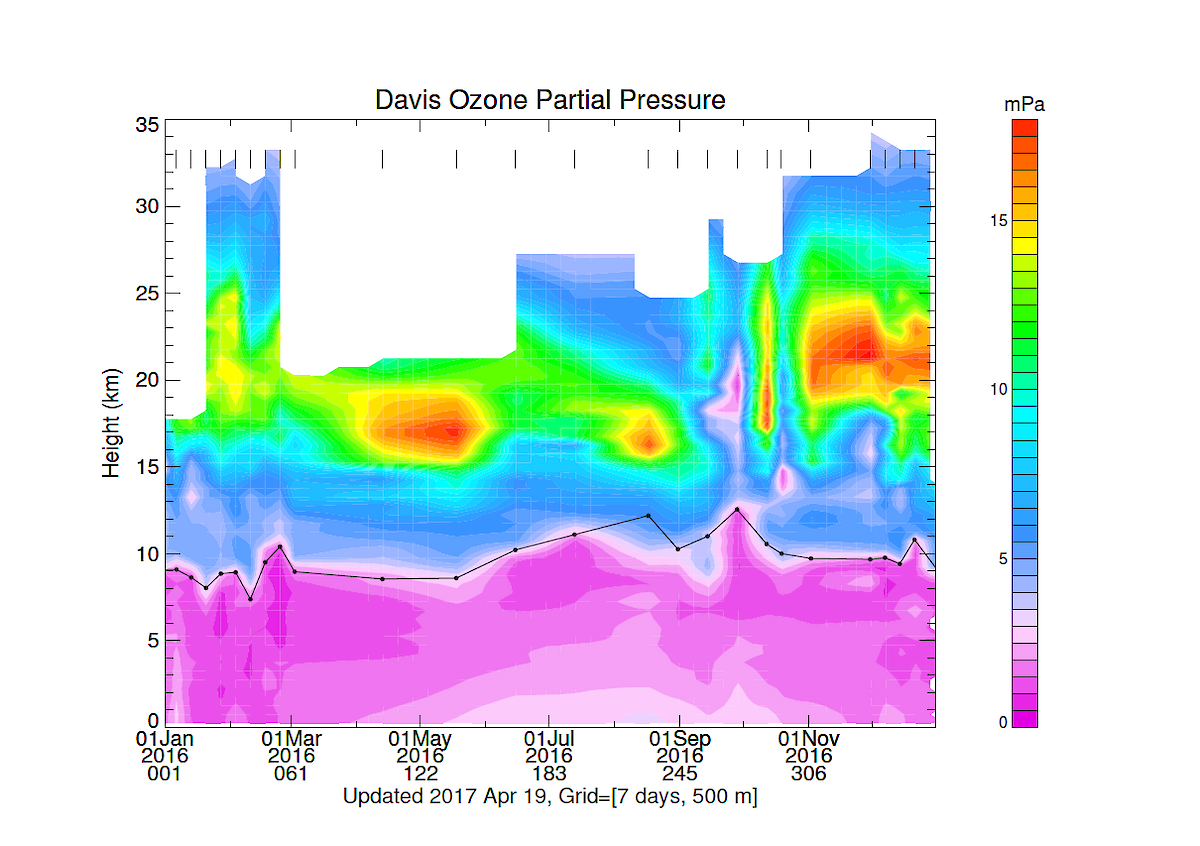
Measurements of the atmospheric concentration of ozone as a function of height from the ground to about 35 km were made at weekly-to-monthly intervals at Davis Research Station throughout the season. The measurements, which were obtained with balloon-borne ozonesondes, provided data for the long-term monitoring and investigation of the Antarctic ozone hole. During the spring of 2016, the ozone hole above Davis was relatively weak and short-lived compared with the ozone hole of 2015. Initial research indicates that this was due to relatively warm and disturbed conditions in the lower stratosphere in 2016, and reduced levels of volcanic stratospheric aerosols that aided ozone loss in 2015. Other research investigating the long-terms trend in ozone above Davis indicates that it is still not yet possible to detect the unambiguous sign of a recovery in spring ozone levels above Davis, although this is expected to become apparent in the next few years.
Summary of the season 2015/16
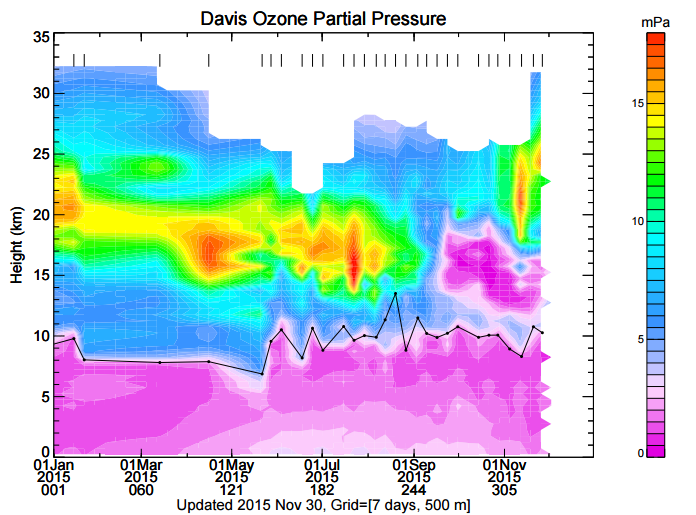
Measurements of the atmospheric concentration of ozone as a function of height from the ground to about 30 km were made at approximately weekly intervals at Davis Research Station throughout the season. The measurements, which were obtained with balloon-borne ozonesondes, provided data for the long-term monitoring and investigation of the Antarctic ozone hole. During the spring of 2015, the ozone hole above Davis was unusually strong and long-lived compared with recent years. Initial research indicates that this was due to unusually stable and cold conditions in the lower stratosphere that appear linked to warm temperatures in the Pacific and Indian oceans. Other research investigating the long-terms trend in ozone above Davis indicates that it is not yet possible to detect the unambiguous sign of a recovery in spring ozone levels above Davis, although this is expected to become apparent in the next few years.