

Project information
Project aim
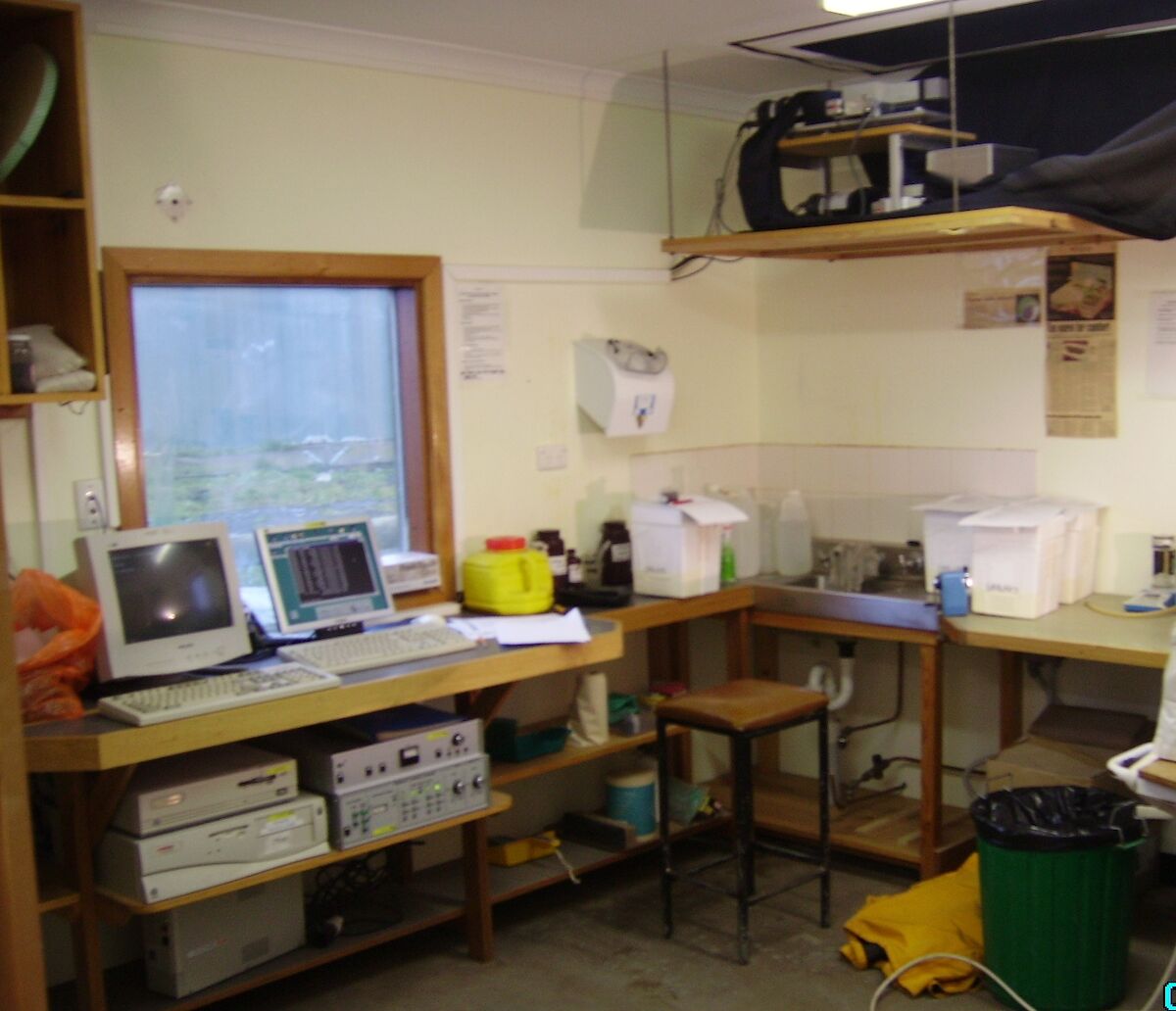
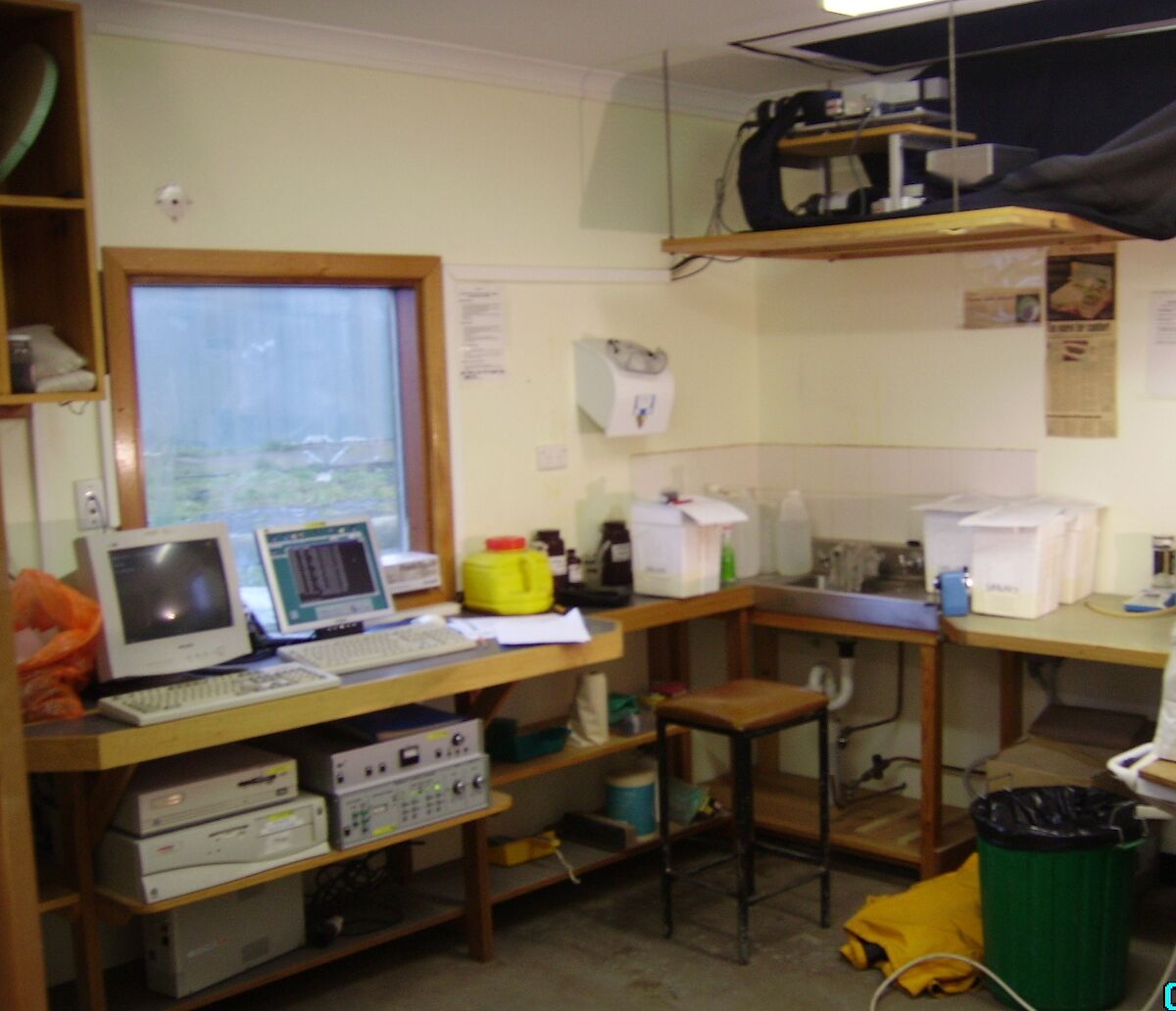
Measurements of nitrogen dioxide (NO2), one of the key trace gases in the atmosphere, improve our understanding of the changes in atmospheric chemistry which are caused by emissions of man-made gases (such as N2O, CFCs or GHGs) and natural events (such as volcanic eruptions). Continuous long-term measurements of NO2 are made at Macquarie Island since 1996; they allow us to study NO2 trends at this site over a time period of 15 years and more. These measurements will make a valuable contribution to chemistry-climate model validation and hence the simulation of future changes in surface climate.
Project milestones
Summary of the project achievements 2020/21
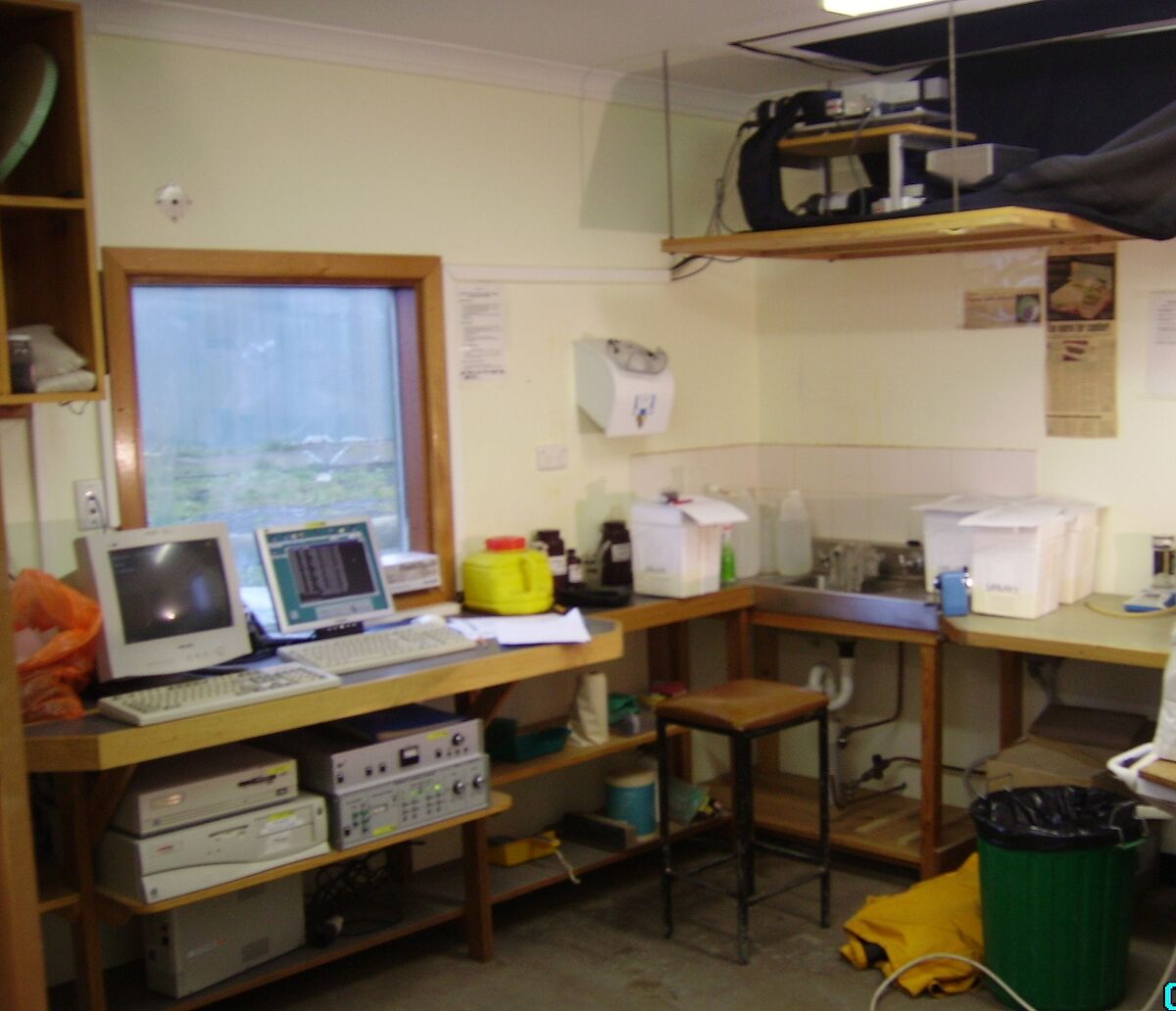
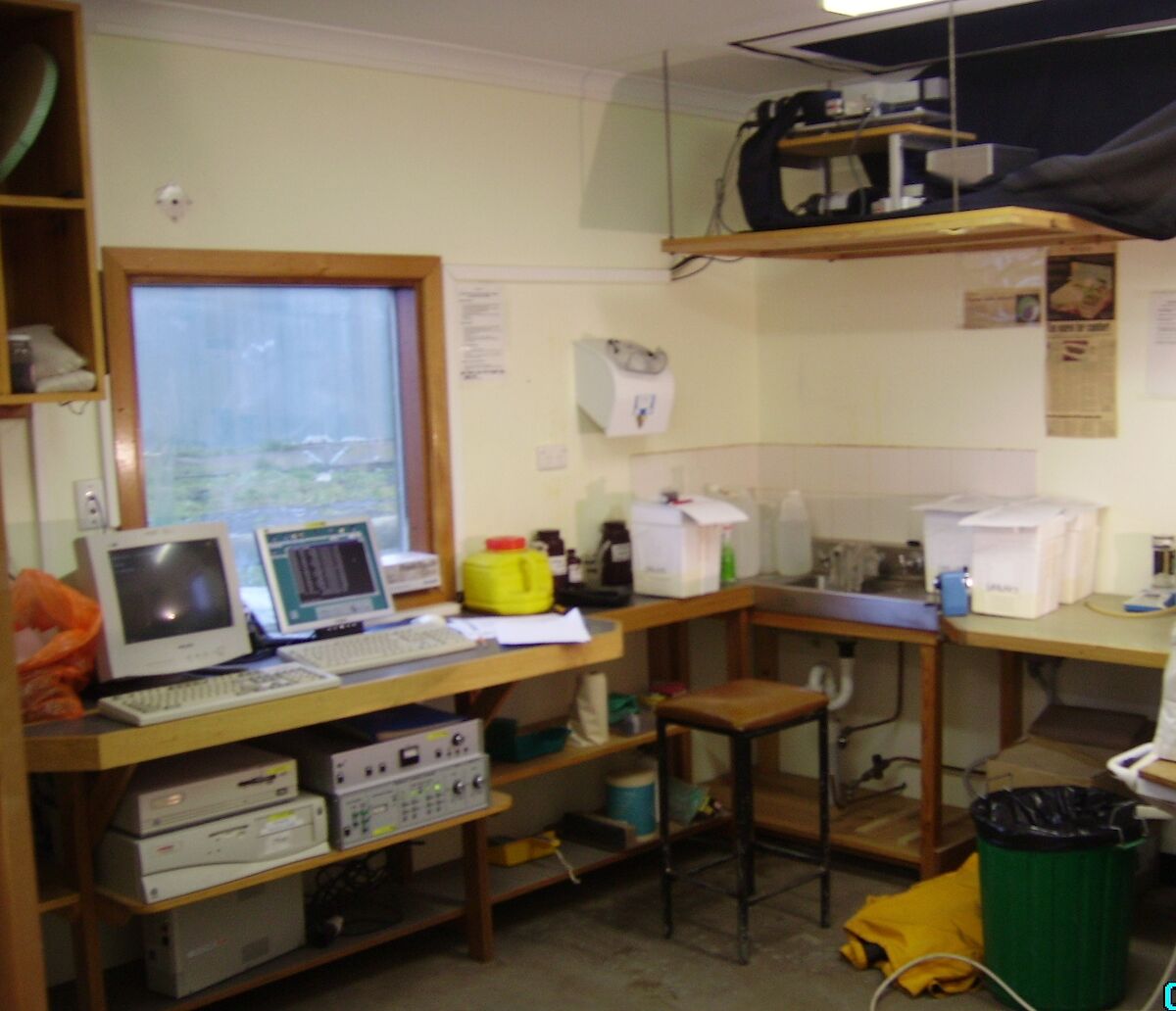
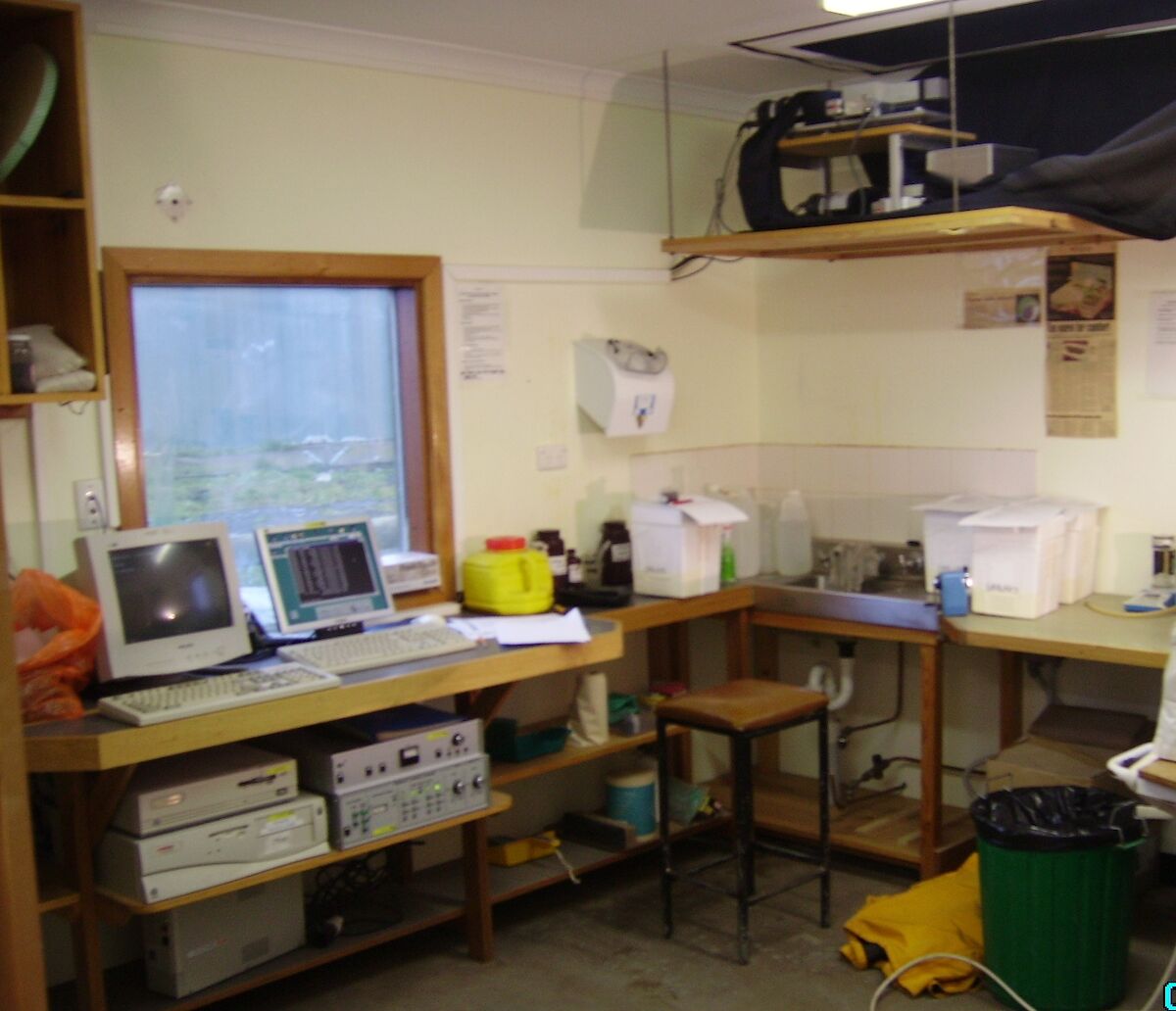
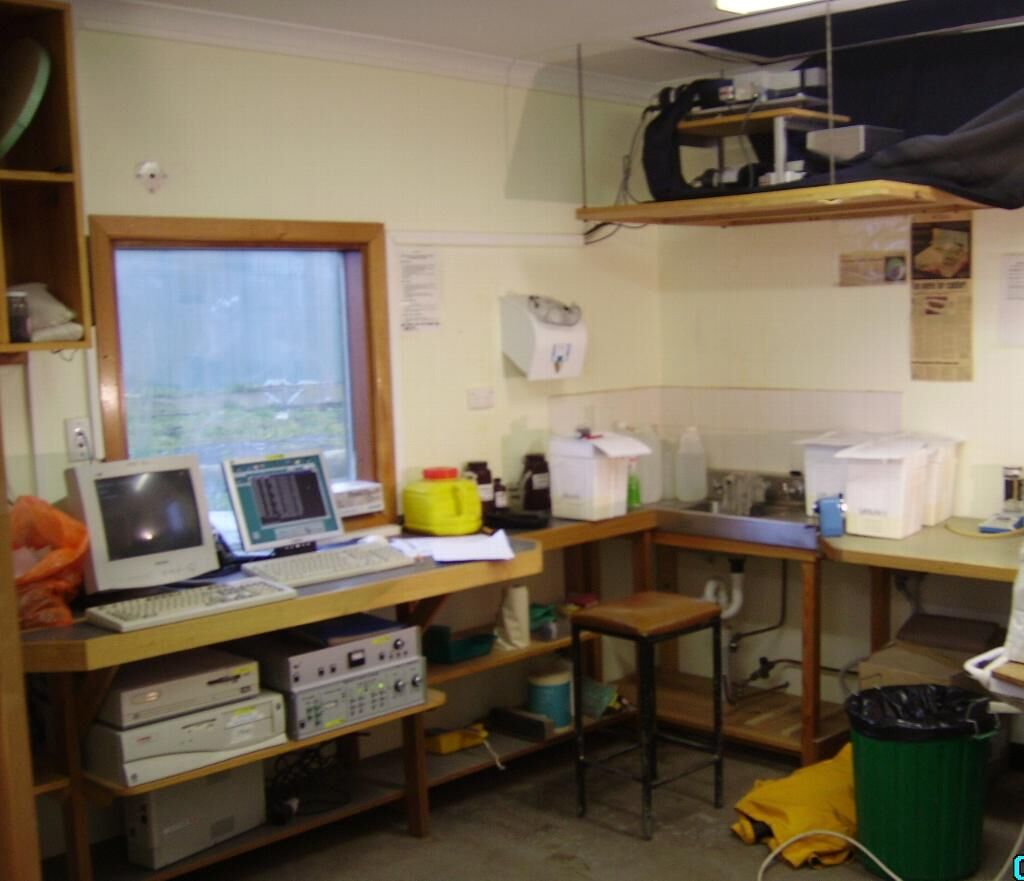
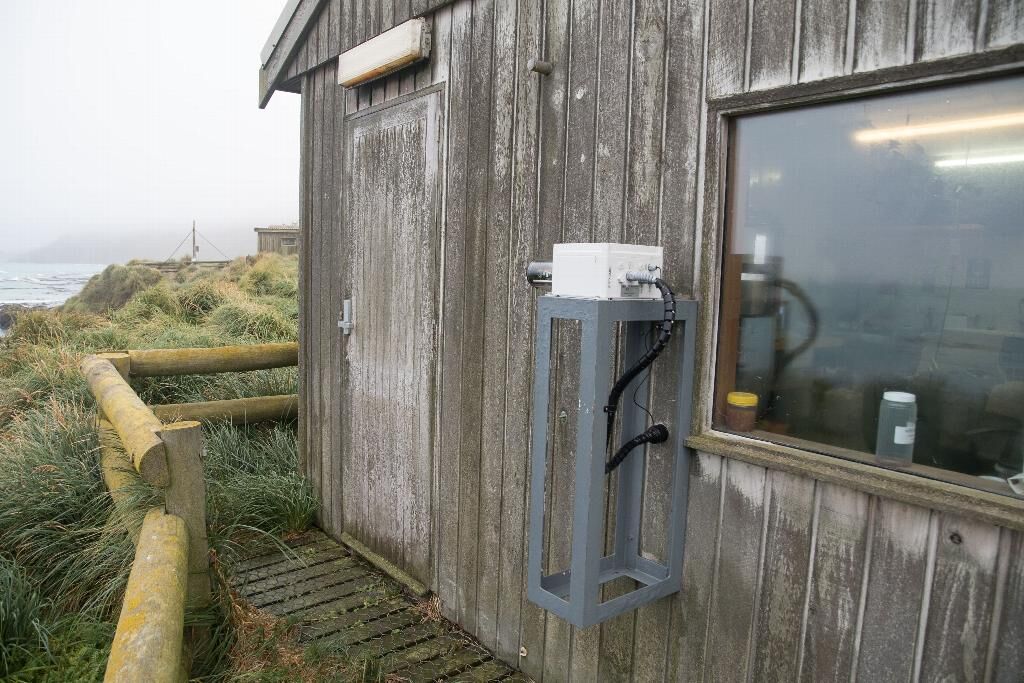
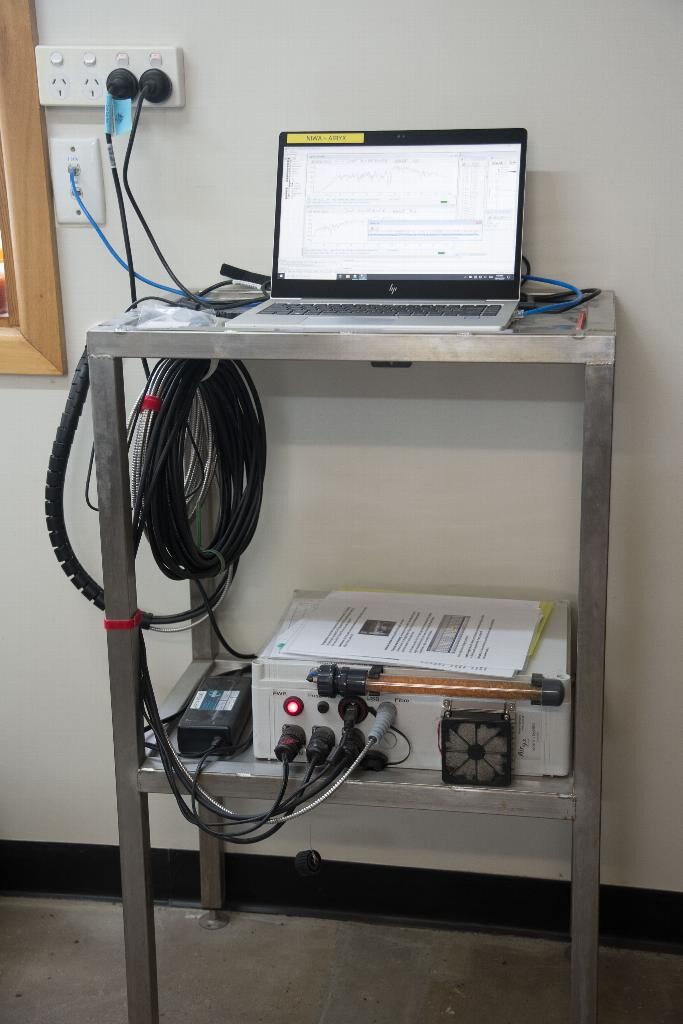
Routine stratospheric nitrogen dioxide measurements continue at Macquarie Island with our legacy DOAS spectrometer (since 1996). A MAX-DOAS instrument was installed in 2020 is now operating at the site.
Summary of the season 2020/21
Routine stratospheric nitrogen dioxide measurements continue at Macquarie Island with our legacy DOAS spectrometer. A new MAX-DOAS instrument was installed last season and is now operating at the site.
Summary of the season 2019/20
Routine stratospheric nitrogen dioxide measurements continue at Macquarie Island with our legacy DOAS spectrometer. A new MAX-DOAS instrument was installed earlier this season and is now operating at the site.
Summary of the season 2017/18
Nitrogen dioxide (NO2) plays a critical role in stratospheric ozone chemistry and responds to both natural sources (volcanoes, biomass burning) and anthropogenic perturbations (e.g., pollution). It is therefore used for the detection of stratospheric change which plays an important role in climate change. This project measured stratospheric NO2 above Macquarie Island using a UV/vis spectrometer viewing scattered light from the zenith sky. Sky spectra contain the absorption signature of several trace gases including NO2 and ozone. These measurements are submitted to the international Network for the Detection of Atmospheric Composition Change (NDACC) where they are made available to the research community along with similar data from a number of other sites around the world. The Macquarie Island site is particularly important because it bridges the gap between our Southern Hemisphere mid-latitude (Lauder, NZ) and Antarctic measurements (Arrival Heights, Antarctica). Another successful year of measurements were achieved adding to the value of the Macquarie Island long-term NO2 data series (since 1996).
Summary of the season 2016/17
Nitrogen dioxide (NO2) plays a critical role in stratospheric ozone chemistry and responds to both natural sources and anthropogenic perturbations (e.g., pollution). It is therefore used for the detection of stratospheric change which plays an important role in climate change.
This project measured NO2 at Macquarie Island using a spectrometer viewing scattered light from the zenith sky every day. Skylight spectra contain the absorption signature of NO2 from which the concentration of the NO2 is derived.
These Macquarie measurements were sent to the international Network for the Detection of Atmospheric Composition Change (NDACC) where they are made available to the research community along with similar data from a number of other sites around the world. The Macquarie Island site is particularly important because it bridges the gap between mid-latitude and Antarctic measurements. Another successful year of measurements were achieved adding to the value of the Macquarie long-term NO2 data series (since 1996).
Summary of the season 2015/16
Nitrogen dioxide (NO2) plays a critical role in stratospheric ozone chemistry and responds to both natural sources and anthropogenic perturbations (e.g., pollution). It is therefore used for the detection of stratospheric change which plays an important role in climate change.
This project measured NO2 at Macquarie Island using a spectrometer viewing scattered light from the zenith sky every day. Skylight spectra contain the absorption signature of NO2 from which the concentration of the NO2 is derived.
These Macquarie measurements were sent to the international Network for the Detection of Atmospheric Composition Change (NDACC) where they are made available to the research community along with similar data from a number of other sites around the world. The Macquarie Island site is particularly important because it bridges the gap between mid-latitude and Antarctic measurements. Another successful year of measurements were achieved adding to the value of the Macquarie long-term NO2 data series (since 1996).
Summary of the season 2014/15
Nitrogen dioxide (NO2) plays a critical role in stratospheric ozone chemistry and responds to both natural sources and anthropogenic perturbations (e.g., pollution). It is therefore used for the detection of stratospheric change which plays an important role in climate change.
This project measured NO2 at Macquarie Island using a spectrometer viewing scattered light from the zenith sky every day. Skylight spectra contain the absorption signature of NO2 from which the concentration of the NO2 is derived.
These Macquarie measurements were sent to the international Network for the Detection of Atmospheric Composition Change (NDACC) where they are made available to the research community along with similar data from a number of other sites around the world. The Macquarie Island site is particularly important because it bridges the gap between mid-latitude and Antarctic measurements. Another successful year of measurements were achieved adding to the value of the Macquarie long-term NO2 data series (since 1996).
Summary of the season 2013/14
Nitrogen dioxide (NO2) plays a critical role in stratospheric ozone chemistry and responds to both natural sources and anthropogenic perturbations (e.g., pollution). It is therefore used for the detection of stratospheric change which plays an important role in climate change.
This project measured NO2 at Macquarie Island using a spectrometer viewing scattered light from the zenith sky every day. Skylight spectra contain the absorption signature of NO2 from which the concentration of the NO2 is derived.
These Macquarie measurements were sent to the international Network for the Detection of Atmospheric Composition Change (NDACC) where it is made available to the research community along with similar data from a number of sites around the world. The Macquarie site is particularly important because it bridges the gap between mid-latitude and Antarctic measurements. Another successful years measurements were achieved adding to the value of the Macquarie long term NO2 data series (since 1996).
Summary of the season 2012/13
Nitrogen dioxide (NO2) plays a critical role in stratospheric ozone chemistry and responds to both natural sources and anthropogenic perturbations (e.g., pollution). It is therefore used for the detection of stratospheric change which plays an important role in climate change.
This project measured NO2 at Macquarie Island using a spectrometer viewing scattered light from the zenith sky every day. Skylight spectra contain the absorption signature of NO2 from which the concentration of the NO2 is derived.
These Macquarie measurements were sent to the international Network for the Detection of Atmospheric Composition change where it is made available to the research community along with similar data from a number of sites around the world. The Macquarie site is particularly important because it bridges the gap between mid-latitude and Antarctic measurements. Another successful years measurements were achieved adding to the value of the Macquarie long term NO2 data series.