
Project information
Project aim
Paradoxically, climate warming increases plant injury and death from freezing and heat-induced water stress. Survival depends on a functional water transport system. However, features that enhance freeze or drought resistance also constrain maximum water transport, limiting carbon gain under warmer temperatures, restricting each species’ range of optimal environments. We will determine the diversity in stress tolerance and their bases in structure and physiology across subantarctic plant species. Our data will inform prediction of community composition changes under climate warming scenarios.

Project milestones
Summary of the project achievements 2015/16
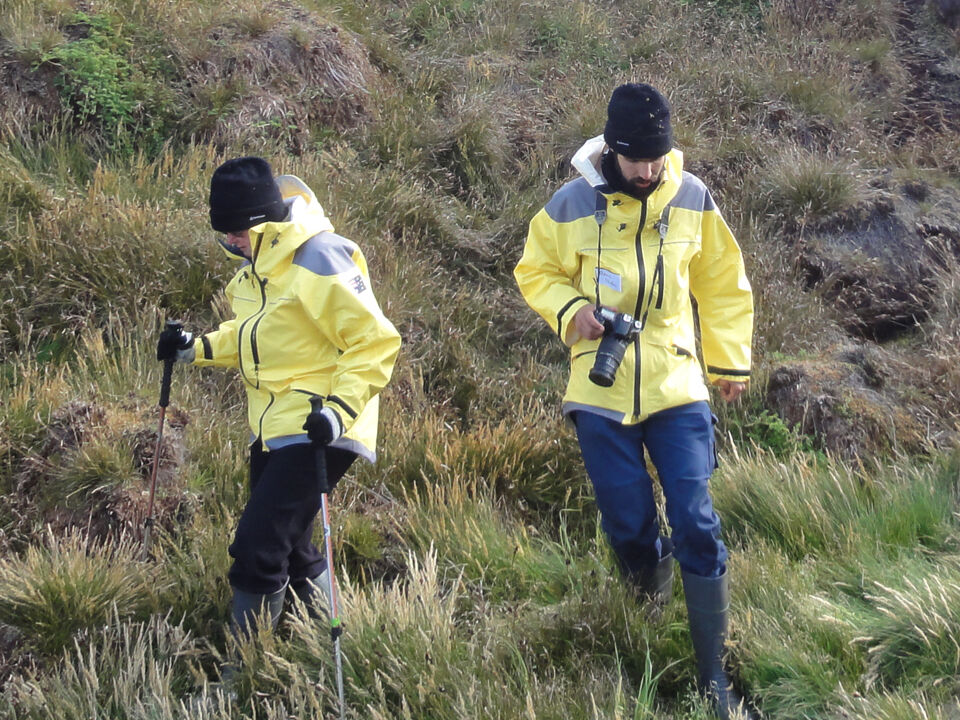
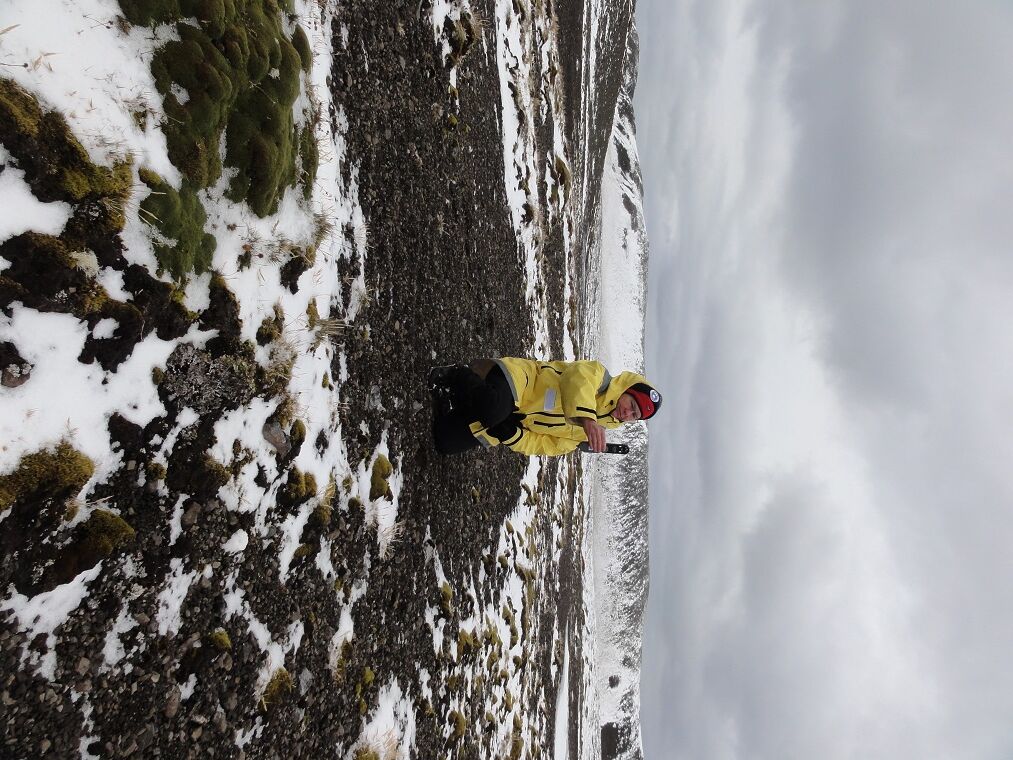
Major changes are occurring in mid to high altitude vegetation on Macquarie Island where widespread death of plants has been observed in recent years. It is of critical importance to understand this signal from an island sentinel of climate change. The functional morphology of sub-Antarctic species was studied in relation to desiccation tolerance. The results revealed hydraulic traits that may constrain the ability of many sub-Antarctic plant species to adjust to warmer, drier conditions, thereby contributing to climate-driven change in vegetation. These results contribute to identifying species most at risk from climate change, and developing predictive models of vegetation change together with management plans to address changing climate scenarios.
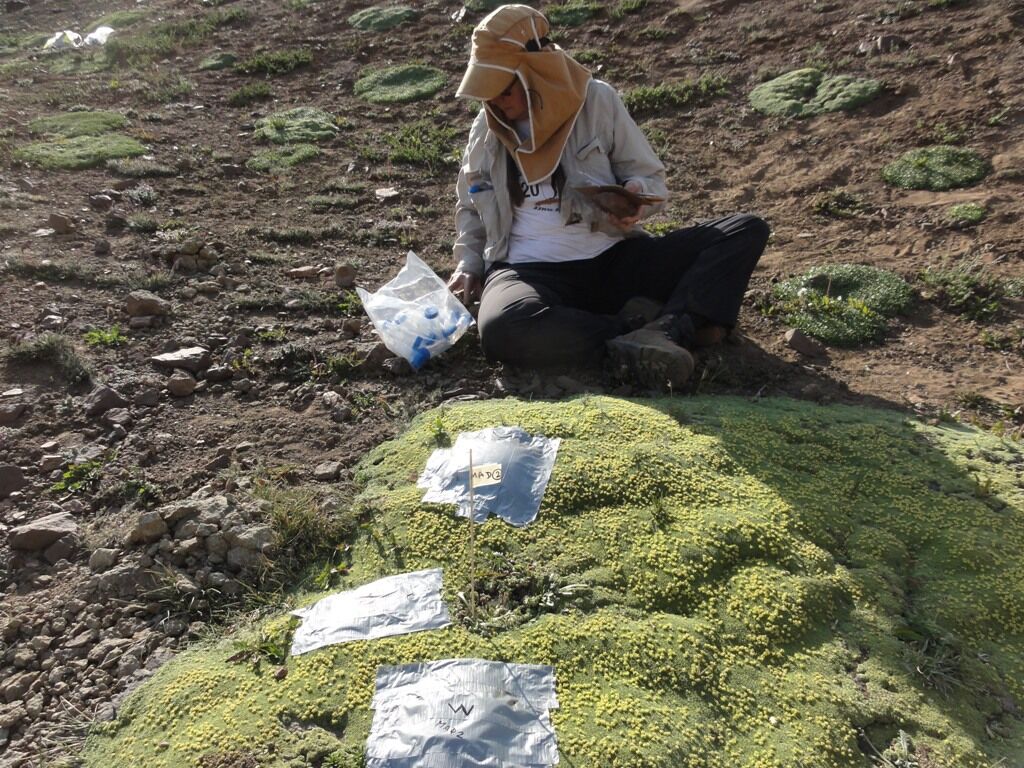
Novel insight was gained on mechanisms that underpin the structure and function of subantarctic vegetation in relation to climatic variables, and how those attributes may affect responses of this unique vegetation to climate change. For example, detailed analyses of hydraulic structure and function in two cushion plant genera, Colobanthus and Azorella, revealed differences in vulnerability to drought with Azorella being the more sensitive species consistent with differences in habitat. The results provide novel evidence of a hydraulic basis for the cushion plant growth form, with the particulars of Azorella (ie a strong reliance on direct, non-vascular water uptake by the shoots combined with extreme vulnerability to drought-induced cavitation) contributing to an apparent extreme sensitivity to dry conditions. The results showed that capillary forces can drive refilling of the embolised xylem vessels, and provided the first in vivo visualisation of refilling in primary xylem tissue. These results are of fundamental importance in understanding the role of persistent primary xylem in the functioning of complex hydraulic networks in plants ranging in morphology from herbs to trees.
Summary of the season 2014/15
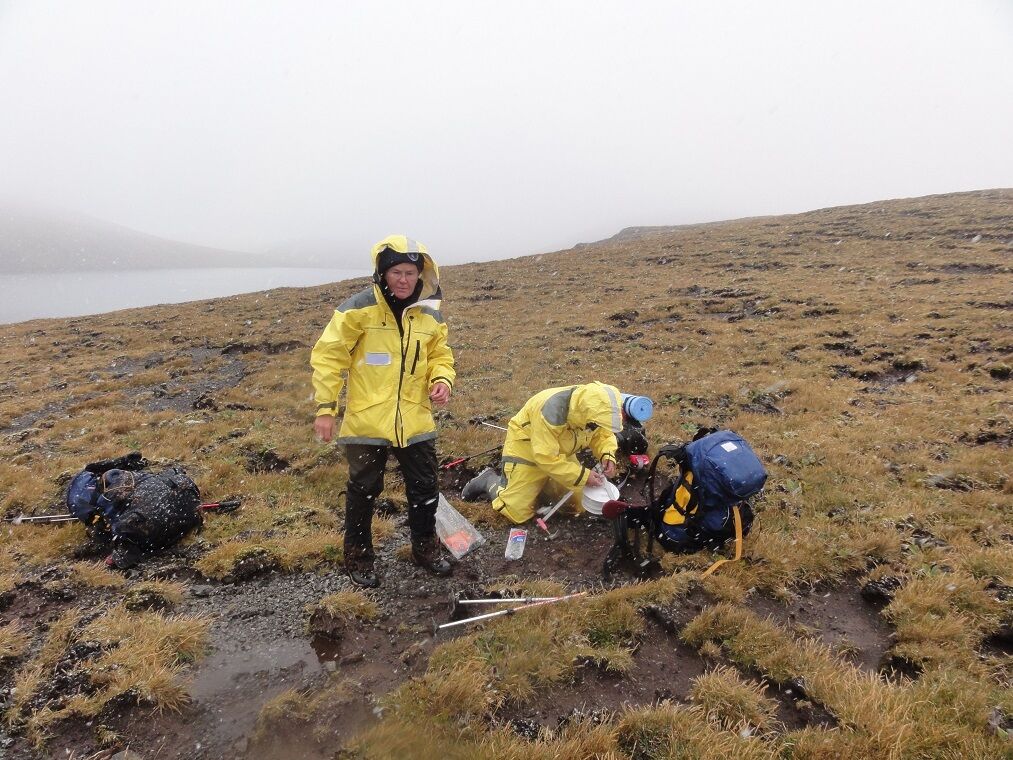
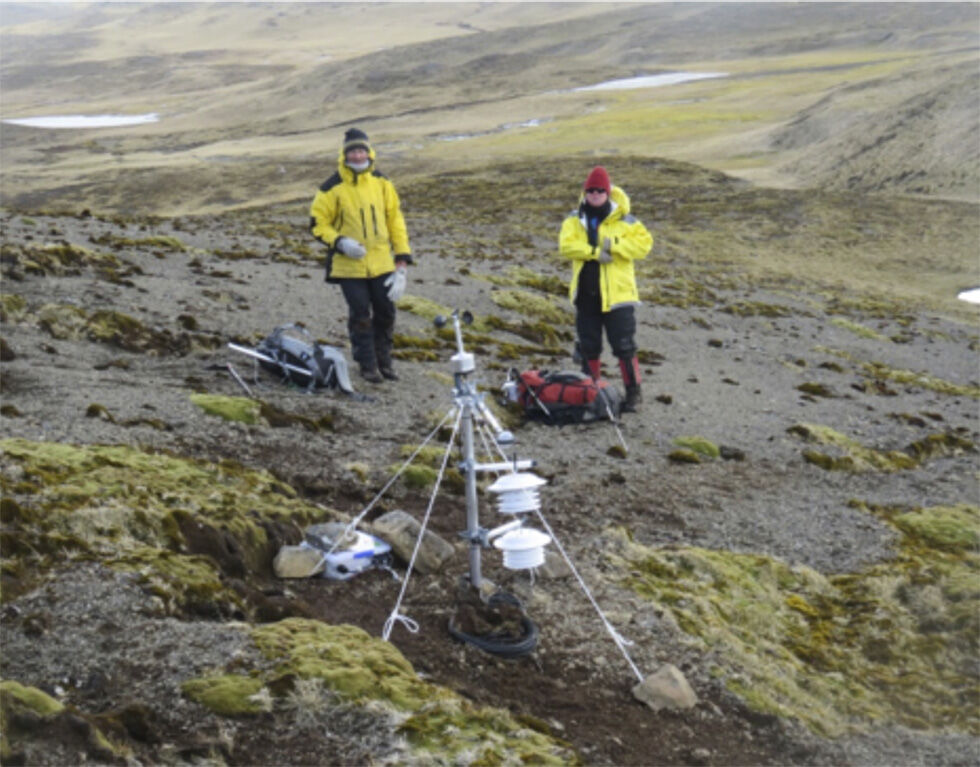
This project has been examining the vulnerability of plants to recent and future climate change. In particular, we have been focusing on the vulnerability to water stress. In the laboratory we have been examining plants from Macquarie Island (and our contrast localities in the Sth American Andes) to document their functional characteristics. We conducted a very short field season on Macquarie Island (5 days) in preparation for wind tunnel experiments that will seek to model water loss from key species and scale it up to landscape and island levels.
Summary of the season 2013/14
Hydraulic structures of plants play important roles in tolerance of temperature extremes and drought, two factors likely to increase with climate change. Studies are underway to determine how hydraulic traits of selected sub-Antarctic plant species may enhance or constrain acclimation to changing climatic conditions, thereby contributing to climate-driven change in vegetation composition. Detailed analyses of the cushion plant, Azorella macquariensis, revealed physiological attributes consistent with adaptation to a cold, wet, cloudy environment that make it vulnerable to conditions induced by climate change. Complementary eco-physiological studies on another sub-Antarctic cushion plant, Azorella selago, and other closely related species in the Chilean Andes have enhanced understanding of relationships between structure and function along complex gradients in temperature and rainfall, and provided further insight into the die-back of Azorella macquariensis. Our studies indicate that inability to respond effectively to recent complex climate change is the most likely primary cause of dieback, assisted with potentially secondary impact from pathogens.
Summary of the season 2012/13
Major changes are occurring in mid to high altitude vegetation on Macquarie Island where widespread death of plants has been observed over the last 3 years. It is of critical importance to understand this signal from an island sentinel of climate change. Accordingly, plant samples were collected during the 2012-2013 field season and analyses were begun to clarify processes across scales from biophysics to evolutionary ecology. In particular we are focusing on which hydraulic traits of selected subantarctic species may constrain their ability to adjust to changing climatic conditions, thereby contributing to climate-driven change in vegetation composition. Achieving this understanding is fundamental to identifying species that are most at risk from climate change, developing predictive models of vegetation change, and then contibuting to plans for management of natural resources under changing climate scenarios.
Related publications
-
Reducing Southern Ocean shortwave radiation errors in the ERA5 reanalysis with machine learning and 25 years of surface observations Artificial Intelligence for the Earth Systems, 2023
(Ref: 16769)
Category 1: Peer-reviewed literature
-
Temperature responses of photosynthesis and respiration in a sub-Antarctic megaherb from Heard Island Functional Plant Biology, 2015
(Ref: 15509)
Category 1: Peer-reviewed literature
-
Easy come, easy go: capillary forces enable rapid refilling of embolized primary xylem vessels Plant Physiology, 2015
(Ref: 15566)
Category 1: Peer-reviewed literature
Protoxylem plays an important role in the hydraulic function of vascular systems of both herbaceous and woody plants, but relatively little is known about the processes underlying maintenance of protoxylem function in long-lived tissues. In the present study…
-
Rapid collapse of a sub-Antarctic alpine ecosystem: the role of climate and pathogens Journal of Applied Ecology, 2015
(Ref: 15510)
Authors:Category 1: Peer-reviewed literature
1.Ecosystem change is predicted to become more prevalent with climate change. Widespread dieback of cushion plants and bryophytes in alpine fellfield on Macquarie Island may represent such change. Loss of the keystone endemic cushion plant, Azorella macquariensis…
-
Antarctica. Phenology: An Integrative Environmental Science, 2013
(Ref: 15120)
Category 1: Peer-reviewed literature