


Project information
Project aim
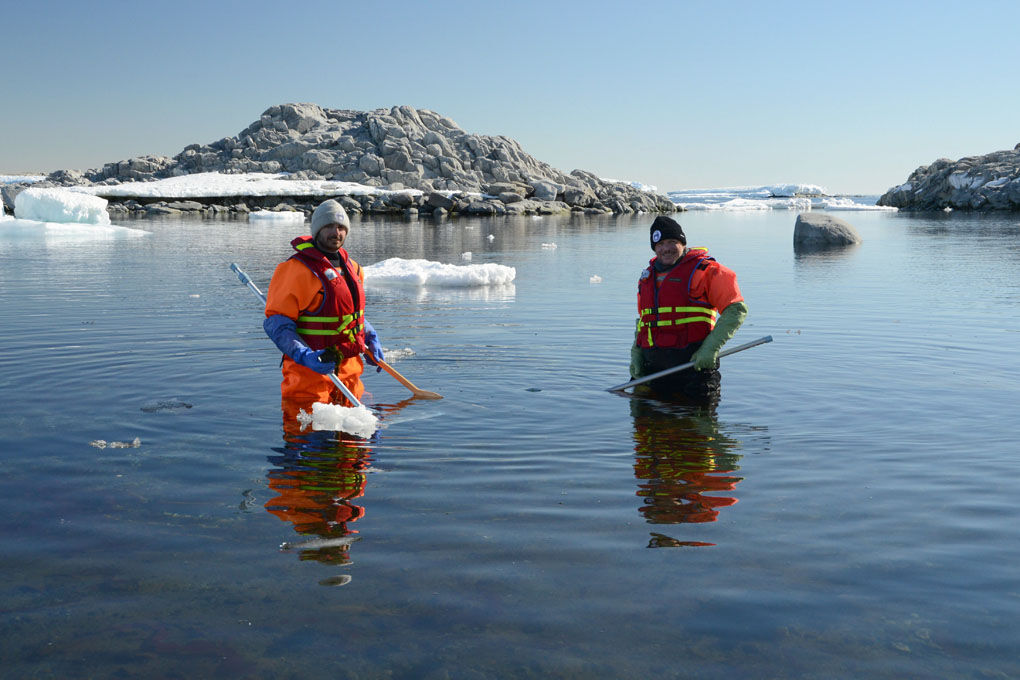
Large quantities of fuels are transported and used in Antarctic shipping and research station operations. This project assesses ecological risks of hydrocarbon contaminants associated with fuel use in Antarctic waters by determining the toxicity of dispersed and weathered fuel products to sensitive early life stages of Antarctic marine invertebrates. This project builds on previous research to provide a scientific basis for better managing fuel transport in Antarctic marine environments and for assessing the potential for dispersant use in large fuel spill contingency plans.
Project milestones
Summary of the project achievements 2015/16
Increasing human activities in Antarctic waters increase the risks of major fuel spills but there are few data to predict or manage impacts on Antarctic biota. This project has provided new information on weathering rates, bioavailability and toxicity of chemically dispersed and weathered fuels to marine biota from hydrocarbon contaminants and chemical dispersants associated with the use of fuels in Antarctic marine and coastal environments.
Three fuels are commonly used in the Australian Antarctic Territory: Special Antarctic Blend (SAB) and Marine Gas Oil (MGO) are pure distillates and weathering is mainly by evaporation with rapid evaporation of SAB, whereas IFO-180 is a heavy fuel and evaporation is slow leading to longer persistence periods. A new model was developed to predict evaporation rates of these fuels in Antarctic conditions. Fuel components become bioavailable by dissolution in seawater releasing known toxicants including alkylbenzenes and alkylnaphthalenes, and the relatively slow rates of evaporation in polar waters increases the dissolution period and hence the risks. The efficiency of six dispersants on MGO and IFO varies with temperature.
Experiments examined the toxicity of physically and chemically dispersed fuels on a range of marine invertebrates. Chemically dispersed fuels in seawater had greater hydrocarbon concentrations and proportions of higher molecular weight compounds and were more toxic than physically dispersed fuels to most species tested. Toxicity was also highly correlated with dispersant type; Ardrox 6120 was most toxic, whereas Slickgone NS was least toxic and most effective at dispersing fuels in cold water. Larval and juvenile stages of two species were more sensitive than embryos and adults, respectively.
These project results provide important information for predicting risks and developing environmentally appropriate management plans for fuel spills in Antarctica.
Summary of the season 2014/15
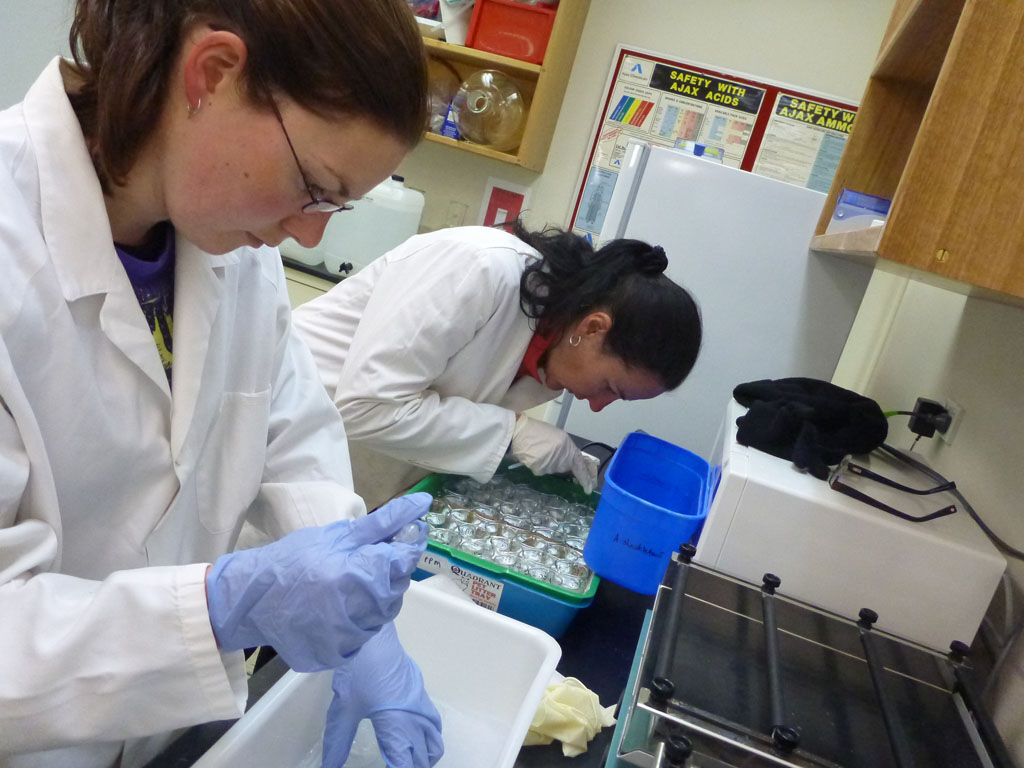
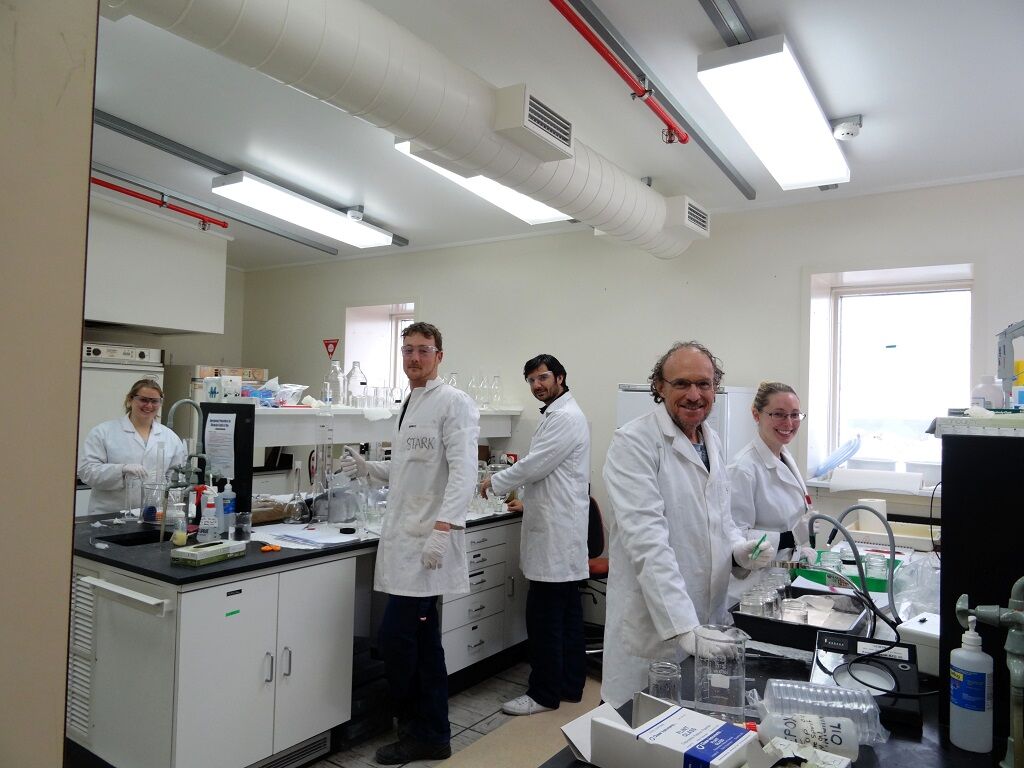
Research during Year 3 of this project focused on completing experiments to characterise the chemistry of three fuels (Special Antarctic Blend diesel, Marine Gas Oil, Intermediate Fuel Oil), chemically and physically dispersed fuels in cold seawater, and their toxicity to Antarctic marine invertebrates. Significant new chemistry and ecotoxicology stress experiments were completed at AAD and Macquarie University during 2014/15. We further refined the protocols and methods for preparation of chemically dispersed fuels used in toxicology experiments to compare toxicity of the three fuel types and dispersed versus non-dispersed fuels, and have also compared the toxicity of three types of chemical dispersants. The results showed that chemical dispersion of fuels significantly increased the total hydrocarbon concentrations in seawater, and altered the composition of hydrocarbons in seawater. The remaining hydrocarbon samples are undergoing detailed analysis using Gas Chromatography-Mass Spectroscopy to quantify the total hydrocarbon concentrations and variations in the hydrocarbon compounds present. The rates of dissolution of hydrocarbons in simulated cold polar environmental conditions from the fuel phase to the aqueous phase, the rate of depletion of the dissolved hydrocarbons in the water column, and the contribution of evaporation to the natural weathering process of the fuel in the cold marine environment were further investigated. Overall, chemically dispersed water accommodated fractions (WAFs) of fuels increased the toxicity to Antarctic amphipod crustaceans and other marine invertebrates compared with physically-dispersed fuels, and comparison of toxicity of different types of dispersants showed that the older Ardrox 6120 dispersant was more toxic than the more recently developed Slickgone dispersant products.
Summary of the season 2013/14
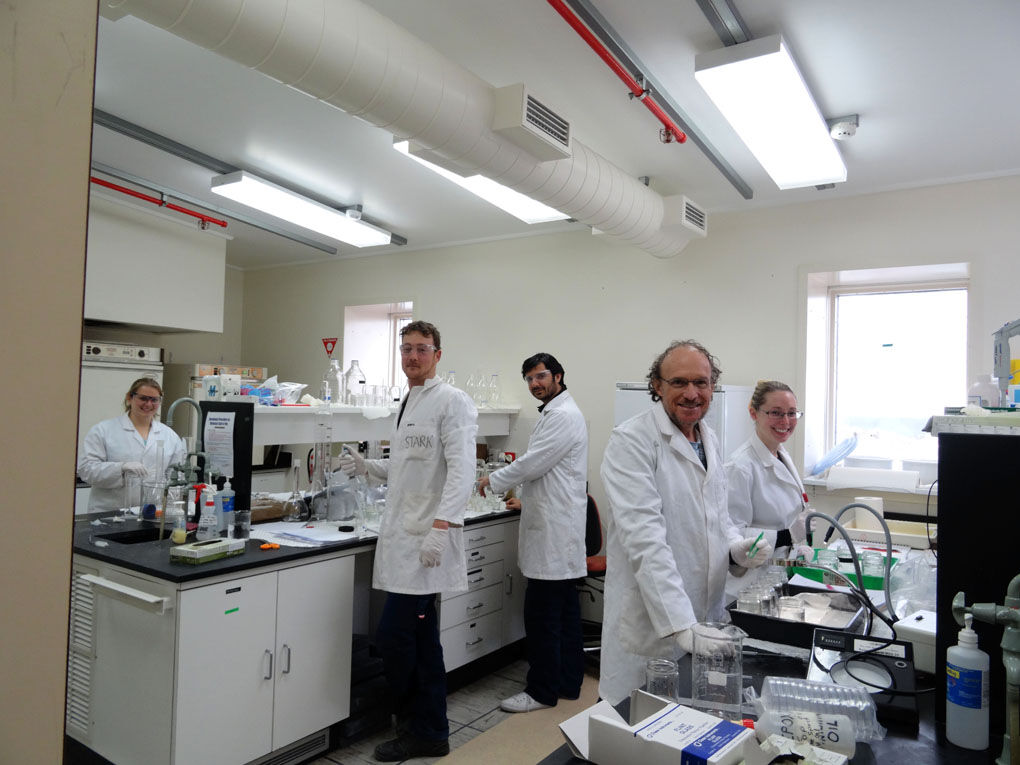
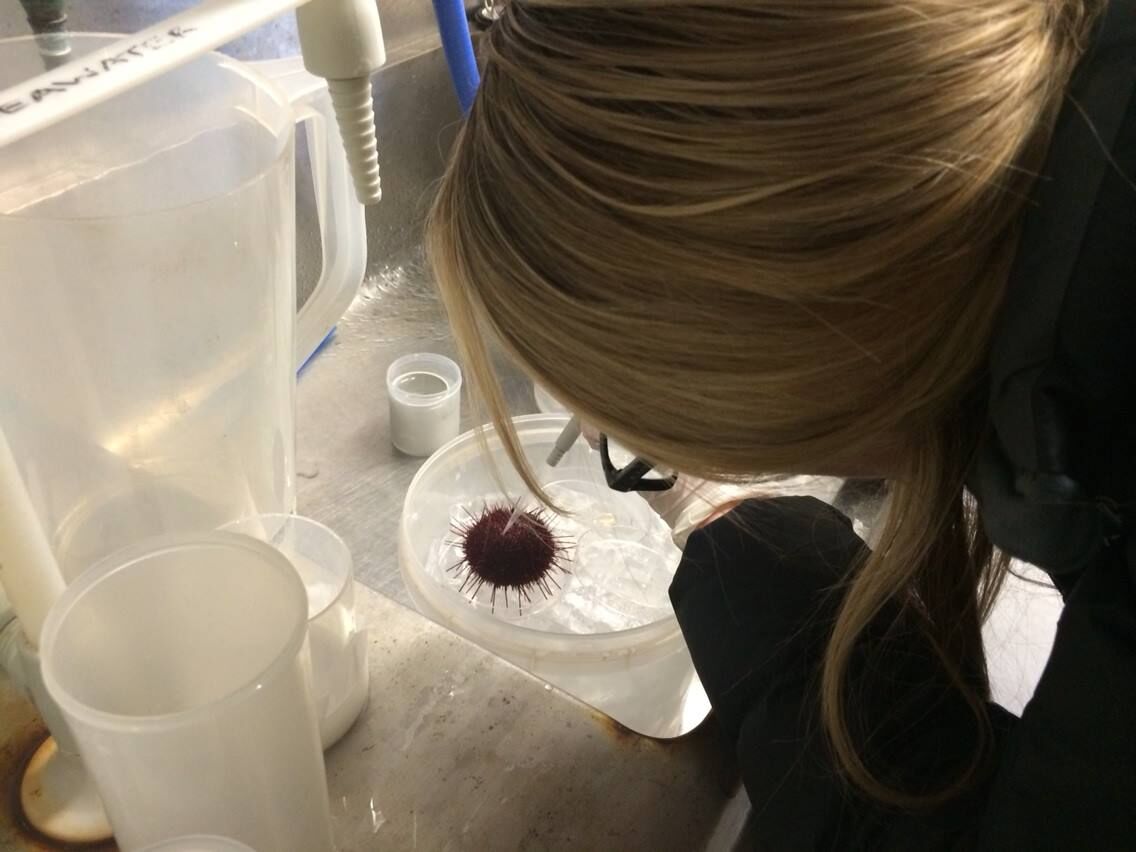
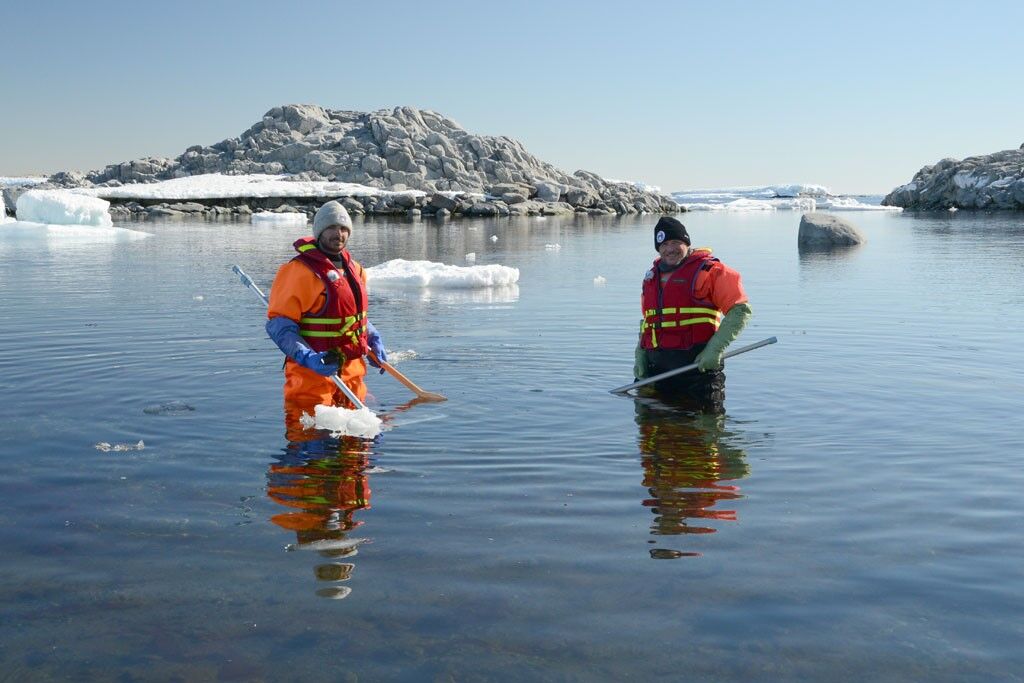
Year 2 focused on experiments to determine the chemistry of three fuels Special Antarctic Blend diesel, Marine Gas Oil, Intermediate Fuel Oil and chemically and physically dispersed fuels in cold seawater, and their toxicity to Antarctic marine invertebrates. We refined protocols for preparation of chemically dispersed fuels used in toxicology experiments to compare toxicity of the fuel types and dispersed versus non-dispersed fuels. Chemistry and ecotoxicology stress experiments were completed at Casey Station during 2013/14 summer season. Chemical dispersion of fuels significantly increased total hydrocarbon concentrations in seawater, and altered composition of hydrocarbons in seawater, and the hydrocarbon samples are undergoing detailed analysis using Gas Chromatography and GC-Mass Spectroscopy. During the toxicity experiments continuous monitoring of chemically and physically dissolved hydrocarbons in the seawater was completed. Also, the rate of dissolution in Antarctic conditions of hydrocarbons from the fuel phase to the aqueous phase was measured as was the rate of depletion of the dissolved hydrocarbons in the water column, and the contribution of evaporation to the natural weathering process of the fuel in the Antarctic marine environment was investigated. Chemically dispersed IFO increased toxicity to Antarctic amphipod crustaceans compared with physically-dispersed fuels whereas the opposite trend occurred for experiments using SAB and MGO. Nemertean marine worms were more sensitive to IFO and dispersant only treatments than to the other two fuel types. Further experiments are underway at AAD to compare these results with responses from amphipods, microgastropods, nemerteans and urchins collected during the summer season near Casey Station. A comparison of dispersant types and toxicities is also underway.
Summary of the season 2012/13
Year 1 focused on experiments to determine the chemistry of three fuels Special Antarctic Blend diesel, Marine Gas Oil, Intermediate Fuel Oil and chemically dispersed fuels in cold seawater, and their toxicity to Antarctic marine invertebrates. We developed protocols for preparing chemically dispersed fuels used in toxicology experiments to compare toxicity of the fuel types and dispersed versus non-dispersed fuels. Chemistry and ecotoxicology experiments were completed at Davis Station during 2012/13 summer season, with new experiments underway at AAD using Antarctic marine invertebrates. Chemical dispersion of fuels greatly increases hydrocarbon concentrations in seawater, and alters the composition of hydrocarbons in seawater. Chemically dispersed fuels increased toxicity to Antarctic copepod crustaceans compared with non-dispersed fuels. Further experiments are underway to compare these results with responses from amphipod crustacean species, microgastropods and echinoderms.