

Project information
Project aim
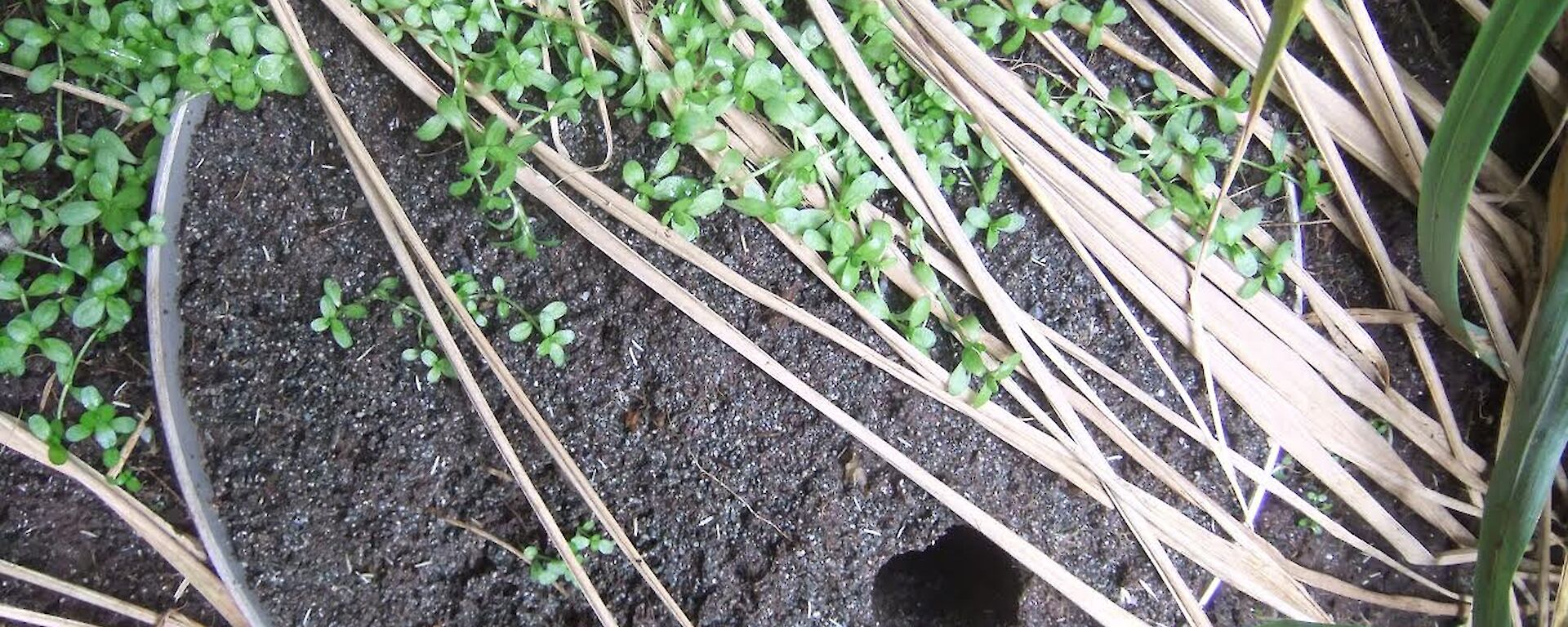
Fuel contamination poses significant environmental risk to cold regions. Key to cleaning up contaminated sites in cold regions is understanding how petroleum products degrade over time to less toxic residual products. This study will evaluate the toxicity of fuels as they degrade with a focus on areas currently undergoing soil remediation at Macquarie Island & Casey Station. The project will identify safe levels of contamination where no environmental risk remains & will provide rigorous, scientifically-based targets for cleaning up contaminated sites in Antarctic & subantarctic regions.
Project milestones
Summary of the project achievements 2016/17
Fuel contamination poses significant environmental risk to Antarctic and subantarctic regions. This project has delivered fundamental data and improved understanding of how petroleum products degrade over time, and the toxicity of residual fuel products to native soil biota. This is critical to inform the effective clean-up and remediation of contaminated sites in these cold regions. Through a combination of laboratory based single species tests and both in situ and laboratory mesocosm community assessments on microbial and invertebrate assemblages we evaluated the toxicity of degrading fuels and residual fuel products with a focus on site currently undergoing soil remediation by the AAD at Macquarie Island & Casey. This project has contributed critical threshold concentrations for native biota that will ultimately be used to provide rigorous, scientifically-based targets for cleaning up contaminated sites in Antarctic & subantarctic regions, identifying the levels of contamination that no longer pose a significant risk to the environment, and provides rigorous, scientifically-based targets for cleaning up contaminated sites in Antarctic & subantarctic regions.
This project has supported several postgraduate research students and trained those students in Antarctic science. The students and the whole research team continue to address research questions that have evolved through the project and are working to maximise the outputs and knowledge gained from this study. Our team is continuing to analyse and report on the data with at least five further scientific publications currently being prepared. Our project has provided a valuable legacy in the form of the Macquarie Island mesocosm study which will provide unprecedented, long-term data on changes in soil hydrocarbon concentrations and microbial communities and activity in the subantarctic environment.
Summary of the season 2015/16
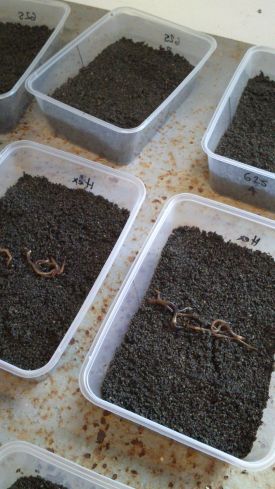
In the last year we have undertaken and completed a suite of laboratory-based toxicity tests using earthworms from which we will be able to predict the impacts of residual fuels on soil organisms. In 2016, PhD student Ingrid Errington visited Macquarie Island on a round trip in conjunction with the remediation program to collect native earthworms. These worms will be used to compare the sensitivity of the native species to the results for the standard earthworm test species that she has been using to date. Residual fuels are a complex mix of chemicals and toxicity tests done this year have examined the impacts of specific components of such mixtures to identify the key toxic elements. In addition to tests on earthworms, we have continued to identify and analyse invertebrate community data from previous Macquarie Island expeditions and are preparing publications on invertebrate community changes in response to fuel contamination, as well as the chemical characterisation of fuel contaminants at Macquarie Island. Our field mesocosm experiment on Macquarie Island is ongoing, but analysis of samples to date has shown a strong impact of the residual fuels on microbial community structure and function. Similarly, our laboratory mesocosm experiment using soils from Casey station that have been spiked with residual fuels is also ongoing. We have started to analyse field samples to characterise the microbial assemblages in surface soils and at deopth in relation to residual fuel contamination.
Summary of the season 2014/15
This season we have made great progress on a number of aspects of this study. We have completed processing invertebrate samples and analysing hydrocarbons in soil samples from season 12/13 and have made strong headway on samples from season 13/14. Our analysis of residual hydrocarbons in soils has identified distinct chemical signatures suggesting different sources of natural and fuel-associated hydrocarbons in different areas of the Macquarie Island isthmus. We have undertaken molecular analysis of samples from the Macquarie island mesocosms and have identified a strong change in microbial assemblages following spiking and mixing of the soils in Jan 2014 but we are yet to see a strong signal of change associated with hydrocarbon toxicity. Our student spent 6 months on Macquarie Island over summer 2014/15 and while there undertook a number of toxicity tests using both laboratory spiked and field collected soils. These tests have indicated relatively low toxicity of the residual hydrocarbons in the soil but further validation of these findings are needed. We have collected and returned a large amount of soil and live worms from Macquarie Island to undertake these tests. The Casey laboratory microcosm experiment has been established and is ongoing.
Summary of the season 2013/14
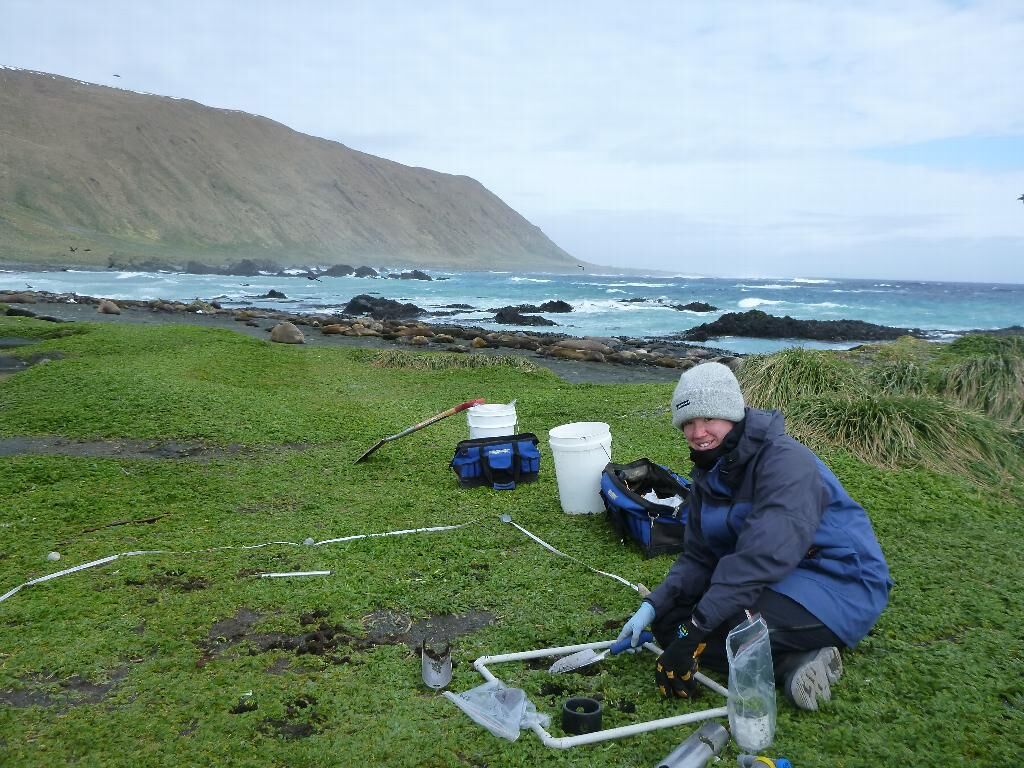
An eventful summer spent on Macquarie Island. Newly recruited PhD student Ingrid and lead CI Grant Hose spent around 6 weeks on Macca. The key objectives of the field season were to repeat sampling of invertebrates and soil across fuel-contaminated and uncontaminated sites on the Macquarie Island Isthmus, and to spike and sample the mesocosm experiment that was established the previous summer. All fieldwork objectives were achieved on the Island. We also completed an acute toxicity test with field collected soils using the native earthworm. Processing of invertebrates and soil samples collected during the 12-13 season is ongoing, and has identified distinctly different chemical signatures in the hydrocarbons from the Macquarie Island fuel farm and main power house areas. Hydrocarbons in soils from near the fuel farm are indicative of contamination by lighter fuels such as SAB whereas the hyrocarbons from samples near the power house are indicative of a mixture of much heavier, older and mixed fuel sources.
Summary of the season 2012/13
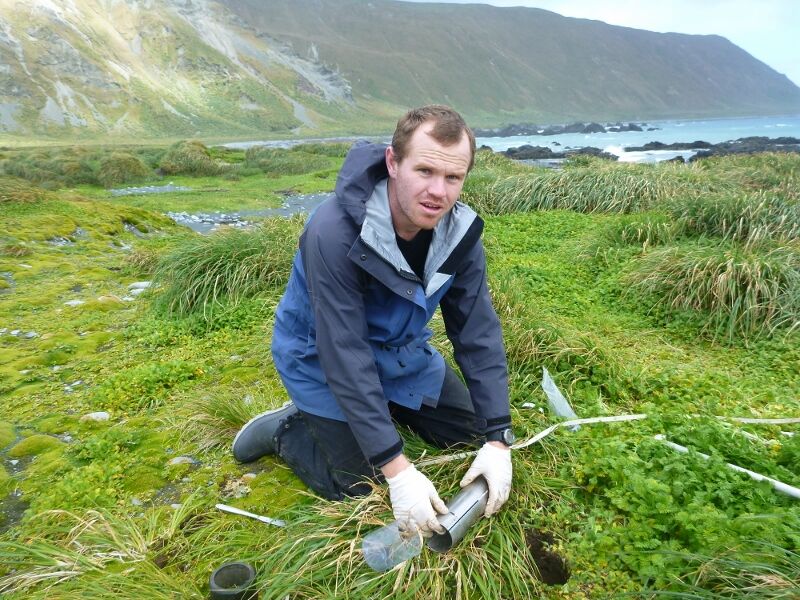
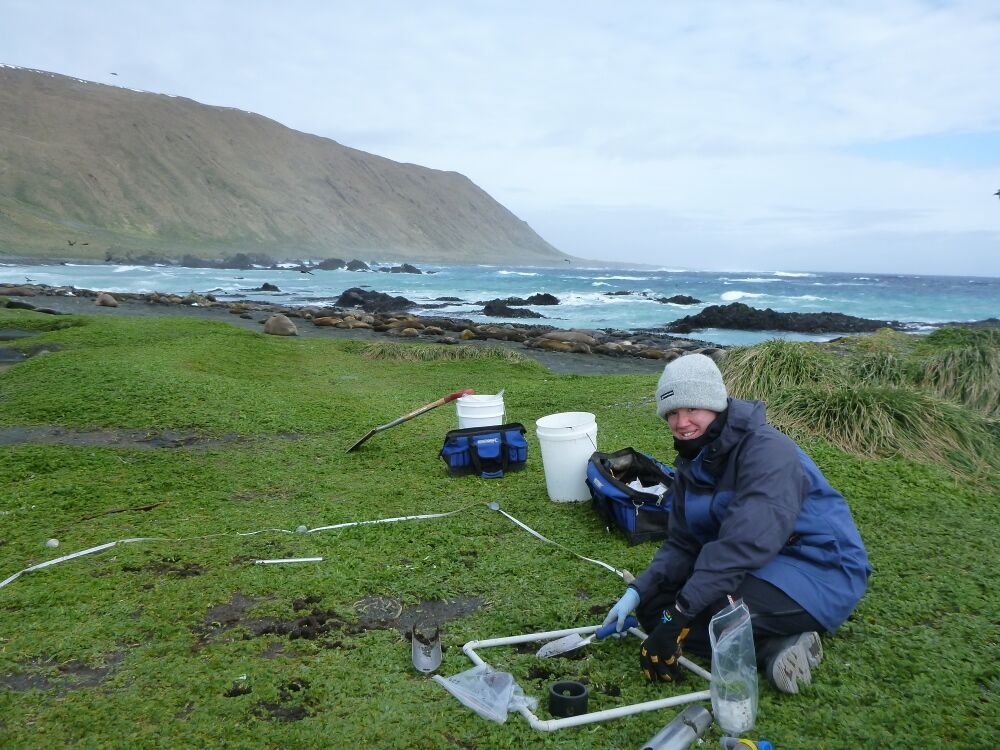
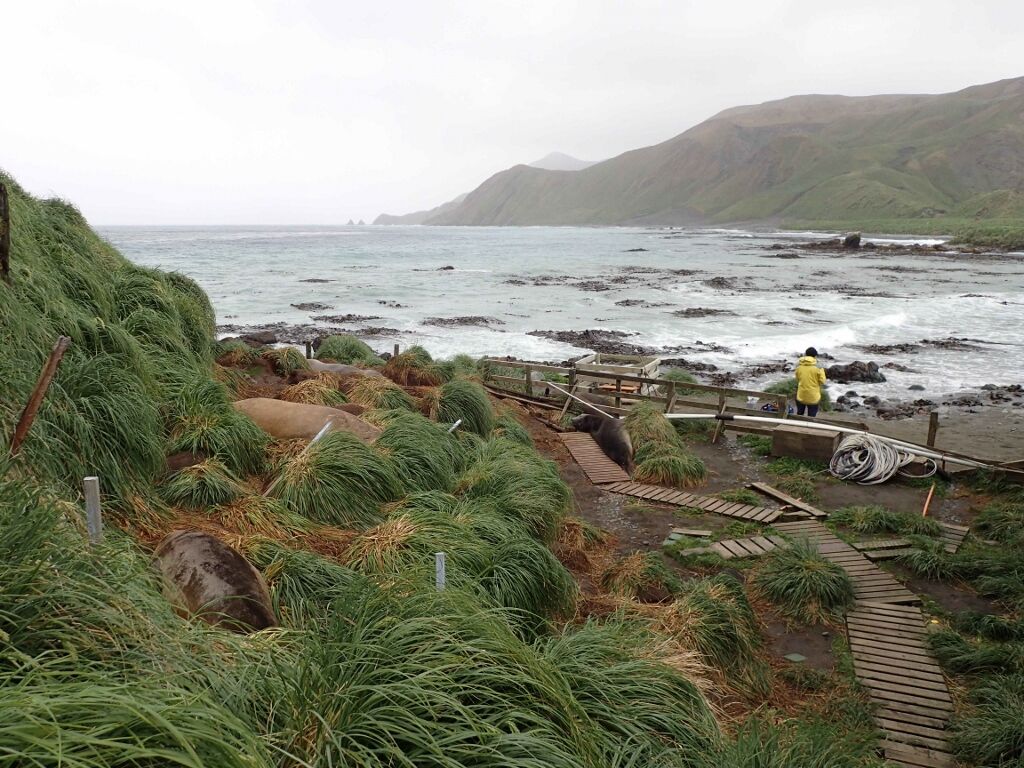
This project commenced in late 2012. Two members of our team spent the summer on Macquarie Island, from December to March 2013. During this time they completed a comprehensive survey of soil contamination and soil invertebrate assemblages at sites across the Macquarie Island isthmus.
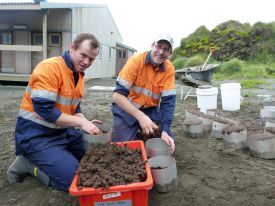
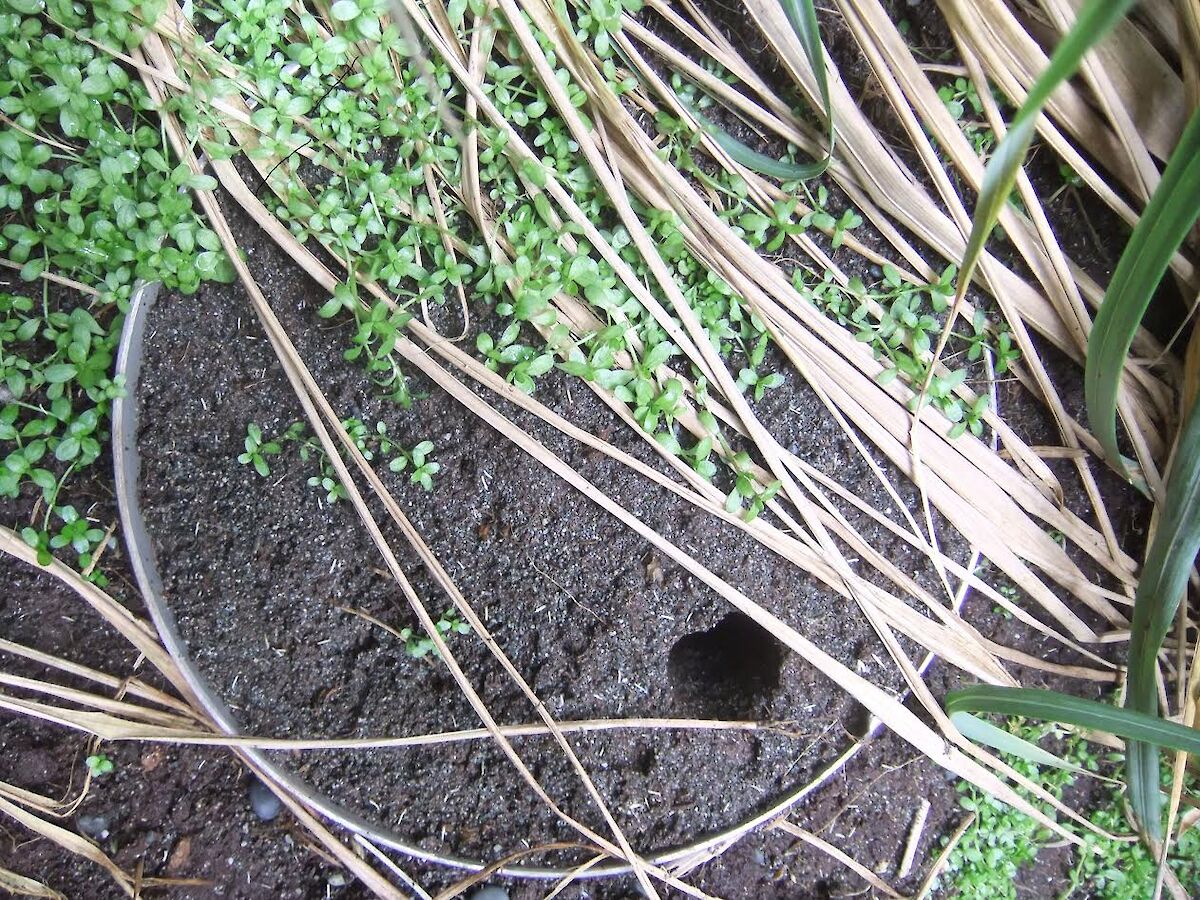
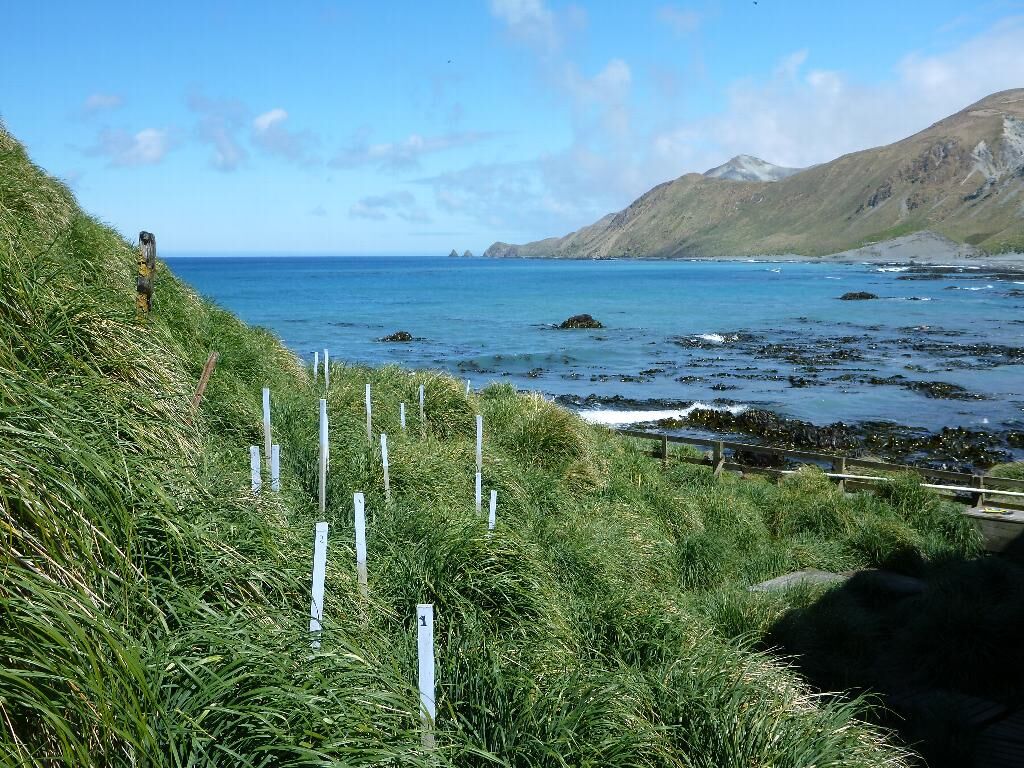
A soil mesocosm experiment was also established in an area close to the station. Twenty soil mesocosms were deployed and sampled to provide data on sol biota and contaminant concentrations before the mesocosms are dosed to mimic hydrocarbon concentration found in the sol during the field surveys. Samples from Macquarie Island have been returned to Australia and will be further analysed this year.
Soil from Macquarie Island and Casey Station (Antarctica) was collected and will be used for toxicity testing in the AAD laboratories in Hobart. The research agreements for this project were signed in March 2013.
Related publications
-
Anthropogenic petroleum signatures and biodegradation in subantarctic Macquarie Island soils Chemosphere, 2023
(Ref: 16753)
Category 1: Peer-reviewed literature
-
The influence of vegetation and soil properties on springtail communities in diesel-contaminated soil Science of the Total Environment, 2018
(Ref: 15977)
Category 1: Peer-reviewed literature
-
Ecosystem effects and the management of petroleum-contaminated soils on subantarctic islands Chemosphere, 2018
(Ref: 15976)
Category 1: Peer-reviewed literature
-
Changes in groundwater biota with hydrocarbon contamination on Macquarie Island Society of Environmental Toxicology and Chemistry (SETAC) Australasia Conference, Hobart, Australia, 4-7 October 2016, 2016
(Ref: 15829)
Authors:Category 3: Verbal presentation
-
A comparison of field- and lab-based methods for determining the toxicity of diesel to soil invertebrates on subantarctic Macquarie Island Society of Environmental Toxicology and Chemistry (SETAC) Australasia Conference, Hobart, Australia, 4-7 October 2016, 2016
(Ref: 15814)
Authors:Category 3: Verbal presentation