

Project information
Project aim
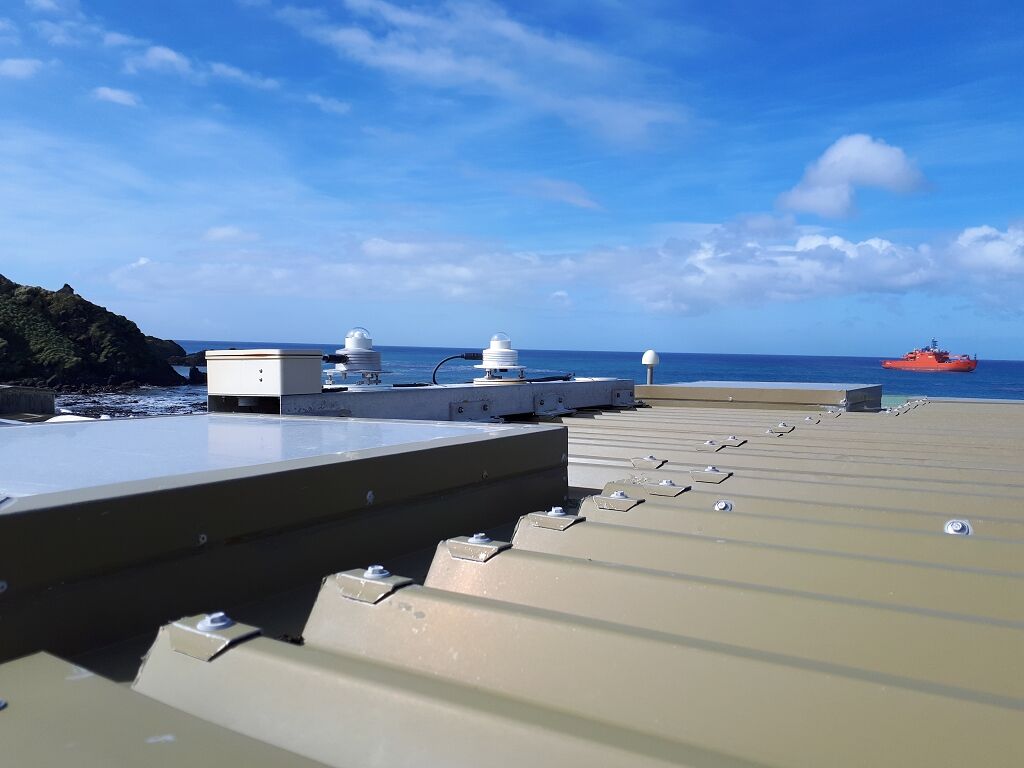
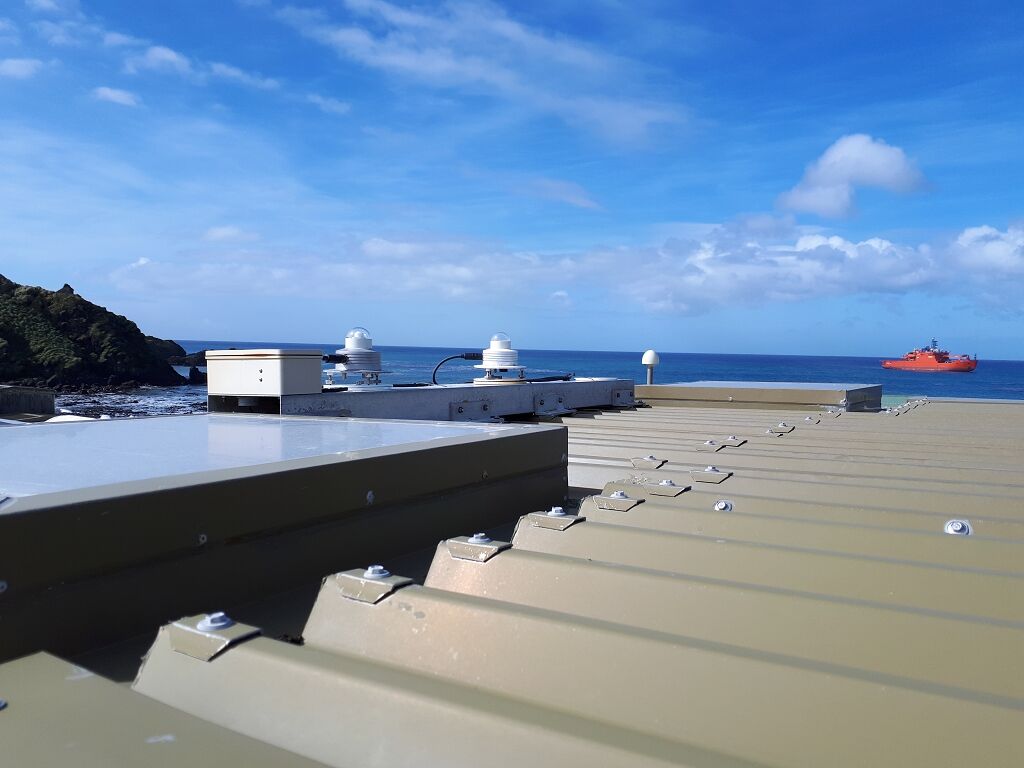
The project aims to measure the levels of ultraviolet radiation (UVR) at each of the permanently manned Australian Antarctic Stations on a continuous basis. Ozone depletion in Antarctica during spring and early summer affects the levels of solar UVR at the earth's surface and the measurements made there provide important information on the link between stratospheric ozone and the spectral distribution and levels of UVR at the surface. Ozone depletion and the ozone hole also impact on ozone levels at other latitudes in the Southern Hemisphere, with subsequent impacts on UV levels there.
Project milestones
Summary of the project achievements 2021/22
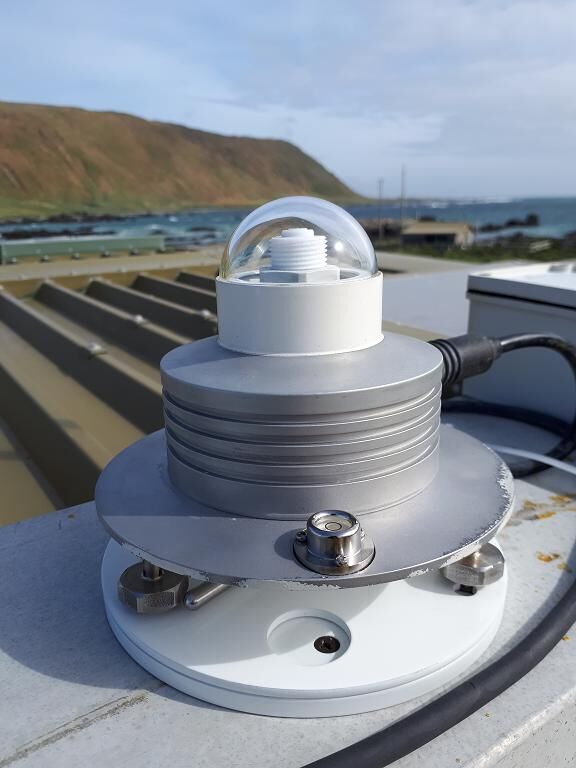
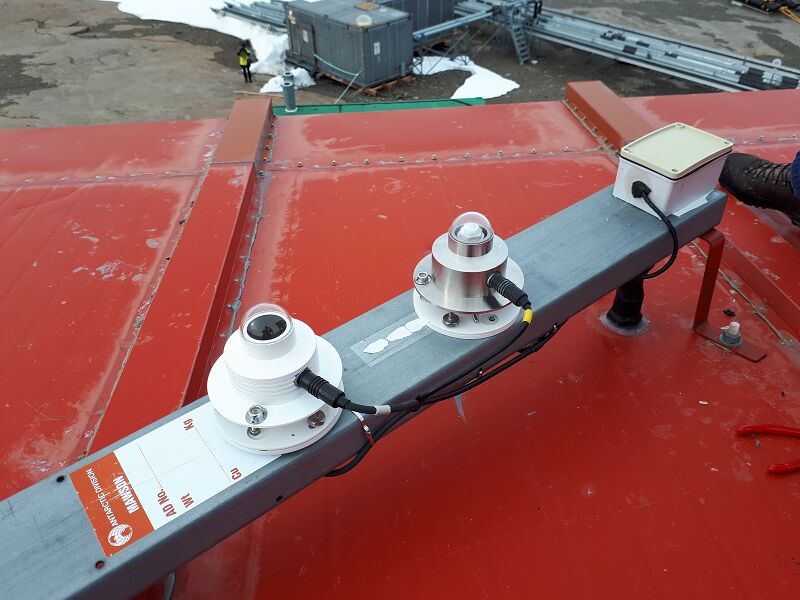
ARPANSA has been monitoring solar UVR using broadband sensors at all the permanently staffed Australian Antarctic stations on the edge of the Antarctic continent and at Macquarie Island for over twenty years. This long-term collaboration with the Australian Antarctic Division Polar Medicine Unit aims to characterise the UVR environment in Antarctica and assess the impacts of UVR exposure on expeditioners' health.
The data record shows that the Australian Antarctic stations have annual total solar UVR doses and daily maximum UV Index values significantly higher than would be expected on the basis of their latitudes. This is primarily due to the ozone hole and the presence of ozone depleted air passing above the stations during springtime and the resultant enhanced transmission of UVB wavelengths to the earth's surface during that time. The combination of low stratospheric ozone and a relatively clean atmosphere over Antarctica lead to extreme solar UVR levels (UV Index 11+) when these conditions coincide with clear skies. The surprisingly high UV Dose values recorded at the stations are also due in part to the presence of highly reflective snow-covered surfaces and the long hours of daylight at these latitudes in summer.
At sub-Antarctic Macquarie Island, ozone depletion is almost never a factor and the prevailing climatic conditions ensure that clear sunny days are a rare event. As a consequence, the chances of over-exposure to solar UVR at Macquarie Island are quite low.
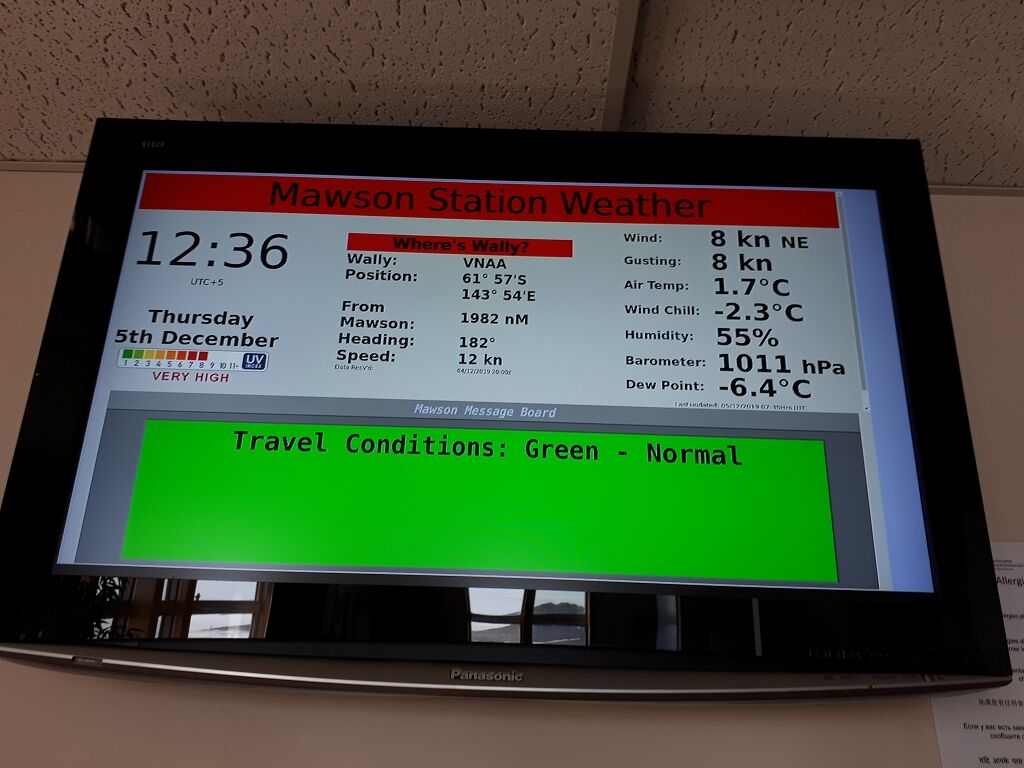
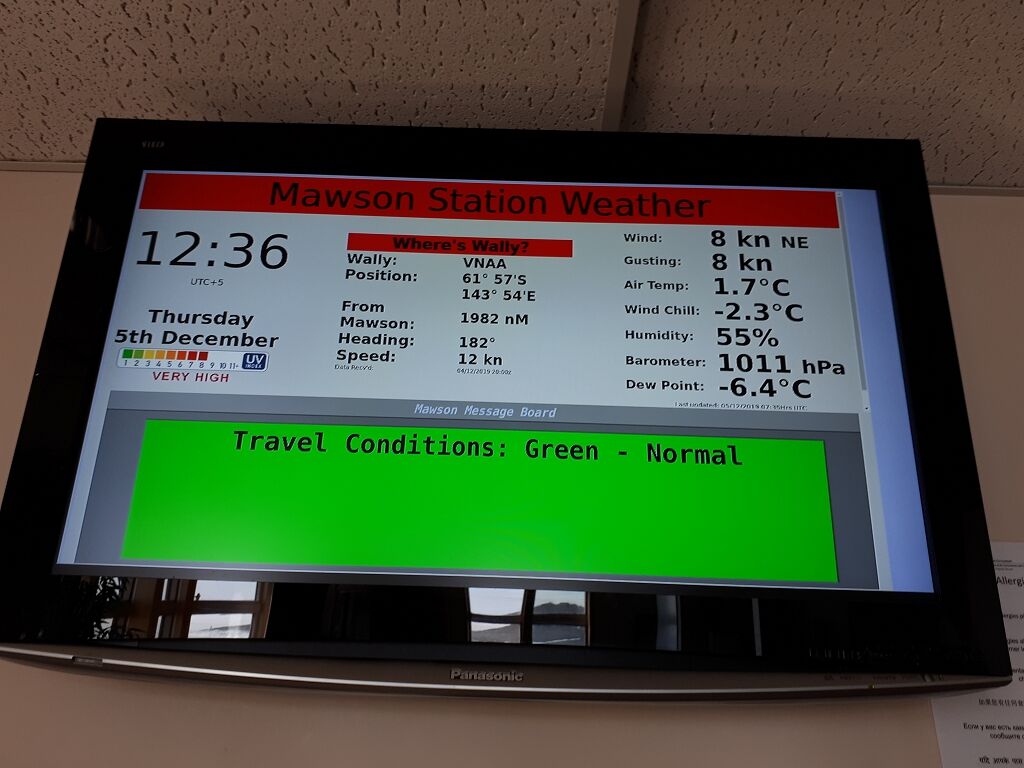
Excessive exposure to solar UVR has the potential to lead to serious health consequences including premature aging of the skin, various forms of skin cancer and eye damage such as cataracts or photokeratitis (snow blindness). Real time data from the ARPANSA sensors is provided to staff on the stations through the AAD intranet and on information screens in the station dining rooms. This information assists staff to manage their exposure to the surprisingly high levels of solar UVR when outdoors.
Solar UVR data from this project has also contributed to other research programs including studies of Antarctic vegetation (lichen and moss) and occupational UVR exposure studies on AAD staff.
Summary of the season 2019/20
Throughout the 2019/20 season, ARPANSA has continued to monitor and report the solar ultraviolet radiation (UVR) levels at the Australian Antarctic stations in order to characterise the UVR environment. Two of the UVR sensors have been upgraded during 2019/20 and there have been few interruptions to the collection of solar UVR data this season.
Summary of the season 2018/19
ARPANSA continues to monitor and report the solar ultraviolet radiation (UVR) levels at the Australian Antarctic stations in order to characterise the UVR environment in Antarctica. 2018/19 has been another successful season with only minimal interruptions to the collection of solar UVR data.
Summary of the season 2017/18
ARPANSA continues to monitor and report the solar ultraviolet radiation (UVR) levels at the Australian Antarctic stations in order to characterise the UVR environment in Antarctica. 2017/18 has been a quite successful season with minimal disruptions to the UVR data collection. This season all sites have had data collection rates of more than 90%. Work is underway to upgrade the aging broadband UVR detectors and associated computers with more robust equipment that is currently being trialed in Australia.
Summary of the season 2016/17
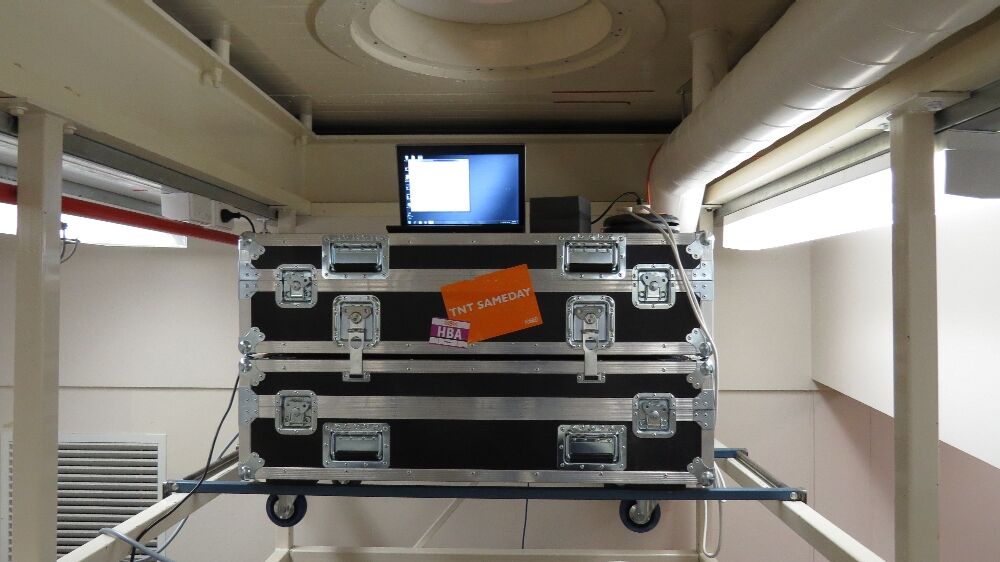
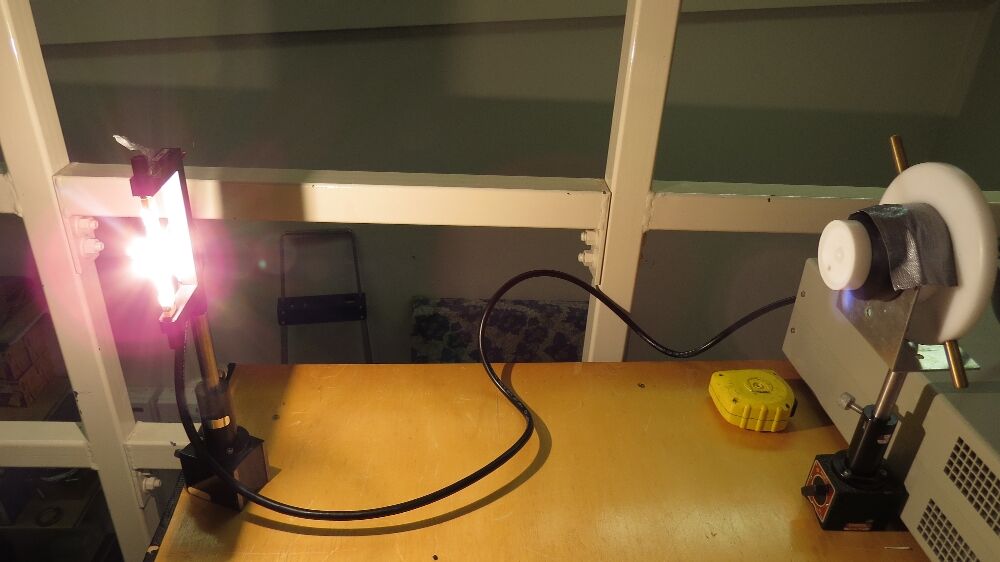
As part of the project to determine the ultraviolet radiation (UVR) environment in Antarctica, ARPANSA has been measuring solar UVR at the Australian Antarctic Stations for many years using radiometric detectors (Solar Light UV Biometers). More recently ARPANSA has also been making spectral measurements of solar UVR at Davis Station in the Ice Ocean Atmosphere and Climate (IOAC) laboratory and has now built up a dataset covering more than 5 years. While radiometric UV measurements provide useful data on UV levels and are also useful for modelling, spectral measurements provide much more detailed data across the UV wavelength range as all of the individual wavelengths across the ultraviolet region are measured. Spectral measurements also allow a traceable calibration from a standard lamp to be applied to the UV data. This means that the spectral data can be utilised with the new spectral functions to infer a total effect eg Vitamin D effectiveness or skin cancer induction effectiveness or effects on phytoplankton in the Southern Ocean. The spectral instrument can also verify the effects due to ozone depletion as only UV wavelengths below 330nm increase when ozone levels decline. Over recent years the first evidence that the ozone holes over the Antarctic were no longer growing and were in some cases decreasing sightly in a number of measures (size, duration, depth etc) became available. If this trend continues, higher UV levels due to ozone depletion over the Antarctic should return to the lower levels that existed previous to the formation of the ozone hole in the 1980's and begin to decrease. The next few years of UV measurement will hopefully provide the evidence that this is the case.
Summary of the season 2015/16
As part of the project to determine the ultraviolet radiation (UVR) environment in Antarctica, ARPANSA has been measuring solar UVR at the Australian Antarctic Stations for many years using radiometric detectors (Solar Light UV Biometers). The UVR environment has been changing since ozone depletion began and the ozone hole first formed in the 1980's. ARPANSA has also been making spectral measurements of solar UVR at Davis Station in the Ice Ocean Atmosphere and Climate (IOAC) laboratory and has now built up a dataset covering 5 years. While radiometric UV measurements provide useful data on UV levels and are also useful for modelling, spectral measurements have the additional advantage that they measure all of the individual wavelengths across the ultraviolet region and provide extra UV data while also having a traceable calibration. The spectral instrument can also verify the effects due to ozone depletion as only UV wavelengths below 330nm increase when ozone levels decline. Over recent years the first evidence that the ozone holes over the Antarctic were no longer growing and were in some cases decreasing slightly in a number of measures (size, duration, depth etc) (Krummel et al 2015). If this trend continues, higher UV levels due to ozone depletion over the Antarctic should begin to decrease and return to the lower levels that existed previous to the formation of the ozone hole in the 1980's. The next few years of UV measurements at the Antarctic stations will hopefully provide the evidence and confirm that this is the case and UV levels are in decline.
Krummel, P. B., P. J. Fraser and N. Derek, The 2014 Antarctic Ozone Hole and Ozone Science Summary: Final Report, Report prepared for the Australian Government Department of the Environment, CSIRO, Australia, iv, 26 pp., 2015.
Summary of the season 2014/15
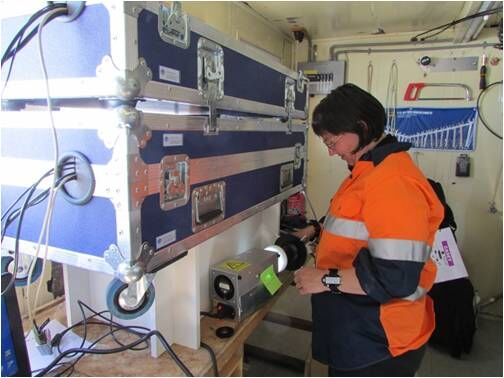
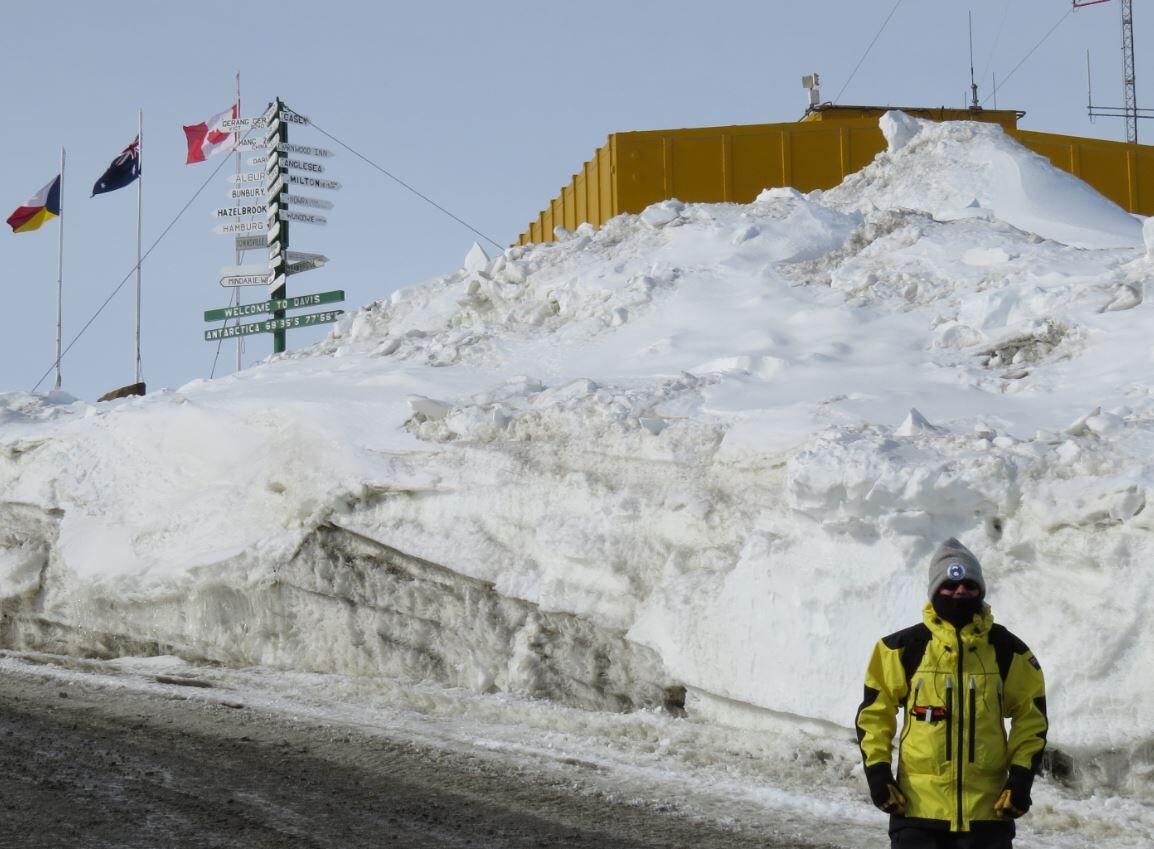
As part of the project to determine the ultraviolet radiation (UVR) environment in Antarctica, ARPANSA has been measuring solar UVR at the Australian Antarctic Stations for many years using radiometric detectors (Solar Light UV Biometers) e.g. since 2000 (Casey, Davis and Macquarie Island) and since 2002 for Mawson. While the radiometric UV measurements provide useful data on UV levels and for modelling, spectral measurements have the additional advantage that they measure all of the individual wavelengths across the ultraviolet region and provide extra UV data while also having a traceable calibration. This means that as new biologically effective weighting functions become available, the spectral data can be utilised to infer a total effect eg Vitamin D effectiveness, skin cancer induction effectiveness or effects on phytoplankton in the Southern Ocean. The spectral instrument can also verify the effects due to ozone depletion as only UV wavelengths below 330nm increase when ozone levels decline. A spectral UVR measurement system had been installed at Davis Station in February 2011 in the Ice Ocean Atmosphere and Climate (IOAC) laboratory and had collected spectral UV data over the summers of 2011/12 and 2012/13. This UV spectral measurement system then experienced some difficulties, with changes to its response. Rather than try and repair the unit while it was at Davis, it was decided to replace the entire system and return it to ARPANSA, where the exact nature of the problems could be examined and repaired. In November 2013 two ARPANSA personnel travelled to Davis Station to change over the spectral measurement system with one that had already been operating at ARPANSA in Melbourne for some time and return the original Davis unit to Melbourne. The new system at Davis has now made over a year of spectral measurements. The UV Biometers operating at the AAD stations for many years continue to provide UV index data each minute.
Summary of the season 2013/14
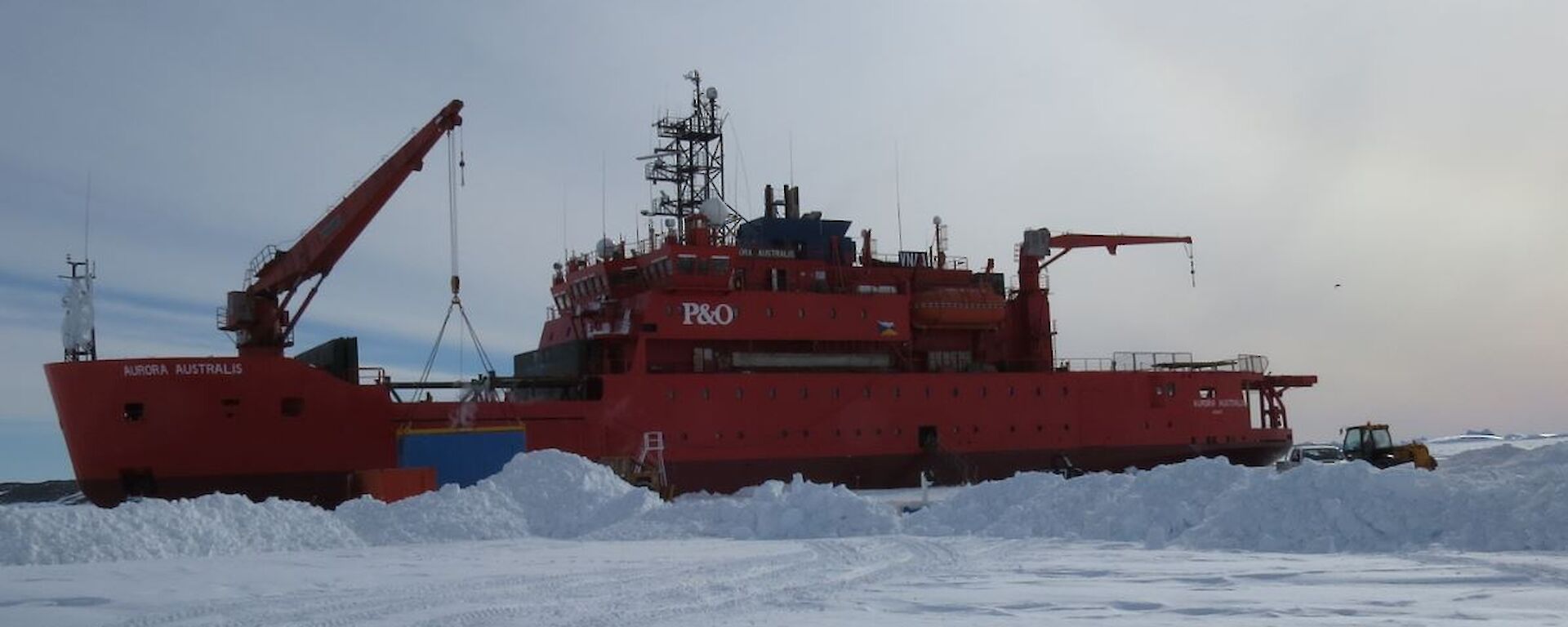
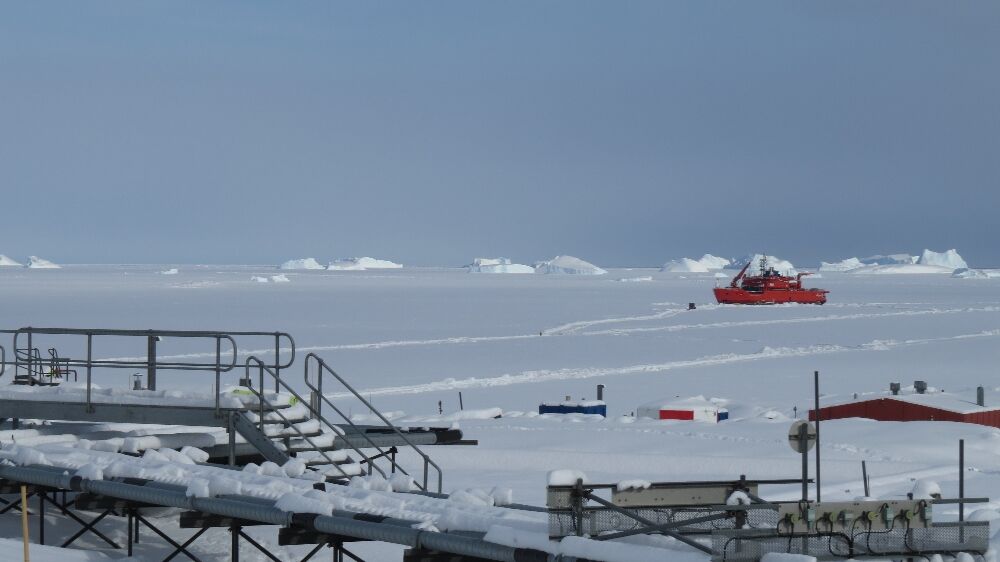
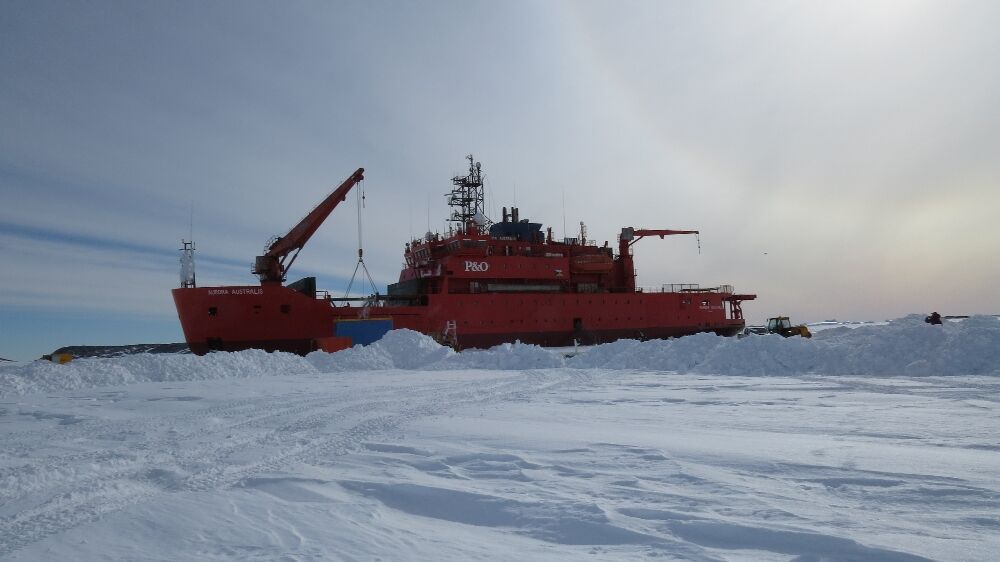
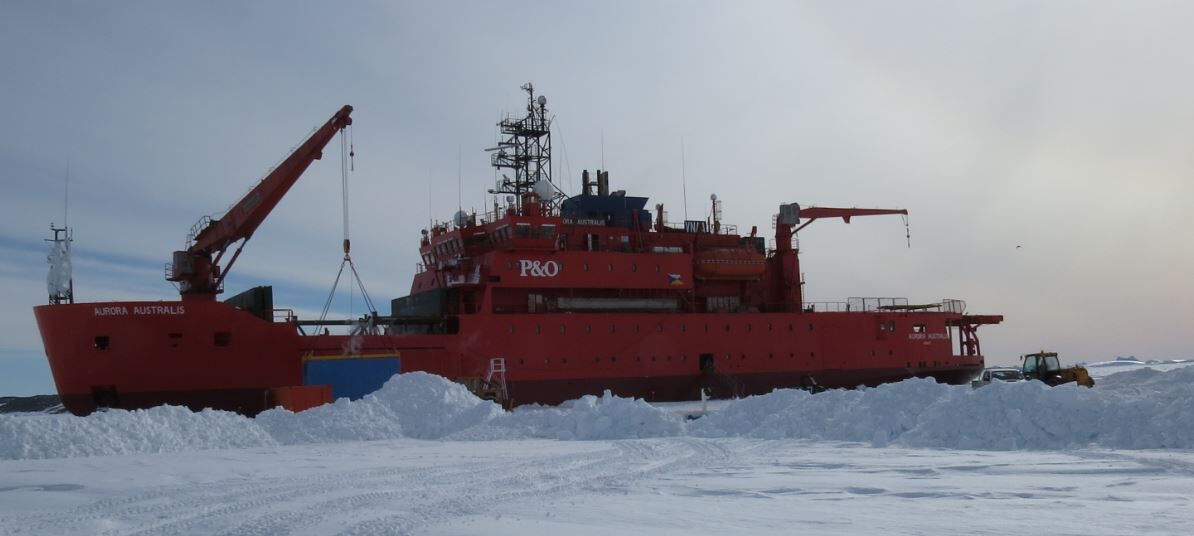
As part of the project to determine the ultraviolet radiation (UVR) environment in Antarctica, ARPANSA has been measuring solar UVR at the Australian Antarctic Stations for many years using radiometric detectors (Solar Light UV Biometers). While the radiometric UV measurements provide useful data on UV levels and are also useful for modelling, spectral measurements have the additional advantage that they measure all of the individual wavelengths across the ultraviolet region and provide extra UV data while also having a traceable calibration. This means that as new biologically effective weighting functions become available, the spectral data can be utilised with the new functions to infer a total effect eg Vitamin D effectiveness, skin cancer induction effectiveness or effects on phytoplankton in the Southern Ocean. The spectral instrument can also verify the effects due to ozone depletion as only UV wavelengths below 330nm increase when ozone levels decline. A spectral UVR measurement system had been installed at Davis Station in February 2011 in the Ice Ocean Atmosphere and Climate (IOAC) laboratory and had collected spectral UV data over the summers of 2011/12 and 2012/13. This UV spectral measurement system had experienced some temperature issues with its input optics during the second summer, with changes to its response. Rather than try and repair the unit while it was at Davis, it was decided to replace the entire system and return it to ARPANSA, where the exact nature of the problems could be examined and repaired or replaced. Two ARPANSA personnel travelled on the Aurora Australis to Davis Station to change over the spectral measurement system with one that had already been operating at ARPANSA in Melbourne for some time. The UV Biometers operating at the Australian Antarctic stations for many years also continue to provide measurement data in terms of UV Index each minute.
Summary of the season 2012/13
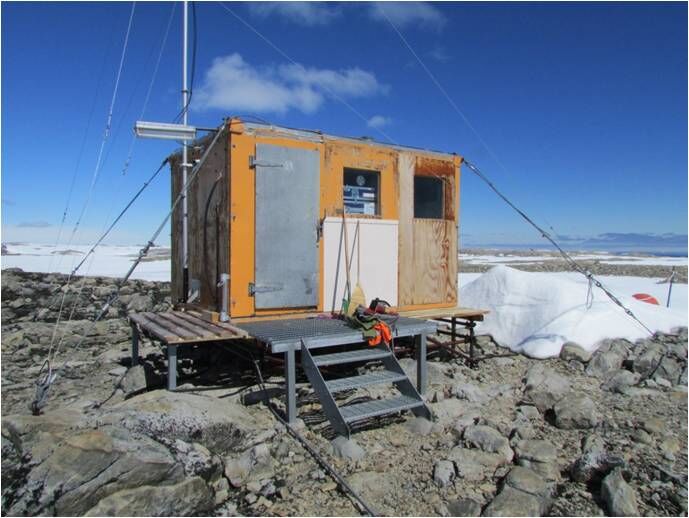
Two ARPANSA personnel travelled on the Aurora Australis to Casey Station to install a UV spectral measurement system in Mabel Hut. While the UV Biometers operating at the Australian Antarctic stations for many years provide measurement data in terms of UV Index each minute, the spectral system has the advantage that it measures all of the individual wavelengths across the ultraviolet region and provides extra UV data while also having a traceable calibration. While the radiometric UV measurements are useful for modelling, spectral measurements have the additional advantage that as new biologically effective weighting functions become available, the spectral data can be utilised with the new functions to infer a total effect eg Vitamin D effectiveness, skin cancer induction effectiveness or effects on phytoplankton in the Southern Ocean. The spectral instrument can also verify the effects due to ozone depletion as only UV wavelengths below 330nm increase when ozone levels decline.
Related publications
-
The Antarctic ozone hole during 2013 Australian Meteorological and Oceanographic Journal, 2015
(Ref: 15739)
Authors:Category 1: Peer-reviewed literature
-
Ultraviolet Radiation (UVR) –Nuts and bolts of the big skin cancer factor Sun, Skin and Health, 2014
(Ref: 15657)
Authors:Category 1: Peer-reviewed literature
-
Consequences of Stratospheric Ozone Depletion and Climate Change on the Use of Materials United Nations Environment Programme: Environmental Effects of Ozone Depletion: 2014, 2015
(Ref: 15658)
Category 6: Report
-
International Intercomparison of Solar UVR Spectral Measurement Systems in Melbourne in 2013 Photochemistry and Photobiology, 2015
(Ref: 15659)
Authors:Category 1: Peer-reviewed literature
-
The Antarctic Ozone Hole in 2012 Australian Meteorological and Oceanographic Journal, 2015
(Ref: 15515)
Authors:Category 1: Peer-reviewed literature
We review the 2012 Antarctic ozone hole, making use of various meteorological … reanalyses, remotely sensed ozone measurements and ground-based measurements … of ultra-violet radiation. Based on analysis of 33 years of satellite records…