

Project information
Project aim
The risk of contaminants to marine and terrestrial ecosystems in the Antarctic and subantarctic are poorly understood. This information is crucial for development of site specific environmental standards. The project will build on limited ecotoxicological data currently available for Antarctic biota to develop Environmental Risk Assessment procedures and to derive soil and water quality guidelines and remediation targets. These will inform Australia’s remediation activities in the AAT, enabling finalisation and sign-off of contaminated sites no longer posing significant environmental risk.
Project milestones
Summary of the project achievements 2017/18
This project delivered robust scientific data on the risk of contaminants including metals and fuels to marine and terrestrial ecosystems in the Antarctic and subantarctic. Toxicity test protocols developed through this project are now available as standard routine methods for use in Environmental Risk Assessments to determine potential impacts of contaminated waters and soils in Antarctica and subantarctic regions. Sensitivity data generated for a range of local biota will provide the basis for the development of site specific environmental quality guidelines and remediation targets for soils and waters. These will inform Australia's remediation activities in the AAT, enabling soil reuse and contaminated sites to be deemed as no longer posing significant environmental risk.
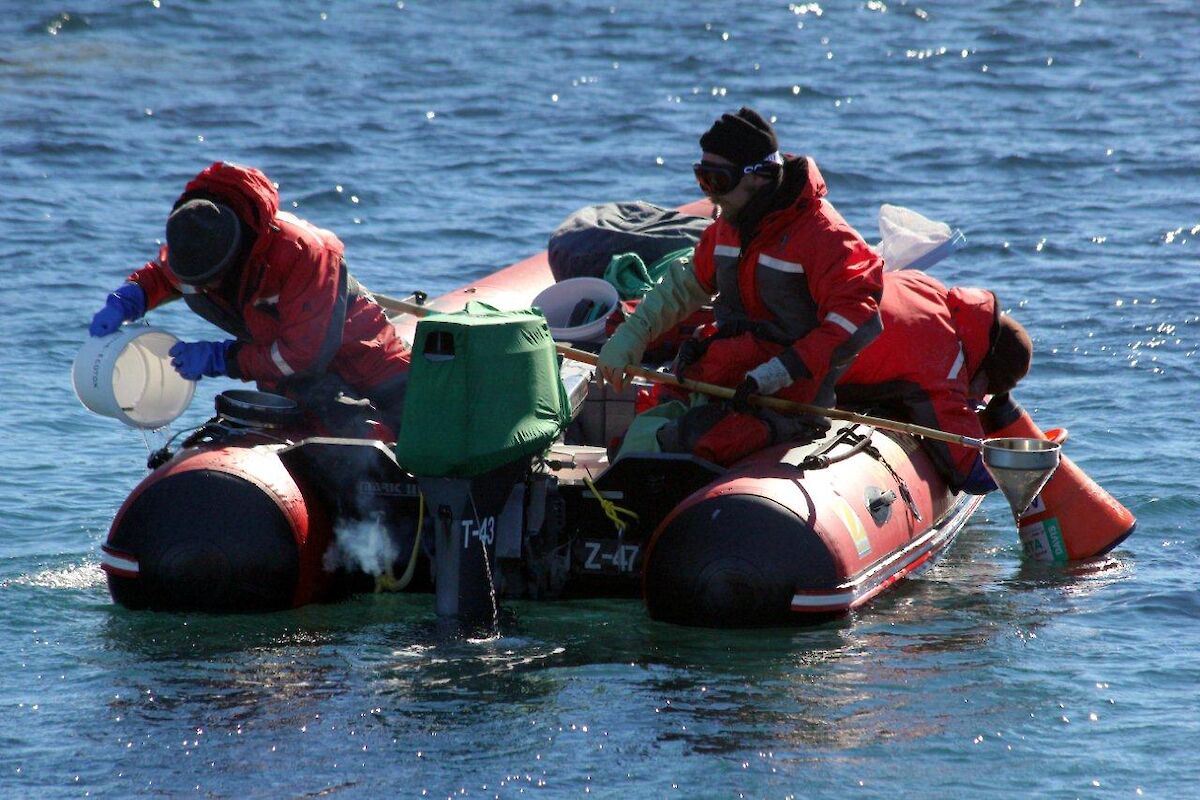
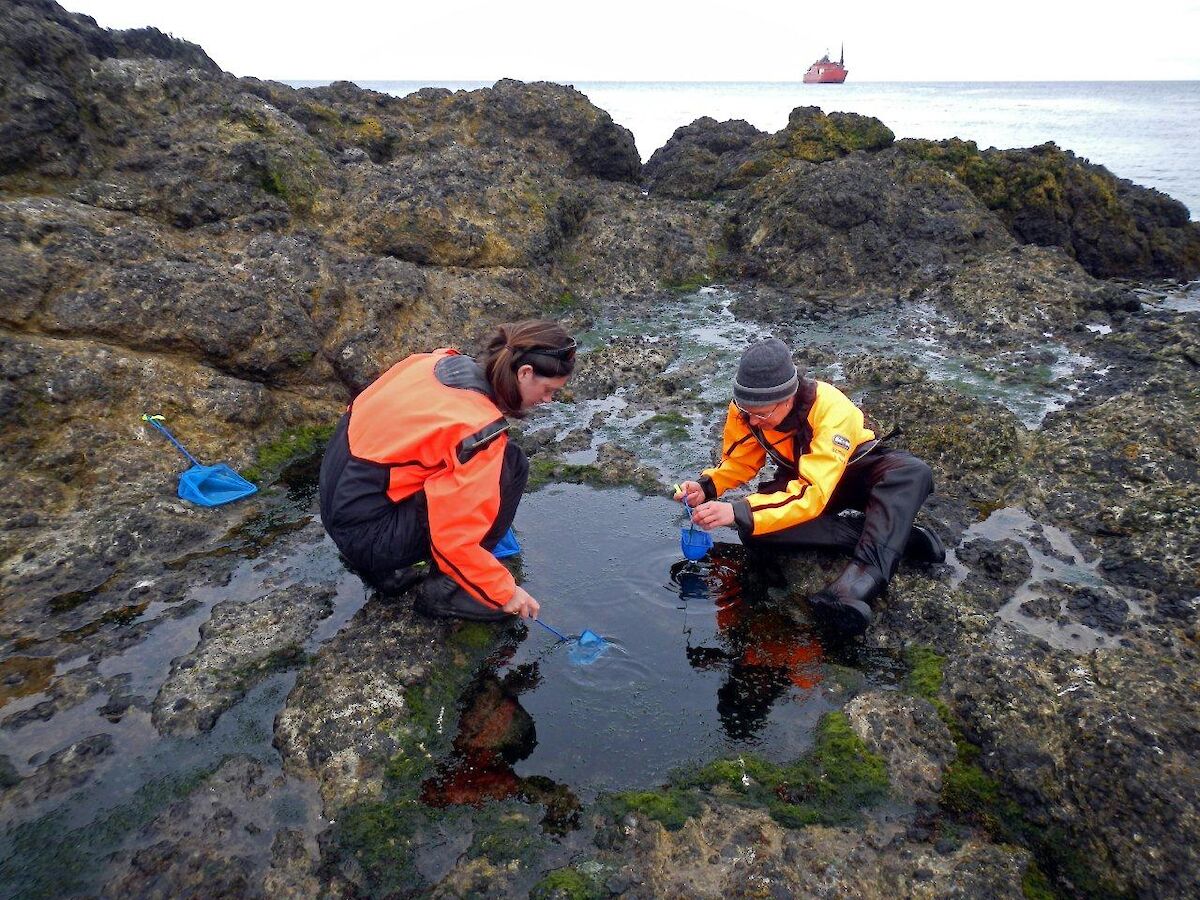
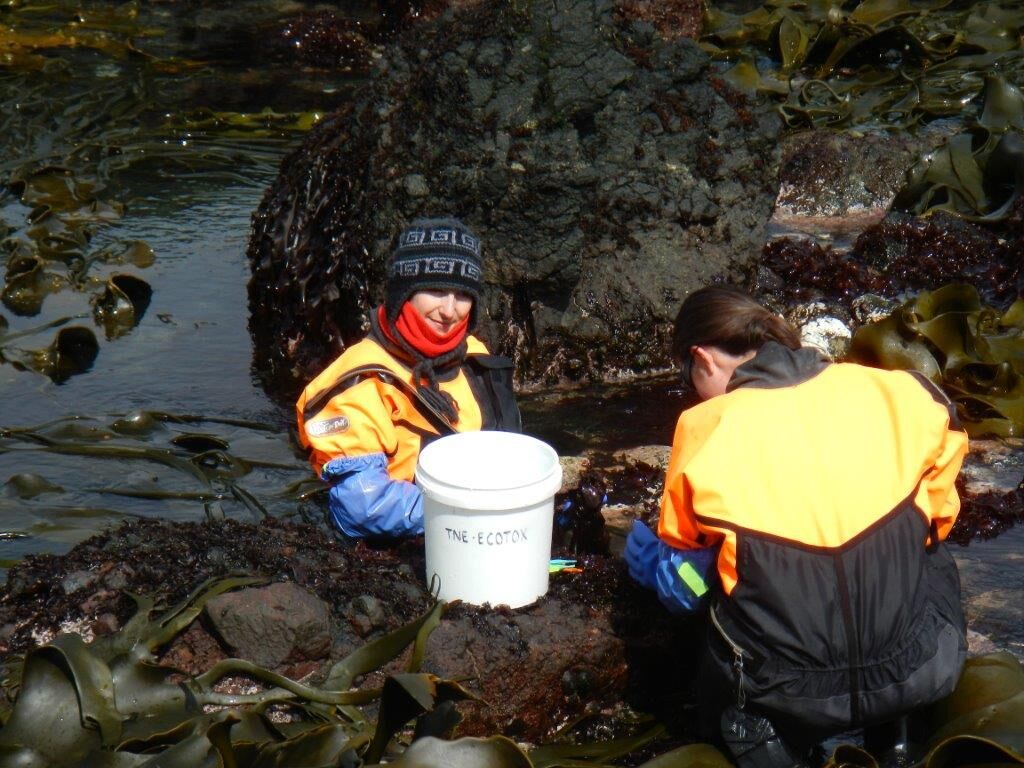
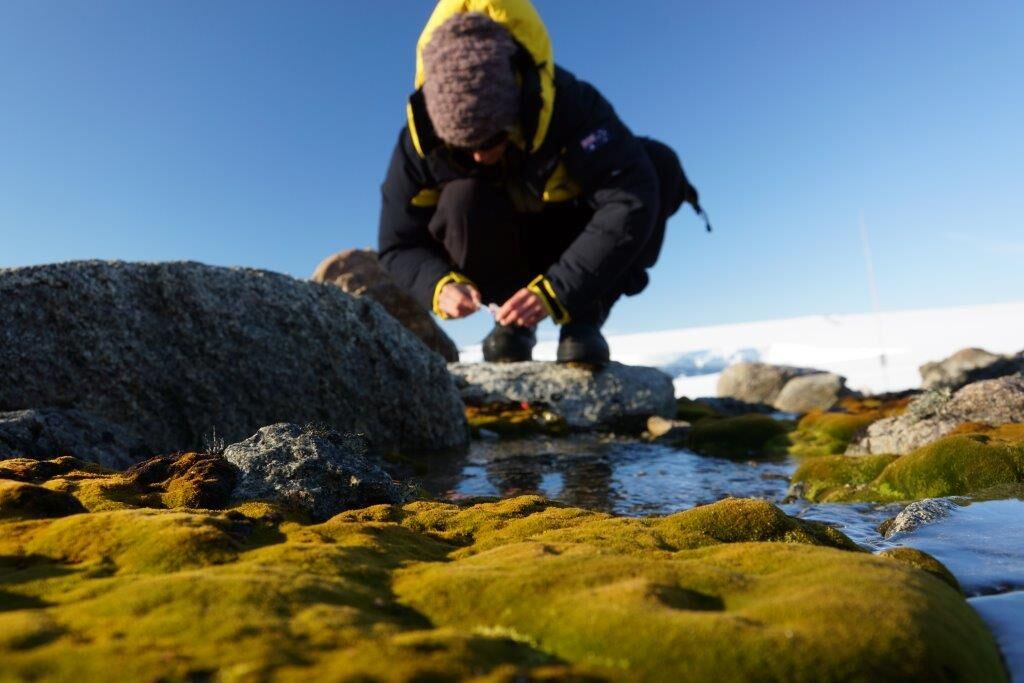
Field programs were conducted at Davis, Casey and Macquarie Island during 2012/13, 13/14 and 14/15 summer seasons, and experiments completed on station and at Kingston in the AADs' Marine Research Facility using live biota returned to Australia. Culturing procedures and toxicity tests were developed for a range of species (marine and terrestrial invertebrates, microalgae and plants), and used to determine sensitivity of biota to metals and fuels. New statistical models and analysis methods, which incorporate the unique characteristics of Antarctic biota and their responses, were developed to generate robust sensitivity estimates.
A total of 20 postgraduate students were engaged on this project. Results have been widely promoted, with 32 peer-reviewed articles published in high quality international journals, 61 conference presentations, and 8 papers submitted to the ATCM/CEP. CI King hosted and chaired the 2016 SETAC-AU Conference in Hobart in which a session on Risk Assessment and Remediation in Antarctica proved a valuable outreach activity that increased exposure of this project and our research to the Australasian ecotoxicology and environmental chemistry scientific communities.
Summary of the season 2016/17
This year we continued to focus on consolidating and analysing existing datasets (including aqueous toxicity tests with marine amphipods and microgastropods, and soil toxicity tests with springtail communities). This has included submission of metadata records to the AADC and publication of results in peer-reviewed journal articles. In addition, we are working to develop new statistical analysis and data modelling methods using R, that specifically aim to deal with problematic data sets that do not meet assumptions of existing statistical tests. This statistical modelling work will remain a focus for the project over the next year, as we develop targets for soil remediation and reuse at contaminated sites at Casey and Macquarie Island stations. We are also using industry standard database software (CETIS) for the analysis and compilation of toxicity test data, and will use this system to facilitate our overall analysis of test data for guideline derivation.
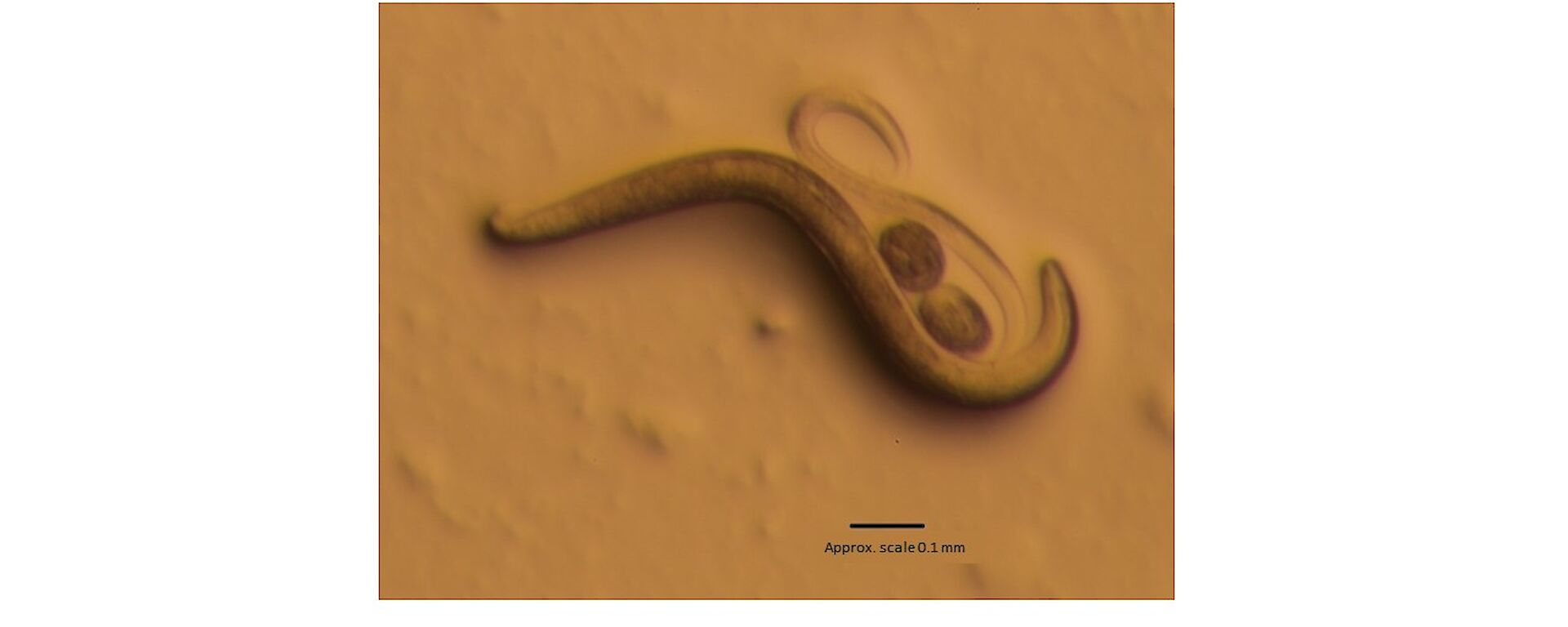
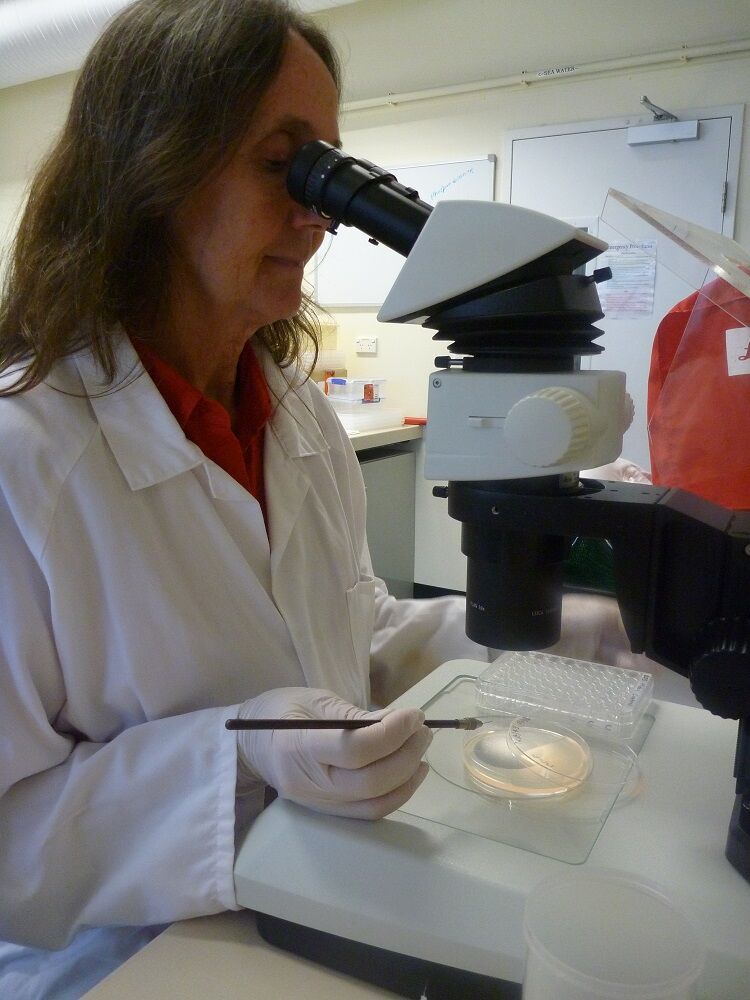
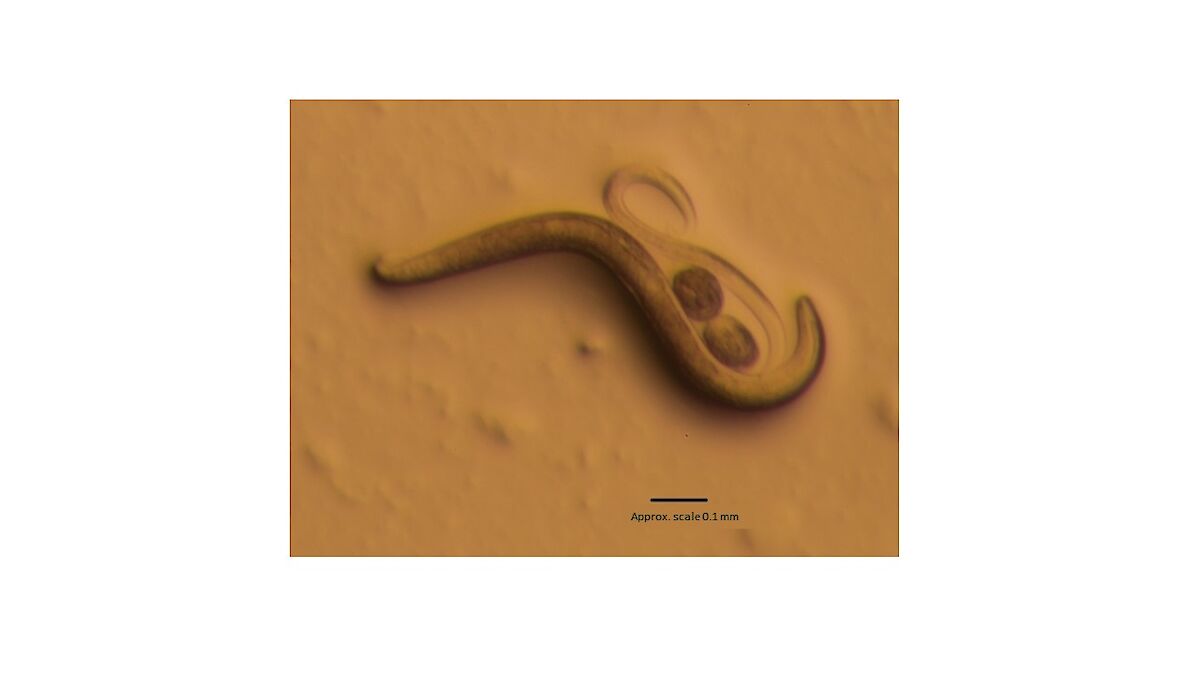
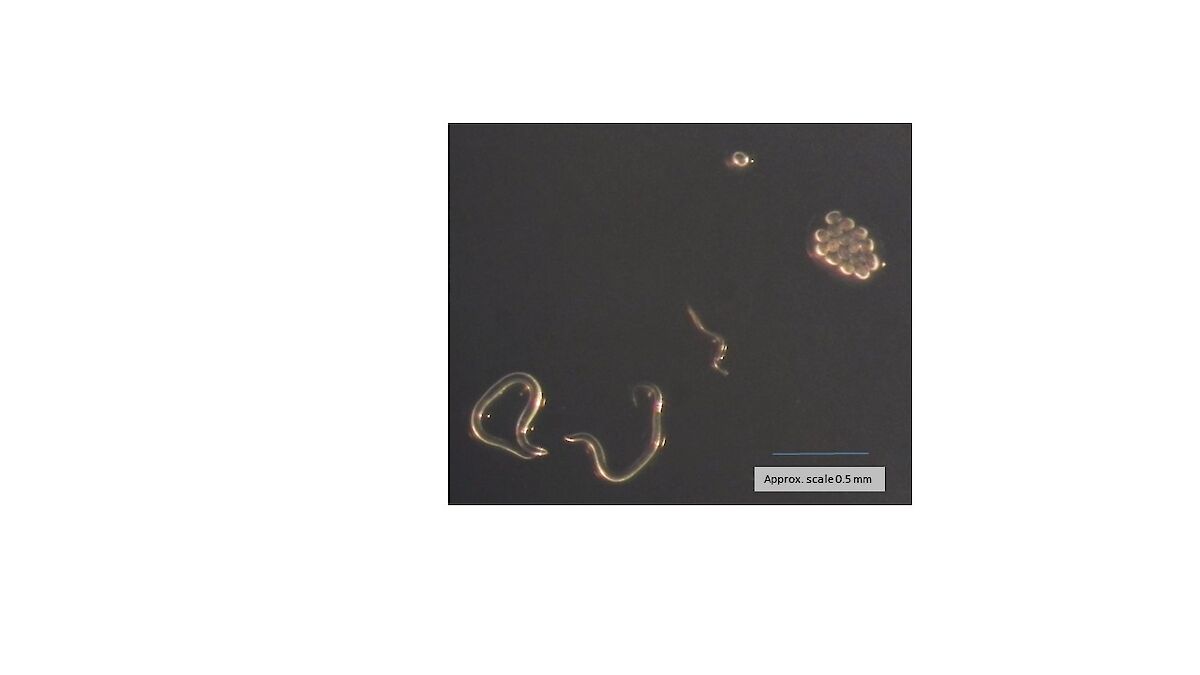
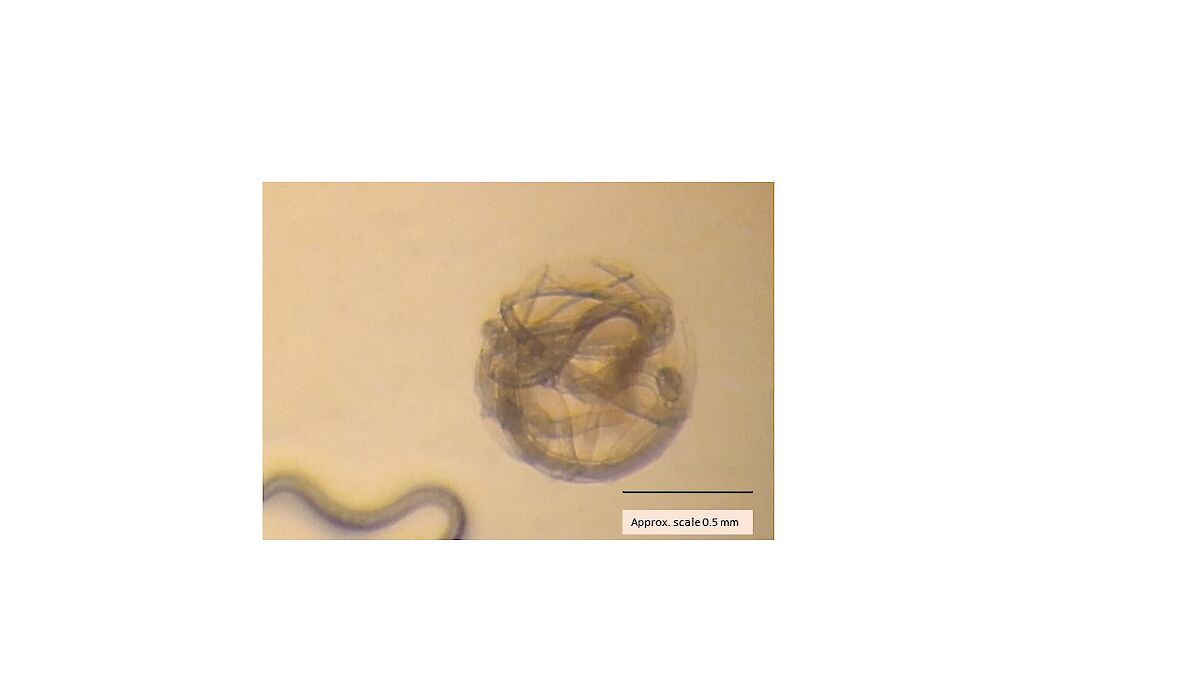
We have continued developing methods for toxicity tests with common Antarctic nematodes Plectus murrayi from in house cultures at Kingston and have estimated the sensitivity of this species to copper. We are now working on an elutriate based test system (water washed through contaminated soil) to investigate the impacts of mobile and bioavailable fuels in soils. This test mimics exposure to contaminants in soil and runoff during summer melt periods. Initial test results show that the nematode is sensitive to elutriates as low as 10% dilution of soil samples collected at fuel contamination 'hotspots' at Casey Station.
Key members of our project team hosted the SETAC-AU Conference in Hobart in October 2016, which included a special session on Risk Assessment and Remediation in Antarctica. This was a valuable outreach and communication activity that greatly increased exposure of this project and our research to the Australasian ecotoxicology and chemistry scientific community.
Summary of the season 2015/16
This year the project focused on data consolidation, toxicity experiments conducted at AAD Kingston laboratories, and development of new statistical analysis methods. Data consolidation work has included the submission of datasets to the AADC and publication of results in quality international journals, with 15 journal articles from this project now published or in press.
Substantial progress in experimental work has been made in two main areas. We have completed work examining the sensitivity of subantarctic marine biota to metal contaminants, and the interactive effects of stressors associated with climate change (eg temperature, salinity). We have also developed culturing procedures and optimised test parameters for toxicity tests using Antarctic micro-invertebrates, specifically the Antarctic nematode Plectus murrayi. We have successfully developed in-house cultures and have an enhanced understanding of this species reproduction and life history, we have developed an aqueous test using metals, and have commenced development of a soil toxicity test for fuel contaminants.
Finally, we have made considerable progress in improving statistical models and analysis methods for the generation of robust sensitivity estimates. Specifically this year we have developed models that increase our ability to analyse data sets that do not meet assumptions of existing statistical tests in terms of control mortality. This work is crucial to the production of robust point estimates for the sensitivity of Antarctic and subantarctic species, that will significantly enhance the quality of the contaminant guidelines that we derive from species sensitivity estimates during the final phase of this project. This statistical modelling work will remain a focus for the project over the next year, as we develop targets for soil remediation and soil reuse at Casey Station and other Antarctic contaminated sites.
Summary of the season 2014/15
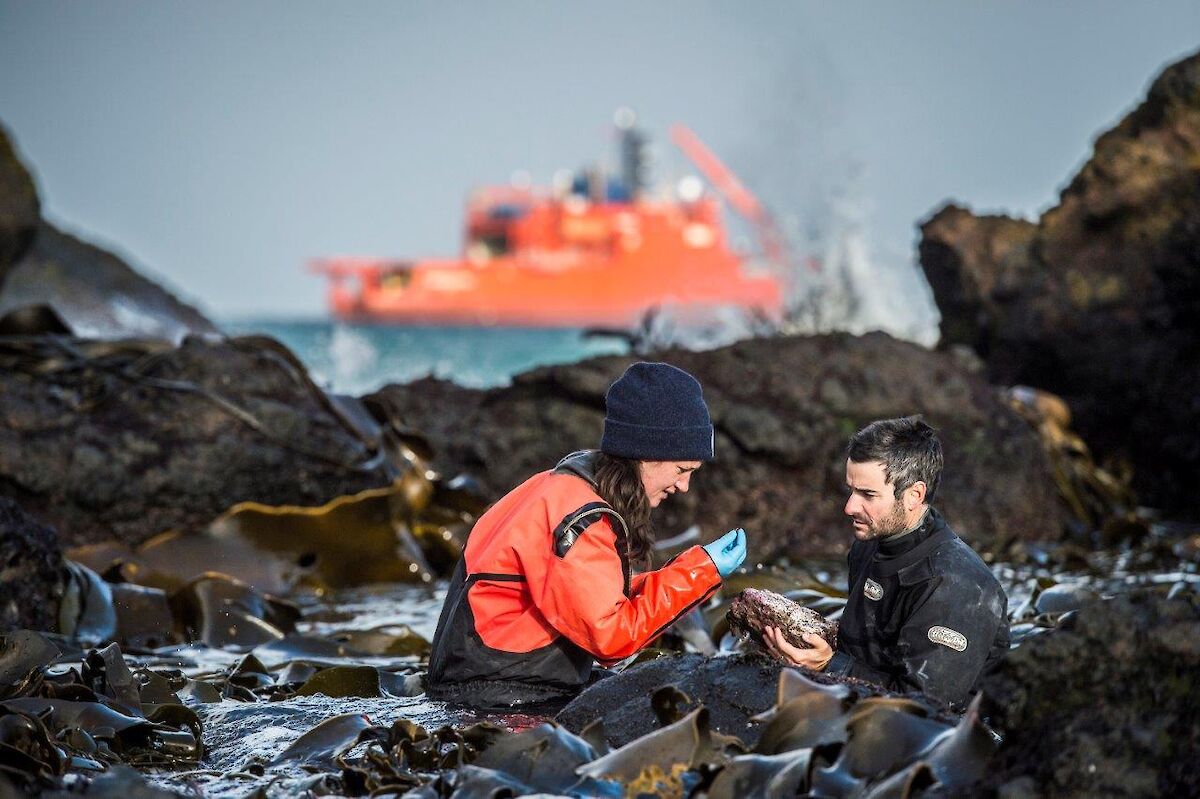
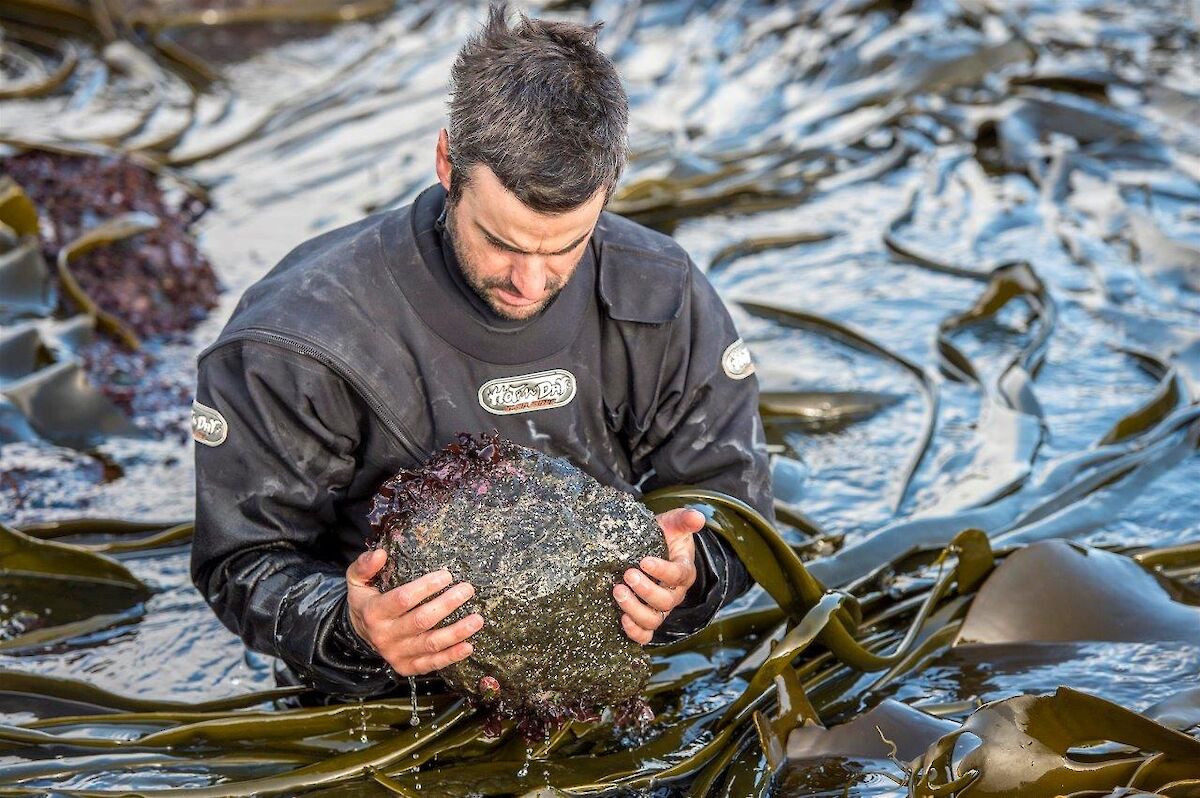
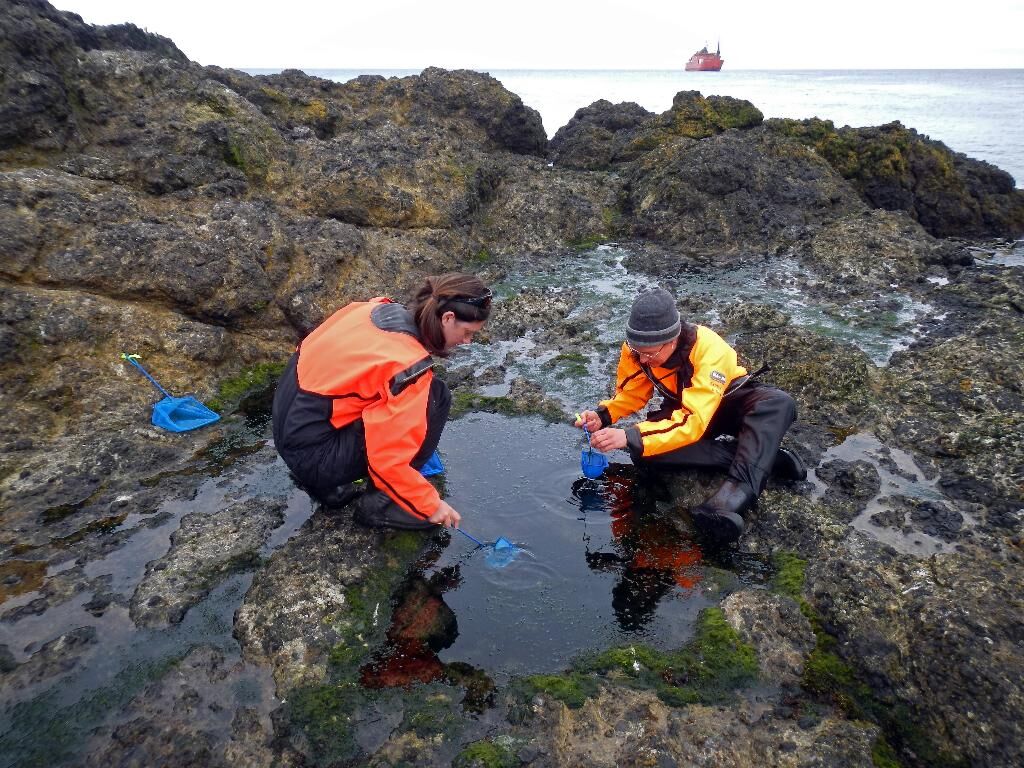
Work this year has also focused on the consolidation of data, submission of datasets to the AADC, and on research publications with 9 manuscripts from this project published in peer reviewed journals or currently in press. Experimental work has also continued with a focus on sensitivity assessments for subantarctic marine biota and on the development of culturing procedures and optimisation of test parameters for toxicity tests using Antarctic micro-invertebrates. Toxicity testing of metals in combination with climate change stressors (eg temperature, salinity) with a range of subantarctic marine invertebrates was conducted in Kingston using live biota collections made during the 13/14 summer field season at Macquarie Island. Stocks of these marine invertebrates were replenished by collections made by a small field team during the 14/15 resupply voyage to Macquarie Island and a range of species are now being maintained and cultured within the AAD's Marine Research Facility. The development of soil toxicity tests with the Antarctic nematode Plectus murrayi is ongoing with the successful establishment of in-house cultures and an improved understanding of this species reproduction and life history. This along with work to improve our statistical models to generate robust sensitivity estimates will continue to be the focus of work in the upcoming years providing crucial data for the development of guidelines for soil remediation and soil reuse at Casey Station and other Antarctic contaminated sites undergoing remediation.
Summary of the season 2013/14
Experimental work this year has continued with a focus on sensitivity assessments for both terrestrial and marine biota and on the development of robust toxicity testing procedures for contaminated waters and soils in Antarctica and subantarctic regions. Toxicity testing of metals with a range of subantarctic marine invertebrates was conducted during the 13/14 summer field season at Macquarie Island. Terrestrial plant toxicity testing of fuels was conducted in Australia (using collections made 12/13 at both Casey and Macquarie Island),and collections of moss samples for ongoing testing of metal and fuel toxicity were made during a short field season at Casey in 13/14. Toxicity assessments with Antarctic microalgae were conducted back in Australia. Laboratory analysis of metals using Inductively Coupled Plasma Optical Emission Spectrometer (ICP-OES) and of hydrocarbons in fuels using Gas Chromatograph - Mass Spectrometry (GC-MS) continues. Toxicity testing is ongoing at Kingston using live biota returned to Australia that is being maintained and cultured within the AADs' Marine Research Facility and Terrestrial Growth Laboratories.
Summary of the season 2012/13
The first year of this project has focused on sensitivity assessments for biota and on the development of robust toxicity testing procedures and analysis for contaminated waters and soils in Antarctica and subantarctic regions. Field programs were conducted during 2012/13 at Davis, Casey, Mawson and Macquarie Island. The focus of research at Davis was marine invertebrate testing with metals and fuels, while the Casey and Macquarie Island field programs focused on terrestrial flora testing with fuels in order to develop remediation targets for contaminated sites. Laboratory analysis of metals using Inductively Coupled Plasma Optical Emission Spectrometer (ICP-OES) and of hydrocarbons in fuels using Gas Chromatograph - Mass Spectrometry (GC-MS) is underway. Toxicity testing is ongoing at Kingston using live biota returned to Australia that is being maintained and cultured within the AADs' Marine Research Facility and Terrestrial Growth Room.