

Project information
Project aim
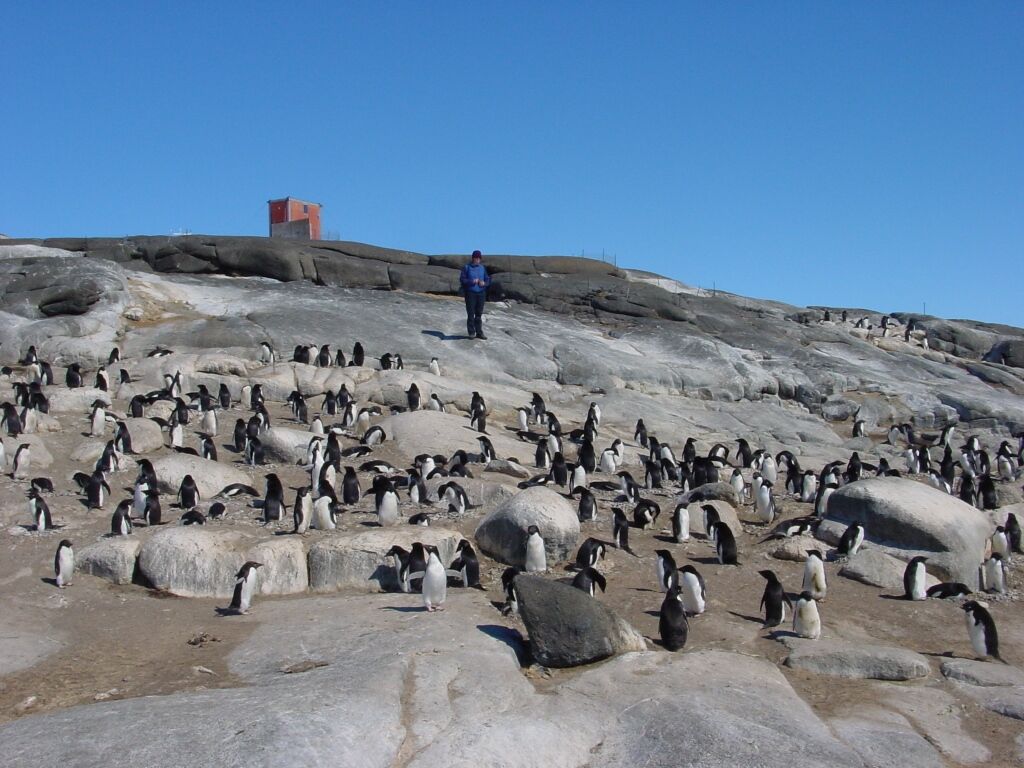
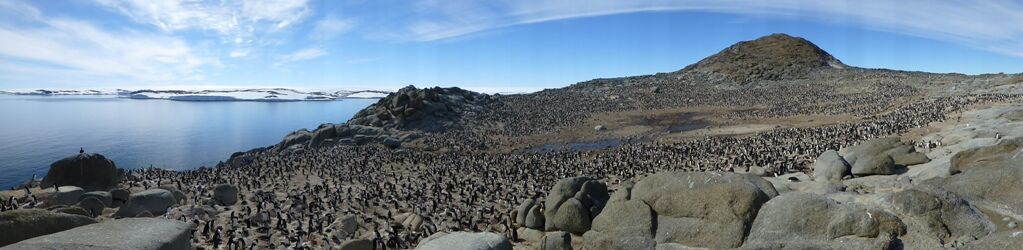
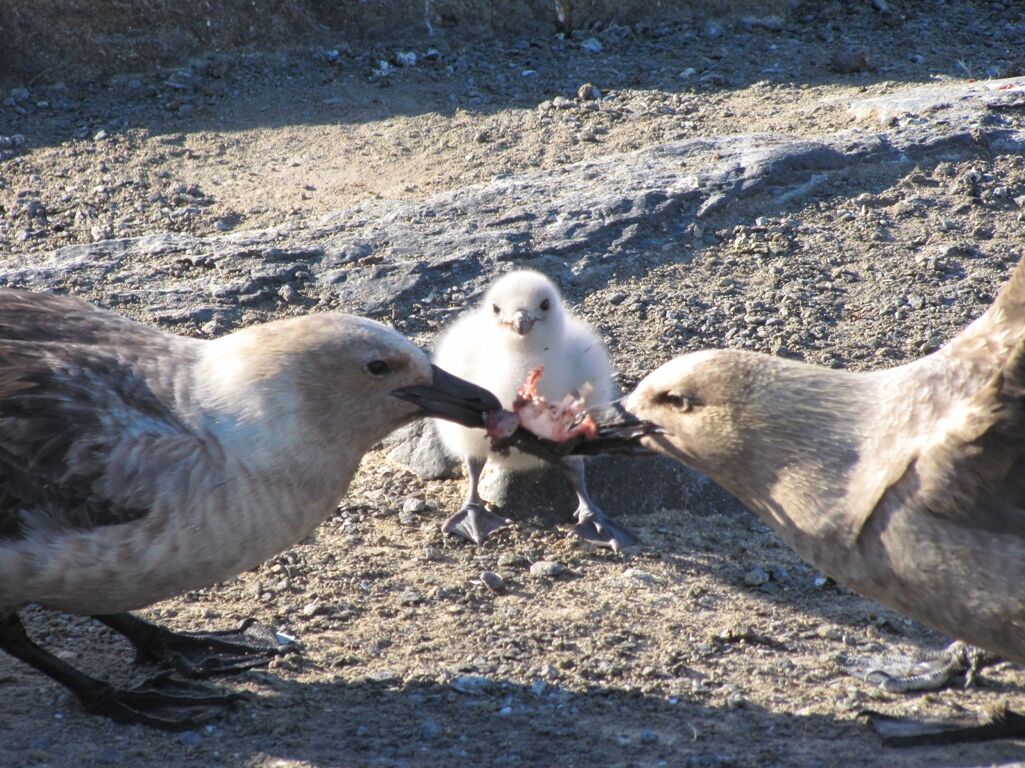
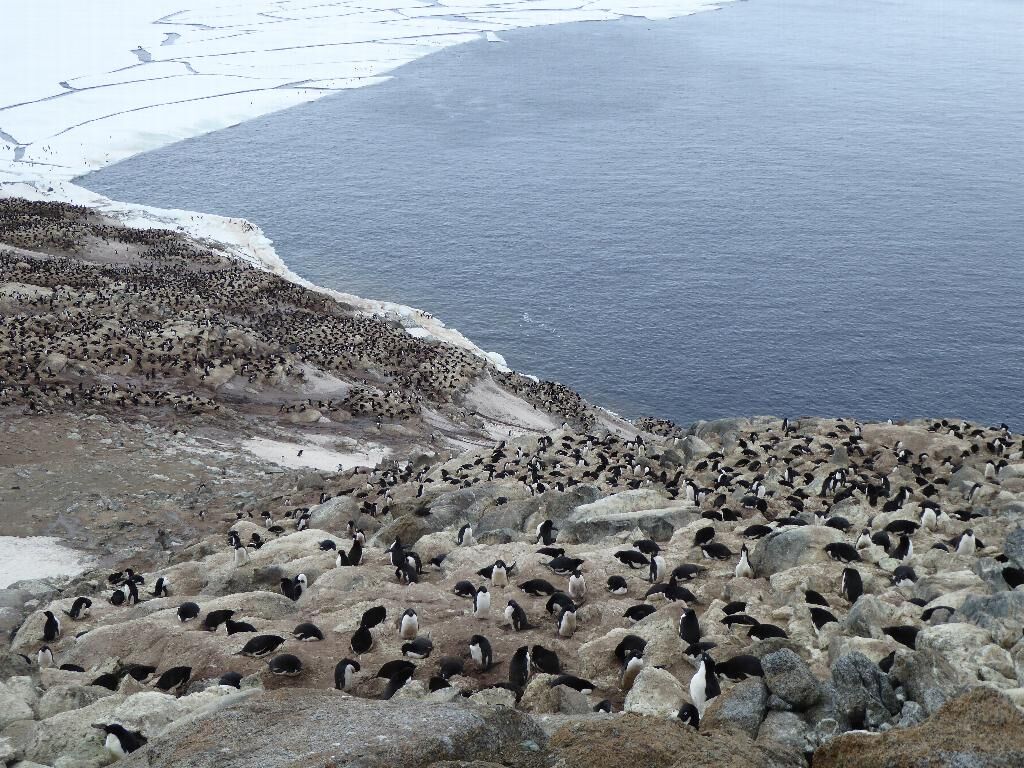
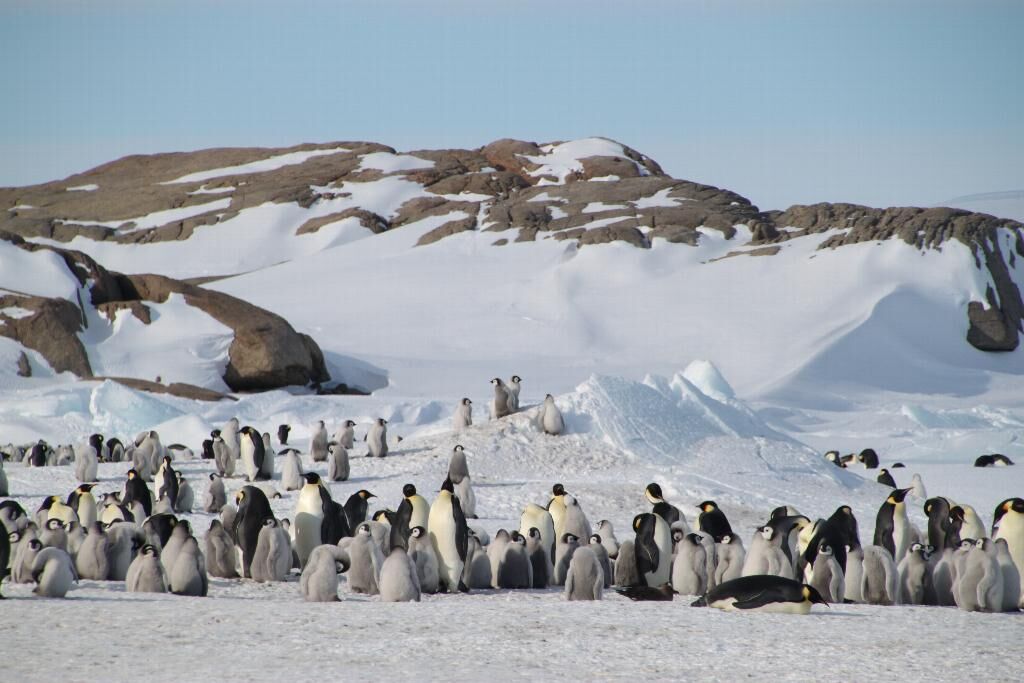
Seabirds are useful indicators of fisheries and climate change impacts in the Southern Ocean. This project aims to develop and apply cost-effective monitoring approaches to determine population status and trends of a suite of seabirds across the AAT. Region-wide population estimates will be used to determine seabird prey requirements at spatial scales relevant to fisheries management. The methods and data will contribute to ecosystem-based management of fisheries, assessing climate change impacts, and identifying conservation needs of, and threats to, Antarctic seabirds.
Project milestones
Summary of the project achievements 2018/19
Over the life of this project we:
• Developed cost-effective methods for monitoring the status and trends in penguin and seabird populations
• Completed East Antarctic-wide assessments of the current status and past decadal-scale trends in Adelie penguin populations
• Continued to monitor the status and trends of Emperor penguin populations
• Contributed to the development of satellite-based methods for assessing the distribution and abundance of Adelie and emperor penguin populations
• Collected samples across space and time in East Antarctica for analysis of seabird diet
• Completed an East Antarctic-wide estimate of food consumption by Adelie penguin populations that contributed to an ecological risk assessment of the spatial allocation of the allowable krill catch submitted to CCAMLR
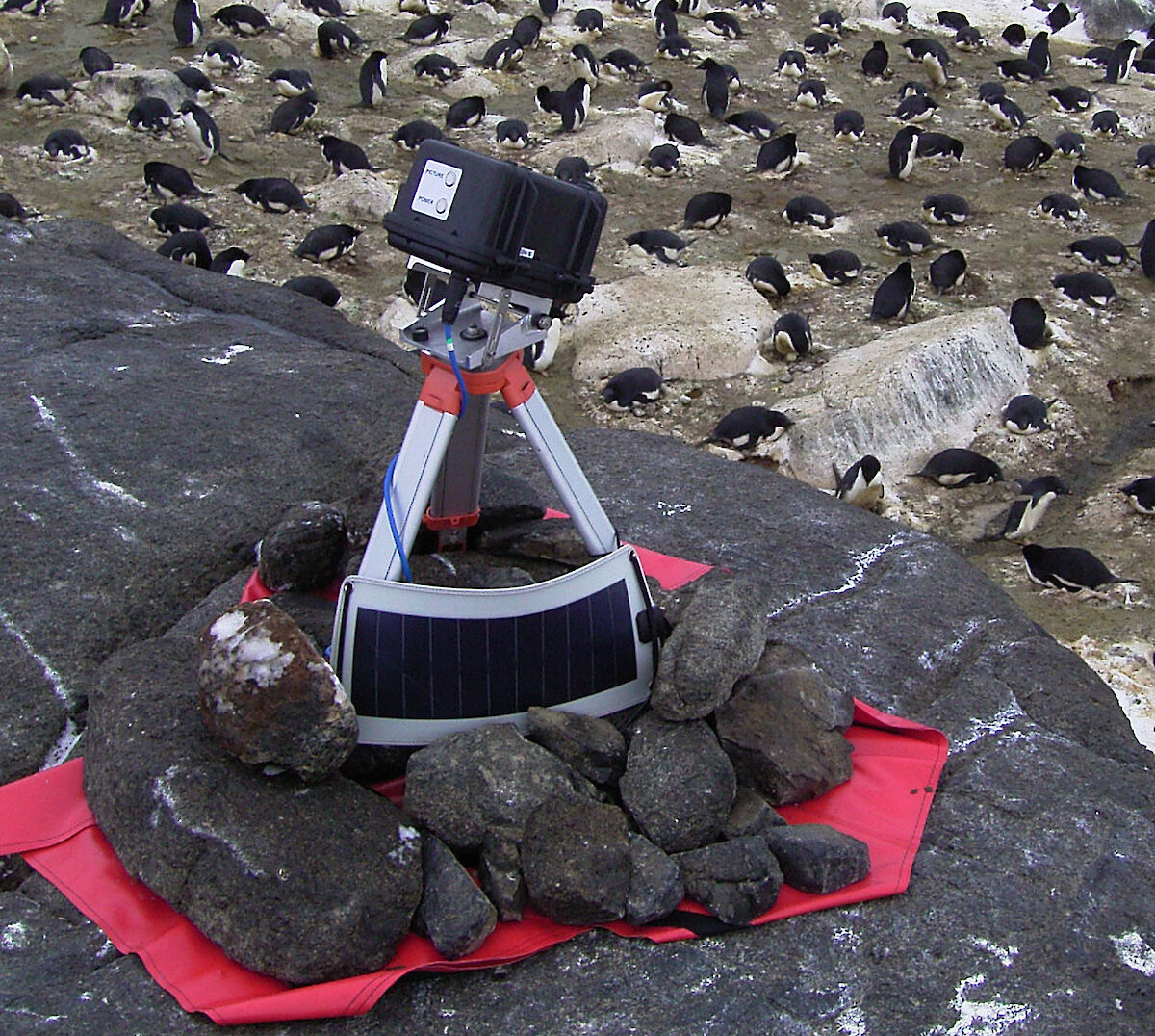
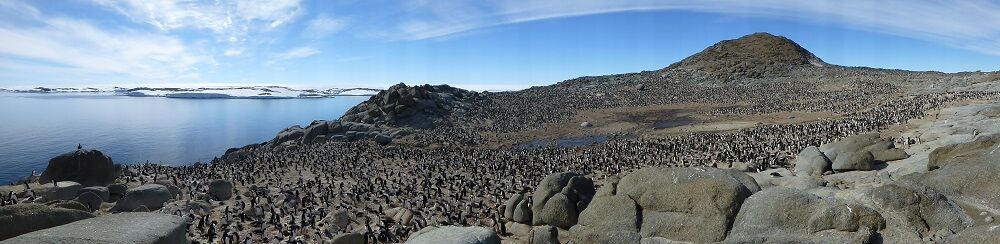
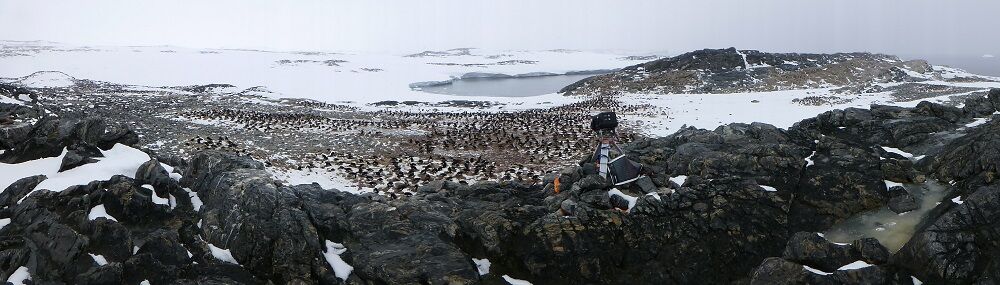
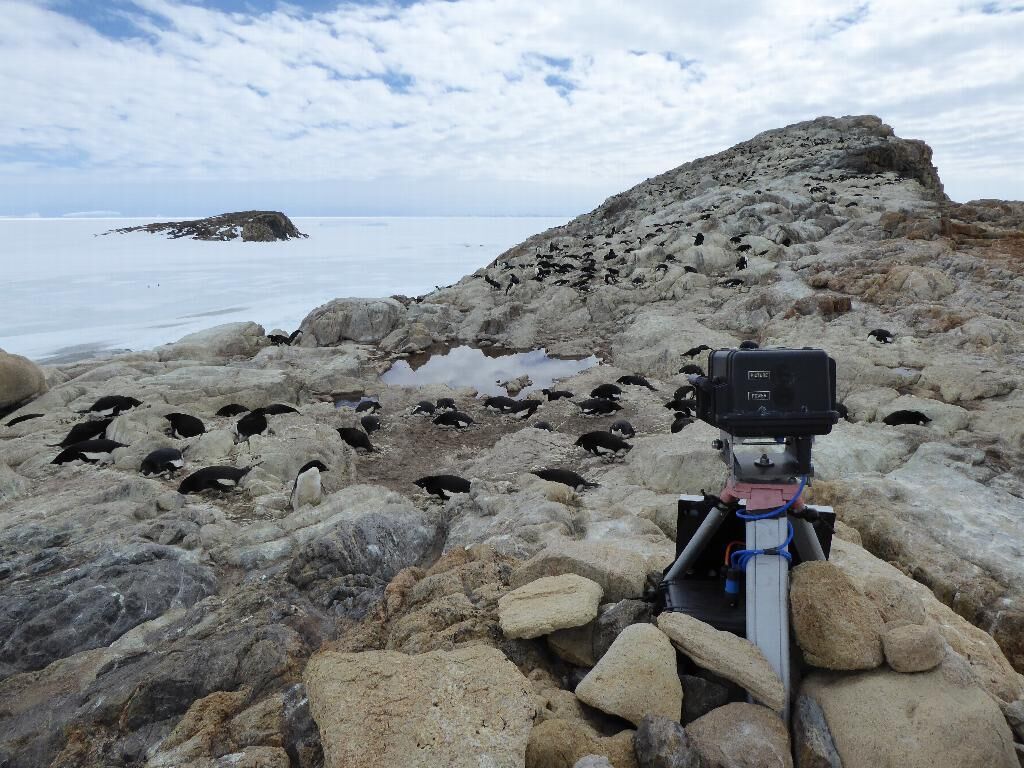
• Established an East Antarctic-wide network of cameras to monitor breeding success and phenology of penguins and seabirds
• Successfully promoted camera monitoring of seabird populations in Antarctica, as evidenced by CCAMLRs adoption of new Standard Methods including camera technology and new analysis software for CCAMLRs Ecosystem Monitoring Program, and the use of cameras by other seabird researchers
• Collected data relevant to the Draft Comprehensive Environmental Evaluation for the Davis Aerodrome Project
• Collected data relevant to ACAP
Summary of the season 2017/18
During the 2017-18 season we:
• completed regional population surveys of Adélie penguins in the Mawson, Davis and Casey regions that were commenced in 2016-17 by surveying some areas missed in 2016-17 and surveying Scullin and Murray Monoliths. This work will allow an update of Adelie penguin populations and trends across most of the AAT.
• undertook population surveys of Emperor penguins Amanda Bay. For the first time since this work started, access to Taylor Glacier was not possible at all.
• continued population surveys of snow petrels and flying seabirds in the Davis region under project 4088 and also as a contribution to YRAA work
• collected faecal samples of several seabird species in the Mawson and Davis regions
• serviced and downloaded remote cameras overlooking colonies of penguin and seabird species in the Mawson, Davis and Casey regions
Summary of the season 2016/17
2016-17
During the 2016-17 season we:
• completed population surveys of Adélie penguins in the Mawson, Davis and Casey regions
• completed population surveys of Emperor penguins at Taylor Glacier and Amanda Bay
• continued population surveys of snow petrels and flying seabirds in the Davis region
• collected faecal samples of several seabird species in the Mawson and Davis regions
• serviced and downloaded remote cameras overlooking colonies of penguin and seabird species in the Mawson, Davis and Casey regions
• published papers on Adélie penguin colonisation and extinction, distribution and abundance, and prey consumption in East Antarctica
Summary of the season 2015/16
During the 2015-16 season we:
• completed population surveys of Adélie penguins in the Mawson and Davis regions
• completed population surveys of Emperor penguins at Taylor Glacier and Amanda Bay
• commenced a population survey of snow petrels and flying seabirds in the Davis region
• contributed to a report on Important Bird Areas
• collected faecal samples of several seabird species in the Mawson and Davis regions
• serviced and downloaded remote cameras overlooking colonies of penguin and seabird species in the Mawson, Davis and Casey regions
• published papers on re-constructing historical Adélie penguin abundance, decadal and millennial change in East Antarctic Adélie penguin populations, and Adélie penguin diet
• satellite tracked Emperor penguins at the Antarctic Peninsula
• published a paper on the reconstruction of past populations of Emperor penguins and Weddell seals and their response to past climate change.
Summary of the season 2014/15
During the 2014-15 season we completed population surveys of Adelie penguins in the Mawson region and emperor penguins at Taylor Glacier, collected faecal samples of several seabird species in the Mawson region, and serviced and downloaded remote cameras overlooking colonies of penguin and seabird species in the Mawson, Davis and Casey regions. We also published or submitted papers on re-constructing historical Adelie penguin abundance, new population surveys of Adelie penguins, decadal change in Adelie penguin populations and an energetics model for Adelie penguins.
Summary of the season 2013/14
During the 2013-14 season we completed population surveys of Adelie penguins in the Mawson region and emperor penguins at Taylor Glacier and Cape Darnley, collected faecal samples of several seabird species in the Mawson region, undertook archeological digs at Casey and Mawson, and serviced and downloaded remote cameras overlooking colonies of penguin and seabird species in the Mawson, Davis and Casey regions. We also published papers on new population surveys and diet assessment methods, on population change of emperor penguins at Taylor Glacier, and a continental satellite assessment of Adelie penguin distribution.
Summary of the season 2012/13
During the 2012-13 season we completed population surveys of Adelie penguins in the Windmill Islands and emperor penguins at Amanda Bay and Taylor Glacier, collected faecal samples of several seabird species in the Mawson, Davis and Casey regions, serviced and downloaded remote cameras overlooking colonies of penguin and seabird species in the Mawson, Davis and Casey regions