
Project information
Project aim
Identifying potential threats from a changing environment on Antarctic seabird populations requires understanding key ecological processes and their driving factors. This project focuses on determining driving factors for seabird demography, phenology, breeding site distribution and foraging habitat. Seabird data will be linked to spatio-temporally coincident data of biological and physical characteristics of the ecosystem to develop explanatory models and, where possible, predictive models to explore the outcomes of plausible scenarios of future environmental change on seabird populations
Project milestones
Summary of the project achievements 2018/19
Over the life of this project we:
• Undertook research on seabird diet and foraging ecology of direct relevance to CEMP and CCAMLR for ecosystem-based fisheries management
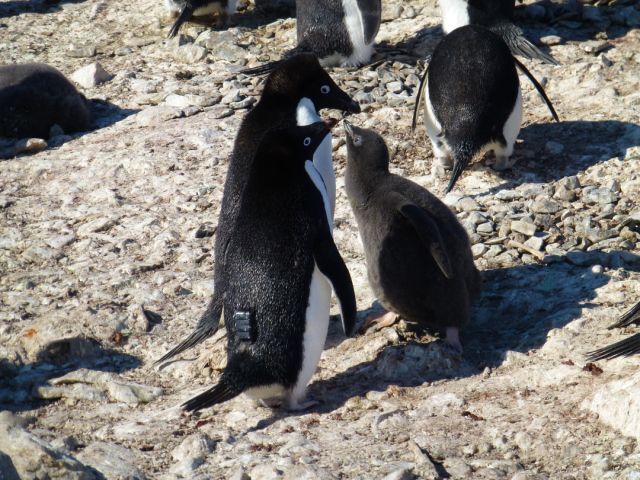
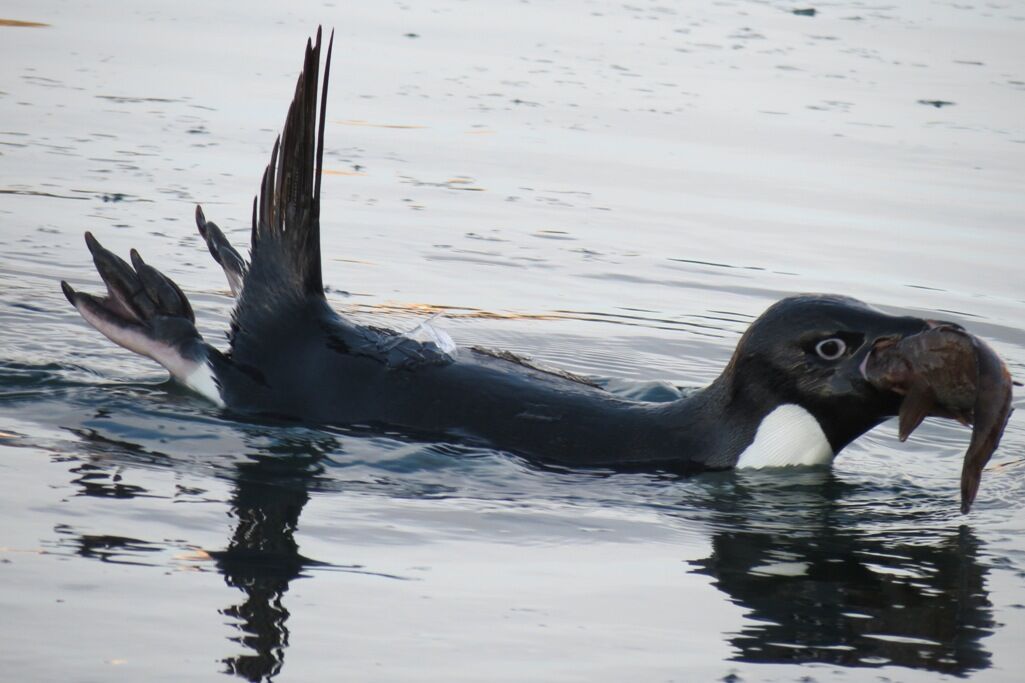
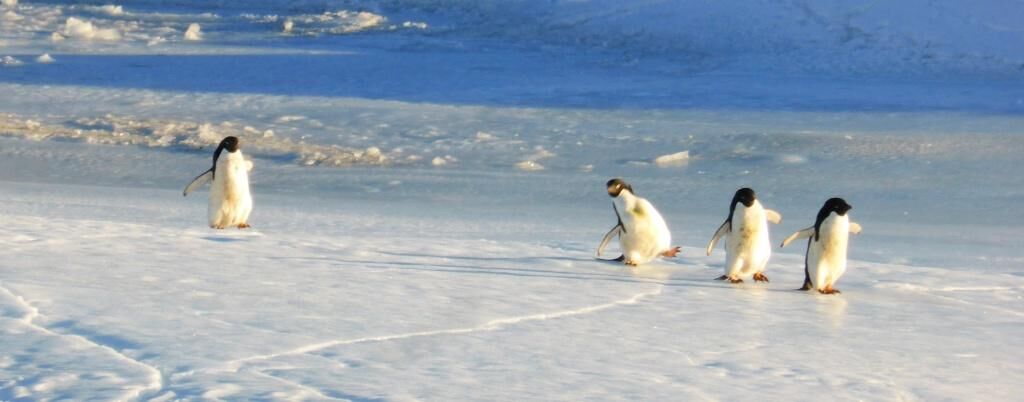
• Continued long term understanding of foraging ecology of the Adélie penguin in the Mawson region
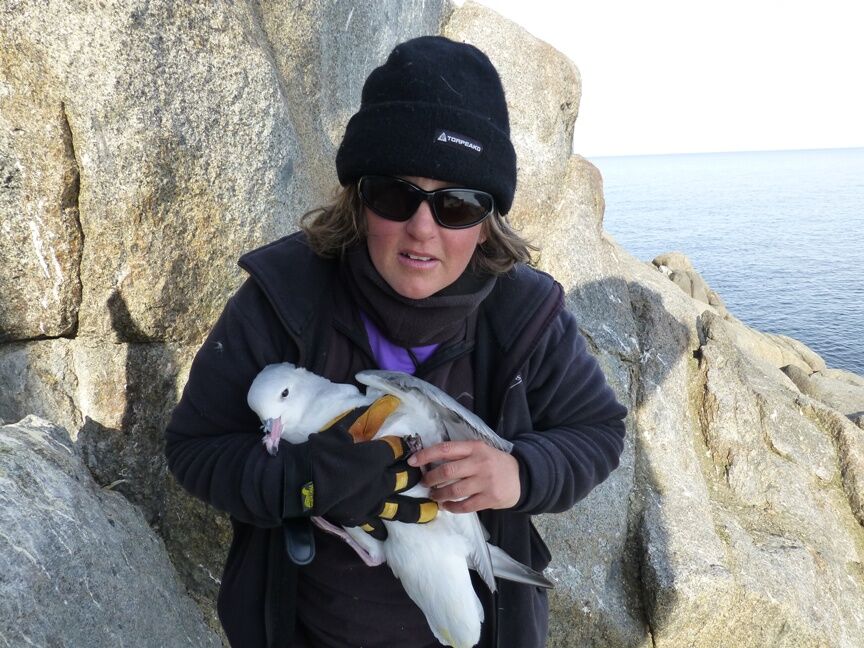
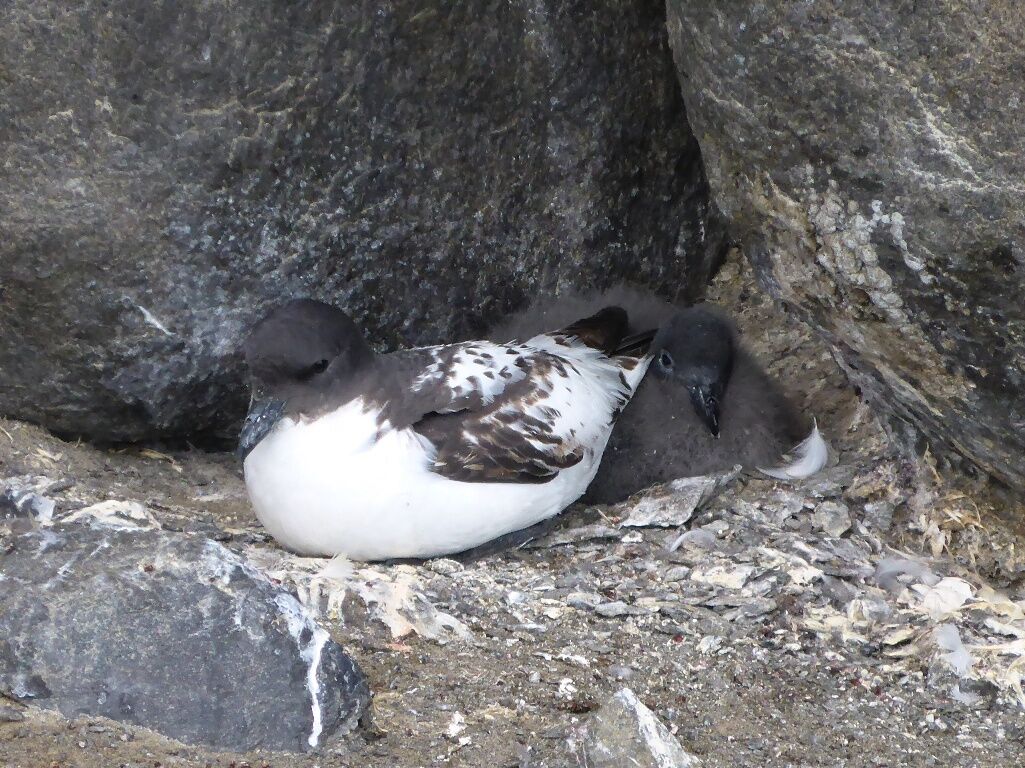
• Expanded foraging studies to additional seabird species including Cape petrels, snow petrels, Antarctic petrels and South polar skua and to other locations across East Antarctica
• Trialled a range of tracker devices for flying seabirds and substantially extended our understanding of the foraging ecology and winter migratory routes of Antarctic breeding seabirds
• Collaborated broadly with Japanese, French, Chinese and Italian colleagues to achieve research objectives
• Instigated an investigation of levels of persistent organic pollutants in seabirds to identify their likely source in relation to our human activities at Antarctic bases or during the birds winter migration route
• Contributed to a global workshop on drivers of Adélie penguin survival
• Continued analyses of key demographic parameters to identify drivers and likely changes in relation to climate change and fisheries activities
• Contributed data and expertise to ASPA management plans and policy decisions and approvals relating to Antarctic breeding seabirds
• Began assessing the potential impact of constructing and operating a year-round runway on the Antarctic breeding seabirds and tailored data collection and analysis for this purpose
• Regularly attended and submitted working papers to CCAMLR Working Group and Scientific Committee meetings
Summary of the season 2017/18
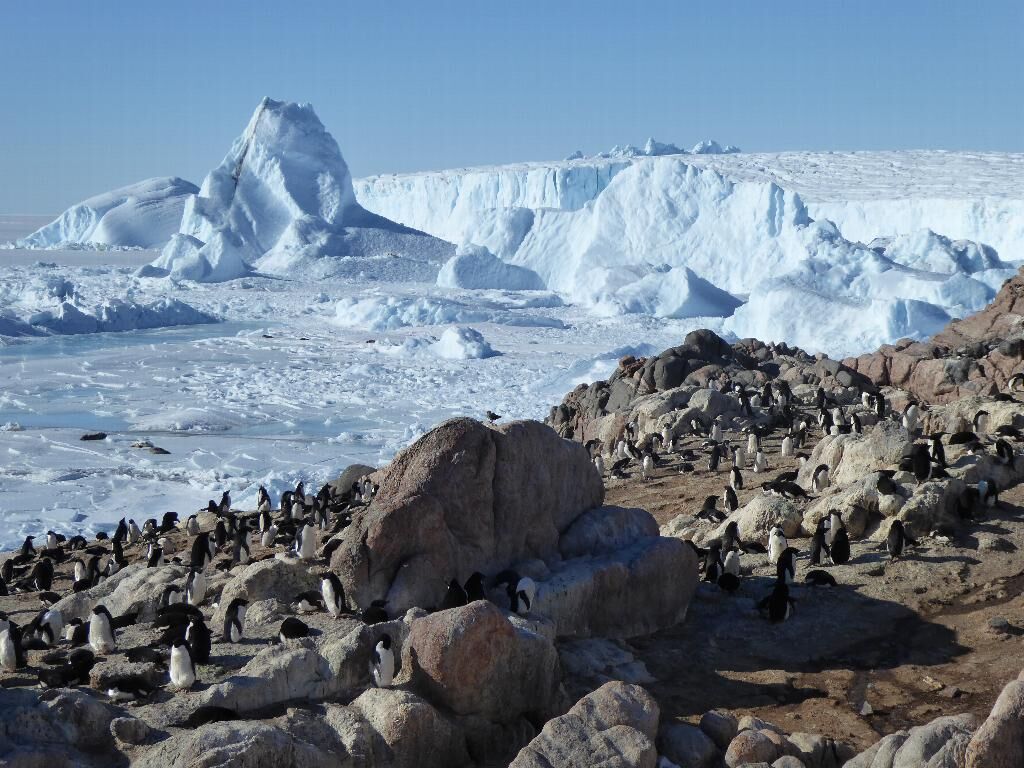
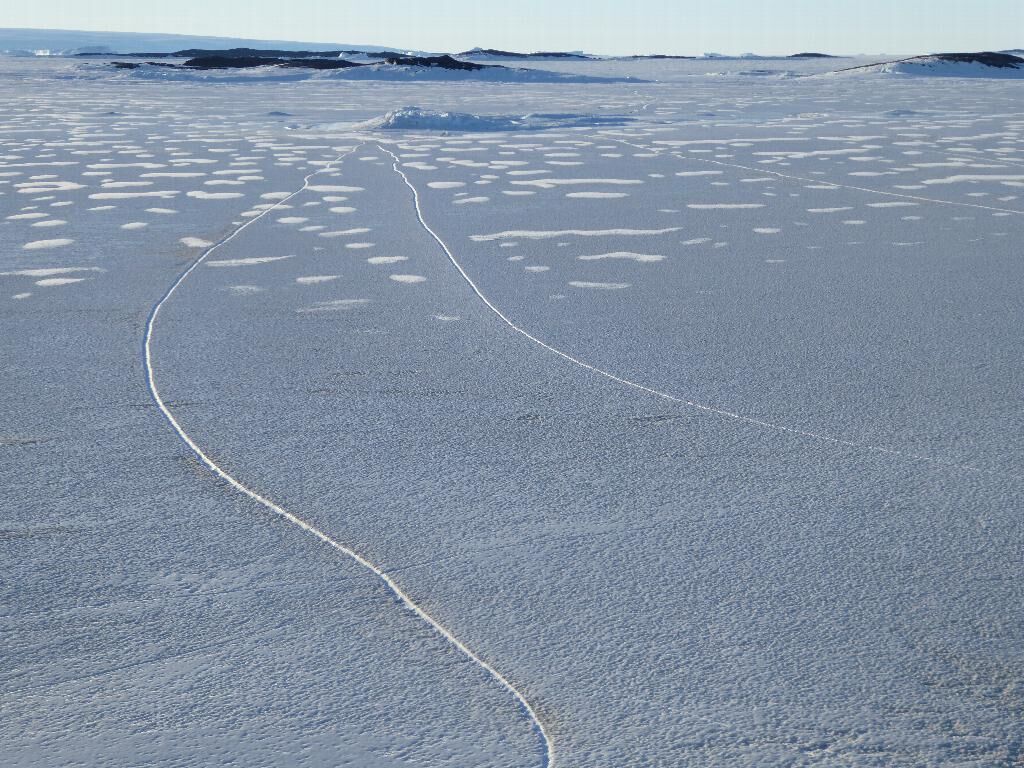
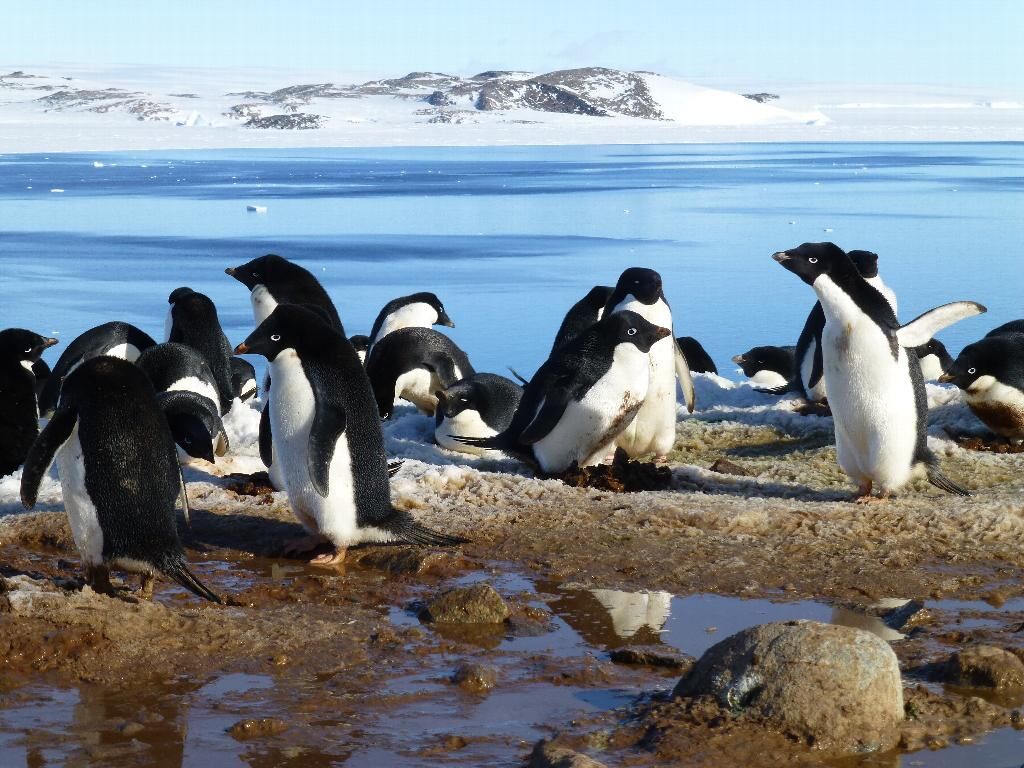
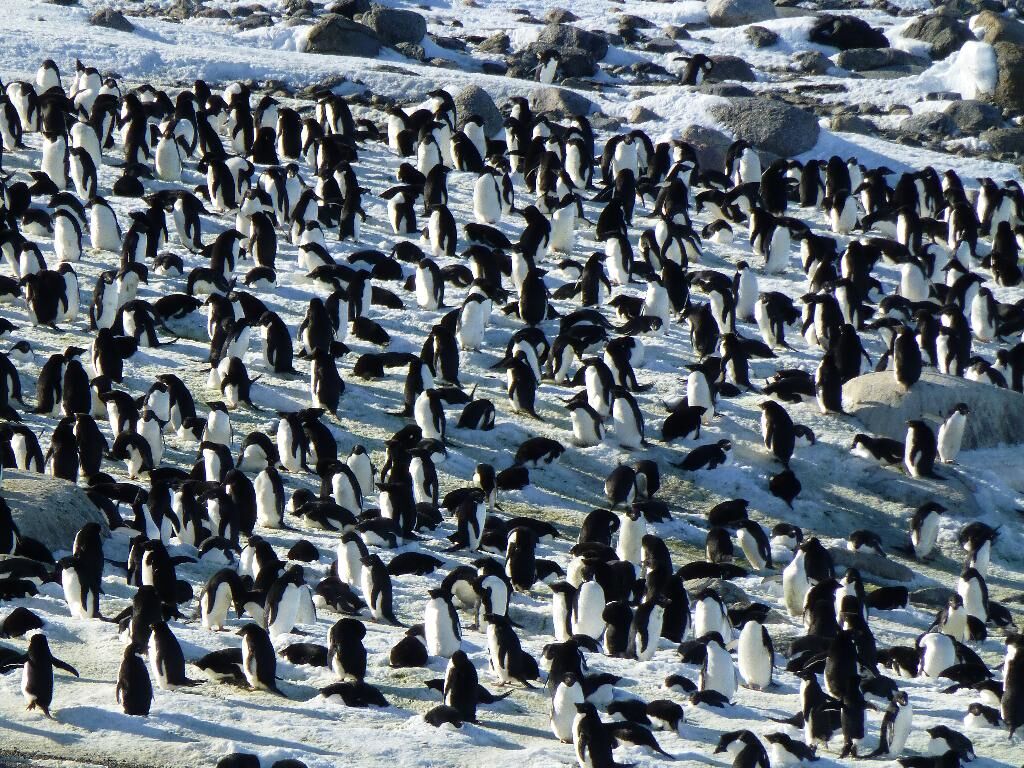
This year we captured video footage of the prey field from the penguin's perspective with successful deployments of video loggers on their backs near Mawson Research Station. This is part of a broader collaboration to understand their foraging decisions under contrasting environmental backgrounds. The splendid weather at Mawson enabled the field team to traverse across the ice on quad bikes and hagglunds to reach penguin breeding colonies as far to the west and east as was possible to determine where the penguins forage. While large cracks in the ice prevented us from reaching our preferred destination, Forbes Glacier provided a spectacular backdrop to the field teams' activities and a better understanding of the conditions that the birds breeding there have to navigate. Together with previous field work, results from this study will enable us to determine approaches for extrapolating foraging ranges beyond colonies with tracking data. Back in the lab, results are emerging on the level of persistent organic pollutant loads and plastics in soil, guano and bird tissues of Antarctic breeding seabirds. No doubt even trace results will prompt sober consideration of our activities in this unique environment.
Summary of the season 2016/17
The unstable ice conditions in the Mawson region limited the field team's access to the more remote islands and put an end to the planned tracking studies on winter migration strategies of the Cape petrels. Meanwhile, at Davis, remote Adelie penguin breeding sites were accessible via a flight across a field of intricately carved icebergs trapped in a vast expanse of sea-ice which was not only spectacular, but also revealed just how far the penguins had to waddle to get to the open water to feed. The research will show where the penguins forage and to identify their traverse route across the ice to get to their foraging grounds. The team retrieved light recording loggers which had been attached a year ago to small bands around the ankles of Antarctic petrels, cape petrels and southern fulmars. The tiny devices recorded light levels every ten minutes since last summer and will hopefully reveal for the first time, where these Prydz Bay breeding birds forage during the cold harsh Antarctic winter months. Both field teams made progress collecting samples to identify the levels of contamination of persistent organic pollutants and microplastics in the seabirds and surveys to help identify potential sources of these contaminants.
Summary of the season 2015/16
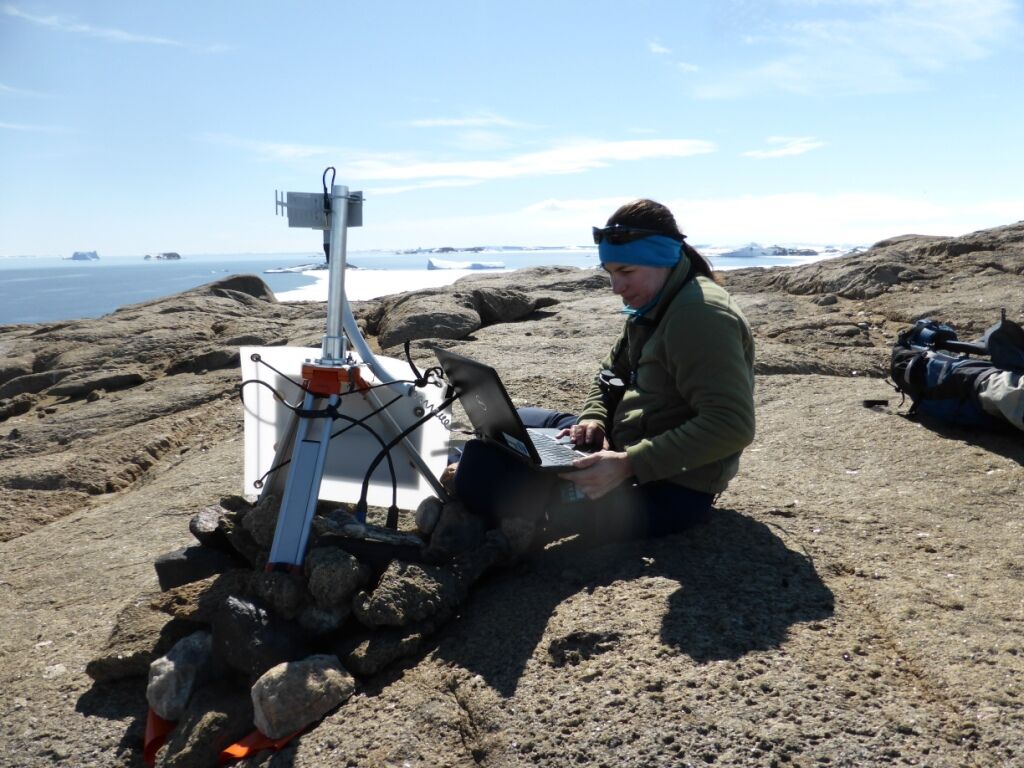
The 2015/16 field season was busy at Davis repeating the deployment of GPS units on flying seabirds that we had previously conducted in the Mawson region. The automatic downloading of foraging location data to remote base stations proved very reliable in the Antarctic conditions at Hop Island and this year provided data on foraging locations and frequency for Cape Petrels, Southern Fulmars, Antarctic petrels and Snow petrels breeding on Hop Island. In addition we also studied the foraging location of Adelie penguins during the breeding season which provides us with a multi-species and foraging mode comparison. The large number of skuas breeding on Hop Island provided an interesting backdrop to a survey of skua prey in relation to nesting site proximity to penguin and flying seabird breeding colonies. Our surveys of marine debris yielded a low load around islands heading towards the Sorsdal glacier but the discovery of a small piece of plastic near a skua eating site has reinvigorated our concern of the potential threat that plastics have on our Antarctic breeding seabirds and we will continue our research on this in the coming years.
Summary of the season 2014/15
The 2014/15 field season was a busy and very successful one for the Mawson field team. The team deployed small GPS loggers on two flying seabird species (Snow petrels and Cape petrels) to determine their foraging range, location and habitat during the summer breeding period and these were compared with the foraging locations of Adelie penguins. The two petrel species foraged up to 900km away from their breeding sites when the sea-ice was extensive at the start of the breeding season. Later on when the sea-ice began to melt, the seabirds foraged along the sea-ice edge over the shelf break closer to their colonies. Tracking flying seabirds during the breeding season is a first for our group and the trials of the equipment in the Mawson region has demonstrated that the trackers and the automatic download to base stations work efficiently and reliably in the Antarctic environment. This work builds on our previous work on Adelie penguins by providing a multi-species picture of habitat utilisation and paves the way for future deployments at seabird breeding colonies in the Davis and Casey regions.
Summary of the season 2013/14
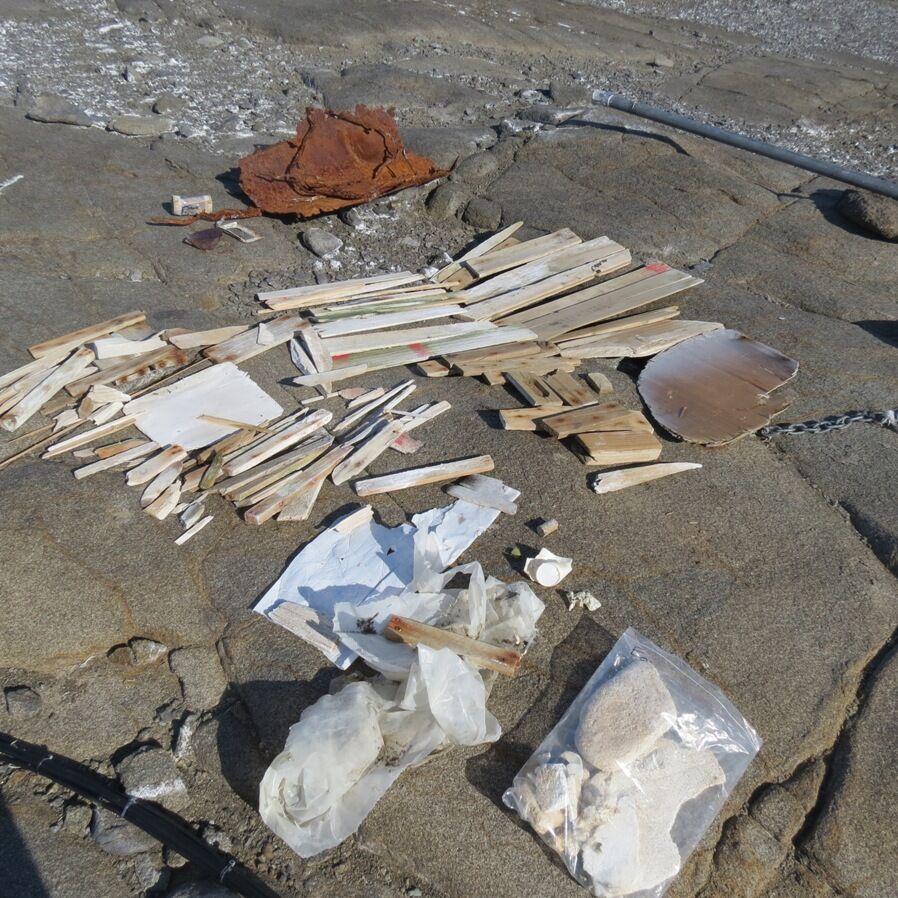
The 2013/14 field season was a difficult field season in terms of changed plans and logistics. We were unable to deploy or retrieve trackers to determine where the flying seabirds and Emperor penguins were going over the winter months from Davis. These activities will have to wait until another year. Our Mawson field team was led superbly and managed to take advantage of the delays in the teams return to Australia to survey a series of islands for marine debris which they collected, collated and dealt with appropriately. These surveys will help us understand the presence and origin of debris and the potential impacts they might have on the Antarctic seabirds. We have been making steady progress on the analytical components of the project.
Summary of the season 2012/13
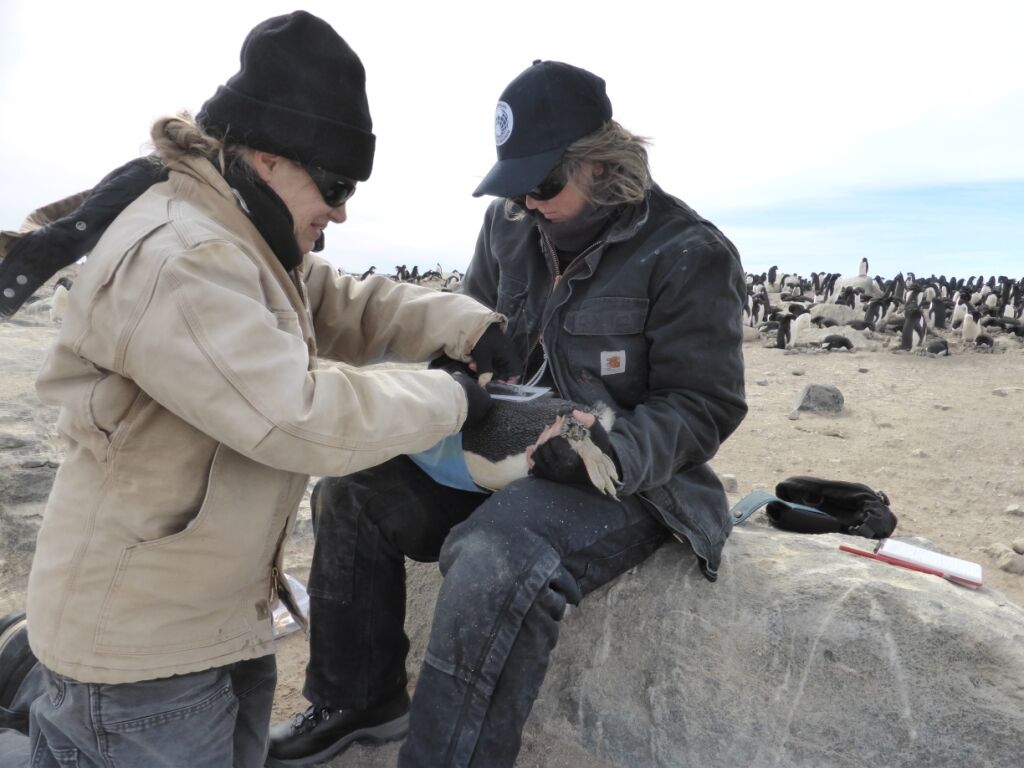
The 2012/13 field season was highly successful with simultaneous deployments of GPS trackers on Adélie penguins as Mawson, Davis and Casey. This was our first attempt at such an ambitious undertaking and the results will allow us to take advantage of the natural variability in the marine environment to better understand the penguins foraging requirements, particularly the sea-ice. Our results when combined with data from our French (Dumont d’Urville) and Japanese (Syowa) collaborators will for the first time enable a broad scale comparison across East Antarctica and demonstrate the benefits of co-ordinated tracking studies. Emperor penguin tracking studies this year at Amanda Bay will allow us to build on our knowledge of their foraging habitat requirements and the inter-annual variability in foraging locations. Our return to Ardery Island near Casey Station to resight previously banded birds proved successful with half a dozen Southern Fulmars of at least 31 years old being resighted.
Related publications
-
Mapping Antarctic seabird occupancy from a century of breeding observations to inform environmental management and conservation Diversity and Distributions, 2025
(Ref: 17379)
Authors:Category 1: Peer-reviewed literature
Aim … To map presence, absence and ignorance of Antarctic seabird breeding occupancy at the spatial resolution of ice-free habitat sites to identify knowledge gaps and inform management and conservation. Location … East Antarctica between longitudes 30°?E and 150°?E.
-
Global assessment of marine plastic exposure risk for oceanic birds. Nature Communications, 2023
(Ref: 16863)
Authors:Category 1: Peer-reviewed literature
Plastic pollution is distributed patchily around the world’s oceans. Likewise, marine organisms that are vulnerable to plastic ingestion or entanglement have uneven distributions. Understanding where wildlife encounters plastic is crucial for targeting research and mitigation. Oceanic seabirds…
-
Marine distribution and habitat use by Snow Petrels Pagodroma nivea in East Antarctica throughout the non-breeding period Frontiers in Marine Science, 2023
(Ref: 16902)
Authors:Category 1: Peer-reviewed literature
The relationships between flying Antarctic seabirds and their at-sea environments remain poorly understood, particularly outside of the breeding season. Improving our knowledge of how these marine predators use their habitat is a critical step towards conservation of these species.
-
Reconstructing the Paleo-Ecological Diet of Snow Petrels (Pagodroma nivea) From Modern Samples and Fossil Deposits: Implications for Southern Ocean Paleoenvironmental Reconstructions Journal of Geophysical Research: Biogeosciences, 2023
(Ref: 16823)
Authors:Category 1: Peer-reviewed literature
-
Environment-triggered demographic changes cascade and compound to propel a dramatic decline of an Antarctic seabird metapopulation Global Change Biology, 2022
(Ref: 16583)
Authors:Category 1: Peer-reviewed literature