

Project information
Project aim
CCAMLR manages the harvest of Antarctic marine living resources so it is sustainable to both harvested and dependent species. The CCAMLR Ecosystem Monitoring Program is one means of achieving this objective. Continuing Australia’s CEMP program will serve as a baseline for detecting impacts from a future krill fishery in east Antarctica, provide a tangible indication of Australia’s commitment to sustainable fisheries, extend and add value to the most comprehensive, long term predator monitoring program in the AAT, and contribute to the assessment of non-fisheries impacts such as climate change.
Project milestones
Summary of the project achievements 2018/19
Over the life of this project we:
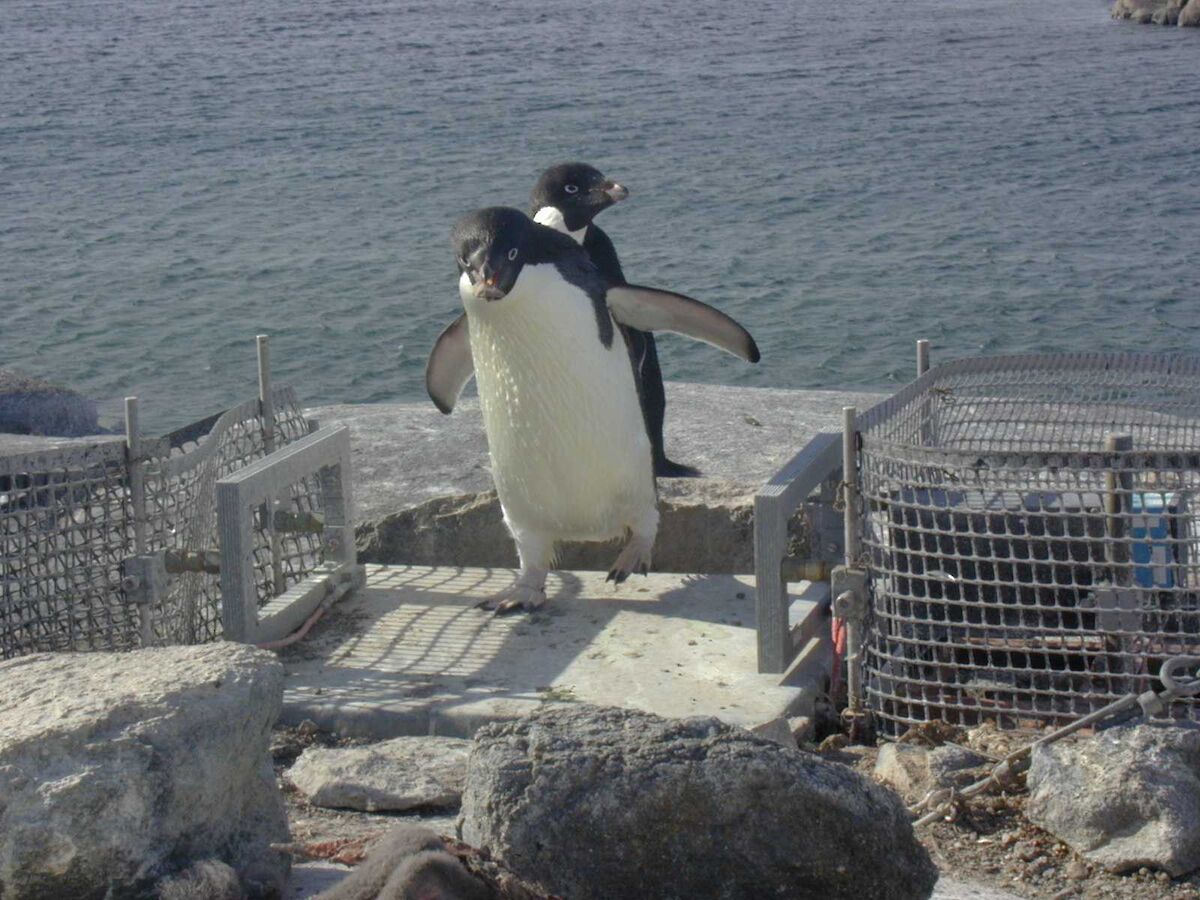
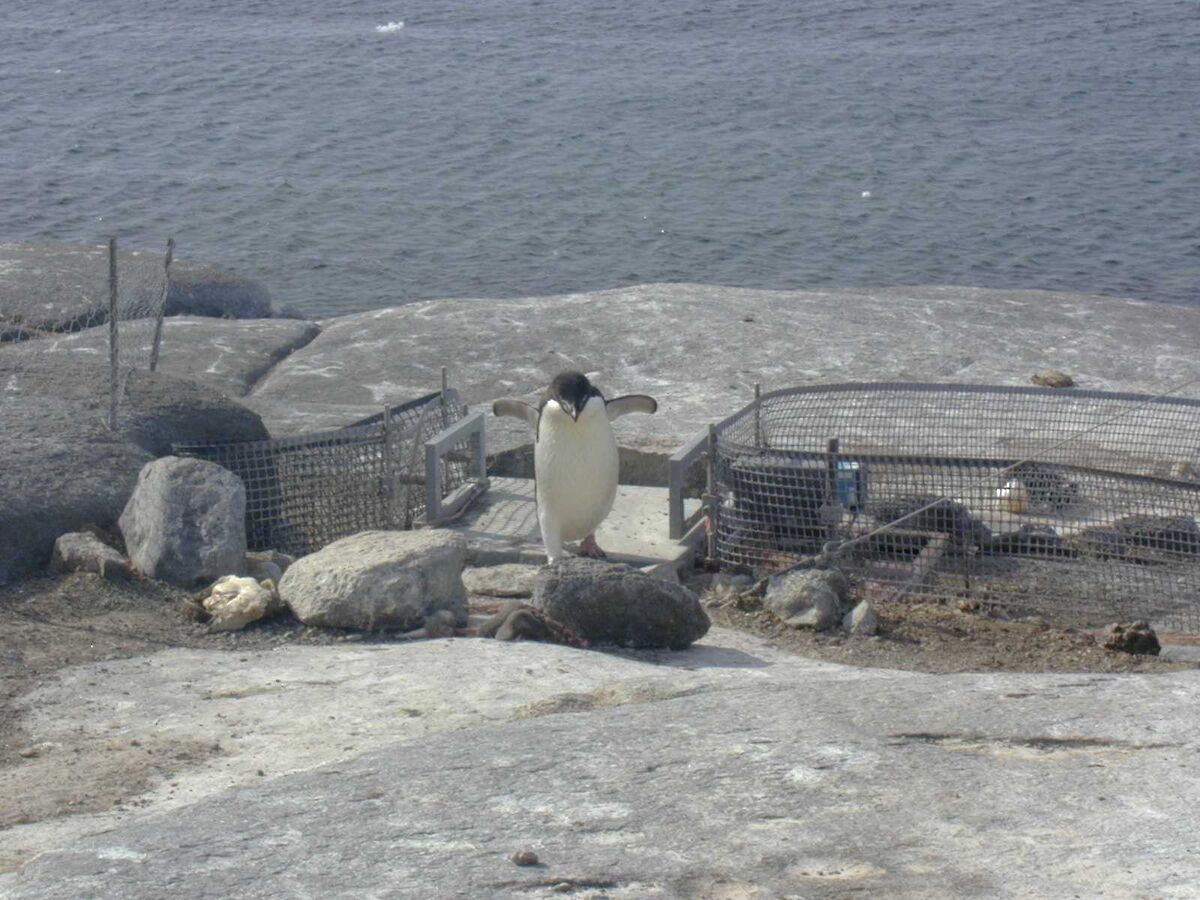
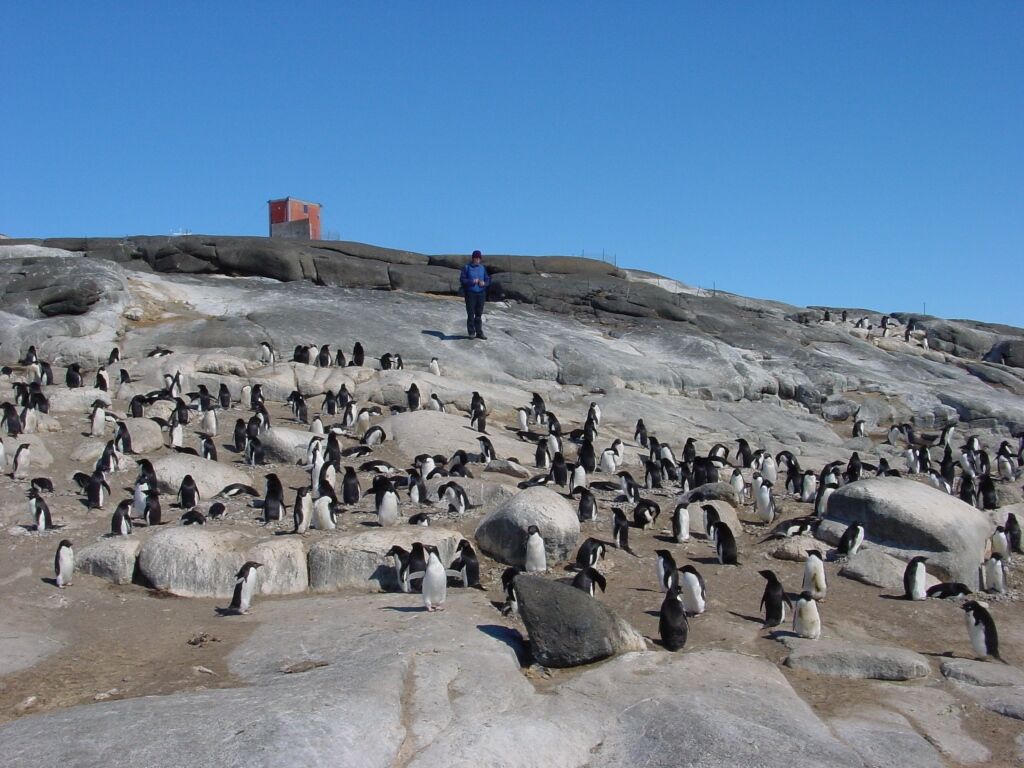
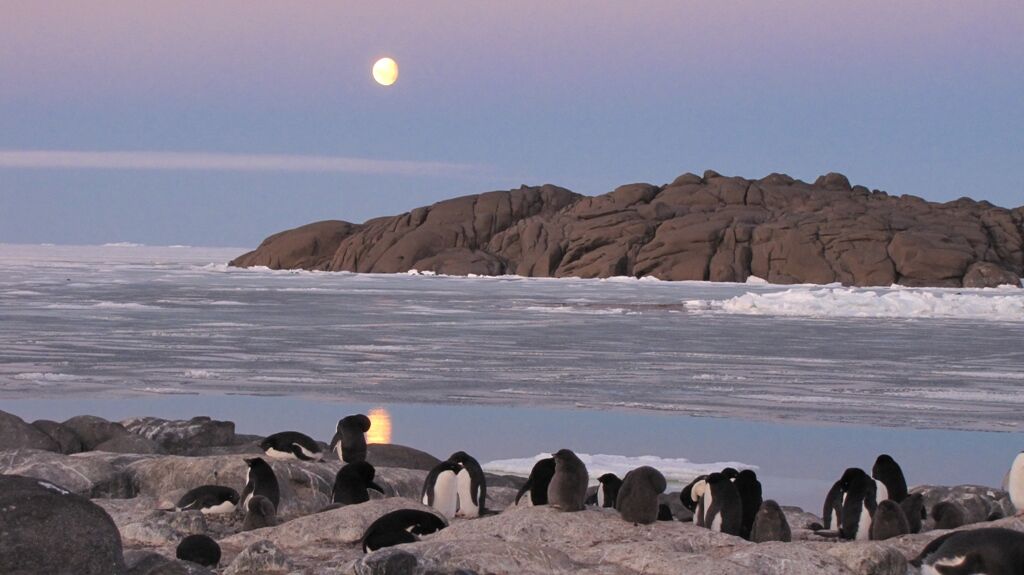
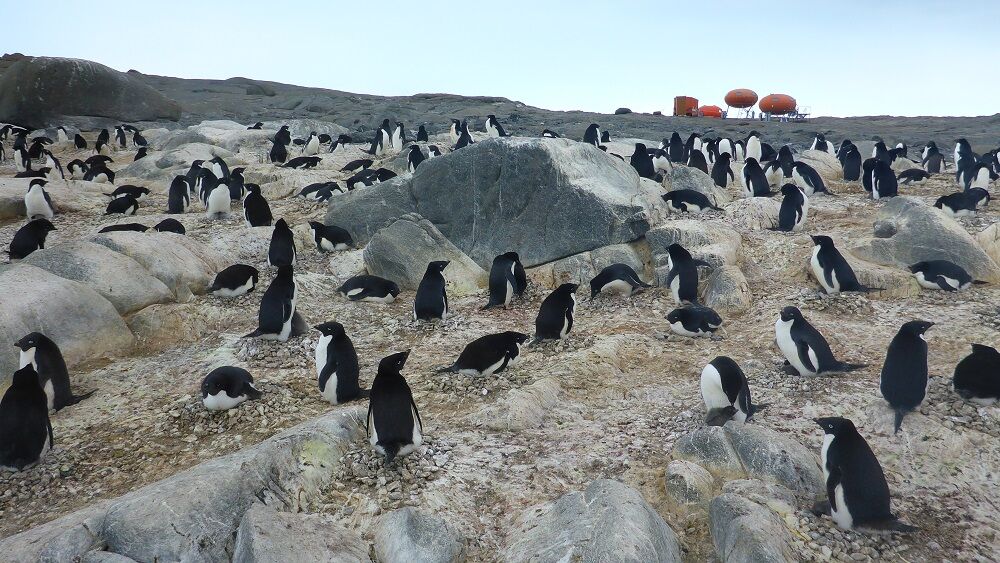
• Continued the long-term monitoring program established at Bechervaise Island in 1989 as Australia's contribution to CCAMLR's Ecosystem Monitoring Program (CEMP)
• Expanded long-term monitoring to other seabird species and to other locations across East Antarctica
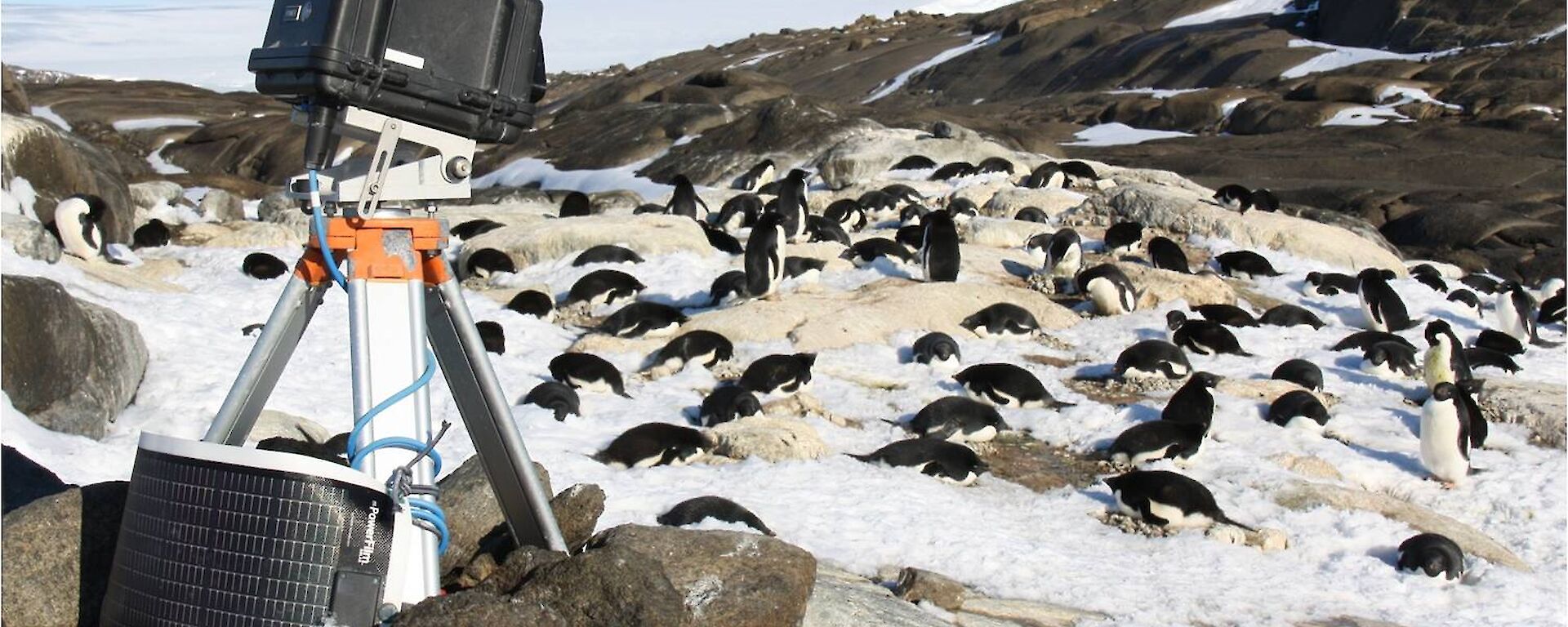
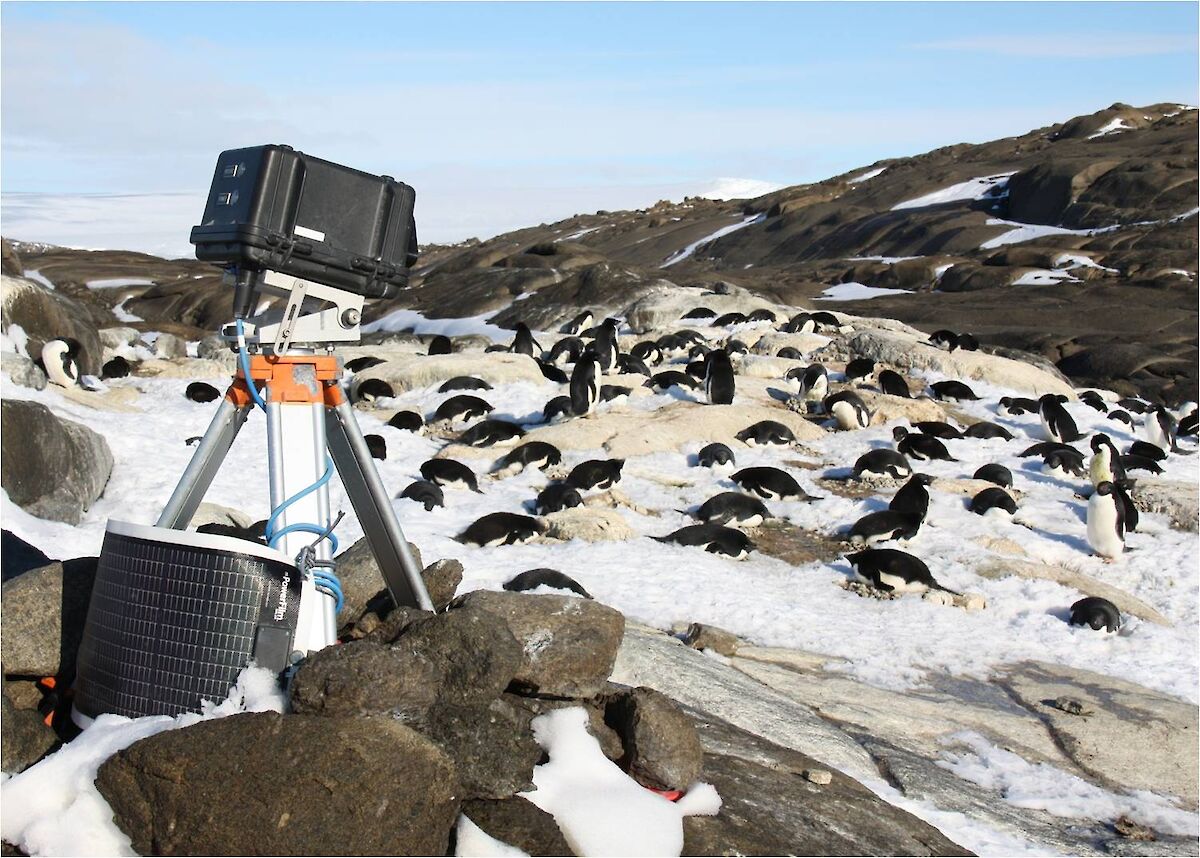
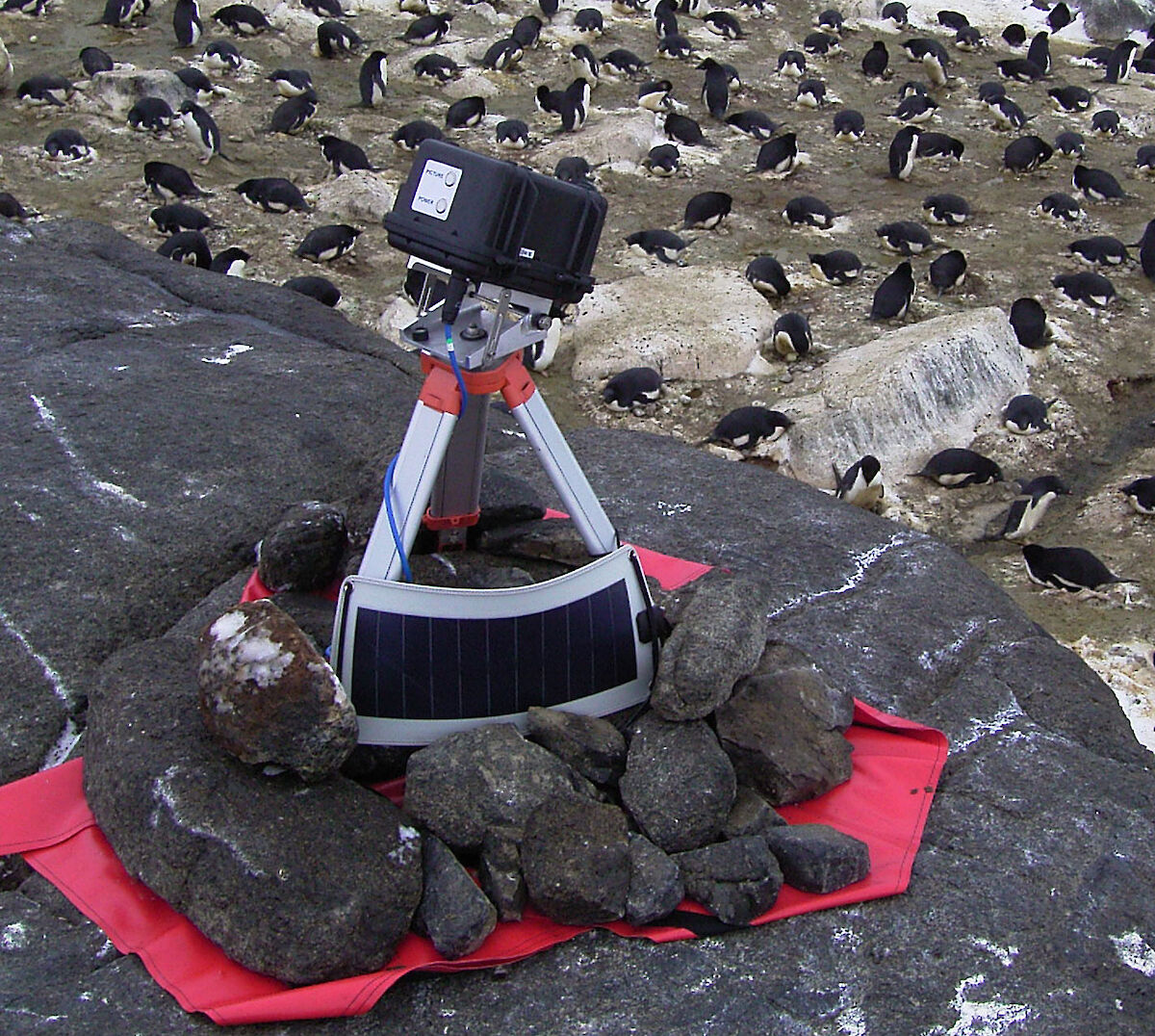
• Promoted remote camera technology developed under AAS 2722 to CCAMLR as a cost-effective alternate method for monitoring seabird populations, culminating in the acceptance of their use as a CCAMLR Standard Method
• Under a grant from CCAMLR's Special CEMP Fund, developed software for processing images obtained from remote cameras that outputs data directly compatible with CEMP parameters and made the software available to the CCAMLR community and other seabird researchers
• Undertook research on seabird diet and foraging under AAS projects 4087 and 4088 of direct relevance to CEMP
• Regularly attended and submitted working papers to CCAMLR Working Group and Scientific Committee meetings
Summary of the season 2017/18
The long-term monitoring of Adelie penguin populations at Bechervaise Island and the Mawson region continued in 2017-18 as Australia's contribution to the international CCAMLR Ecosystem Monitoring Program. This long-term program commenced in 1990-91 and is one of the longest ecological monitoring programs in east Antarctica. A suite of population and foraging parameters were measured for submission to CCAMLR as a baseline against which future change can be assessed and to provide a basis for understanding the drivers of change in this important krill consuming species. The program of work has recently been extended to include collection of data on additional species including the snow petrel and the Cape petrel.
Summary of the season 2016/17
The long-term monitoring of Adelie penguin populations at Bechervaise Island continued in 2016-17 as Australia's contribution to the international CCAMLR Ecosystem Monitoring Program. This long-term program commenced in 1990-91 and is one of the longest ecological monitoring programs in east Antarctica. A suite of population and foraging parameters were measured for submission to CCAMLR as a baseline against which future change can be assessed and to provide a basis for understanding the drivers of change in this important krill consuming species. The program of work has recently been extended to include collection of data on additional species including the snow petrel and the Cape petrel.
Summary of the season 2015/16
The long-term monitoring of Adelie penguin populations at Bechervaise Island continued in 2015-16 as Australia's contribution to the international CCAMLR Ecosystem Monitoring Program. This long-term program commenced in 1990-91 and is one of the longest ecological monitoring programs in east Antarctica. A suite of population and foraging parameters was measured for submission to CCAMLR as a baseline against which future change can be assessed and to provide a basis for understanding the drivers of change in this important krill consuming species. The program of work has recently been extended to include collection of data on additional species including the snow petrel and the Cape petrel
Summary of the season 2014/15
The long-term monitoring of Adelie penguin populations at Bechervaise Island continued in 2014-15 as Australia's contribution to the international CCAMLR Ecosystem Monitoring Program. This long-term program commenced in 1990-91 and is one of the longest ecological monitoring programs in east Antarctica. A suite of population and foraging parameters was measured for submission to CCAMLR as a baseline against which future change can be assessed and to provide a basis for understanding the drivers of change in this important krill consuming species. The program of work has recently been extended to include collection of data on additional species including the snow petrel and the Cape petrel
Summary of the season 2013/14
The long-term monitoring of Adelie penguin populations at Bechervaise Island continued in 2013-14 as Australia's contribution to the international CCAMLR Ecosystem Monitoring Program. This long-term program commenced in 1990-91 and is one of the longest ecological monitoring programs in east Antarctica. A suite of population and foraging parameters was measured for submission to CCAMLR as a baseline against which future change can be assessed and to provide a basis for understanding the drivers of change in this important krill consuming species. The program of work has recently been extended to include collection of data on additional species including the snow petrel and the Cape petrel
Summary of the season 2012/13
The long-term monitoring of Adelie penguin populations at Bechervaise Island continued in 2012-13 as Australia's contribution to the international CCAMLR Ecosystem Monitoring Program. This long-term program commenced in 1990-91 and is one of the longest ecological monitoring programs in east Antarctica. A suite of population and foraging parameters was measured for submission to CCAMLR as a baseline against which future change can be assessed and to provide a basis for understanding the drivers of change in this important krill consuming species. The program of work has recently been extended to include collection of data on additional species including the snow petrel and the Cape petrel.
Related publications
-
Mapping Antarctic seabird occupancy from a century of breeding observations to inform environmental management and conservation Diversity and Distributions, 2025
(Ref: 17379)
Authors:Category 1: Peer-reviewed literature
Aim … To map presence, absence and ignorance of Antarctic seabird breeding occupancy at the spatial resolution of ice-free habitat sites to identify knowledge gaps and inform management and conservation. Location … East Antarctica between longitudes 30°?E and 150°?E.
-
Environment-triggered demographic changes cascade and compound to propel a dramatic decline of an Antarctic seabird metapopulation Global Change Biology, 2022
(Ref: 16583)
Authors:Category 1: Peer-reviewed literature
-
A bioenergetics model assessment of the prey consumption of macaroni penguins in Subarea 48.3 CCAMLR WG-EMM-16/37, 2016
(Ref: 16263)
Category 2: International meeting papers
-
Krill consumption by Adélie penguins in CCAMLR Divisions 58.4.1 and 58.4.2 CCAMLR WG-EMM-16/65, 2016
(Ref: 16260)
Authors:Category 2: International meeting papers
-
The importance of standardising and validating new methods for CEMP to maintain the robustness of long-term time series CCAMLR WG-EMM-15/44, 2015
(Ref: 16259)
Authors:Category 2: International meeting papers