
Project information
Project aim
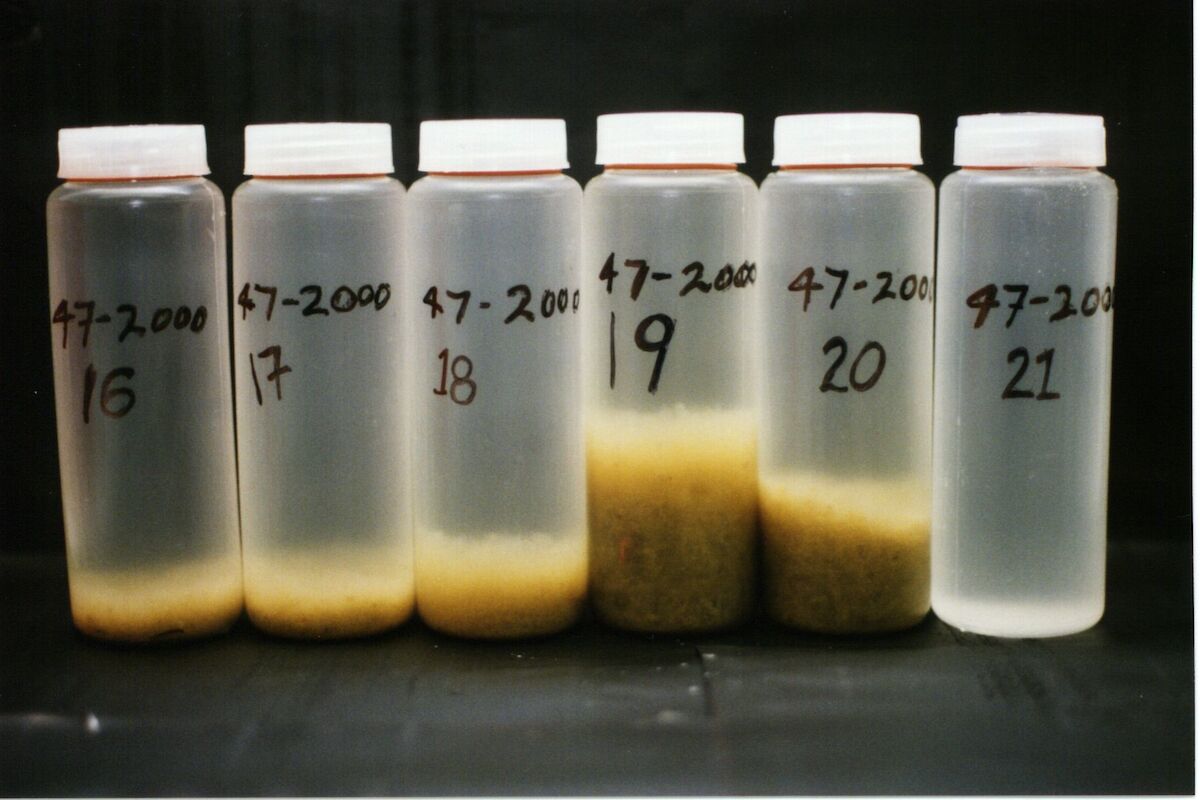
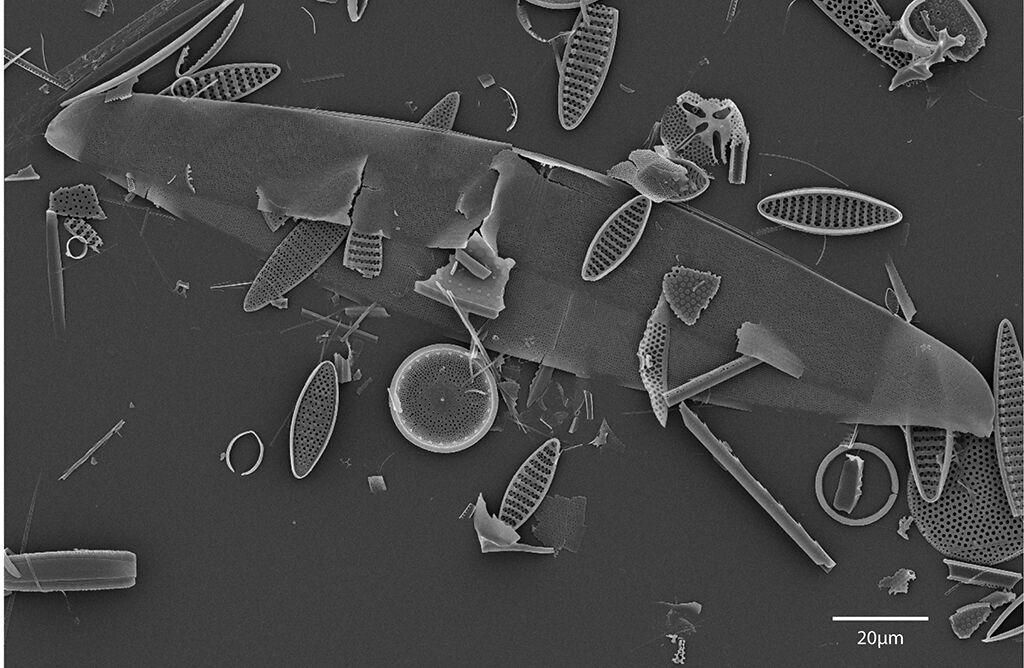
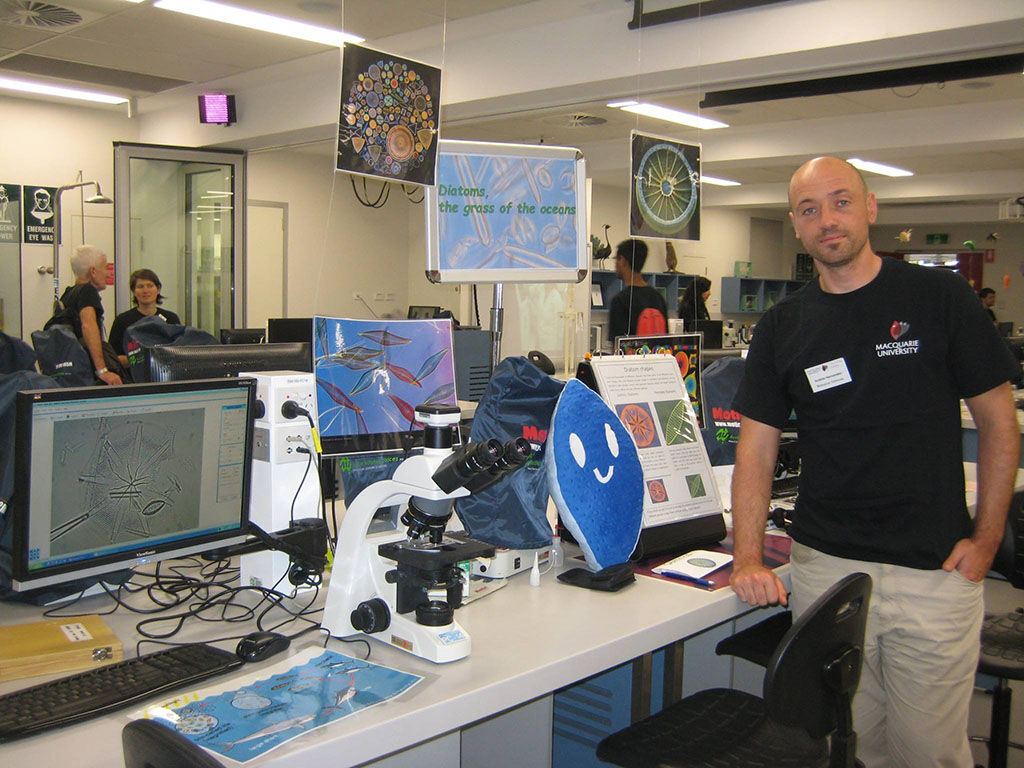
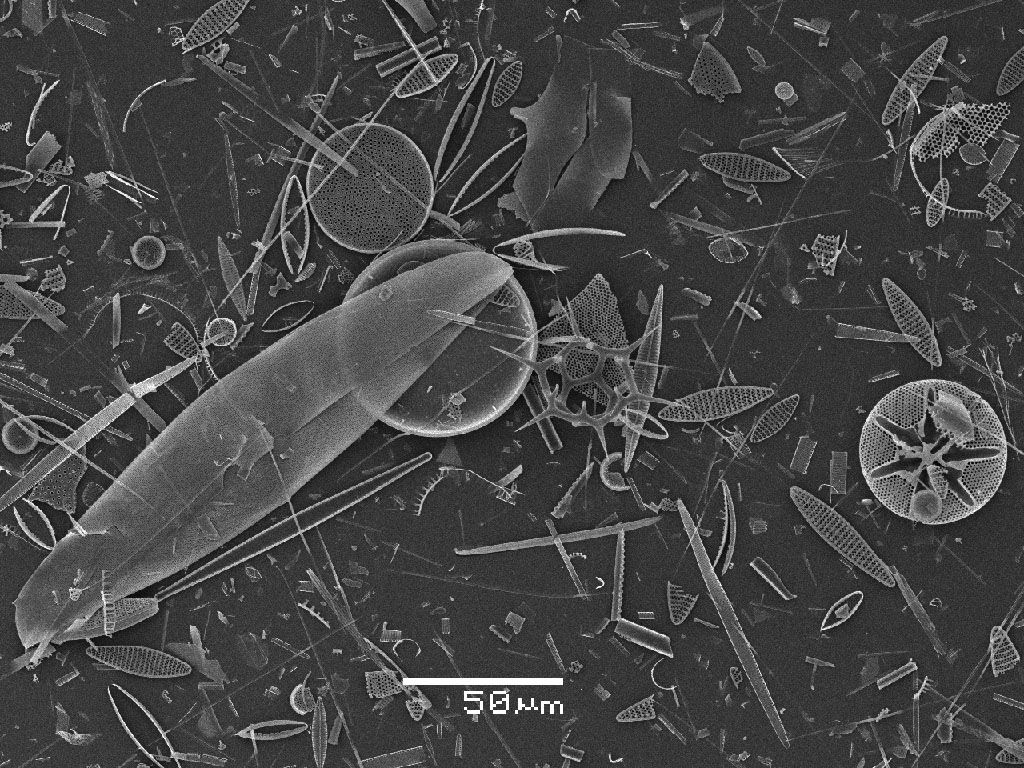
An Australian sediment trap program was launched between the Roaring 40’s and Furious 50’s in 1997. The three aligned sites were defined by varying nutrient, physical and carbon export properties. Diatoms, the grass of the oceans, signify the frontier between the environment and the food web. The decade-long data stream of these microscopic carbon-capture agents, ensnared by the traps, is central to our typifying their biodiversity, identifying weekly, monthly and seasonal cycles, detecting migrations and identifying the connectivity to climatic change integral to future modelling efforts.
Project milestones
Summary of the project achievements 2015/16
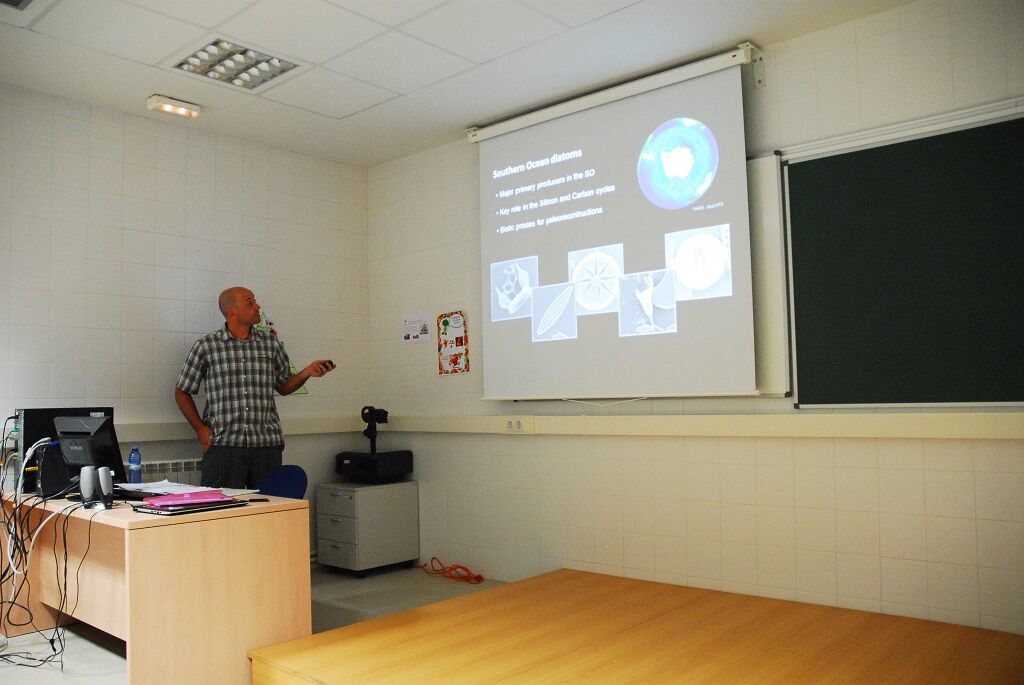
This research focused on delivering the first Australian sector, Southern Ocean time-series of phytoplankton composition and seasonality. Diatoms are the main marine organisms that produce and export organic matter to the ocean interior, which in turn places them as central to the global cycling of silica and carbon in the oceans. Dr Andrés Rigual-Hernàndez was employed under a co-funded postdoctoral scheme between the AAD and Macquarie University to undertake the analysis of the SAZ sediment trap records previously recovered in the main oceanographic regions of the Southern Ocean south of Tasmania. He delivered results that allowed the identification of a group of diatoms responsible for the strongest annual carbon pulses to the ocean interior. Moreover, he detailed taxonomic analysis of the silicoflagellate fluxes registered by the traps have allowed for the development of a new index that can be potentially used to monitor shifts in the position of the Polar Frontal Zone in the sedimentary record. Dr Rigual-Hernàndez produced significant and invaluable datasets held by the Australian Antarctic Data Centre repository and published eight related works during his 3 year post-doc. The main results of the project have been presented in the last 2 years at 3 international conferences. He provided training to undergraduate and graduate students both at Macquarie University and internationally through taxonomic workshops. He established new collaborations with research teams from France, Germany and Spain. As a result of his work the Southern Ocean community now has extensive data available from the AADC to provide an understanding of seasonal cycling and export of phytoplankton species from surface waters to the seafloor across three different phyiochemical realms of the Southern Ocean. The project was successfully accomplished and resulted in raising the profile of Dr Rigual-Hernàndez as an international specialist of phytoplankton fluxes in the Southern Ocean.
Summary of the season 2014/15
Diatoms are one of the most abundant groups of phytoplankton in the Southern Ocean and are thought to be responsible for a significant fraction of carbon sequestration from the atmosphere. The analysis of multi-annual time-series of biogenic particle fluxes measured in the main hydrological regions of the Southern Ocean has revealed that large pulses of organic matter occur every year during summer. These organic carbon pulses seem to be mediated by a group of diatom species that develops massive blooms during the summer months. These findings are part of a manuscript that will be submitted for publication this month. Another two articles about the diatom species distribution in the Southern Ocean and their role in the silicon and carbon cycles have already been published in the literature. The main results of the project have been presented in the AMSA and SCAR meetings. A new collaboration with the National Institute of Water and Atmospheric Research of New Zealand has been established to extend our diatom analysis to the South Pacific region.
Summary of the season 2013/14
The central objective of the "Grass of the Oceans" study is to document the diversity, abundance and seasonal and inter-annual variations of the diatom communities captured from the main hydrological regions of Australian Sector of the Southern Ocean over a decade.
At this stage of the project, the research team has identified indicator species for each zonal system and is currently developing a Southern Ocean diatom diversity database. A manuscript dealing with the seasonal evolution of the diatom communities and their role in the biological pump of the Southern Ocean has been submitted for publication. Moreover, scientific collaborations with the Laboratoire d'Océanographie et du Climat (France) and Universidad de Salamanca (Spain), that are conducting complementary studies on corresponding sample splits of this study, have been initiated. Finally, a PhD student has been successfully attracted and joined the research team in late 2013.
Summary of the season 2012/13
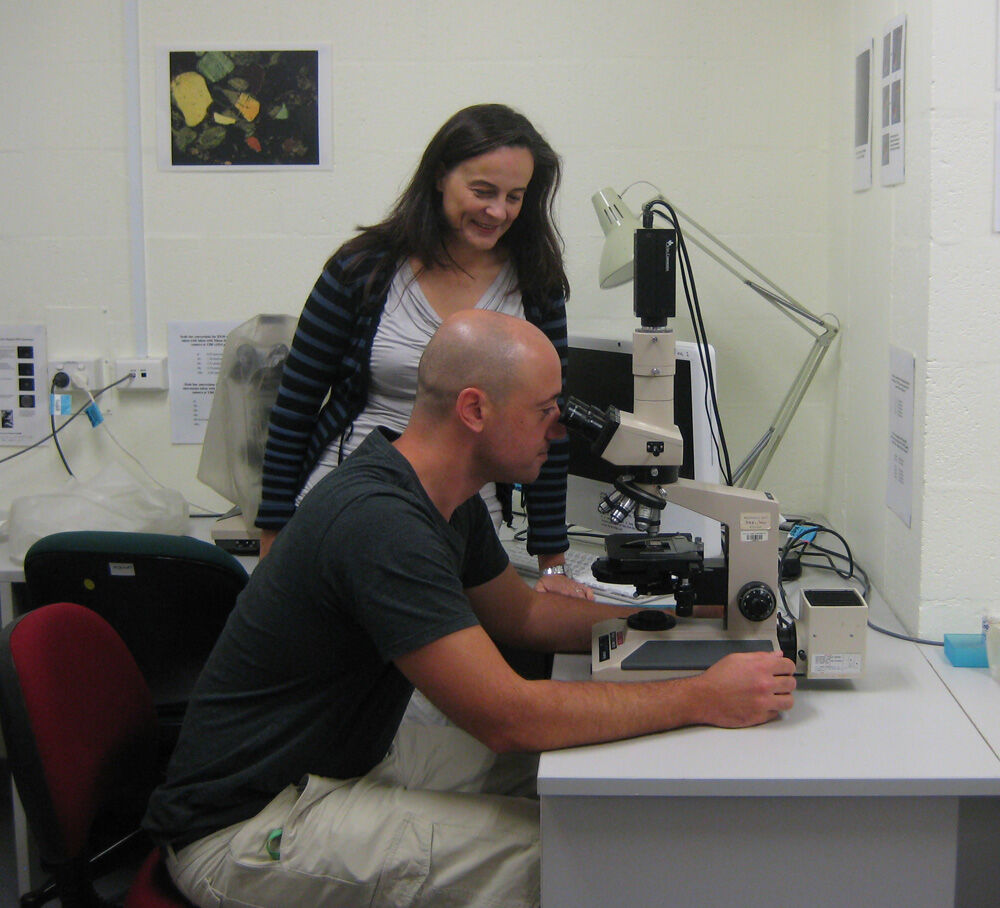
The project “Grass of the Oceans” was launched in February 2013, with the hiring of Dr Andrés Rigual-Hernández as the Post-doctoral Fellow at Macquarie University. The study aims to document the diversity, abundance and seasonal and interannual variations of the diatom communities captured from three marine ecosystems of the Southern Ocean across one decade. Although this project is still in its infancy, the project team (Dr Leanne Armand (Macquarie University), Dr Andrés Rigual-Hernández (Macquarie University), Prof. Tom Trull (ACE CRC) and Mr Stephen Bray (ACE CRC)) have developed a work plan for the sample analysis over the next year and a data management plan together with the Australian Antarctic Division to enable public access of the data as it is compiled. A PhD project proposal has been drafted and soon will be offered at Macquarie University to contribute into the project and develop a training path for a junior scientist seeking entry into this field.
Related publications
-
Indices based on silicoflagellate assemblages offer potential for paleo-reconstructions of the main oceanographic zones of the Southern Ocean Geo-Marine Letters, 2016
(Ref: 15766)
Category 1: Peer-reviewed literature
-
Silicoflagellate species diversity in the Australian sector of the Southern Ocean Phyto bytes, Australasian Society for Phycology and Aquatic Botany Newsletter, 2016
(Ref: 15927)
Authors:Category 4: Popular articles
-
Biogeochemical flux and phytoplankton succession: a year-long sediment trap record in the Australian sector of the Subantarctic Zone Deep Sea Research I: Oceanographic Research Papers, 2017
(Ref: 15820)
Category 1: Peer-reviewed literature
-
The fate of diatom valves in the Subantarctic and Polar Frontal Zones of the Southern Ocean: sediment trap versus surface sediment assemblages Palaeogeography, Palaeoclimatology, Palaeoecology, 2016
(Ref: 15779)
Category 1: Peer-reviewed literature
-
Seasonality of biological and physical controls on surface ocean CO2 from hourly observations at the Southern Ocean Time Series site south of Australia Global Biogeochemical Cycles, 2015
(Ref: 15627)
Category 1: Peer-reviewed literature