

Project information
Project aim
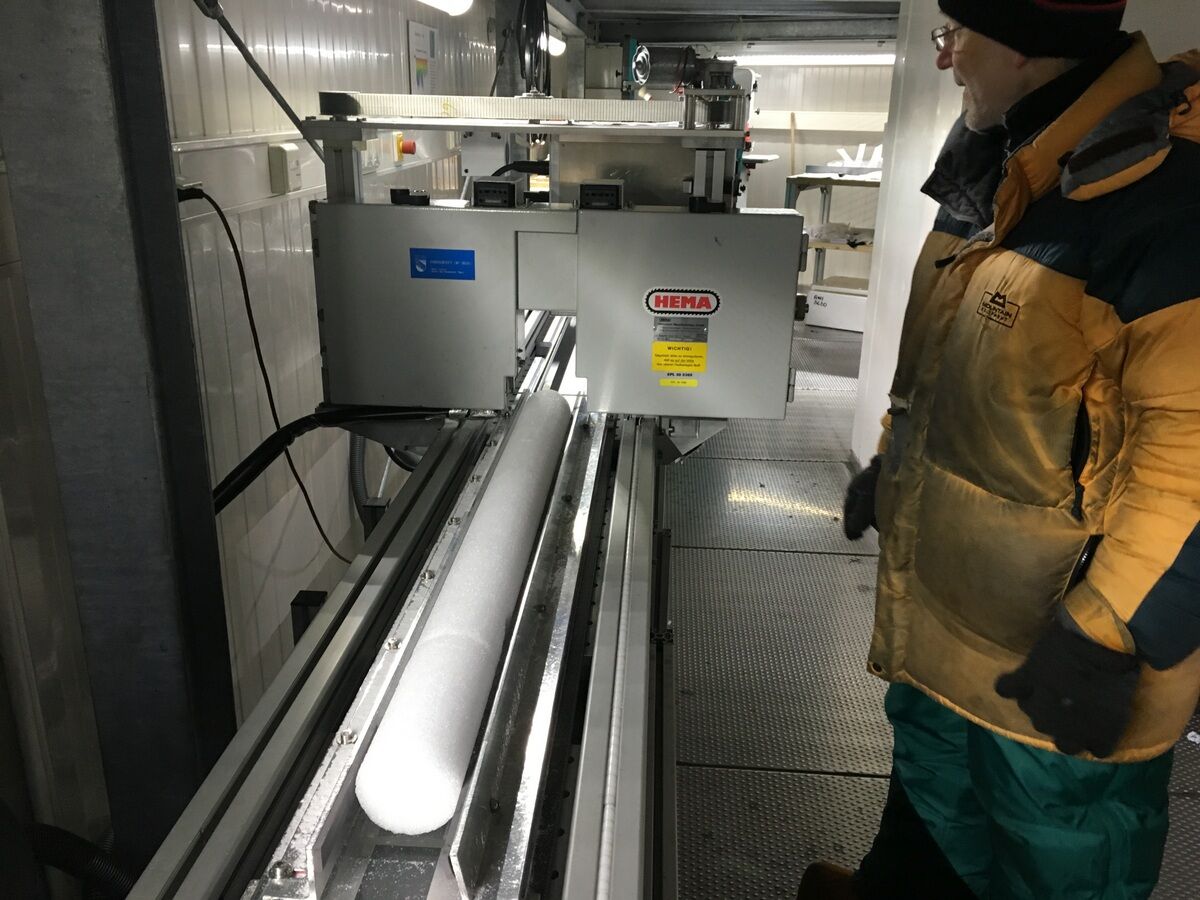
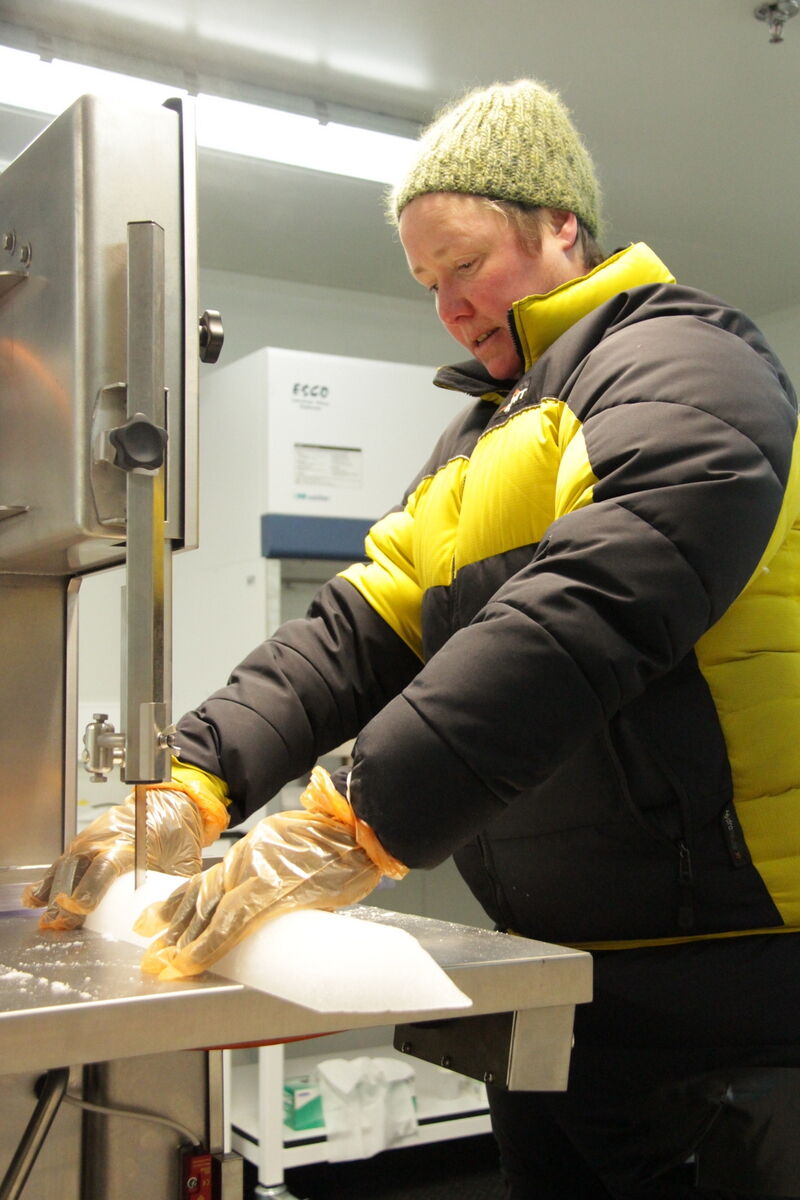
This project plans recovery of an ice core from a new site in the interior of East Antarctica. The site, known as Aurora Basin North (ABN), lies 600km inland of Casey Station which has sufficient snowfall to provide ice core records with near annual resolution. These records will extend to 2000 years and fill a large gap in the array of Antarctic climate records. The ice core records will improve capacity for reconstructing Antarctic climate and understanding regional and hemispheric links.
Project milestones
Summary of the project achievements 2019/20
This project has brought together a range of collaborators (national and international) as part of the International Partnership in Ice Core Science (IPICS). It has achieved the main outcomes – namely to recover and analyse an ice core covering the last 2000 years from Aurora Basin North site in East Antarctica. All sampling is complete and some analysis is still underway as part of associated project (AAS 4537), and the remaining ice core samples will be stored as an archive for future studies. The project has also been responsible for development of early career researchers (particularly providing field experience). Additionally this project has resulted in the strengthening of collaborations, particularly with partners involved in the future Million Year Ice Core project, which is one of the key deliverables in the Antarctic Strategy and 20 year action plan. Since the Aurora Basin North ice core site is close to midway between our coastal ice core records and our future drilling activities, we now have data and ice available for studies linking these ice cores allowing for a more in depth understanding of ice core records of climate history from East Antarctica.
Summary of the season 2018/19
All ice sampling has been completed and some analysis is still underway. Gas samples are being analysed at CSIRO Aspendale, ANSTO Sydney, LSCE Paris and CIC Copenhagen. This completes the Aurora Basin North ice core processing and the remaining ice core samples will be stored as an archive for future studies. Dating the ABN ice core using annual layer counting techniques has been completed for both the high resolution upper core and the low resolution deeper core. The bottom date is 2700 years before present. A number of scientific manuscripts are in preparation and expect to be published in the next 12 months. Dr Curran visited the LSCE Paris and IGE Grenoble laboratories in France to collaborate on ABN research with our French colleagues (including dating, upstream radar, isotope modelling and chemical proxy records).
Summary of the season 2017/18
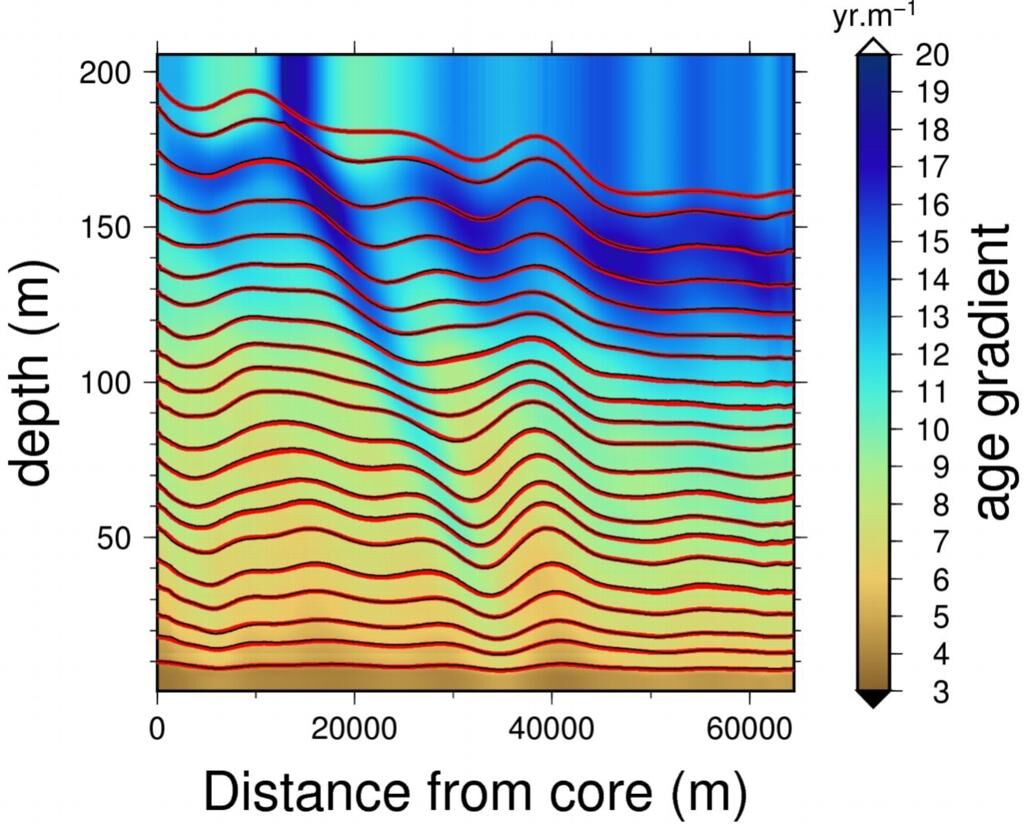
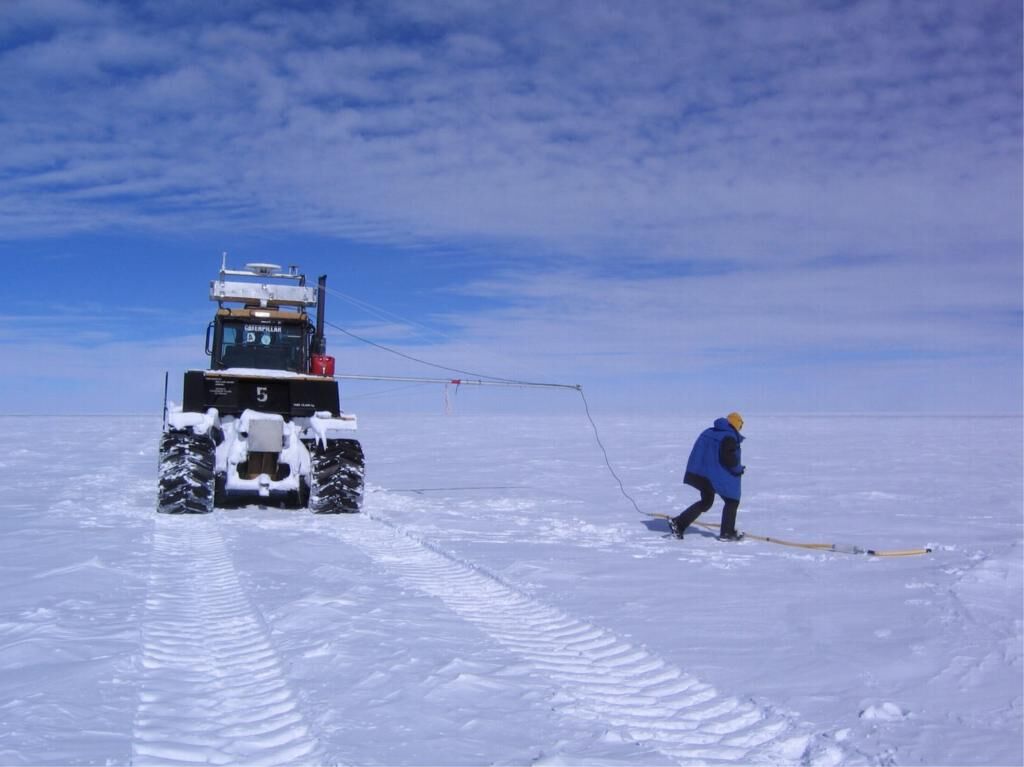
The remainder of the ABN sampling for non-continuous large samples for trapped gases was completed. Additional samples for continuous CO2 were taken. Gas samples were sent to our collaborators at CSIRO Aspendale, LSCE Paris and CIC Copenhagen. for analysis. This completes the Aurora Basin North ice core processing and the remaining ice core samples will be stored as an archive for future studies. Quality analysis checks have been successfully performed at the ACE CRC and new analysis techniques are being tested as part of AAS 4405. Dating the ABN ice core using annual layer counting techniques has been continuing and we are now down to 120 CE. Dating below this involves numerical techniques which are continuing. We estimate the bottom date to be 2700 years before present. A report on the ABN upstream radar work has been completed by the French program and this will feed into interpretation of the ABN ice core record. A PhD student has started with IMAS to assist us to date and interpret the ABN ice core record.
Summary of the season 2016/17
Aurora Basin North ice core processing has been steady over the last 12 months. AAD and ACE CRC has completed processing and performed quality control checks for all the continuous analysis on the 300m ice core in collaboration with key project partners. Additionally with the assistance of the Alfred Wegner Institute (AWI), University of Copenhagen and a visit to AWI by Dr Curran, samples were cut for specialist analysis. Furthermore, a sampling campaign in Hobart completed sampling for a range of non-continuous large samples for trapped gases. All samples cut in the last 12 months are awaiting analysis by national or international institutions.
Summary of the season 2015/16
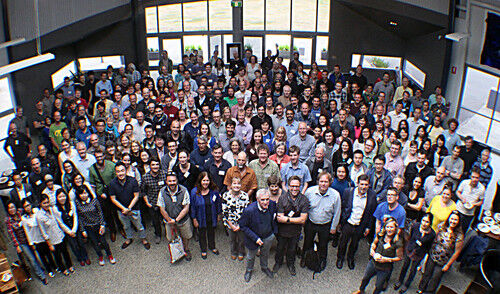
This project did not have a field component for 2015/16 season, however much progress was made in the laboratory and with data processing. We have completed the majority of the ice core processing and analysis, including completing the continuous flow analysis measurements for the ABN main core at the Desert Research Institute in Nevada. Analysis of discrete trace chemistry continues at the AAD and ACE CRC laboratories in Hobart. Another highlight for the year was that many initial results were presented at the International partnerships in Ice Coring Science (IPICS) 2016 conference, including the initial ABN dating scale, snow accumulation history for ABN, and an assessment of the ABN temperature record with the regional PAGES 2k record indicating scope for an improved synthesis for the Indian sector of East Antarctica. This prestigious IPICS ice core conference was held locally in Hobart and, in part, the bid to host this was successful due to the current ABN project being considered important for the international ice core community. The IPICS conference provided a great opportunity to hold an ABN workshop with scientific investigators and collaborators. This workshop was successful and we provided a status update, reported and discussed results, and made decisions on the next analysis steps.
Summary of the season 2014/15
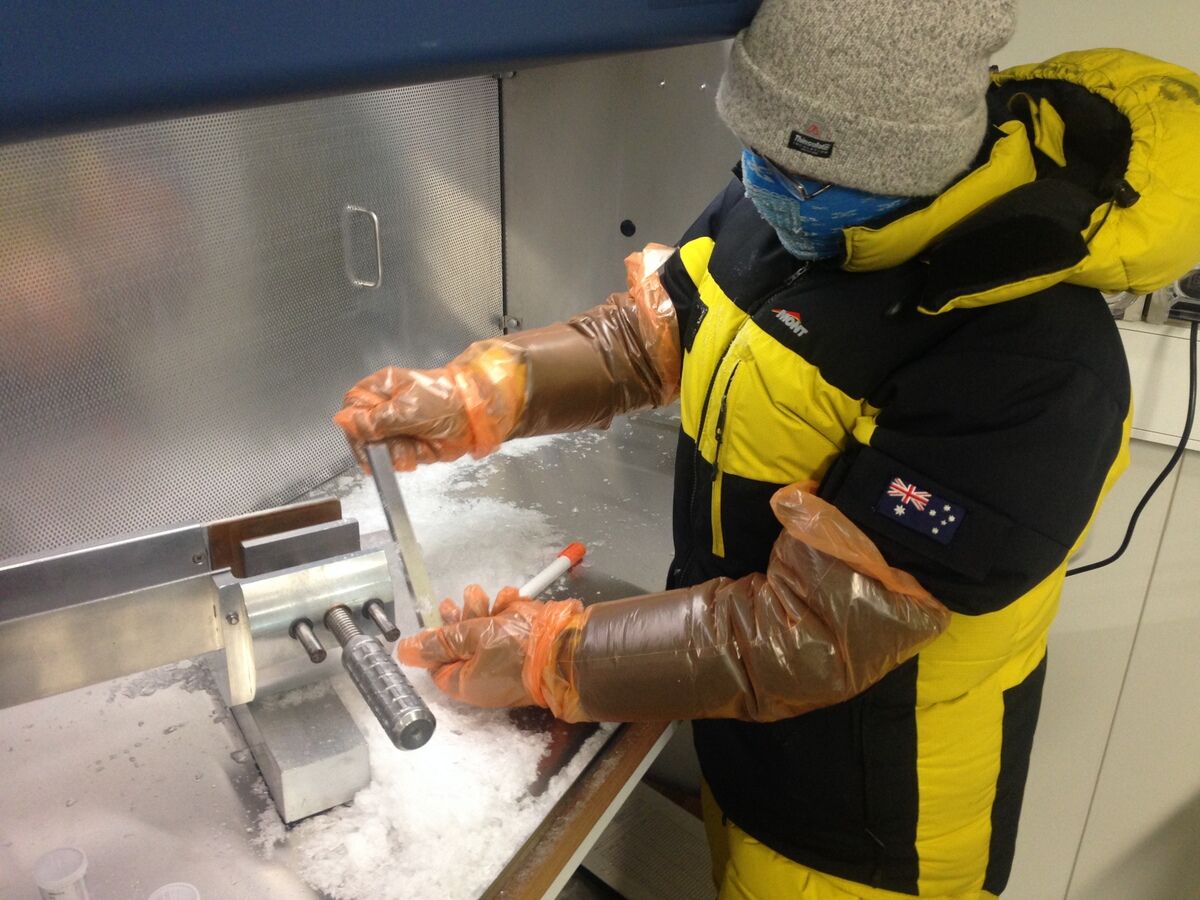
The last 12 months have been associated with processing the Aurora Basin North (ABN) ice cores and the beginning of the analysis phase. About four fifths of all the ice collected at ABN has been sampled and shipped to the various laboratory for analysis. The other fifth is currently at AWI in Germany awaiting a sampling campaign later this year. The analysis phase is about 8 months behind schedule firstly due to laboratory freezer issues in the new facility in Hobart and secondly due to a hold up from two international partners with pairing of their respective analytical systems. This pairing problem has now been overcome, and this analysis will occur in September 2015.
Summary of the season 2013/14
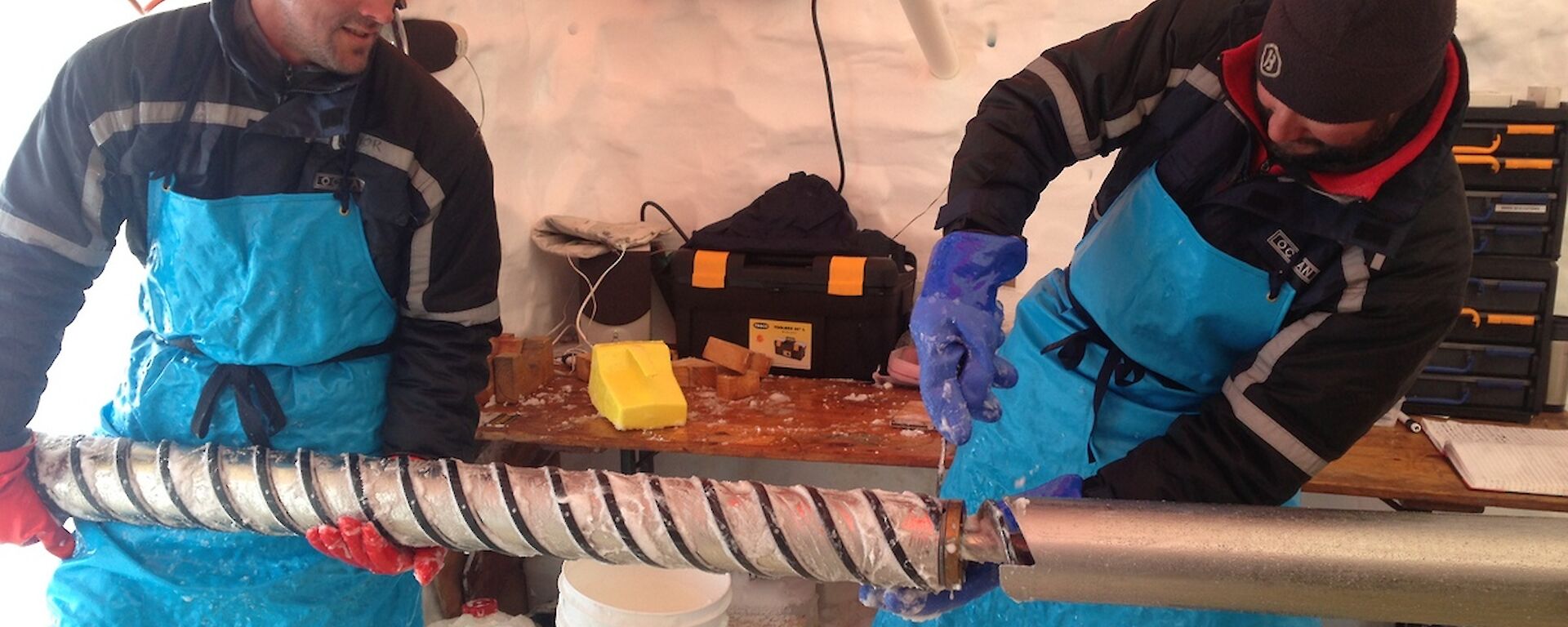
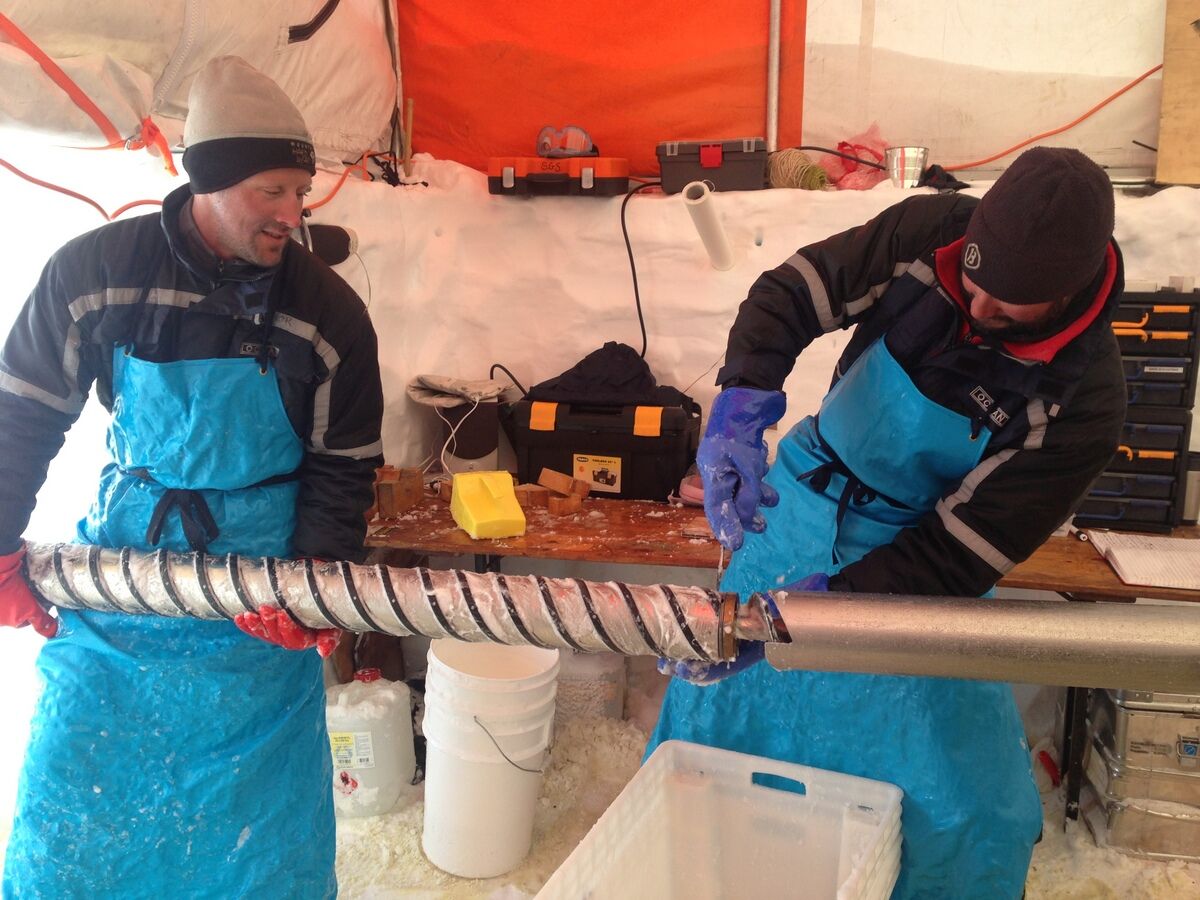
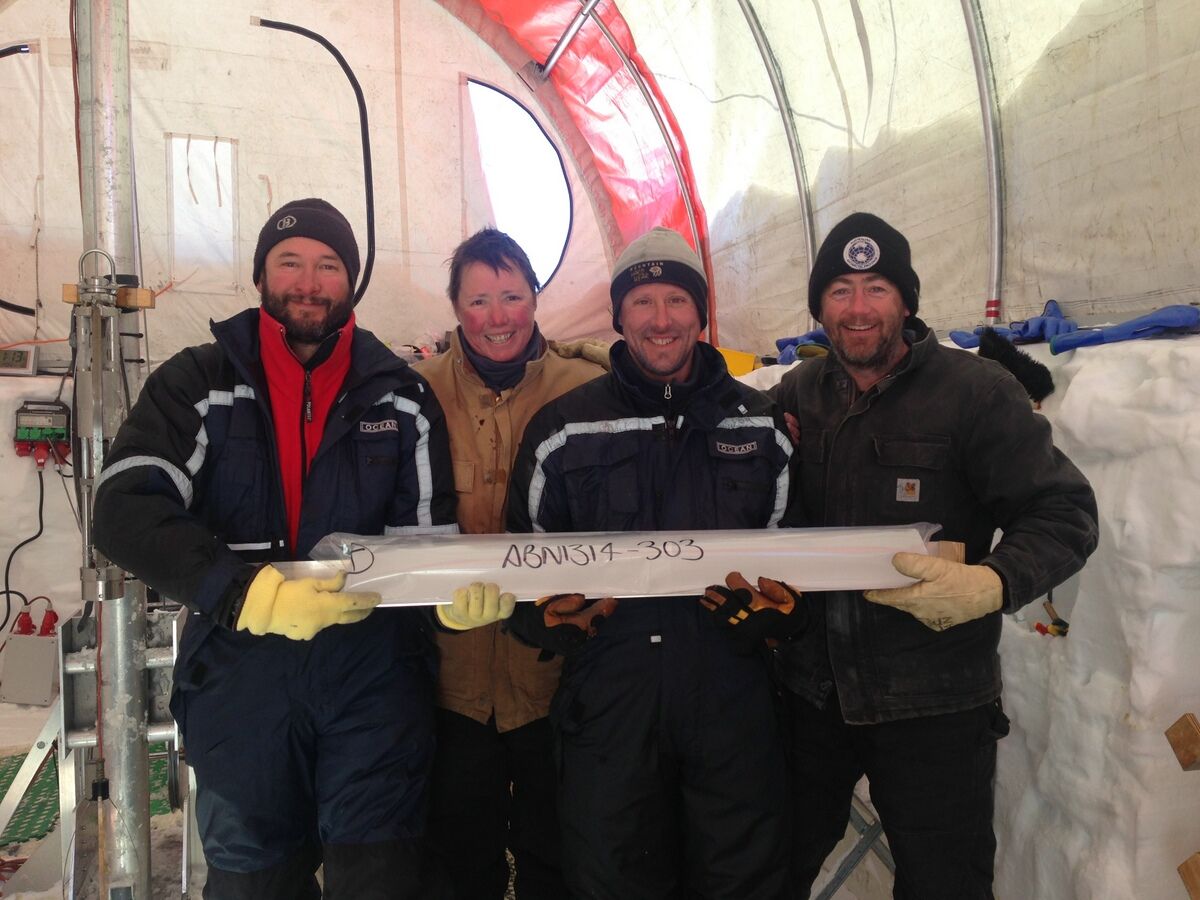
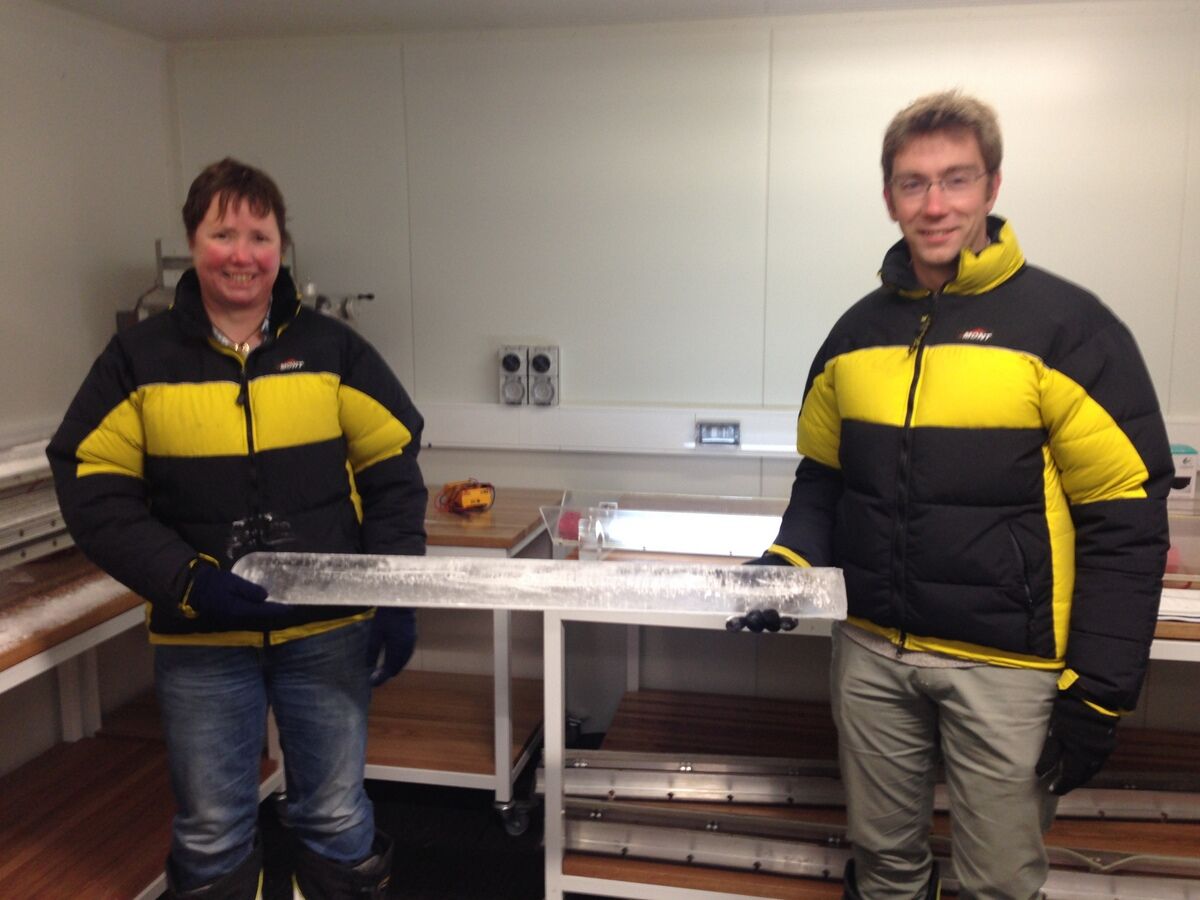
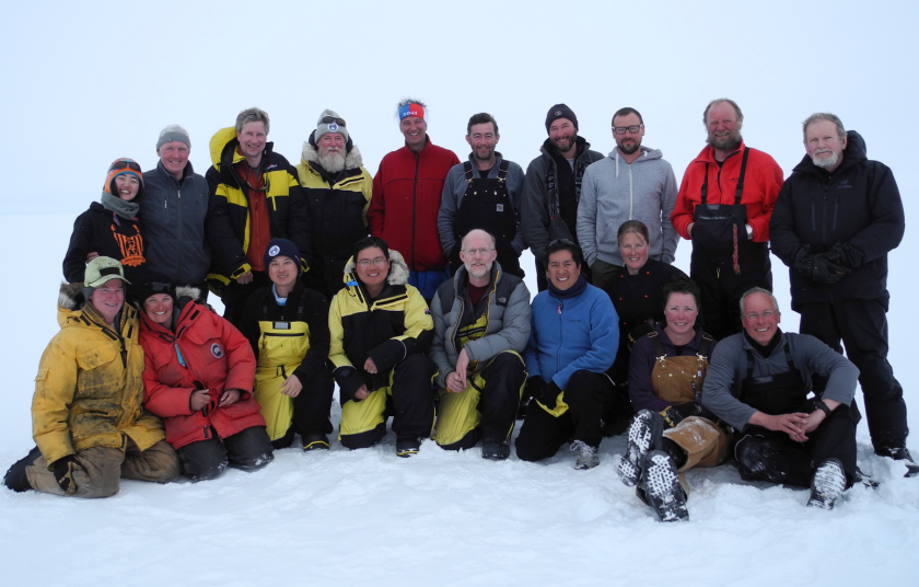
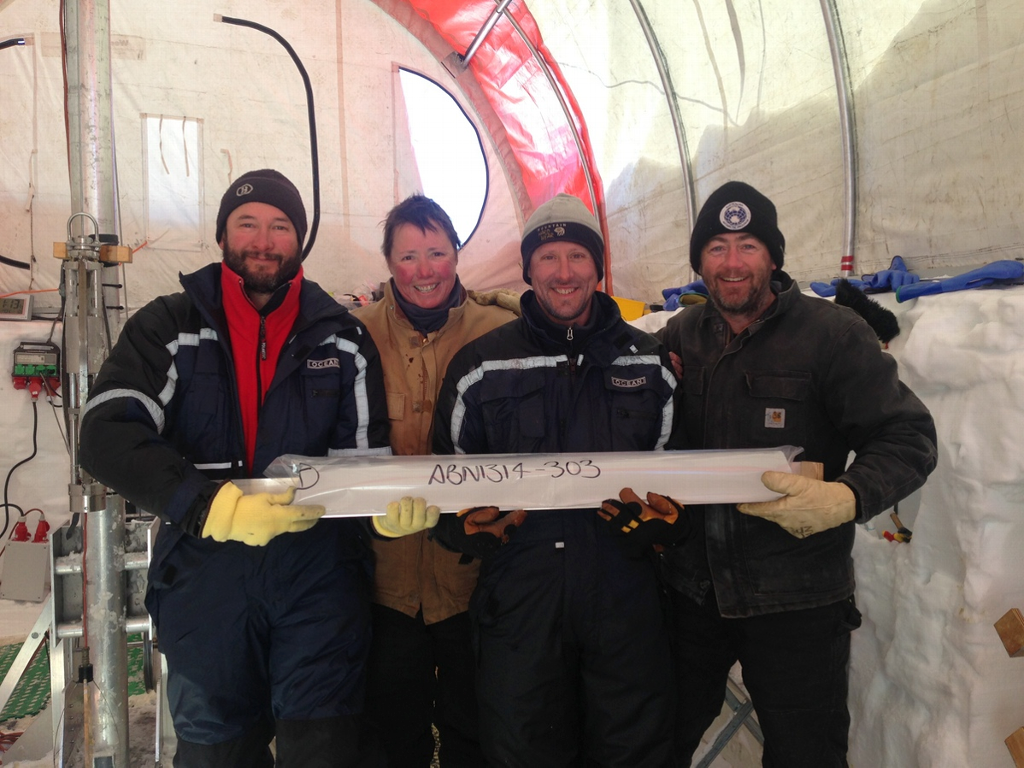
The ABN project succesfully drilled to 303m obtaining a 2000 year ice core record as planned. Other shallow drilling projects were also achieved. The field work occurred in Dec 2013 to Jan 2014. Thirty people from 7 nations and 17 institutions were in the field and all science goals were achieved. Ice core samples are now both in HObart and other laboratories around the world for detailled chemical and physical analysis.
Summary of the season 2012/13
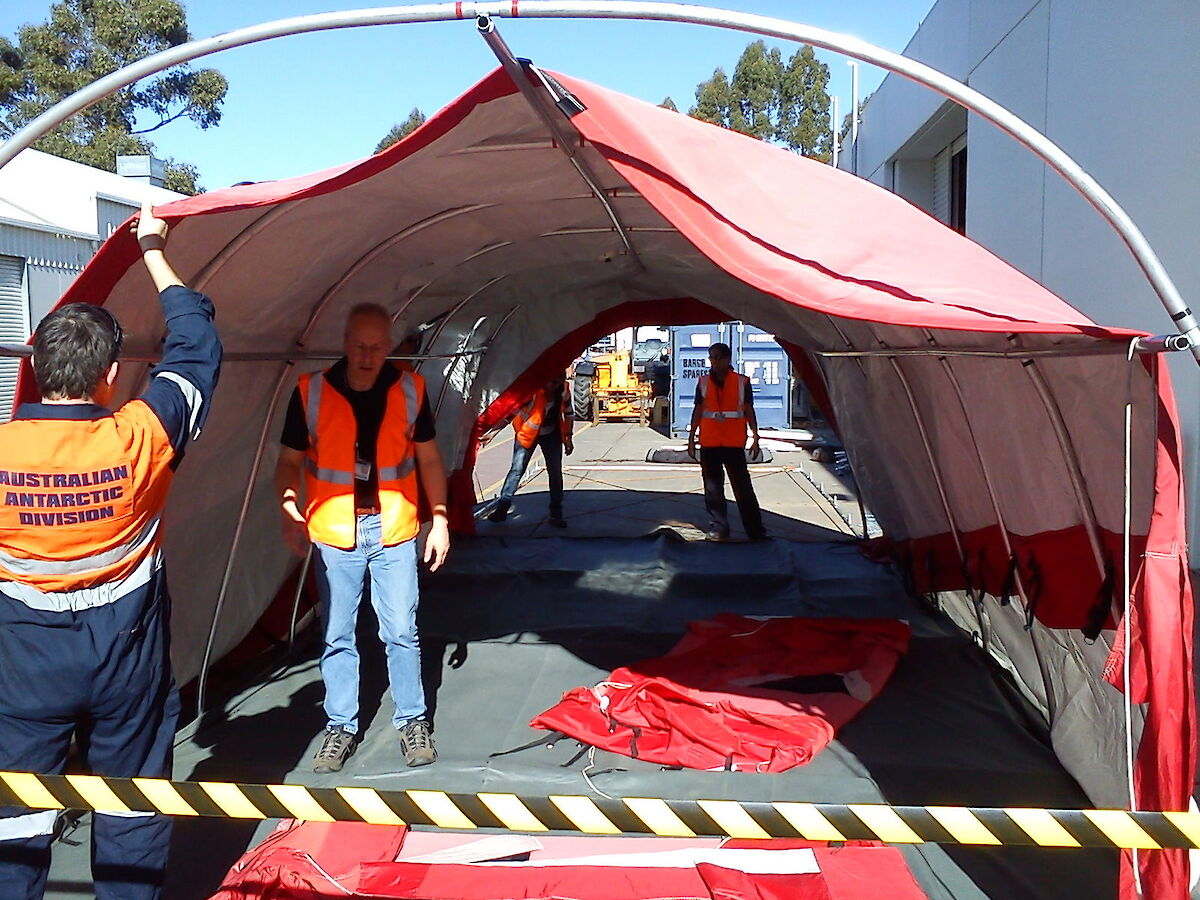
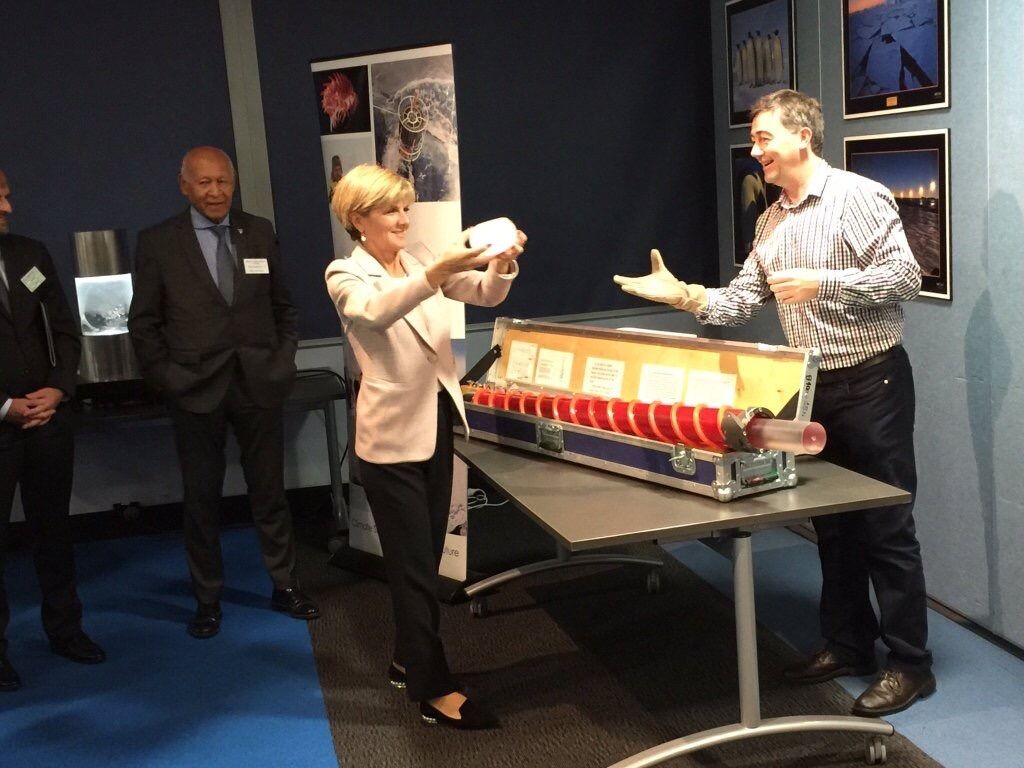
Field work is not due to commence until December 2013, however a lot of planning and testing has occured. All the field equipment was tested and the field camp fully set up in the warehouse at the AAD. This was subsequently taken down, packed up and shipped to Dumont d'Urville on the Astrolabe in February. Currently we are in the final stages of planning people and specialist cargo movements with dates etc for season 13/14. While the field camp was setup, the Honourable Federal Minister Tony Bourke MP (Minister for Sustainability, Environment, Water, Population and Communities), other Antarctic standing committee Senators and the AAD executive were shown through the camp. A press statement was then released by the minister. (see transcript here: http://www.environment.gov.au/minister/burke/2012/mr20121215.html?utm_source=mins&utm_medium=rss&utm_campaign=feed)
Related publications
-
Southern Hemisphere atmospheric history of carbon monoxide over the late Holocene reconstructed from multiple Antarctic ice archives Climate of the Past, 2023
(Ref: 16998)
Authors:Category 1: Peer-reviewed literature
Carbon monoxide (CO) is a naturally occurring atmospheric trace gas, a regulated pollutant, and one of the main components determining the oxidative capacity of the atmosphere. Evaluating climate…
-
A 2000-year temperature reconstruction on the East Antarctic plateau from argon–nitrogen and water stable isotopes in the Aurora Basin North ice core Climate of the Past, 2023
(Ref: 16855)
Category 1: Peer-reviewed literature
-
Enhanced Deposition of Atmospheric Soluble Iron by Intrusions of Marine Air Masses to East Antarctica Journal of Geophysical Research: Atmospheres, 2022
(Ref: 16602)
Category 1: Peer-reviewed literature
-
Sunlight-driven nitrate loss records Antarctic surface mass balance Nature Communications, 2022
(Ref: 16601)
Authors:Category 1: Peer-reviewed literature
-
Improved estimates of preindustrial biomass burning reduce the magnitude of aerosol climate forcing in the Southern Hemisphere Science Advances, 2021
(Ref: 16416)
Authors:Category 1: Peer-reviewed literature