
Project information
Project aim
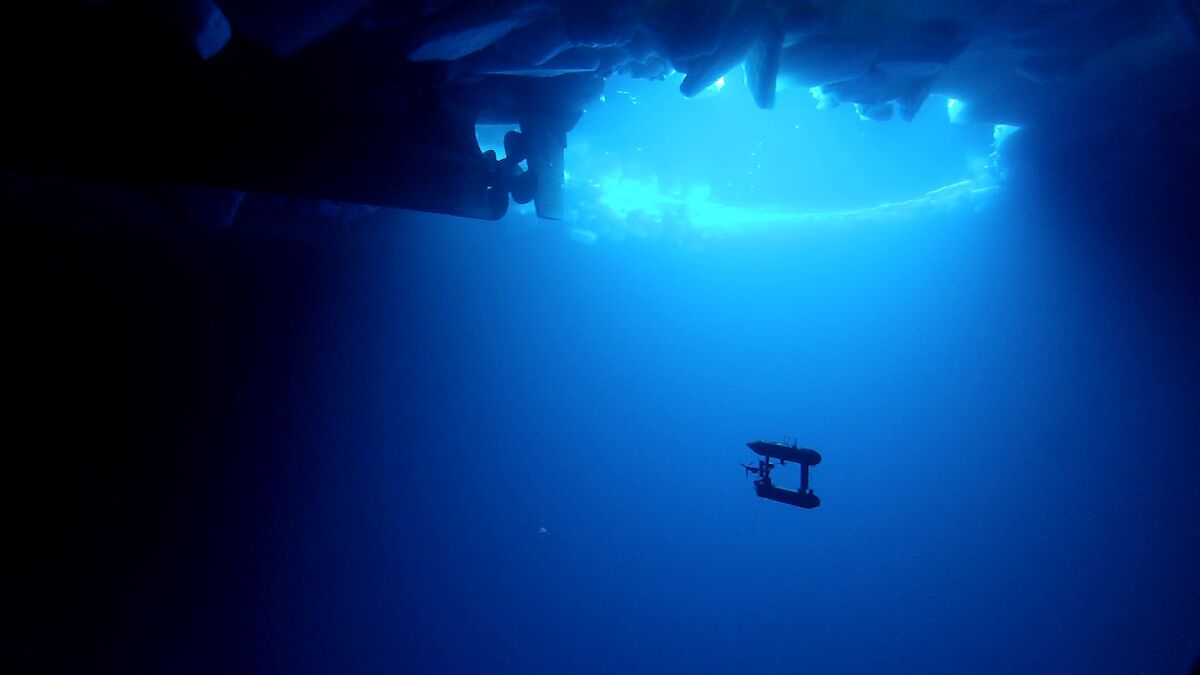
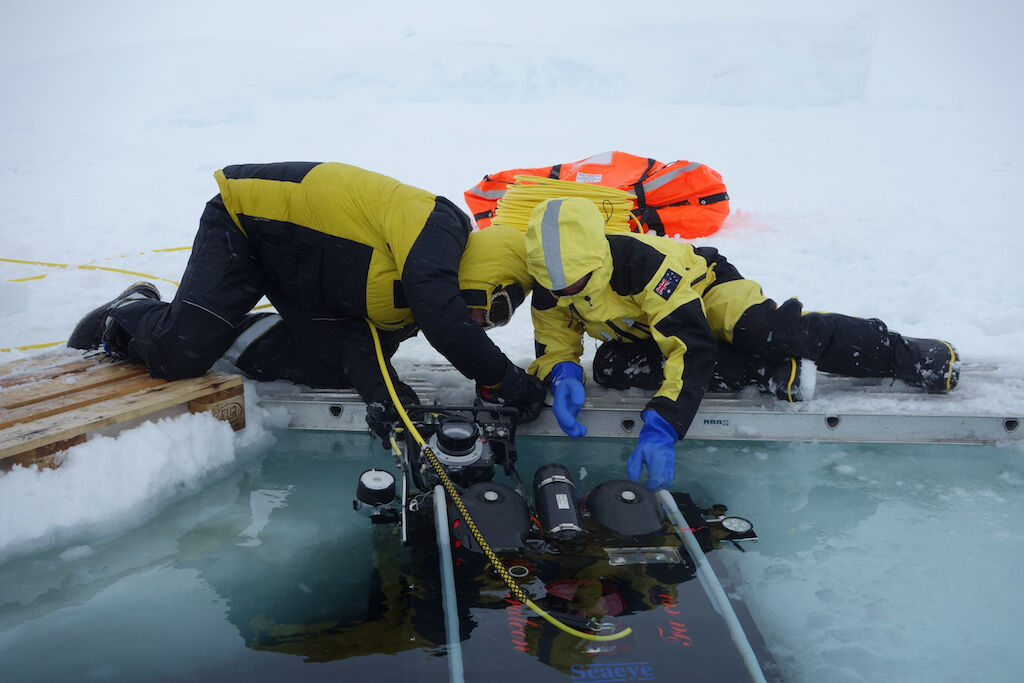
A multi-disciplinary study of sea ice zone processes will be conducted in the 100-120°E area off East Antarctica in spring 2012. We will measure the physical and biological properties of sea ice on small-to-regional scales using ice coring surveys, remotely-operated and autonomous underwater vehicles, drifting buoys and instrumented helicopters. Data collected will enhance our understanding of sea ice in Antarctic climate and ecosystem processes and will be utilised in the validation of satellite-derived products and the parameterisation of sea ice processes in climate and ecosystem models.
Project milestones
Summary of the project achievements 2013/14
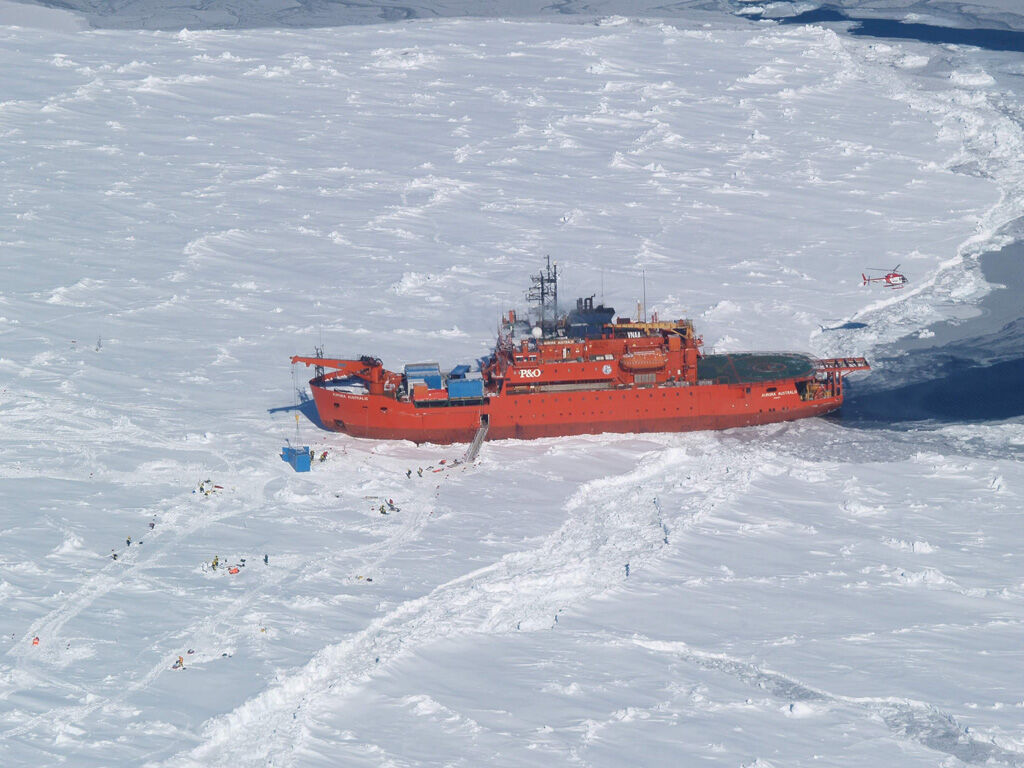
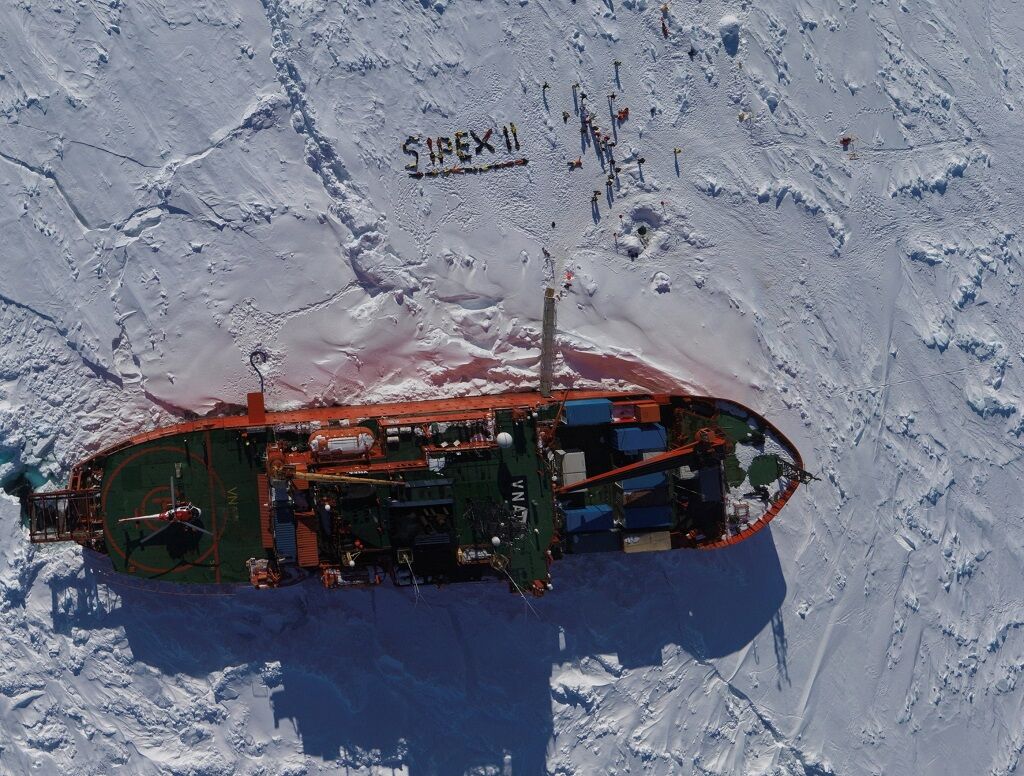
The Sea Ice Physics and Ecosystems Experiment 2 (SIPEX-2) addressed key knowledge gaps in our understanding of how a changing climate may alter physical and biological processes in the Antarctic sea ice zone. The project (September – November 2012) was the second of two major multi-disciplinary and internationally collaborative sea ice field campaigns, jointly coordinated by the Australian Antarctic Division and the Antarctic Climate and Ecosystems Cooperative Research Centre. The first, SIPEX-1, was conducted in September 2007.
50 scientists from 17 institutions and 9 countries were involved in the SIPEX-2 project, which focussed on the sea ice zone off Wilkes Land, East Antarctica. Scientists used ice coring surveys and cutting-edge research tools, including remotely-operated and autonomous underwater vehicles, drifting buoys and instrumented helicopters, to understand the dynamics of the sea ice zone. The voyage resulted in important new data sets and significantly enhanced the understanding of wave propagation into ice-covered areas, floe-scale sea ice thickness distributions, and biological and biogeochemical processes in the East Antarctic sea ice zone. Biological research conducted during the voyage highlighted the importance of ice-associated algal production for under-ice pelagic food webs. Results have been published in high-profile scientific journals and a special issue. Data have also been utilised in the validation of satellite-products and the parameterisation of sea ice processes in climate and ecosystem models. The project contributes to a better understanding and future assessments of the impacts of climate change on the seasonally ice-covered areas of the Southern Ocean.
Summary of the season 2013/14
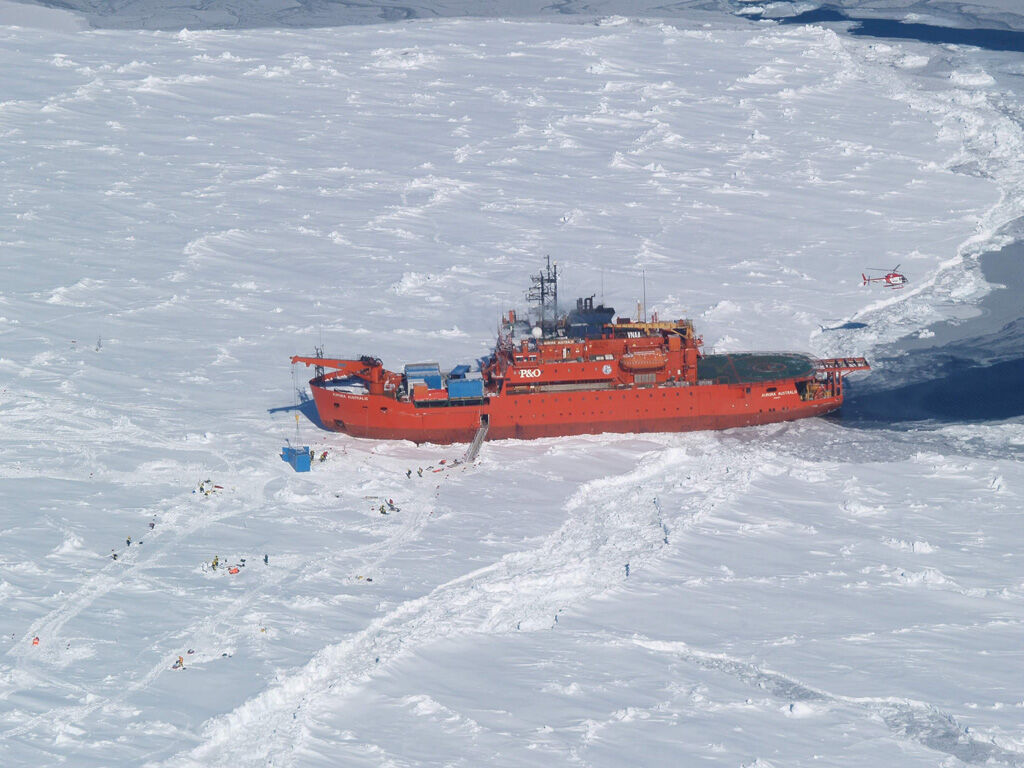
The main focus of our work was analysis of data collected during the Australian-led Sea Ice Physics and Ecosystems Experiment II (SIPEX II) voyage carried out in spring 2012 onboard RSV Aurora Australis. This multi-disciplinary research voyage was specifically designed to address key knowledge gaps in the understanding of coupled physical-biological processes in the sea ice zone off East Antarctica. Scientists analysed large datasets which were collected using a variety of state-of-the-art platforms including instrumented aircrafts, drifting buoy arrays and underwater vehicles, in combination with classical methods like ship-based observations and ice-coring surveys. Cross-disciplinary analyses were facilitated through an international project workshop held in Hobart in March 2014. New data products have enhanced our understanding of the role of sea ice in Antarctic climate and ecosystem processes. Ongoing analyses will be used for the validation of satellite products and parameterisation of climate and ecosystem models. SIPEX II research on wave-ice interactions resulted in a step-change in our understanding of the propagation of large storm-generated waves through sea ice and will help to assess recent and predicted future changes on Antarctic sea ice.
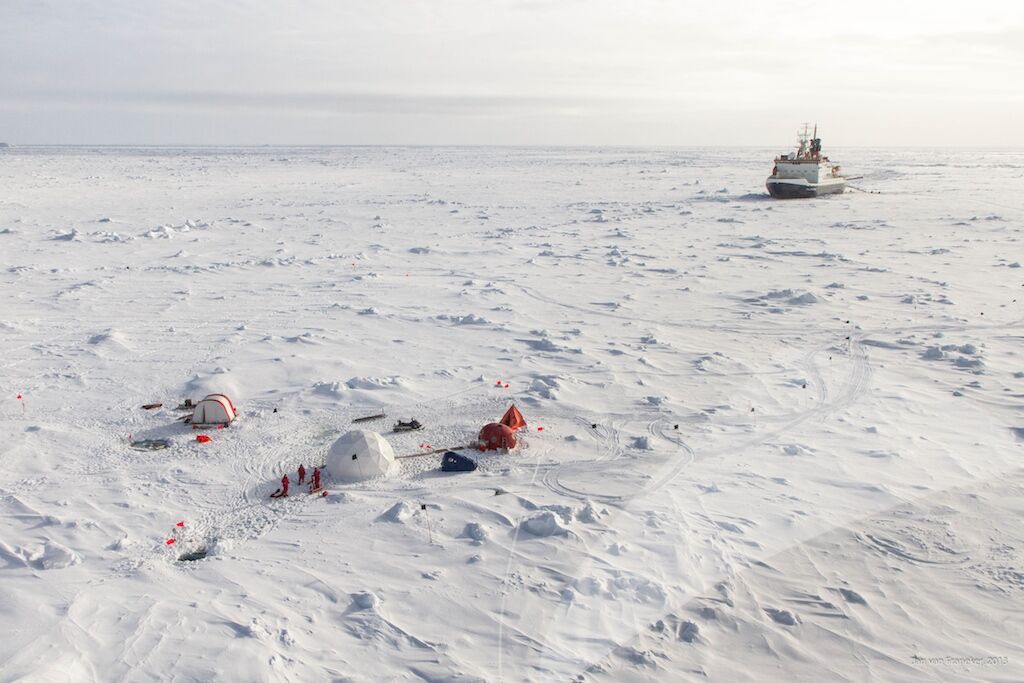
A small team of SIPEX II researchers participated in a comparative sea ice voyage to the western Weddell Sea onboard the German icebreaker Polarstern. This team collected coincident measurements of sea ice physical and biological parameters and krill distribution under sea ice, as well as through the entire water column and at the sea floor, in combination with physiological and genetic studies to better understand the habitat utilisation of this Antarctic key species. Improved characterisation of ecological dynamics in areas with contrasting sea ice conditions is critically important to assess the impacts of changing sea ice on marine ecosystems in the Australian Antarctic Territory and on circum-Antarctic scales.
Summary of the season 2012/13
The fieldwork for the Sea Ice Physics and Ecosystems Experiment II (SIPEX II) was sucessfully completed using RSV Aurora Australis in the region of 100-120°E off East Antarctica during September – November 2012. This multi-disciplinary study was specifically designed to address major knowledge gaps in Antarctic sea ice zone processes as identified by national and international end-users. Scientists measured the physical and biological properties of sea ice on small-to-regional scales using classical methods and state-of-the-art technology including ice coring surveys, remotely-operated and autonomous underwater vehicles, drifting buoys and instrumented helicopters. Data currently being processed will enhance our understanding of the role of sea ice in Antarctic climate and ecosystem processes. These data will also be utilised for the validation of satellite-derived products and the parameterisation of sea ice processes in climate and ecosystem models.
Related publications
-
The zooplankton food web under East Antarctic pack ice – A stable isotope study Deep Sea Research Part II: Topical Studies in Oceanography, 2016
(Ref: 15759)
Category 1: Peer-reviewed literature
Understanding how sea ice serves zooplankton species during the food-limited season is crucial information to evaluate the potential responses of pelagic food webs to changes in sea-ice conditions in the Southern Ocean. Stable isotope analyses (13C/12C and 15N/14N)…
-
Estimating small-scale snow depth and ice thickness from total freeboard for East Antarctic sea ice Deep Sea Research Part II: Topical Studies in Oceanography, 2016
(Ref: 17051)
Category 1: Peer-reviewed literature
Deriving the snow depth on Antarctic sea ice is a key factor in estimating sea-ice thickness distributions from space or airborne altimeters. Using a linear regression to model snow depth from observed 'total freeboard'…
-
SIPEX 2012: Extreme sea-ice and atmospheric conditions off East Antarctica Deep Sea Research Part II: Topical Studies in Oceanography, 2016
(Ref: 17053)
Category 1: Peer-reviewed literature
In 2012, Antarctic sea-ice coverage was marked by weak annual-mean climate anomalies that consisted of opposing anomalies early and late in the year (some setting new records) which were interspersed by near-average conditions for most of the austral autumn and winter. Here…
-
Introduction: SIPEX-2: A study of sea-ice physical, biogeochemical and ecosystem processes off East Antarctica during spring 2012 Deep Sea Research Part II: Topical Studies in Oceanography, 2016
(Ref: 17054)
Category 1: Peer-reviewed literature
This editorial introduces a suite of articles resulting from the second Sea Ice Physics and Ecosystems eXperiment (SIPEX-2) voyage by presenting some background information on the study area and Antarctic sea-ice conditions, and summarising the key findings from the project.
-
Dynamics of nutrients dissolved organic matter and exopolymers in sea ice Thomas DN (ed). Sea ice - an introduction, Wiley-Blackwell, 2017
(Ref: 16143)
Authors:Category 1: Peer-reviewed literature