

Project information
Project aim
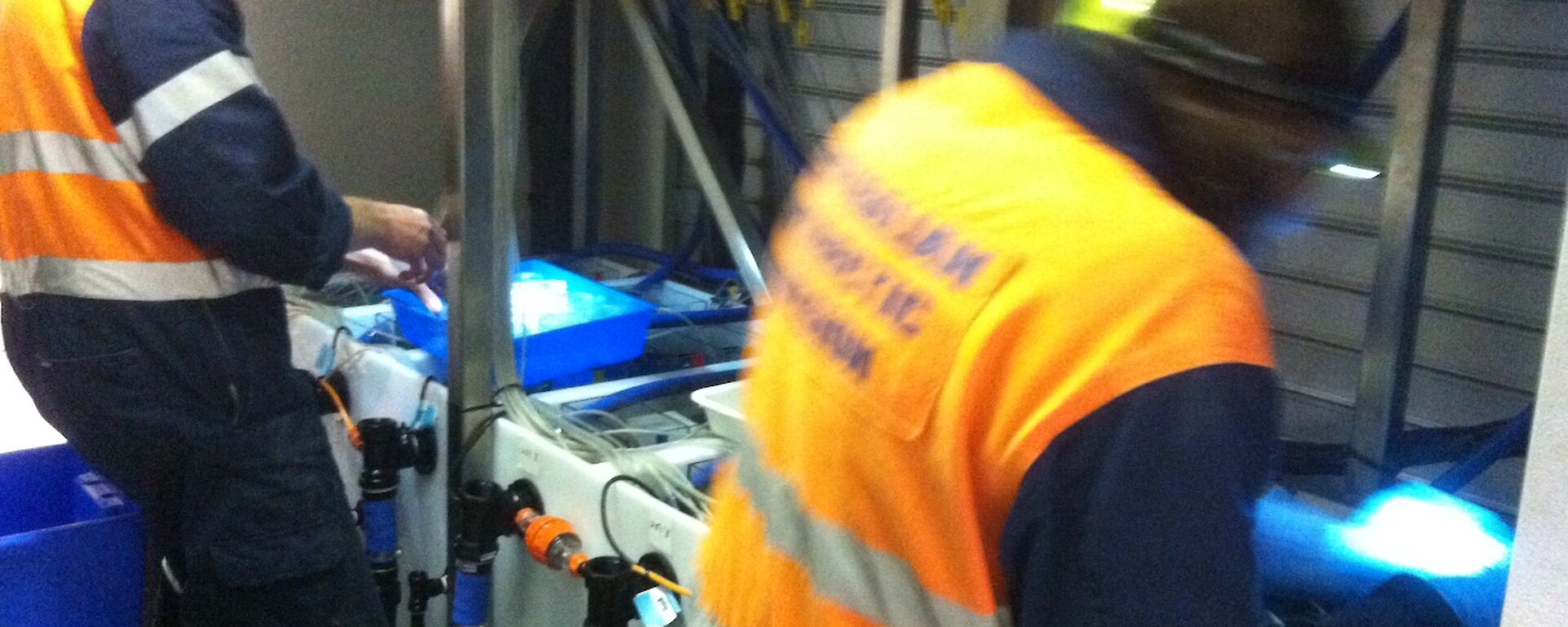
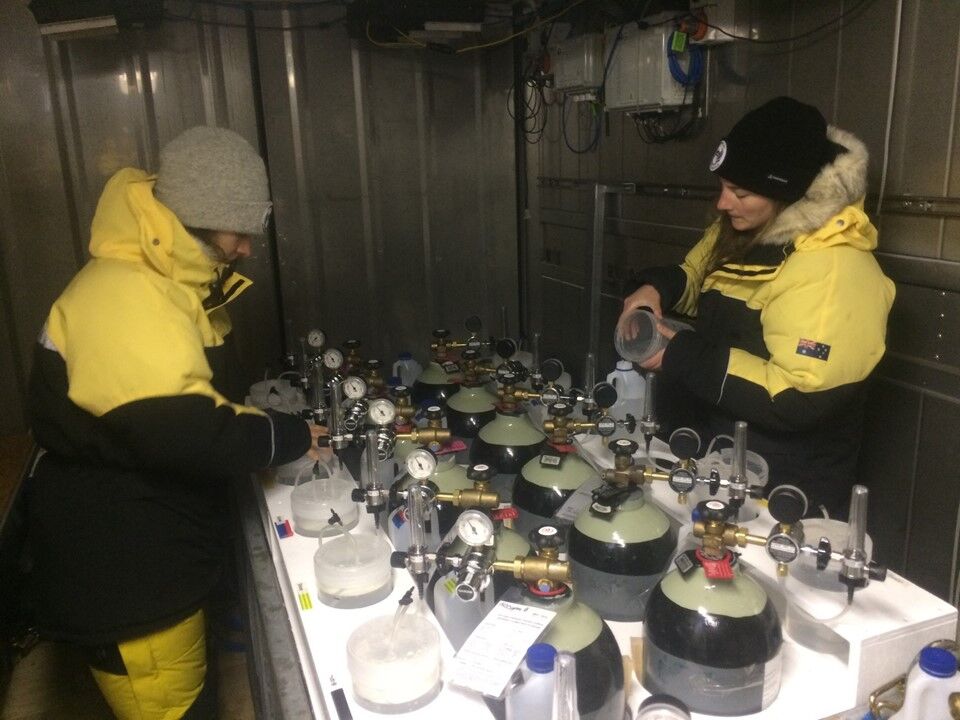
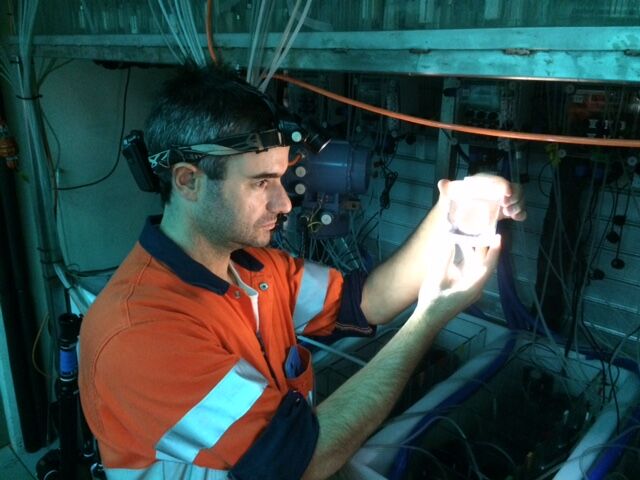
The experimental krill research project is designed to focus on obtaining life history information of use in managing the krill fishery - the largest Antarctic fishery. In particular, the project will concentrate on studies into impacts of climate change on key aspects of krill biology and ecology.
Project milestones
Summary of the project achievements 2018/19
Antarctic krill is the key species of the Southern Ocean ecosystem. Its fishery is rapidly expanding and it is vulnerable to changes in climate.
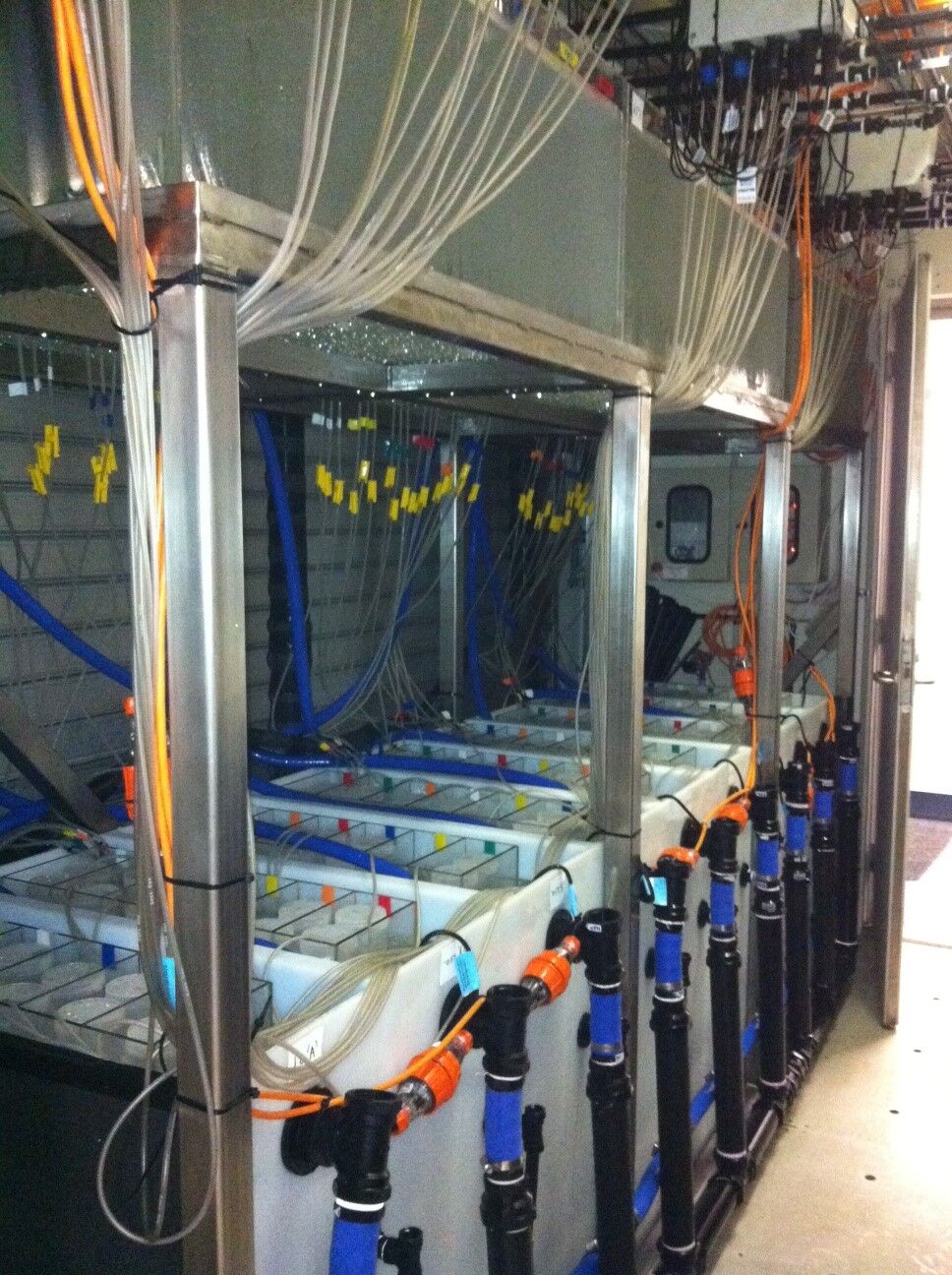
This project was designed to focus on obtaining life history information of use in managing the krill fishery - the largest Antarctic fishery. In particular, the project focussed on studies into impacts of climate change and ocean acidification on key aspects of krill biology and ecology.
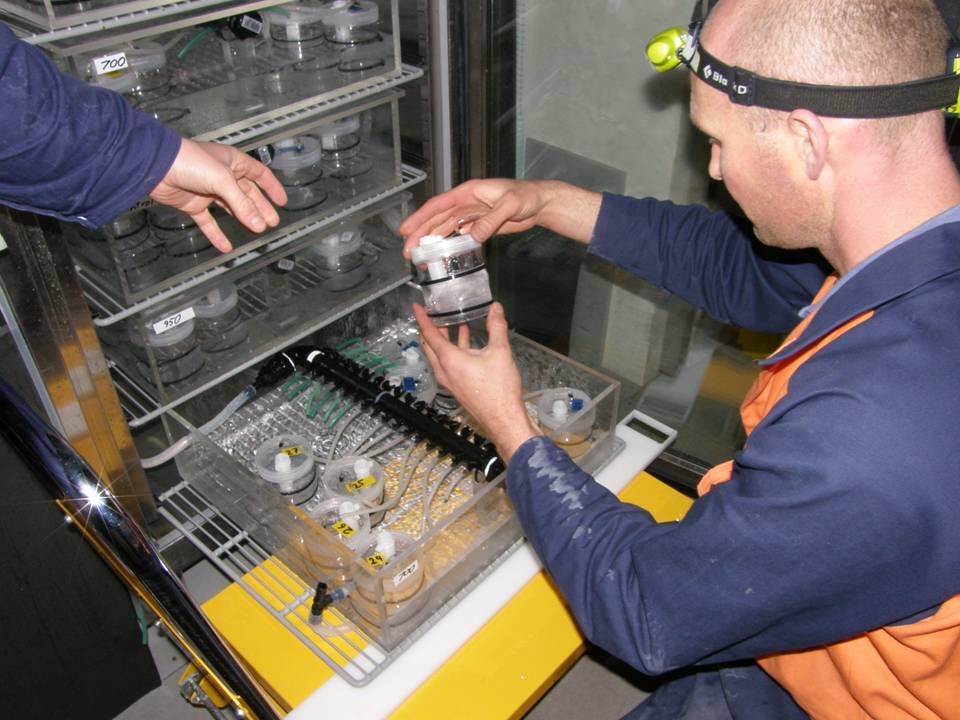
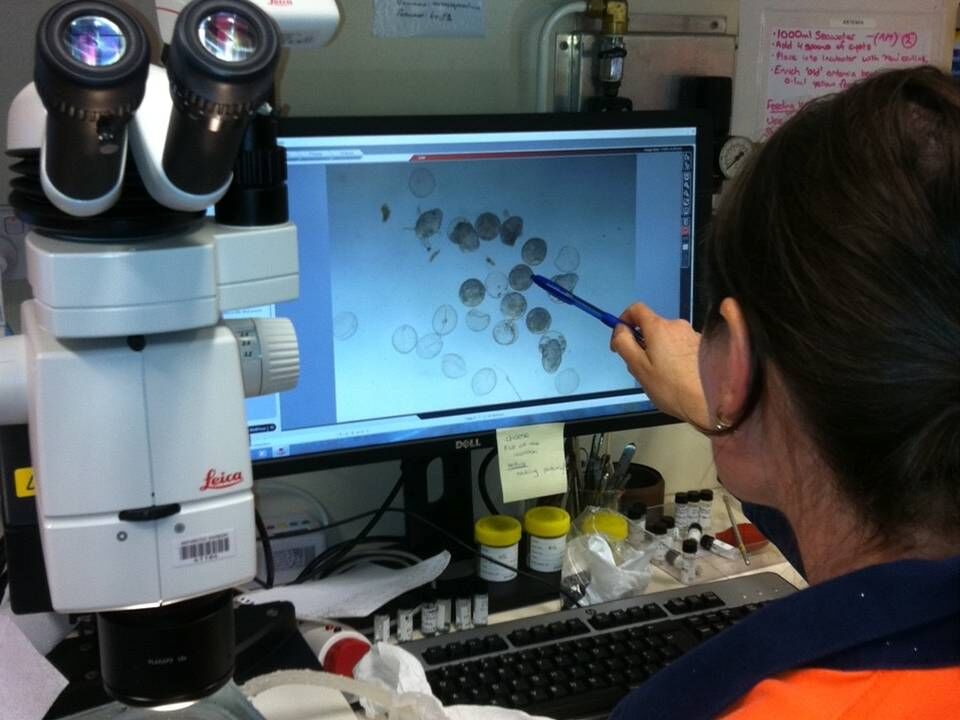
Through this project, we demonstrated embryos of krill are vulnerable to increasing CO2 and is likely to be impacted by CO2 levels expected in 100 to 300 years but adult krill are resilient to CO2 expected in the near future.
Summary of the season 2017/18
The experimental krill research project is designed to focus on obtaining life history information of use in managing the krill fishery - the largest Antarctic fishery. In particular, the project concentrates on studies into impacts of climate change on key aspects of krill biology and ecology. The project continued to primarily assess the impacts of increasing CO2 level on Antarctic krill and its implications to future krill population.
Summary of the season 2016/17
The experimental krill research project is designed to focus on obtaining life history information of use in managing the krill fishery - the largest Antarctic fishery. In particular, the project concentrates on studies into impacts of climate change on key aspects of krill biology and ecology. The project continued to primarily assess the impacts of increasing CO2 level on early life stages of Antarctic krill and its implications to future krill population.
Summary of the season 2015/16
The experimental krill research project is designed to focus on obtaining life history information of use in managing the krill fishery - the largest Antarctic fishery. In particular, the project will concentrate on studies into impacts of climate change on key aspects of krill biology and ecology. The project continued to primarily assess the impacts of increasing CO2 level on early life stages of Antarctic krill and its implications to future krill population.
Summary of the season 2014/15
The experimental krill research project is designed to focus on obtaining life history information of use in managing the krill fishery - the largest Antarctic fishery. In particular, the project will concentrate on studies into impacts of climate change on key aspects of krill biology and ecology. The project continued to assess the impacts of increasing CO2 level on early life stages of Antarctic krill and its implications to future krill population.
Summary of the season 2013/14
The experimental krill research project is designed to focus on obtaining life history information of use in managing the krill fishery - the largest Antarctic fishery. In particular, the project will concentrate on studies into impacts of climate change on key aspects of krill biology and ecology. The project assessed the impacts of increasing CO2 level on early life stages of Antarctic krill and its implications to future krill population.
Summary of the season 2012/13
The experimental krill research project is designed to focus on obtaining life history information of use in managing the krill fishery - the largest Antarctic fishery. In particular, the project will concentrate on studies into impacts of climate change on key aspects of krill biology and ecology. The project assessed the impacts of increasing CO2 level on early life stages of Antarctic krill and its implications to future krill population.
Related publications
-
Modelling krill growth, reproduction, and metabolism to predict life-history responses to environmental change ICES Journal of Marine Science, 2025
(Ref: 17438)
Category 1: Peer-reviewed literature
Allocation of energy is as important as energy uptake for maintaining healthy life cycles and sustainable populations of krill. Environmental factors such as temperature and food availability play important roles in the physiological performance of krill. This study adapted an established…
-
Uptake and depuration kinetics influence microplastic bioaccumulation and toxicity in Antarctic krill (Euphausia superba) Environmental Science and Technology, 2018
(Ref: 16307)
Authors:Category 1: Peer-reviewed literature
-
Turning Microplastics into Nanoplastics: Digestive Fragmentation by Antarctic krill Nature Communications 9, 2018
(Ref: 16306)
Category 1: Peer-reviewed literature
-
Sex identification from distinctive gene expression patterns in Antarctic krill (Euphausia superba) Polar Biology 42, 2019
(Ref: 16288)
Category 1: Peer-reviewed literature
-
Reproduction and larval development in Antarctic krill (Euphausia superba). The biology and ecology of Antarctic krill, advances in Polar Ecology, Springer International Publishing, 2016
(Ref: 16101)
Authors:Category 1: Peer-reviewed literature