
Project information
Project aim
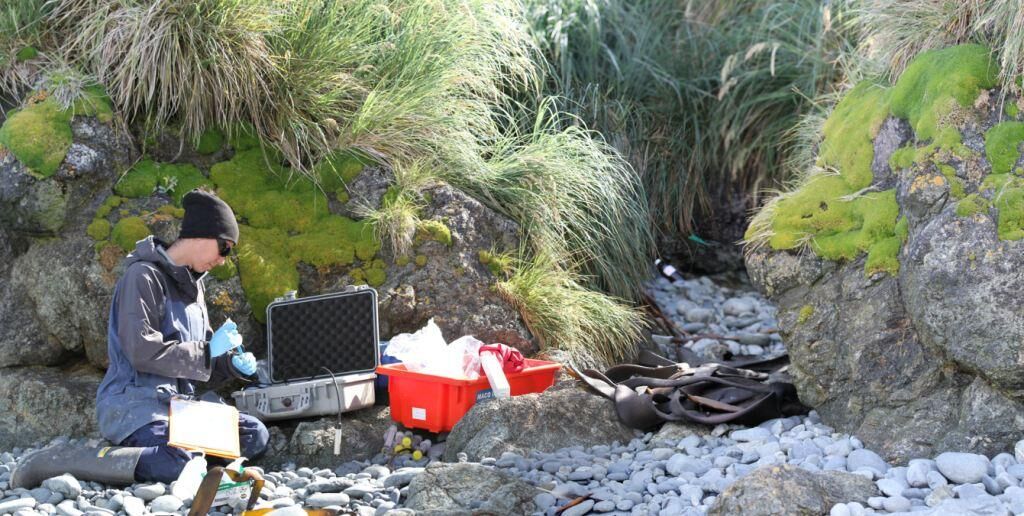
Fuel contamination poses a major threat to Antarctic ecosystems as fuel is persistent & potentially toxic in the environment. Natural attenuation in Antarctica is slow with intervention required to minimise environmental damage. In temperate regions a variety of remediation schemes are commonly used to clean up fuel spills. This research program began in 2000 to undertake research & modification for effective remediation in the Antarctic & subantarctic. This project will complete the final stage of implementation, risk assessment & monitoring of full scale remediation operations.
Project milestones
Summary of the project achievements 2018/19
Project 4036 has successfully developed robust techniques for responding to and remediating fuel spills in the Antarctic and subantarctic. Hydrocarbon contaminated soil from a number of spill sites has been successfully remediated, and has been reused in restricted capacities following individual risk assessments. Research conducted with national and international collaborators has been communicated via peer-reviewed scientific publications, CEP publications, conferences, workshops, webinars, and through school outreach activities. Data and risk assessment summaries have been provided to the AAD Strategies branch and to the AAD Environmental Performance Committee to help minimise the impact of petroleum hydrocarbons on the Antarctic environment. Due to an increase in workload (number of fuel spills within scope) through the life of project 4036, some milestones are still being finalised. The new project AAS 4503 will continue this work in conjunction with a new set of deliverables.
Summary of the season 2016/17
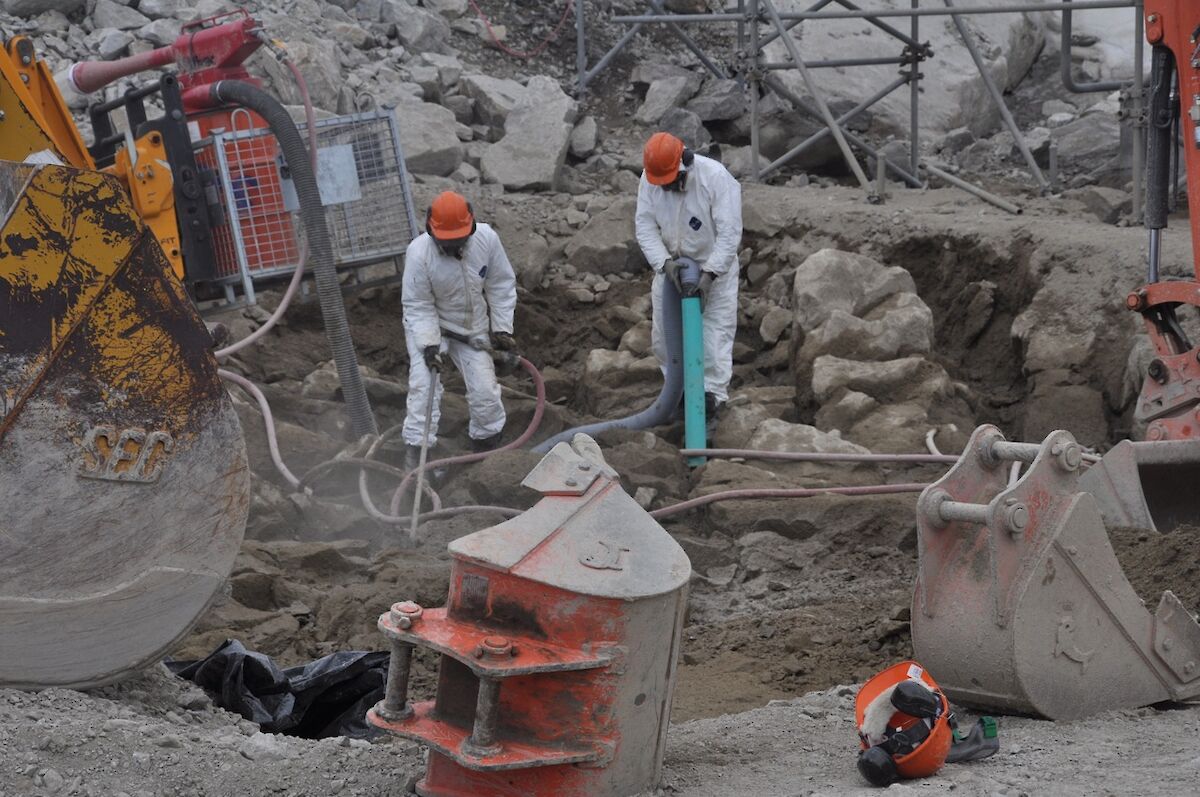
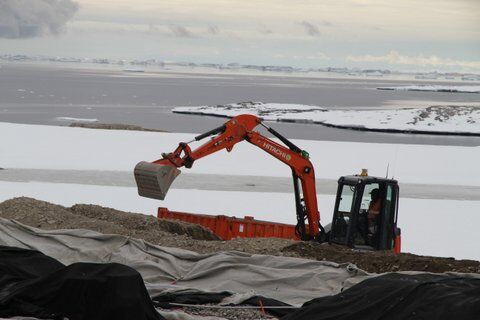
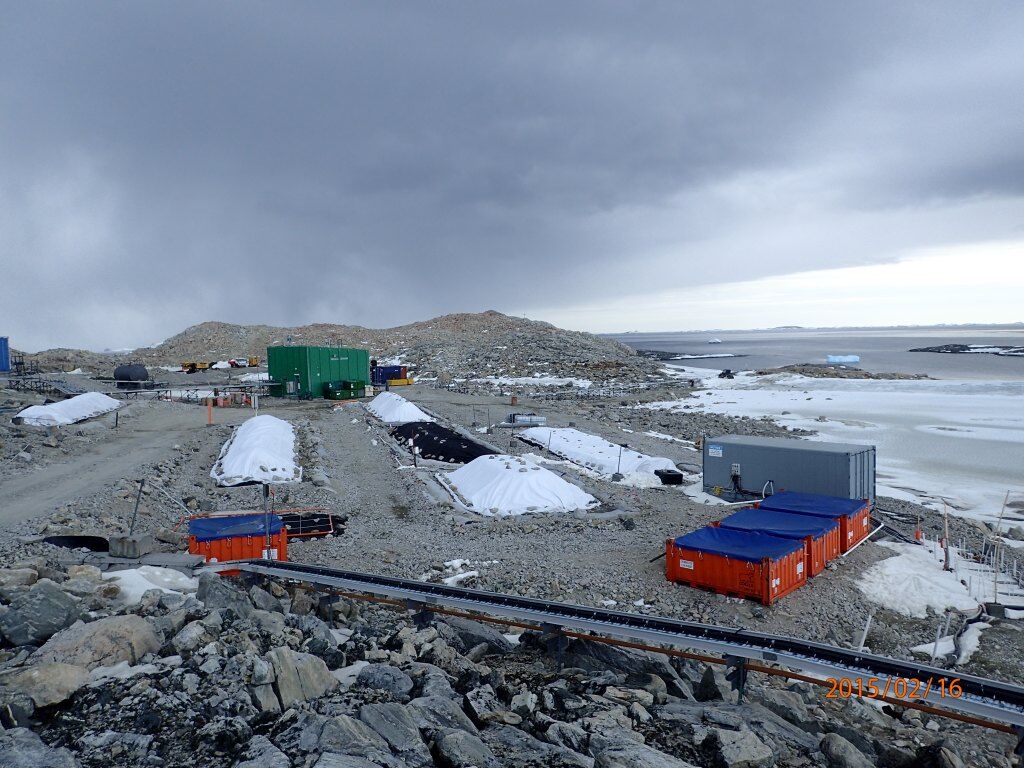
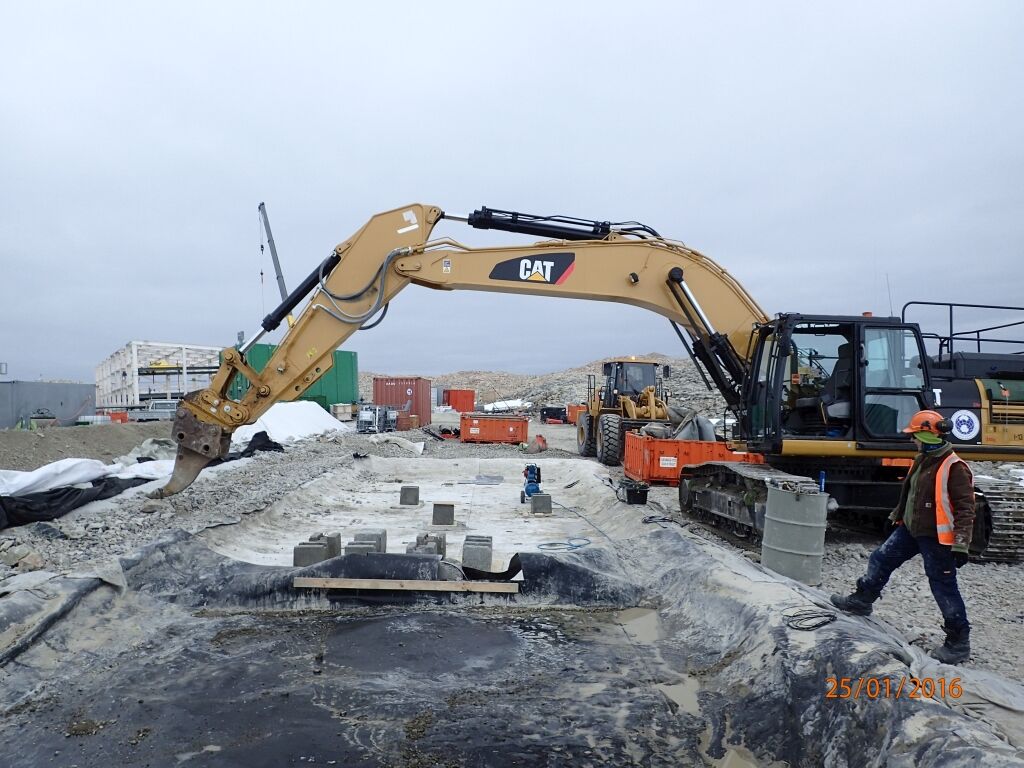
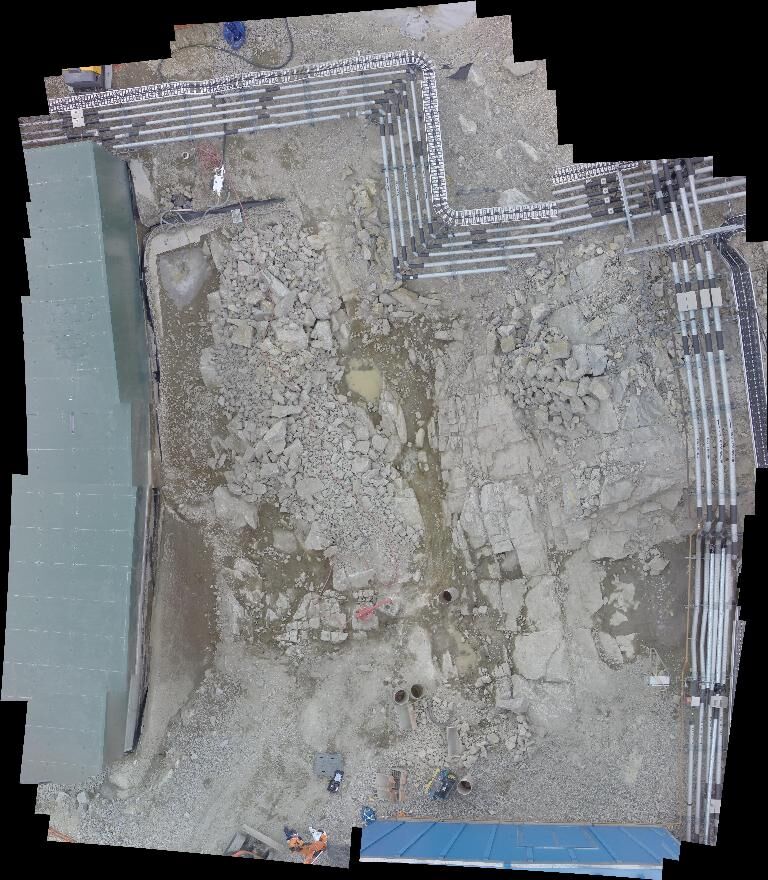
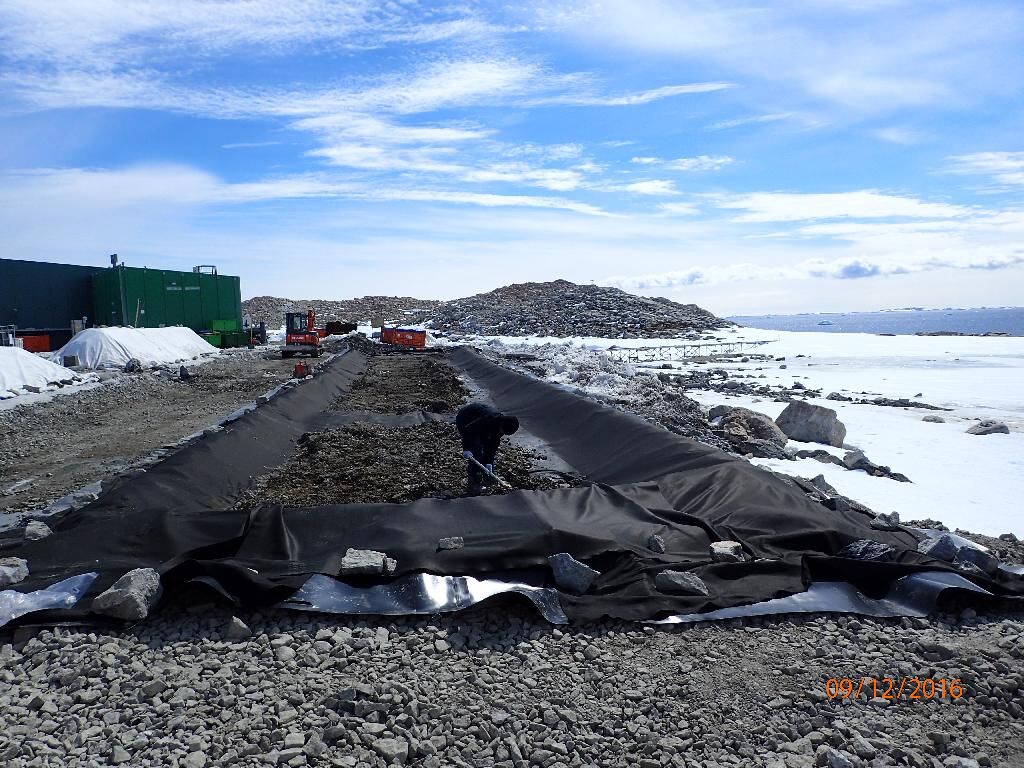
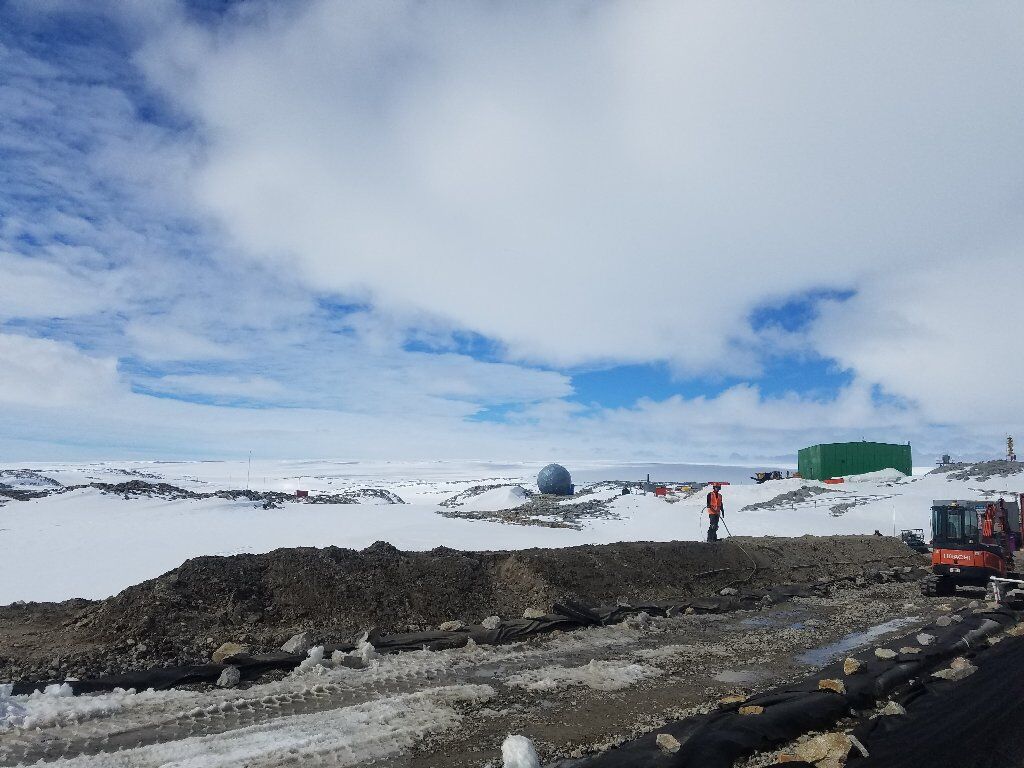
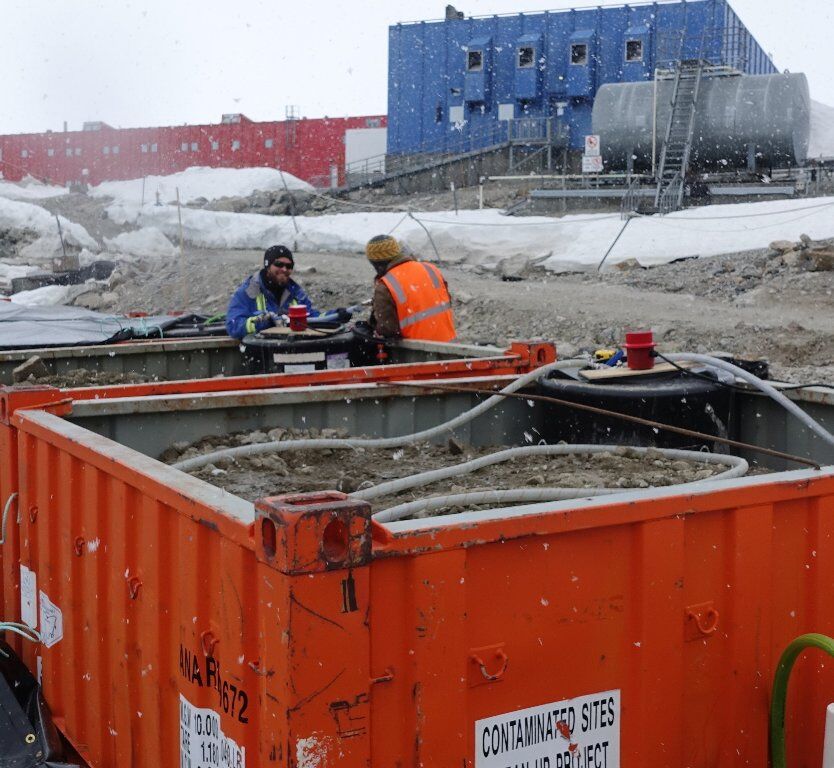
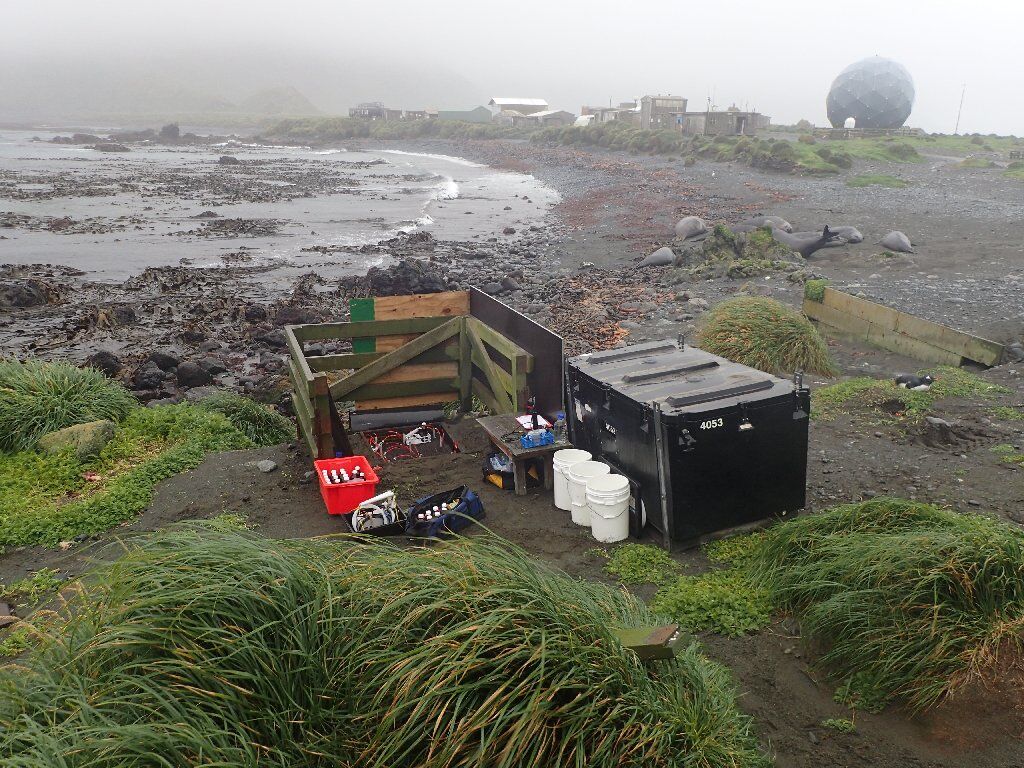
The project is now actively researching and remediating 4 of the 5 fuel spills detailed in the 2012 application (Macquarie Island (3 spills), Old Casey Station (1 spill), Casey MPH) as well as 3 newer spills (Casey EPH, Casey Flange and Davis (remediation completed and undergoing final risk assessment)). This year, key project learning's from biopile research and implementation at Casey from the last 5 years were essential in supporting the successful construction of a 55 m long biopile for remediating soil from the 2015 EPH flange spill. Extensive excavations were carried out up-gradient of the Casey Utility Building (CUB) to remove fuel contaminated soil which is being remediated in the new biopile. Building on capabilities from last season, the containerised water treatment system was retrofitted, with larger media columns and several new components. This significantly increased water treatment efficiency and facilitated research into biologically activated carbon water treatment, with positive environmental outcomes for managing the EPH flange spill response. PRB research findings over the last 10 years have facilitated the installation of a replacement PRB next to the quarry road, down gradient of un-excavated contaminated soil from the 2012 and 2015 EPH spill events.
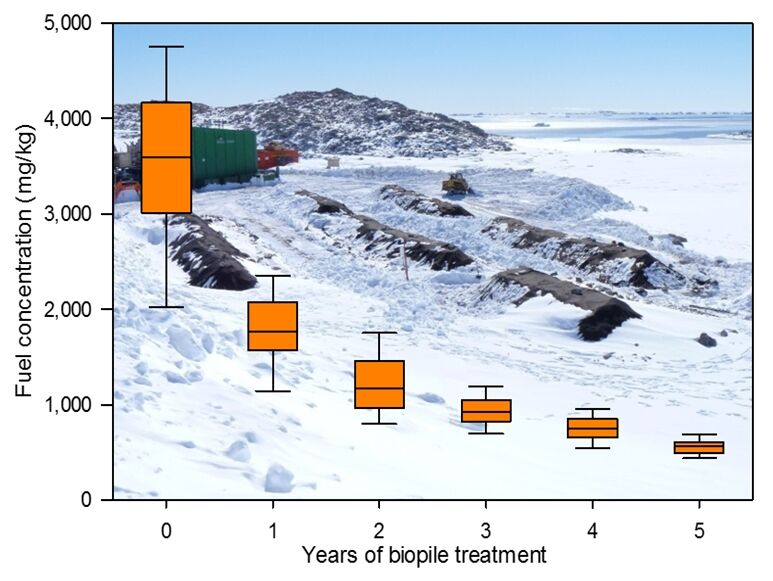
Several key scientific papers have been published that summarise findings from remediation activities associated with this project. We reported on the success of using biopiles to remediate large quantities of soil in Antarctica (a world first). Research has also been published on our engineered liner containment and cover systems. In conjunction with publication of journal papers, data and risk assessment summaries will be provided to the Strategies Branch to inform the ATCM and Committee of Environmental Protection.
Summary of the season 2015/16
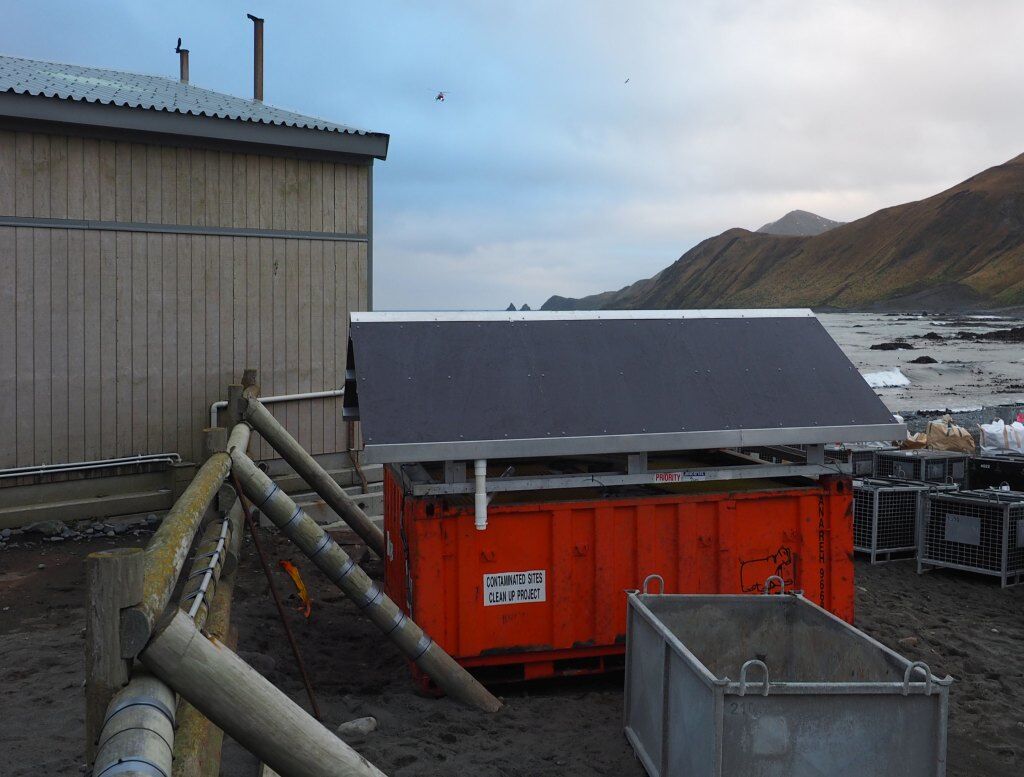
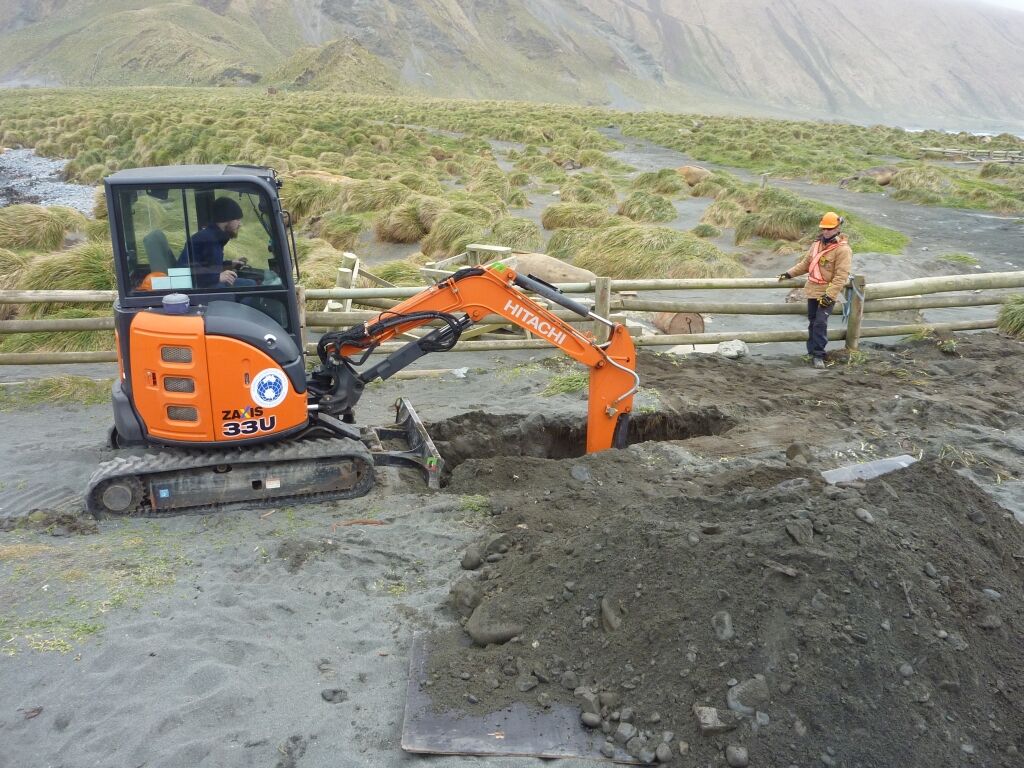
The remediation project is now actively researching and remediating 4 of the 5 fuel spills detailed in the 2012 application (Macquarie Island (3 spills), Old Casey Station (1 spill), Casey MPH) and a further 3 newer spills (Casey EPH, Casey Flange and Davis (remediation completed and undergoing final risk assessment). This year, key project learning's from PRB research and implementation at Casey from over the last 10 years were essential in supporting a spill response (to protect human health and environment) and allowed for the subsequent continuation of the Casey Utility Building (CUB) construction. Furthermore, a major milestone was reached this year in that remediated soil from two biopiles was reused on station at Casey following a detailed and use-specific human and environmental risk assessment. As such approx. 30% of the soil in the biopiles was remediated to the level suitable for reuse for the prescribed purpose. Excess soil remains in biopiles for continued remediation consistent with the estimated timeframe for staged release of soil for the project. The PRB at Macquarie Island was sampled, maintained and monitored with PHD research to be completed and submitted in 16/17.
Several key scientific papers that summarise findings from remediation activities associated with this project, in particular regarding the success of using biopiles to remediate soil under Antarctic conditions, site and use-specific reuse of remediated soil at Casey and engineered liner containment and cover systems, will be submitted to scientific journals this year. In conjunction with publication of journal papers, data and risk assessment summaries will be provided to the Strategies Branch to inform the ATCM and Committee of Environmental Protection.
Summary of the season 2014/15
Continued success in advancements of remediation techniques in both sub Antarctic and Antarctic conditions have occurred over the last 12 months. Biodegradation results of hydrocarbons in biopiles at Casey continue to demonstrate in-situ remediation is progressing. Macquarie Island remediation techniques clearly demonstrate improved levels compared to un-remediated zones. Contaminated soil at Davis Station was successfully remediated and approved for reuse as construction material. Furthermore, for the first time, 4 biopiles at Casey were consolidated as part of the next stage of the remediation project to allow further enhancement of remediation processes. In the process of consolidating the biopiles, detailed scientific sampling was conducted on the liners used to contain the contaminated soil. Results will provide insight into the effectiveness and long term application of engineered liners systems in freezing conditions, which will be the first data derived from the applied use of liners in Antarctica. In addition, new remediation technologies using open topped shipping containers, modified to enhance soil bioremediation, were implemented at Casey and Macquarie Island. These modular containerized soil remediation systems provide the opportunity to quickly respond to and manage small to medium sized volumes of contaminated soil.
The Remediation Teams continued active contributions both locally and internationally and contributed to 2 remediation papers as part of Australia's submission at the 18th meeting of the Committee for Environmental Protection (CEP).
Summary of the season 2013/14
Continued success in advancements of remediation techniques in both sub Antarctic and Antarctic conditions have occurred over the last 12 months. Biodegradation results of hydrocarbons in biopiles at Casey continue to demonstrate in-situ remediation is progressing. Macquarie Island remediation techniques clearly demonstrate improved levels compared to unremediated zones. The Remediation Teams continued active contributions both locally and internationally contributed towards unanimous acceptance of the Contaminated Site Assessment Checklist as part of the Cleanup Manual, at the 17th meeting of the Committee for Environmental Protection (CEP).
Summary of the season 2012/13
The project work plan was restructured to enable the team Casey Station field team to respond to the discovery of a new fuel spill at the Casey Station Emergency Powerhouse, and capitalize on logistic and human resource capability for field deployment across other sites at Davis and Macquarie Island.
At Casey: the spill at the EPH was assessed and excavated. A new biopile (1 of up to 4) was constructed, and a first response permeable reactive barrier was installed.
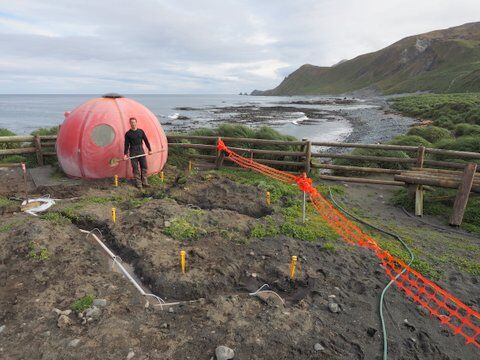
At Macquarie Island: nutrient management continued; and the air sparge array was relocated as planned.
At Davis Station: biopiles were sampled.
Related publications
-
Derivation of site-specific environmental quality guideline values for fuel-contaminated soils on sub-Antarctic Macquarie Island Integrated Environmental Assessment and Management, 2024
(Ref: 17162)
Authors:Category 1: Peer-reviewed literature
Accidental fuel spills associated with the storage, transfer, and use of diesel fuel for power generation have occurred on sub-Antarctic Macquarie Island since the establishment of the island's research station in 1948.
-
Urea amendment decouples nitrification in hydrocarbon contaminated Antarctic soil. Chemosphere, 2024
(Ref: 17067)
Authors:Category 1: Peer-reviewed literature
-
Environmental Protection of sub-Antarctic Macquarie Island: Derivation and application of site-specific Environmental Guidelines for soils at remediated fuel spill sites Society of Environmental Toxicology and Chemistry (SETAC) Australasia 2023 Conference, Source to Sink: Engaging with Stakeholders to Protect Our Environment, 7 – 10 August 2023, Townsville, Queensland, 2023
(Ref: 17018)
Authors:Category 3: Conference paper
To ensure effective restoration and environmental protection of fuel spill sites on Macquarie Island that have undergone remediation, the Australian Antarctic Division has developed site-specific Environmental Quality Guidelines and Remediation Targets.
-
Update on current initiatives for a more structured sample and data collection of environmental contamination in the Antarctic ATCM XLIV - CEP XXIV Berlin, Germany 23 May - 2 June 2022, Delegations of Germany, Italy, Australia, United Kingdom, United States of America and Sweden (AAD authors only listed), 2022
(Ref: 16978)
Authors:Category 2: International meeting papers
There is growing evidence that the Antarctic is increasingly exposed to chemical stressors. Antarctica is impacted by global issues such as climate change and long-range transport of chemicals. Furthermore, expanding tourism and research activities…
-
Utilization of—Omic technologies in cold climate hydrocarbon bioremediation: a text-mining approach Frontiers in Microbiology, 2023
(Ref: 16865)
Authors:Category 1: Peer-reviewed literature