
Project information
Project aim
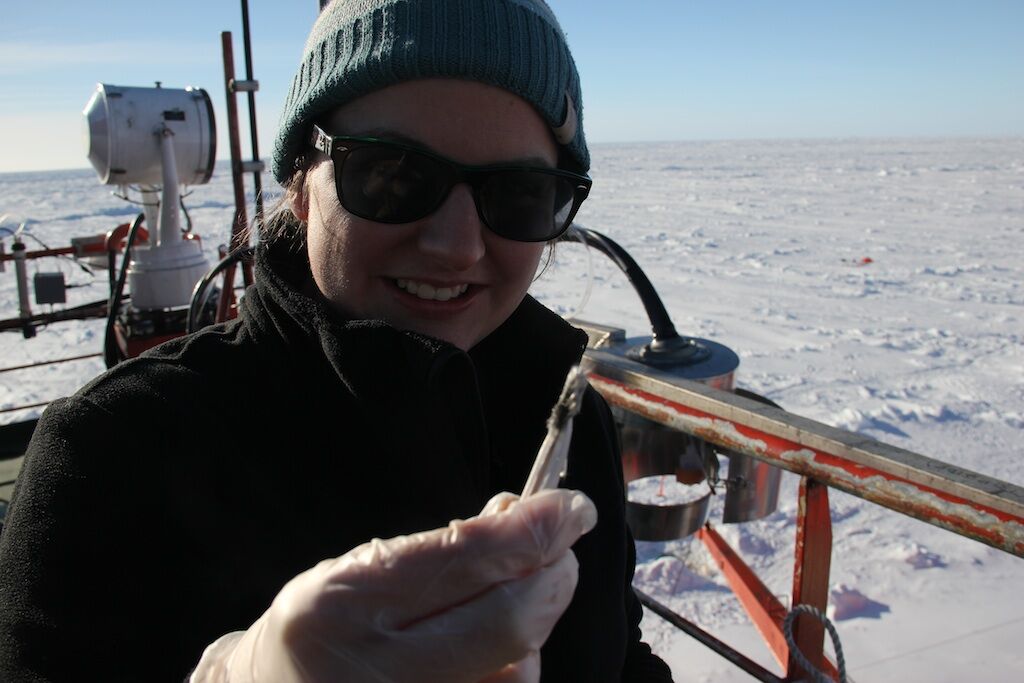
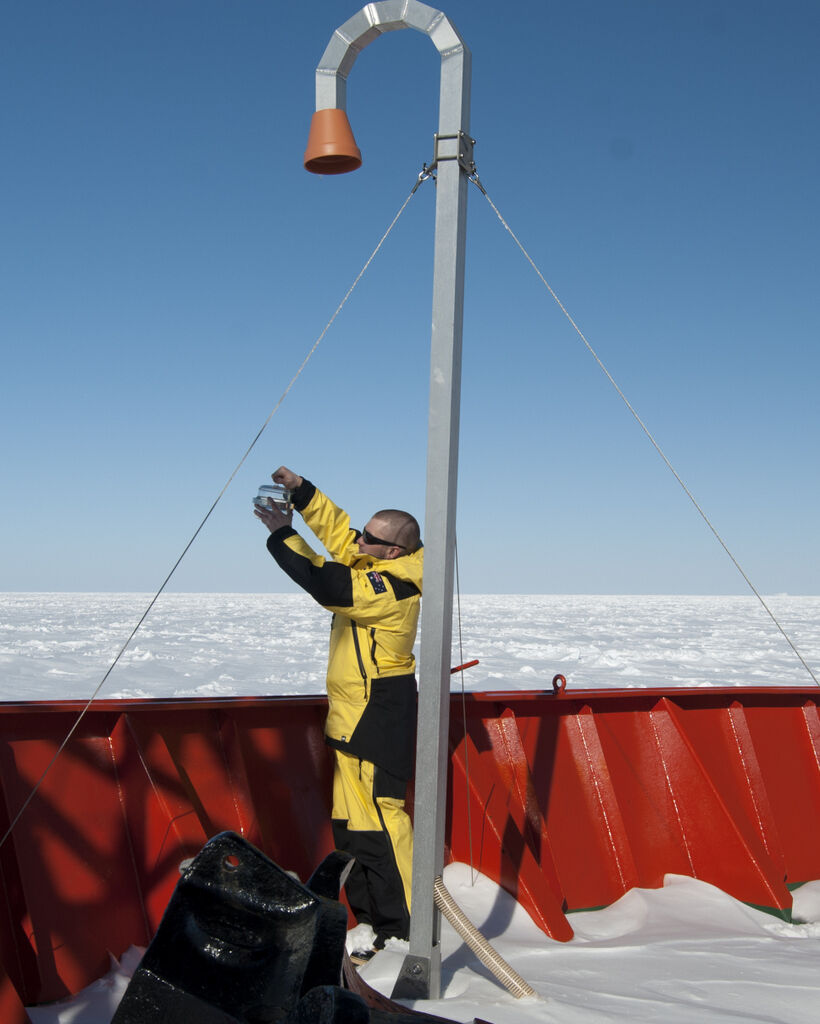
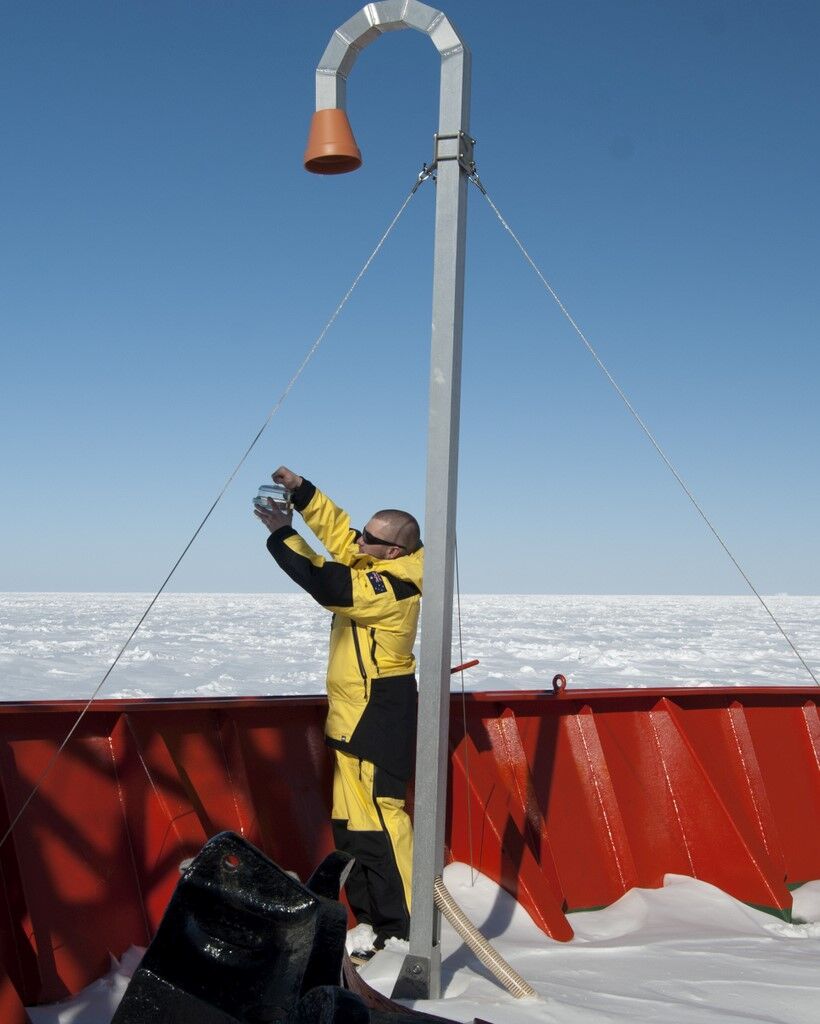
In the polar spring large quantities of highly reactive bromine radicals are released into the atmosphere, over the young - 1 year old - sea-ice. These bromine radicals destroy ozone and oxidize elemental mercury. Human activities have approximately doubled the amount of atmospheric mercury. By measuring atmospheric bromine, ozone and mercury (elemental, reactive) and the biological response in the sea-ice, this project aims for the first time to quantify the toxic mercury flux into the biosphere due to perturbed boundary layer chemistry in the Antarctic polar spring during SIPEX II.
Project milestones
Summary of the project achievements 2014/15
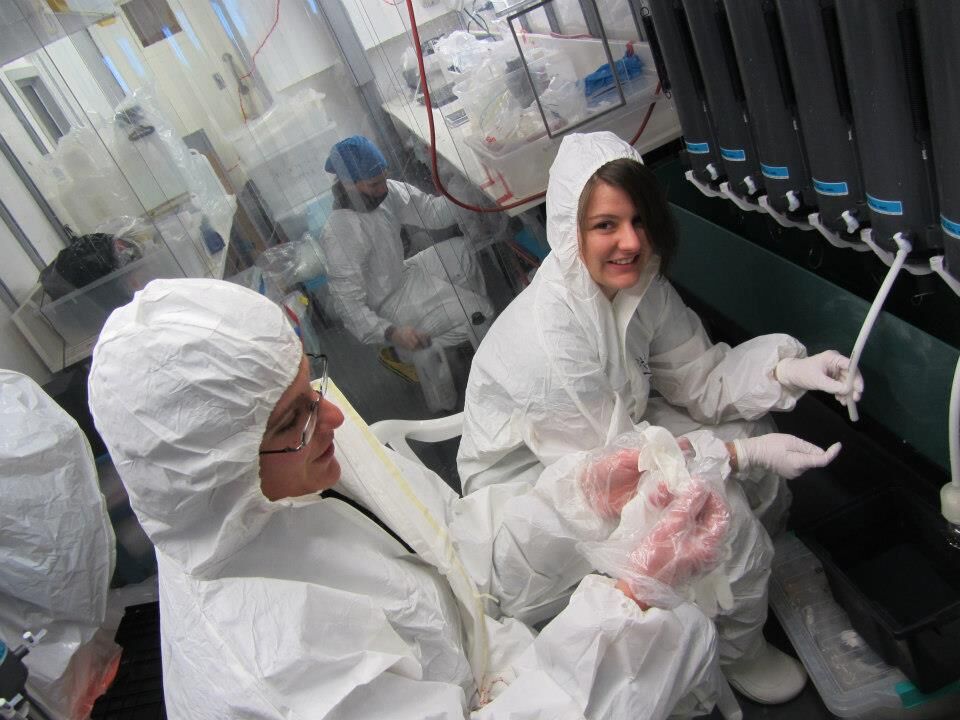
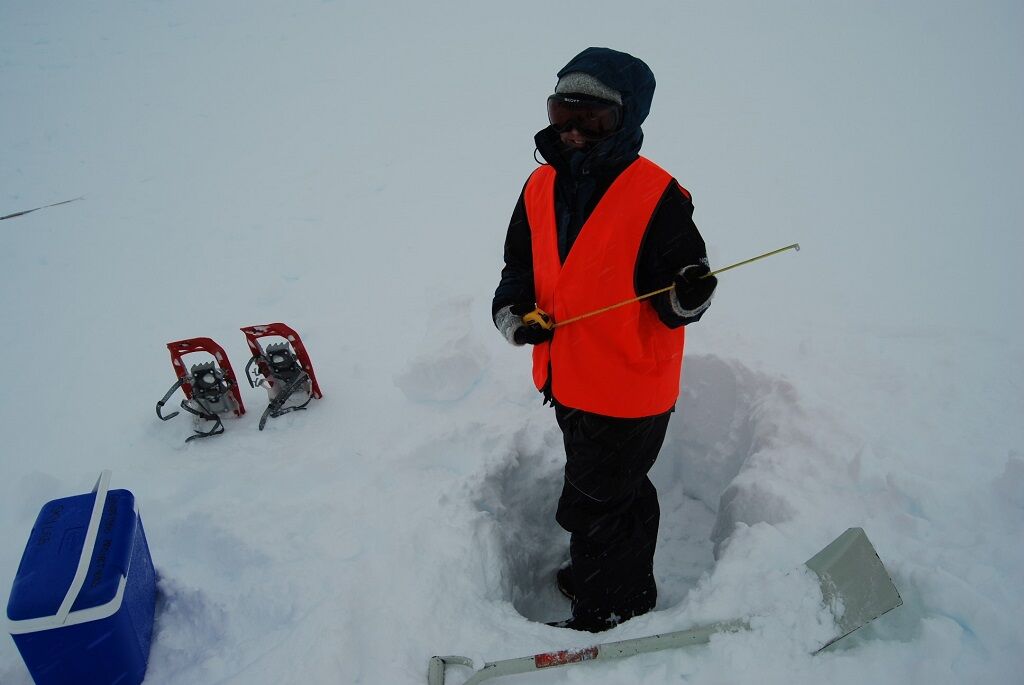
The most comprehensive atmospheric chemistry observations to date to understand springtime mercury depletion events in the Antarctic were made during the Sea Ice Physics and Ecosystems eXperiment of 2012. A suite of five atmospheric monitoring instruments measuring reactive bromine radicals, ozone, mercury, biogenic bromine and aerosols made almost continuous measurements over the 60 day voyage. Multiple mercury depletion and re-emission events were observed. Snow, sea-ice and ocean measurements of total- and methyl-mercury samples made at the 8 ice stations indicate an important role of microbial processing within the sea-ice. This unique and comprehensive dataset aided in efforts to understand the global biogeochemical cycle of mercury as a global pollutant. Scientific advances in our understanding of mercury in aerosol nucleation and the role of sea-ice in mercury methylation have been made. Also gas precursors from the sea-ice region were found to be crucial in determining the background aerosol concentrations over the southern ocean generally.
Summary of the season 2013/14
All datasets are archived in the AAD data centre, the first project of the 2013/2014 to reach this milestone. In all 9 datasets: 6 observational and 3 modelling products are available with digital object identifiers allocated that will be made public as soon as the planned publications are through the peer-review process. The scientific interpretation of the data is well underway, with the biogeochemical modelling showing some unexpected results challenging our understanding of the interaction between bromine, ozone and mercury in the atmosphere. Microbial community genetic sequencing of the snow and ice samples is commencing, with new collaborations with interests in iron and antibacterial functionality, to complement the mercury methylation gene expression information.
Summary of the season 2012/13
The most comprehensive atmospheric and hydrospheric observations to date to understand springtime mercury depletion events in the Antarctic were made during the Sea Ice Physics and Ecosystems eXperiment of 2012. A suite of five atmospheric monitoring instruments measuring reactive bromine radicals, ozone, mercury, biogenic bromine and aerosols made almost continuous measurements over the 60 day voyage. Multiple mercury depletion and re-emission events were observed. Snow, sea-ice and ocean measurements of total- and methyl-mercury samples made at the 8 ice stations indicate an important role of microbial processing within the sea-ice. This unique and comprehensive dataset promises to be invaluable for modelling efforts to understand the global biogeochemical cycle of mercury as a global pollutant.
Related publications
-
Microbial mercury methylation in Antarctic sea ice Nature Microbiology, 2016
(Ref: 15941)
Authors:Category 1: Peer-reviewed literature
-
Biogeochemical mercury cycling in sea ice and geothermal springs PhD Thesis, University of Melbourne, Melbourne, Australia, 2016
(Ref: 15942)
Authors:Category 3: Thesis, higher degree
-
Aerosol formation in the Antarctic Sea-Ice Region PhD Thesis, University of Wollongong, Wollongong, Australia, 2015
(Ref: 15757)
Authors:Category 3: Thesis, higher degree
-
Unexpectedly high ultrafine aerosol concentrations above East Antarctic sea ice Atmospheric Chemistry and Physics, 2016
(Ref: 15752)
Category 1: Peer-reviewed literature
Better characterisation of aerosol processes in pristine, natural environments, such as Antarctica, have recently been shown to lead to the largest reduction in uncertainties in our understanding of radiative forcing.
-
Atmospheric aerosol formation over East Antarctic sea ice – possible Hg catalysed nucleation? Atmospheric Composition & Chemistry Observations & Modelling Conference incorporating the Cape Grim Annual Science Meeting 2015, South Durras, Australia, 11-13 November 2015, 2015
(Ref: 15735)
Authors:Category 3: Conference paper
Aerosol observations above the Southern Ocean and Antarctic sea ice are scarce. Measurements of aerosols and atmospheric composition were made in East Antarctic pack ice on-board the Australian icebreaker Aurora Australis during the spring of 2012.