
Project information
Project aim
We will examine ecosystem-wide stability of microbial communities in several marine derived lakes in the Vestfold Hills. Our studies to date reveal that the communities are very delicate. Indications are that environmental perturbation, including climate change may prevent the communities from recovering, thereby altering the lake biogeochemistry forever. We propose to monitor the microbial communities in the lakes throughout a complete annual cycle so that we can learn about the intra- and inter-annual dynamics of the communities, and predict how they will respond to ecosystem change.
Project milestones
Summary of the season 2013/14
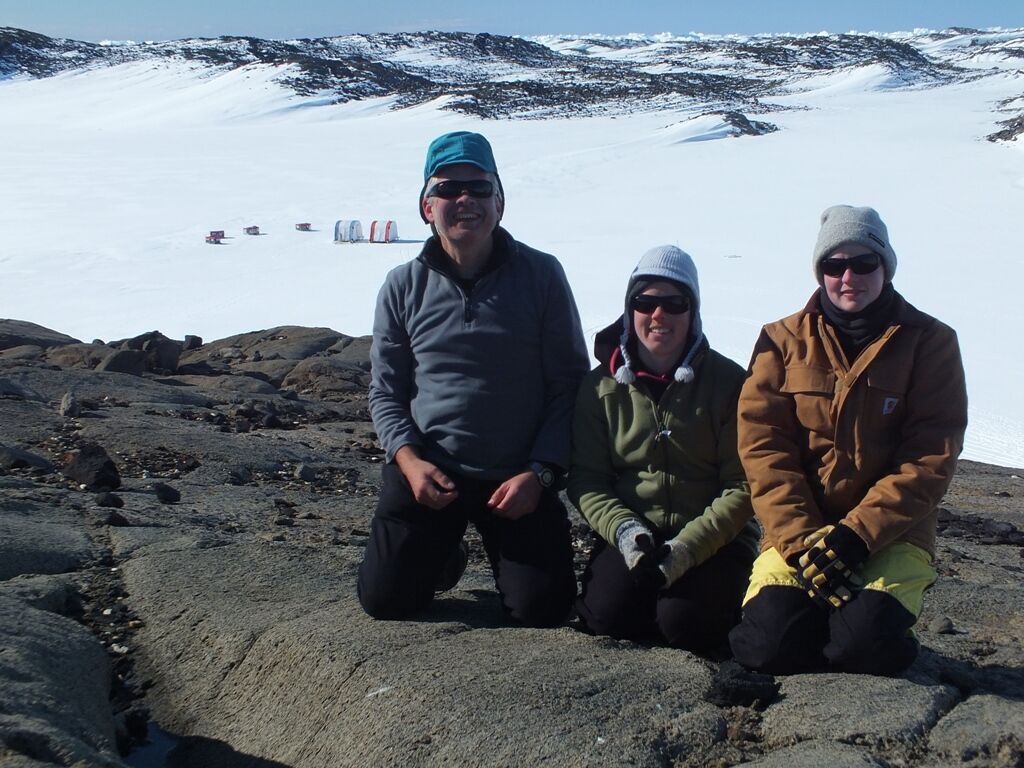
The project seeks to determine what aquatic microbes do season by season, year after year in Antarctica by base-lining, monitoring and defining the effects of polar environmental variables on microbial diversity & interactions, and ecosystem function & stability. The project will determine how microbial communities change throughout a complete annual cycle in three climate sensitive, 3,000 – 5,000 year old, marine-derived Antarctic lakes (Ace Lake, Organic Lake and Deep Lake) and a near-shore marine site. Additionally, the project will determine the microbial diversity present across a large suite of lakes in order to determine if specific species dominate Antarctic saline systems. By establishing what the microorganisms do in different seasons we will learn which microbial processes change and how environmental perturbation will impact on normal ecological cycles in the Antarctic. By canvassing diversity and assessing dominance we will learn about the factors that control the evolution and speciation of marine-derived communities in cold environments.
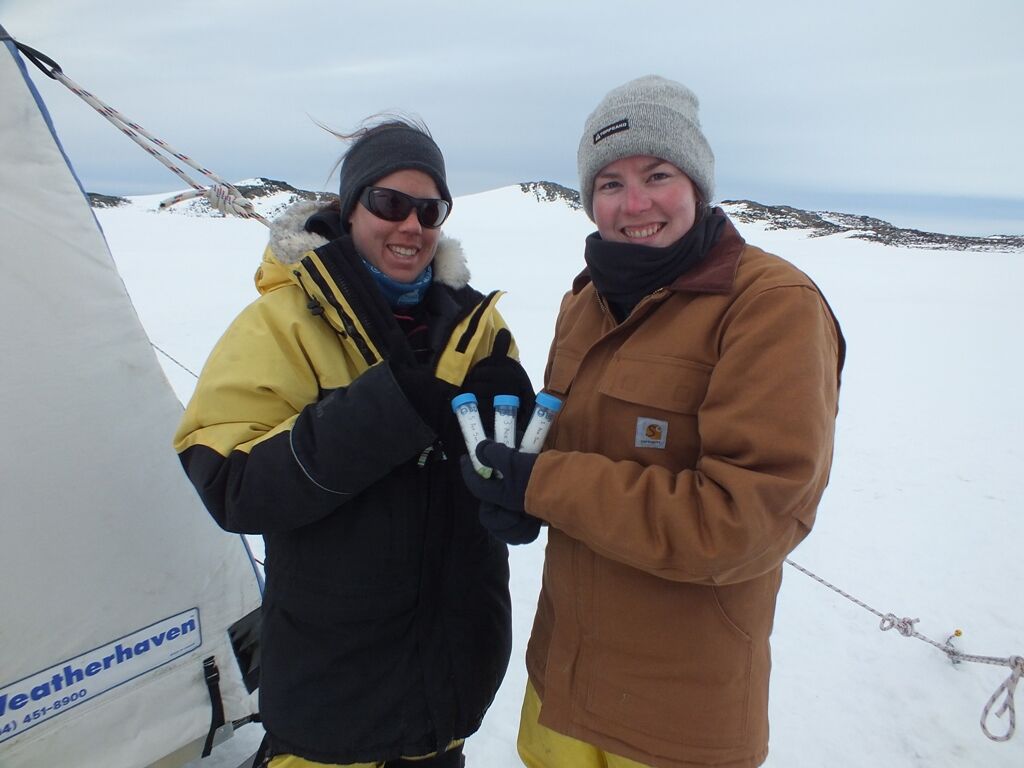
To date, samples have been obtained from the target systems from November 2013, and will continue to be collected throughout winter until about February 2015. The ongoing expedition provides a unique opportunity for the scientific community and the public to gain insight into the ways in which microorganisms have adapted to the biotic and abiotic factors that control their growth and survival in Antarctica. Achieving this is particularly important in view of the enormous contribution cold environments make to the biosphere (~85%), their susceptibility to ecosystem change, and the lack of knowledge we presently have about how the resident microbial communities drive critical biogeochemical processes (e.g. carbon cycle) that help to maintain the planet in a habitable state.
Related publications
-
Report on exploratory fishing in Divisions 58.4.1 and 58.4.2 between the 2011/12 and 2020/21 fishing seasons CCAMLR Working Group on Fish Stock Assessment - Virtual Meeting, 13 to 20 September 2021, 2021
(Ref: 16744)
Authors:Category 2: International meeting papers
Robust stock assessments and catch limits for Dissostichus mawsoni according to CCAMLR decision rules remain to be determined for Divisions 58.4.1 and 58.4.2. Precautionary management arrangements are in place as set out in Conservation Measures 41-11 and 41-05. WG-FSA-16/29, WG-FSA-18/59…
-
A plasmid from an Antarctic haloarchaeon uses specialized membrane vesicles to disseminate and infect plasmid-free cells Nature Microbiology, 2017
(Ref: 15940)
Category 1: Peer-reviewed literature
-
Microbial ecology of Antarctic aquatic systems Nature Reviews Microbiology, 2015
(Ref: 15613)
Authors:Category 1: Peer-reviewed literature