

Project information
Project aim
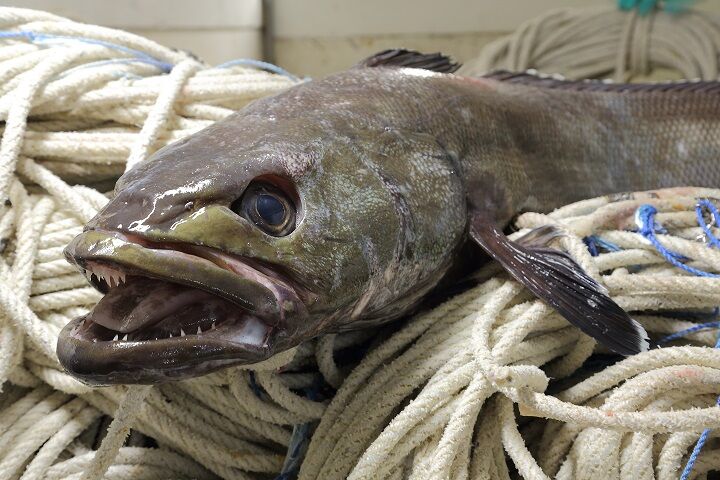
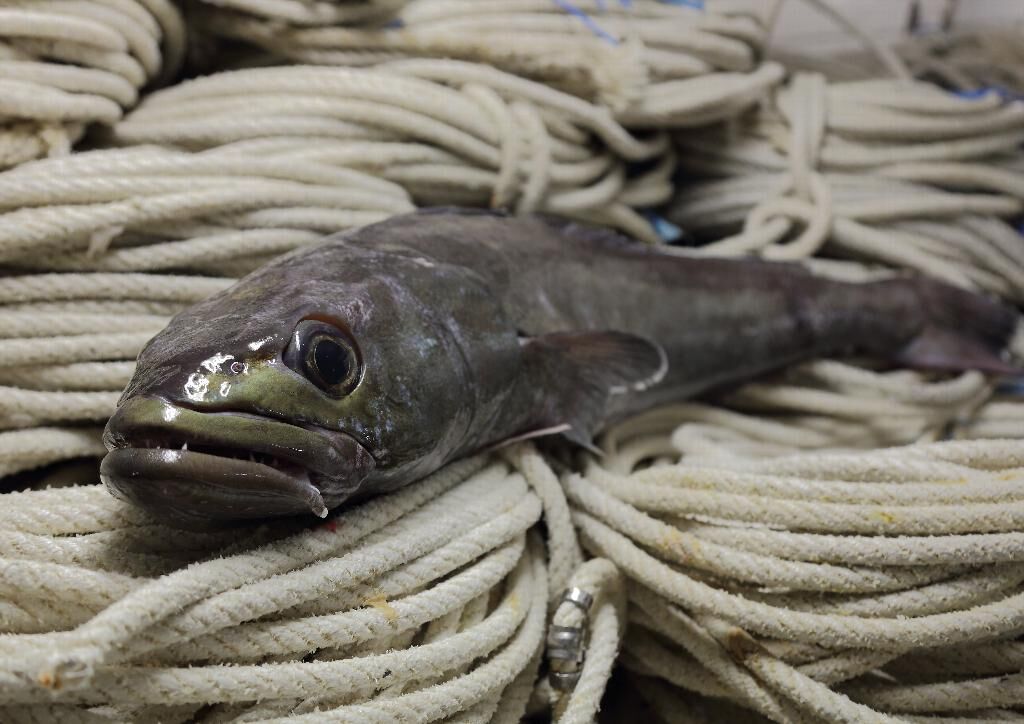
To ensure the ecological sustainability of fisheries, management decisions must be based on clear, operational objectives and reliable assessment methods that are robust against uncertainties in our understanding of how the ecosystem functions, measurement error and natural variation. This project aims to support data collection and stock assessments to evaluate the sustainability of fisheries in the Indian Ocean sector of the Southern Ocean, including the Patagonian toothfish and mackerel icefish fisheries at Heard Island the McDonald Islands and exploratory toothfish fisheries in the AAT.
Project milestones
Summary of the project achievements 2018/19
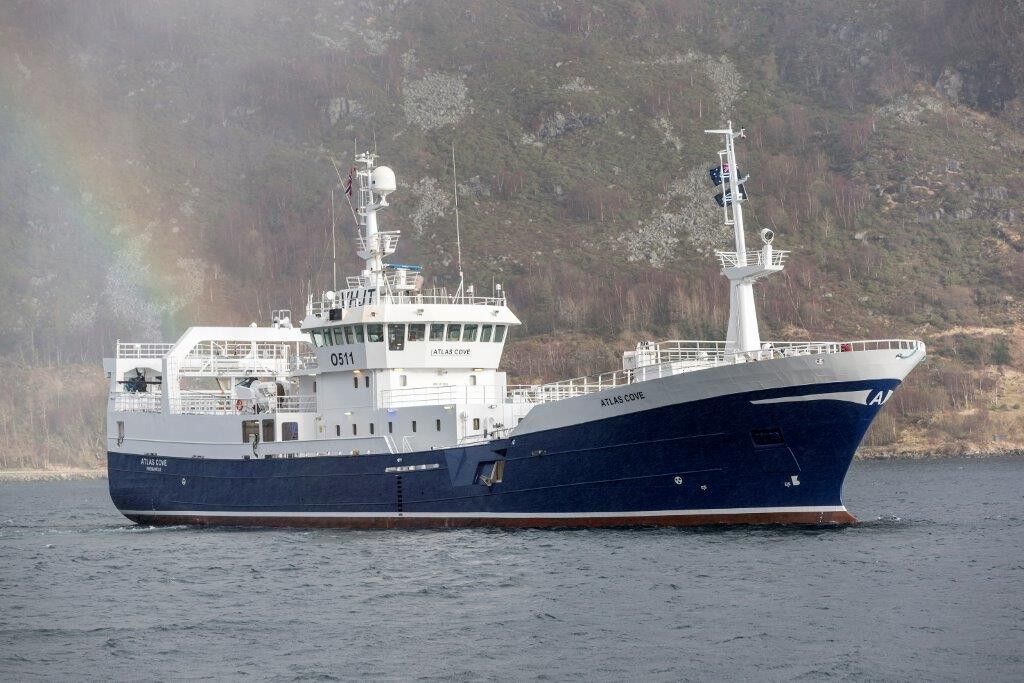
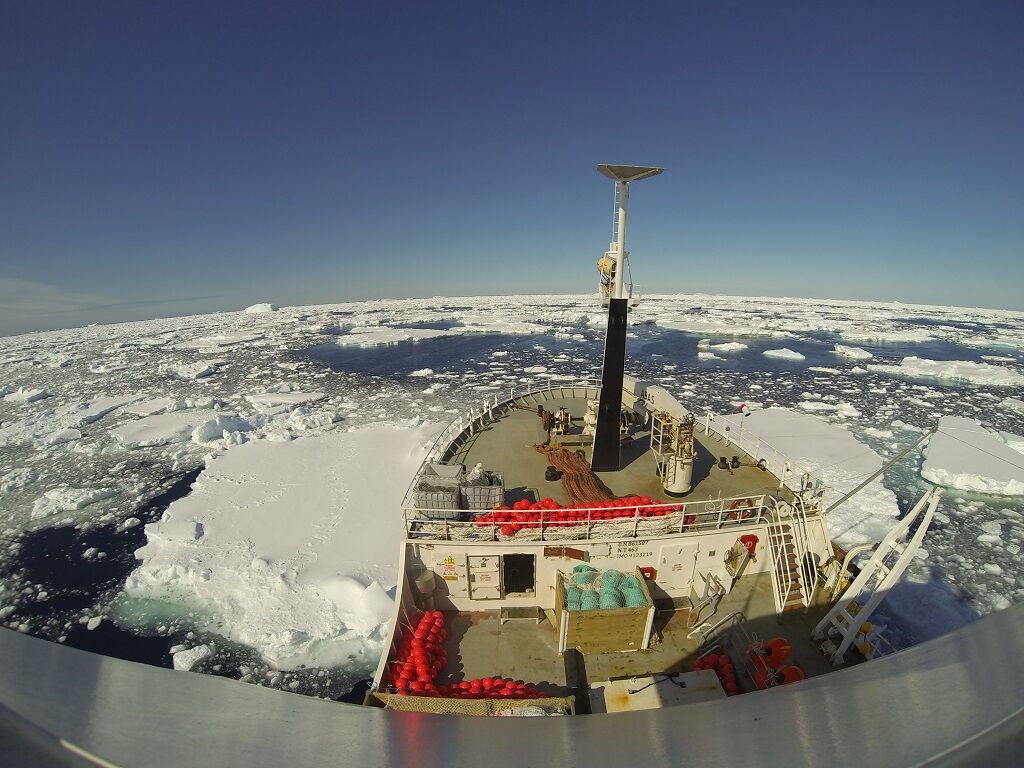
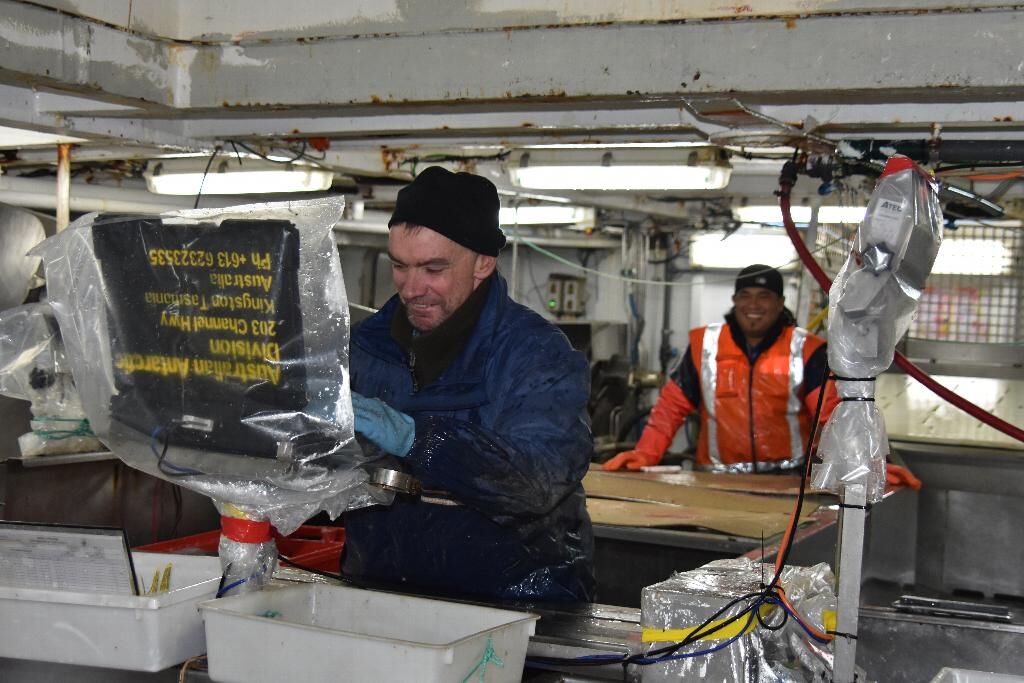
Highlights of the past season include fisheries research conducted aboard an Australian flagged longline vessel off East Antarctica as part of a multi-national project. Based on the extensive sampling program which has been in place for some years in this area, a draft stock assessment for Antarctic toothfish in East Antarctica was developed for the first time. A new multi-member project plan was also submitted to CCAMLR to continue the data collection and work towards a better understanding of the toothfish stock distribution and abundance.
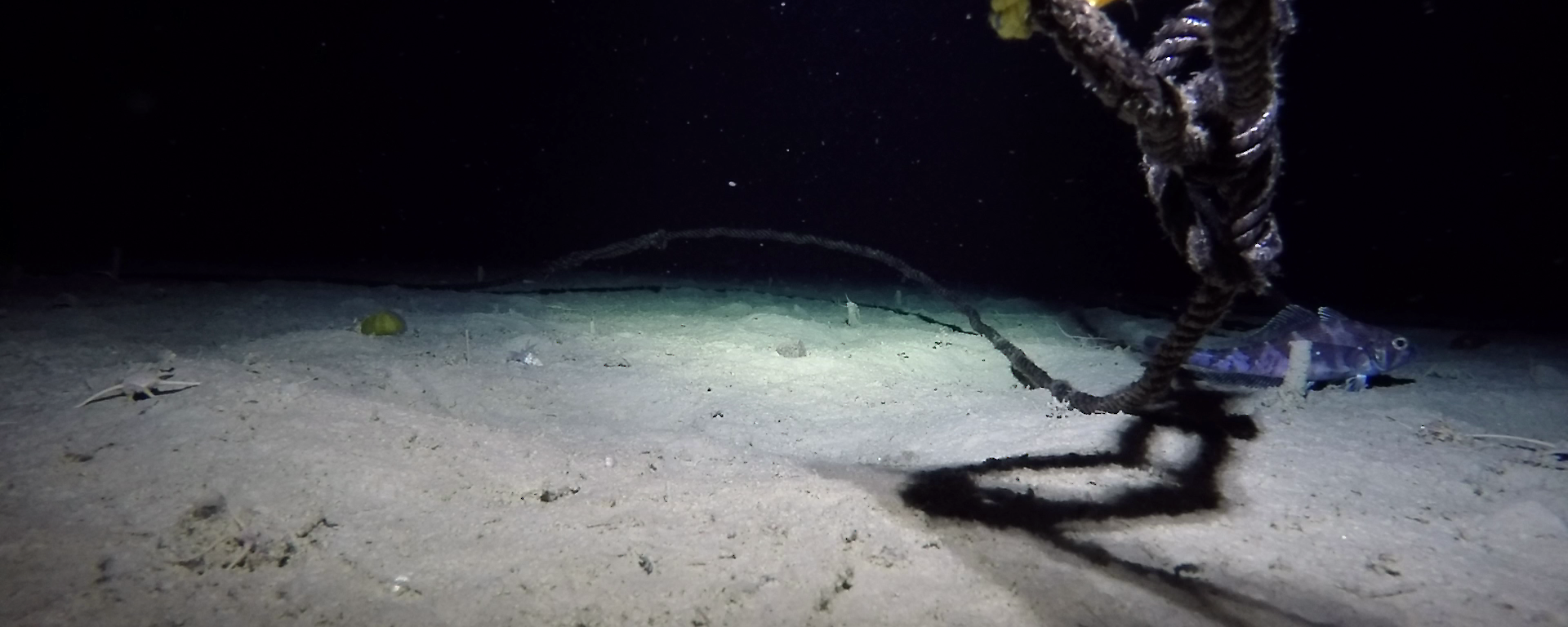
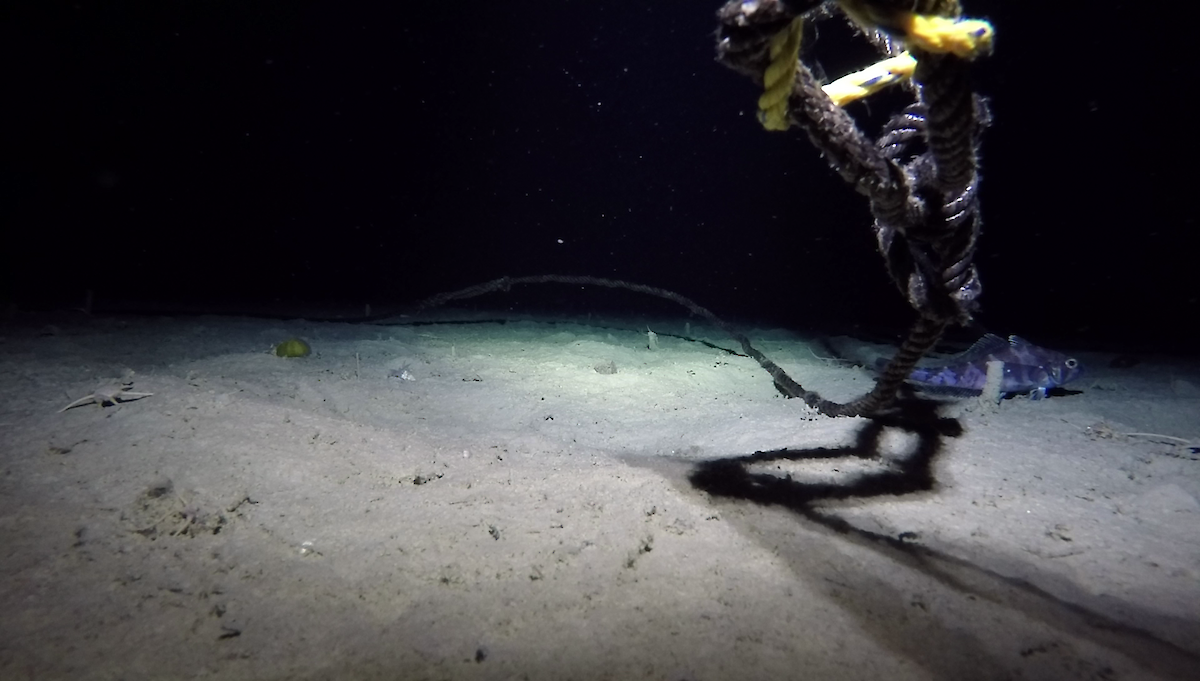
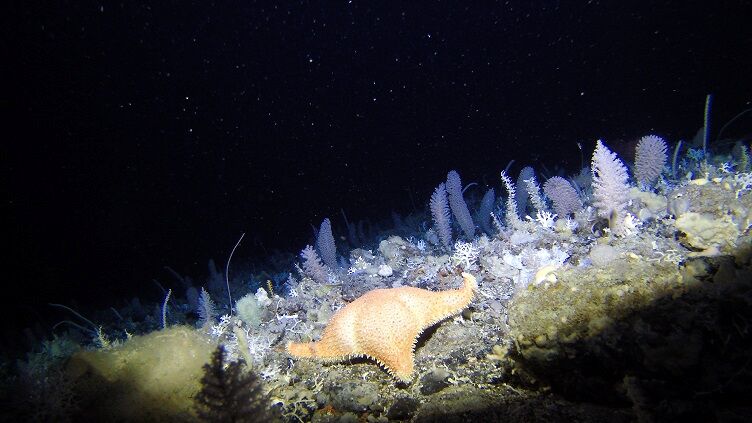
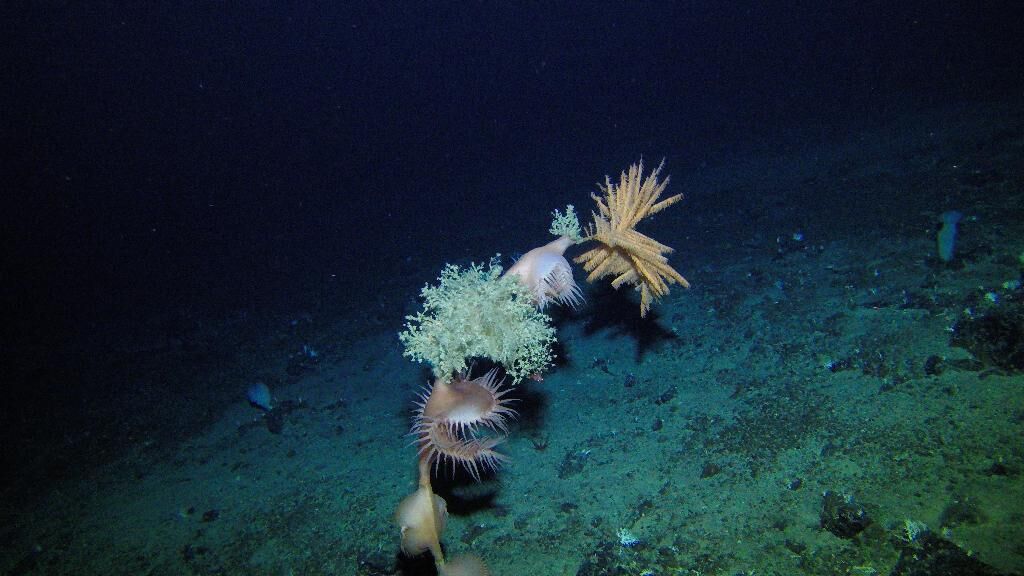
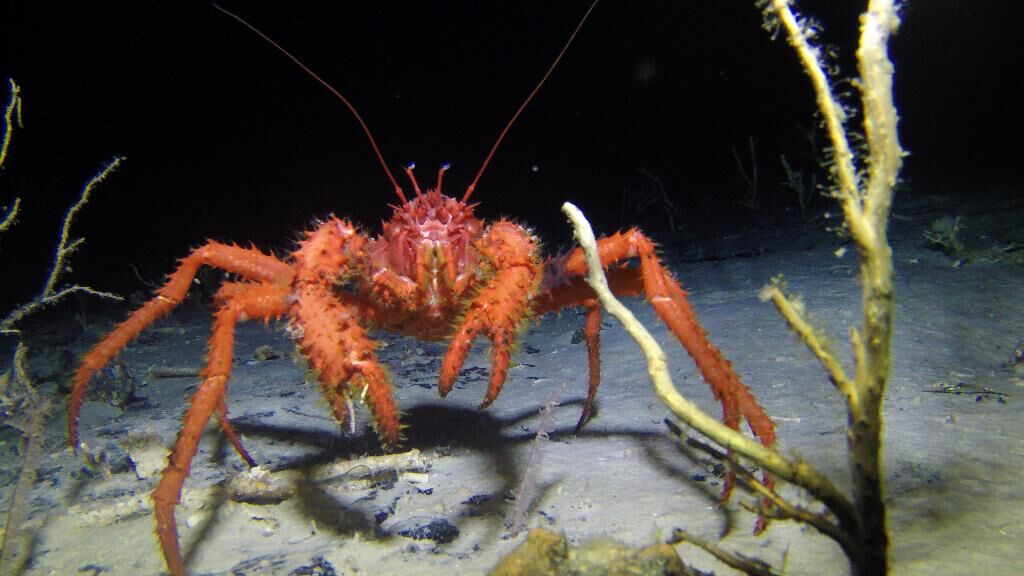
The deployment of the newly designed compact underwater cameras resulted in new insights on species found on the seafloor down to 3000m depth.The collection and analysis of genetic samples of Antarctic toothfish from a wide range of locations in the Southern Ocean indicated little population structuring. CCAMLR also reviewed and endorsed updated assessments of mackerel icefish at Heard Island and McDonald Islands conducted by the project team.
Summary of the season 2017/18
Since the commencement of this project, activities by Australian fishing companies have expanded dramatically, so that Australia has one of the largest fleets that fishes from the Amundsen Sea to East Antarctica, and in the Australian Exclusive Economic Zones around Macquarie Island and Heard Island and the McDonald Islands. The AAD and the companies active in these fisheries have consequently entered into a collaborative deed that makes a substantial contribution to expanded need for data collection and research supporting the ecologically sustainability of these fisheries.
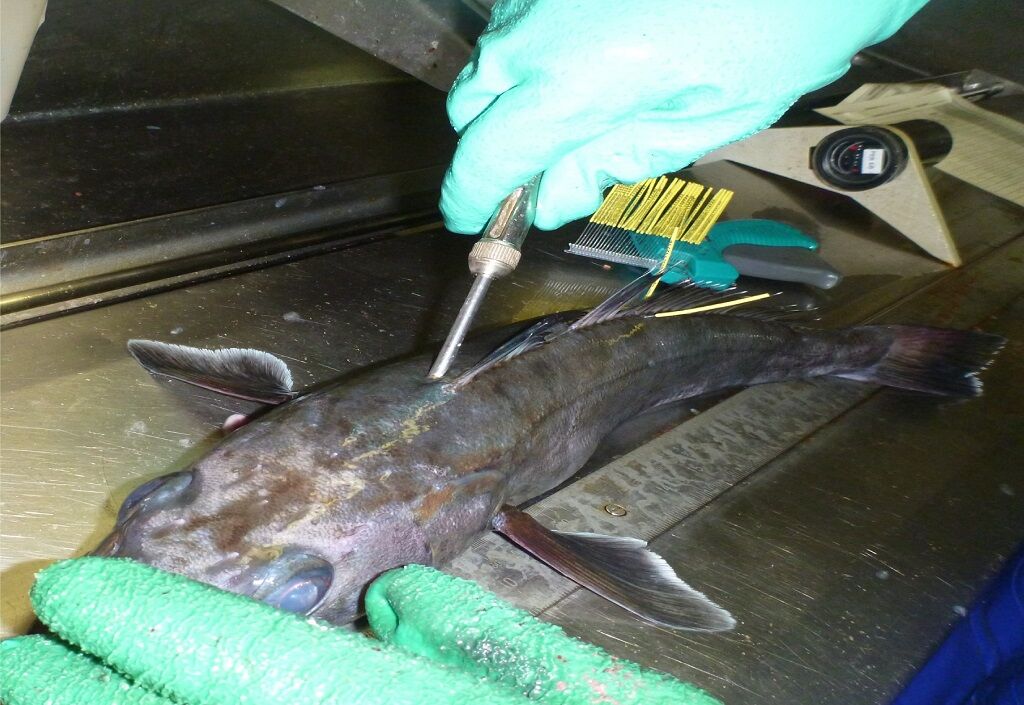
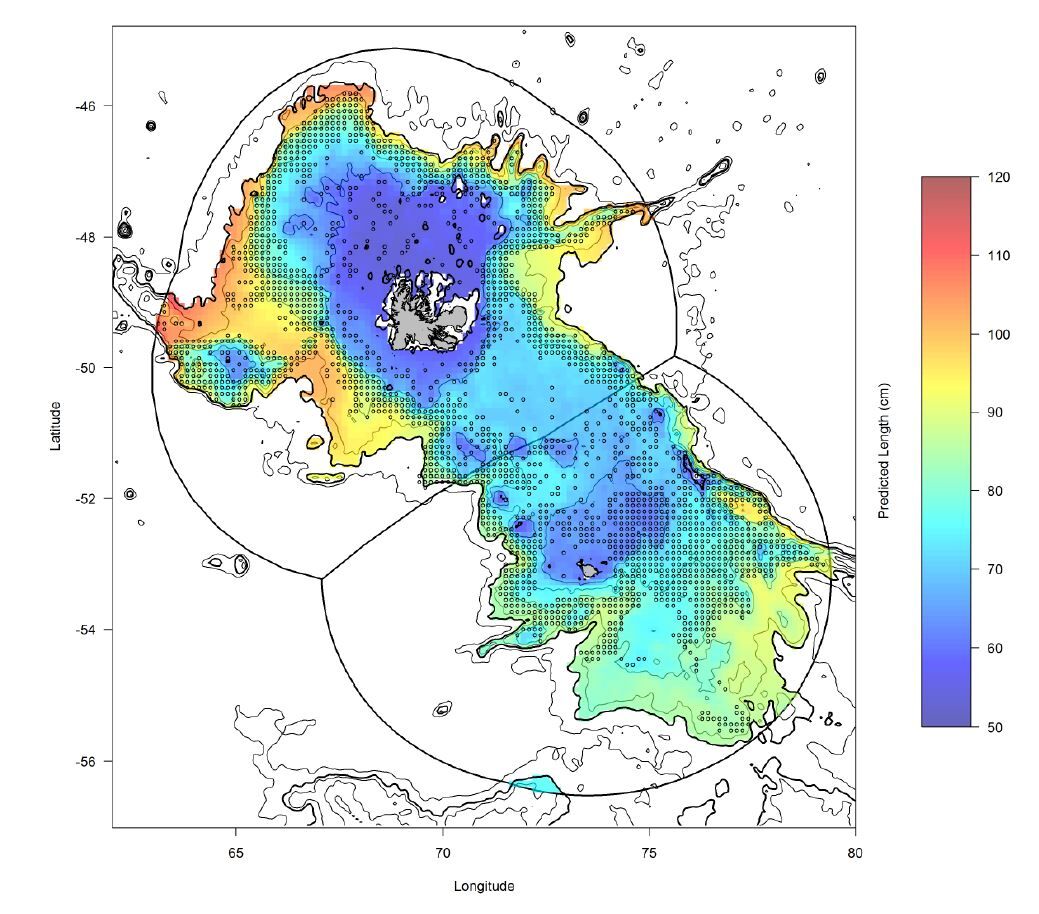
Highlights of the past season include research conducted aboard an Australian flagged longline vessel that fished off East Antarctica as part of a multi-national project. This vessel collected biological fish samples and deployed newly designed compact cameras that are able to capture images of the seafloor down to 3000m depth. For the first time, a detailed habitat model for Antarctic toothfish in East Antarctica was developed that helps to identify important spawning and recruitment areas for this species. Another highlight was the collection of genetic samples to determine Antarctic toothfish stock boundaries and linkages in the Southern Ocean. CCAMLR also reviewed and endorsed updated assessments of Patagonian toothfish and mackerel icefish at Heard Island and McDonald Islands conducted by the project team.
Summary of the season 2015/16
Since the commencement of this project, activities by Australian fishing companies have expanded dramatically, so that Australia has one of the largest fleets that fishes from the Amundsen Sea to East Antarctica, and in the Australian Exclusive Economic Zones around Macquarie Island and Heard Island and the McDonald Islands. The AAD and the companies active in these fisheries have consequently entered into a collaborative deed that makes a substantial contribution to expanded need for data collection and research supporting the ecologically sustainability of these fisheries. Highlights of the past season include research conducted aboard the first Australian flagged longline vessel to fishing off East Antarctica. This vessel deployed newly designed compact cameras that are able to capture images of the seafloor down to 3000m depth. Another highlight was work on the grenadiers (Macrourids), which are an important at bycatch in the toothfish fishery. Scrutiny of samples collected by observers at sea revealed that a recently described species is also present at Heard Island. Data collected on this group in the 2015 trawl survey allowed the first quantitative assessment of grenadiers since 1998, and lead to CCAMLR agreement to revise the levels of bycatch of these species. CCAMLR also reviewed and endorsed an updated assessment of toothfish at Heard Island and the McDonald Islands conducted by the project team.
Summary of the season 2014/15
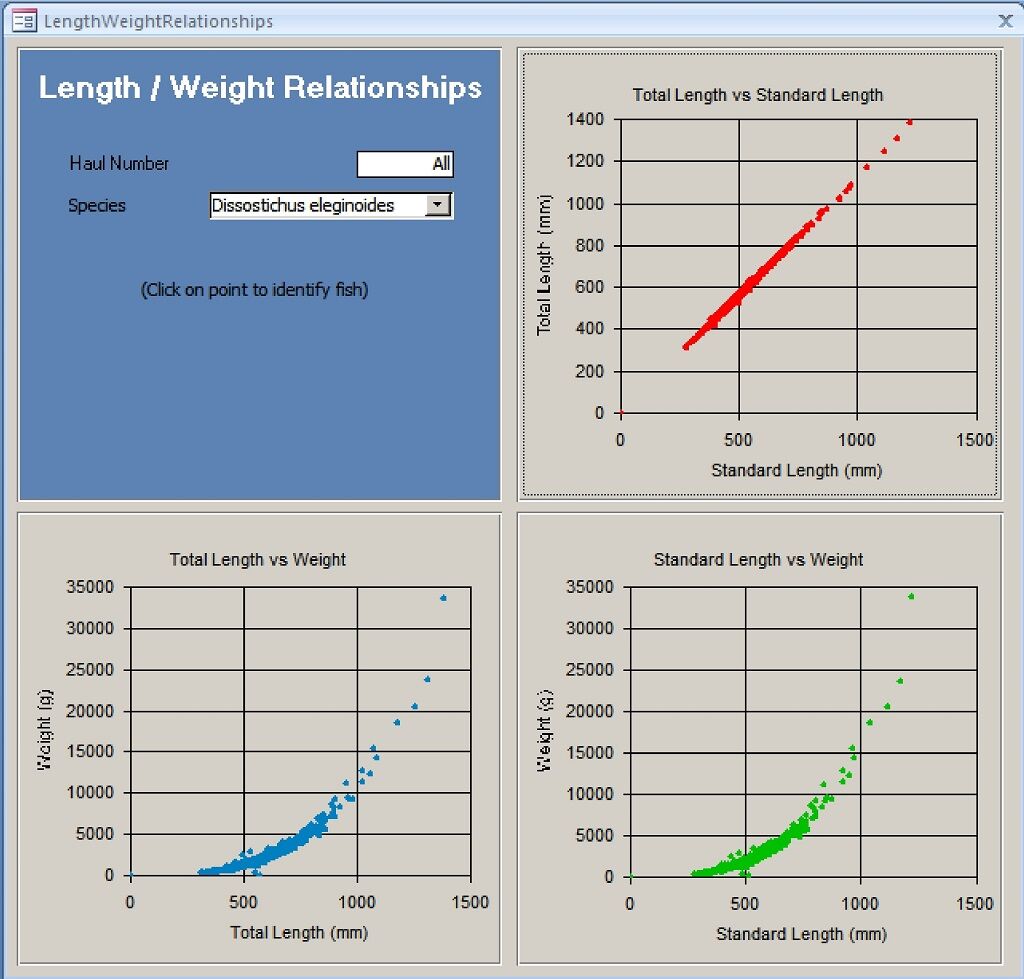
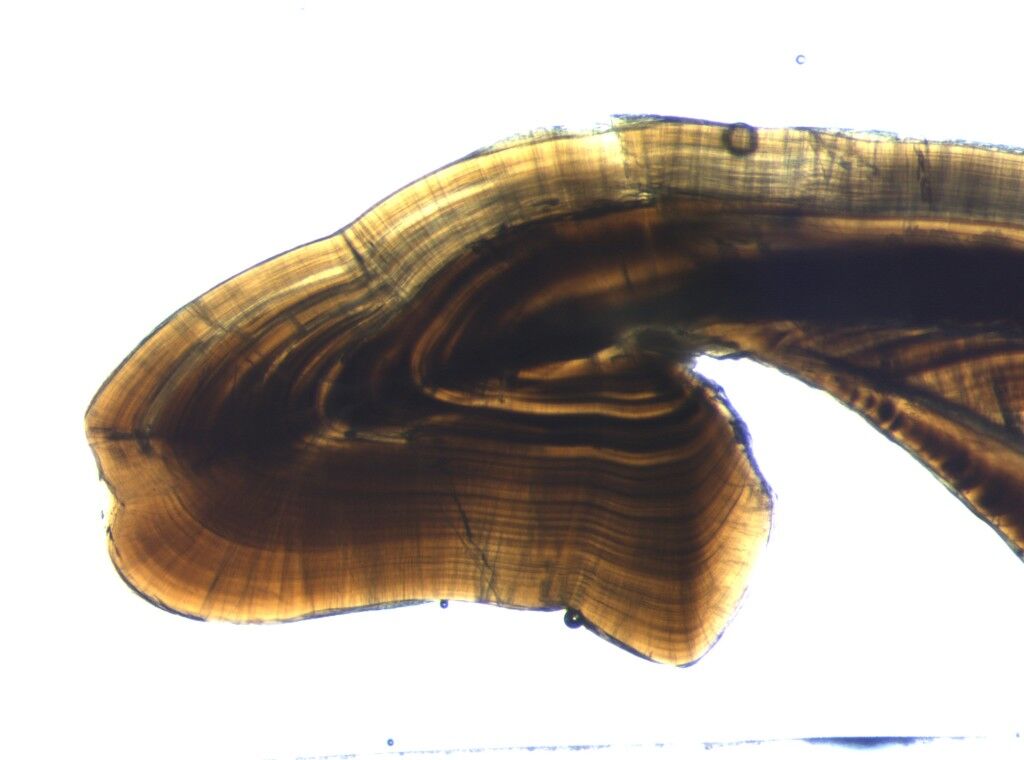
The project is progressing as planned, and continuing to deliver important outcomes. Significantly, after criticism by CCAMLR of Australia's toothfish assessment in 2013, the CCAMLR Scientific Committee and Commission in 2014 congratulated Australia on the quality of science it provided to support the fishery at Heard Island and McDonald Islands. It further endorsed an increase in the catch limit, as reanalysis of trawl survey results indicated that previous assessments underestimated the productivity of the stock. Summer of 2014/15 also saw the first Australian flagged longline vessel fishing in the Amundsen Sea, and the project team provided data capture equipment and observer support for this operation. The project team members employed using FRDC money have also made a substantial contribution to the project. Over 2100 toothfish otoliths were processed and aged over the last year for use in the updated stock assessment at HIMI. The resulting dataset significantly improved the estimates of size at age for fish over 20 years old, and established that fish of up to 40 years old are caught in the longline fishery at Heard Island. A Kerguelen Plateau workshop held in Paris in in April 2015 also saw the development of the first plateau wide habitat models for toothfish in the region.
Summary of the season 2013/14
The project is progressing as planned. Analyses of data collected from fishing activities by Australian fishing vessels at Heard Island and the McDonald Islands has been presented to the Subantarctic Resource Assessment Group and the CCAMLR Working Group for Fish Stock Assessment and were used to develop revised management advice for these fisheries. A major external grant associated with this project has concluded, providing an evaluation of the impacts of bottom fishing inside the Australian EEZ, indicating that the current scale of fishing is unlikely to be casing significant damage to vulnerable habitats or species living on the seafloor. The project team has also secured a significant external grant to look at age structure and movement of toothfish across the Kerguelen Plateau and their impacts on assessing sustainable catch limits in the region.
Summary of the season 2012/13
The project is progressing as planned. Analyses of data collected from fishing activities by Australian fishing vessels at Heard Island and the McDonald Islands has been presented to the Subantarctic Resource Assessment Group and the CCAMLR Working Group for Fish Stock Assessment and were used to develop revised catch limits for mackerel icefish. Work to develop novel spatial modelling approaches to assist with assessing Patagonian toothfish across the Kerguelen Plateau and developing updated assessment of the status on trends in by-catch species are also progressing.
Related publications
-
Continuing research in the Dissostichus mawsoni exploratory fishery in East Antarctica (Divisions 58.4.1 and 58.4.2) from 2018/19 to 2021/22; Research plan under CM 21-02, paragraph 6(iii) CCAMLR Working Group on Statistics, Assessments and Modelling - Virtual Meeting, 28 June to 2 July 2021. Delegations of Australia, France, Japan, Republic of Korea and Spain (only AAD authors listed), 2022
(Ref: 16951)
Authors:Category 2: International meeting papers
Recommendations … (1) That this research plan with a revised sampling design within six existing research blocks in Division 58.4.1 and one existing research block in Division 58.4.2 be adopted. (2) If directed fishing was not allowed in Division 58.4.1 in 2021/22…
-
Report on exploratory fishing in Divisions 58.4.1 and 58.4.2 between fishing seasons 2011/12 and 2021/22 CCAMLR Working Group on Statistics, Assessments and Modelling - Virtual Meeting, 27 June to 1 July 2022, 2022
(Ref: 16940)
Authors:Category 2: International meeting papers
Exploratory fishing for Antarctic toothfish (Dissostichus mawsoni) in East Antarctica (Divisions 58.4.1 and 58.4.2) began in 2003. While preliminary integrated stock assessments have been developed for these Divisions…
-
Using satellite altimetry to inform hypotheses of transport of early life stage of Patagonian toothfish on the Kerguelen Plateau. Ecological Modelling, 340, 2016
(Ref: 16106)
Category 1: Peer-reviewed literature
-
Method for rapidly assessing spatial scale of interactions of fishing gear with habitats and Antarctic marine living resources CCAMLR Working Group on Fish Stock Assessment WG-FSA-15/62 Rev. 1, 2015
(Ref: 15833)
Category 2: International meeting papers
-
Biology, population dynamics and preliminary assessment of the long-term yield of Macrourus caml by-caught by the Australian fishery at Heard Island and the McDonald Islands (CCAMLR Division 58.5.2) CCAMLR Working Group on Fish Stock Assessment WG-FSA-15/63, 2015
(Ref: 15834)
Category 2: International meeting papers