

Project information
Project aim
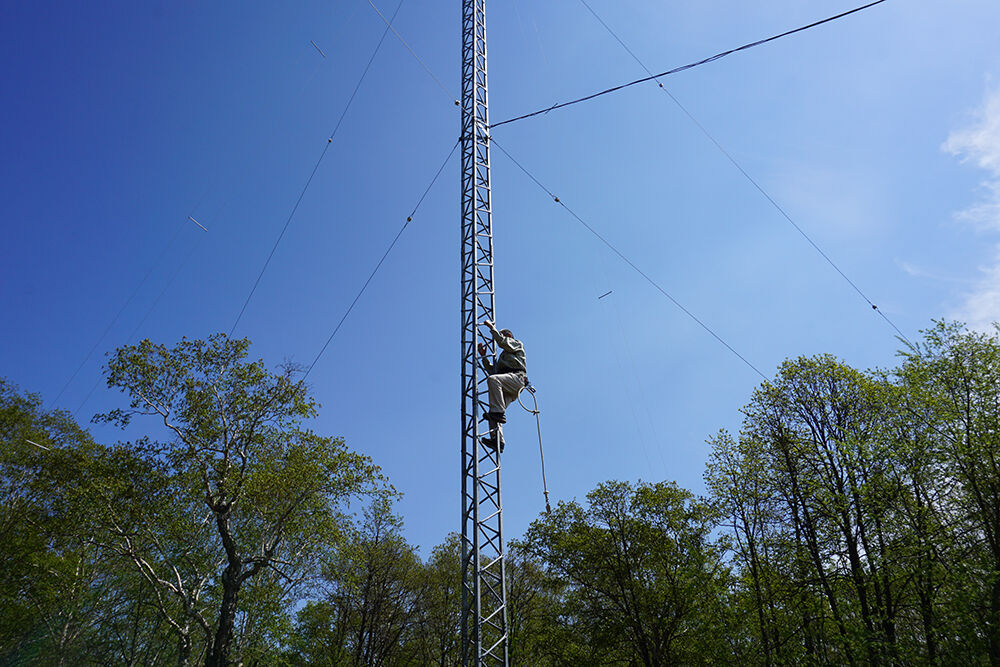
SERC, Kyushu University, has deployed MAGDAS magnetometers at 57 stations along the 210- and 96-degree magnetic meridians (MM) and the magnetic Dip equator, and three FM-CW radars along the 210o MM during the Years 2005 through 2011. The scientific objective of the MAGDAS Project is to understand the Sun-Earth couplings from the solar surface to the Earth's lithosphere for study on space weather and space climate. Data from AAD stations at Davis (in Antarctica) and at Macquarie Island are very important for this project. Hence, we wish to continue magnetic observation at these two stations.

Project milestones
Summary of the project achievements 2020/21
The number of geomagnetic stations in the southern hemisphere is relatively smaller than that in the northern hemisphere. Especially the asymmetry is remarkable in the high-latitude region. It is worth operating magnetometer system in southern hemisphere especially in the high-latitudes. We have been able to obtain southern hemispheric magnetic data for many years in this project. Macquarie Island and Davis station will celebrate the 30th and 15th anniversary next year. Such valuable data were used for space weather research and monitoring, education, capacity building and outreach activities. It is expected that the long-term accumulated data will be used for future study, e.g. space climatology, either. All of the data were registered in the MAGDAS/CPMN database, and provided to many end users through many channels such as the MAGDAS PI of Kyushu University, SuperMAG project, ERG(Arase) project, IUGONET project, and so on. Those provided data were widely utilised in the research community.
Our main goal of this project is to collect long-term data for the research of Space Weather and Space Climatology. We collected ten continuous year data of Davis station in this project time, although we had system trouble at Macquarie station in the later years of this project. Fortunately, we made multi-stations operation in this project, so we successfully made achievement against objective of this project. The data of these stations were in high quality that enables to analyze even for micro-pulsation phenomena. We faced the GPS roll-over issue at Davis station in the later years of this project. This issue was not significant, however, we need to maintain magnetometer system at both Davis and Macquarie station for future project.
Summary of the season 2020/21
Our main goal of this project is to collect long-term data for the research of Space Weather and Space Climatology. We successfully obtained continuous data of Davis station in this project year, although we still had system trouble at Macquarie station. Fortunately, we made multi-stations operation in this project, so we successfully made achievement against objective of this project. We have still faced the GPS roll-over issue at Davis station since 2019. This issue is not significant, however, we need to maintain magnetometer system both Davis and Macquarie station for future project.
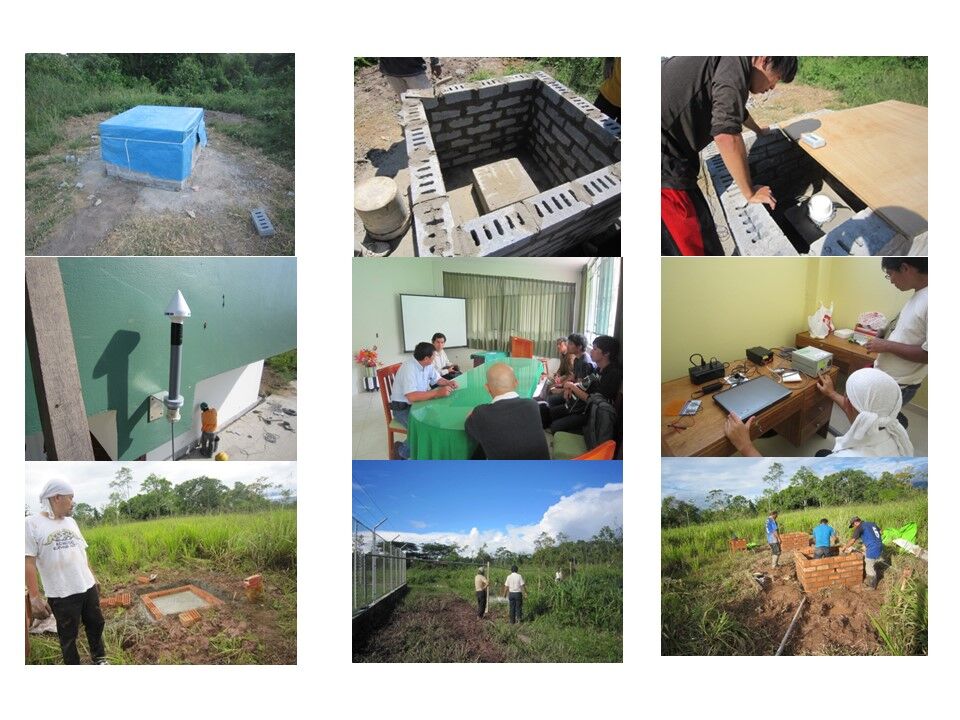
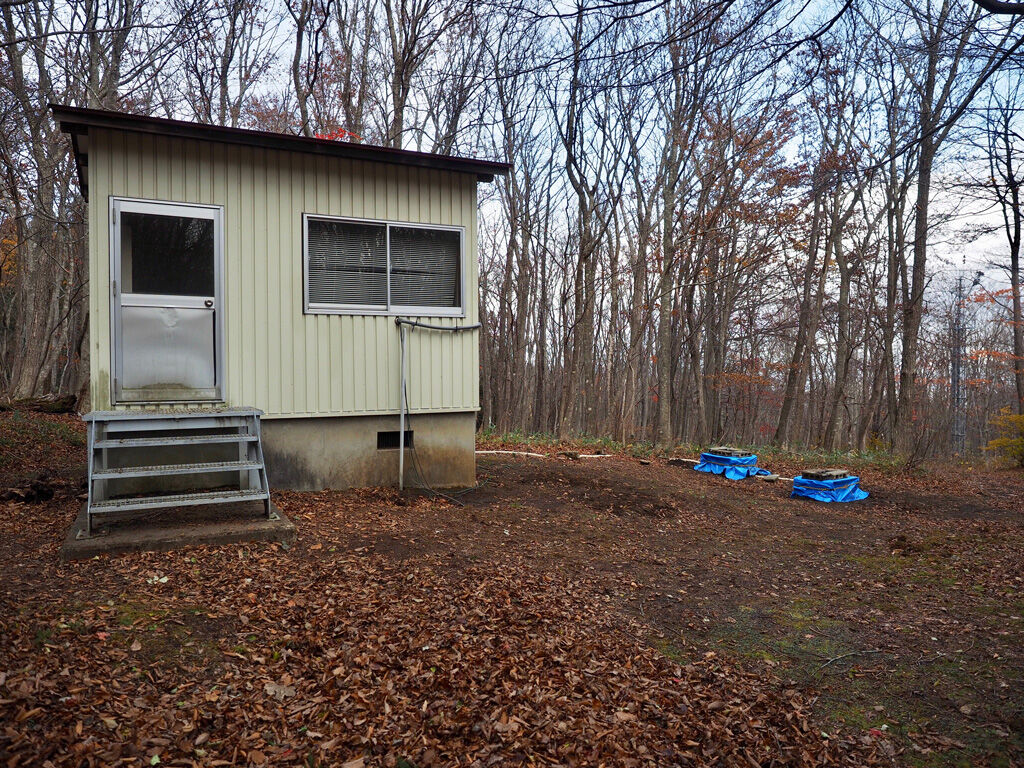
Our MAGDAS project activities were mostly restricted due to COVID-19 pandemic situation. However, we made some achievements this season. One of those, we finished installation at MAGDAS Zao station (ZAO) in March 2020. This is the latest MAGDAS station. We built ZAO station because historical magnetic station Onagawa (ONW), which was built in 1947, was closed in March 2021, and thus, we needed to construct new station near ONW as the succession. We successfully transferred the MAGDAS operation from ONW to ZAO in this project year.
Summary of the season 2017/18
MAGDAS (the observational project of ICSWSE. Kyushu University) magnetometer data from AAD stations at Davis (Antarctica) and Macquarie Island are continuously being used as the essential observational data by our scientific members and students. The most important progress of the season 2017/2018 is that we expanded our equatorial magnetometer network. We opened new observation site in Sabah area in Malaysia, that is, Ranau station. In addition, we renew a FM-CW radar system at Paratunka, Russia, and also newly installed a FM-CW radar at Huancayo, Peru. It enables us to observe electric field variation in the middle-latitude and the equatorial ionosphere, and it can be compared with DVS station data to investigate electro-magnetic coupling between Solar wind- polar ionosphere – equatorial ionosphere. The other evidence of utilization activity on the magnetometer data especially in the framework of space weather monitoring: DVS data are used to monitor the solar wind – magnetosphere electromagnetic coupling by comparing our magnetic equatorial stations' data.
Summary of the season 2016/17
MAGDAS (the observational project of ICSWSE. Kyushu University) magnetometer data from AAD stations at Davis (Antarctica) and Macquarie Island are continuously being used as the essential observational data by our scientific members and students.
The most important progress of the season 2016/2017 is that we developed dense magnetometer array in Malaysia. We installed total of four new magnetometers in Malay Peninsula (Banting and Perak, Oct. 2016; Johor Bahru and Kuala Terengganu, Feb. 2017).
The other evidence of utilization activity on the magnetometer data especially in the framework of space weather monitoring:
DVS data are used to monitor the solar wind – magnetosphere electromagnetic coupling by comparing our magnetic equatorial stations' data.
Summary of the season 2015/16
MAGDAS (the observational project of ICSWSE. Kyushu University) magnetometer data from AAD stations at Davis (Antarctica) and Macquarie Island are continuously being used as the essential observational data by our scientific members and students.
The most important progress of the season 2015/2016 is that we developed three new magnetometer observation sites in the equatorial region (two in Peru and one in India). The equatorial magnetic observations are of considerable significance in terms of the knowledge on the Sun-Earth couplings from the solar surface to the Earth. Our Davis magnetometer data is analyzed with these equatorial magnetic field data, in order to understand the process of the solar wind energy usually comes into the equatorial region through the polar regions.
The other evidence of utilization activity on the magnetometer data:
Our master course student used the magnetometer data of Macquarie Island to analyze the magnetic pulsation relating to high-speed solar wind streams. The result appears in his master's thesis that have submitted to Kyushu University in January 2016. Macquarie Island Magnetometer Data and other latitudinal magnetometers data show the evidence of Pc 5 pulsations (which is one of magnetic pulsations with the wave period between 150 - 600 second) occurring simultaneously all over the world.
Summary of the season 2014/15
MAGDAS (the observational project of ICSWSE. Kyushu University) magnetometer data from AAD stations at Davis (Antarctica) and Macquarie Island are being used as the essential observational data by our scientific members and students.
For Season 2014/2015, the MAGDAS project has the most important progress and can provide two evidences of utilization activity on the magnetometer data.
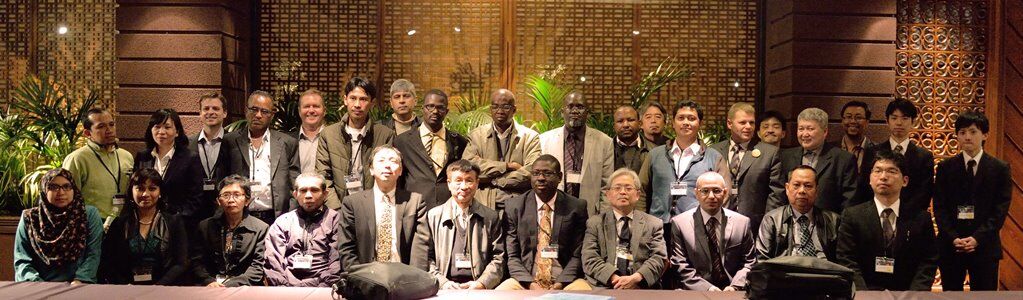
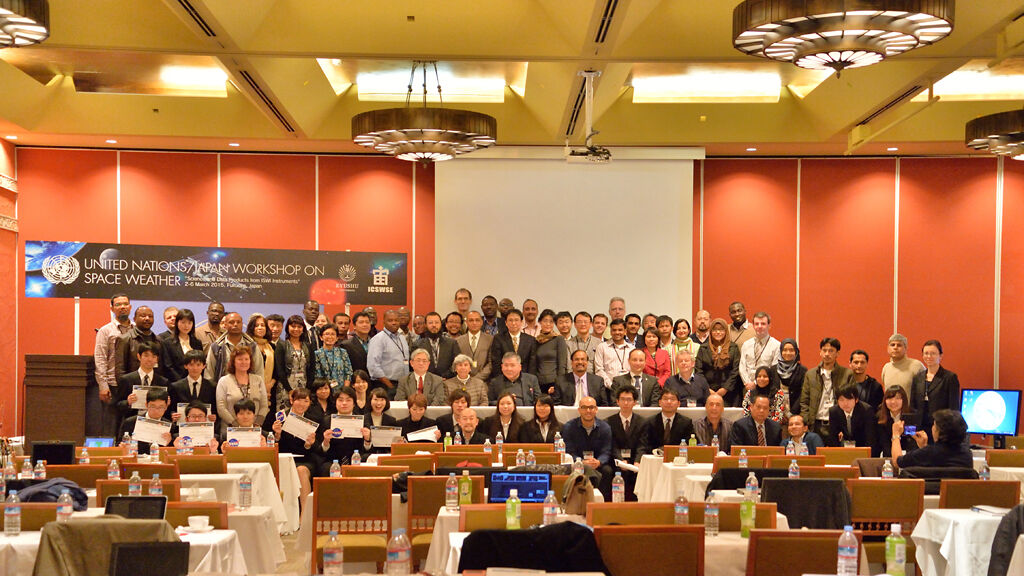
First, the most important progress of the season 2014/2015 is that we conducted the 1st MAGDAS General Meeting at in Fukuoka, Japan (the meeting title is "2015 MAGDAS/ISWI School in Japan"): on 4 March 2015, 31 participants including 22 MAGDAS collaborators. This meeting succeeded in establishing the consortium of various organizations in different countries collaborating to MAGDAS. We expect the MAGDAS consortium enhances the research activity involving space weather and climate change based on the worldwide MAGDAS data including Davis and Macquarie Island.
Second, undergraduate and graduate students here at Kyushu University use the magnetometer data from Macquarie Island and Davis for their own academic study and scientific research. For example, our master course student, used our Macquarie Island data and presented the research results at the domestic scientific meeting in 2015.
Thirdly, Our two AAD stations are utilized for the space weather monitoring. The Australian Bureau of Meteorology uses our Davis data to produce K-index of Davis. Our Macquarie Island data is used to estimate the occurrence of magnetic variation involving aurora on the daily space weather report provided by our students.
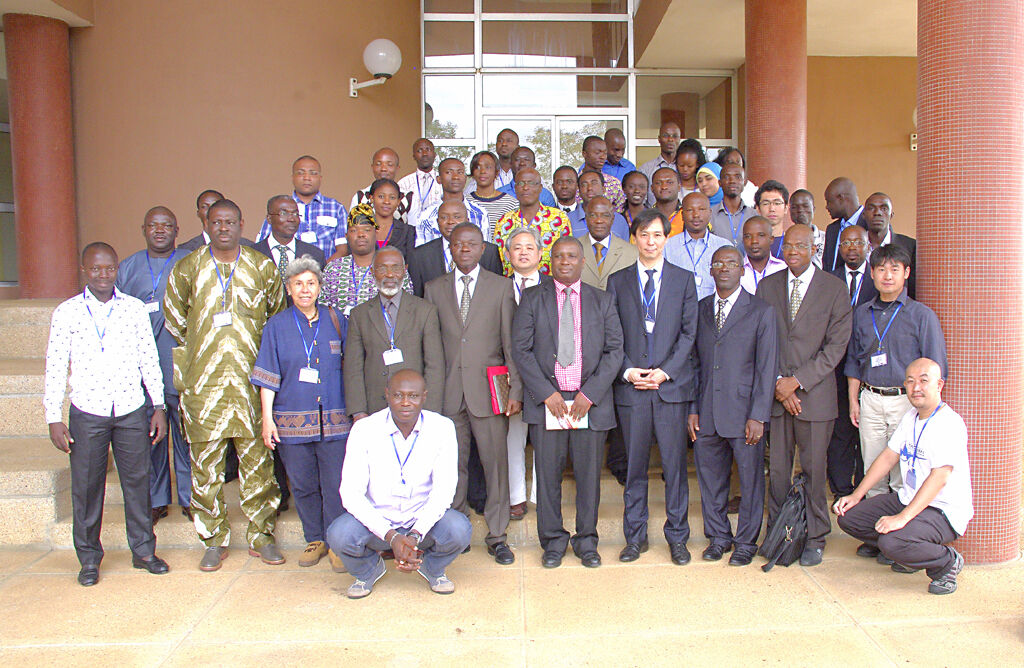
Finally, in 2015, we had one international outreach activity in Nigeria and conducted two domestic outreach activities.
Summary of the season 2013/14
Kyushu University (ICSWSE) MAGDAS magnetometer data from AAD stations at Davis (in Antarctica) and at Macquarie Island are being used. Full potential has not yet been realized, but there is incremental progress.
For the 2013-2014 period, the MAGDAS Project can provide two items of evidence.
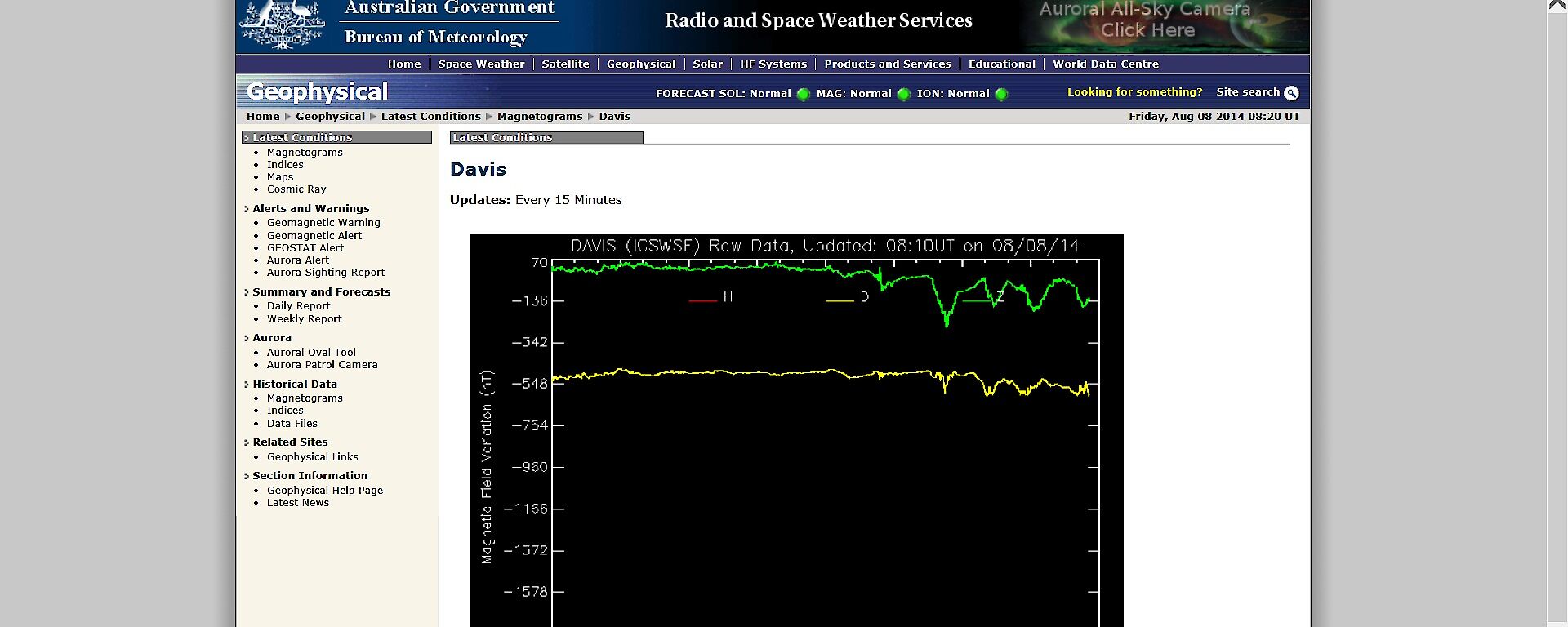
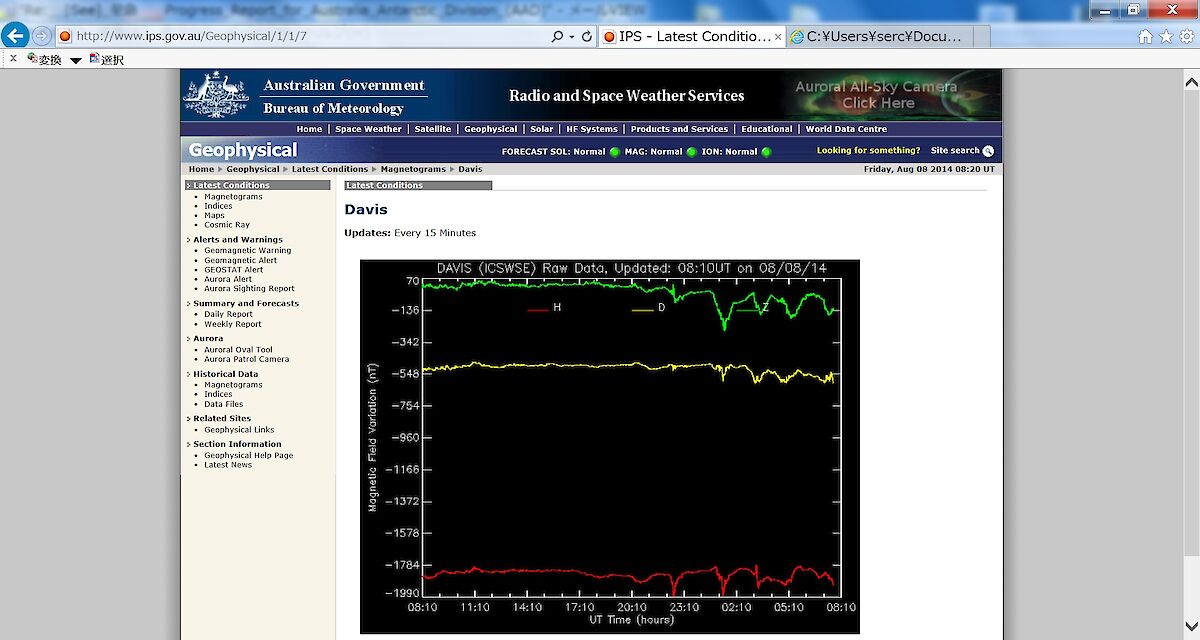
First, IPS (a section of the Bureau of Meteorology, Australian Government) uses the data from our Davis instrument to feed into their continuous space weather monitoring system. The furnished Jpeg image is a snapshot of Davis data being displayed at the IPS website (Radio and Space Weather Services site). This display is updated four times per hour. Overall, the space weather monitoring information generated and distributed by IPS is used by Australian industry to protect their physical assets and to determine where investments can be made safely.
Second, graduate students here at Kyushu University use the data for their own academic study and scientific research. For example, recently, our doctoral candidate, used Davis and Macquarie data for a 15-minute oral presentation (31 July 2014) at an international scientific meeting (2014 AOGS Meeting in Sapporo, Japan, 28 July through 01 August).
Summary of the season 2012/13
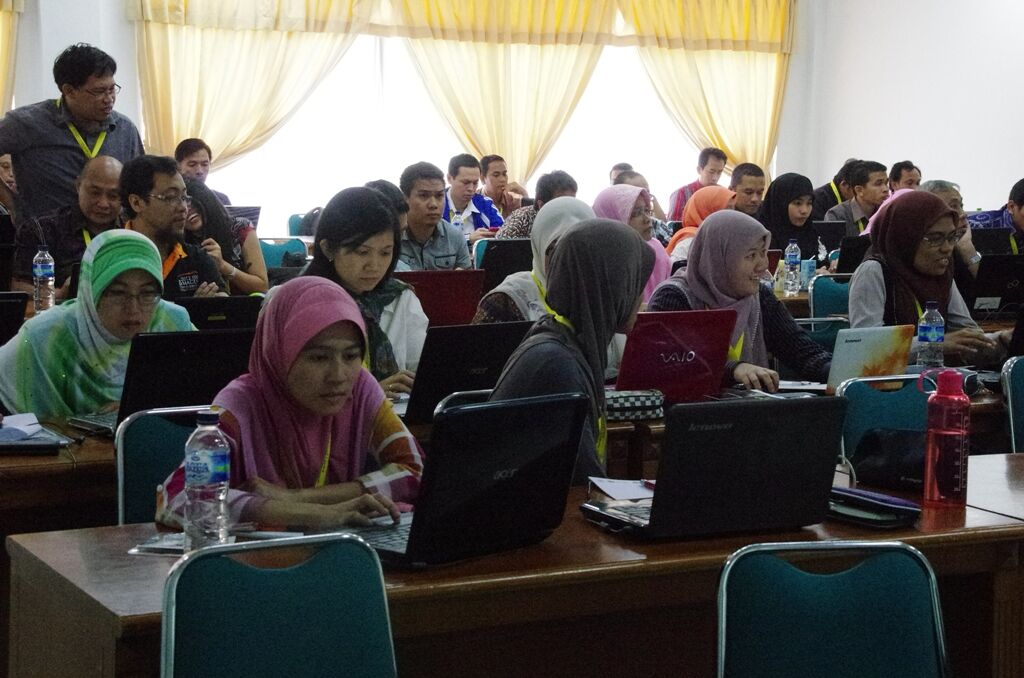
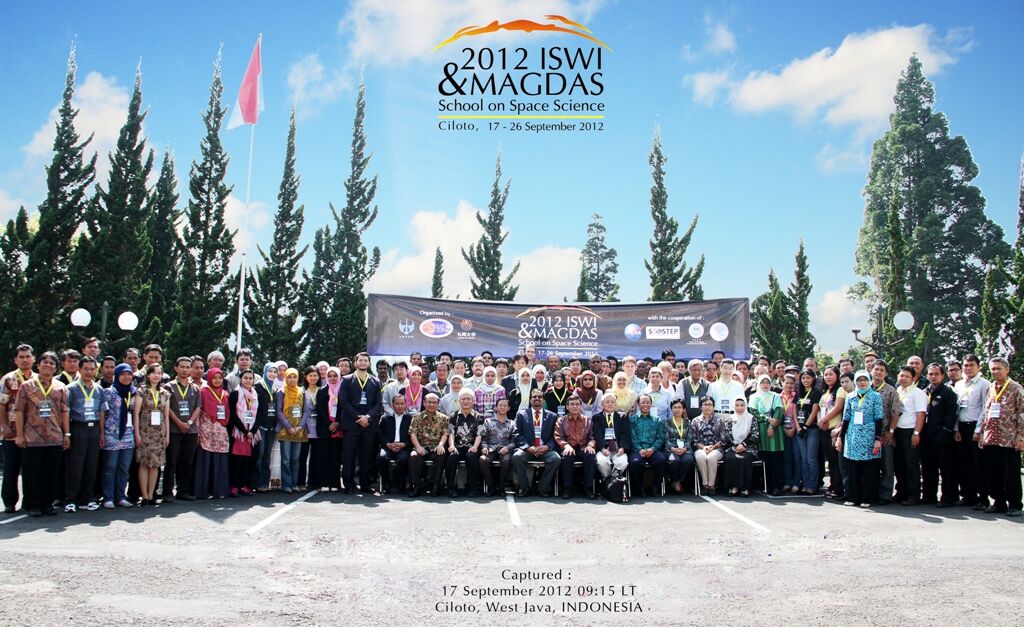
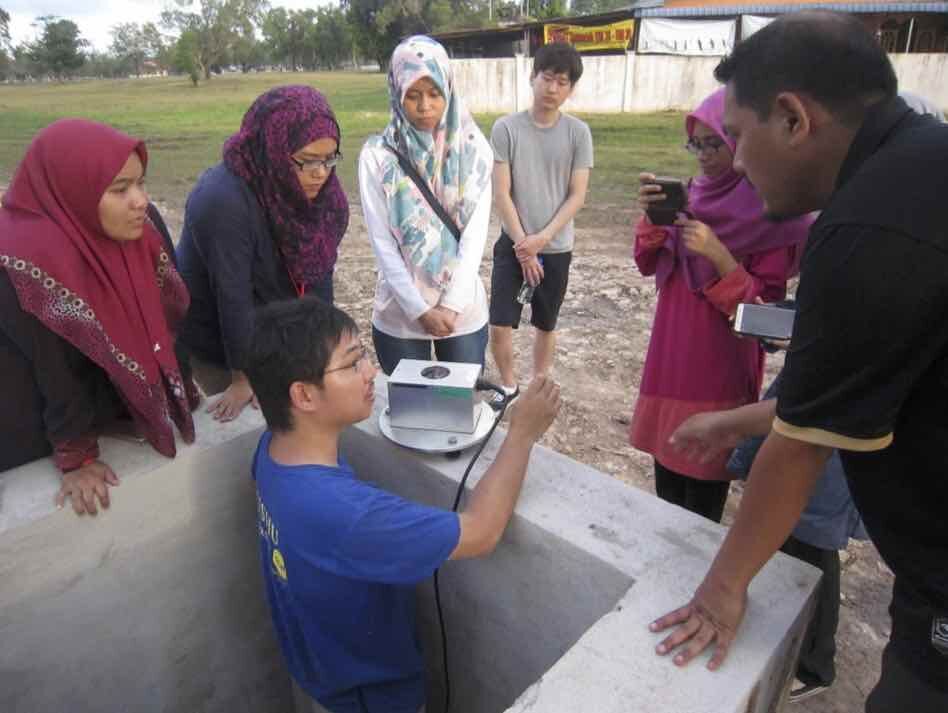
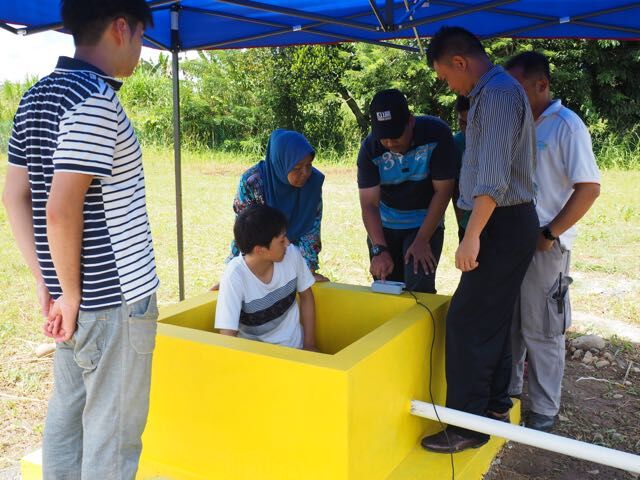
Geomagnetic data is being acquired on a satisfactory basis from two sites: from Macquarie Island and from Davis Station. The data arrives in Japan via the Internet. We find the Internet connection at both sites to be exceedingly good (down time is negligible). Data is being used for research and education (see attached photos from ISWI and MAGDAS School in Indonesia).