
Project information
Project aim
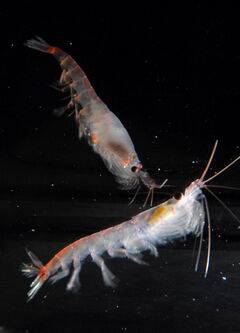
The Antarctic krill Euphausia superba is one of the most abundant animal species. It is one of several krill species in the Southern Ocean and by far the most successful. This project aims to investigate key DNA and RNA features that contribute to maintaining its population levels under current and predicted future environmental conditions. We will examine broad scale genetic differences in krill from different areas, mechanisms for sex determination and molecular responses to different pH and temperature regimes.
Project milestones
Summary of the project achievements 2017/18
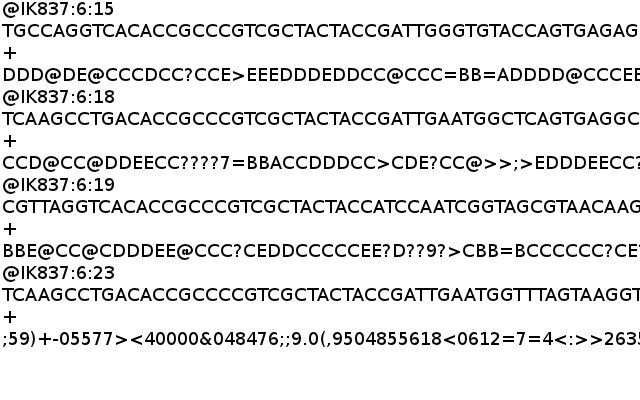
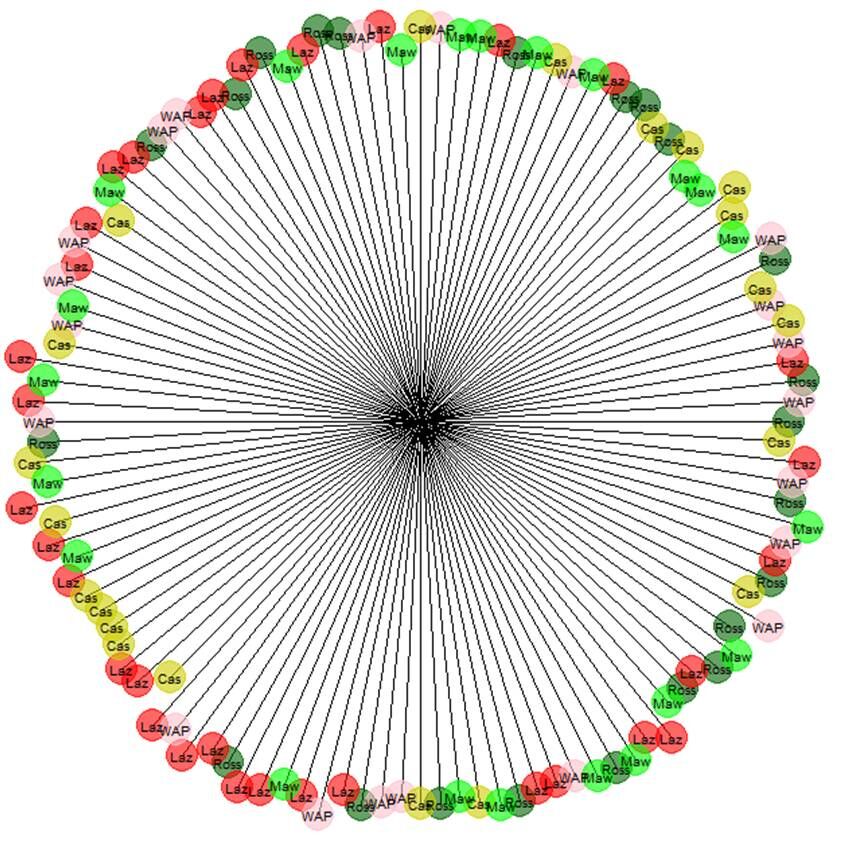
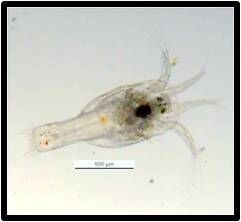
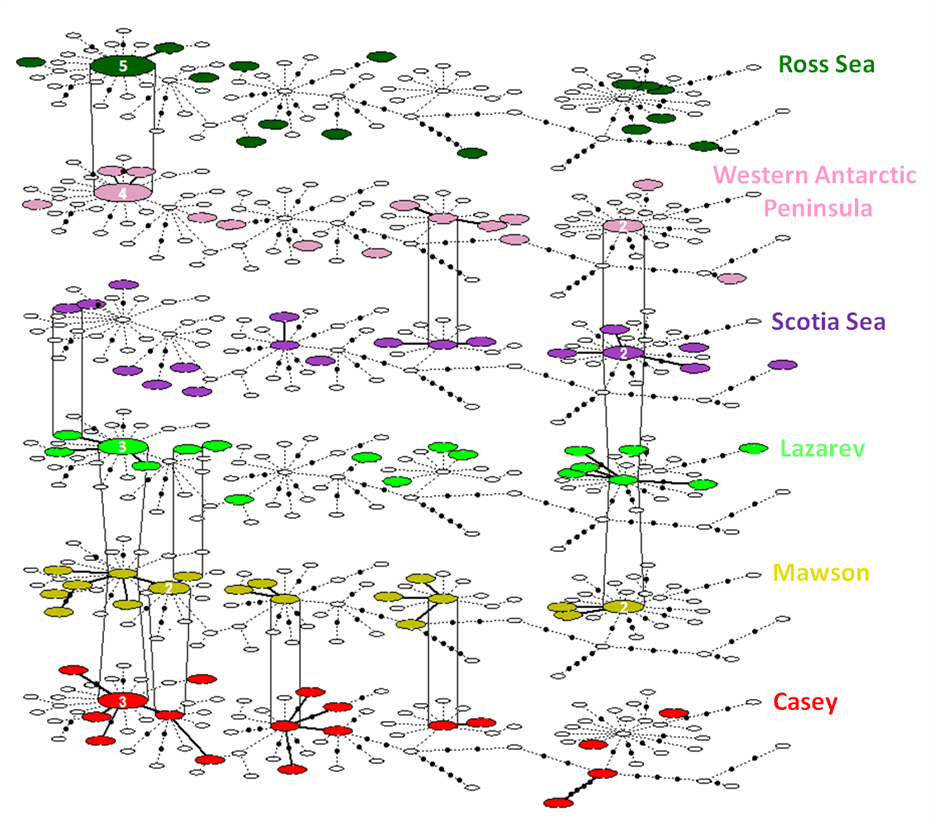
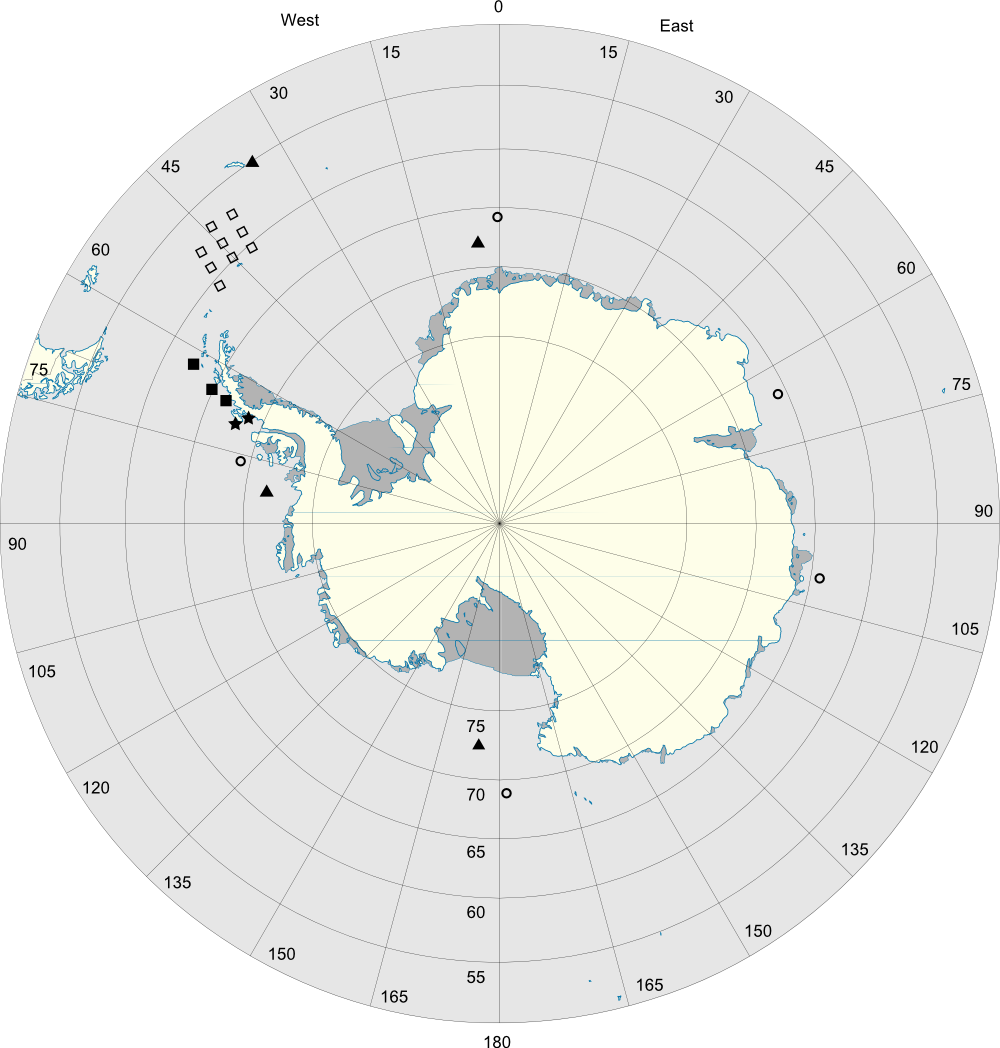
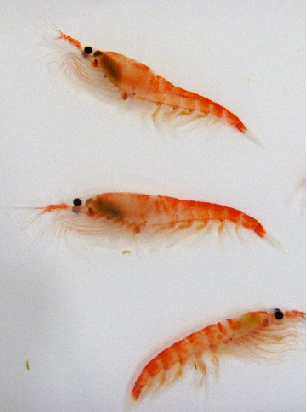
Antarctic krill are considered to be the 'cornerstone' of the Antarctic ecosystem. They are extraordinarily abundant and transfer energy from phytoplankton at the base of the food web to top-level predators. They are also the focus of an expanding fishery in the Southern Ocean. This Krill Ecological Genomics Project consisted of a series of laboratory and computer based studies with the goal of obtaining biological information about krill to better understand the susceptibility of the species to ocean acidification and to answer questions that are important for fisheries management. The main outcomes of the research include: (1) Producing a detailed 'transcriptome' (a list of functional genes) for krill by sequencing the subset of the genome that is being actively used (transcribed) within krill tissues. Using this resource we characterised larval krill gene expression change in response to aquarium-based changes in seawater acidity (i.e. ocean acidification experiments) (2) We carried out the most detailed population genetics study ever done on Antarctic krill. This study looked at genetic variation between krill collected at sites around Antarctica using hundreds of markers from throughout the krill genome. We found no clear structuring, indicating that using classic population genetic methods there are no distinct genetic 'stocks' of krill (3) We looked at the genetic basis of sex determination in krill to try to explain the unusual observed variation in the sex-ratio (i.e. in swarms often mostly male, or mostly females, are caught) and we developed a genetic test to determine sex of krill that cannot be discriminated morphologically (e.g. juvenile krill). Overall the project has helped cement Australia's reputation as a leader in Antarctic krill research.
Summary of the season 2016/17
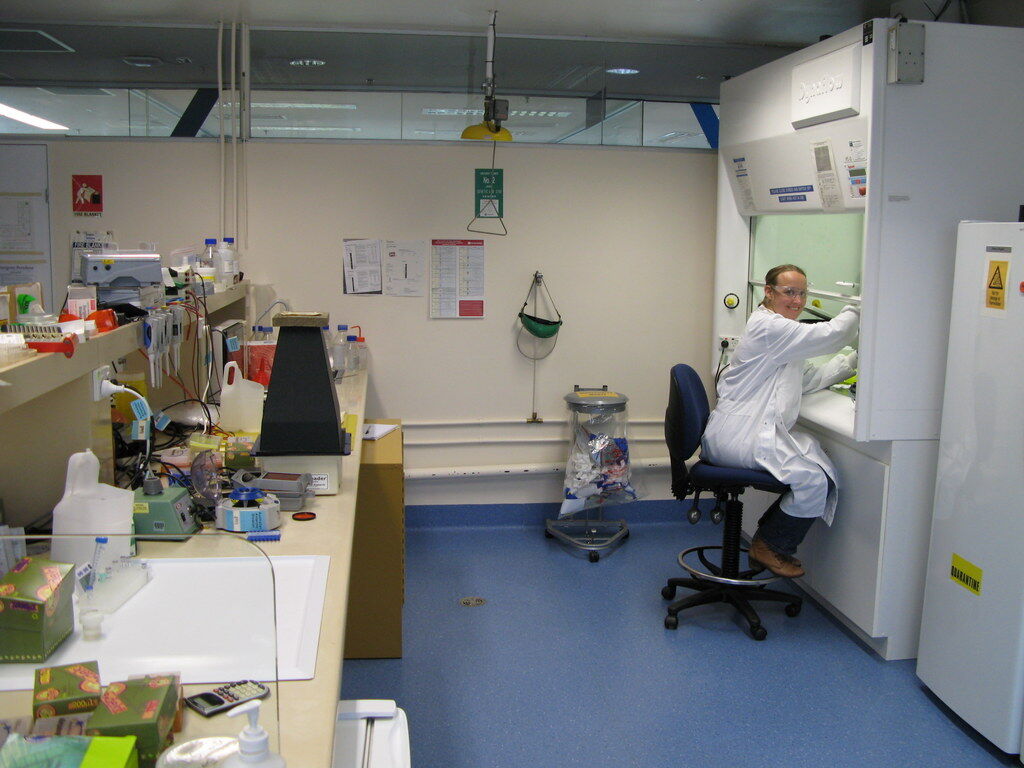
In 2016/17 most of the work done on this project has been laboratory studies looking at sex determination mechanisms in Antarctic krill. This work is being lead by Dr. Leonie Suter a Swiss Science Foundation funded post-doctoral fellow working in the AAD genetics group. The research has focussed on identifying genetic markers that can be used to sex Antarctic krill. Often sex ratios in wild krill swarms are highly skewed (i.e. a huge excess of males or females in a sample) and we are interested to know more about the causes since this can influence population dynamics. Sexing krill is hard to do based on morphology and is only possible with mature adults. We have not been able to identify a DNA marker in the krill's genome that is sex-linked (i.e. like the y chromosome in humans). However, this year we have identified a panel of genes that are expressed much more in females compared to males and have shown these can be used as markers to sex krill, including juveniles. Work has also been done in the krill aquarium to examine if krill can change sex during winter regression. Other ongoing experiments are looking at bacteria found in krill gonads to see if sex-altering intracellular bacteria such as Wolbachia could play a role in sex determination in krill.
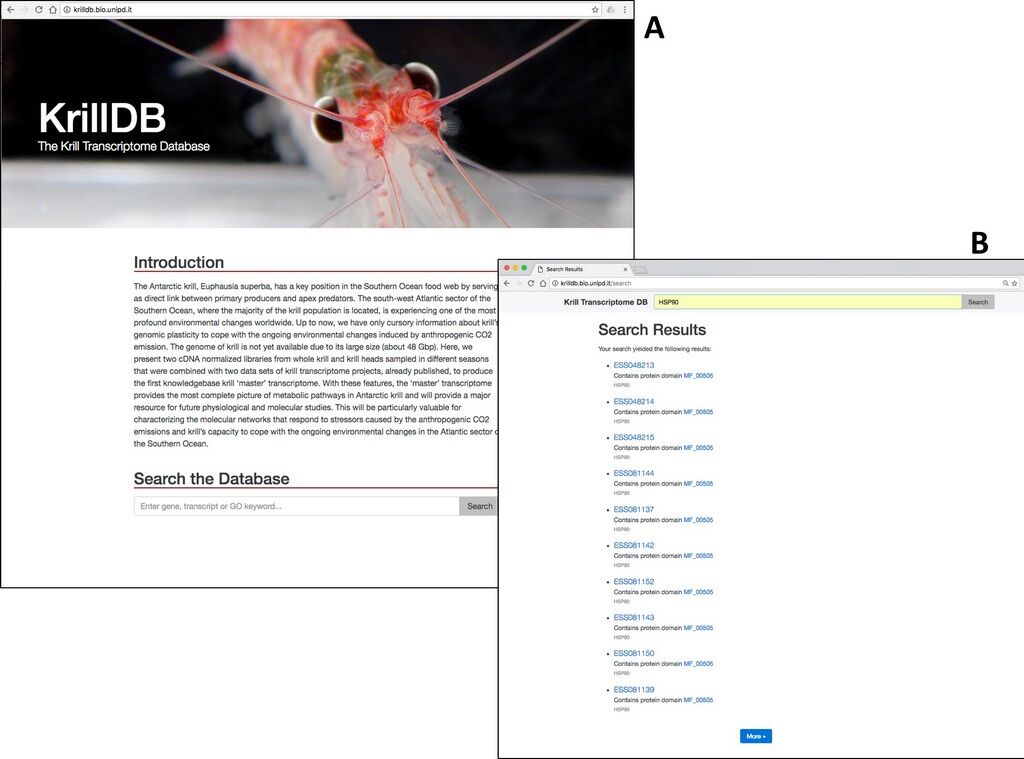
Other work in the project has focussed on publication of an annotated Antarctic krill transcriptome database (in collaboration with colleagues from the University of Padova in Italy). This list of krill genes and details of their function will be an useful ongoing resource for researchers.
Summary of the season 2015/16
This project has produced new insights into the stock structure of Antarctic krill, demonstrating that there are no genetically significant sub-populations in this species because of its very high overall population size.
Summary of the season 2014/15
Research on the range of krill genes that respond to changes in carbon dioxide concentrations in seawater has been completed. Part of this work has been published; part of it submitted for publication; and another section is under analysis by colleagues in Italy. Work on identifying the sex determination mechanisms for krill was stalled in a previous year because a PhD student who was going to do this research had to withdraw from their work due to pregnancy and child-rearing responsibilities. We have identified a suitable postdoctoral candidate who could do this work instead and have submitted an application for overseas funding to pay her salary. We hope to take this work to completion if this application is successful.
Summary of the season 2013/14
Antarctic krill are the target of the world's largest crustacean fishery. This fishery is growing in response to a rising demand for krill-derived bioceuticals and aquaculture feed. A long standing question for management of the krill fishery is whether there are any genetically different 'stocks' of krill which would require special catch-management strategies. Past studies of the population genetics of krill did not indicate that there were any separate stocks, but there was uncertainty on whether the methods were unable to detect differences or whether there really were no differences. We have used modern genetic methods to conclusively demonstrate that krill populations are not genetically differentiated.
Physiological responses to different environmental conditions are driven by changes in which genes are being used in an animal. We investigated which genes become more or less highly used when krill are exposed to different levels of dissolved CO2 in seawater. CO2 levels are rising in all oceans, but more quickly in the Southern Ocean than in other areas because cold water can absorb CO2 more effectively than warmer water. We conducted experiments where krill were kept in tanks where we had artificially raised CO2 levels. By comparing the activity of krill genes under these conditions with normal gene activity we can start to understand the physiological processes that will be disrupted in krill by ocean acidification. We have collected the raw data for this part of the project and are in the process of analysing it.
Summary of the season 2012/13
The size of the krill genome has recently been estimated to be fifteen times larger than the human genome, making it a huge task to sequence the whole genome even with the latest technologies. As a result of this, we have concentrated on generating broadly representative sequence markers throughout the genome that will answer key ecological and life history questions about krill. We have used 'RAD-sequencing' to generate more than 50,000 genome-wide single nucleotide polymorphism markers. These markers will allow us to address population genetic divergence and any sex-linked chromosomal regions. We have also completed experiments on gene expression responses to different levels of CO2 exposure in larval krill. Analysis of this messenger RNA data will lead to a list of candidate krill genes that respond to changes in ocean acidification caused by rising levels of atmospheric CO2.
Related publications
-
Bacterial epibiont communities of panmictic Antarctic krill are spatially structured CCAMLR Working Group on Ecosystem Monitoring and Management - Virtual Meeting 4 to 11 July 2022, 2022
(Ref: 17016)
Category 2: International meeting papers
Antarctic krill (Euphausia superba) are amongst the most abundant animals on Earth, with a circumpolar distribution in the Southern Ocean. Genetic and genomic studies have failed to detect any population structure for the species, suggesting a single panmictic population. However…
-
Bacterial epibiont communities of panmictic Antarctic krill are spatially structured Molecular Ecology, 2020
(Ref: 16729)
Category 1: Peer-reviewed literature
-
Sex identification from distinctive gene expression patterns in Antarctic krill (Euphausia superba) Polar Biology 42, 2019
(Ref: 16288)
Category 1: Peer-reviewed literature
-
Sex determination in Antarctic krill: mechanisms and molecular methods Third International Symposium on Krill in St Andrews, Scotland, 2017
(Ref: 16287)
Authors:Category 3: Verbal presentation
-
Antarctic krill population genomics: apparent panmixia, but genome complexity and large population size muddy the water 2015 Marine Molecular Ecology Gordon Research Conference, The Hong Kong University of Science and Technology. Hong Kong, China, 2015
(Ref: 16286)
Authors:Category 3: Abstract