

Project information
Project aim
The food species animals consume are a major determinant of survival, age of first reproduction and often age at death. Animal diet is difficult to determine, especially for whales and penguins, which must be studied non-invasively. The best technology for this is identification of DNA from food. We will improve this technology with high throughput DNA sequencing and apply it to three key Southern Ocean species: humpback whales, Adelie penguins and krill. We will also develop molecular age estimation methods for these species to provide two powerful new tools for monitoring animal populations.
Project milestones
Summary of the project achievements 2016/17
In this project we have developed new genetic approaches for studying animal ecology and applied these methods in research on Southern Ocean/Antarctic animals. The focus was on: (1) producing molecular methods for determining the animal age from small tissue samples and (2) using DNA barcoding of prey remains in animal scats to determine diet. The research was aimed at developing tools to help us better understand Antarctic animal populations using minimally invasive methods. We have applied the tools to study age structure and diet of whale and seabird populations. Future applications will allow us, and other Antarctic researchers adopting these methods, to better understand population-level responses to global change and will improve our ability to ensure the ecologically sustainability of resource management plans. The research also is cutting-edge work that has been published in leading international journals and this enhances Australia's strong reputation as leader in Antarctic science.
Summary of the season 2015/16
This project has produced molecular methods for studying the age of wild animals from small tissue samples and the diet of wild animals from scat samples. Both approaches allow diet and age to be assessed in populations that are not intensively studied in long-term programmes, allowing diet and age information to be gathered from many wild animal populations where this was previously impossible.
Summary of the season 2014/15
This project focuses on what animals eat and how old animals in a population are. For both questions, we use genetic methods because these allow us to study the animals without harming them. DNA can be purified from animal scats to reveal the DNA of food species that were consumed. DNA or RNA from biopsy or blood samples can be used to estimate the age of animals.
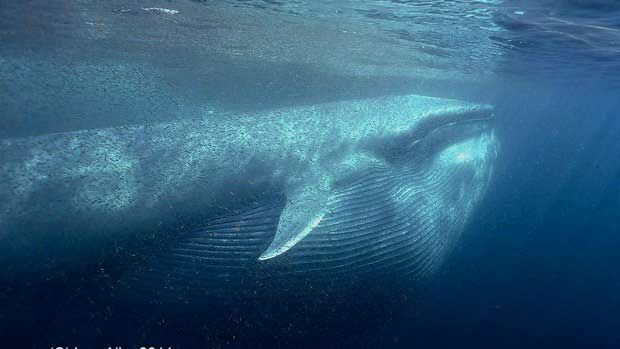
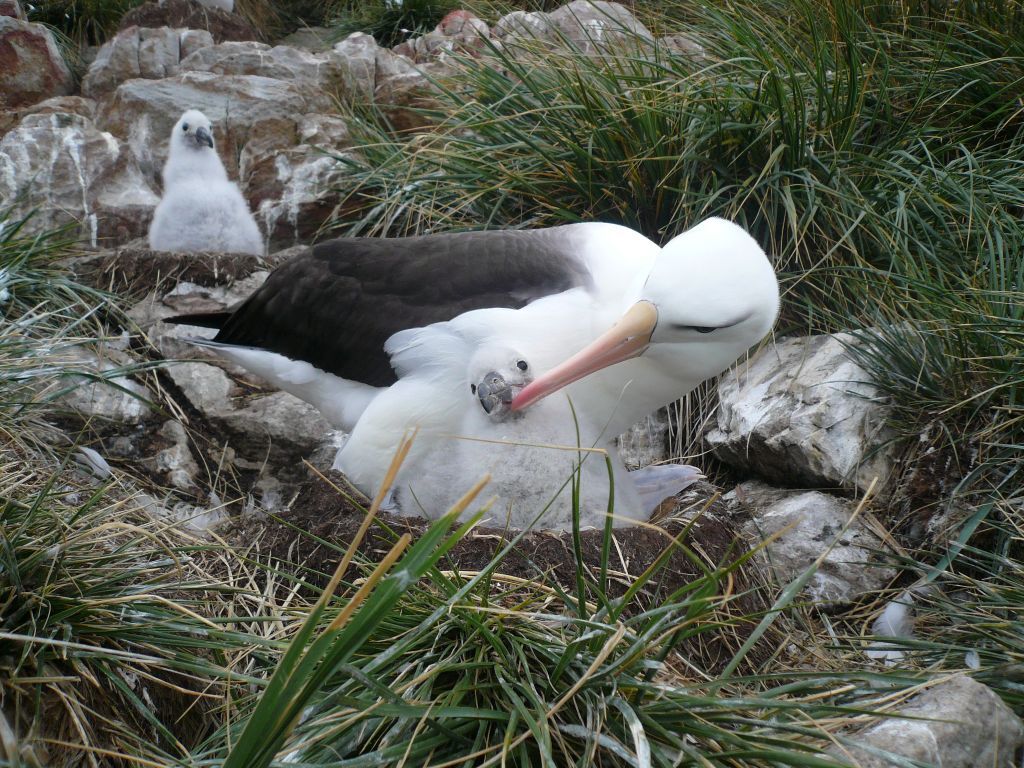
The species that animals eat are clearly essential to their survival. Most animals feed on a range of other species, so measuring change in the species consumed in time or space is useful for identifying what is happening in the ecosystem in general if the study species is a large, generalist feeder. It also provides information on the ecology of that species in particular. In the past year in this project, we have been successful in extending our DNA-based diet analyses to albatross and to pygmy blue whales. Albatross feed on a wide range of prey, including many of the pelagic, higher-biomass fish, squid, jellyfish and crustaceans. They do this over very large areas of the ocean and for this reason some albatross such as the Black Browed Albatross are used as ecosystem indicator species. We have implemented the first DNA-based analyses of the diet of this species and have preliminary results on diet for most of its range. We have also worked on pygmy blue whale diet in an area near Sri Lanka where the species is often observed feeding and we have found that in this area the whales feed on prawns as well as krill, which is a novel observation. We have also worked on seal diet and several technical aspects of DNA-based diet work and published papers on this area to maintain the AAD genetics group's expertise in this area.
Summary of the season 2013/14
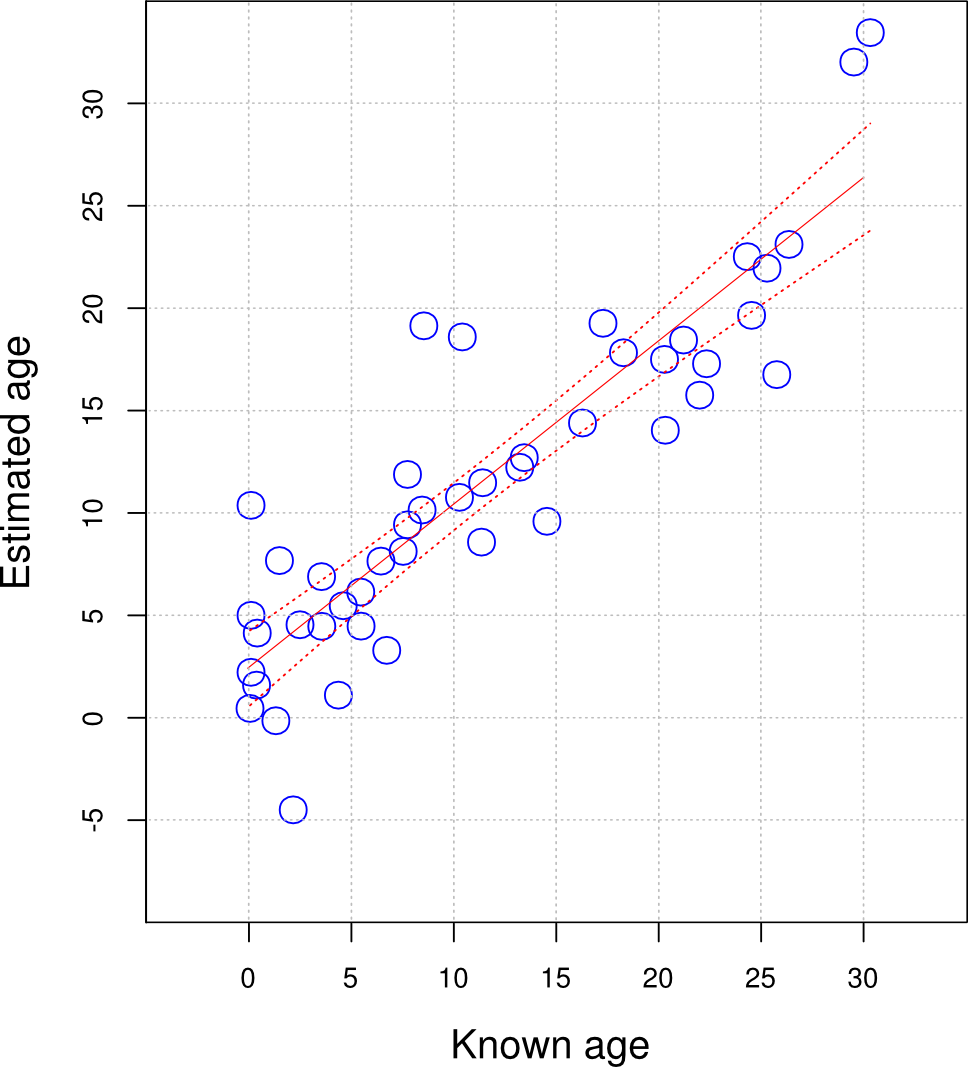
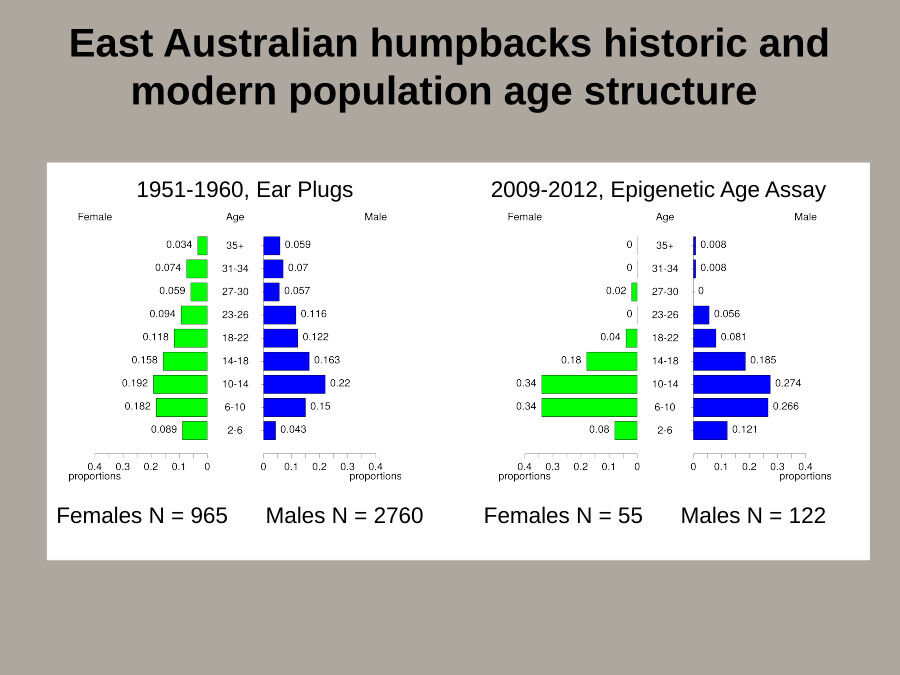
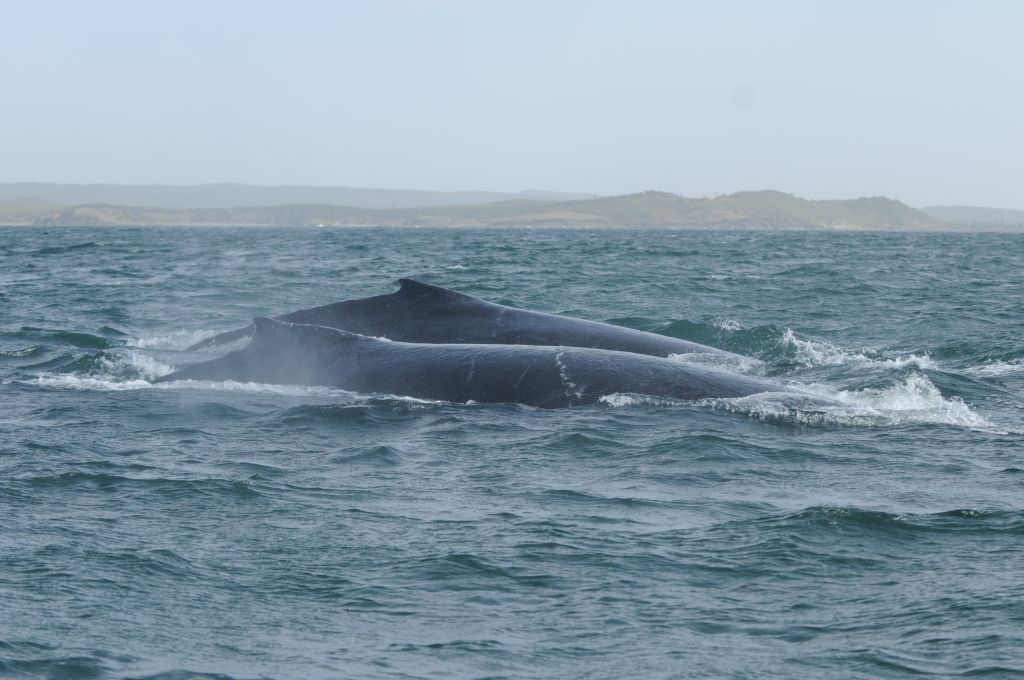
This project produced the first method for estimating the age of animals based on changes in DNA methylation. This approach was applied to estimating the age of humpback whales. The method allows the age of the whales to be estimated from skin biopsy samples and this is the first effective, non-lethal age estimation method for any whale species. This demonstrates the feasibility of this approach for estimating animal age and the project team are now working on applying this to other cetaceans and to Southern Ocean seabirds. This work demonstrates that there is no need to lethally sample whales to estimate their age.
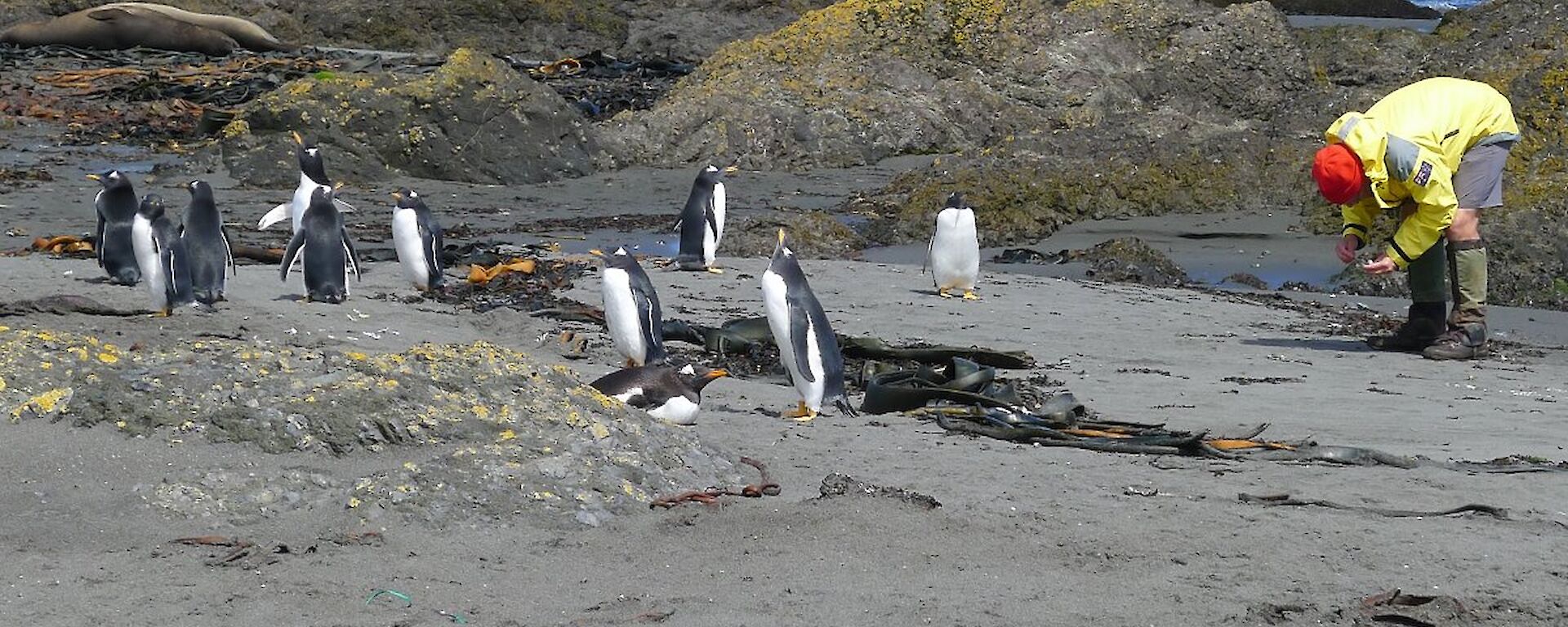
A study of Adelie penguin diet was produced from this project that demonstrates that DNA-based analysis of food DNA in penguin scats can be used as a replacement for stomach flushing penguins to monitor their diet. It is desirable to avoid stomach flushing as a diet analysis method as it is harmful to the birds and denies food to their chicks. This study shows that our DNA-based method provides a means to obtain finer-scale data on feeding at different times than stomach flushing studies as many more samples can be collected. It also identified many more soft-bodied food species, such as jellyfish and salps. The project team found that Jellyfish are abundant in the diet of a range of seabirds species from which scats have been sampled in the Antarctic, sub-Antarctic and Tasmania, covering the entire latitudinal range of the Southern Ocean. Jellyfish were previously considered to be an unimportant food source for Southern Ocean predators, but this work demonstrates that to be untrue.
Summary of the season 2012/13
Adelie penguin population diet data was generated for twelve sample sets collected in four years at four different breeding colonines. A synthesis of this data shows significant feeding differences in different areas of East Antarctica; differences among years; and differences between phases of the breeding cycle. This has been submitted for publication. Multi-species diet sampling of penguins, albatross, other seabirds and seals was conducted at Macquarie Island in January 2013. This large sample set will be compared with samples collected in 2010 and this completes the field sampling planned for this project.
Five regions of humpback whale DNA that are equivalent to regions in humans and mice that change methylation state with age have been isolated. These will be investigated for age-related methylation changes in samples from a population of known-age whales. If we can confirm age-related methylation changes in these, we will proceed to estimate the age profile of other population
Related publications
-
More than the eye can see: genomic insights into the drivers of genetic differentiation in Royal/Macaroni penguins across the Southern Ocean Molecular Phylogenetics and Evolution 139, 2019
(Ref: 16293)
Authors:Category 1: Peer-reviewed literature
-
Adélie penguin diet: a pilot study directly comparing data from stomach flushing with faecal DNA analysis. (24 June 2018). CCAMLR Document WG-EMM-18/29, 2018
(Ref: 16282)
Category 2: International meeting papers
-
Molecular analysis of predator scats reveals role of salps in temperate inshore food webs Frontiers in Marine Science, 2018
(Ref: 16283)
Category 1: Peer-reviewed literature
-
Contrasting phylogeographic pattern among Eudyptes penguins around the Southern Ocean Scientific Reports 8, 2018
(Ref: 16284)
Authors:Category 1: Peer-reviewed literature
-
Age estimation in a long-lived seabird (Ardenna tenuirostris) using DNA methylation-based biomarkers Molecular Ecology Resources, 2019
(Ref: 16215)
Authors:Category 1: Peer-reviewed literature