

Project information
Project aim
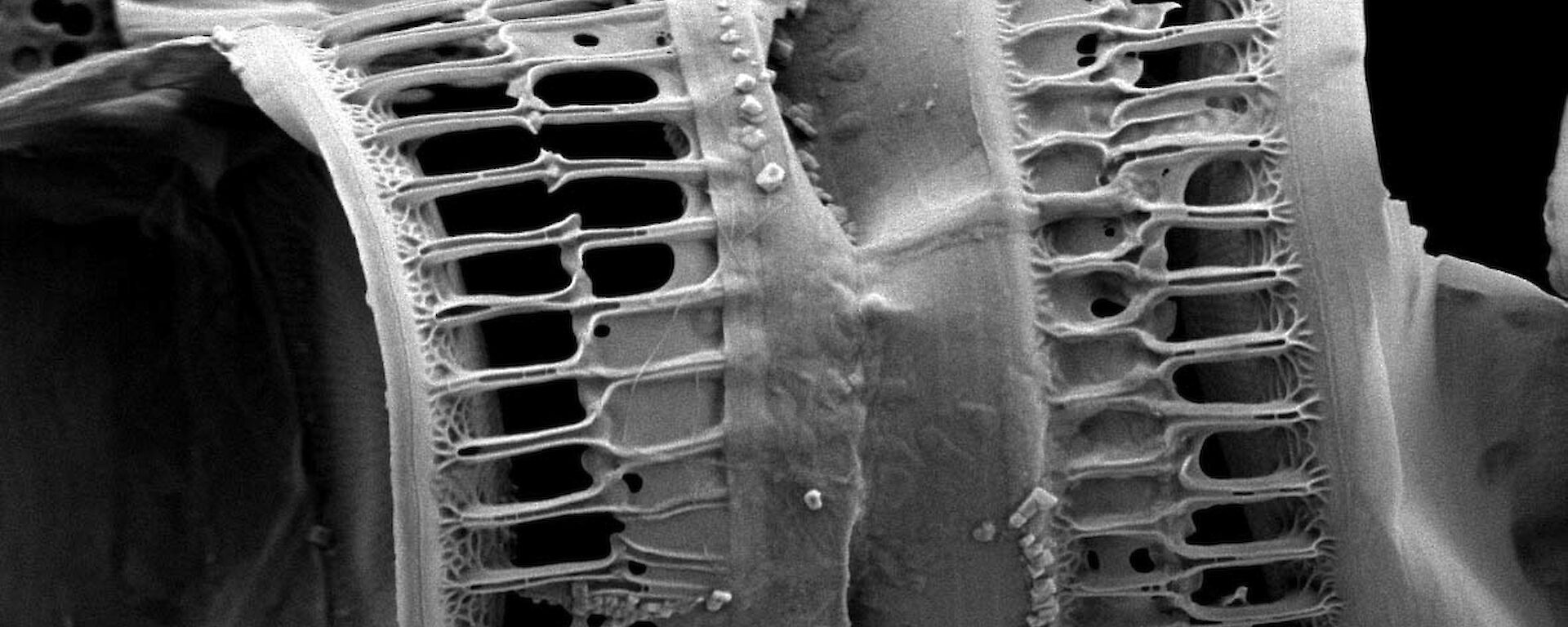
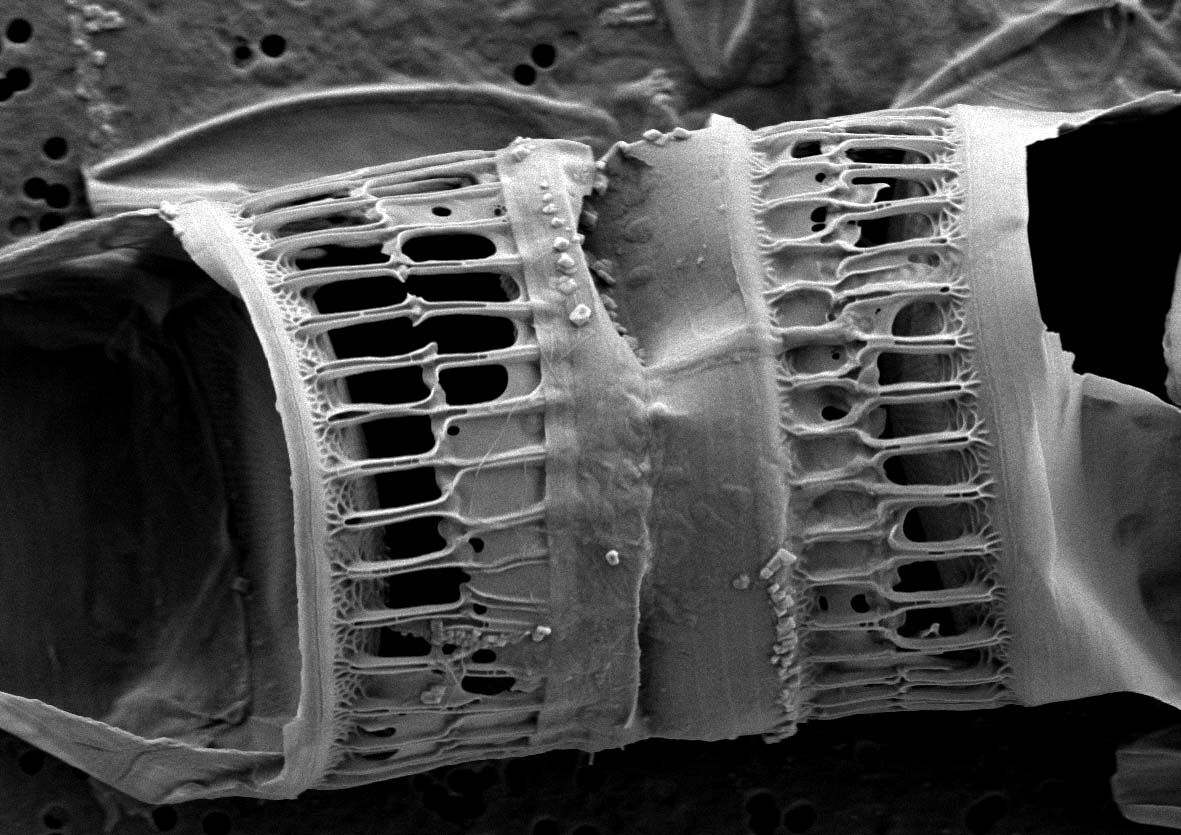
Sea ice microbial communities are a critical component of polar marine ecosystems not only because they annually contribute 10-50% of the primary production of polar seas but also for their role in supporting overwintering zooplankton species, especially Antarctic krill, and seeding spring phytoplankton blooms. Declining sea ice extent is likely to have a major impact on these ecosystems. Here we will determine how later ice formation effects microbial biomass, biodiversity and ecosystem function and how changes in carbon chemistry will impact the community
Project milestones
Summary of the project achievements 2015/16
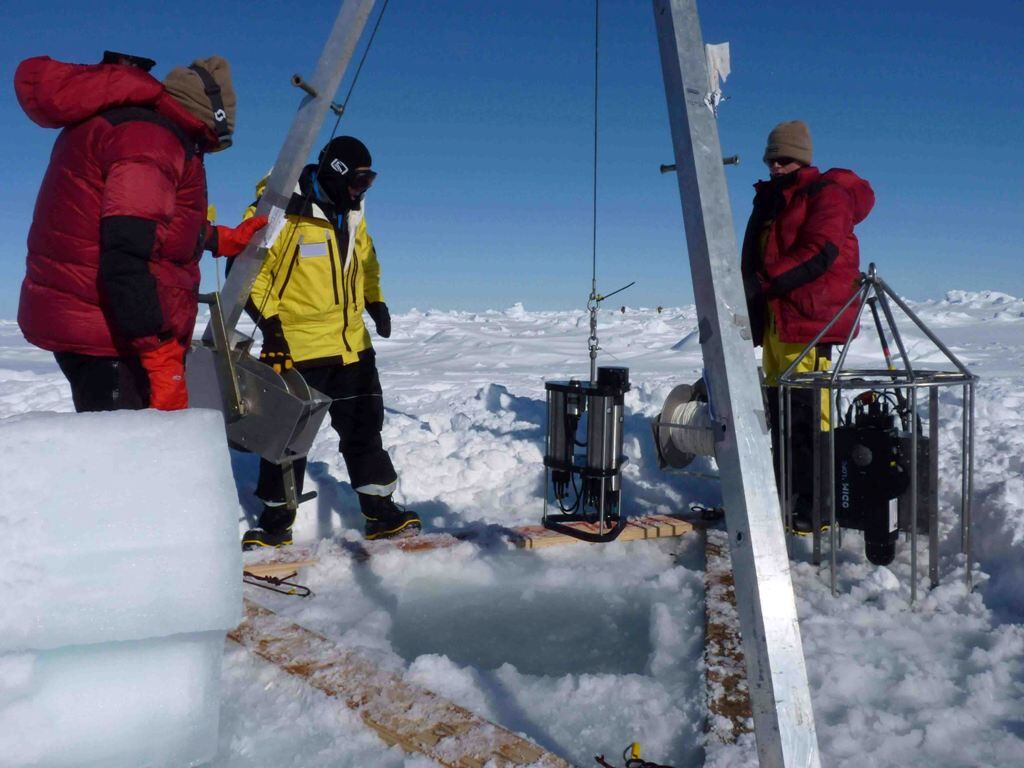
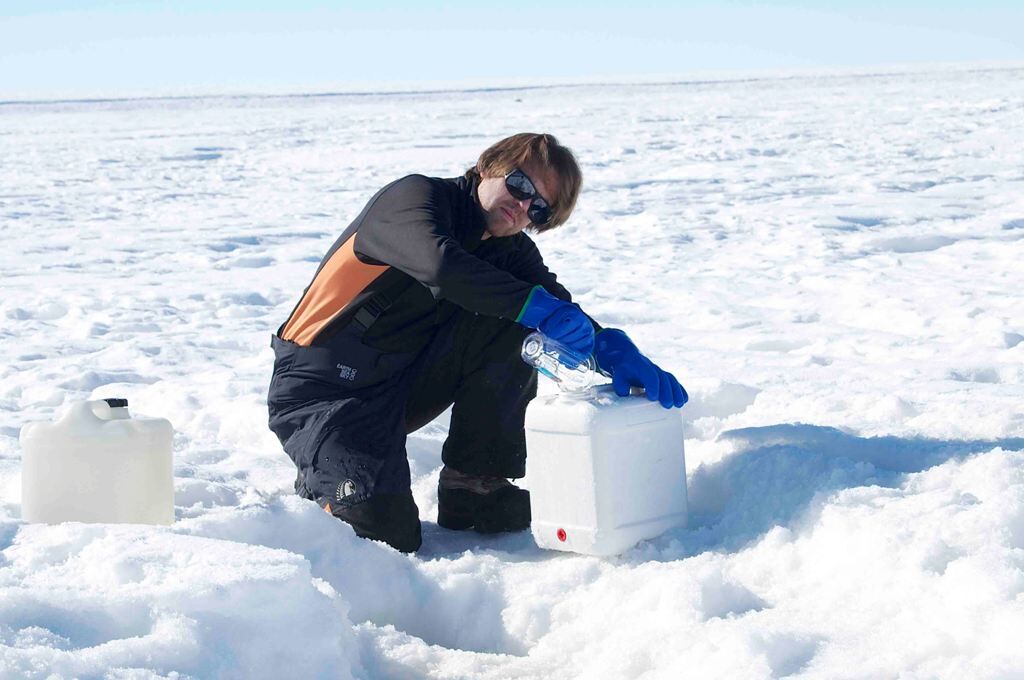
This project examined the impact of ocean acidification on microbial communities in Antarctic sea ice brine. These communities are seasonally exposed to both very high and very low pH values. It was found that not only were the cells not adversely effected by lowered pH and elevated CO2 concentrations (>1000 µatm), but also that they grew at a greater rate. Results from both pack ice and fast ice were similar.
When sea ice, with their contained microbial communities were allowed to melt into sea water with elevated CO2 (and lowered pH) a similar result was obtained.
These results suggest that sea ice microbial communities are unlikely to be seriously affected by projected changes in pH caused by anthropogenic CO2 emissions
Summary of the season 2014/15
Ice Acidification Laboratory Experiments;
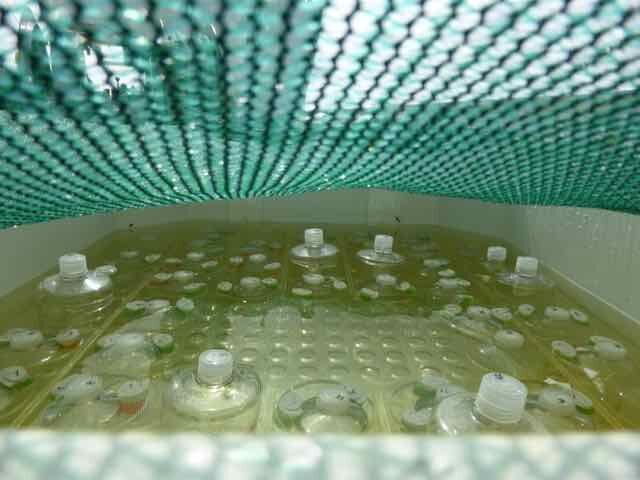
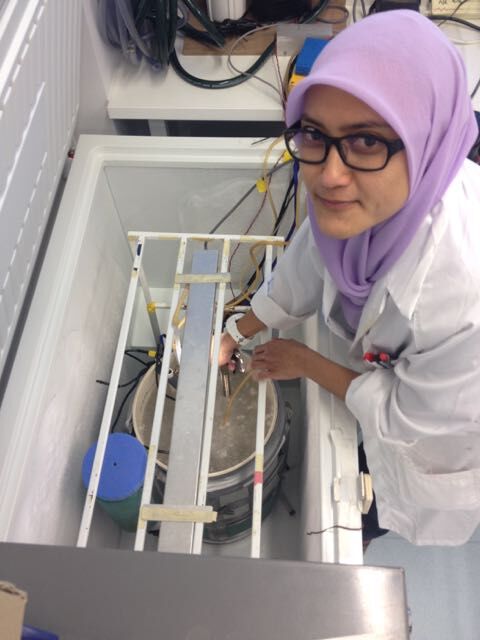
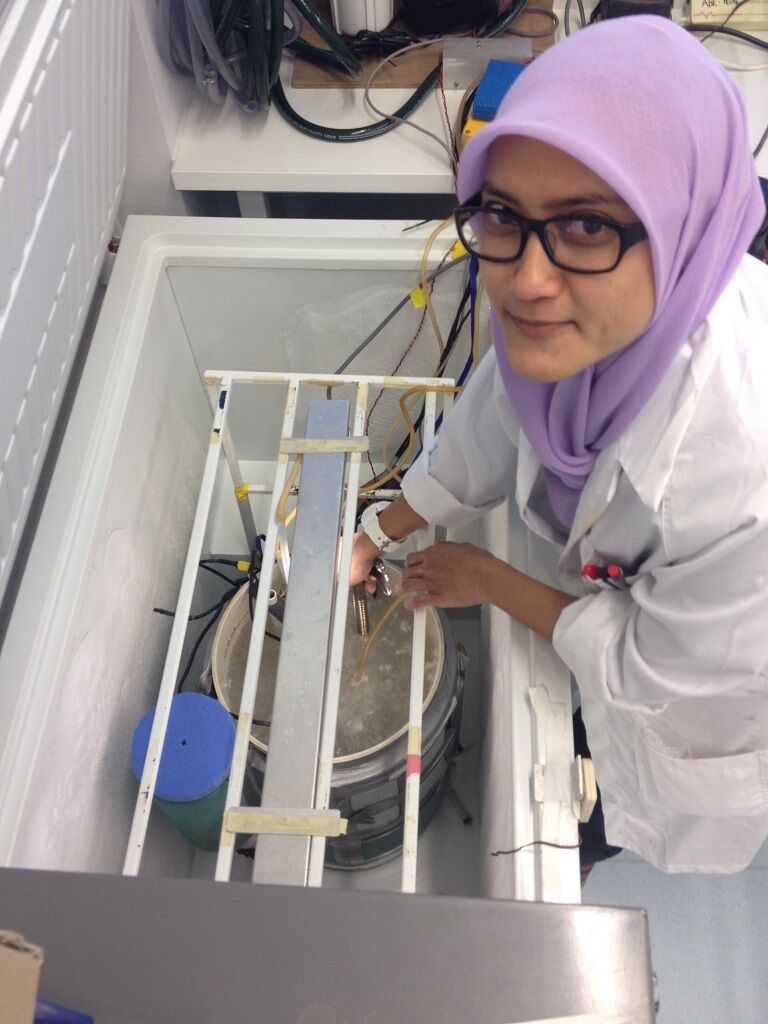
Lab experiments using artificial sea ice to investigate ocean acidification in sea ice are continuing. Mixed sea ice algae cultures in two ice tanks have been incubated for up to two weeks in different concentrations of CO2 and their growth rate, photosynthesis and health monitored. This is the first time CO2 has been manipulated in sea ice experiments. This work has been assisted by a post doc and Masters student from Universitie Sains Malaysia (USM). Early results suggest that IPCC end of the century CO2 levels will have little effect on Antarctic sea ice communities.
Umitaka-maru voyage (Jan-Feb 2015);
Zooplankton (copepods and Euphausids) were collected at 6 stations along 110E during January 2015. Live zooplankton were collected from 200 m to the surface by 3 vertical hauls of a ring net at each station. Net samples were subsequently divided to undertake
(i) stable isotope analysis,
(ii) on-deck incubation experiments and
(iii) species identification and enumeration.
Using a Multisizer 4 Coulter Counter, water samples taken from the grazing experiment were analysed, providing a highly accurate count of total particle concentration and the size spectra of these particles. Using a set of standard equations, the ingestion rates and daily ration of the incubated species were calculated as a measure of feeding activity, with daily ration providing a means of assessing the relative importance of each species in the flow of biogenic carbon through the lower trophic levels of the Southern Ocean ecosystem.
Enumeration and identification of the samples is ongoing. Samples collected for stable isotopic analysis are currently frozen at -80C, as we are awaiting the outcomes of the funding to be provided via the AAS grant.
Summary of the season 2013/14
Our research on the impacts of ocean acidification on sea ice microbial ecosystems has continued to progress. We have shown that ice algae are resilient to increases and decreases in CO2 concentration and are unlikely to be effected by anthropogenic increases up to the end of the century. Results from the SIPEX voyage and Scott Bas 2012 have been published while data and samples from Scott Base 2014 is still underway. Testing of the ice tank has continued and ice tank experiments are now ready to begin.
We participated in V1 (2013) to collect phytoplankton and ice algal cultures for use in the ice tank experiments. this was successful and we have an additional twelve cultures to work with.
Summary of the season 2012/13
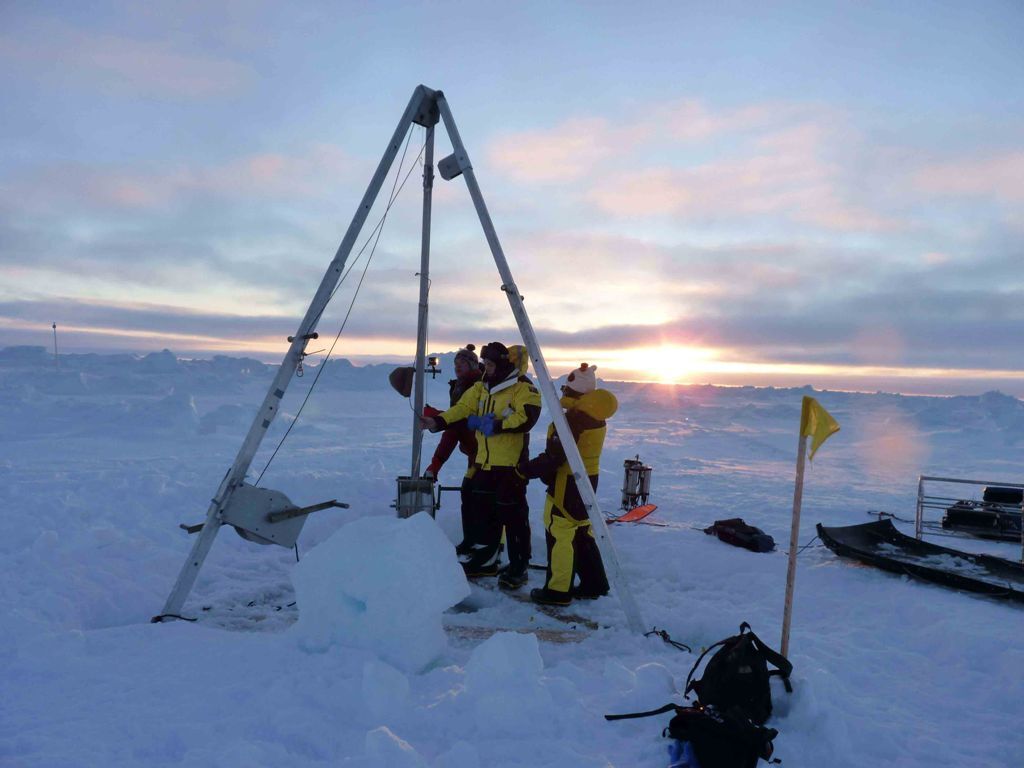
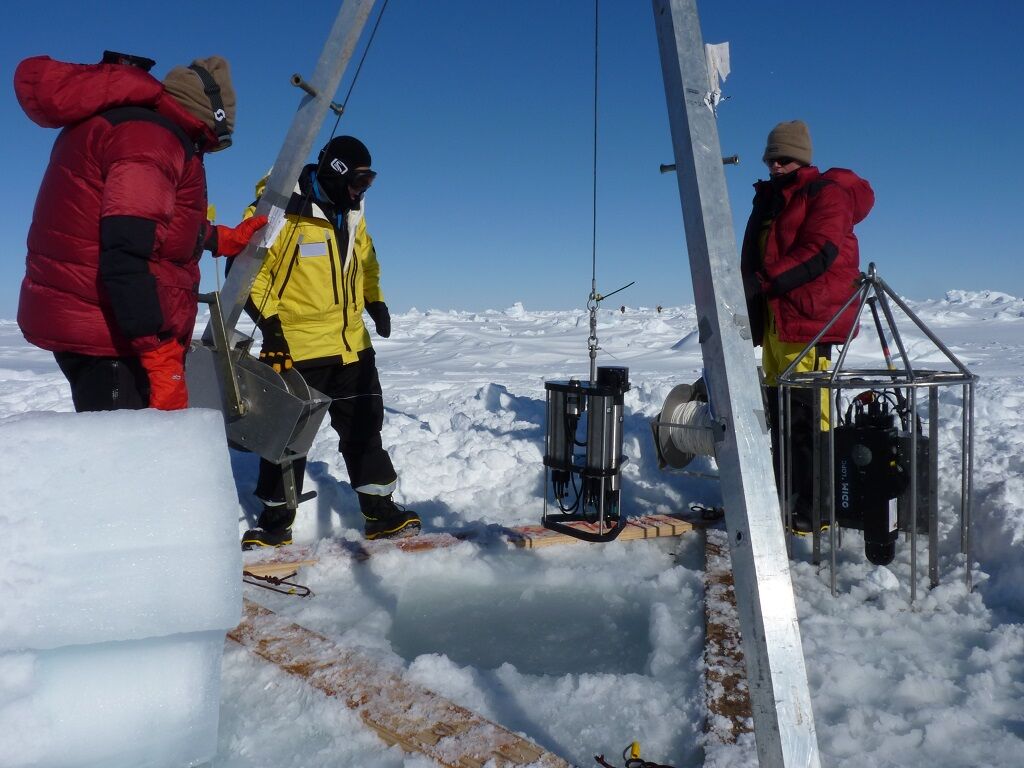
Four project members participated in the SIPEX2 marine science voyage in 2012. Participants included a research superior, a PhD student and two Masters students. We had three main objectives on this voyage
1) to determine the impact of increased CO2 levels on sea ice brine communities
2) to determine the impact of later ice formation on algal bloom development in spring
3) to measure under ice primary productivity.
The first objective was successfully achieved. Brine was extracted from the ice and incubated at elevated CO2 for up to 12 days. The communities showed little evidence of stress
The second objective was compromised by the high ice thicknesses and lack of biomass however we will still be able to report on the impact of high ice thickness on spring blooms.
To address the third objective we used a latest generation Fast repetition rate fluorometer and successfully measured productivity at very low light and biomass levels
Related publications
-
Characteristics and primary productivity of East Antarctic pack ice during the winter-spring transition Deep Sea Research Part II: Topical Studies in Oceanography, 2016
(Ref: 15758)
Category 1: Peer-reviewed literature
-
Effect of elevated CO2 concentration on microalgal communities in Antarctic pack ice Deep Sea Research Part II: Topical Studies in Oceanography, 2016
(Ref: 15788)
Category 1: Peer-reviewed literature
-
Extracellular organic carbon dynamics during a bottom-ice algal bloom (Antarctica) Aquatic Microbial Biology, 2014
(Ref: 15771)
Category 1: Peer-reviewed literature
-
Photosynthetic carbon allocation of an Antarctic sea ice diatom (Fragilariopsis cylindrus). Journal of Experimental Marine Biology and Ecology, 2013
(Ref: 15189)
Category 1: Peer-reviewed literature
-
The Response of Antarctic Sea Ice Algae to Changes in
pH and CO2 PLoS ONE, 2014
(Ref: 15197)
Category 1: Peer-reviewed literature