Skip to content
  • Home
    • Overview
      • Overview
      • Penguins
      • Seals & sea lions
      • Whales
      • Fish
      • Flying birds
      • Krill
      • Land invertebrates
      • Salps
      • Seabed (benthic) communities
      • Sponges
      • Squid
      • Adapting to the cold
      • Food web
      • Overview
      • Lichens
      • Mosses & liverworts
      • Algae
      • Snow algae
      • Kelp
      • Casey: the Daintree of Antarctica
      • Microscopic organisms
      • Overview
      • Human impacts in Antarctica
      • Environment policy & management
      • Environmental approval requirements
      • Pollution & waste
      • Plants & animals
      • Protecting & managing special areas
      • Overview
      • Australia and the Antarctic Treaty System
      • History of the Antarctic Treaty
      • The Madrid Protocol
      • Convention on the Conservation of Antarctic Marine Living Resources
      • Overview
      • Atmosphere
      • Sea ice
      • Ice sheets
      • Overview
      • Weather
      • Climate change
      • Overview
      • Geography
      • Geology
      • Overview
      • Books for older readers
      • Books for younger readers
      • Overview
      • Australian Antarctic Territory
      • Australian law
      • Australian Antarctic Medal
      • Antarctic place names
      • Overview
      • Exploration and expeditions
      • Pioneers in Antarctica
      • History of Australian Antarctic stations
      • Antarctica’s cultural heritage
      • Transportation
      • Communications
      • Overview
      • Who owns Antarctica?
      • Why live in Antarctica?
      • How many people?
      • Clothing
      • Food
      • Water
      • Recreation
      • Health
      • Cold
      • Igloos
      • Overview
      • Frequently asked questions
      • Visitor guidelines
      • Site use guidelines
      • Australian policy
    • Overview
    • Meet our scientists
      • Overview
      • Past climate
      • Atmosphere
      • Sea ice and oceans
      • Ice sheets and sea level rise
      • East Antarctic Monitoring Program
      • Overview
      • Environmental remediation & restoration
      • Biodiversity conservation
      • Overview
      • Southern Ocean fisheries
      • Wildlife management
      • Southern Ocean ecosystems
      • Overview
      • Science on RSV Nuyina
      • Scientific observatories
      • Human biology and medicine
      • Scientific equipment
      • Antarctic ground control
      • Overview
      • Kingston laboratories
      • Casey laboratories
      • Davis laboratories
      • Mawson laboratories
      • Macquarie Island laboratories
      • Overview
      • Australian Antarctic Science Council
      • Current and previous projects
      • Research guidelines
      • Request to use samples
      • Frequently asked questions for scientists
      • Overview
      • 2022 Science Symposium
    • Overview
      • Overview
      • Casey
      • Davis
      • Macquarie Island
      • Mawson
      • Amenities & operations
      • Heard Island and McDonald Islands
      • Commonwealth Bay
      • Dome Argus
      • Field sites
      • Overview
      • Shipping and flight schedules
      • Cargo (freight)
      • Aviation
      • Shipping
      • Small watercraft
      • Ground transport
      • Navigation
      • Fuel management
      • Overview
      • Expeditioner forms
      • Expeditioner Handbook
      • Biosecurity protocol
      • Liaison & support services
      • Infectious Disease Risk and the AAP
      • External Expeditioners (non-AAD employed)
      • Overview
      • Expeditioner Summit
      • Field training in Antarctica
      • Vehicle & equipment training
      • Online courses
      • Overview
      • What happens before departure & on arrival at station
      • Field operating areas
      • Communications in the field
      • Field rations
      • Environmental protection
      • Tents, shelters & huts
      • Field travel & fuel management
      • Waste management
    • Antarctic Infrastructure Renewal Program
      • Overview
      • Contacting expeditioners
      • Australian Antarctic Program Separation Guide
      • Overview
      • Casey webcam
      • Davis webcam
      • Macquarie Island webcam
      • Mawson webcam
      • RSV Nuyina icebreaker webcam
      • Krill cam
      • Questions & answers
    • Overview
      • Overview
      • Ice breakers - 50 years of women in Antarctica
      • Nudging a sleeping giant
      • Secrets of the Ice
      • Antarctic sea ice in crisis
      • Awesome Aurora
      • Ship of the future
      • Ice Nomads
      • Krill matters
      • Overview
      • Casey
      • Davis
      • Macquarie Island
      • Mawson
    • Australian Antarctic Media Program
    • Antarctic Insider
    • Overview
    • Breaking the Ice
    • Travelling South
    • Overview
      • Overview
      • Related organisations
    • Contact us
      • Overview
      • Antarctic Strategy
      • Australian Antarctic Science Decadal Strategy 2025–2035
      • Independent Review of Workplace Culture and Change
    • Library & records
      • Overview
      • Request registration of a new publication
      • ANARE Reports
      • ANARE Research Notes
      • AAE Reports
      • The Press Report
      • Communiqué from the 5th Australia–Japan Workshop on Antarctic Science
      • Overview
      • How and when to apply
      • Alumni
    • Partnerships with us
      • Overview
      • Disposals
  • Jobs

Keep in touch

Follow us on Facebook @AusAntarctic /AusAntarctic Follow us on Instagram /AusAntarctic /AusAntarctic Follow us on LinkedIn @AusAntarctic @AusAntarctic Follow us on YouTube /AusAntarctic /AusAntarctic Subscribe to our RSS feed RSS feed
Australian Government – Department of Climate Change, Energy, the Environment and Water: Australian Antarctic Division | Australian Antarctic Program
Follow us on Facebook @AusAntarcticFollow us on Instagram /AusAntarcticFollow us on LinkedIn @AusAntarcticFollow us on YouTube /AusAntarctic
Antarctica – valued, protected and understood
  • Home
  • About Antarctica
  • Scientific research
  • Antarctic operations
  • News and media
  • Galleries
  • About us
  • Jobs
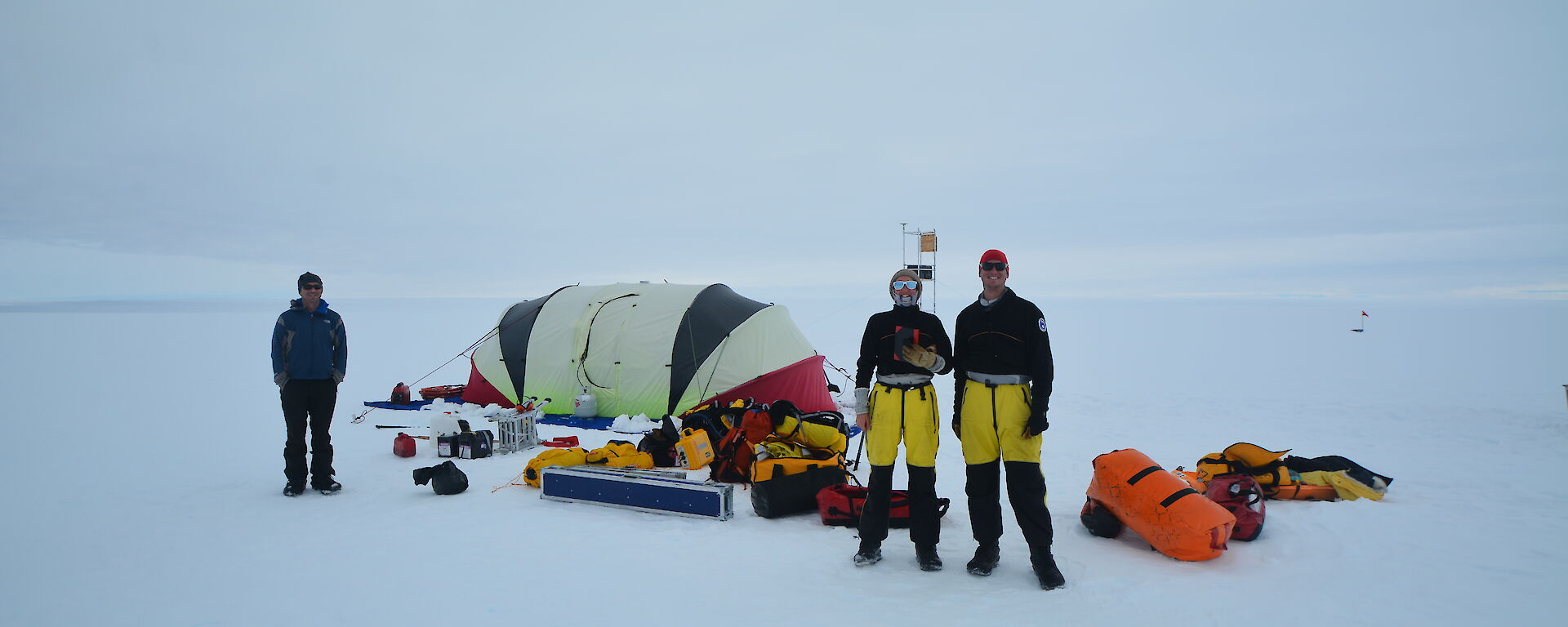
A tent, expeditioners and field equipment littering the snow on flat expanse of glacier
Photo: Madi Gamble Rosevear

Endurance tent

Home > Antarctic operations > Working in the field > Tents, shelters & huts > Tents > Endurance tent
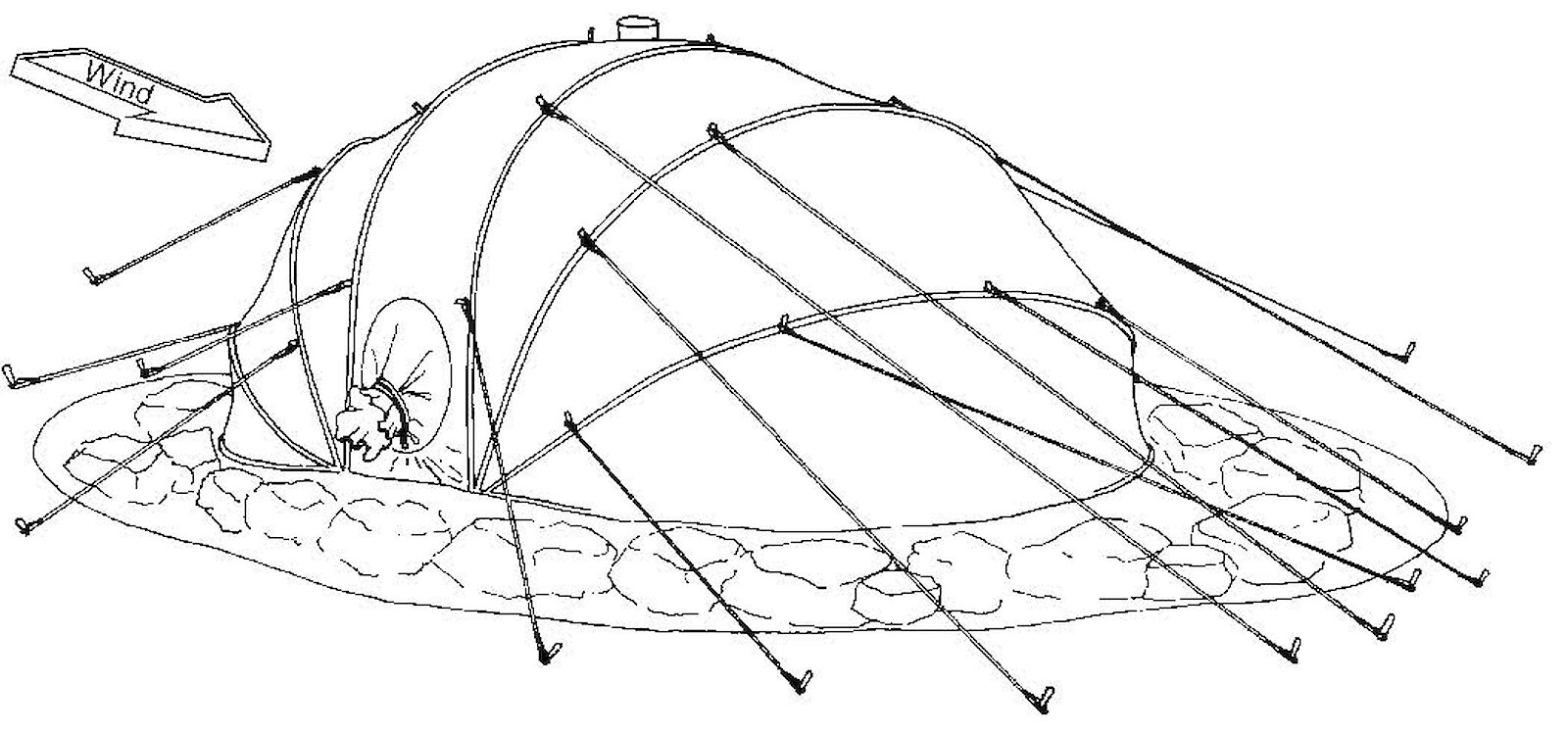
Illustration of an endurance tent
Endurance tent

The Endurance tent sleeps 6–12 and comes in two sizes, 16ft and 21ft long. One end can be concertina’d open to allow equipment to be moved in and out. These tents are good for communal and kitchen use.

ShareShare on Facebook Share on LinkedIn
Previous page
Dome tents
Next page
Polar pyramid tents
This content was last updated 10 years ago on 28 October 2015.

See more

Tents
Dome tents
Polar pyramid tents
Australian Government – Department of Climate Change, Energy, the Environment and Water: Australian Antarctic Division | Australian Antarctic Program

Department of Climate Change, Energy, the Environment and Water

Australian Antarctic Division

We acknowledge the Traditional Owners of Country throughout Australia and recognise their continuing connection to land, waters and culture. We pay our respects to their Elders past and present.

  • About Antarctica
  • Science
  • Antarctic operations
  • News and media
  • About us
  • Contact us
  • Jobs
  • Shipping and flight schedules
  • Data Centre
  • Webcams
  • Disclaimer and copyright
  • Privacy
  • Accessibility

Keep in touch

Follow us on Facebook @AusAntarctic /AusAntarctic Follow us on Instagram /AusAntarctic /AusAntarctic Follow us on LinkedIn @AusAntarctic @AusAntarctic Follow us on YouTube /AusAntarctic /AusAntarctic Subscribe to our RSS feed RSS feed