Ice breakers - 50 years of women in Antarctica

The ‘Antarctic ice ceiling’ was smashed in 1976 when three women ventured to the southernmost continent as part of Australia’s Antarctic Program (formerly ‘Australian National Antarctic Research Expeditions’ - ANARE), for the first time.
The scene had been set the year before during the International Women’s Year, with a growing expectation that women should be treated equally. At the Antarctic Division, the definition of equal included access to Antarctica.
Up until then women were denied participation in ANARE. The official line was that there were no facilities for women: no separate toilets or sleeping quarters, poor fitting clothing and a climate too hostile for women.
Some of these inconveniences were true. But they were used to legitimise the denial of women’s access to the inherently masculine Antarctic that had been described as the last bastion of men’s independence and no place for women.
Only one woman had travelled to Antarctica as part of Australia’s expeditions. She was Nel Law, the wife of the Director of the Antarctic Division, Phillip Law, who stowed away on MV Magga Dan to Mawson station in 1961.
She was discovered on board just hours before the ship was due to set sail, but was permitted to remain on board with her husband.
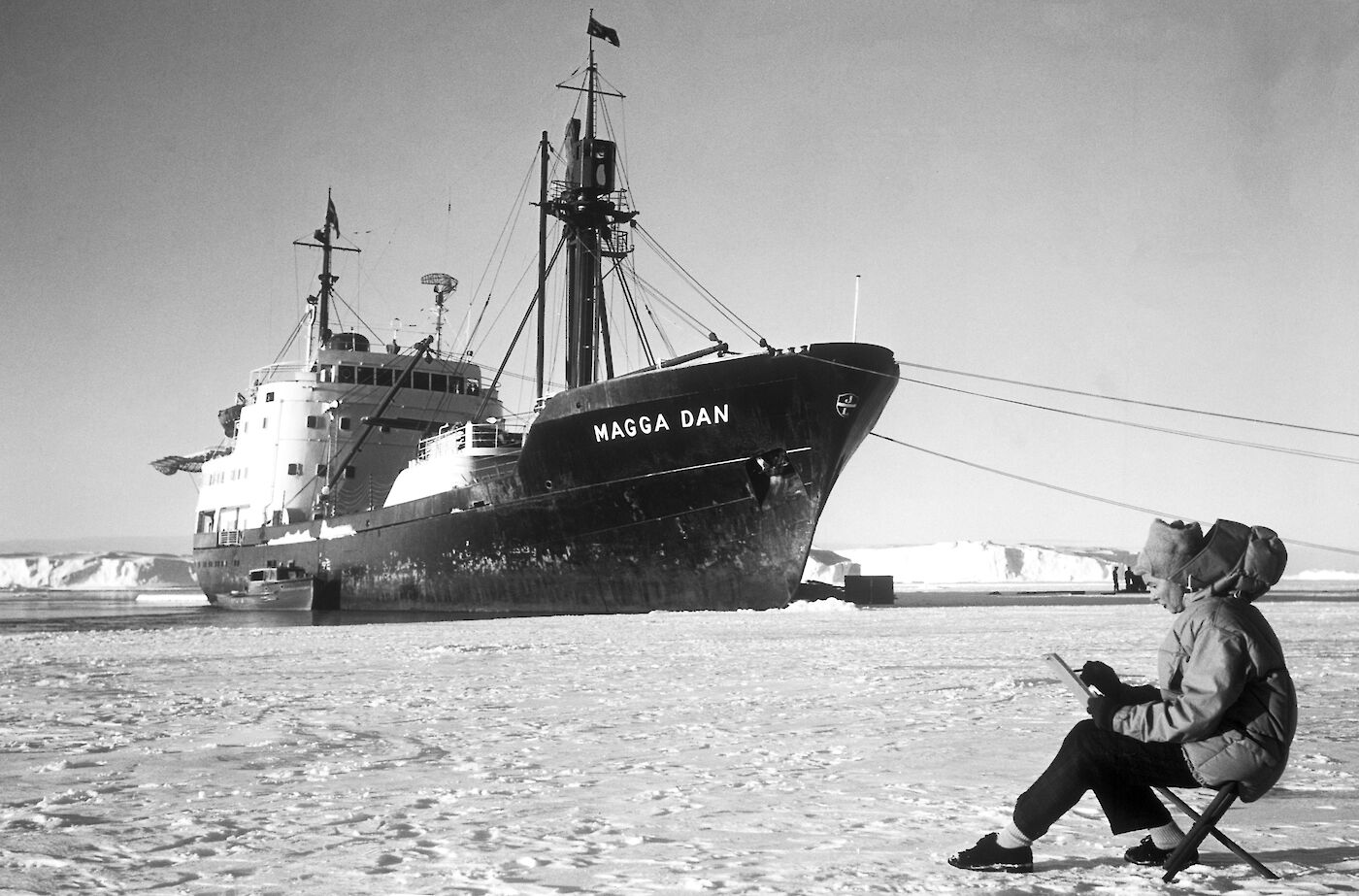
Some 14 years later the International Women’s Year aimed to end discrimination against women and allow them to participate fully in social, political and economic life. With women still excluded from Antarctica, the focus on women’s equality was felt at the Antarctic Division.
In January 1976, after a concerted effort by Antarctic Division photographer Jutta Hosel, Jutta was invited along with two colleagues, family liaison officer Shelagh Robinson and administrator Elizabeth Chipman, to travel on the Thala Dan to Casey station.
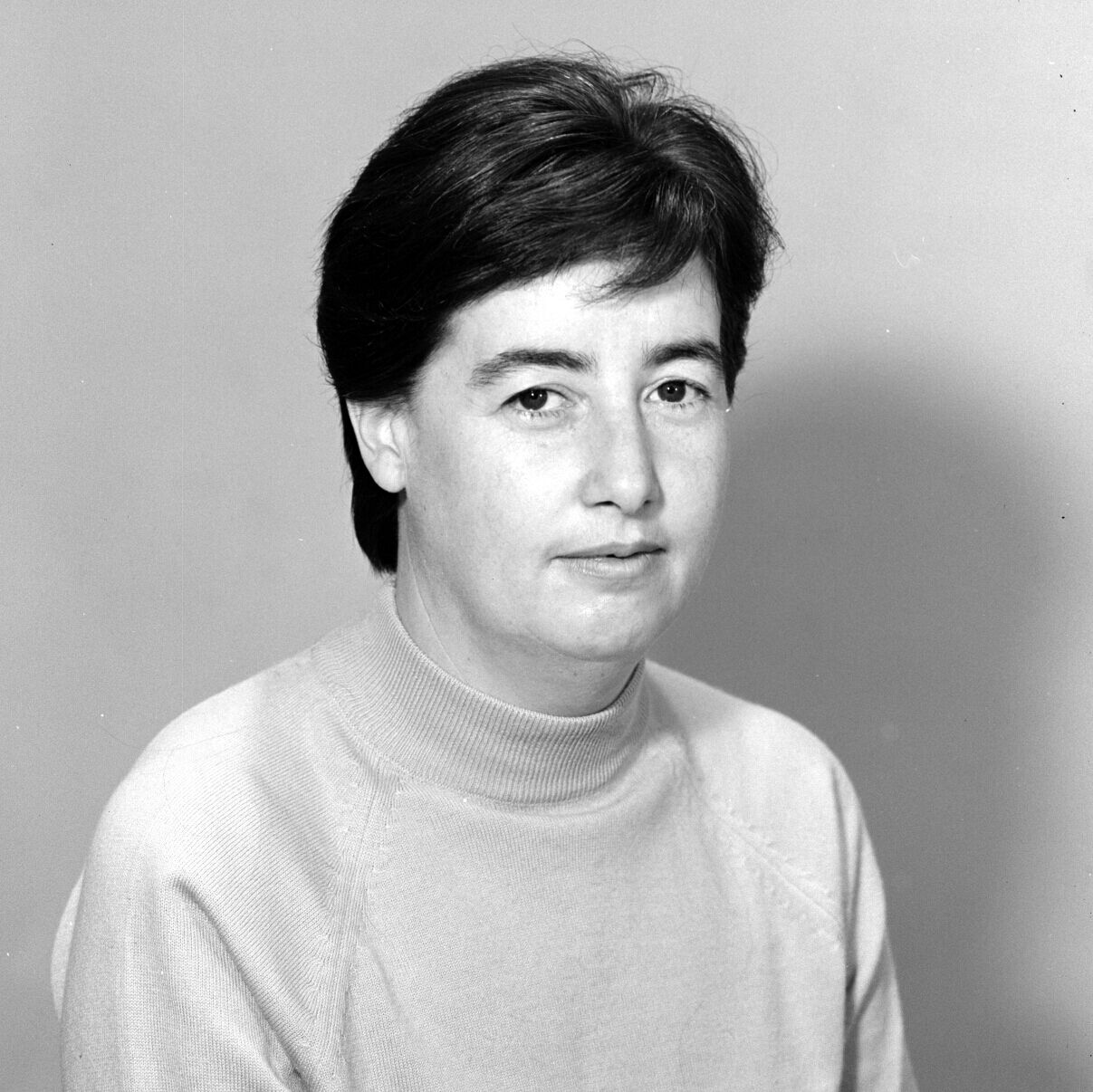
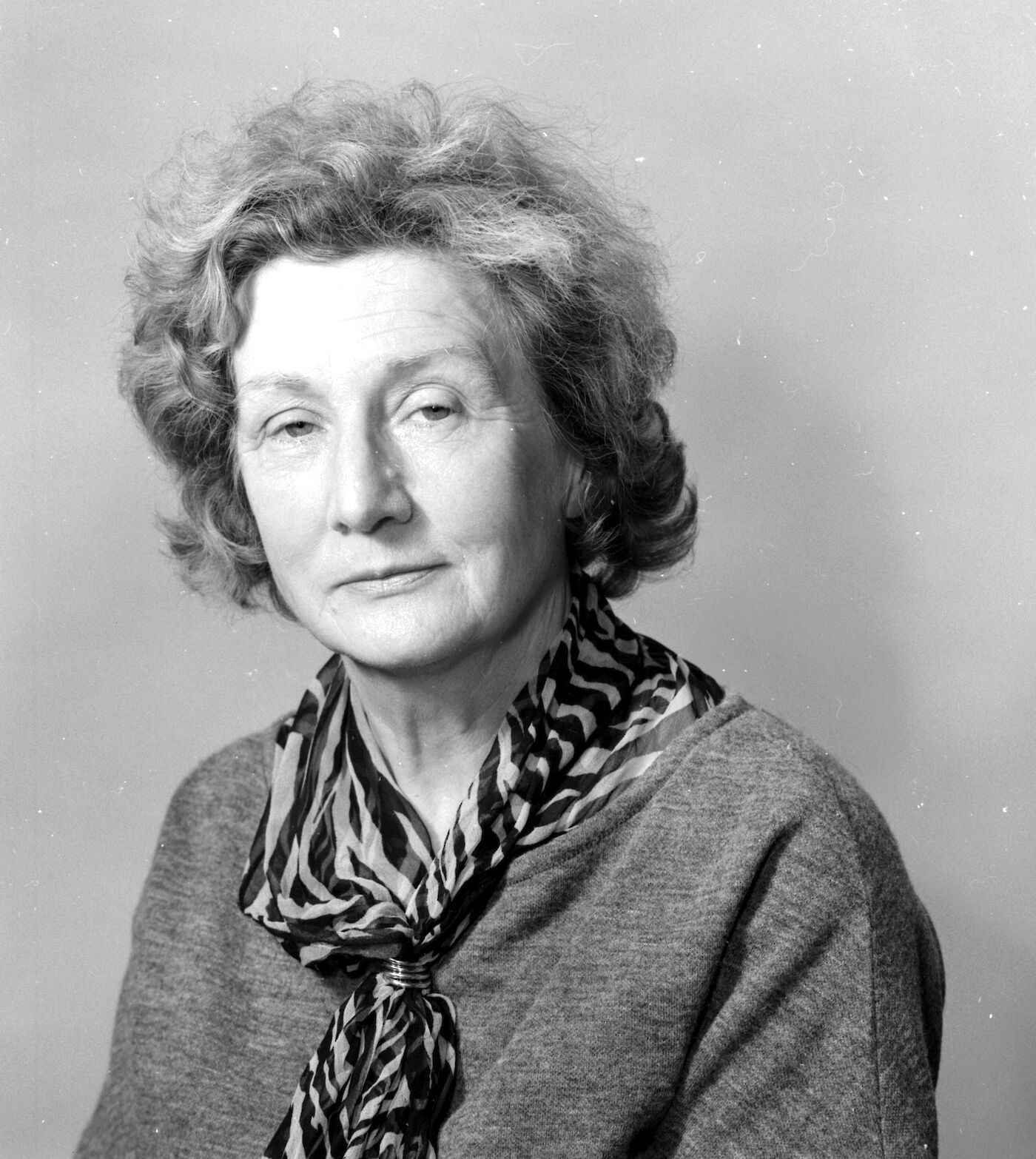
Many women had already worked in the sub-Antarctic, on Macquarie Island, following in the footsteps of scientists Susan Ingham, Isobel Bennet, Mary Gillham and Hope Macpherson who travelled in the summer of 1959–60.
But it was in the Antarctic season of 1975–76 that the first three women travelled to Antarctica as contributing participants of what has now become the Australian Antarctic Program.
It has not been a smooth road for the inclusion of women in the Australian Antarctic Program. In 2023, following concerns over the treatment of women, the Australian Antarctic Division commissioned a comprehensive independent review into its workplace culture.
The review found significant bullying, sexual harassment and exclusion of women had occurred over many years. The Australian Antarctic Division accepted all the review’s recommendations and continues to focus on building a positive workplace culture where all people feel safe and included.
The cultural change focus continues, and an independent review of the Antarctic Division’s progress towards positive cultural change is due to be published in 2026.

Despite the challenges and obstacles to participation, women’s contributions have become integral to every aspect of the Australian Antarctic Program’s science and operations.
Women’s contributions are at the forefront of globally important climate science, and are critical to successful shipping, aviation and logistics, as well as to expeditioner wellbeing, climate policy and international relations.
A series of firsts
After the pioneering, albeit short visits, by women to the Antarctic continent and sub-Antarctic, there were many new firsts to fall.
1976 – Medical Officer Dr Zoë Garder winters on Macquarie Island
1981 - Medical Officer Dr Louise Holliday winters in Antarctica, at Davis.
1983 – First female scientist to winter at Macquarie Island - Peta Kelsey
1985 – First female scientists to winter in Antarctica, at Mawson - Peta Kelsey and Gina Price
1988 – First female tradie in Antarctica - painter Kay Grist, at Casey.
1989 – First women to win the Antarctic Medal - Dr Lyn Williams and Denise Allen
1989 – First female Station Leader on Macquarie Island - Alison Clifton
1989 – First female Antarctic Station Leader - Diana Patterson, at Mawson
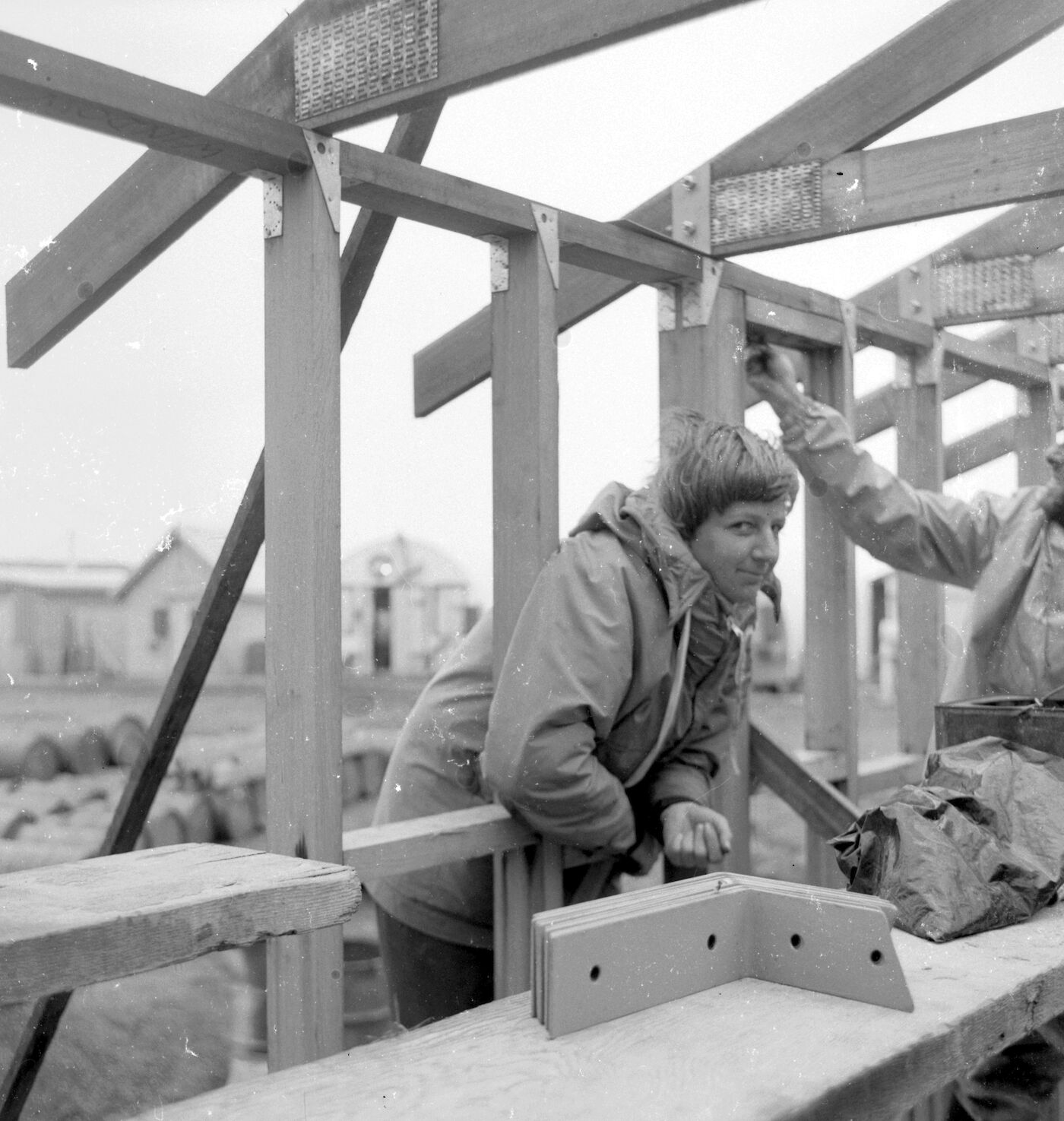
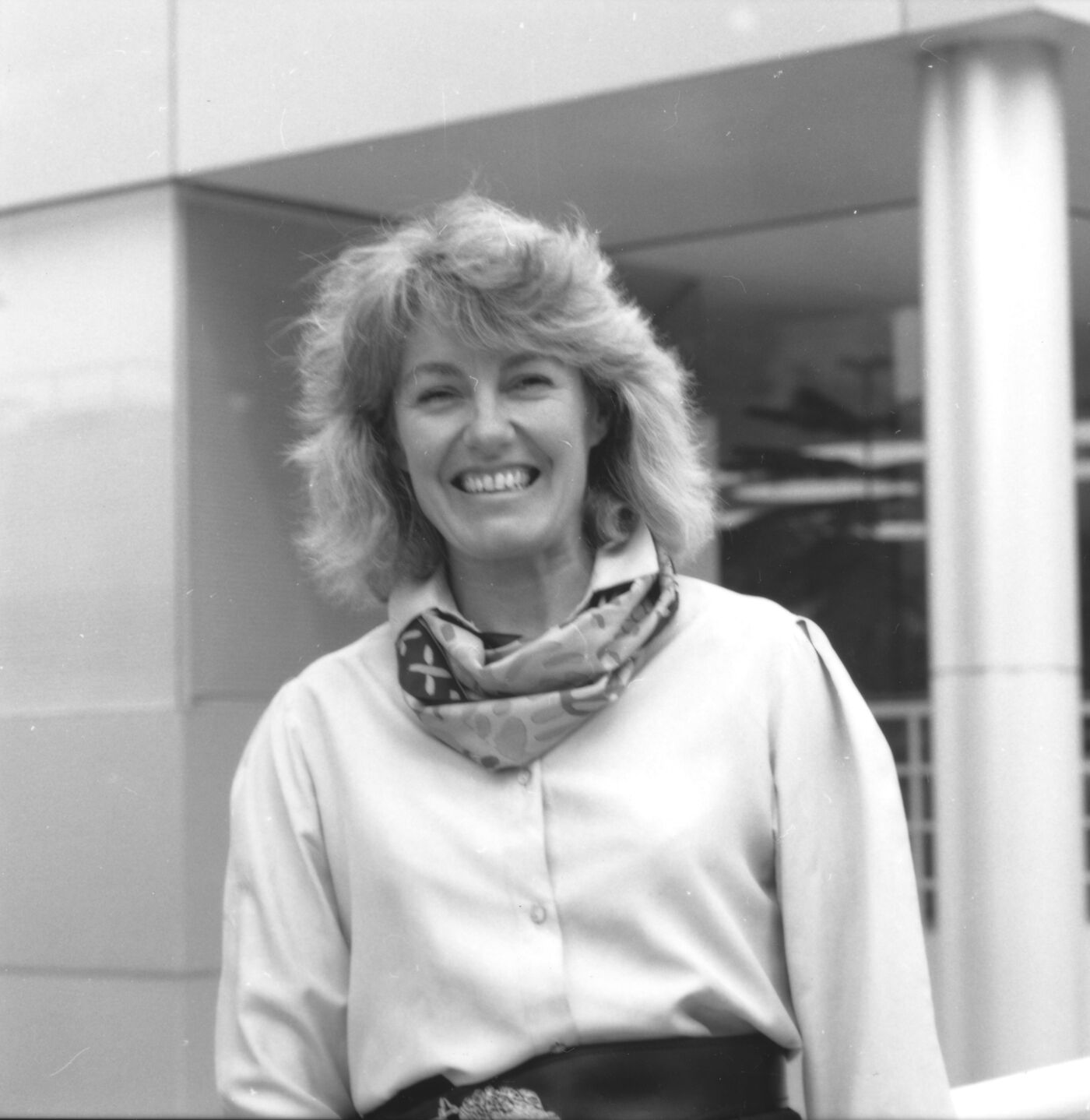
1991 – First female Field Training Officer in Antarctica - Annie Wessing
1992 – First woman to winter at all three Antarctic stations and Macquarie Island - Denise Allen
2009 – First female Australian Antarctic Division Director - Lyn Maddock
2015 – First female Australian Antarctic Division Chief Scientist - Dr Gwen Fenton
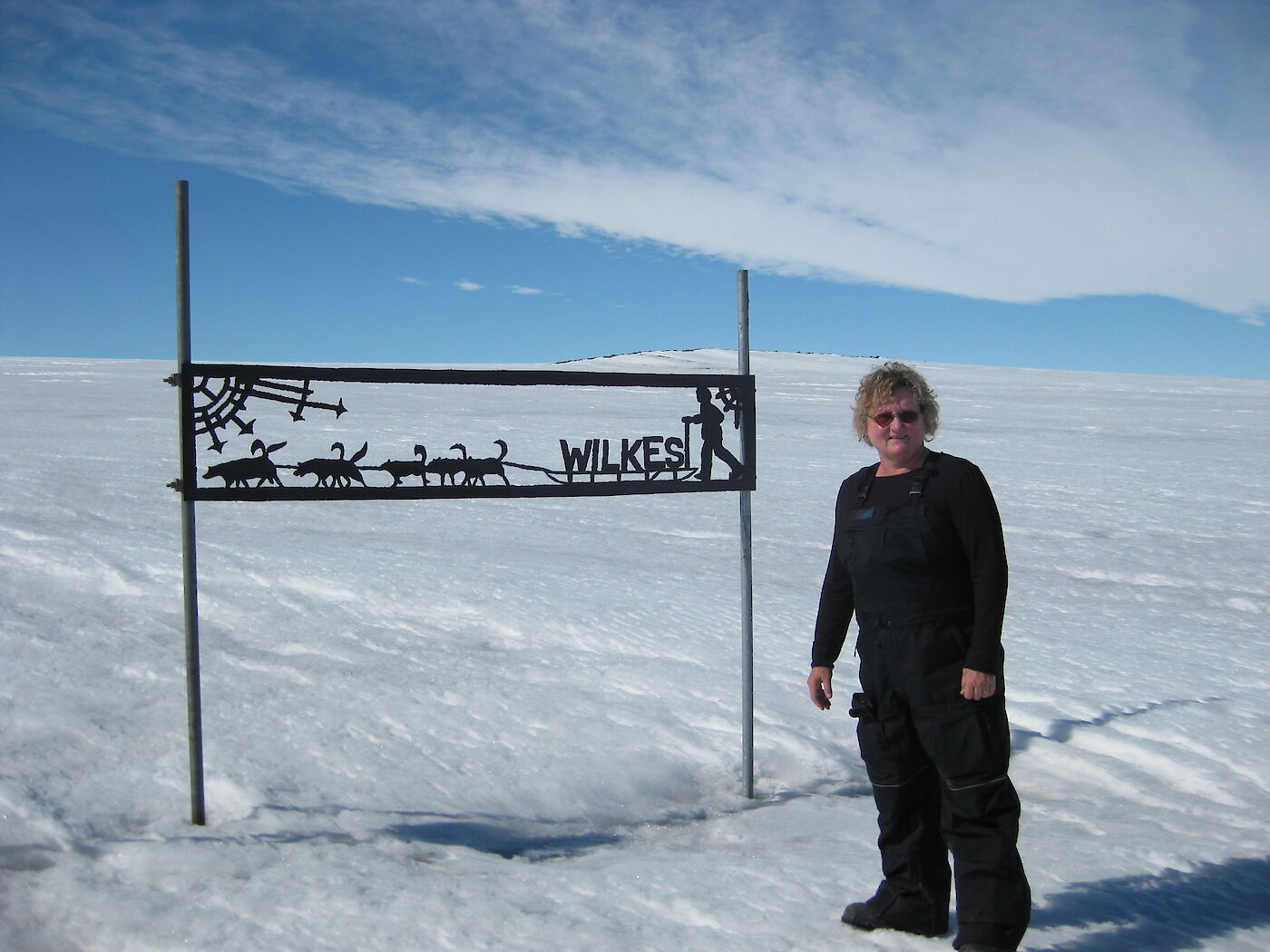
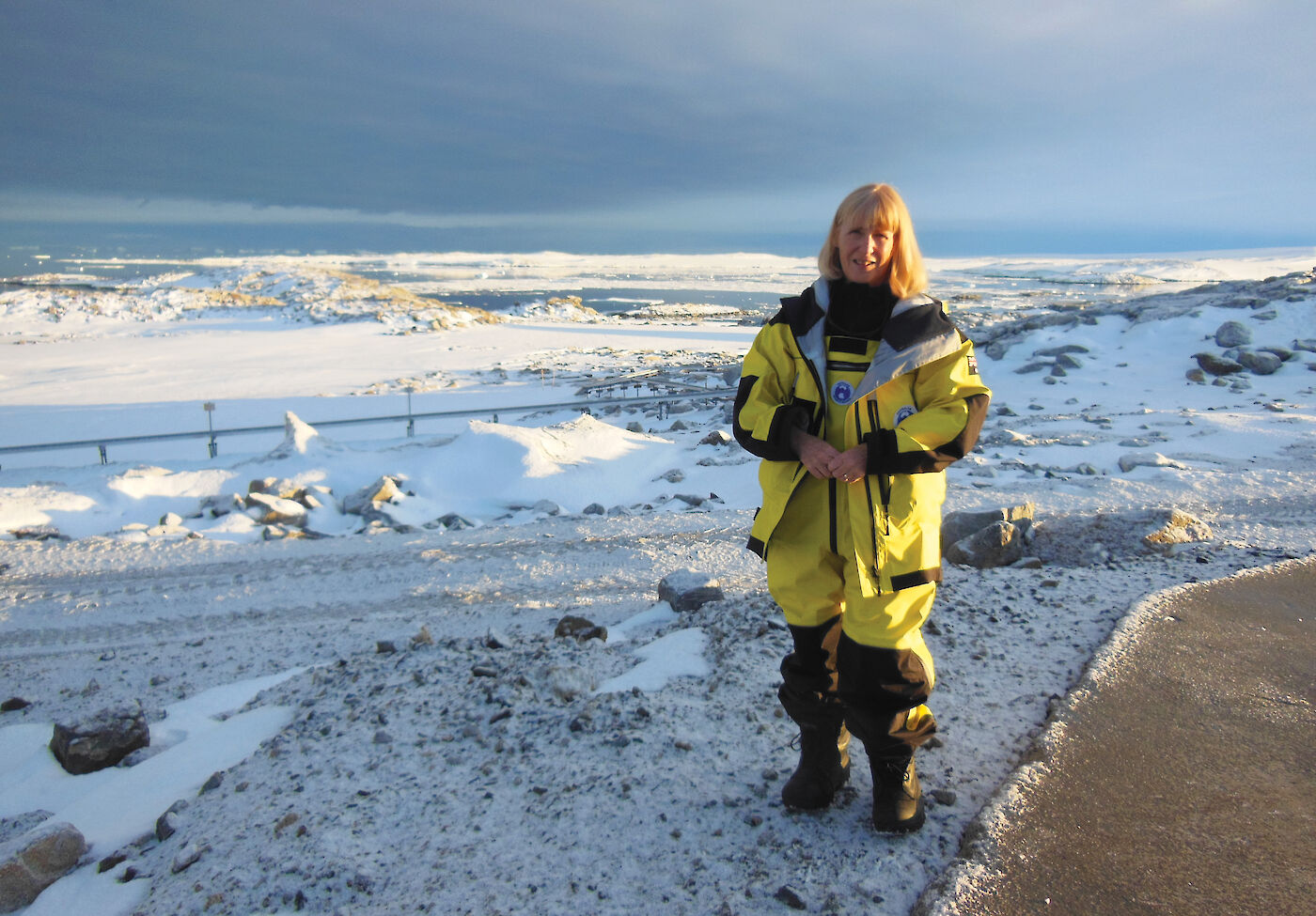
Winds of change
By 1989 women were being more widely recognised for their Antarctic contributions, with Medical officer Dr Lyn Williams and meteorological observer Denise Allen both receiving the Antarctic Medal.
Dr Williams received the medal for research she conducted in Antarctica and on Macquarie and Heard islands, which was internationally recognised for its contribution to the areas of immunology, endocrinology and health in polar regions.
Ms Allen received her award for outstanding service as a pioneer for women in Antarctica and in support of general expedition duties and Antarctic research.
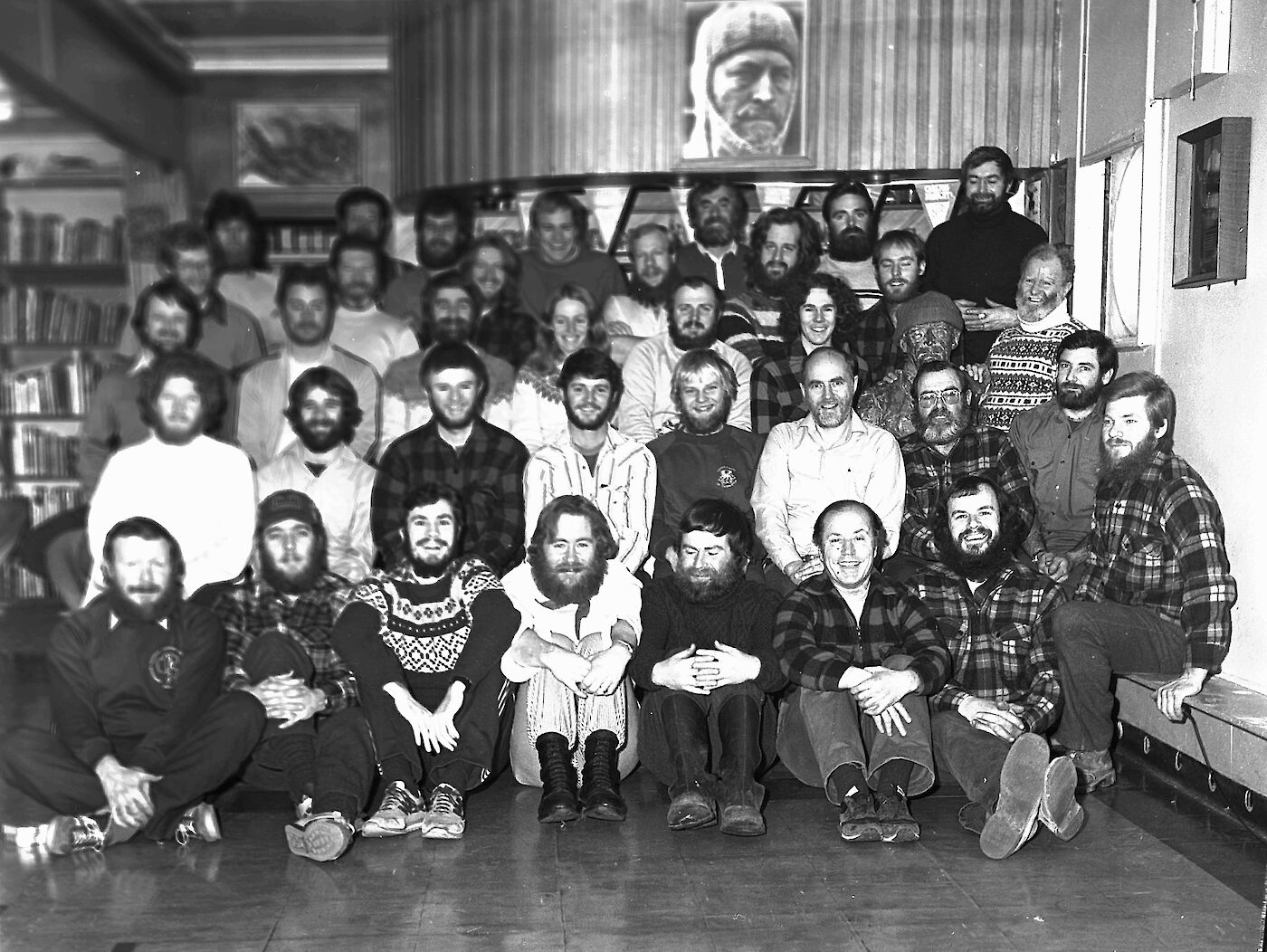
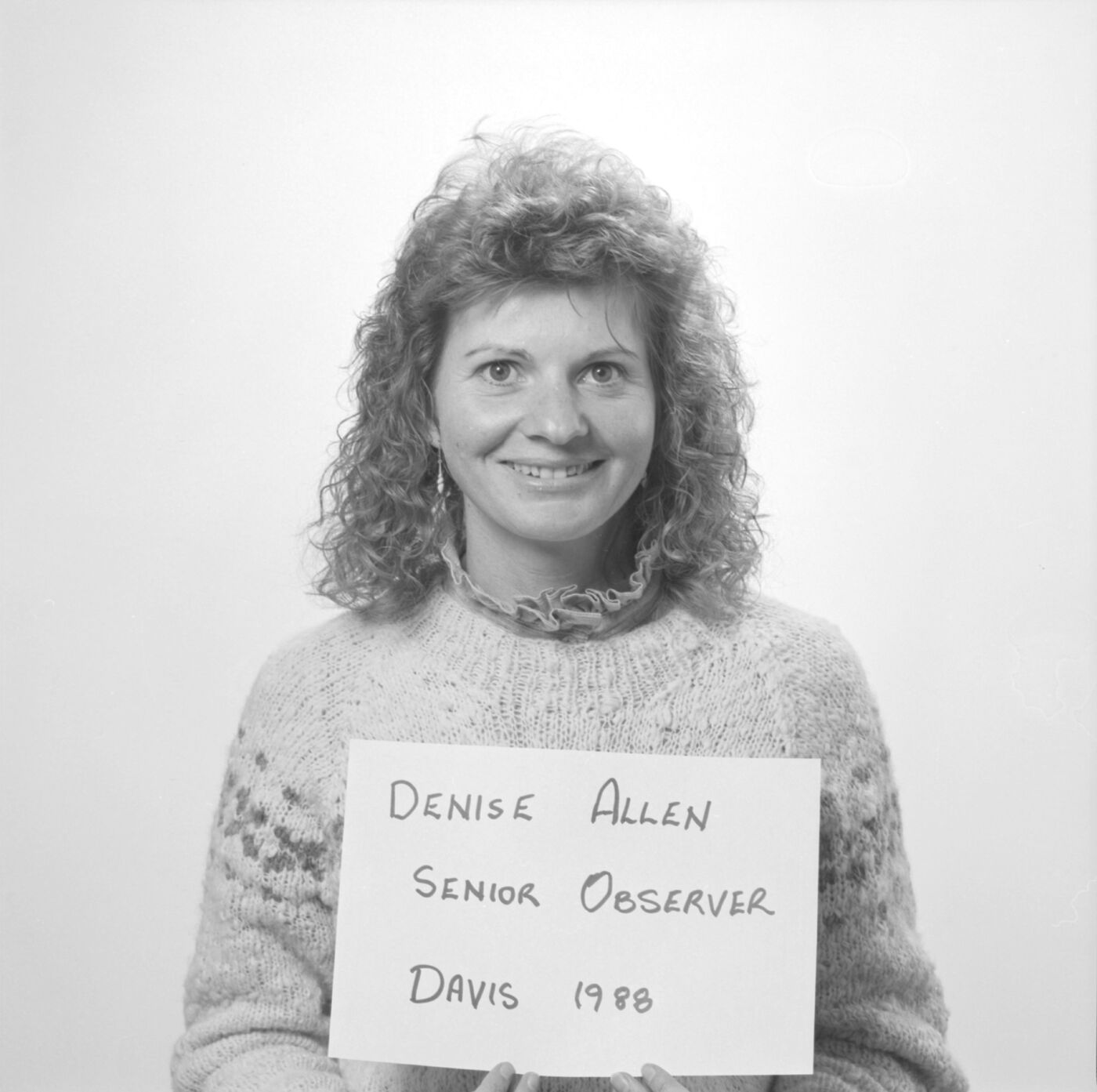
By 1992 Ms Allen was the first woman to have wintered at all three Antarctic stations and Macquarie Island.
All together she made nine trips to Antarctica, spending six winters there between 1985 and 2007.
Listen to excerpts from an oral history recording Ms Allen made about her experiences in Antarctica, through Trove:
- On Ms Allen's first night at Mawson station in 1986, her presence was met with some doubt. The men had been looking forward to an all-male winter and were concerned they'd have to do extra work looking after her. After dinner she had to find her room in a blizzard, but dared not go back in to ask for help. (5 min 16 sec).
- Ms Allen describes visiting Australia’s sub-Antarctic and Antarctic stations. (2min 26 sec)
- “It’s not a gender issue, it’s a people issue”. Most men appreciated the differences women brought to living in Antarctica (2 min 24 sec)
- Ms Allen describes some of her ‘firsts’ and receiving the Antarctic Medal, including for her role in a medical evacuation (5 min 29 sec)
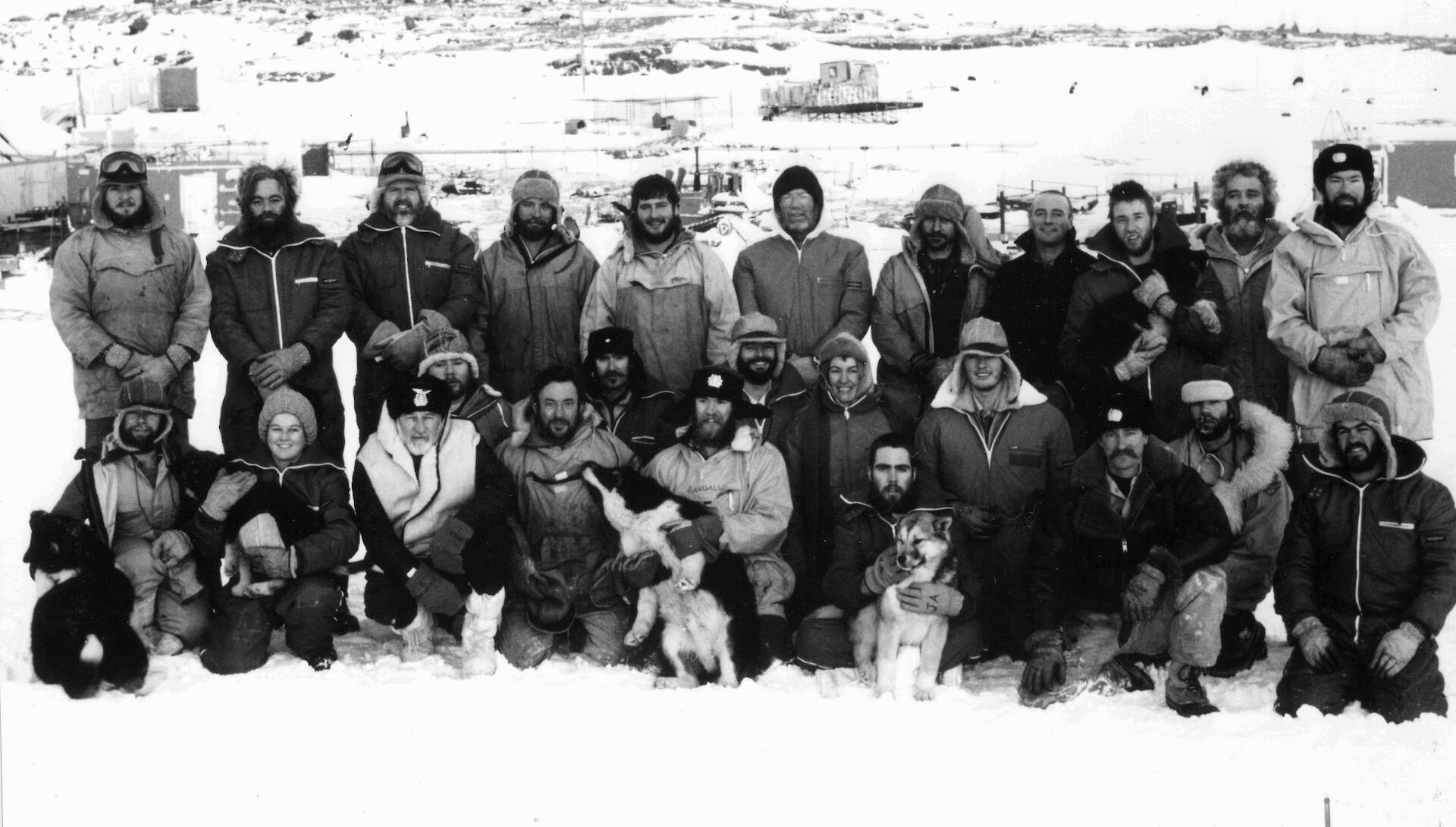
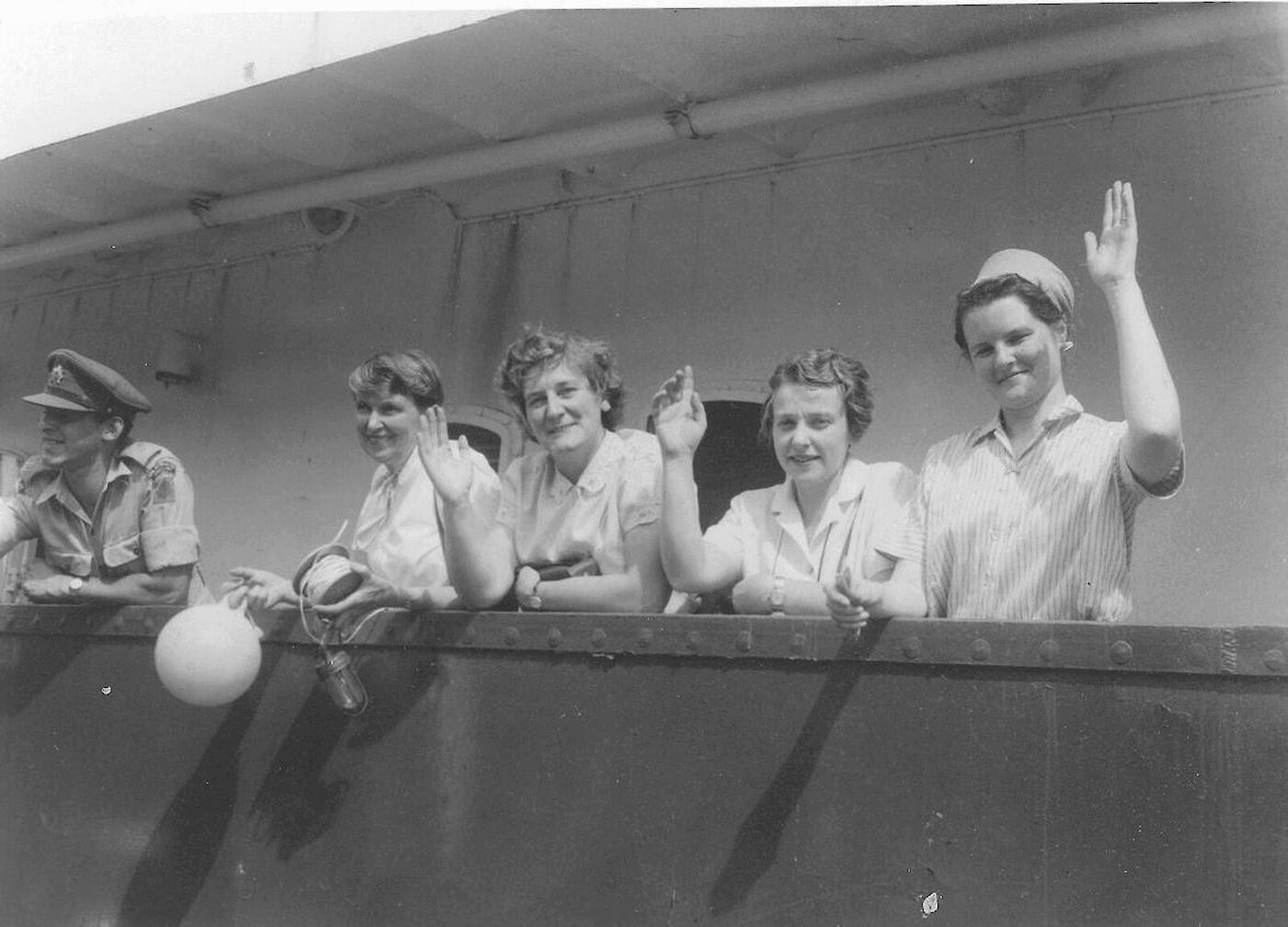
The first female Antarctic Station Leader, Diana Patterson, arrived in early 1989 for a year at Mawson (pictured in the centre of this photo).
Ms Patterson returned for a second stint as leader in 1995, this time at Davis station.
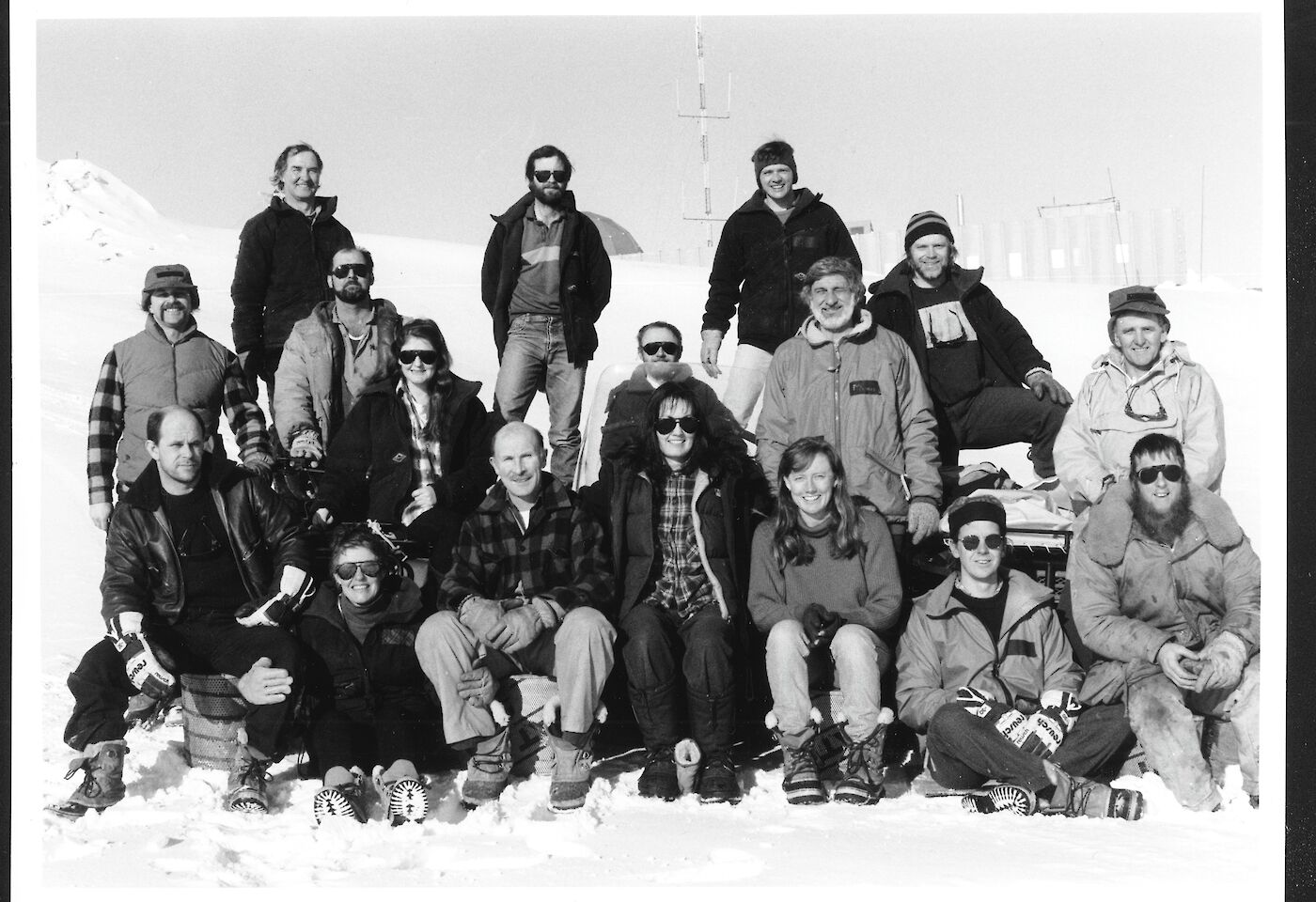
In a 2013 interview for Australian Geographic, Ms Patterson said she noticed attitudes towards women had shifted in those intervening six years.
“In 1995 there were still some old, entrenched views, but generally being a woman wasn’t an issue. In the end, you were judged by how well you did your job,” she said.
Since then, women have continued to break the ice barrier across all areas of the Australian Antarctic Program, including in shipping, aviation, traverse, engineering, plant operation, Chief Scientist and Director.
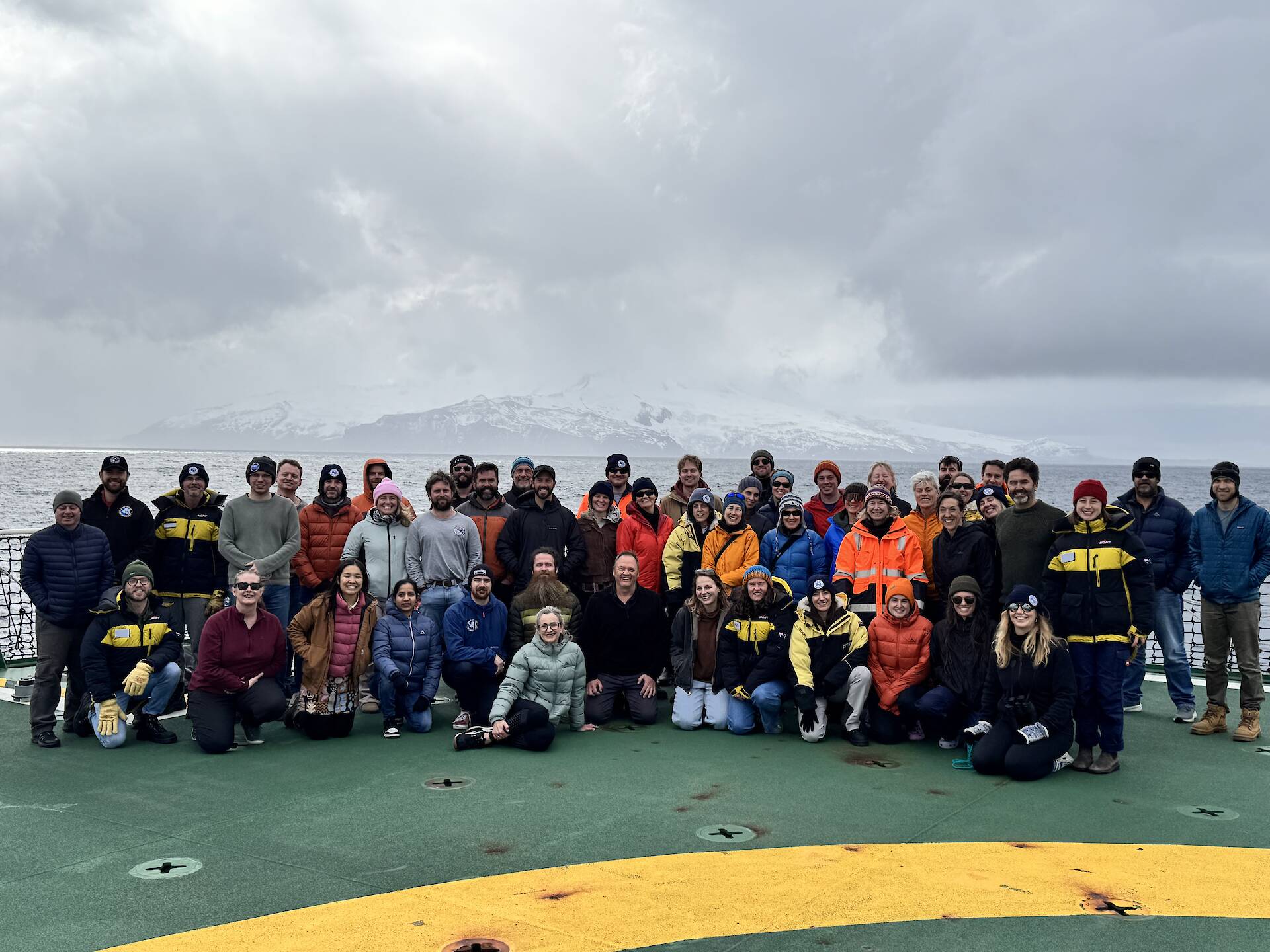
Voices of a modern Antarctic program
Hear women talk about their experiences in the Australian Antarctic Program in the videos below.
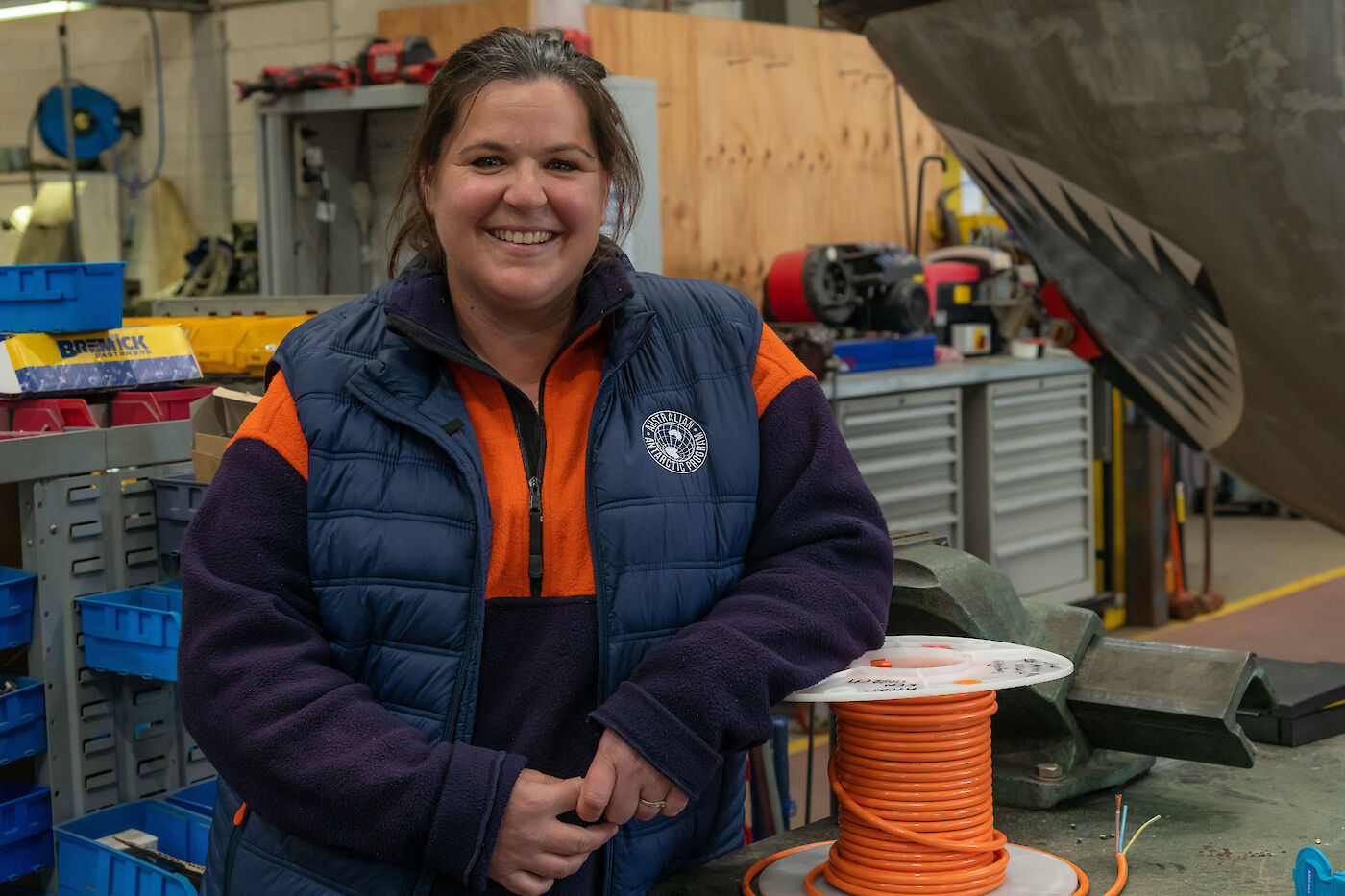
Lisa Wilkinson – Infrastructure Manager
Lisa Wilkinson always wanted to work in Antarctica and becoming an electrician was her way of getting there. Her first visit to Casey in the 2005 summer confirmed it was the right decision. Since then, she’s done a winter at Casey, a summer at Davis and a winter at Mawson. She was awarded the Australian Antarctic Medal in 2023.
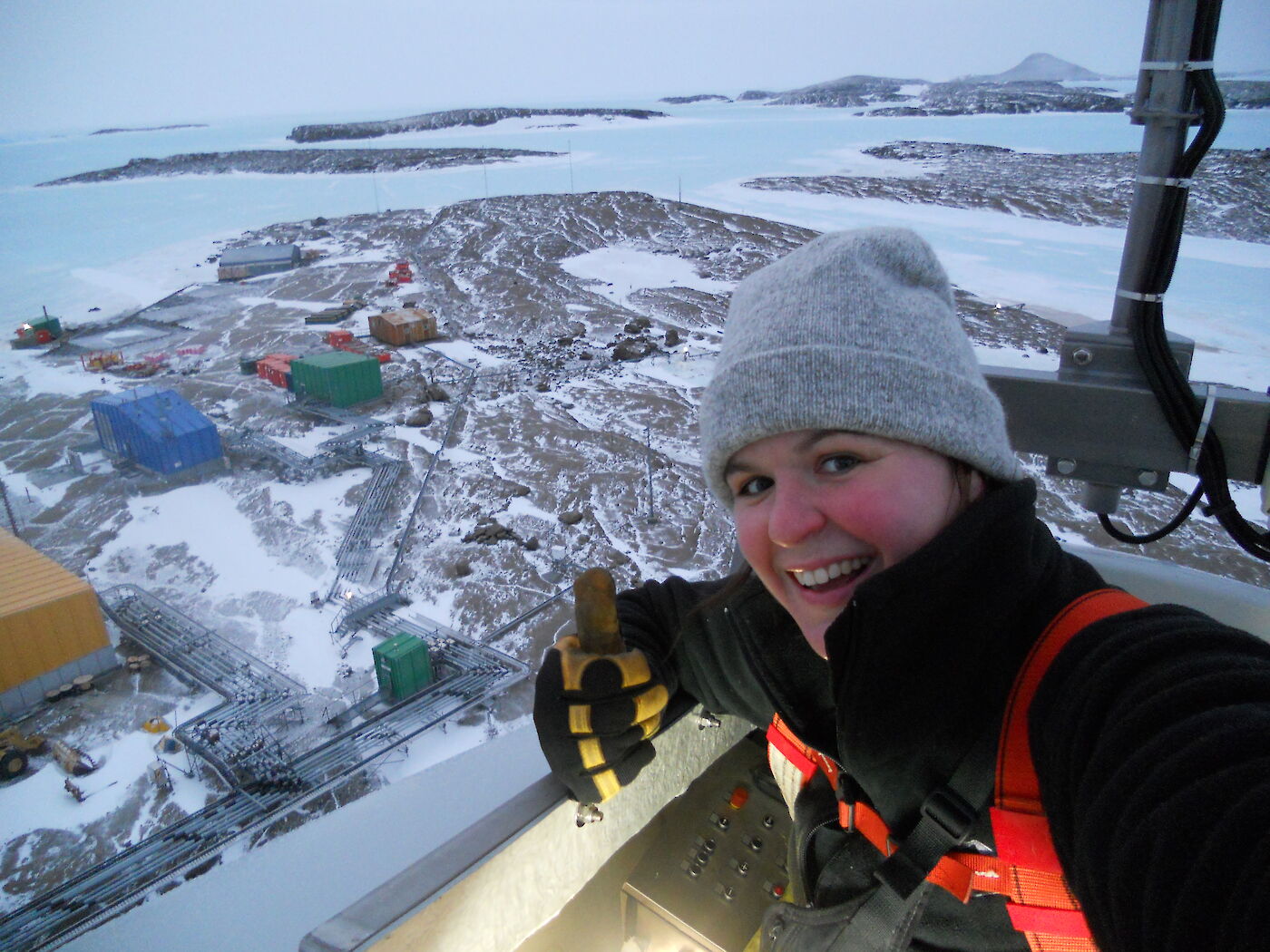
Dr Lauren Wise – Antarctic Infrastructure Renewal Alliance
With a PhD in chemistry, Lauren began her career at the Australian Antarctic Division in 2010, in the remediation team, cleaning up contaminated sites at Macquarie Island and Casey stations. She then moved into cargo planning, helping people organise cargo heading south on ships and aircraft. A few years later she moved to the Operations Management Centre, which provides 24/7 emergency response capability to the Australian Antarctic Program. She now acts as the interface between the Australian Antarctic Division’s infrastructure program and the Antarctic Infrastructure Renewal Alliance – currently renewing water and power infrastructure at Davis station. She’s been to Macquarie Island five times, and Antarctica (at Casey and Davis) seven times.
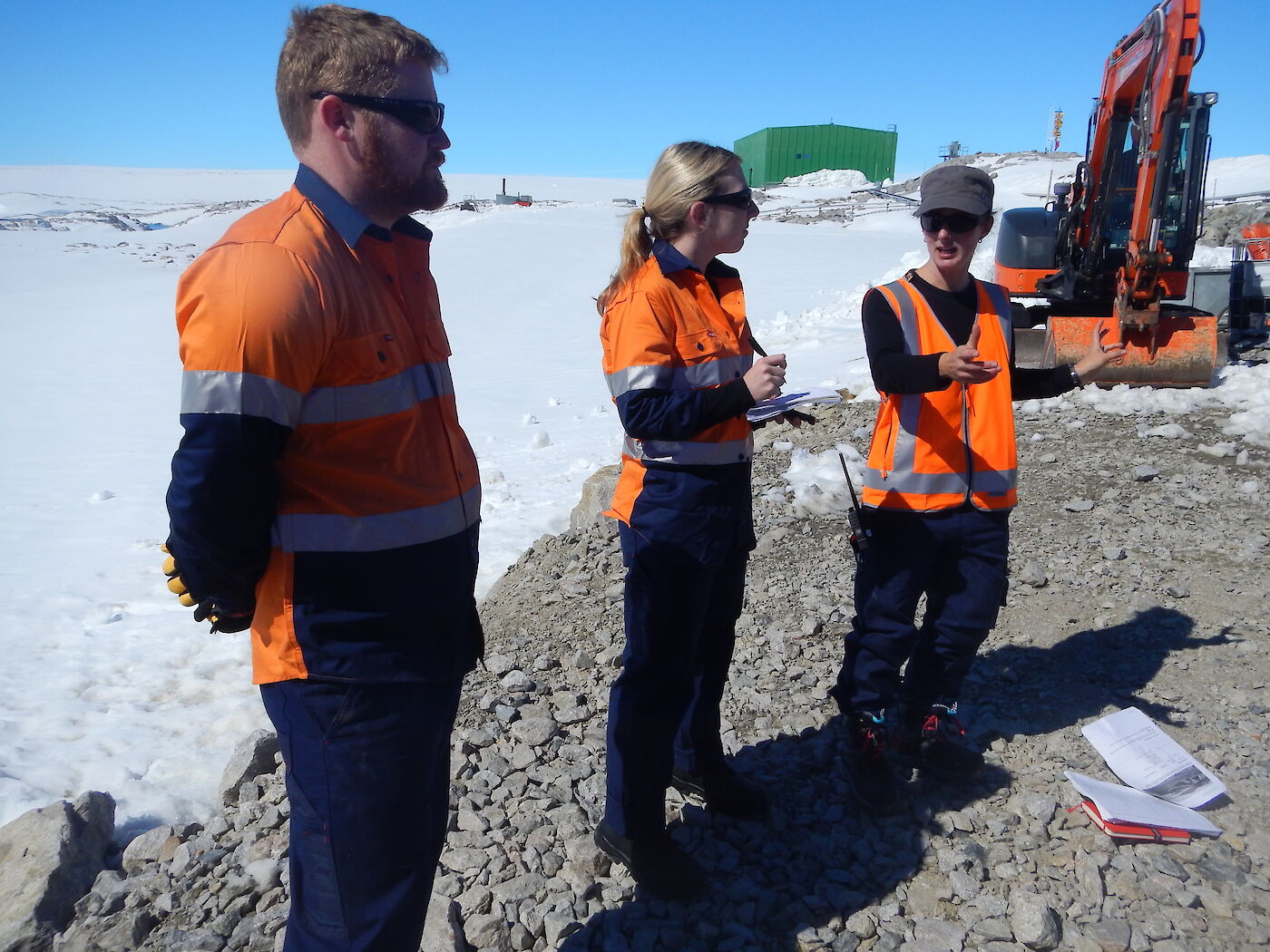
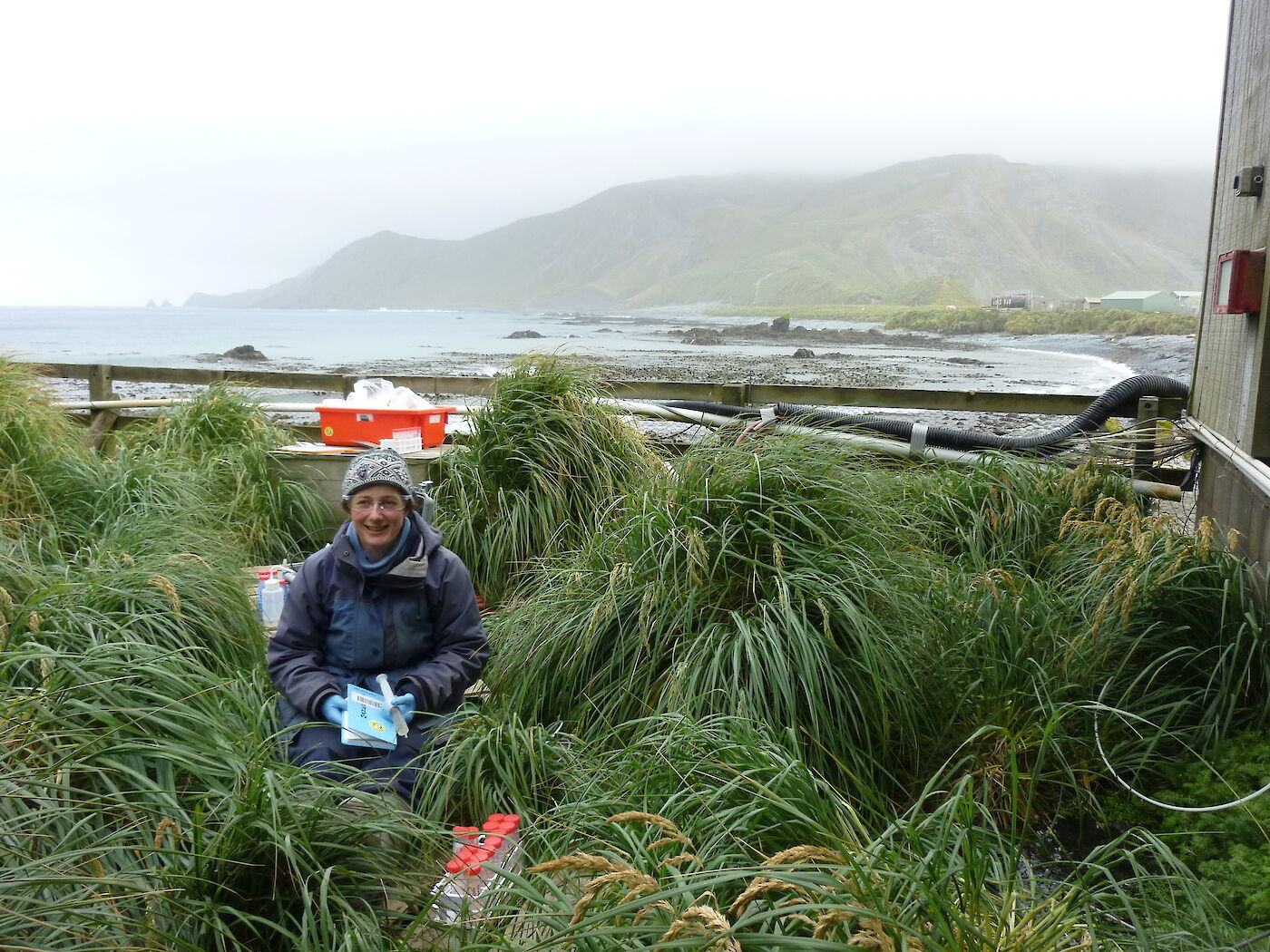
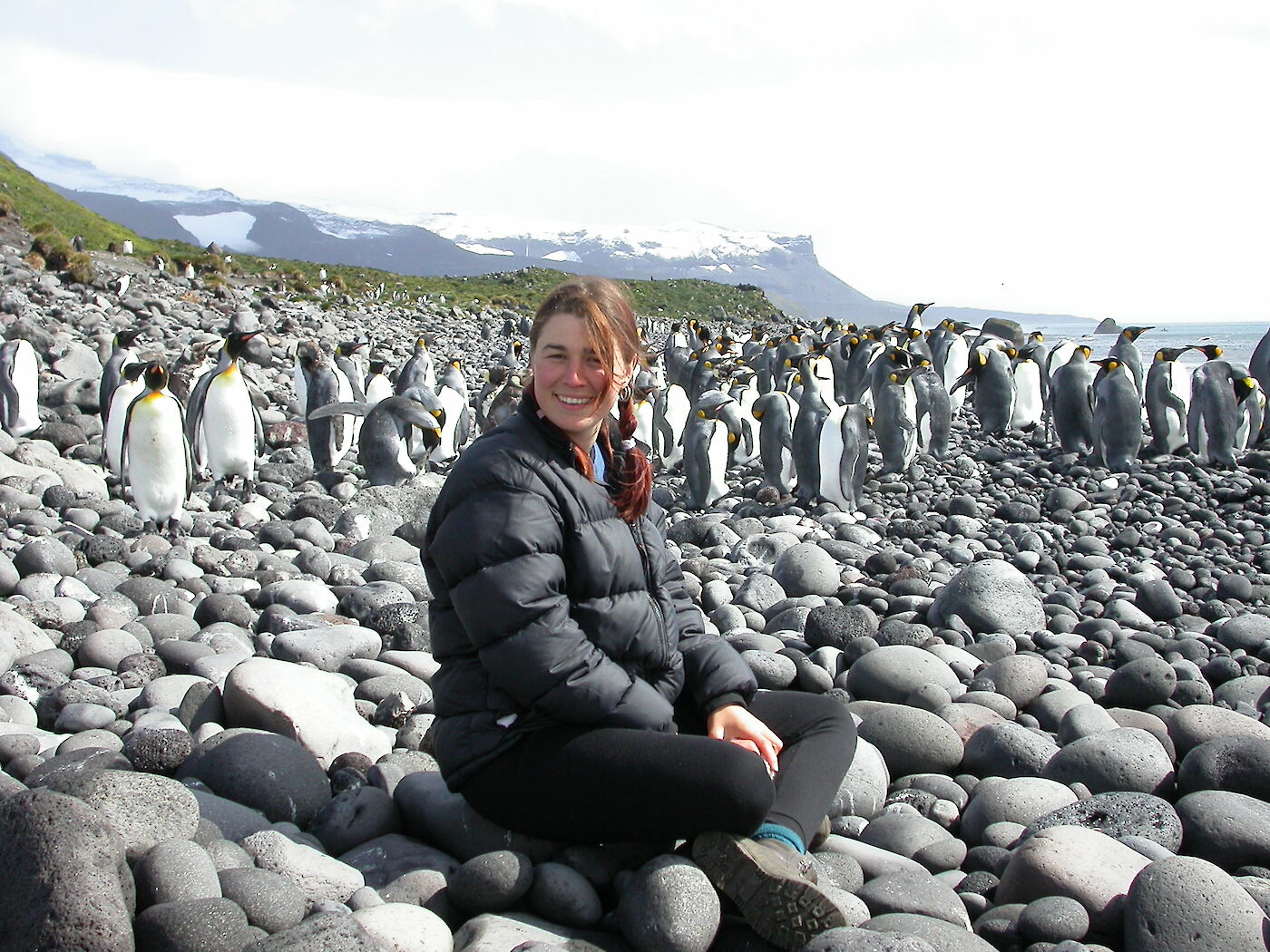
Associate Professor Justine Shaw - conservation scientist
Assoc. Prof. Justine Shaw is a conservation scientist specialising in the ecology and management of Antarctic and sub-Antarctic ecosystems. She is affiliated with Securing Antarctica's Environmental Future, Queensland University of Technology, where her research bridges science, policy, and governance to inform conservation decision-making. With over 30 years of field experience, Assoc. Prof. Shaw has worked extensively across Antarctica and the sub-Antarctic participating in the Australian Antarctic Program, the South African National Antarctic Program, and the British Antarctic Survey. She is a passionate advocate for women in STEM – including as a co-founder of both the Women in Polar Science Network and the Homeward Bound program – and a mentor for a new generation of conservation scientists.
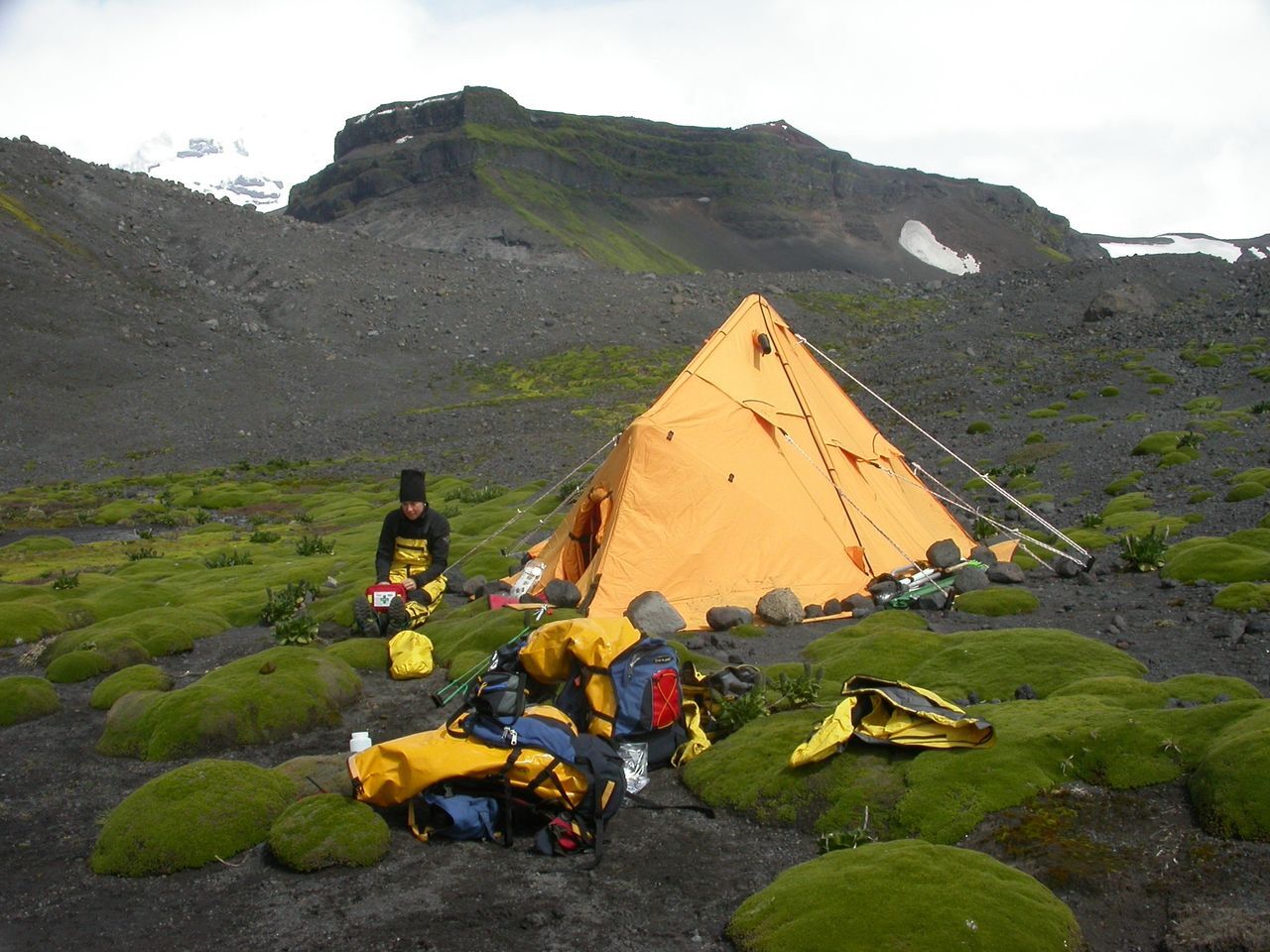
Professor Nerilie Abram – AAD Chief Scientist
As a palaeoclimate scientist, Prof. Abram uses the Earth’s climate archives, such as corals and ice cores, to reconstruct climate variability and change over time. Her first visit to Antarctica in 2007 was to James Ross Island, off the Antarctic Peninsula, to drill an ice core containing thousands of years of climate history. Since then, she has visited Antarctica four times, most recently to conduct ice-chip drilling near the Denman Glacier in 2023. She has also visited the Arctic twice, to drill ice cores. Prof. Abram was elected as a Fellow of the Australian Academy of Science in 2024 and is a former Chair of the Academy of Science National Committee on Antarctic Research. She was appointed Chief Scientist of the Australian Antarctic Division in August 2025.
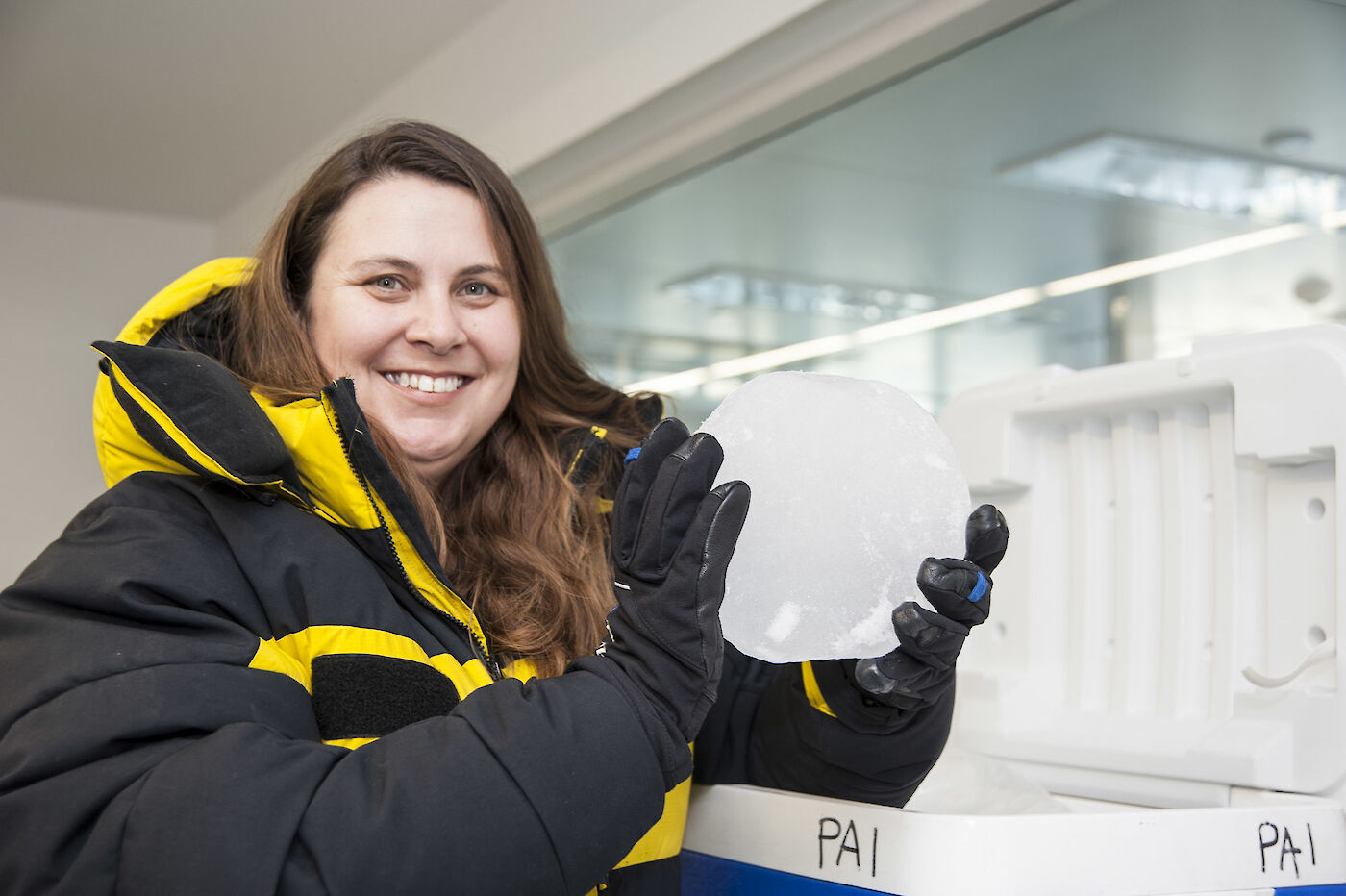
Justine Thompson - Station Leader
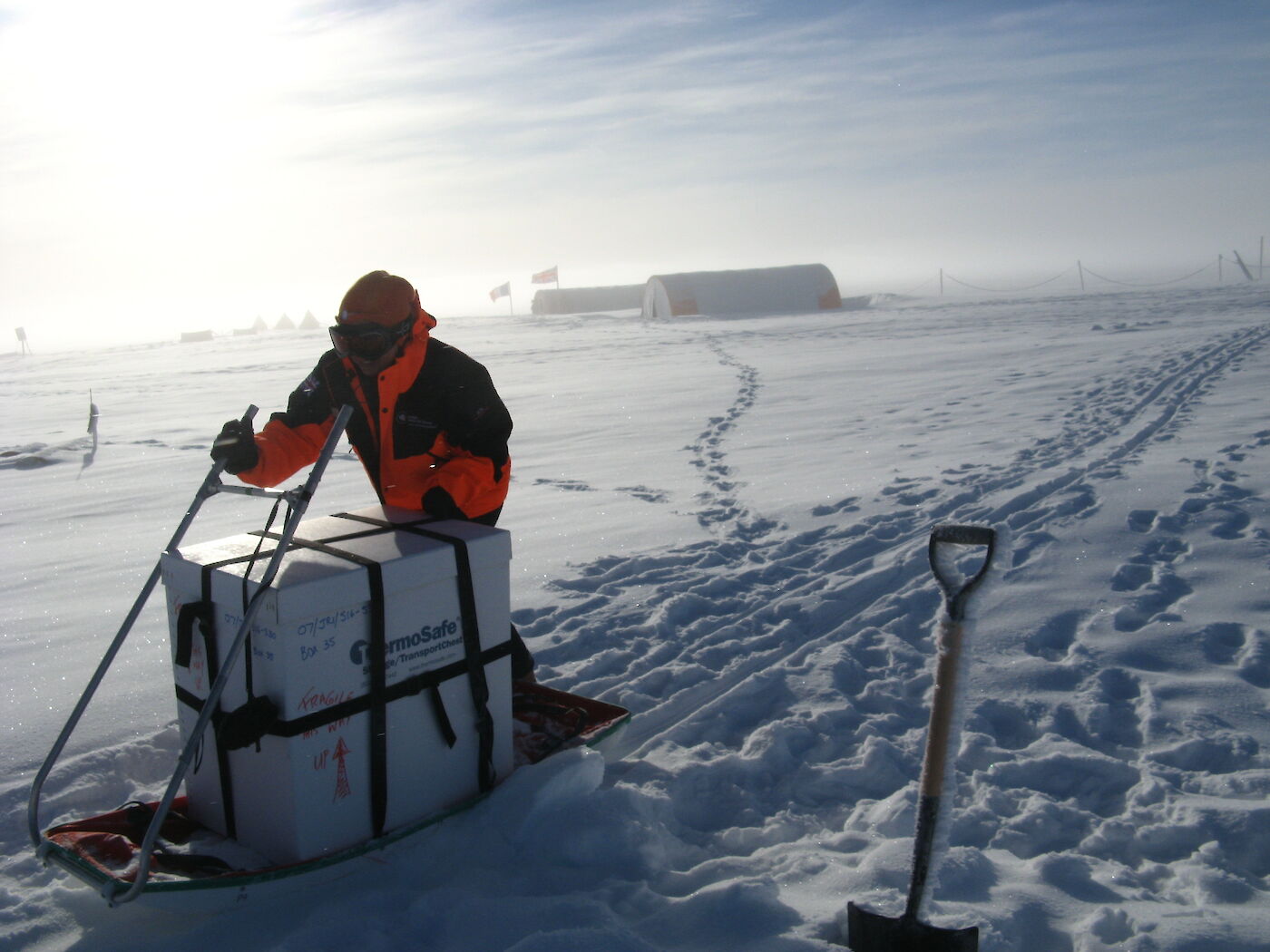
Justine Thompson, a former NSW Police Chief Inspector, has worked as a Station Leader at Macquarie Island (2024) and Casey research stations (2025, 2026). She’s proud to be part of a global effort to better understand the Antarctic environment and its impact on the planet, by looking after the people and the community that undertakes the research. She leads unique and diverse communities that she says are accepting of all, regardless of gender, religion, or cultural background, and is pleased to see the increasing presence of women in trades and leadership roles.