|
News from the Australian Antarctic Program
| November 2023
| |
|
| |
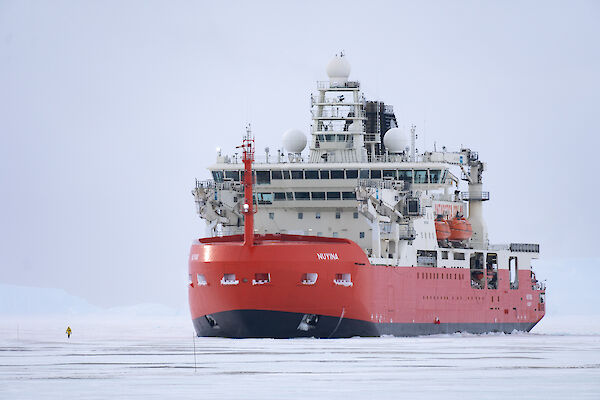
Newly arrived Engineering Services Supervisor, Martin Kucera, took this photo of RSV Nuyina readying for the resupply of Davis station, earlier this month. |
|
|
Jobs in Antarctica | The Australian Antarctic Program is recruiting for 36 roles across our Antarctic and sub-Antarctic stations, including infrastructure and mechanical trades, telecommunications, aviation, station support, science and medicine. Browse our jobs and apply now! | |
|
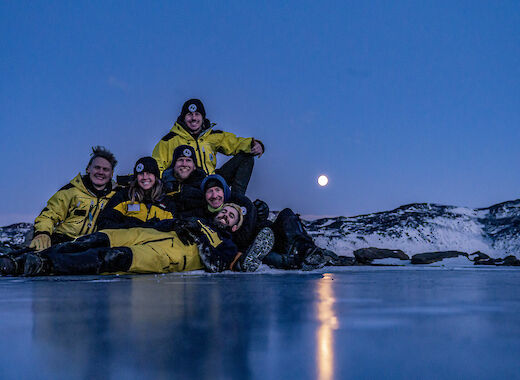
Life after Antarctica | As many Antarctic expeditioners prepare to head home after a year on the ice, there is excitement and grief for what's to come and what's left behind. | |
|
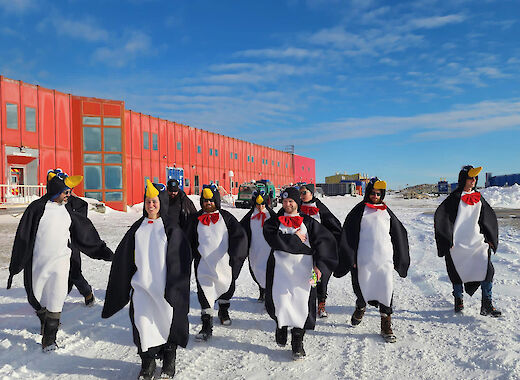
Dinner menu at the end of the Earth | Croissants, gyoza, dahl, lasagne and hot chocolate brownies - it's not the austere menu you might expect at one of the most remote work sites on the planet. Jacqui Hsieh is getting ready to cater for 42 people at Edgeworth David Base Camp in Antarctica’s Bunger Hills. | |
|
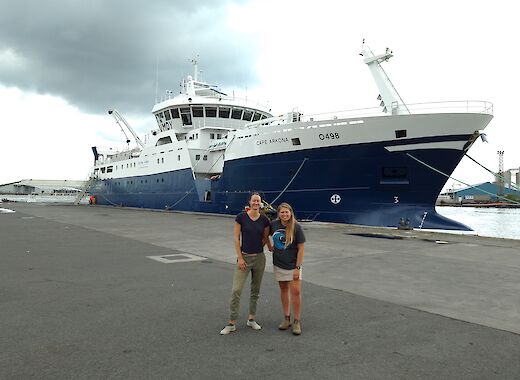
Fishing for science around Heard Island | Two swashbuckling Antarctic scientists spent 97 days on a fishing vessel off Heard Island, studying sandpaper skates, Patagonian toothfish and other deep sea creatures. Their work will inform sustainable fishing practices. | |
|
Selecting Antarctic leaders | When the Australian Antarctic Division looks for new station leaders, it puts candidates through much more than just psych tests and interviews. Only a few make it. | |
|
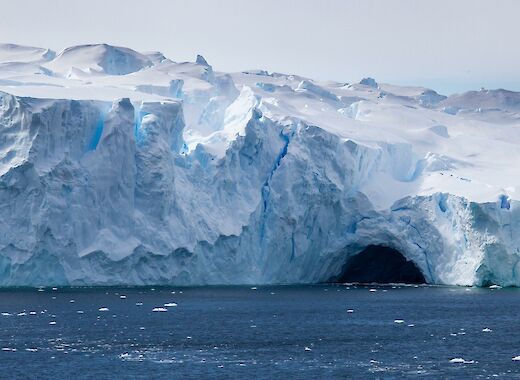
New Antarctic ice shelf-ocean model makes a splash | A new Antarctic ice shelf-ocean model is making a splash, challenging conventional ideas about ice shelf melting. The model will provide more accurate projections of future sea level rise to assist decision-making by urban planners and policy-makers. | |
|
|
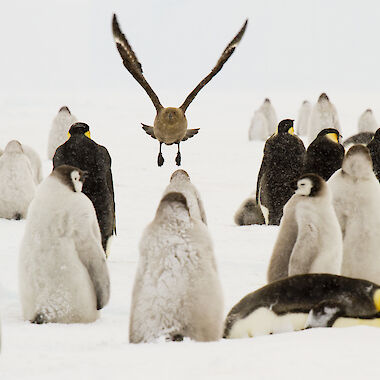
Monitoring bird flu risk in Antarctica | Seabird experts will travel to Antarctica this summer to monitor seabird populations for signs of the deadly avian influenza virus. | |
|
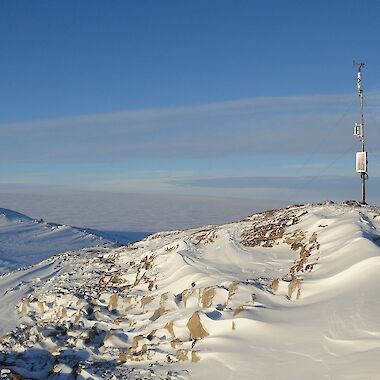
Filling in the gaps | Scientists have proposed a new ocean–sea ice–atmosphere observing system between the Ross Sea and Casey station, to monitor changes in this understudied part of Antarctica’s ice-covered marine environment. | |
|
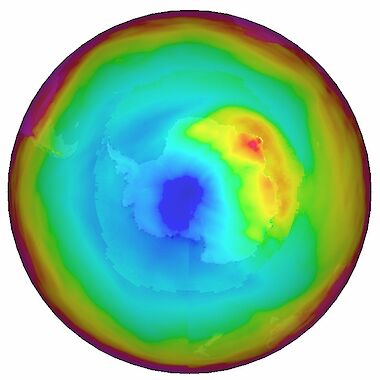
Ozone hole anomaly | The ozone hole over Antarctica opened earlier and larger than usual this year, likely due to a volcanic eruption in the Pacific Ocean in 2022. Antarctic expeditioners are encouraged to 'slip, slop, slap, seek and slide' to reduce the risk of sunburn. | |
|
|